



This year marks half a century since the death of Emperor Haile Selassie I, the last monarch in Ethiopia’s ancient Solomonic dynasty. His reign, which lasted from 1930 until his overthrow in 1974, left a legacy that still stirs admiration, criticism, and spiritual devotion across the world.
A Monarch of Global Standing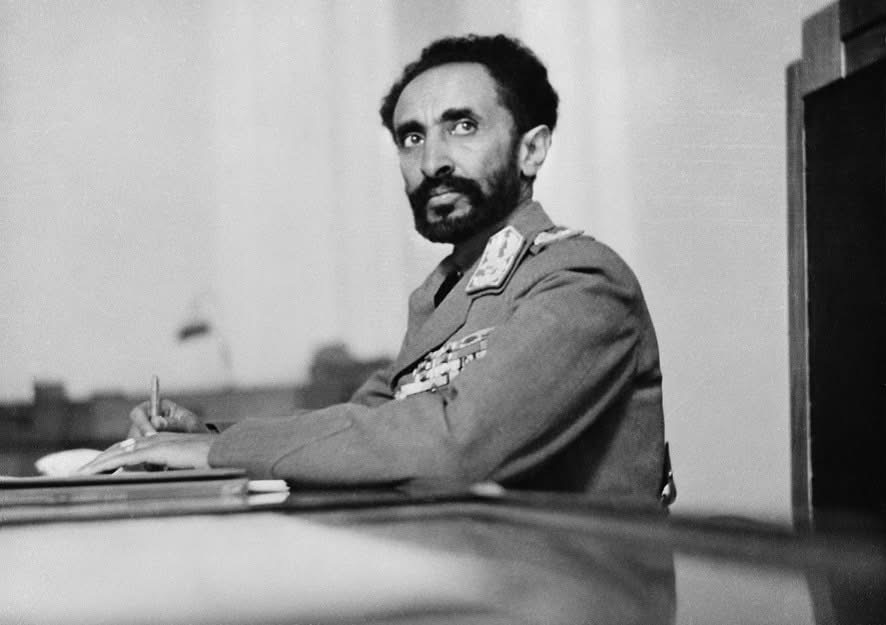
Haile Selassie was not merely Ethiopia’s ruler; he became one of the most recognisable statesmen of the twentieth century. In 1936, following Italy’s invasion of his country, he addressed the League of Nations in Geneva. His plea for collective security and condemnation of fascist aggression made him a symbol of resistance against tyranny. The speech gave him a stature on the international stage that few African leaders, before or since, have matched.
During his reign, Selassie pushed for modernization: he introduced a written constitution, sought to centralise state power, and expanded Ethiopia’s presence in global diplomacy. He played a founding role in the Organisation of African Unity (OAU), today’s African Union, with its headquarters established in Addis Ababa as a testament to his pan-African influence.
Divisions at Home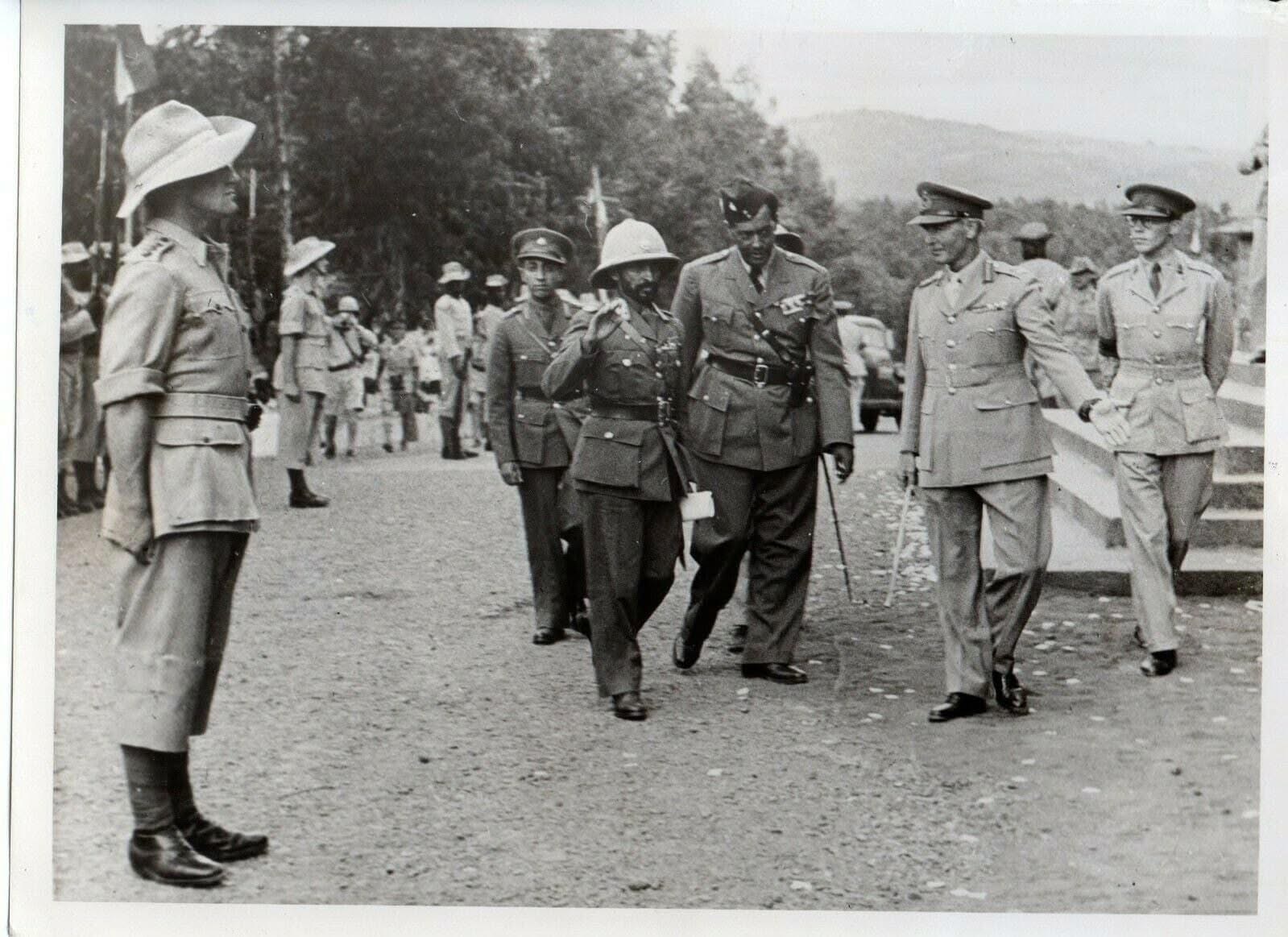
Yet the emperor’s domestic legacy remains contested. Supporters remember him as a reformer who attempted to modernise Ethiopia’s education, legal system, and economy. Critics argue that his reforms were often too slow and superficial, leaving much of the population trapped in poverty while an elite minority benefited.
The 1973–74 famine, poorly handled and hidden from the international community, eroded his authority. Discontent among students, workers, and the military culminated in his overthrow in September 1974 by the Derg, a Marxist military junta. His death under mysterious circumstances the following year marked the end of a monarchy that had claimed descent from King Solomon and the Queen of Sheba.
A Figure of Worship
Beyond politics, Selassie’s image took on an extraordinary spiritual dimension. In Jamaica and across the Caribbean, the Rastafarian movement proclaimed him a divine messiah. Though he himself rejected such deification, Rastafarians hailed him as the fulfillment of biblical prophecy and a symbol of Black liberation. His 1966 visit to Jamaica remains a historic moment, where thousands gathered to greet him as a living god.
Memory and Controversy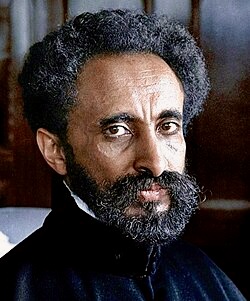
Today, Haile Selassie occupies a complex place in history. In Ethiopia, statues of him have been both erected and torn down, depending on the political climate. For some, he is a national hero who defended Ethiopia’s independence and global dignity. For others, he remains a symbol of authoritarian rule and neglect of the poor.
In a recent interview with the BBC, his great-nephew reflected on the emperor’s life and the need to see him as a human figure shaped by both his triumphs and failures. Listen to the full conversation here.
Enduring Legacy
Fifty years on, Haile Selassie remains one of the few African rulers to achieve global icon status. He stood at the intersection of tradition and modernity, faith and politics, liberation and repression. His story is as much about Ethiopia’s path through the twentieth century as it is about the enduring search for African leadership on the world stage.