



Lagos witnessed a historic cultural milestone yesterday as President Bola Ahmed Tinubu officially reopened and re-dedicated the Wole Soyinka Centre for Culture and the Creative Arts, formerly known as the National Arts Theatre.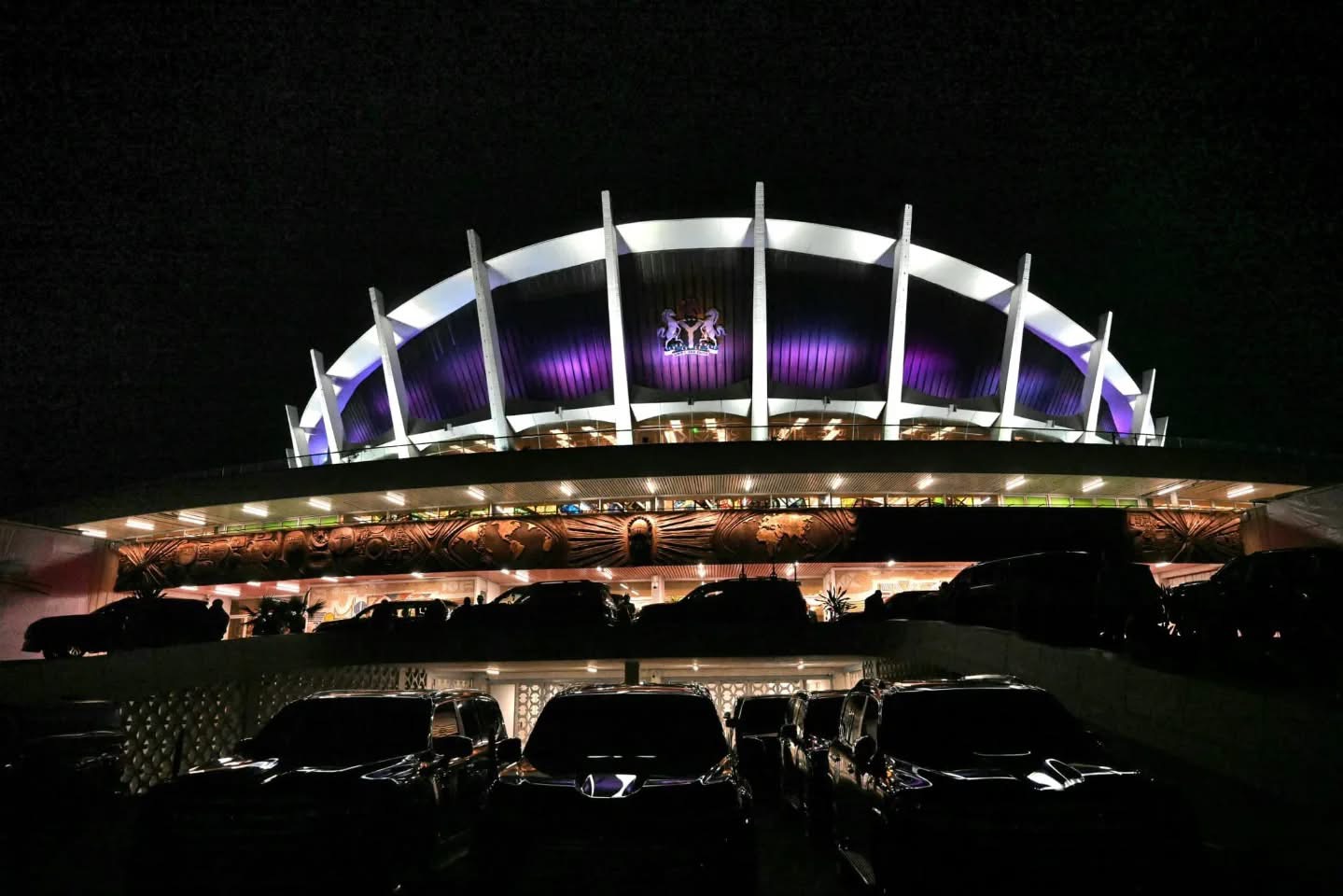
The iconic structure, built in 1976 in preparation for the Second World Black and African Festival of Arts and Culture (FESTAC ’77), has long stood as a symbol of Nigeria’s artistic heritage. After years of neglect and underutilisation, the facility has now undergone extensive rehabilitation and modernization, restoring its place as the heartbeat of Nigerian cultural expression.
Renamed in honour of Nobel Laureate Professor Wole Soyinka, the refurbished complex now boasts a 4,000-seat main hall, upgraded sound and lighting systems, state-of-the-art exhibition galleries, rehearsal spaces, and digital studios designed to support theatre, film, dance, literature, and music productions.
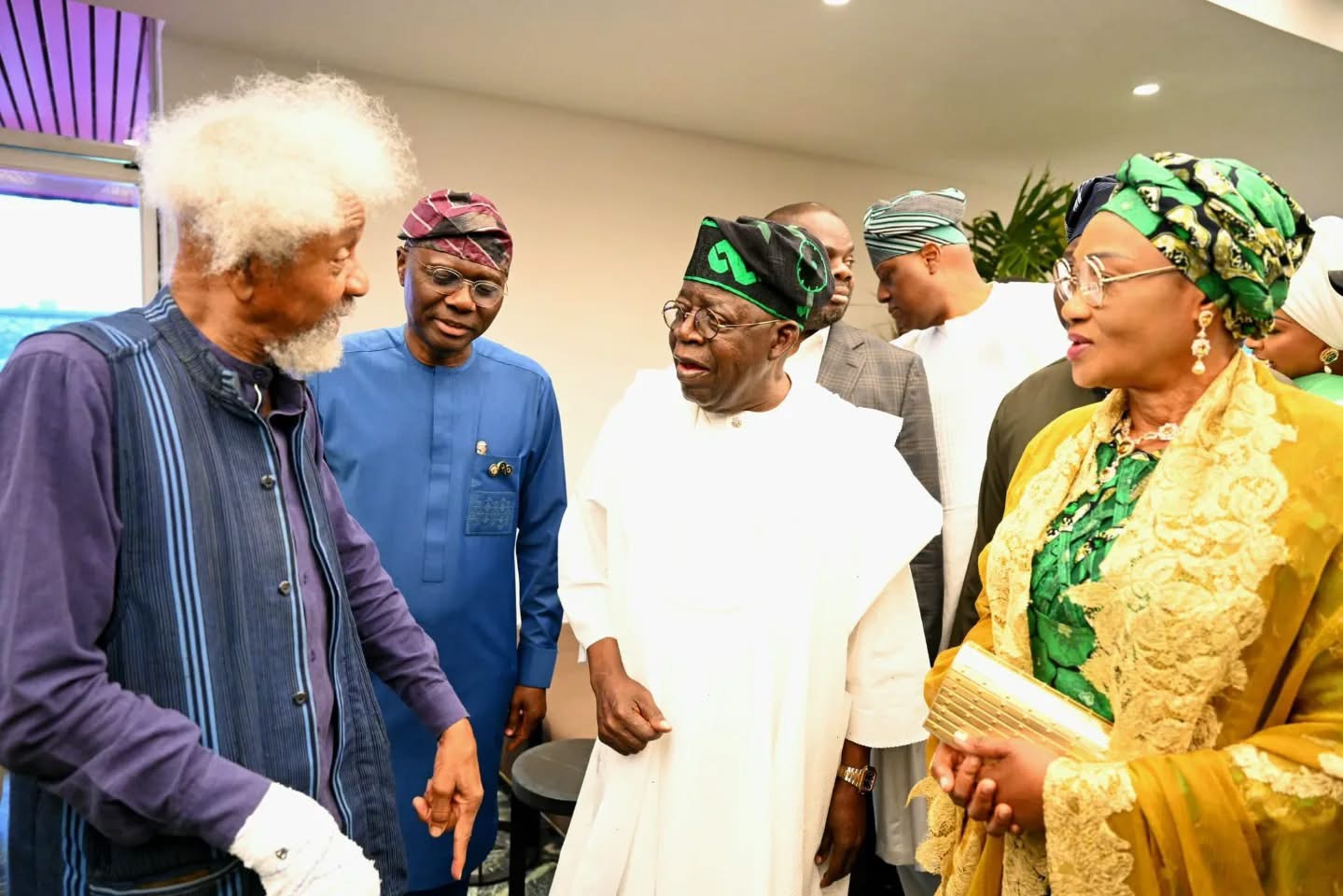 Speaking at the rededication ceremony, President Tinubu described the revival of the centre as a renewal of Nigeria’s commitment to its rich cultural identity. He stressed that the arts are not only vital to national pride but also to economic growth through tourism and the creative industries.
“This centre, now bearing the name of our own Nobel laureate, stands as a living testament to Nigeria’s creativity, resilience, and global influence,” Tinubu declared. “We are reopening not just a building, but a national treasure. This place must become a home for artists, a hub for innovation, and a beacon for Africa’s cultural renaissance.”
The ceremony drew prominent figures from Nigeria’s cultural, literary, and political spheres. Performances of traditional drumming, spoken word, contemporary dance, and excerpts from Soyinka’s plays highlighted the event, underscoring the breadth of Nigeria’s artistic excellence.
In his remarks, Professor Wole Soyinka, visibly moved, expressed gratitude for the honour and urged the government to ensure the centre does not fall into disrepair again. He reminded the audience that the arts require both freedom and institutional support to thrive.
The Minister of Arts, Culture, and Creative Economy, along with representatives of the Lagos State Government, assured stakeholders that mechanisms have been put in place for the effective management and sustainability of the facility.
With its reopening, the Wole Soyinka Centre for Culture and the Creative Arts is expected to reclaim its role as Nigeria’s premier cultural landmark, hosting international festivals, film screenings, exhibitions, and performances, while serving as a training ground for the next generation of African creatives.