



The Lagos State Government has officially launched the OMI-EKO Project, a major infrastructure and mobility initiative aimed at transforming water transportation across the state. The project marks a decisive step in the state’s long-term strategy to create a cleaner, safer, and more efficient transport network for residents and businesses.
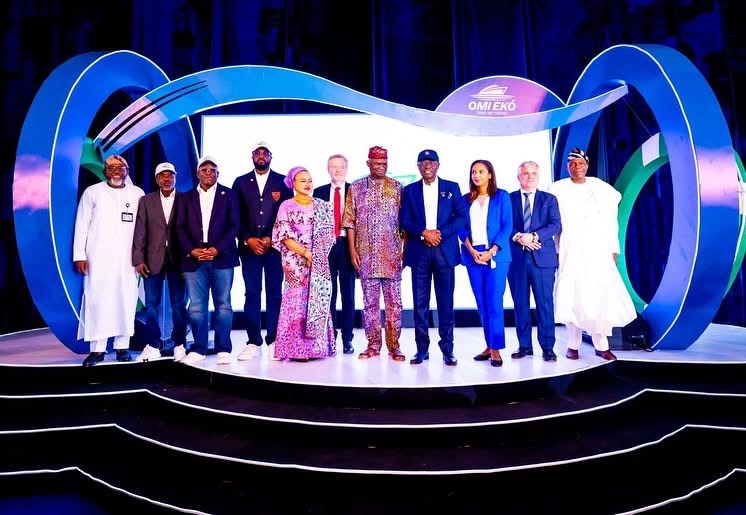 Governor Babajide Sanwo-Olu, speaking at the launch, described the initiative as a turning point in Lagos’s transport history. “For generations, Lagos has been defined by water, yet our roads have carried most of the city’s movement. The OMI-EKO Project changes that narrative through focused investment in modern water transport,” he said.
The ambitious program consists of two major components. The first involves the construction and modernization of inland waterways infrastructure. This includes the development of 15 priority ferry routes, dredging and marking of 140 kilometers of navigable channels, and the establishment of 25 modern ferry terminals and jetties. These facilities will feature electric charging points for eco-friendly vessels, maintenance depots, and improved road connectivity to enhance commuter access.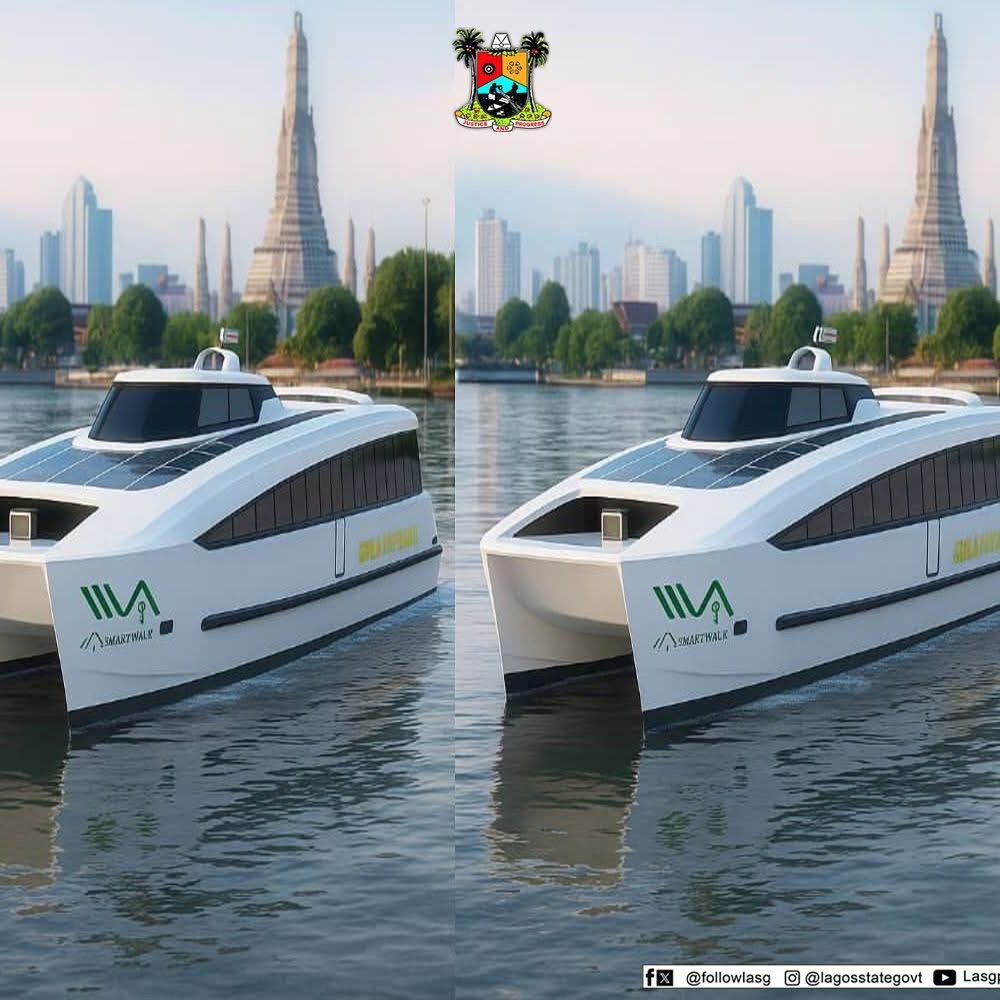
The second component focuses on sustainable operations and digital innovation. Lagos plans to deploy more than 75 electric-powered ferries equipped with intelligent transport systems to streamline ticketing, scheduling, and passenger information. The project also includes a strong capacity-building program for the Lagos State Waterways Authority (LASWA) to strengthen regulation, safety standards, and service delivery.
According to the state government, the OMI-EKO Project will ease road congestion, reduce travel time, and open new economic opportunities through improved access between communities along the waterways. It is also expected to contribute significantly to Lagos’s environmental goals by promoting cleaner transport alternatives and lowering carbon emissions.
Governor Sanwo-Olu expressed appreciation to international partners—the French Development Agency (AFD), the European Union (EU), and the European Investment Bank (EIB)—for their technical and financial support. “Their partnership has been vital in bringing this vision to life and ensuring that water becomes a true channel for mobility and opportunity in Lagos,” he said.
With implementation already underway, the OMI-EKO Project is set to redefine urban transport in Africa’s largest city and position Lagos as a model for sustainable mobility in the region.