



Governor Babajide Sanwo-Olu has reiterated the Lagos State Government’s commitment to tackling climate change through innovative, long-term resilience strategies tailored to the state’s unique environmental challenges. The Governor made the remarks today while speaking at the 11th Lagos International Climate Change Summit, where policymakers, climate experts, development partners, and private-sector leaders convened to deliberate on sustainable solutions.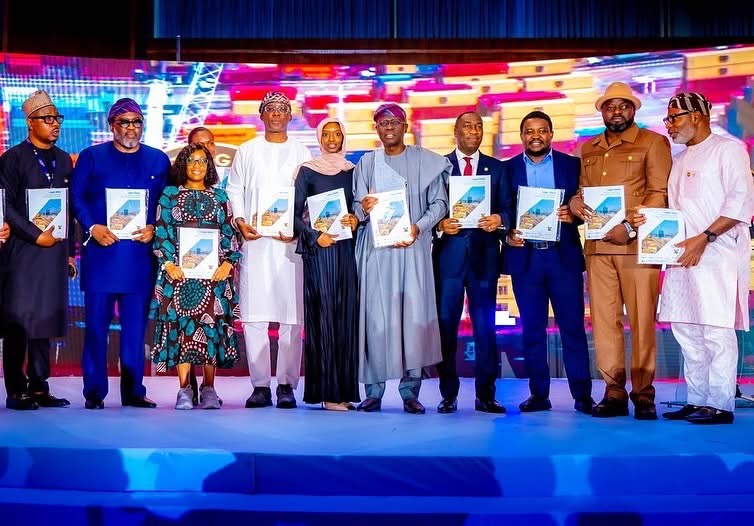
Sanwo-Olu noted that climate change is not a distant or theoretical concern for Lagos, but a pressing reality with direct implications on daily life. With a population of over 22 million people and a coastline stretching 187 kilometres, Lagos faces heightened vulnerability to flooding, erosion, and rising sea levels.
“For us in Lagos, climate change is not an abstract discussion; it is a daily reality,” the Governor stated. “It affects our homes, our economy, and our way of life. We understand what is at stake, and we are responding with urgency and innovation.”
Among the key initiatives highlighted at the summit were:
- The Great Wall of Lagos: An expansive coastal defence and shoreline protection system designed to mitigate tidal surges and safeguard communities along the Atlantic front.
- The Omi Èkó Initiative: A clean water transport project aimed at reducing carbon emissions, easing traffic congestion, and improving mobility through eco-friendly waterways.
- Lagos Carbon: Africa’s first domestic environmental market, structured to stimulate private-sector participation and investment in carbon reduction and green projects.
According to the Governor, these initiatives form part of a broader sustainability strategy rooted in climate adaptation, environmental resilience, green infrastructure, and economic inclusion.
“Our focus remains to protect lives, create opportunities, and build a Lagos that is sustainable and resilient for generations to come,” he said.
The summit concluded with calls for stronger intergovernmental cooperation, increased funding for climate innovation, and sustained public participation in environmental conservation.