



British-Nigerian artist Nnena Kalu has made history by becoming the first person with a learning disability to receive the Turner Prize, one of the most prestigious awards in contemporary art. The announcement was made during the award ceremony held in Bradford, England, marking a significant moment for inclusivity in the global art community.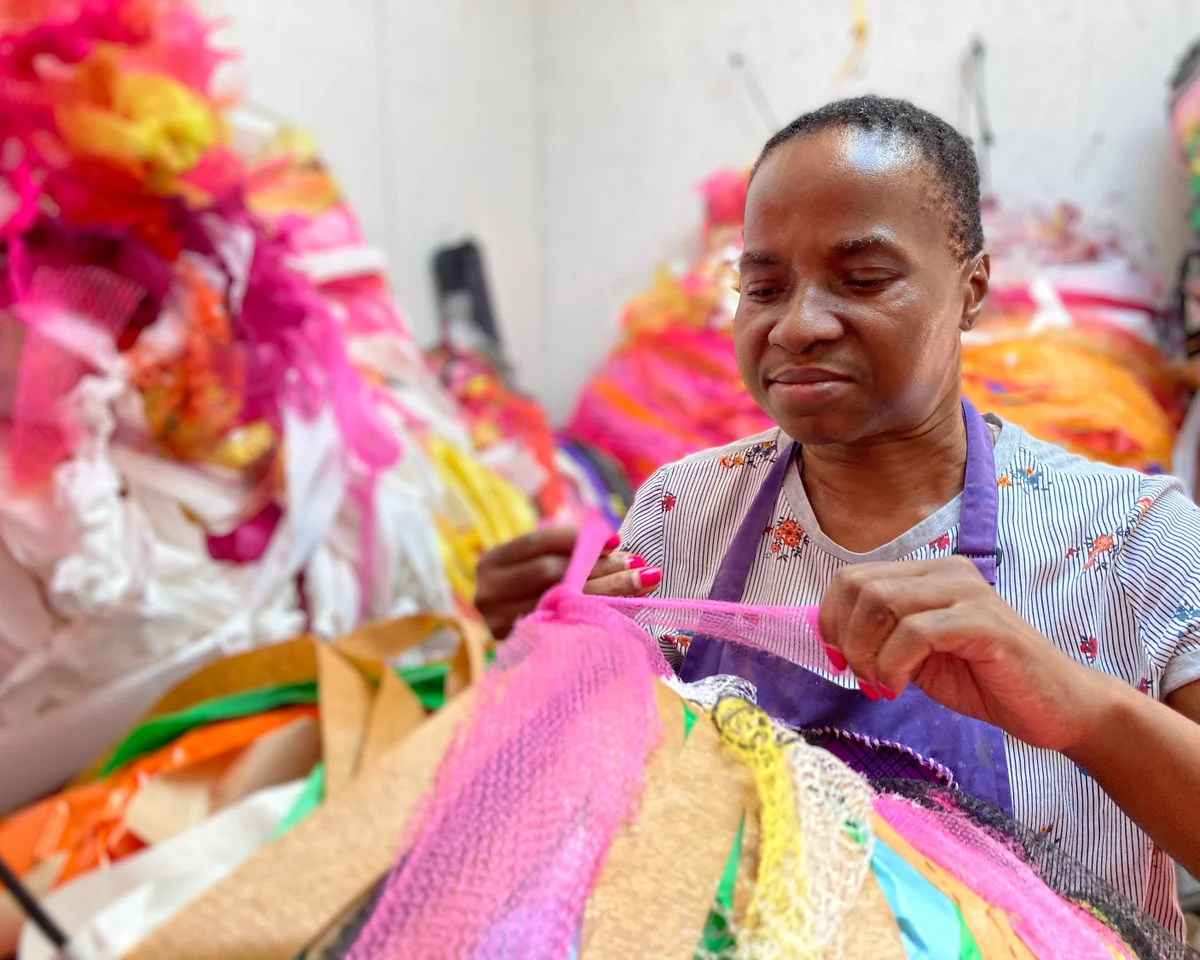
Born in Glasgow in 1966 to Nigerian parents, Kalu has long been celebrated for her distinctive abstract practice, which includes large-scale draped sculptures and vortex-like circular drawings. Her sculptures, often constructed from found materials such as fabric, VHS tape, rope, and wire, explore themes of space, rhythm, and movement, while her circular drawings are created through repetitive, meditative motions, resulting in hypnotic, swirling forms.
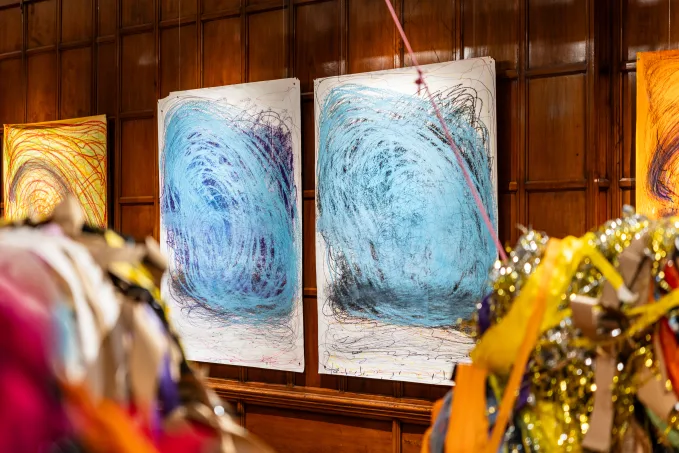 Kalu is autistic and has limited verbal communication, a fact that has not hindered her ability to produce work of profound visual and emotional resonance. She has been supported for many years by ActionSpace, a London-based organization dedicated to fostering artistic talent among people with learning disabilities. At the award ceremony, Kalu was represented on stage by studio colleagues who highlighted her creative process and artistic vision.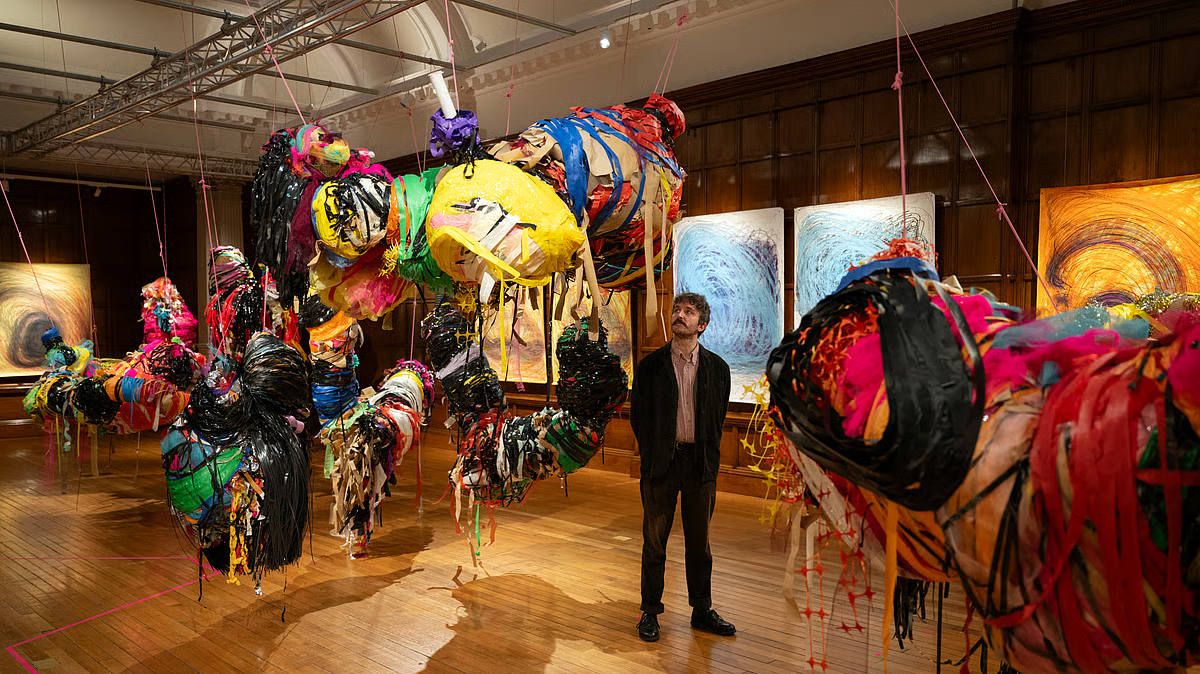
The Turner Prize, awarded annually by Tate Britain, carries a £25,000 prize for the winner, with runners-up receiving £10,000 each. The jury praised Kalu’s work as “bold, compelling, and visually commanding,” emphasizing the importance of broadening the contemporary art field to include neurodiverse and learning-disabled voices.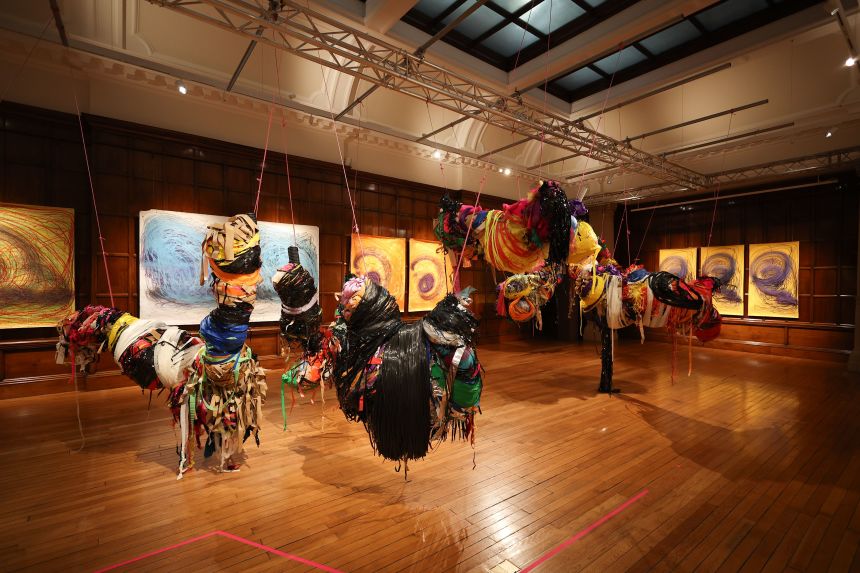
Art critics and fellow artists have lauded Kalu’s win as a watershed moment. It signals a growing recognition of underrepresented artists in major cultural institutions and challenges longstanding notions of who can participate in the highest levels of contemporary art.
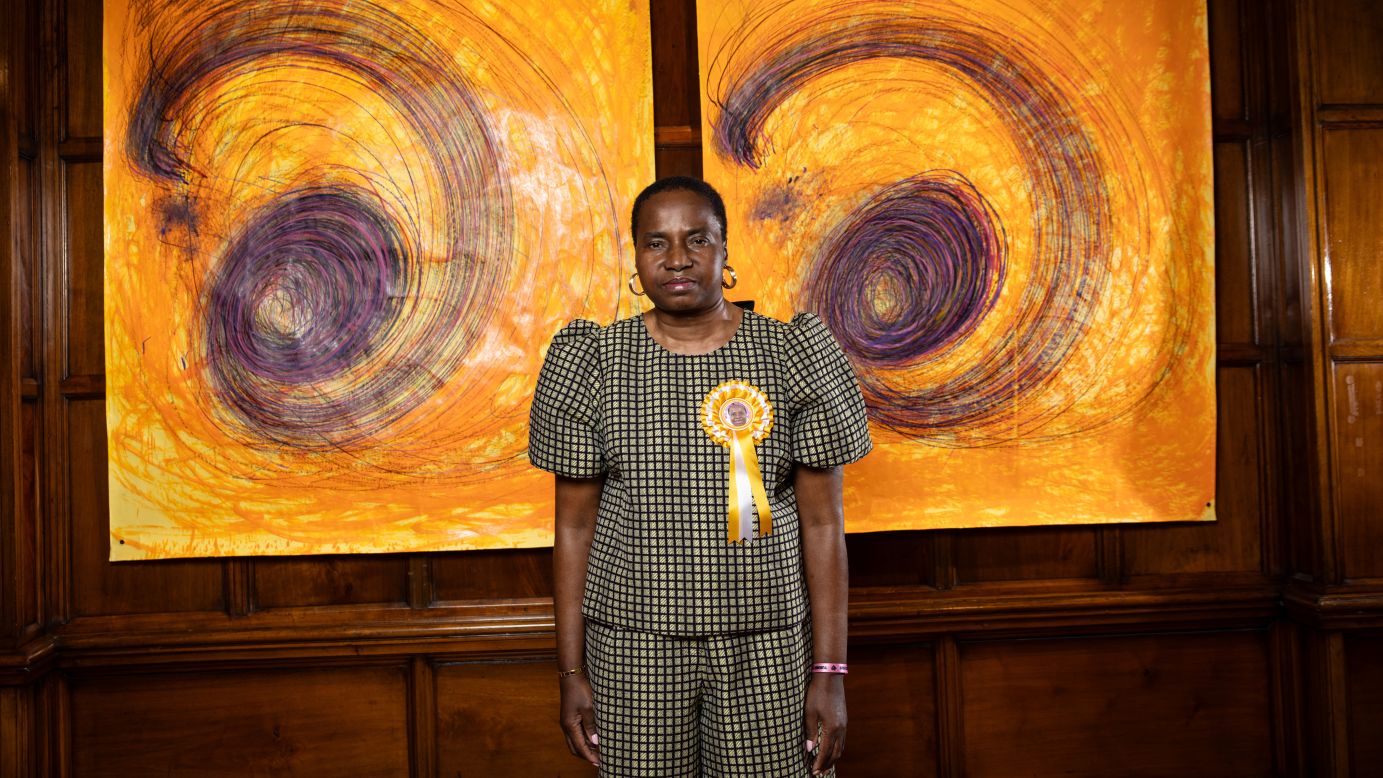 In a field historically dominated by artists without disabilities, Kalu’s Turner Prize victory underscores the potential for greater inclusivity and diversity in the art world. Her work not only captivates audiences visually but also invites dialogue about creativity, accessibility, and the power of art to transcend traditional barriers.
As Nnena Kalu steps into this new chapter of her career, her achievement resonates beyond the art community, serving as a powerful example of how talent, perseverance, and unique vision can reshape cultural landscapes.