



Makoko is often referred to as the “Venice of Africa”, however, lacking the infrastructure to support such density, it teeters on the brink of a significant ecological and public health crisis, between a vibrant community and catastrophe. If the government opts not to relocate residents or fails to regenerate the area, the risks become systemic for Lagos, extending beyond local concerns.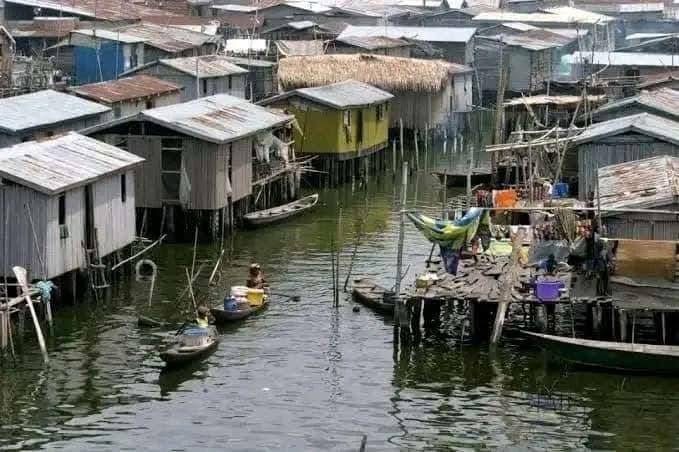
1. Public Health: An Ongoing Epidemic Threat
Makoko, largely constructed on stilts over the Lagos Lagoon, suffers from the absence of a formal sewage system. Consequently, the water beneath the homes functions as both waste disposal and, on occasion, a source of domestic water.
Waterborne Diseases: The sanitation deficiencies render the area a constant breeding ground for cholera, typhoid, and dysentery. In a densely populated city like Lagos, an outbreak originating in Makoko can propagate rapidly to the mainland via trade and human movement.
Vector Breeding: The stagnant, waste-laden waters serve as optimal breeding sites for mosquitoes, resulting in exceedingly high malaria rates and adversely affecting residents’ productivity and health.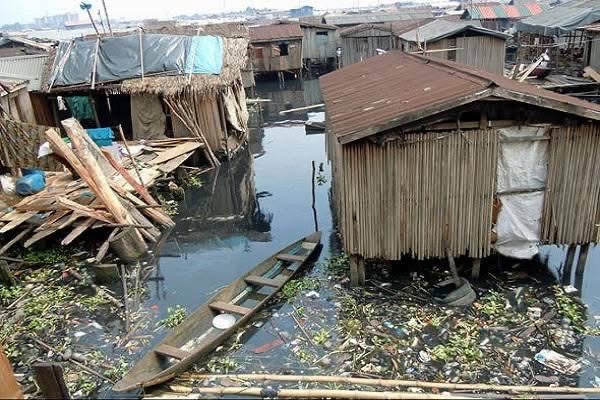
Air Quality: Traditional fish smoking methods, which constitute the community’s primary economic activity, emit substantial particulate matter. Lacking modern ventilation systems or alternative energy solutions, residents face silent yet severe respiratory health risks.
2. Environmental Degradation
The environmental ramifications extend well beyond the community’s wooden structures.
Lagoon Pollution: Continuous discharge of solid waste and human excreta into the lagoon undermines aquatic ecosystems, creating a “dead zone” impacting the broader Gulf of Guinea environment.
Siltation and Drainage Blockages: Non-biodegradable waste, such as plastics, frequently obstruct critical drainage channels, which during rainy seasons, contribute to catastrophic flooding in regions like Yaba and Ebute Metta.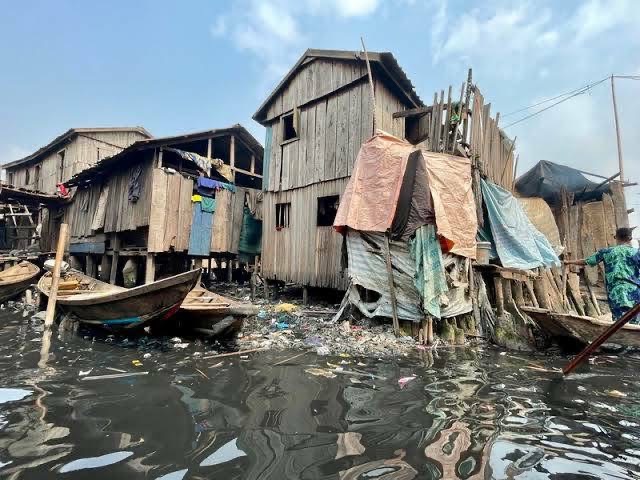
Biodiversity Loss: The nearby mangrove forests, which serve as natural buffers against storm surges and act as carbon sinks, are often cleared for fuel or to facilitate the expansion of stilts.
3. The Compounding Effects of Climate Change
Lagos ranks among the most vulnerable cities globally to rising sea levels.
Sea Level Rise: As a coastal area, Makoko is at the forefront of climate impact, where inadequate infrastructure could lead to significant loss of life during storm surges, as structures are insufficiently resilient against extreme weather events.
By: Sanni Gbenga Ibrahim