



Kasi Cloud has begun construction of a purpose built hyperscale data centre campus in Lekki, Lagos, marking one of the most ambitious infrastructure investments yet in Nigeria’s digital economy.
The project spans 42 hectares and is being developed from the ground up to support artificial intelligence workloads. The campus design includes multiple six storey facilities engineered for high density computing, advanced cooling systems, and sustained power delivery. Unlike many existing facilities in the country, the development is not an adaptation of legacy structures but a clean sheet build focused on next generation computing demands.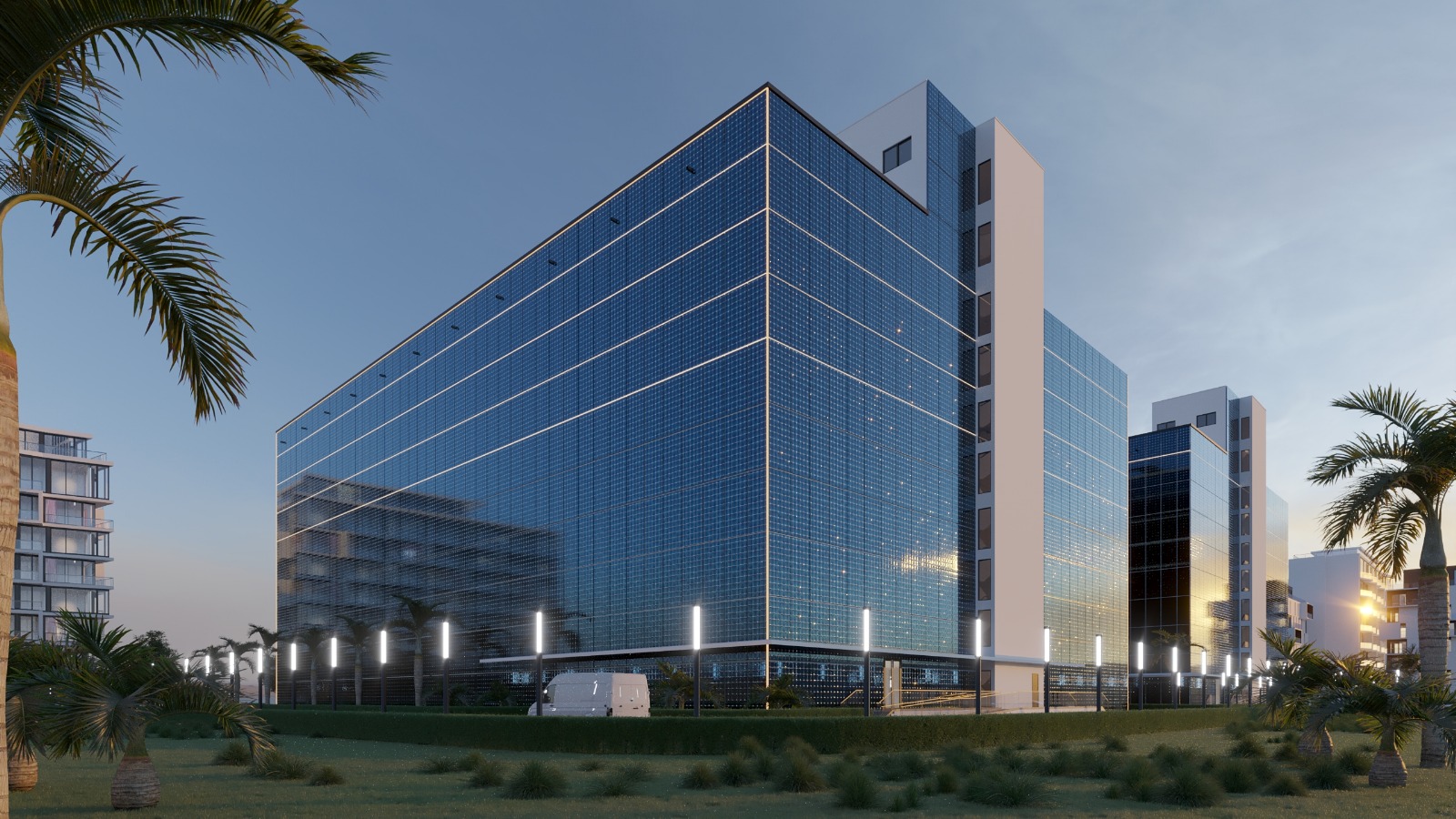
The first building on the campus is scheduled to come online in April 2026 with an initial capacity of 5.5 megawatts. According to the company, this will be upgraded to 8 megawatts as demand scales. At full completion, the entire campus is engineered for up to 100 megawatts of capacity. This figure significantly exceeds the current ceiling of Nigeria’s data centre market, where the country’s 17 operational facilities collectively operate at capacities that rarely go beyond 20 megawatts per site.
Speaking during a guided tour of the unfinished facility on January 25, 2026, Johnson Agogbua, founder and chief executive officer of Kasi Cloud, stressed that the project was conceived specifically for modern computing needs.
“This is not a retrofit,” he said, noting that the campus was designed from inception to support AI training, inference workloads, and other compute intensive applications that require scale, resilience, and energy efficiency.
Commercial operations are expected to commence in the second quarter of 2026, positioning the Lekki campus as one of the largest AI ready data centre developments in West Africa. Industry observers say the project could reshape Nigeria’s digital infrastructure landscape by reducing reliance on offshore data processing and supporting local innovation across sectors such as finance, media, telecommunications, and public services.
Located in Lekki, the campus also aligns with broader efforts to establish Lagos as a regional technology and data hub. If delivered as planned, the Kasi Cloud development would represent a major leap in scale and capability for Nigeria’s data centre industry, with long term implications for cloud services, artificial intelligence adoption, and digital sovereignty.