



Libya on Friday witnessed one of the most significant public gatherings linked to the Gaddafi family since the collapse of the former regime in 2011, as thousands of people converged on Bani Walid for the funeral of Saif al-Islam Gaddafi.
The funeral, held on February 6, 2026, drew large crowds from across the region, transforming what was expected to be a private burial into a major political and symbolic event. Streets in Bani Walid, long regarded as a historic stronghold of Gaddafi loyalists, were filled with mourners chanting slogans, carrying portraits, and openly expressing nostalgia for the former Libyan state.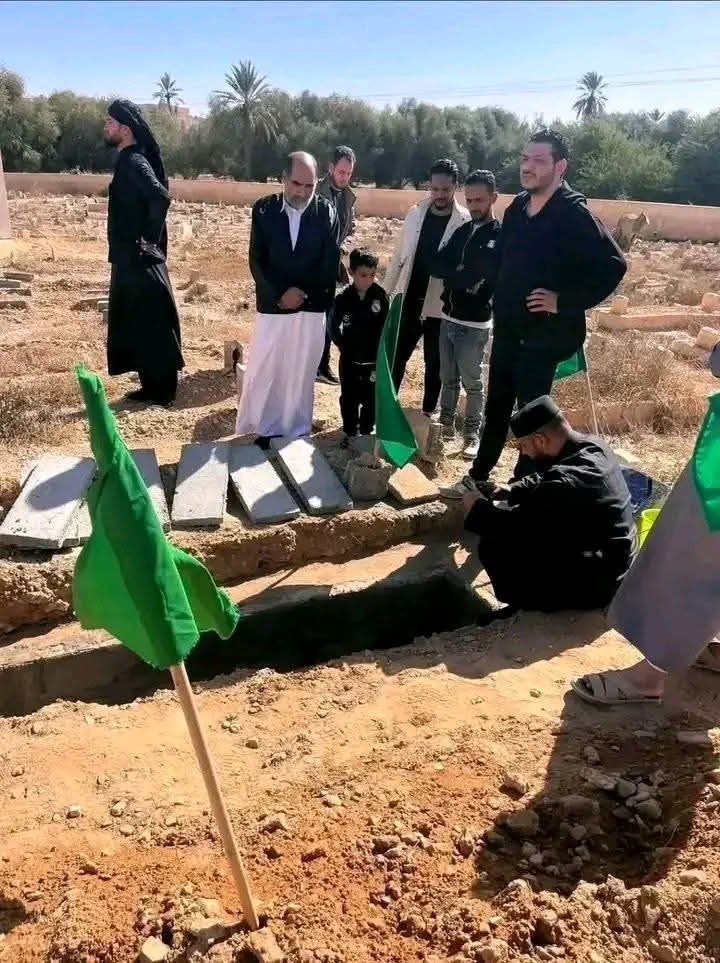
Observers noted that Libya has not seen a funeral of this scale for a member of the Gaddafi family since the death of Muammar Gaddafi in 2011. The turnout underscored the continued presence of pro-Gaddafi sentiment in parts of the country, despite years of political fragmentation, armed conflict, and competing authorities.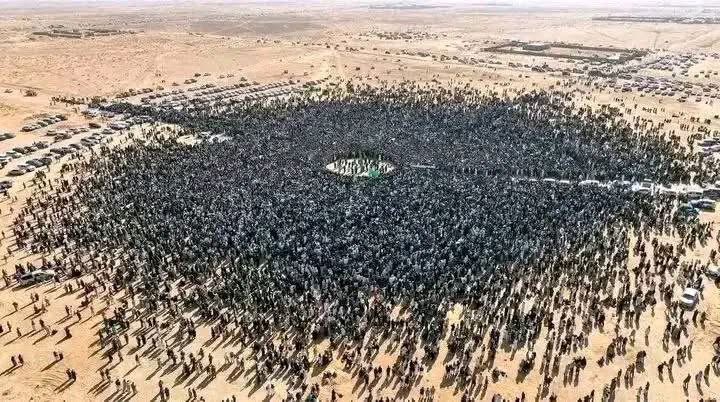
What began as a burial ceremony quickly took on a wider meaning. The gathering evolved into a visible show of popular support, with many attendees framing the event as a public statement on Libya’s unresolved political future. For supporters, the funeral served as both mourning and protest, reflecting frustration with years of instability and unmet expectations since the fall of the former government.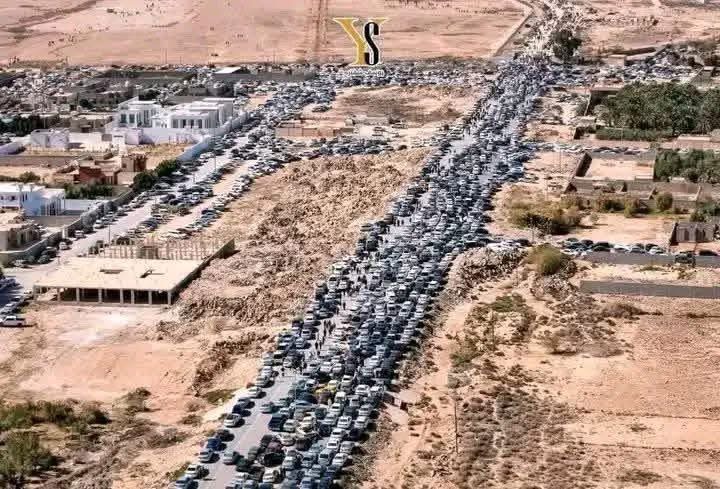
Saif al-Islam, the second son of the late Libyan leader, was reportedly assassinated by four unidentified commandos, according to accounts shared by those close to the family. Details surrounding the attack remain unclear, and no official claim of responsibility has been confirmed.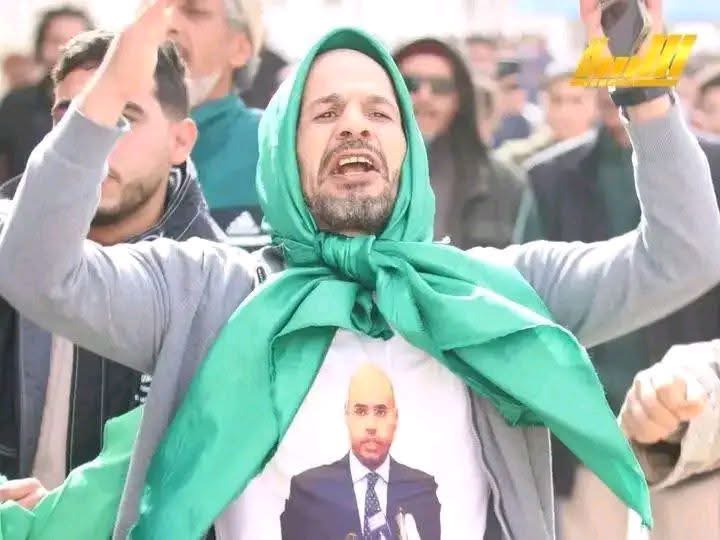
Bani Walid, located southeast of Tripoli, has repeatedly played a symbolic role in Libya’s post-2011 history. The scale of attendance at the funeral highlights how deeply divided narratives of the past remain and how figures associated with the former regime continue to command loyalty among sections of the population.
As Libya continues to struggle with political reconciliation and national unity, the scenes from Bani Walid stand as a reminder that the legacy of the Gaddafi era remains a powerful and unresolved force in the country’s public life.