


Public reactions have continued to trail the recent interview involving veteran actor Richard Abiodun Ayoyinka, widely known for his portrayal of the character Papa Ajasco. While the discussion has generated strong emotions across social media, some observers are urging the public to take a more measured approach and allow Wale Adenuga Productions the opportunity to respond to the claims raised in the interview.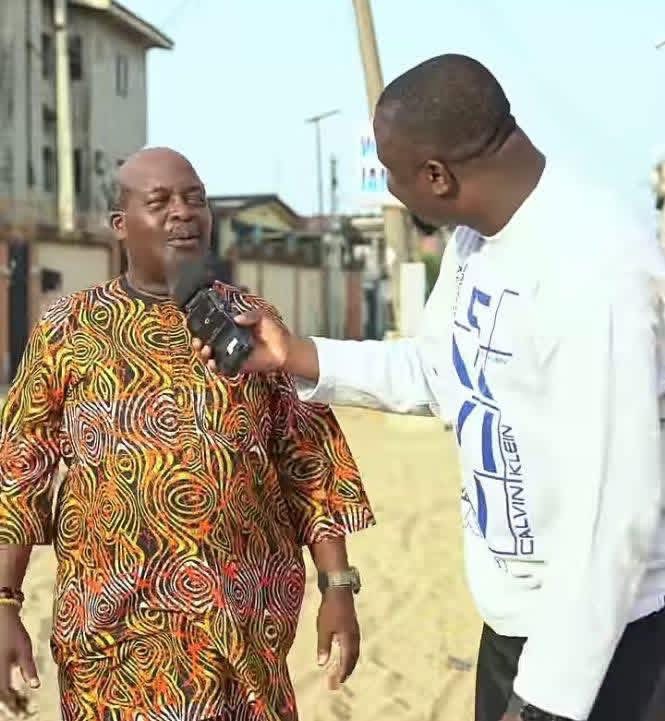
One of the central issues in the conversation concerns the ownership and usage rights attached to the name and character “Papa Ajasco.” According to industry observers, the character itself is not the personal property of any individual actor. Rather, it is a franchise character created and owned by Wale Adenuga Productions as part of the long running comedy brand that began decades ago.
Historical records of the production show that Richard Abiodun Ayoyinka was not the first actor to portray Papa Ajasco. The earliest known portrayal of the character was by veteran actor Peter Fatomilola in an early film version. When the television series Papa Ajasco & Company later launched in the 1990s, Ayoyinka assumed the role and went on to become the most recognized face associated with the character. His performance helped cement the show’s popularity and made the character a household name across Nigeria and beyond.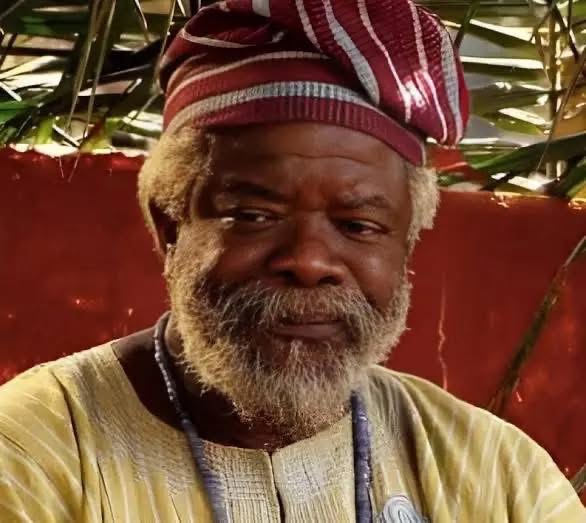
Over time, the role has been portrayed by more than one actor. At a point when Ayoyinka stepped away from the series, actor Femi Ogunrombi took over the role of Papa Ajasco, continuing the franchise within the same creative framework. This pattern reflects the structure of many long running entertainment properties where characters exist as intellectual property owned by a production company rather than by the performers who portray them.
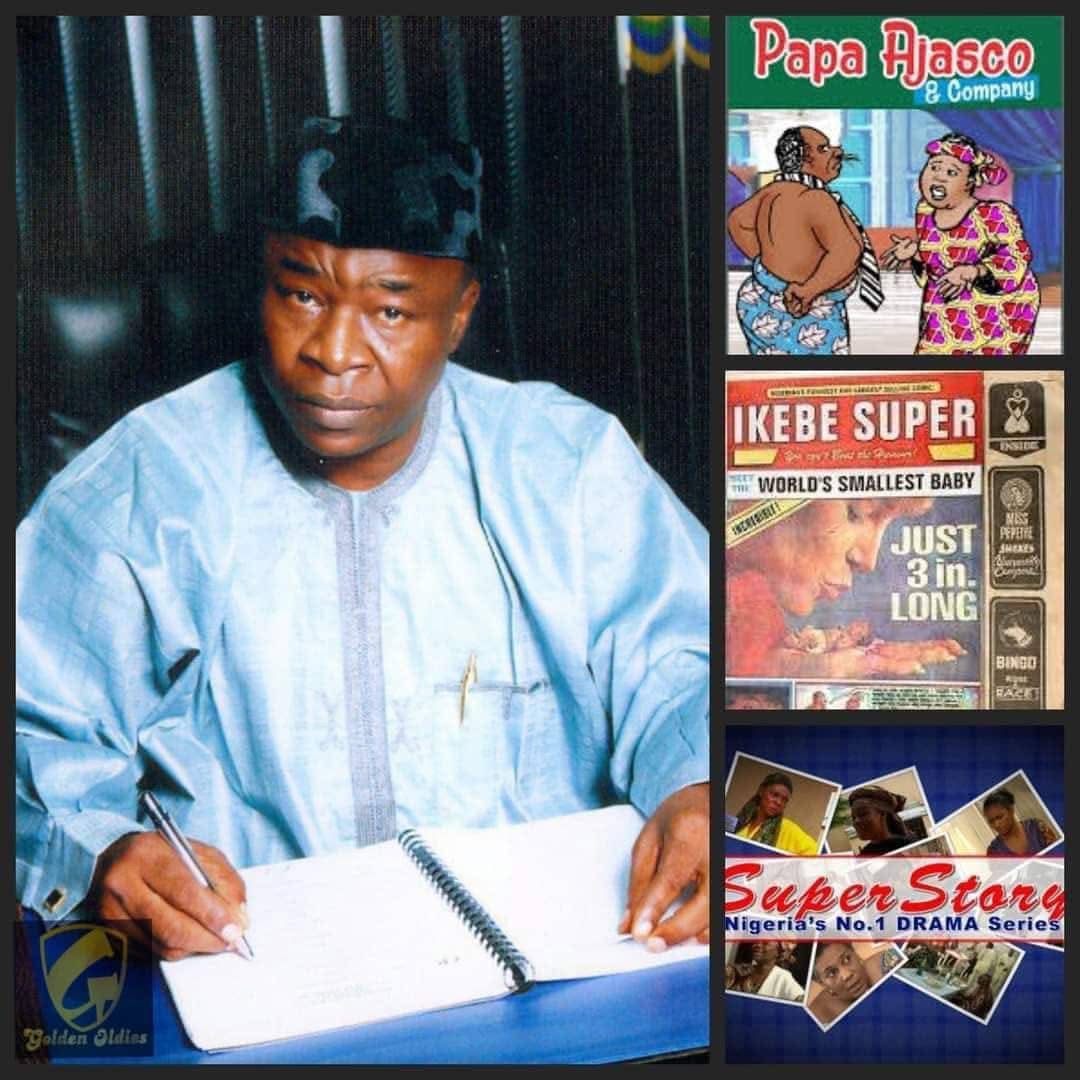 In that sense, legal restrictions around the use of the character’s name are generally tied to intellectual property rights rather than personal disputes. Comparisons have been drawn with other global entertainment franchises where characters remain the property of their creators or estates. For example, the character James Bond belongs to the Ian Fleming estate, even though numerous actors have played the role over the decades.
Another aspect of the discussion relates to the issue of compensation during the early years of the series. While figures mentioned in the interview have sparked debate online, some commentators note that it is difficult to assess the situation without full knowledge of the contracts and agreements that governed the production at the time. In the entertainment industry, payment structures are often tied to episode counts, seasonal agreements, and broader contractual arrangements that may not be publicly known.
Observers also point out that economic realities in the late 1990s were different from those of today. The value of money has changed significantly over the decades, making it challenging to interpret historical payments using present day economic standards. Compensation that may appear modest by current measures could have held a different value at the time it was paid.
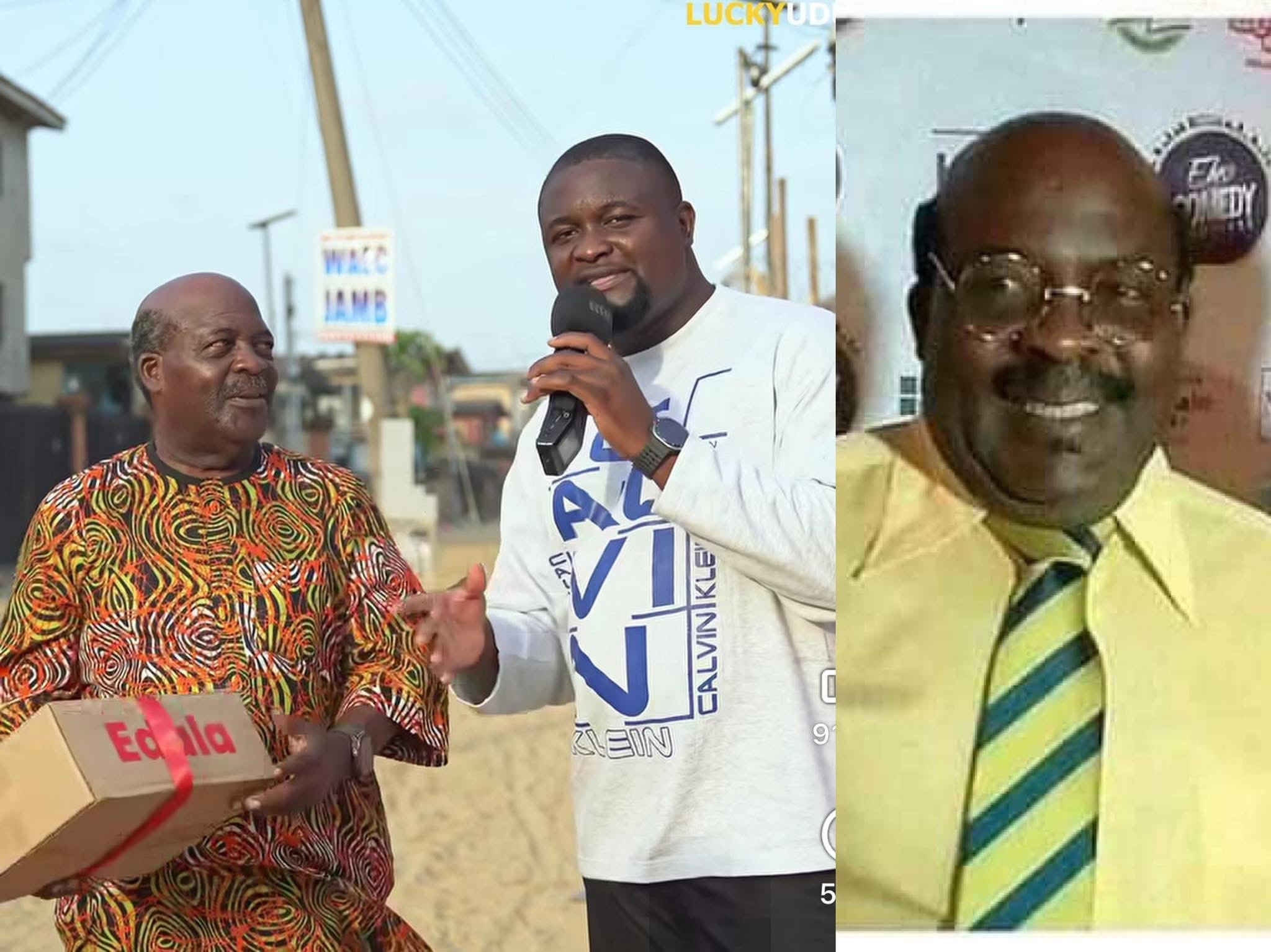 For many industry stakeholders, the key issue remains the need for balance in public discourse. As reactions continue to unfold, some voices within the creative community believe it would be fair to allow Wale Adenuga Productions the opportunity to present its position before public judgment is firmly formed.
Until a formal response is issued by the production company, commentators are urging the public to approach the matter with caution, emphasizing the importance of hearing all sides of the story before drawing conclusions about a legacy production that has played a significant role in the history of Nigerian television comedy.