



There is a particular kind of fall that only the gifted can experience. It requires height, velocity, and just enough self-deception to make the landing feel like a complete surprise. EVI is a story about that fall, and more importantly, about the long, unglamorous walk back up. It arrives in Nigerian cinemas on 27 March 2026 — a date that feels anything but accidental. March belongs to women. This film belongs in March.
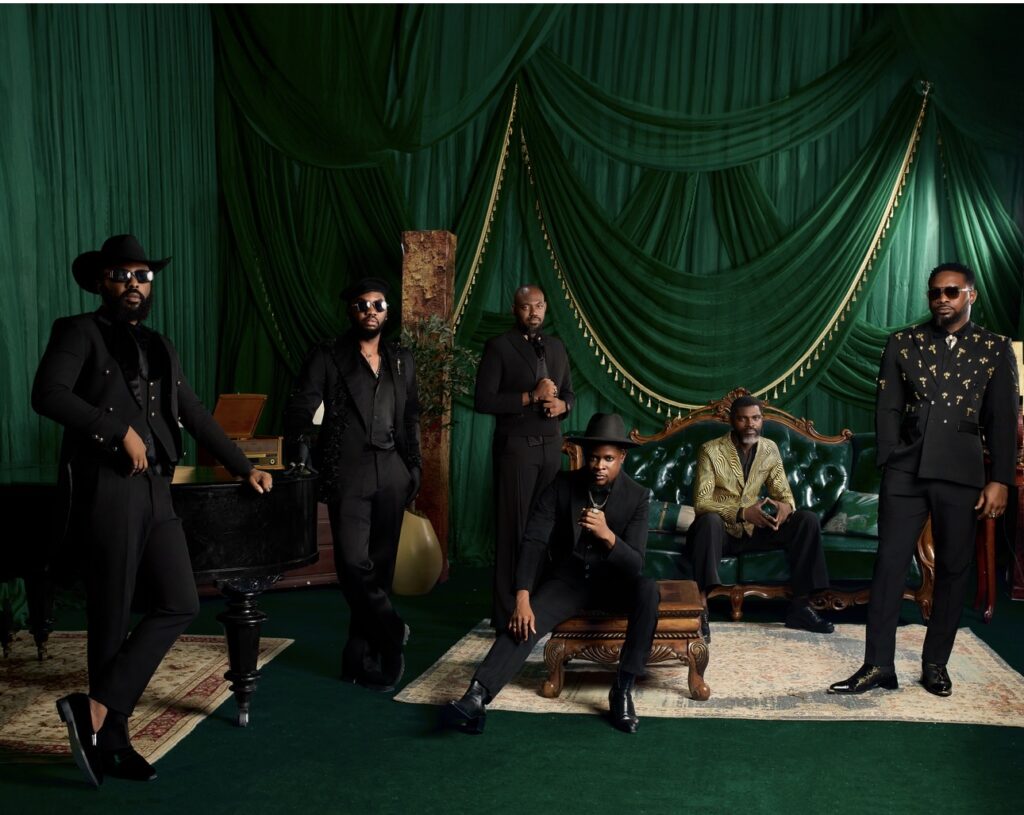
Written and directed by award-winning filmmaker Uyoyou Adia and produced by Judith Audu, EVI is a female-led Afrobeats drama executively produced predominantly by women; Uyoyou Adia, Judith Audu, Omowunmi Dada, Mimah Keiko, Nehita Ofure Irieme,Patricia Corlet and Damilola Osikoya and backed by CCHUB in partnership with Africa No Filter and the Gates Foundation. The ambition behind it shows. This is not a film produced to fill a release calendar. It is a film made because its story needed to be told, and because the industry, and the women in it, are ready for this conversation.
THE STORY
Evi-Oghene Donalds does not walk into rooms. She arrives. Known professionally as EVI, she is a musician of genuine ability whose early success has quietly convinced her that talent is armour, that the future owes her something, and that the rules governing other people’s careers do not quite apply to her. She is not wrong about her gift. She is entirely wrong about everything else.
When her record label collapses and she is released without compensation or ceremony, EVI loses more than a contract. She loses the scaffolding she had built her identity around. The money goes. The invitations stop. The industry, which had celebrated her loudly, finds other things to celebrate. What remains is a young woman who has never once had to sit quietly with herself, now forced to do exactly that.
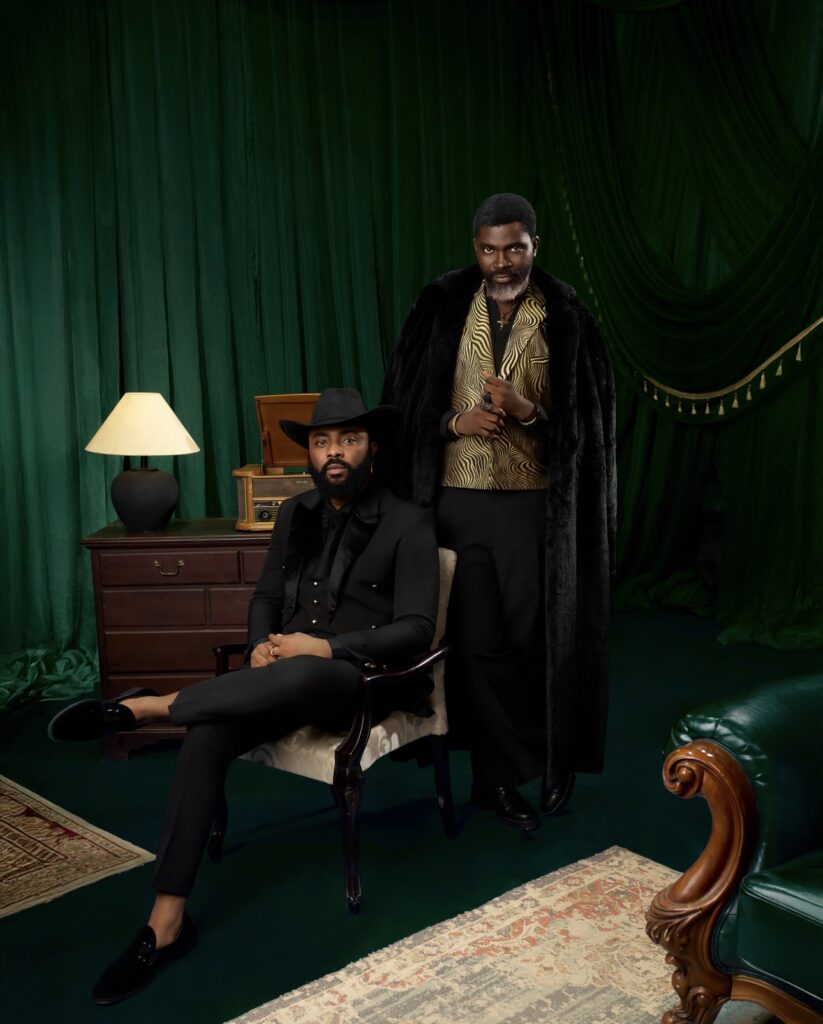 She moves in with Onome, her best friend, who receives her without condition and without pity. EVI takes work as a lounge singer and waitress, performing in a room where no one recognises her name. It is the most honest work she has ever done, and for a long time, she cannot see it that way.
Fame is a particular kind of deception. It amplifies the ego at precisely the moment when clarity is most necessary.
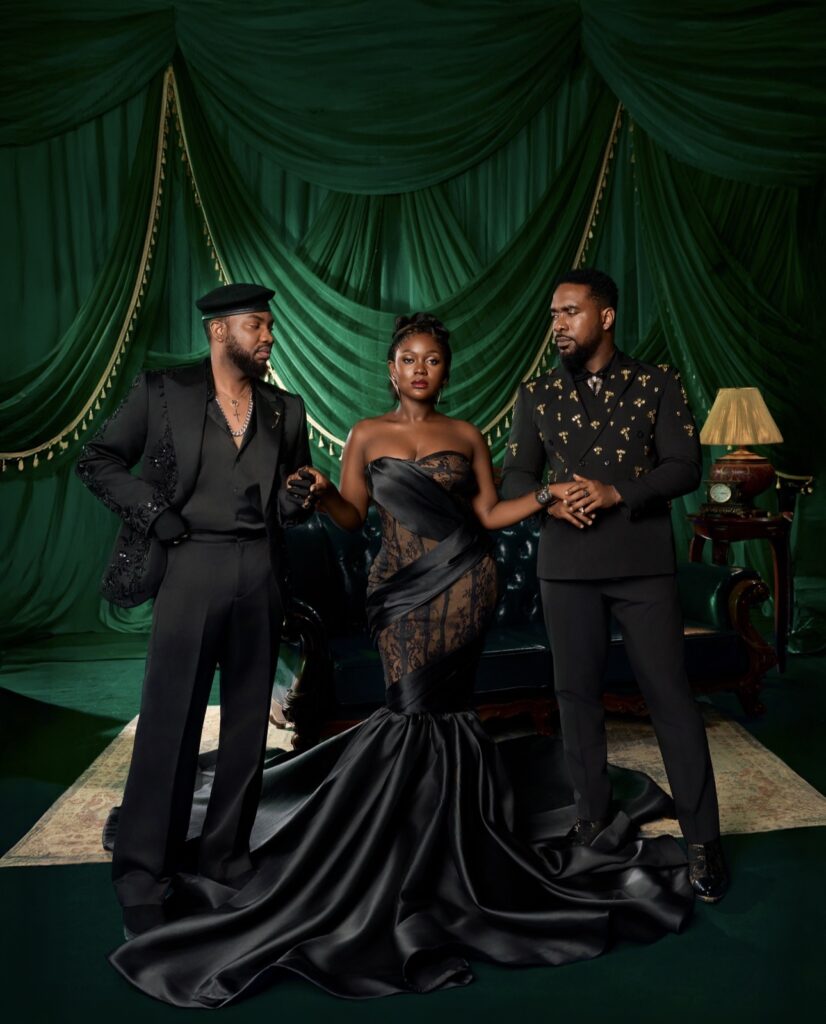 Into this picture steps Kola Adeloye — once a respected talent manager, now a man in a low-grade war with alcohol and gambling debts that have reduced his professional reputation to something people mention carefully. When Kola first watches EVI perform, he does not see a cause. He sees an opportunity. A meal ticket. Someone whose residual name recognition might translate into a commission, if handled correctly.
But something shifts. Watching EVI navigate humiliation with a dignity she did not previously possess, Kola begins to recognise something in her that he has not acknowledged in himself for years: the desire for a second chance. Their professional arrangement becomes something neither of them planned for. Not romance. Not sentiment. A mutual understanding between two people who have both wasted something valuable and are quietly deciding whether to try again.
Kola’s addiction does not disappear because EVI needs it to. It costs her. A crucial industry meeting falls apart because of him, and EVI walks away from the dream. Not dramatically. She simply stops.
What happens next is the kind of thing that cannot be engineered or anticipated. A moment of unguarded honesty, captured without her knowledge, travels further than any carefully managed release ever could. Industry interest reignites, but it comes with a condition. The label wants EVI. They do not want Kola.
Her answer is everything this film has been building toward. She will not come without him.

IN CONVERSATION: THE STORY BEHIND EVI
Ranks Africa sat down with the creative team behind EVI ahead of the film’s nationwide release to understand the thinking behind a story that arrives at exactly the right moment.
Q. EVI tells the story of a talented artist whose success collapses suddenly. What was the main message you wanted audiences to take away from her fall and eventual rise?
A. The takeaway from Evi’s fall is that nothing is permanent, and the choices you make in life have consequences. Like it or not, you will have to live with them. And for Evi’s rise, you need to stay true to yourself and what you believe in. You also cannot do life alone. You need people who genuinely love you, cheering you on.
Q. The film explores themes of fame, ego, and humility. How does EVI’s journey reflect the real pressures and realities many artists face in the music industry today?
A. After getting signed, the fame — no matter how little — got in her head. She thought she had arrived. Fame deceives. It makes your ego bigger than what it is, so you lose sight of what is important. This is exactly what people face generally, not just in the music industry.
Q. Kola Adeloye plays a complex role as a troubled manager who still believes in EVI’s talent. What does their relationship represent about loyalty, redemption, and second chances?
A. At first, Kola did not really believe in Evi. He saw her as his meal ticket. But eventually, Kola saw that Evi wanted and needed a second chance. Evi’s life became a lens through which Kola saw himself. He started to believe he also wanted and deserved a second chance. They had no choice but to be loyal to each other and seek redemption together.
Q. There is a moment in the film where EVI’s most unguarded performance reaches an unexpected audience. What does that moment say about the power of authenticity and the unpredictable nature of modern fame?
A. Being your authentic self beats trying to be someone else every time. Keep doing what you love to do — you will never know who is watching and who can help. There are some moments that, once missed, you may never get back. So be consistent.
Q. By the end of the story, EVI returns stronger and more self-aware. In what ways does the film redefine success beyond fame and popularity?
A. Fame and popularity do not equal happiness or fulfilment. Success is doing what you love, with people you love, while everyone grows and wins together.
 WHY THIS FILM MATTERS
EVI is not a film about music, exactly. It is a film about the cost of self-deception, and what it takes to move beyond it. The music industry is the setting, not the subject. The subject is a young woman who confused an opportunity with an identity, and had to lose everything before she understood the difference.
The decision to root this story in Nollywood, in Lagos, in Afrobeats, is not incidental. It makes a specific argument: that this kind of story — the story of a gifted woman unmade and remade by her own choices — deserves to be told in a Nigerian voice, in a Nigerian context, with a cast whose performances carry the full weight the material demands.
Osas Okonyon leads that cast as EVI. Alongside her, Omowunmi Dada, Uzor Arukwe, Ibrahim Suleiman, Waje, Ariyiike ‘Dimples’ Owolagba, Joseph ‘Jay on Air’ Onaolapo, VJ Adams, Michael Ejoor, Femi Branch, and Tomiwa Tegbe form an ensemble that reflects not just the quality of the production but the seriousness with which this project has been assembled.
Success is doing what you love, with people you love, while everyone grows and wins together.
That EVI is executively produced predominantly by women — Uyoyou Adia, Judith Audu, Omowunmi Dada, Mimah Keiko, Nehita Ofure Irieme, and Damilola Osikoya — is not a footnote. It is part of what the film is. The perspective behind the camera informs what appears in front of it, and the result is a drama that understands its subject from the inside.
The backing of CCHUB, Africa No Filter, and the Gates Foundation places EVI within a broader conversation about the role of storytelling in shaping how African women see themselves and are seen by the world. That is not a small conversation. It is the one this magazine has been part of since its founding.
March is Women’s History Month. EVI arrives in cinemas on 27 March. The alignment is not coincidence. It is intention — the same intention that runs through every frame of a film that knows exactly what it is and why it exists.
A PRODUCTION FIRST
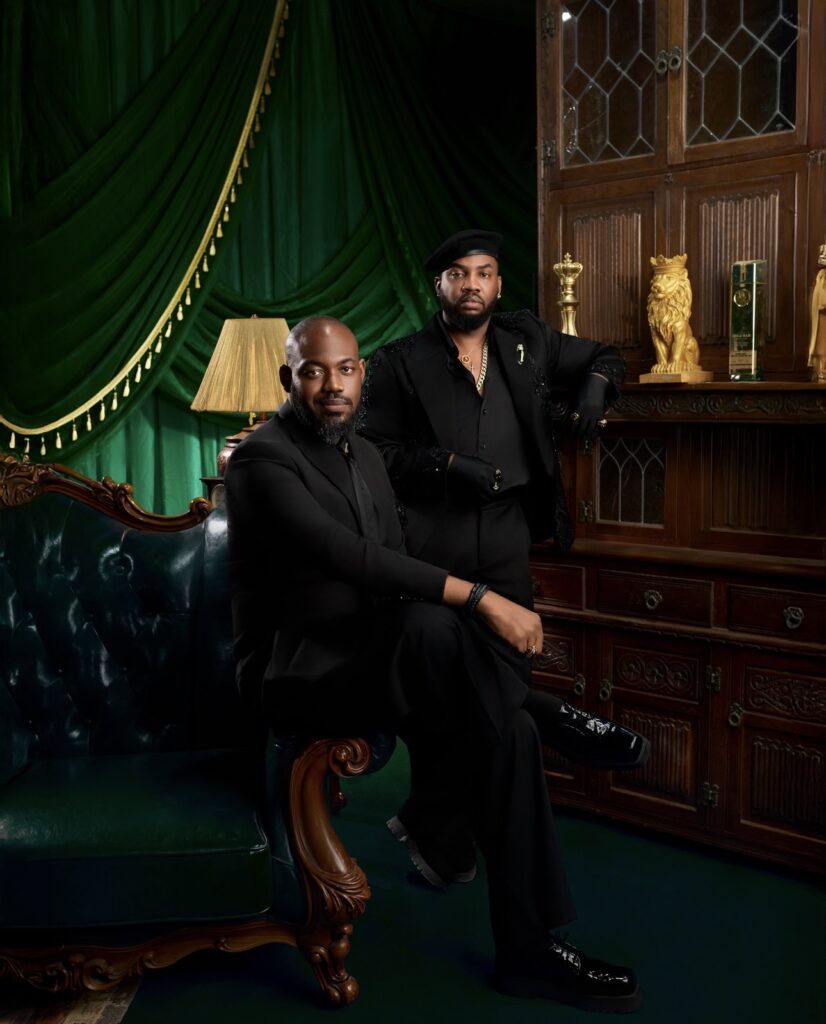
EVI was shot on the Canon EOS C400 — marking a landmark in African cinema. It is the first feature film on the continent to be shot on this camera, part of Canon’s new Cinema range. The choice is not simply a technical distinction. It speaks to the ambition behind the project: a story rooted in Nigerian experience, told with the full resources of world-class filmmaking.
|
EVI — AT A GLANCE Directed by Uyoyou Adia Produced by Judith Audu Executive Producers Uyoyou Adia, Judith Audu, Omowunmi Dada, Mimah Keiko, Nehita Ofure Irieme, Damilola Osikoya, Patricia Corlet Cast Osas Okonyon, Omowunmi Dada, Uzor Arukwe, Ibrahim Suleiman, Waje, Ariyiike ‘Dimples’ Owolagba, Joseph ‘Jay on Air’ Onaolapo, VJ Adams, Michael Ejoor, Femi Branch, Tomiwa Tegbe, and more Production Companies Judith Audu Productions in Collaboration with Switch Visuals Productions, Signet Rings Productions, NOI Productions Supported by CCHUB, Africa No Filter, Gates Foundation Camera Canon EOS C400 — First African feature film on Canon’s new Cinema range In Cinemas Nationwide 27 March 2026 |