



Why Kenya’s Maasai People Drink Blood and Milk
Among the Maasai of East Africa, the mixture of blood and milk is not a curiosity. It forms part of a long-standing cultural practice tied to survival, identity, and the central role of cattle in their society.
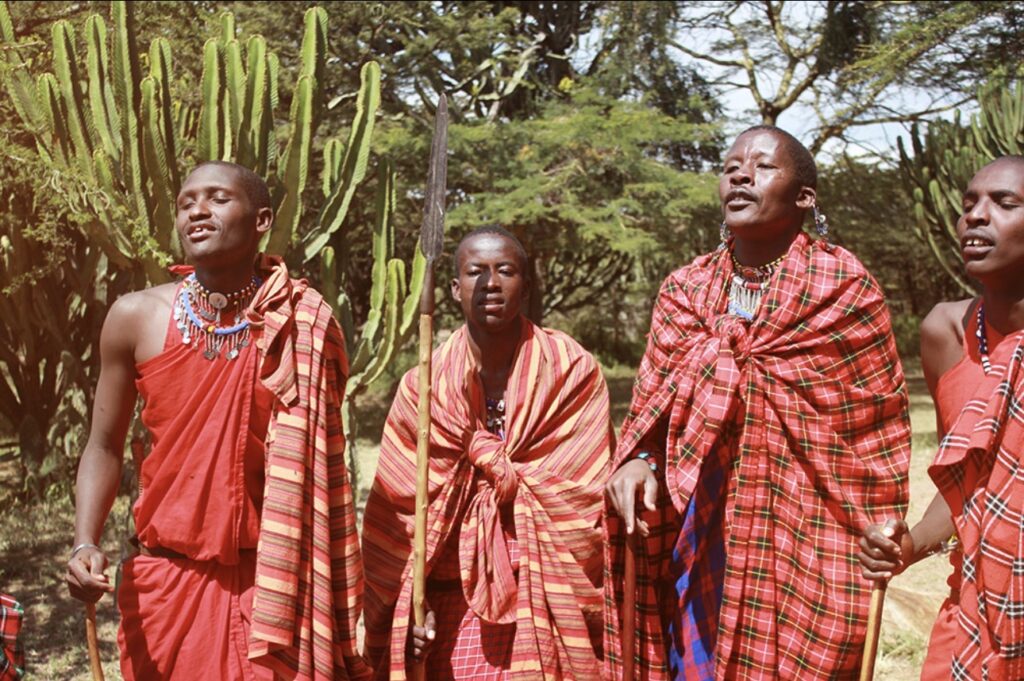
The Maasai are a Nilotic ethnic group living mainly in Kenya and northern Tanzania. Known for their striking red clothing, beadwork, and warrior traditions, they maintain a largely pastoral lifestyle that has remained remarkably intact despite modern pressures. Their communities depend heavily on livestock, particularly cattle and goats. In Maasai culture, cattle are more than animals. They represent wealth, social status, food security, and spiritual connection.
Because of this deep relationship with livestock, many aspects of Maasai life revolve around cattle. The combination of cow’s blood and milk forms part of their traditional diet, especially during periods when other food sources are limited. In the semi-arid lands where the Maasai live, farming is difficult. Livestock therefore becomes the primary source of nutrition.
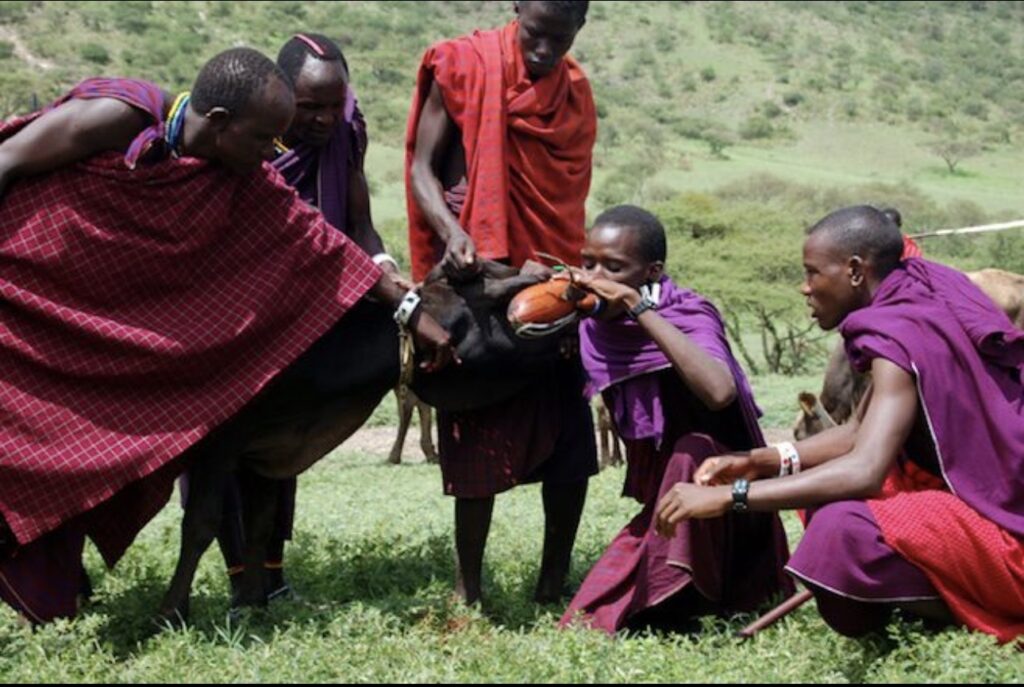
The blood used in this mixture is collected from living cattle in a careful process that does not kill the animal. A small arrow or spear punctures a vein in the cow’s neck, and the blood is collected in a container. The wound is then sealed so the animal can continue living. The blood is sometimes mixed with fresh milk and consumed either raw or slightly warmed.
Beyond nutrition, the practice carries cultural meaning. Blood and milk are often consumed during important moments such as warrior initiation, childbirth recovery, and healing after illness. For Maasai warriors, the drink represents strength and endurance. For others, it symbolizes the deep bond between people and their livestock.
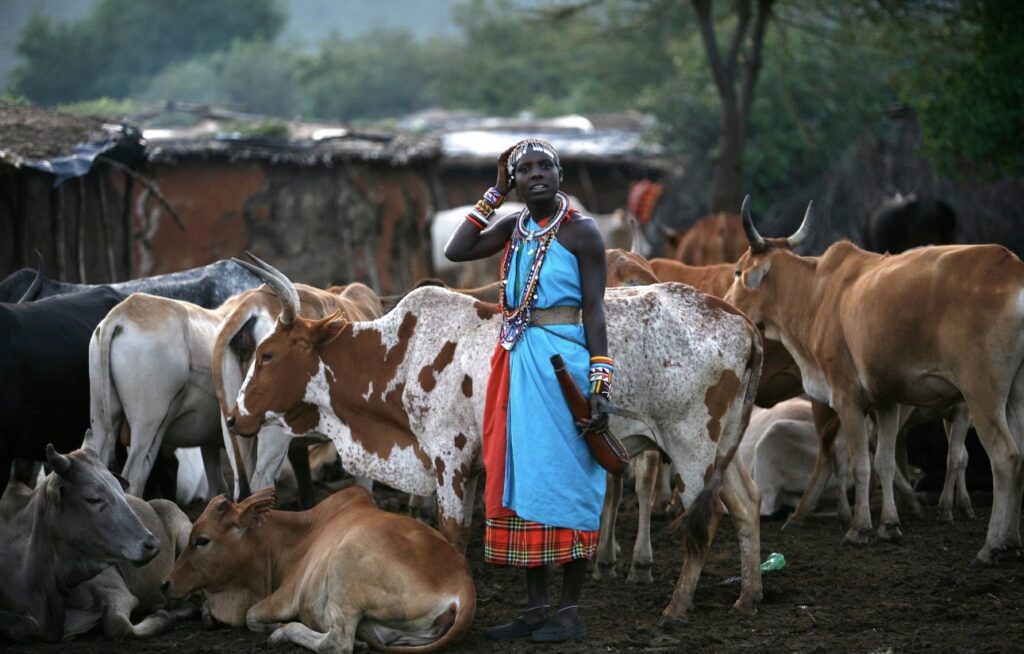
The mixture also provides clear nutritional value. Blood contains iron and protein, while milk supplies fat, calcium, and energy. Together they create a dense source of nourishment that helps sustain people living in harsh environments where crops are unreliable.
For the Maasai, this tradition is not unusual or symbolic in a superficial sense. It reflects a pastoral worldview where cattle shape economy, diet, and cultural identity. In many ways, the mixture of blood and milk represents the essence of Maasai life itself.