

There is a version of this story that begins with a seven-year-old boy stepping in front of a camera for the first time, somewhere in Lagos, led there by his father. That beginning matters. But what matters more is what Tobi Makinde has done with nearly three decades of accumulated experience since then — and what he is doing right now, in 2026, on his own terms.

He is a Nollywood actor, producer, and director. Born in Lagos State but an indigene of Ilesha, Osun State, he holds a first degree and a master’s degree in Theatre Arts from the University of Lagos. The academic foundation is deliberate. Makinde did not stumble into the craft. He studied it, committed to it, and has spent the better part of his adult life finding ways to expand what it can do for him.
Tobi Makinde understands something many talents overlook: visibility without identity is temporary.
And so, he is choosing a different path.
THE BEGINNING: BORN INTO THE FRAME
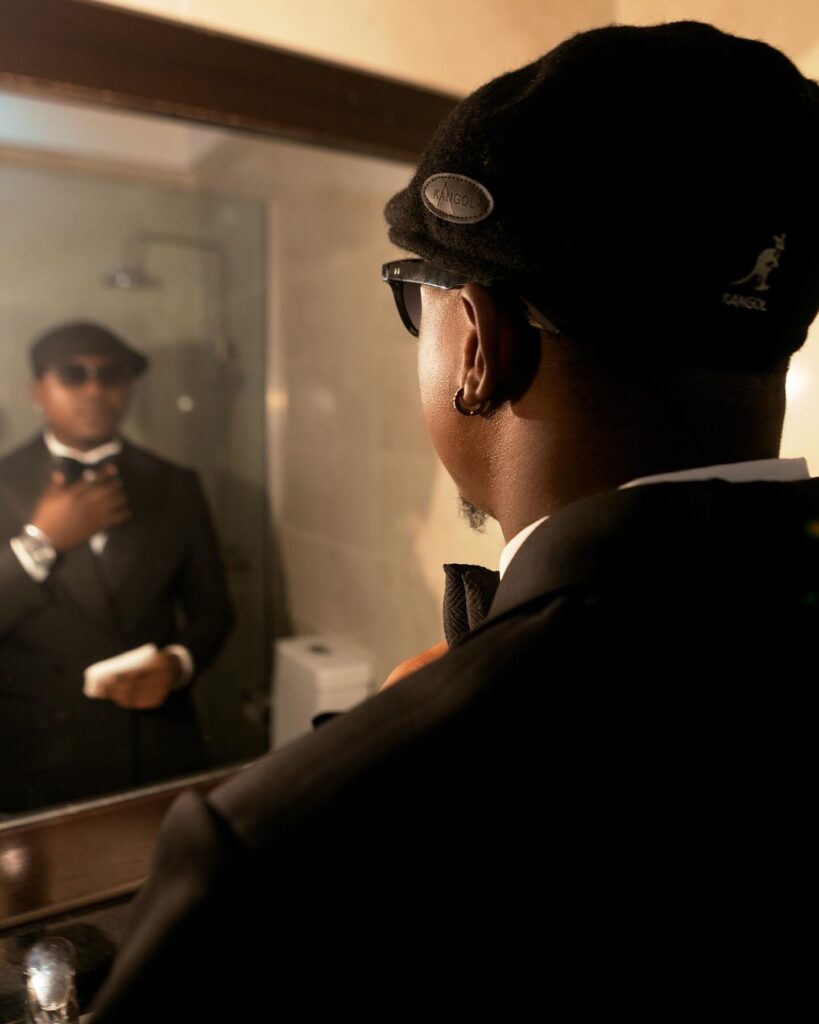
Makinde was born in Lagos State. He spent most of his early childhood in Agemowo Town, Badagry, and received his primary education at Odofa Children’s Home in Ogun State and his secondary education at Supreme Pillars College in Badagry. Ranks
He started his acting career at the age of seven when his father introduced him to the camera in a film called Silenced, directed by Tunji Bamishigbin. Most children that age are memorising multiplication tables. Makinde was learning camera angles.
At the age of 13, he played one of the lead roles in the popular TV series Kamson N Neighbors. That early exposure established him in the minds of Nigerian audiences as a child actor of genuine ability. But between adolescence and his eventual adult breakthrough, the industry did what it often does to young talent: it made him wait.
The waiting period is not a chapter that Makinde hides. He has spoken openly about years of unsuccessful auditions and the very real possibility of leaving the profession. That honesty is part of what makes him credible. He did not walk a clean, uninterrupted path to where he is today. He walked a real one.
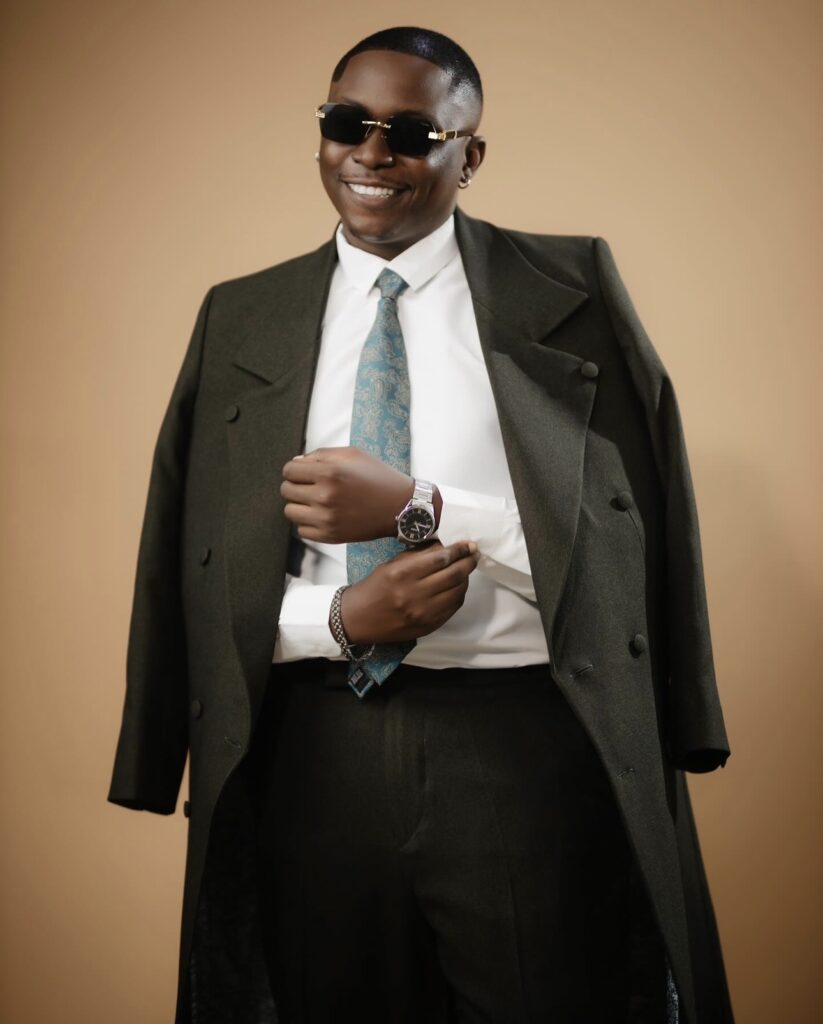
His transition to wider recognition came in 2017 when Funke Akindele created the character “Timini” for him in Jenifa’s Diary. Cast as the personal assistant to her lead character, Makinde stepped into a role that would redefine his career. At the time, he has said, he was close to stepping away from acting after repeated unsuccessful auditions. That opportunity not only kept him in the industry but reintroduced him to audiences, establishing him as a recognisable face in Nollywood.
But what followed was not simply acting. He expanded his role behind the camera, taking on responsibilities as a production manager and gradually transitioning into directing. By 2022, that evolution reached a major milestone when he co-directed Battle on Buka Street alongside Akindele.
The film went on to become one of Nollywood’s highest-grossing titles, marking a shift in their relationship from mentorship into full creative collaboration.
He has never disguised the debt he owes that chapter. In an interview, Makinde described his experience working with Akindele on blockbuster projects as life-changing, praising her dedication, focus, and leadership on set, noting that her work ethic was both inspiring and transformative. “The first time I worked with Funke,” he said, “I knew I was standing on holy ground when it came to excellence.”
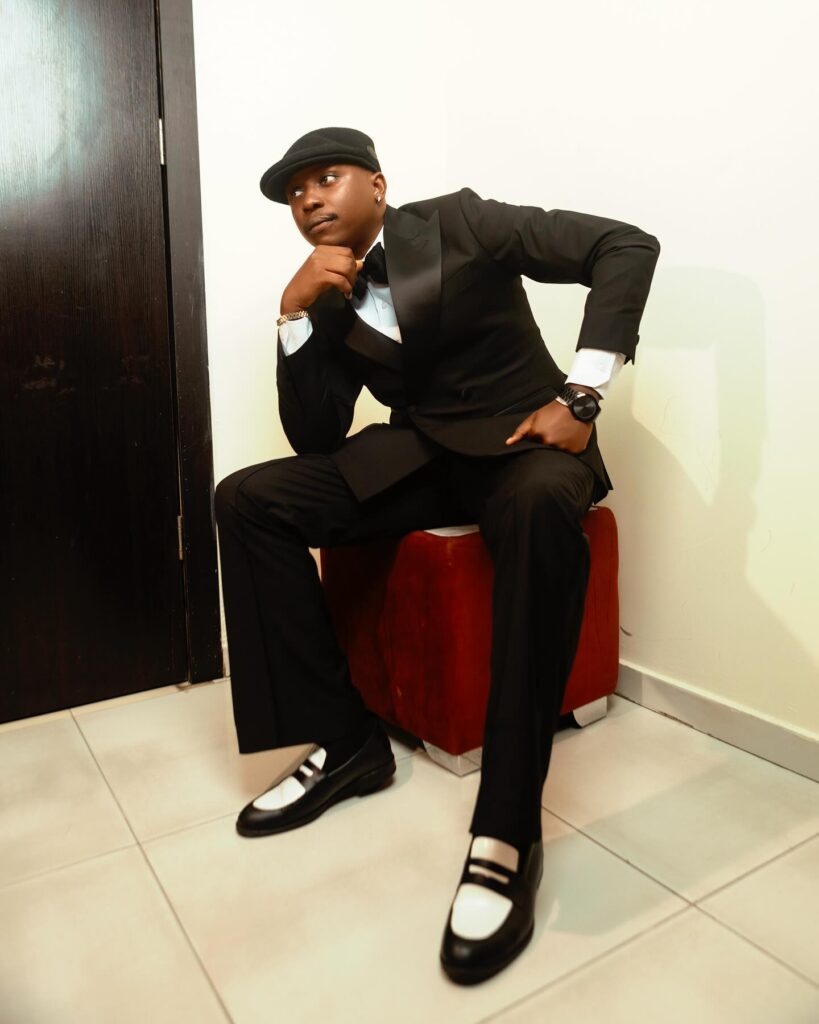 That kind of candour, the willingness to credit, to acknowledge formation is not weakness. It is a mark of character. And it is consistent with how Makinde carries himself in public: measured, grounded, and unwilling to perform a version of himself that is not accurate.
In December 2023, Makinde played Shina Judah in A Tribe Called Judah, a record-breaking production led by Akindele. He received critical and audience acclaim for his portrayal of the character, a hoodlum whose complexity demanded both physical and emotional range.
That role is worth pausing on. A Tribe Called Judah was not a safe project. It dealt with crime, loyalty, desperation, and the particular texture of Lagos street life that Nollywood has historically either romanticised or flattened. Makinde’s Shina Judah had weight. The performance demonstrated that when given material with genuine depth, he does not reach for the surface.
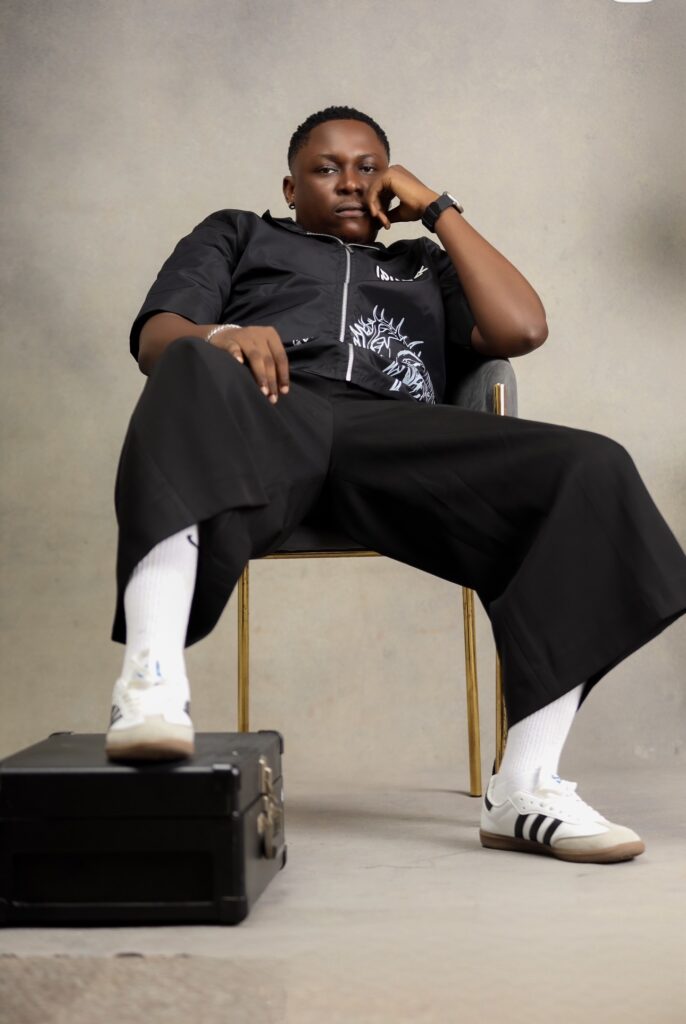
The progression from Timini in Jenifa’s Diary, the comedic, quick-footed personal assistant, to Shina Judah, a character operating in moral shadow, is not accidental. It is the arc of an actor who is making deliberate creative decisions about range, about the kinds of stories he wants to be part of, and about how those stories will register with audiences long after the credits roll.
Beyond his performances, Makinde is crafting a narrative rooted in growth, self-awareness, and connection. His presence on screen is expressive. But it is his off-screen evolution that is setting him apart.
The natural ceiling for many actors is the role they are most known for. Makinde is working hard to ensure that ceiling does not apply to him.
He has expanded into podcasting with The Tobi Makinde Show. Reflecting on the transition, he noted the rawness that comes with unscripted conversation: “In film and television, there’s a script. But with the podcast, it’s just me, my guest, and the truth.”
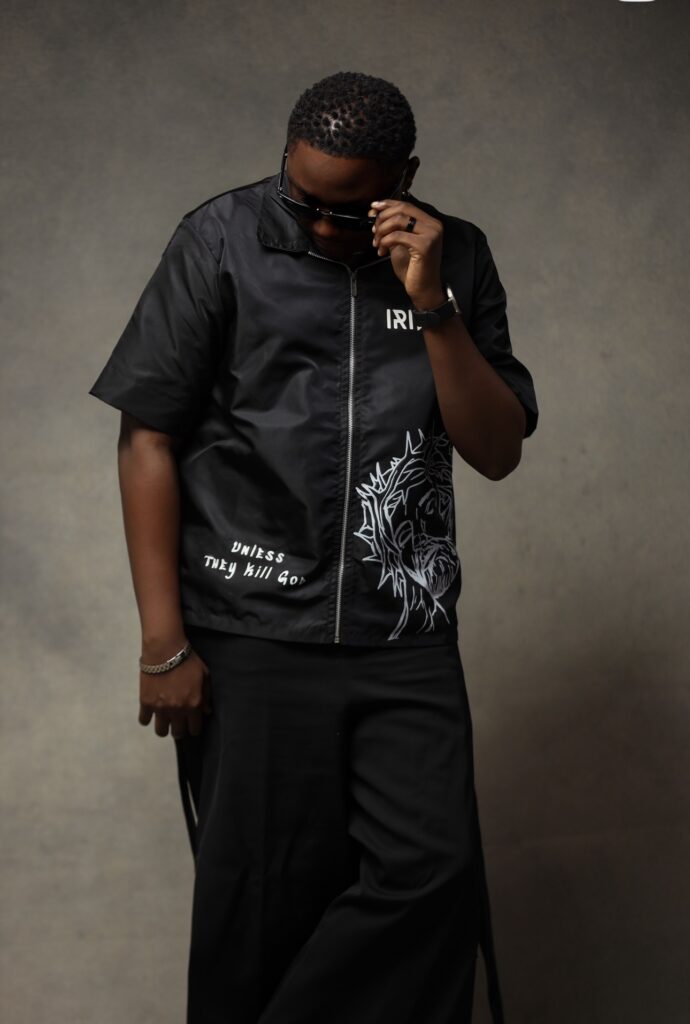
That framing says a great deal about where his head is. The podcast is not a brand extension in the way that phrase is usually understood. It is a platform for a different kind of exposure , one where the audience meets the man, not the character. In a media environment where audiences are increasingly sceptical of curated image, that willingness to sit in unscripted honesty is both a creative risk and a strategic clarity.
Makinde has spoken directly about building his independent production career: “Currently, I am doing my own thing, doing my own production,” he said, signalling a transition into a more self-driven phase of his career.
He represents a generation that does not just act. They build.
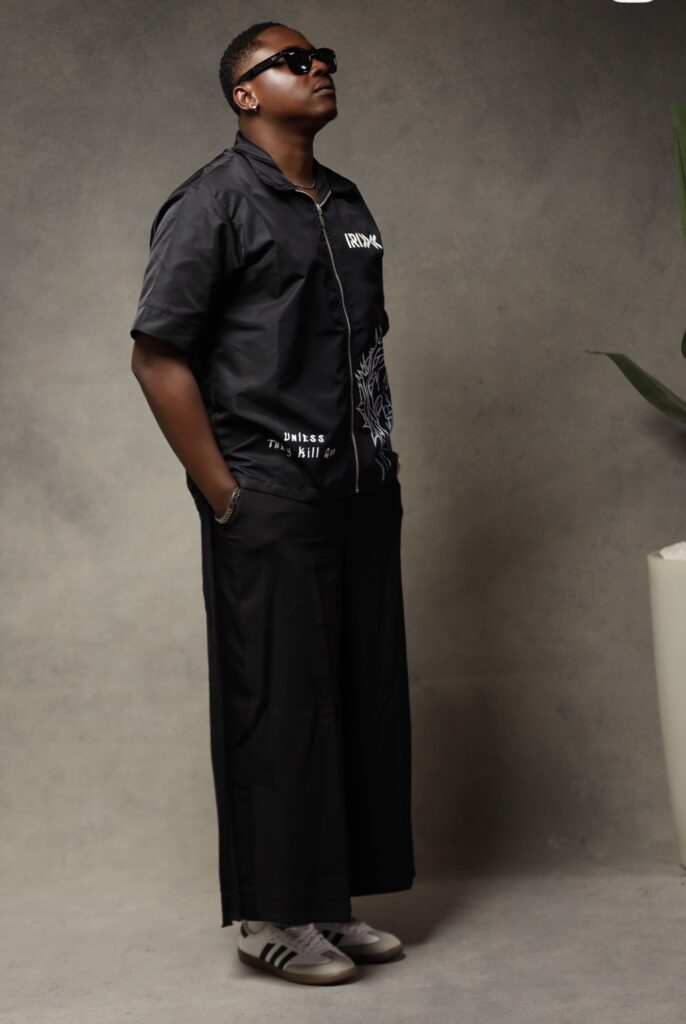 Every role, every appearance, every piece of content contributes to a larger story: the story of becoming; becoming more refined as a filmmaker, more deliberate as a public figure, more aware of the responsibility that comes with influence over a culture-hungry Nigerian audience.
In December 2025, Tobi Makinde got married. The occasion marked not just a personal milestone but a visible signal of a life moving into new territory. For someone whose professional journey has been so public, a private commitment of that scale carries its own kind of meaning.
He has been forthcoming about navigating the expectations that come with long professional associations, and about the difference between what social media narrates and what is actually true. Asked about the figures who shaped his path, he was precise: “There is no way you will write my name, and you won’t mention my father, Jimi Makinde, or Mr Tunji Bamisigbin, or even Madam Funke Akindele. Those were the key players for my career.”
 That response is characteristic. Gratitude, clarity, and the absence of drama. He does not rewrite history to make himself look more self-made than he is. But he also does not allow others to define the present chapter on his behalf.
As he explained: as people grow and move into new phases of their careers, it can sometimes look like there is distance, even when there is none. This matches what is happening in his career now. He is focusing more on his own projects.
That is the natural motion of a serious creative. You receive what the system gives you, you learn everything it has to teach, and then you go build something with your own name on it.
Tobi Makinde is not at the beginning of anything. He has been in this industry longer than many of his contemporaries have been alive to it professionally. What is new is the configuration: actor, director, podcast host, producer, independent creative operating with full awareness of what he is building and why.
In today’s landscape, where Nigerian audiences are drawn to authenticity as much as talent, Makinde sits at the intersection of both. He is not performing relevance. He earned it through nearly three decades of consistent work, deliberate choices, and the kind of slow-building credibility that cannot be manufactured.
The actors who last are not always the most gifted in any given moment. They are the ones who understand the long game, who know that a career built on craft and character outlasts any single role, any trending headline, any moment of public curiosity.
By that measure, Tobi Makinde is not just one to watch. He is one already worth studying.
Ranks Africa Magazine celebrates African excellence across entertainment, business, and culture. This Spotlight feature is published in recognition of Tobi Makinde’s contribution to Nollywood and the broader Nigerian creative industry.