

There is a particular kind of honesty that most Nigerian television stories about the North avoid. They will acknowledge hardship from a comfortable distance, frame it in broad strokes, and wrap it in enough dramatic flair to keep the audience from sitting too long with the discomfort. MAFARKI does not do that. It plants you in the middle of Uwani’s world and asks you to stay.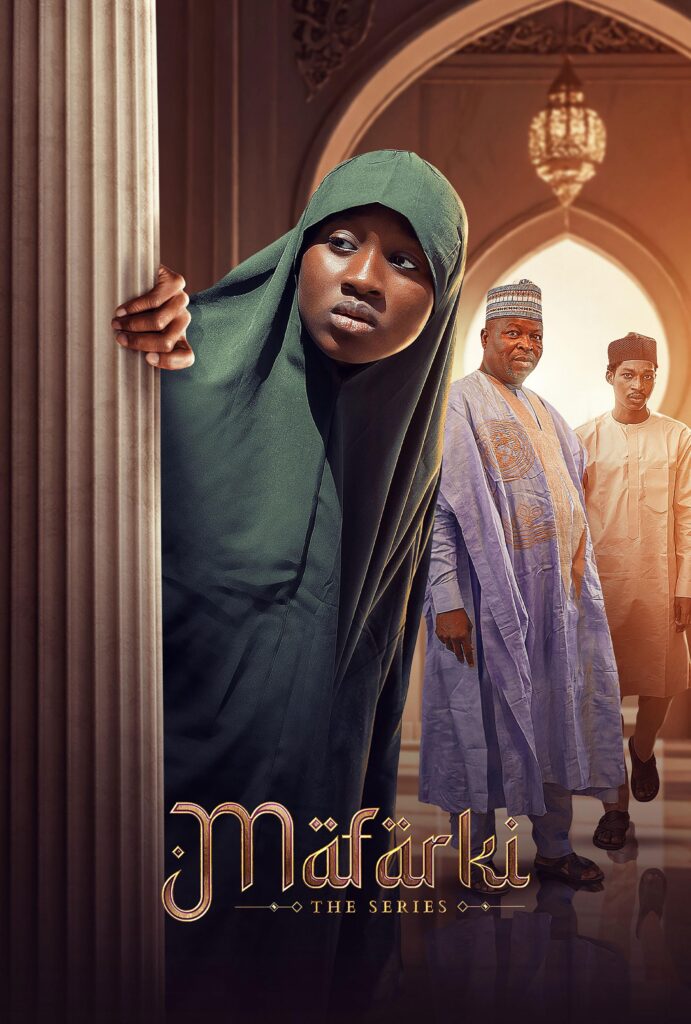
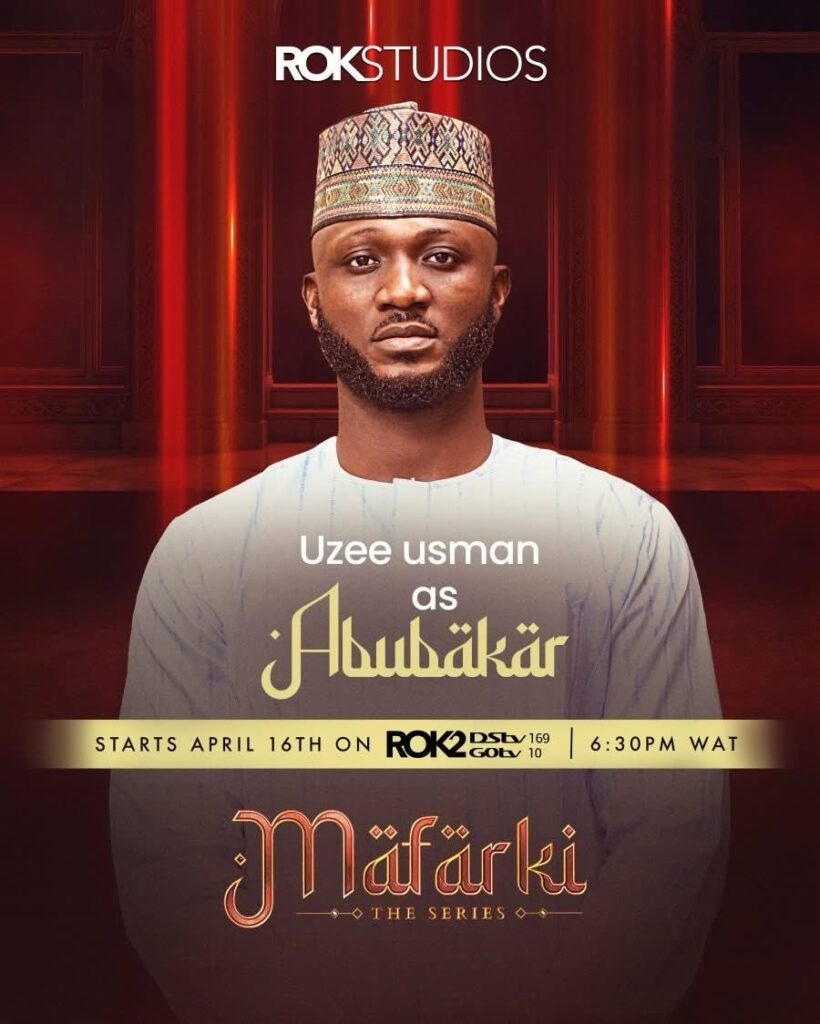
The series, which debuted on ROK2 earlier this year, is a collaboration between Uzee Usman of Uzee Concept and Mary Remmy Njoku of ROK Studios. On paper, it reads like an obvious pairing. Usman brings a command of Northern storytelling that is not decorative but structural, the kind of cultural familiarity that shapes how a scene is written rather than merely how it is dressed. Njoku brings the production discipline that ROK Studios has built its reputation on. The result is a series that does not feel like two creative worlds merged for commercial reasons. It feels like one coherent vision.
 Uwani, the protagonist, is a brilliant young woman from a traditional Northern village who wants to become a medical doctor. That description, stated plainly, sounds like the premise of a dozen other stories. What MAFARKI does differently is refuse to simplify the weight of that ambition. The literacy gap, the economic barriers, the gendered expectations that operate not as villains but as the very texture of daily life, these are not obstacles inserted for dramatic convenience. They are the environment. Uwani does not fight a single antagonist. She navigates a world that was arranged, long before she arrived, to expect less of her.
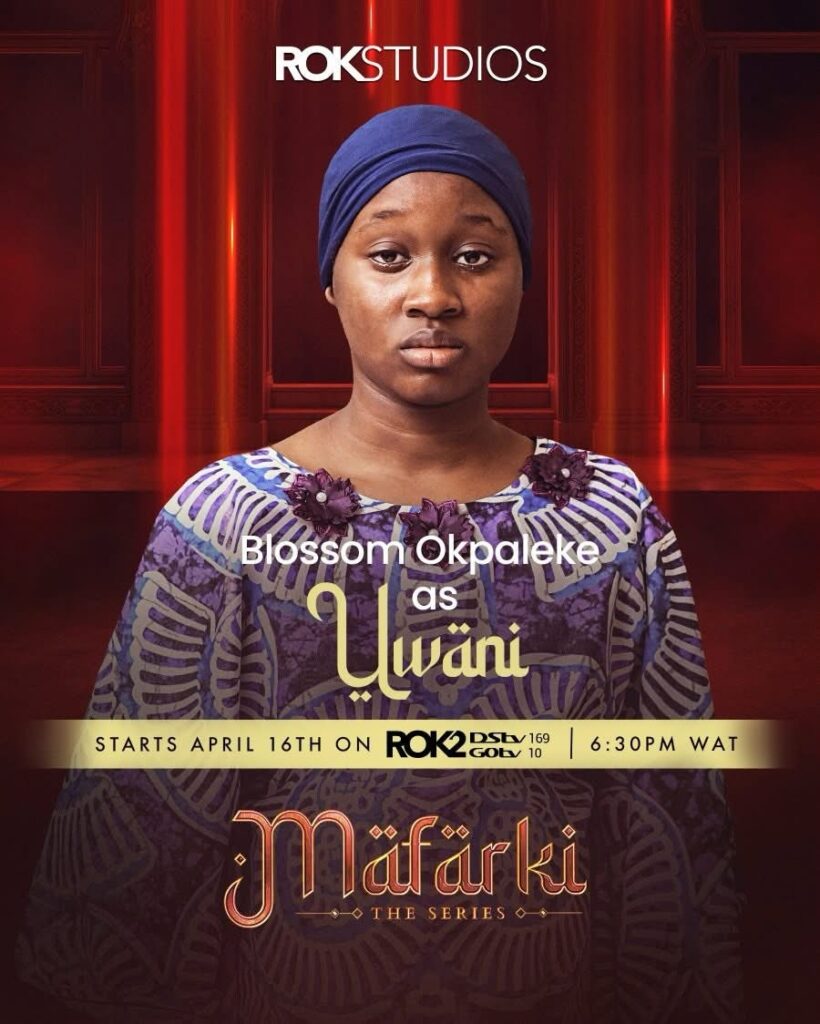 Blossom Okpaleke, a newcomer, plays Uwani. The decision to build the series around an unfamiliar face rather than a recognisable star was a deliberate risk, and it pays off completely. Okpaleke does not perform resilience. She inhabits it in a way that reads as lived rather than rehearsed. There are scenes early in the series where Uwani’s conflict is entirely interior, no confrontation, no dialogue, only the visible work of a young woman calculating the cost of her own desires. Okpaleke holds those moments without overselling them.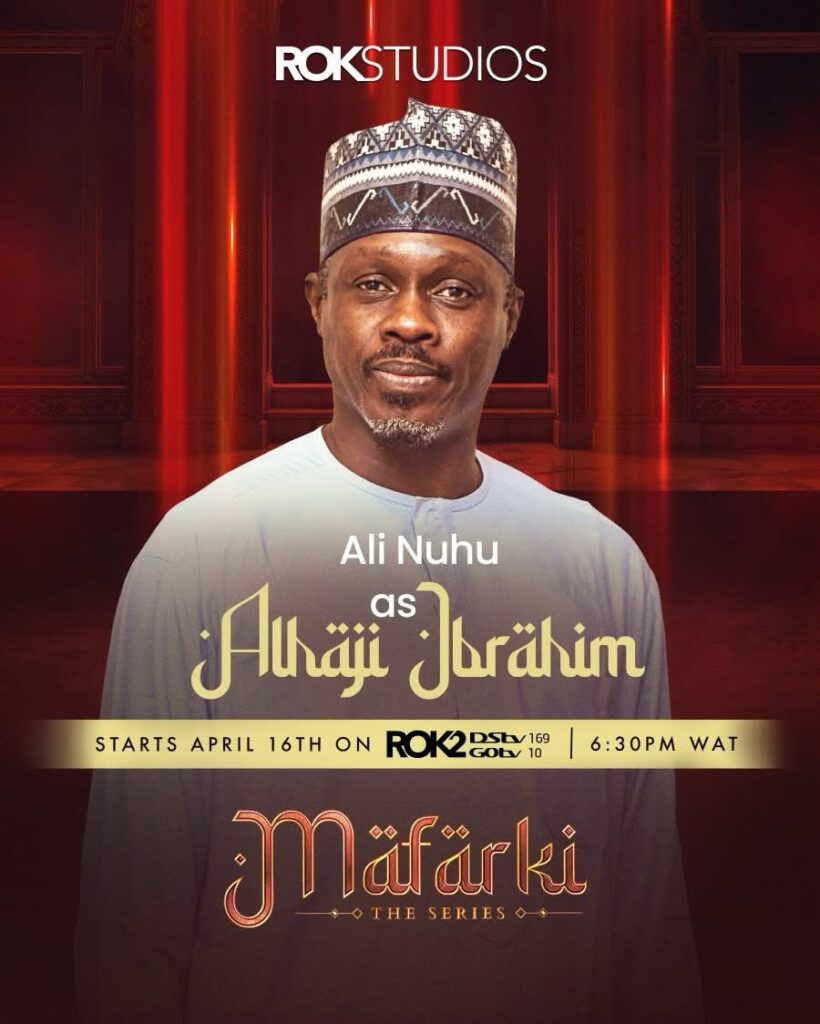
Veteran actor Ali Nuhu is in the cast, and his presence gives the series a certain gravitational credibility with audiences who grew up watching Kannywood. But MAFARKI does not lean on that familiarity as a crutch. The supporting ensemble, which includes Rabiu Rikadawa, Chelsea Eze, Eve Esin, and Ego Nworji, is assembled with clear intention.
Each character carries some dimension of the world Uwani is trying to move through, and none of them exist purely to advance her arc.
What the series understands, and this is where it earns its better reviews, is that stories about the girl-child in Northern Nigeria have historically been told in one of two registers: tragedy or inspiration. MAFARKI moves between those registers without settling into either. It is not a film about defeat, but it does not pretend that hope is cost-free. Uwani’s dream survives, but so does everything she has to carry to protect it.
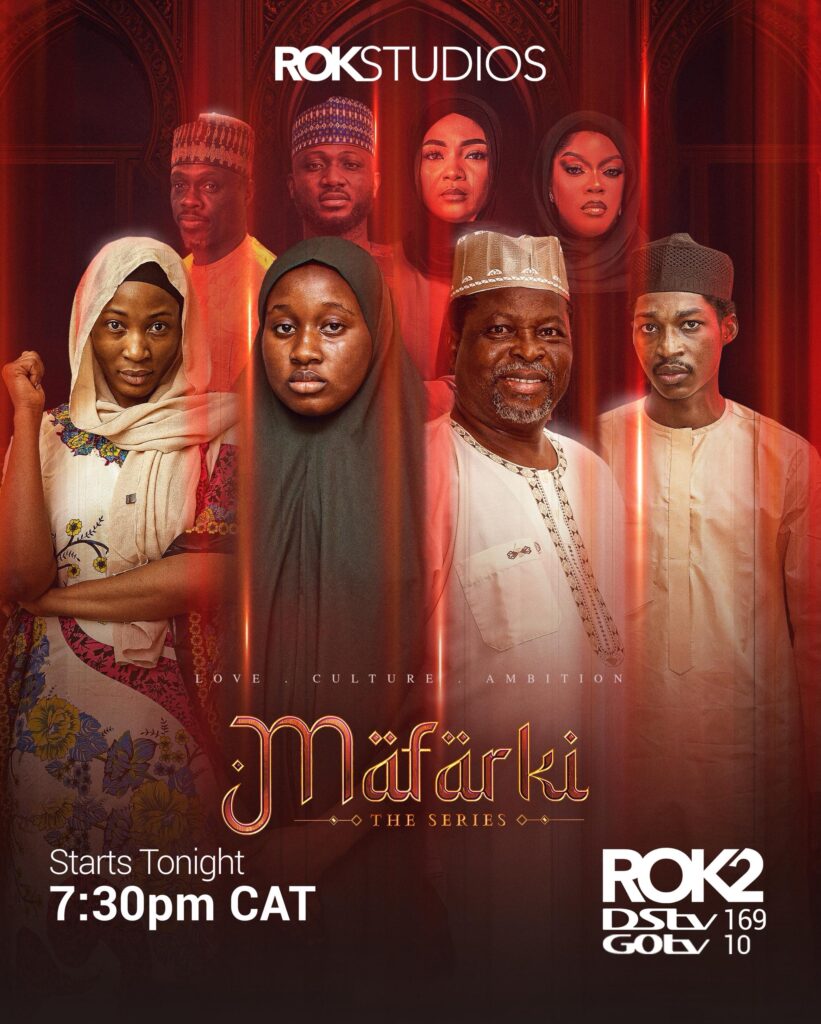 Airing on ROK2, available on DStv channel 169 and GOtv channel 10, Mondays through Thursdays at 7:30 PM West Africa Time, MAFARKI has built a consistent audience across regions and age groups. That is worth noting because the series does not chase broad appeal through compromise. It earns it by being specific. When a story is specific enough, when it is honest about the particular shape of a particular life, it tends to find people who recognise something true in it, regardless of whether they share the geography.
For Nollywood as an industry, MAFARKI represents a direction that has been possible for years but rarely attempted with this level of consistency. A Northern story told by people who understand the North, produced to a standard that does not ask audiences to excuse its limitations, and centred on a character whose gender and ambition are treated as the subject of the story rather than a background detail. That combination should not be remarkable in 2025. The fact that it still is says something about how much ground the industry has left to cover.
MAFARKI is not a statement in search of a story. It is a story that, by being told properly, becomes a statement on its own terms.
THE FACTS: MAFARKI (DREAM)
Production: A collaboration between Uzee Usman (Uzee Concept) and Mary Remmy Njoku (ROK Studios).
Platform: ROK2, DStv channel 169 and GOtv channel 10. Airs Mondays through Thursdays at 7:30 PM WAT.
Lead: Blossom Okpaleke as Uwani, the central protagonist.
Cast: Ali Nuhu, Rabiu Rikadawa, Chelsea Eze, Eve Esin, and Ego Nworji.
Plot: The series follows Uwani, a young woman in a traditional Northern village who defies cultural custom and economic hardship to pursue a career in medicine.