



I am writing this final part, to inform, and educate pseudo-religionists, and bigoted fanatics that my eternal salvation is my problem not yours. I am devoted to curing your ignorance about belief in God, the universe, immanence and transcendence which, I am convinced you know nothing about.
There was an era in Yorùbá Christian history where indigenous dignity and Christian devotion existed in sophisticated harmony. The sudden retreat from Ṣàkì and Ìtàgbè in our sanctuaries was neither accidental nor theological; it was a cultural purge driven by historical amnesia and modern religious iconoclasm.
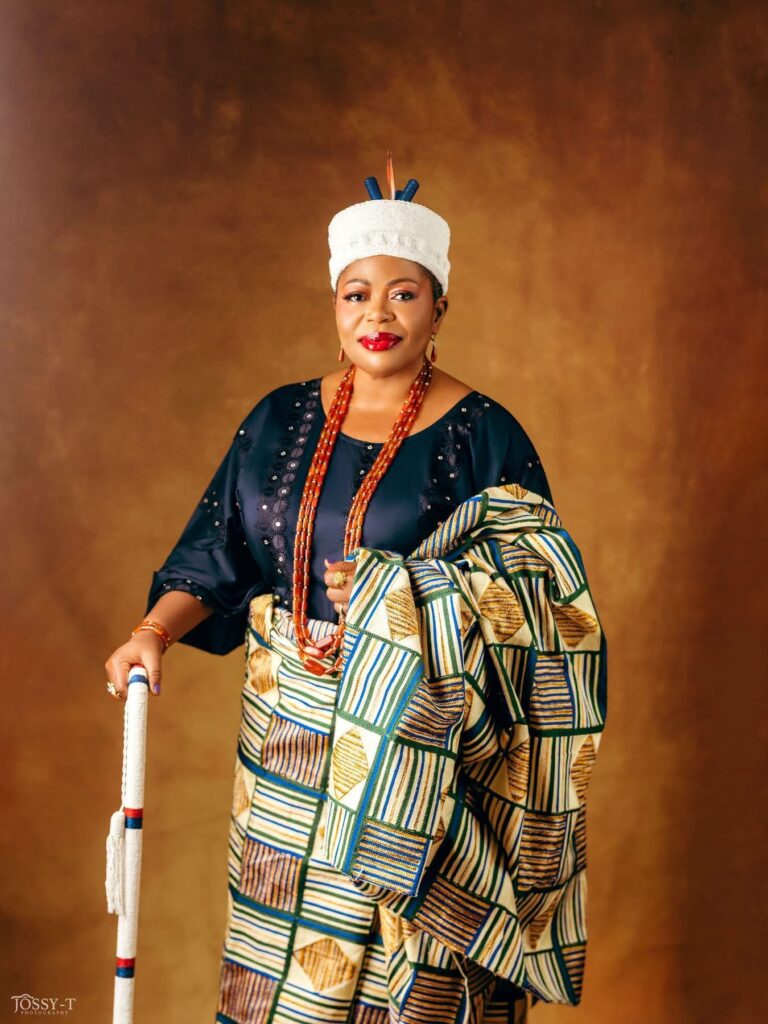
The Golden Era of Cultural Indigenization
Throughout the mid-20th century, mainline denominations; the Anglican, Methodist, Baptist, and African Churches, recognized that embracing Christ did not demand the erasure of Yorùbá identity.
Civic Vestments in the Pews: Church leaders, the Baba Ẹgbẹ́ (patrons) and Ìyá Ẹgbẹ́ (matrons), proudly draped their Ìtàgbè over starched lace and wore heavy Ṣàkì to synods, harvest thanksgivings, and choir anniversaries.
A Statement of Integrity: The church fathers understood that the Ìtàgbè was an emblem of upright character (Ìwà-rere), communal accountability, and elderhood. It was worn to honor God with the finest fruits of indigenous handcraft, carrying the weight of a lineage that feared dishonor.
The Great Rupture: How the Heritage Was Severed
The sudden abandonment of these woven masterpieces began in the late 1970s and peaked during the 1990s, accelerated by three profound cultural shifts:
The Neo-Pentecostal Wave and Iconoclasm: The rise of aggressive revivalist movements introduced an apocalyptic theology of spiritual warfare. Rather than redeeming culture, this theology villainized all ancestral artifacts. Indigenous textiles, drums, and chieftaincy stoles were hastily rebranded as demonic altars or instruments of witchcraft.
The Miseducation of Deliverance Ministries: In a bid to demonstrate dramatic conversion, congregants were encouraged to burn inherited heirlooms. Priceless handwoven Ṣàkì, ancient beads (Ìyùn and Sẹgi), and intricately crafted Ìtàgbè were cast into bonfires to break supposed “generational curses.”
The Westernization of Holiness: A colonized perception of modernization (Ọ̀làjú) took over. Reverence became synonymous with British three-piece wool suits and synthetic European garments, while traditional cloth was relegated to the margins as archaic or pagan.
The Tragic Irony
We traded the storied majesty of Ṣàkì, a cloth woven from locally spun cotton through months of patient labor, for imported polyester, mistaking foreignness for piety. The early church elders understood what modern fanaticism has forgotten: God looks at the consecration of the heart, not the geography of the loom. Reclaiming these vestments is a restoration of an ancestral majesty that never should have been surrendered.