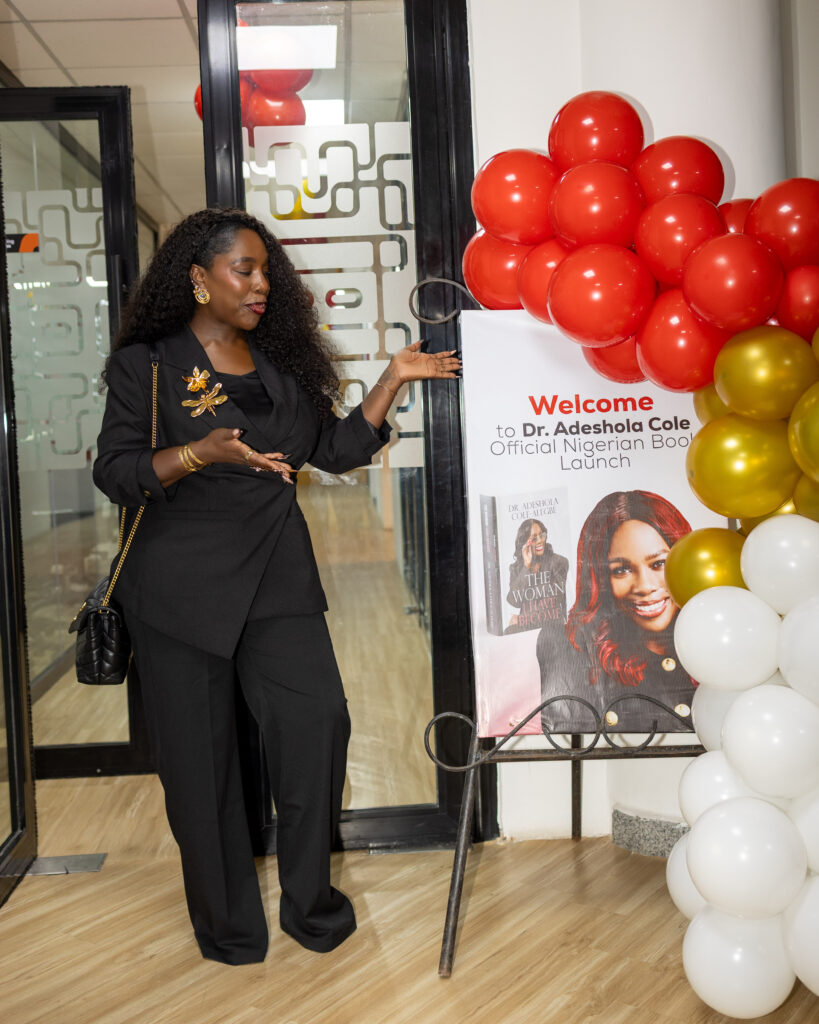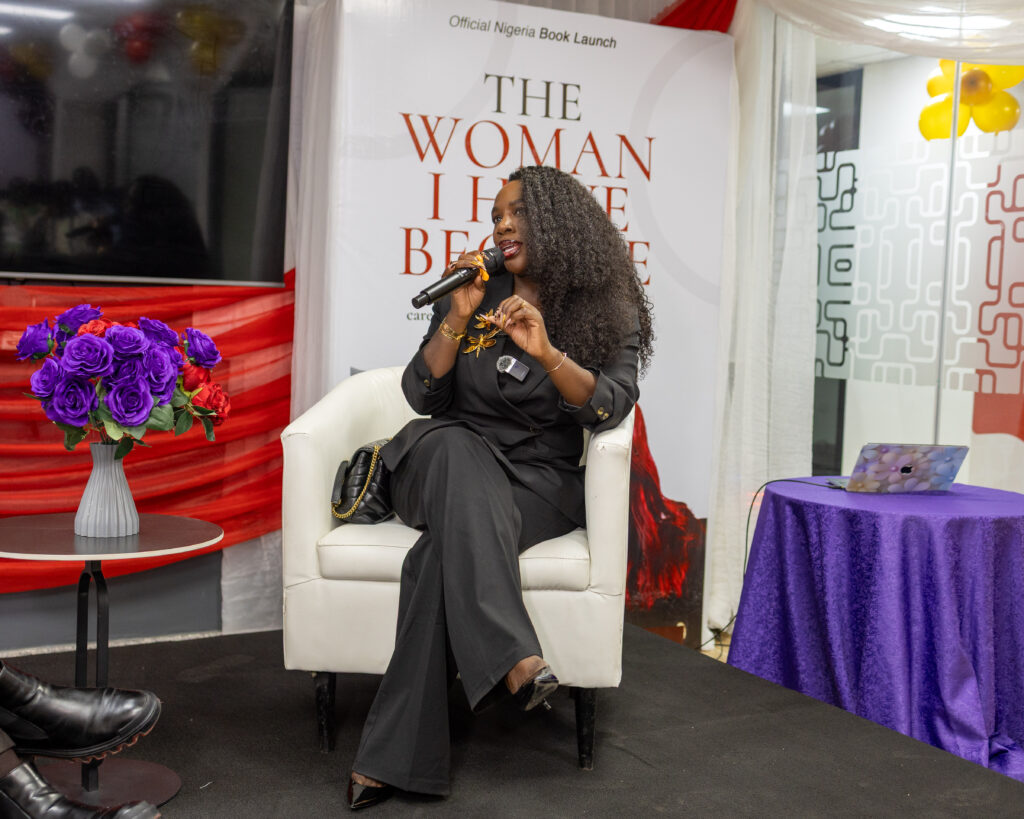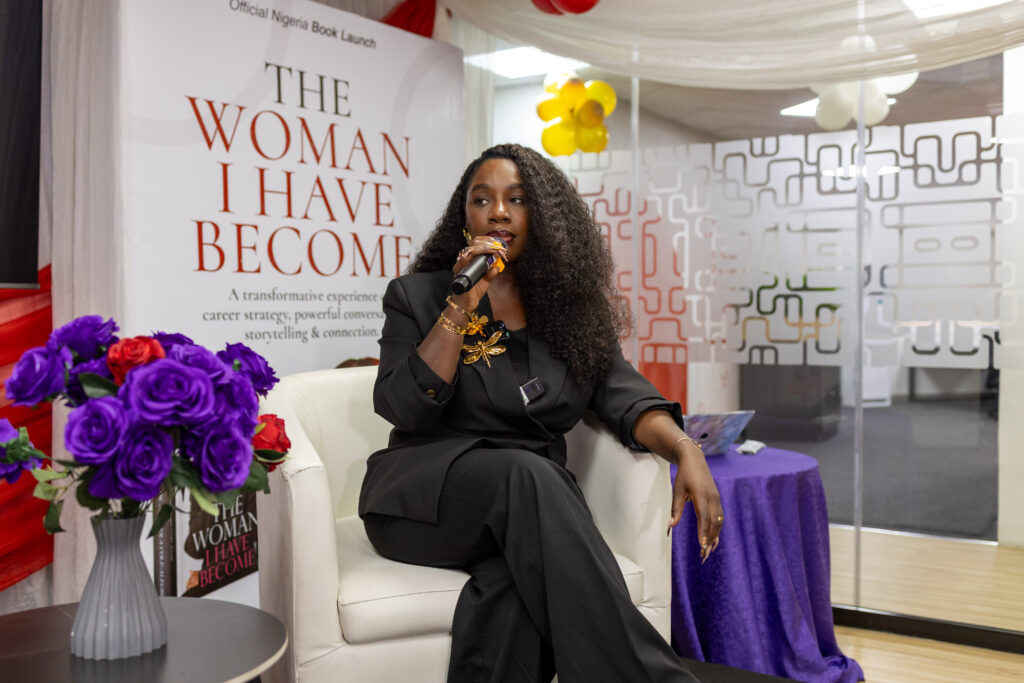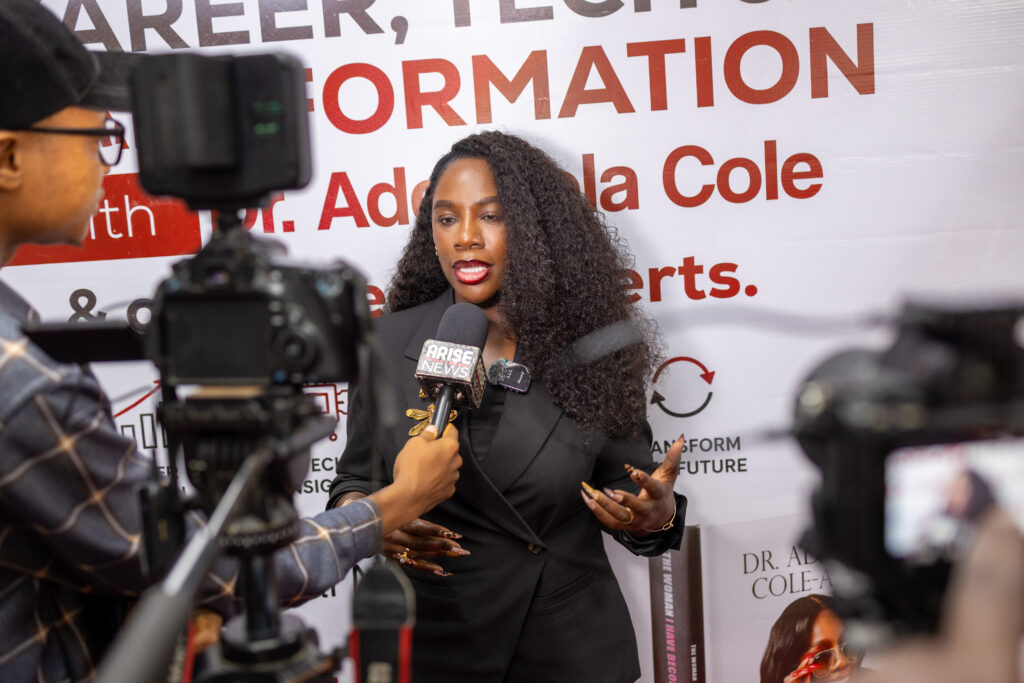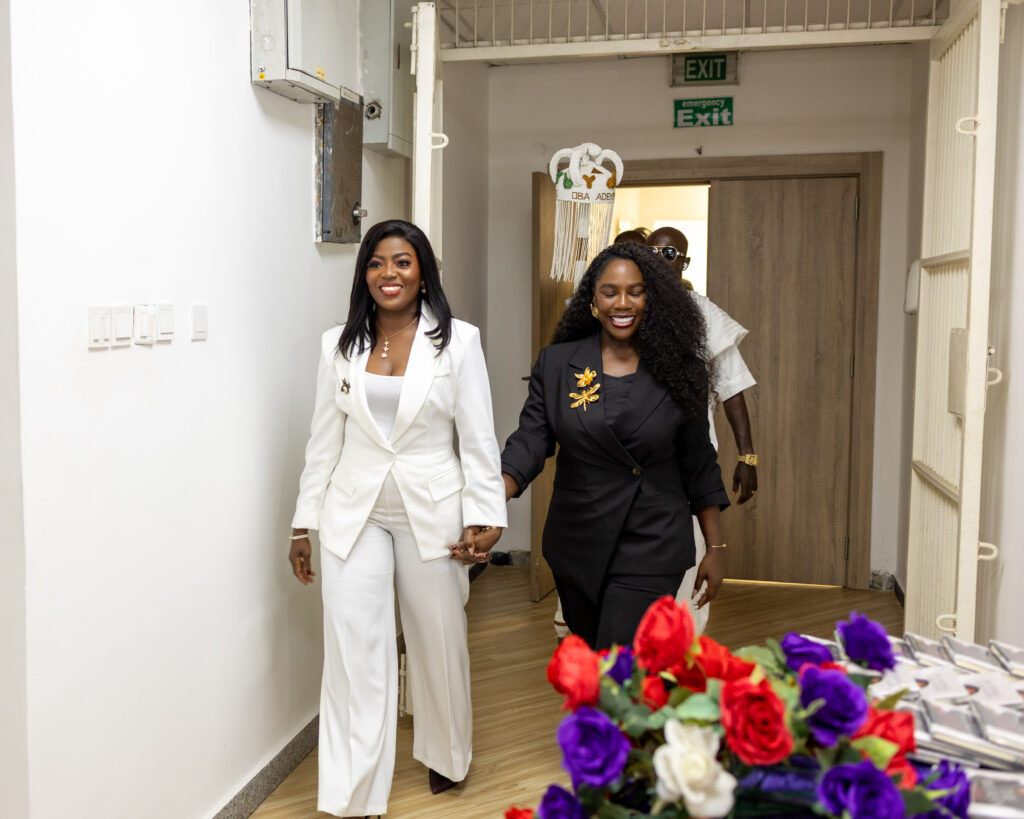



From a decade-long career in banking to establishing an international technology training institution, Dr. Adeshola Cole-Alegbe, Founder and CEO of Tritek Academy, has built a remarkable journey centred on education, empowerment and creating opportunities for others.
What began in 2017 with just two students has evolved into a platform helping professionals transition into careers in project management, business analysis and technology.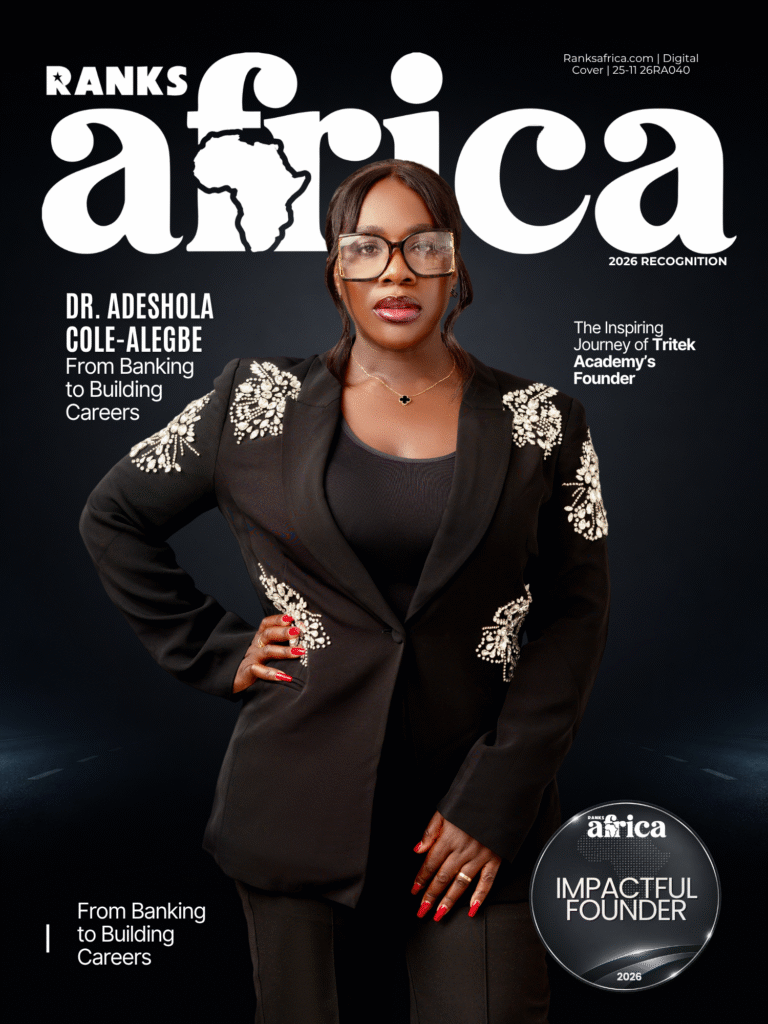
In this exclusive Ranks Africa Spotlight Interview, Dr. Cole-Alegbe reflects on her entrepreneurial journey, the challenges of building Tritek Academy, her commitment to women’s empowerment and inclusion, the future of artificial intelligence, and the personal experiences behind her memoir, The Woman I Have Become.
Her story is a reminder that where a person begins does not determine how far they can go.
Read the Full Interview Below:
1. Career Journey You spent 10 years in banking before moving into technology. What inspired you to make that change?
Honestly, banking was a good job, and I’m grateful for it, but somewhere along the way it stopped feeling like mine. I was getting promoted, and I still felt like something was missing. Then a friend kept telling me about project management and business analysis. I kept brushing him off because I couldn’t even put together a decent PowerPoint! But my husband pushed me to try, so I signed up for a course while I had a three-month-old baby at home. Most of it went over my head at first. What changed everything was mentoring other people through that same switch. Seeing someone arrive unsure and leave with a new career, I thought, this is what I want to be doing.
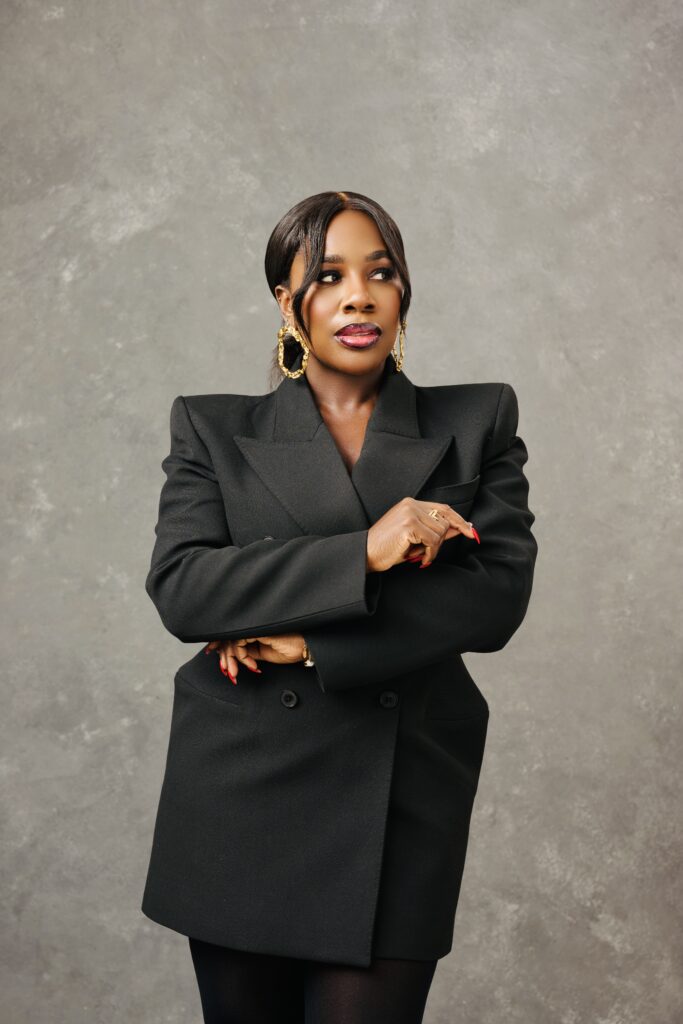
2. Building Tritek Academy Tritek Academy started with just two students in 2017 and has grown internationally. What were the biggest challenges you faced while building the institution?
When we started in 2017, it was me, a friend, and about a thousand pounds. We had no idea what we were doing! The classes were tiny, sometimes just two people. Then my co-founder left, and I honestly thought that was the end because I didn’t believe I could run it alone. I was also still working full-time, so I was doing the sales calls, the admin and the customer service all by myself. When I finally left my job, money was really tight. And as we grew, the challenges just changed. Competition got fierce, trust in the industry took a knock, and building the right team was a huge learning curve. What kept us going was making sure people felt looked after, not just taught.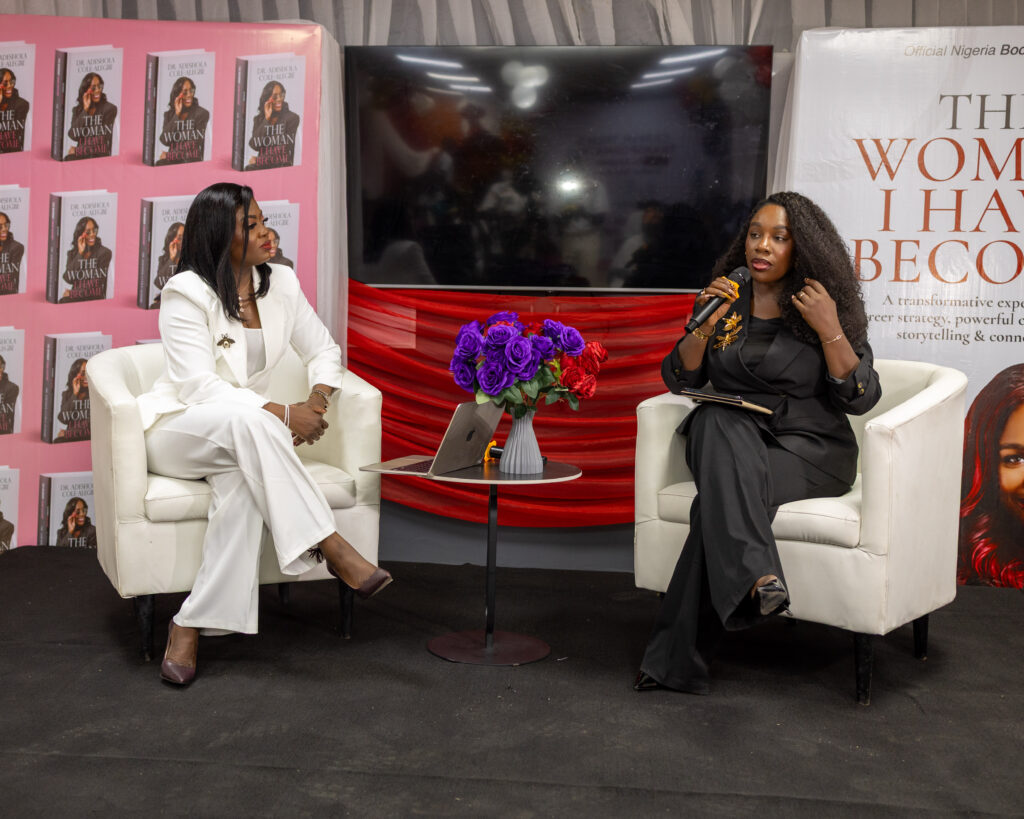
3. Inclusion and Opportunity Your personal experiences with exclusion have influenced your work. How has this shaped your commitment to creating opportunities for others?
I grew up in foster care, and for most of that time I was the only Black child around me, at home and at school. You learn very early what it feels like to be treated as different. That stays with you. So when I got into tech and saw how few people who looked like me were in the room, especially women, it really bothered me. I couldn’t just walk through the door and shut it behind me. A lot of what we do at Tritek, the free sessions, the mentoring, the career support, comes from asking: how do I make this easier for the next person? Talent is everywhere. Opportunity isn’t. I want to help close that gap.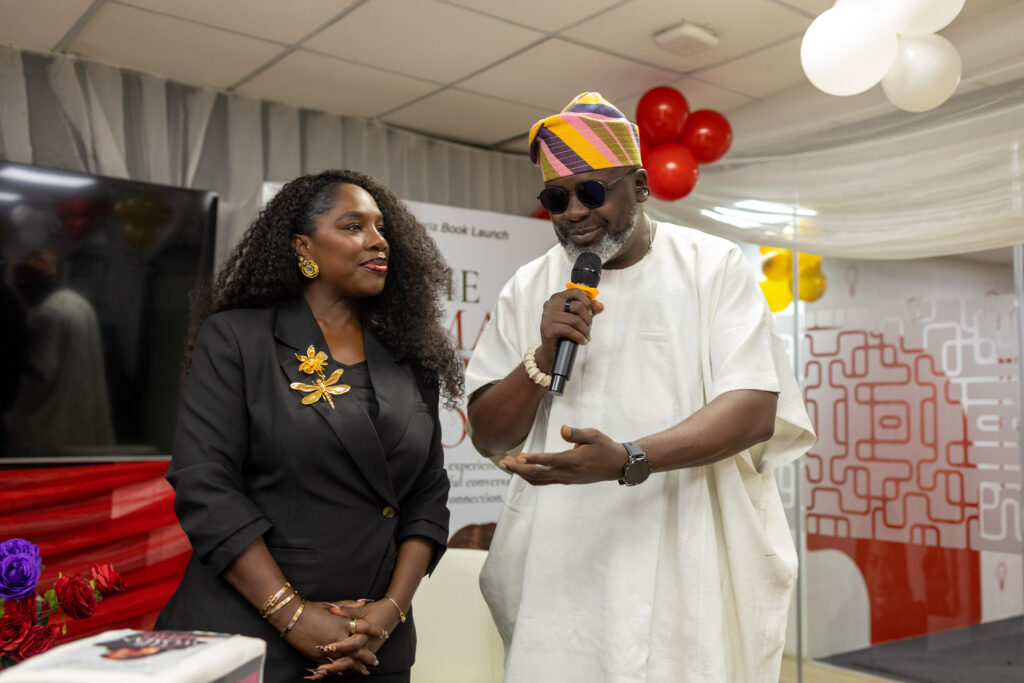
4. Technology and Careers You have helped thousands of people build careers in Project Management, Business Analysis and Data Analysis. What skills do young people need to succeed in today’s technology industry?
The technical skills matter, but I’d say the first thing is being willing to learn, because tech changes so fast. Second is communication. I used to be terrified of presenting, and I’ve watched brilliant people get overlooked because they couldn’t explain their ideas. Third, be professional and reliable. Turn up, meet your deadlines, and be easy to work with. And please, don’t wait until you feel fully ready. I didn’t understand half of my first course, but I stayed in the room. Skills get you started, but attitude is what keeps you moving.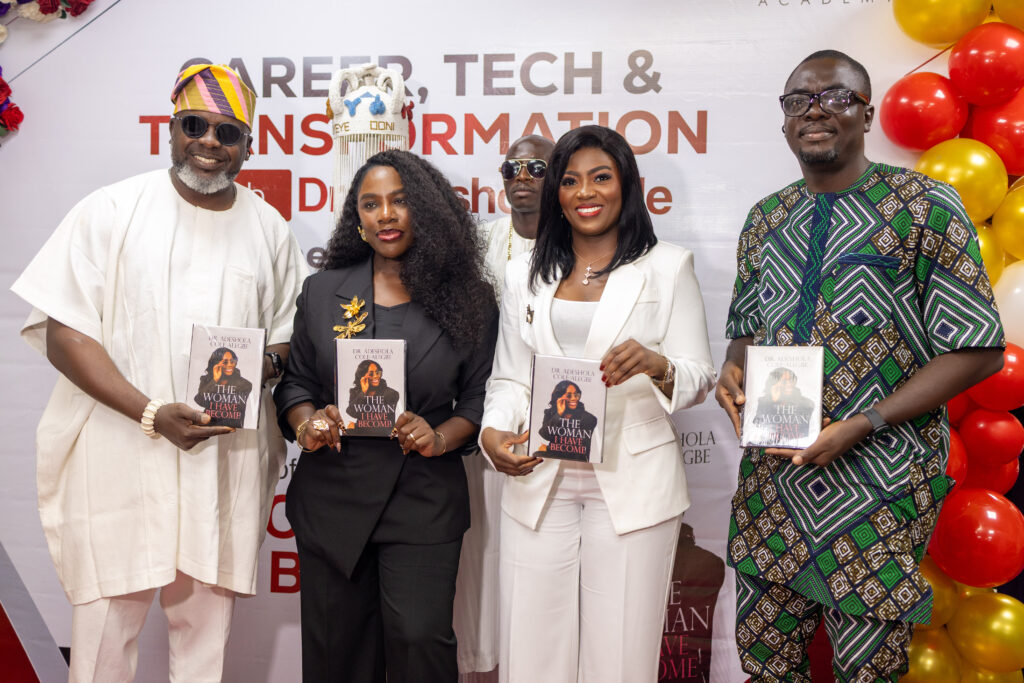
5. Women in Leadership What challenges do women still face in technology and leadership, and what can be done to create more opportunities for them?
When I started in EdTech, there were hardly any women running training companies. I didn’t have anyone to look to, and it was lonely. I think that’s still a big part of it today: women don’t always see someone like them ahead of them, and often lack the networks and the funding. So we need more visible role models, real mentorship, and people who will actively open doors, not just give advice. And to women themselves: back yourself. Build solid systems, set your boundaries early, and don’t wait for permission.

6. Artificial Intelligence With AI changing the workplace, how can African professionals prepare for the opportunities and challenges ahead?
I’ve spoken about AI and cybersecurity, including at the House of Parliament, and my honest view is that AI isn’t something to be afraid of. It’s something to learn. Professionals who understand how to use it well will do far better than those who ignore it. So build your digital skills, learn how AI works in your own field, and keep sharpening what machines can’t do: judgement, communication, integrity and leadership. Africa has so much talent. I’d love to see us building solutions, not just using what’s made elsewhere.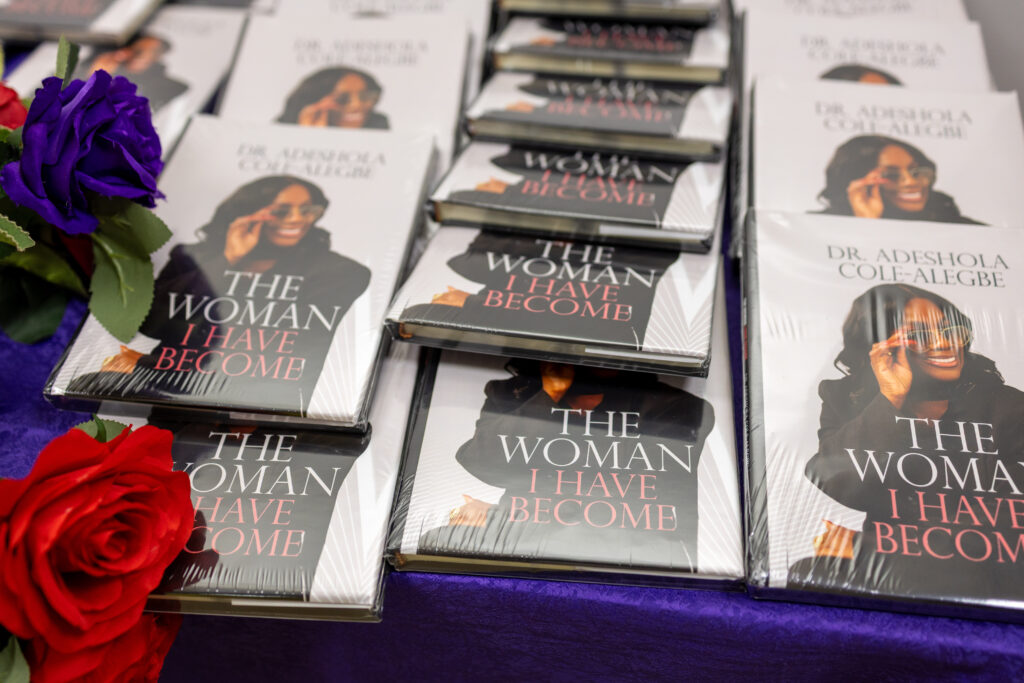
7. Your Memoir Your book, The Woman I Have Become, tells your story of identity, resilience and leadership. What inspired you to write it, and what message do you hope readers take away?
People say to me, “You’re so successful,” and I just smile and say thank you. But they didn’t see the years before. The rejection, the hard seasons, the days I wondered if things would ever get better. I wrote the book because I wanted to share that side of the story. If you’re going through something painful right now, I want you to know you’re not alone, and where you start doesn’t decide where you end up. That’s what I hope readers take away.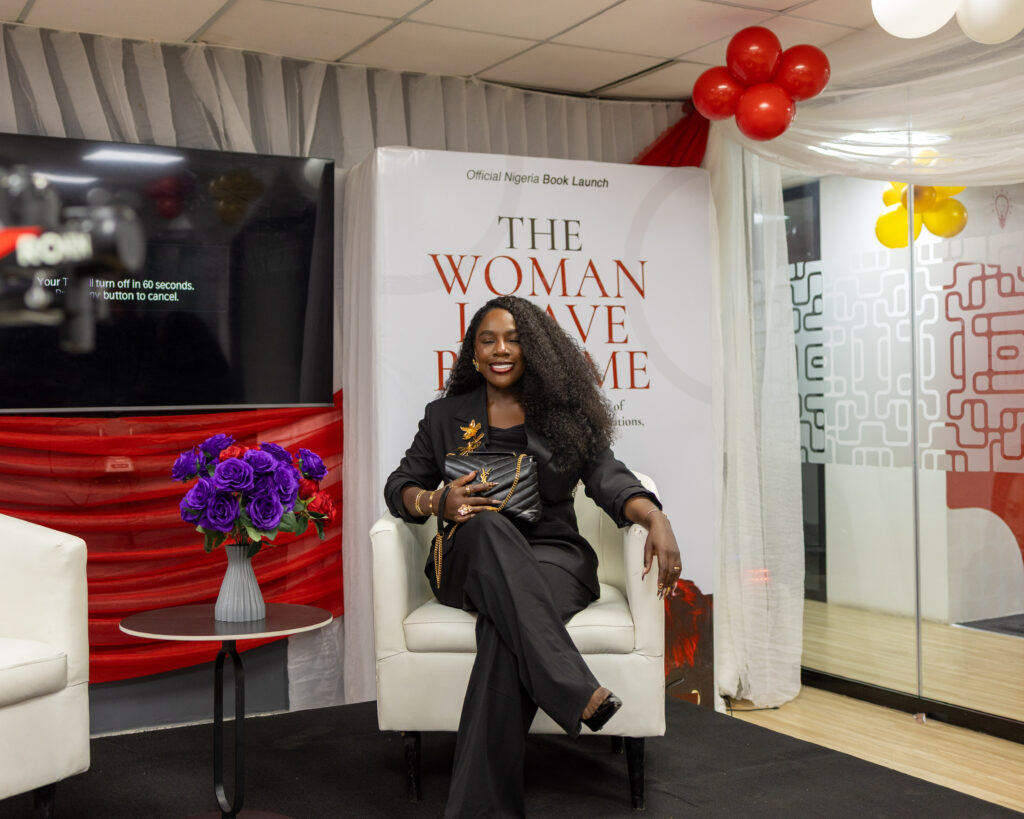
8. Legacy and Future Plans Beyond your awards and achievements, what legacy do you hope to leave behind, and what are your plans for the future?
For me, it’s about people. I want to look back and see lives that changed because someone gave them a chance: people with new careers, new confidence, new futures. I also want my children to inherit good values, not just opportunity. And I’m very conscious of my grandmother’s influence on me, so faith and integrity are a big part of what I hope to leave behind. As for what’s next, I’ll keep growing Tritek and widening our reach, mentoring and speaking, and exploring new ventures as well. I’m just getting started!
Ranks Africa Recognition: Africa’s Impactful Founders 2026
In recognition of her entrepreneurial vision, leadership and contributions to technology education, professional development and community empowerment, Ranks Africa proudly honours Dr. Adeshola Cole-Alegbe as one of Africa’s Impactful Founders 2026.
Through Tritek Academy, she continues to demonstrate how entrepreneurship can extend beyond building successful businesses to creating opportunities, transforming careers and empowering the next generation of African professionals.