



When soldiers stormed Benin’s state TV on Sunday, December 7, 2025, announcing the removal of President Patrice Talon, many Africans simply sighed.1 Another one? Again?
For a region that has endured more coups in the last five years than the World Cup has goals, Benin’s attempted takeover—even if later foiled—felt like a continuation of a very familiar and deeply troubling playlist.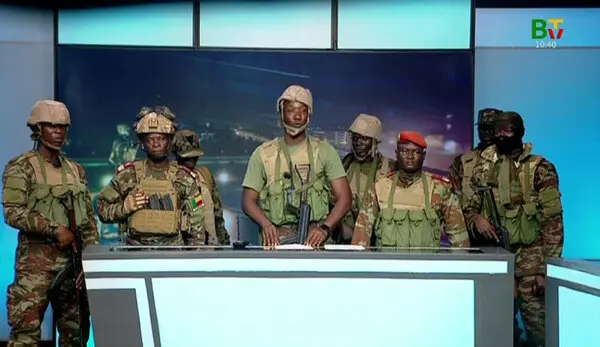
From the sands of the Sahel to the coastal states, West and Central Africa have been doing “military musical chairs.” Here is a detailed explainer on the coups that are reshaping the continent, the common drivers behind them, and why the latest drama in Benin matters so much.
The Coup Belt: A Timeline of Military Takeovers (2020 – 2025)
The last five years have seen an alarming reversal of democratic progress, primarily across the Francophone countries of the Sahel and West Africa, an area now grimly referred to as the “Coup Belt.” Since 2020, there have been at least nine successful coups on the continent, alongside numerous failed attempts.
| Date | Country | Leader Ousted | New Military Leader | Outcome |
| August 2020 | Mali | Ibrahim Boubacar Keïta | Col. Assimi Goïta | Successful. Pledged transition. |
| April 2021 | Chad | Idriss Déby (Killed in battle) | Gen. Mahamat Déby Itno (Son) | Military transition, widely viewed as a dynastic coup. |
| May 2021 | Mali | Bah Ndaw (Interim Civilian President) | Col. Assimi Goïta | Second Coup. Goïta named Transitional President. |
| September 2021 | Guinea | Alpha Condé | Lt. Col. Mamady Doumbouya | Successful. Condé was attempting a controversial third term. |
| October 2021 | Sudan | Abdalla Hamdok (Civilian PM) | Gen. Abdel Fattah al-Burhan | Successful. Ended power-sharing with civilians. |
| January 2022 | Burkina Faso | Roch Marc Christian Kaboré | Lt. Col. Paul-Henri Damiba | Successful, citing failure to curb insurgency. |
| September 2022 | Burkina Faso | Paul-Henri Damiba | Capt. Ibrahim Traoré | Second Coup. Coup leader removed by a junior officer. |
| July 2023 | Niger | Mohamed Bazoum | Gen. Abdourahamane Tiani | Successful. Highly destabilizing to the region. |
| August 2023 | Gabon | Ali Bongo Ondimba | Gen. Brice Oligui Nguema | Successful, following widely disputed elections. |
| October 2025 | Madagascar | Andry Rajoelina | Col. Michael Randrianirina | Successful, following weeks of anti-government protests. |
| November 2025 | Guinea-Bissau | Umaro Embaló | Military officers | Successful, following contested general elections. |
🔥 The Coup Playbook: Why Soldiers Are Taking Over
While each coup is unique, analysts point to four critical, interconnected drivers that fuel the widespread disaffection exploited by military plotters: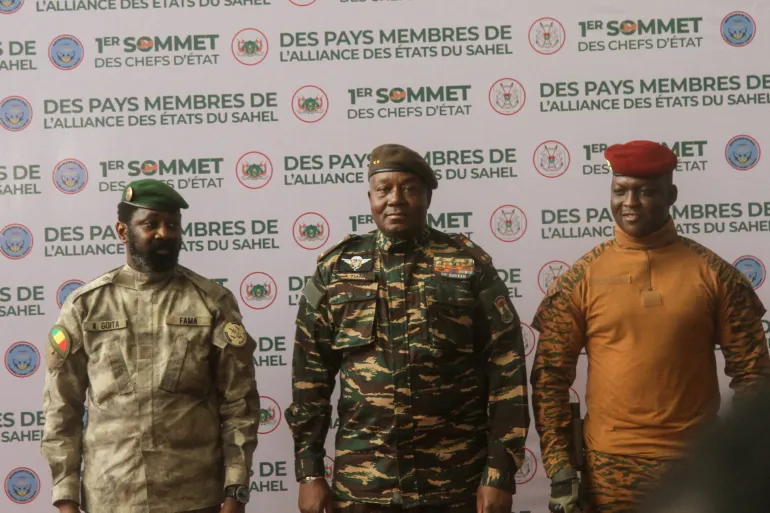
1. The Security Crisis in the Sahel
The most frequently cited justification for the coups in Mali, Burkina Faso, and Niger is the failure of civilian governments to contain relentless jihadist insurgencies linked to Al-Qaeda and ISIS. Armies, often feeling underequipped and constrained by politics, have seized power, claiming they can do better. Ironically, attacks have often intensified under military rule.
2. Democratic Backsliding and Constitutional Tweaks
Many of the toppled leaders were highly unpopular before the military intervened.
-
Term Limits: Leaders like Guinea’s Alpha Condé and Gabon’s Ali Bongo were accused of rigging elections or altering the constitution to extend their stay in power, effectively “blocking political succession” and discrediting the democratic process.
-
Corruption and Poverty: Beneath the political turmoil lies deep public frustration over endemic corruption, high unemployment among the youthful population, and the government’s failure to deliver basic public services.
3. Anti-French Sentiment and Geopolitical Shifts
A strong thread running through the Francophone coups is a resurgence of anti-colonial and anti-French sentiment.6 Juntas in Mali, Burkina Faso, and Niger have severed security ties with France and the West, turning instead toward alternative foreign partners, most notably Russia and its mercenary Wagner Group, to manage their security crises.
4. Weak Regional Response (ECOWAS Strain)
The regional bloc, ECOWAS, has struggled to contain the wave, with its sanctions delivering mixed results and, in the case of Niger, sparking defiance.8 The inconsistent application of rules—where some successful coups are eventually tolerated—has emboldened plotters by lowering the perceived risk of intervention.
Why Benin’s Latest Drama Matters
The attempted coup in Benin—a coastal state that had enjoyed decades of relative political stability since the 1970s—is a crucial development that threatens to expand the “Coup Belt” southward.
1. Breaking the Coastal Firewall
Benin borders military-ruled Niger and Burkina Faso.11 Had the coup been successful, Benin would have become the first littoral (coastal) West African state to fall to a military junta in this wave, creating a terrifying precedent and significantly increasing the political risk for neighboring states like Nigeria, Ghana, and Côte d’Ivoire.
2. Targeting a President Who Altered the Rules
While President Patrice Talon has been praised for boosting the economy, he has faced heavy criticism for his role in eroding democracy. His administration oversaw constitutional changes that tightened control over elections and effectively barred opposition leaders from contesting, leading to widespread accusations of authoritarian drift—a key ingredient in the modern coup playbook.
3. ECOWAS’s New Resolve
The swift and decisive response by ECOWAS, led by Nigerian President Bola Tinubu, was highly significant.13 The immediate condemnation and the rapid deployment of elements of the ECOWAS Standby Force (ESF) to support the Beninese government signals a heightened commitment to defending constitutional order.14 This action serves as a strong deterrent, aiming to prevent the “military musical chairs” from reaching the more stable coastal democracies.
COMPILED BY Adesina Kasali (Medullar Concept)