Home Blog Page 147

Mission X: Super Falcons Complete Stunning Comeback to Clinch 10th WAFCON Title in Rabat

0

In a night that will go down in African football folklore, Nigeria’s Super Falcons mounted a breathtaking second-half comeback to defeat host nation Morocco 3-2, clinching a record-extending 10th Women’s Africa Cup of Nations (WAFCON) title.

Super Falcon Wafcon Champion

The final, played in front of a stunned crowd at the 21,000-capacity Olympic Stadium in Rabat, saw the home side, Atlas Lionesses, surge ahead with a dominant first-half display. Ghizlane Chebbak opened the scoring with a sublime curling strike, before Sanaa Mssoudy doubled the lead with a scrappy effort, giving Morocco a commanding 2-0 advantage at halftime.

But Nigeria returned from the break with renewed intensity and purpose. Esther Okoronkwo sparked the comeback, confidently converting a 64th-minute penalty after Nouhaila Benzina was penalized for handling a dangerous cross from Folamide Ijamilusi.

Momentum firmly swung Nigeria’s way as Okoronkwo drove into the Moroccan box just nine minutes later, squaring the ball for Ijamilusi to calmly slot home the equalizer. With the clock ticking down, substitute Jennifer Echegini delivered the final blow—burying a late winner in the 88th minute to complete one of the most dramatic turnarounds in WAFCON history.

The final whistle triggered scenes of euphoria as the Super Falcons collapsed in emotional celebration, having snatched victory from the jaws of defeat in what was dubbed “Mission X”—their ambitious bid to reclaim continental supremacy.

With this triumph, Nigeria not only reasserted its dominance in African women’s football, reclaiming a title last won in 2018, but also preserved its flawless record in WAFCON finals.

A victory for the ages. A mission accomplished. A legacy reinforced.

(📸 Getty Images)

Clowd9 Powers Fintech Bridge Between Lagos and London, Fueling Cross‑Border Innovation

Clowd9, the UK-based cloud-native payments platform, is emerging as a serious force in African fintech by powering fast, reliable infrastructure for cross-border remittances and banking services—especially along the Lagos‑London corridor.

Founded in London in 2022, Clowd9 offers the world’s first cloud-native, decentralized issuer-processing architecture. Designed for flexibility and scalability, its microservices-based platform is hosted across AWS, Google Cloud, and Microsoft Azure, allowing seamless global transaction routing based on regional demand. As a B-Corp certified company, the firm emphasizes sustainable innovation in payments technology.

In July 2025, Clowd9 partnered with Moniepoint GB during the Mayor of London’s landmark fintech trade mission to Nigeria. The collaboration enables MonieWorld—Moniepoint’s remittance service—to leverage Clowd9’s scalable infrastructure and deliver faster, more efficient cross-border transfers between London and Lagos. This alignment enhances financial access for diaspora users, strengthens remittance corridors, and supports household and FX liquidity needs.

Clowd9’s cloud-native processing capabilities make it attractive not only to remittance networks but also to core banking innovators. A strategic deal with SaaScada, a cloud-native core banking platform, offers African banks end-to-end solutions—from account services to issuer processing—all designed to cut deployment time and reduce overhead for financial institutions serving underserved and remote markets.

Beyond Africa, Clowd9 has secured other strategic partnerships and certifications. Its certification with Discover Global Network gives fintech platforms access to both virtual and physical card issuance through a global payments network. It has also partnered with open banking trailblazer Ozone API to offer compliant, monetizable API solutions for banks and neobanks expanding into open finance.

Clowd9’s technology is increasingly embraced by startups, too. In mid‑2024, London’s fintech ZORRZ selected Clowd9 to power the AI-enabled BlueAccess credit card—designed to serve immigrants, students, and users with limited credit history by offering inclusive financial access alongside BNPL tools and educational assistance.

Through sustained investment in cloud-native infrastructure, global certification, and strategic partnerships, Clowd9 is fast becoming a go-to partner for African financial innovators—from Lagos fintechs to London-based corridor remittance providers. Its growing footprint signals a shift in fintech dynamics: instead of building brittle, regionally siloed systems, African innovators now have access to global-scale payment rails. Clowd9’s emergence as a backbone of this infrastructure underscores its ambition to redefine how fintechs connect African markets to global capital, commerce, and diaspora communities alike.

Nigeria’s Hajj Urge Probe into NAHCON Failures in Security and Medical Screening

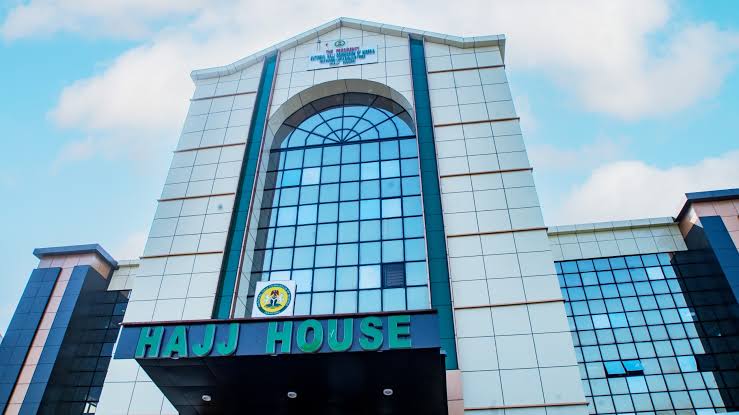
Civil society groups have called for a comprehensive review of the National Hajj Commission of Nigeria (NAHCON) after serious gaps emerged in security screening and medical support during the 2025 pilgrimage. The Independent Hajj Reporters (IHR) issued a strongly worded appeal for an open and fact-based evaluation, warning against self-congratulatory cover-ups by commission leadership. They highlighted risks to pilgrims’ safety and welfare, urging immediate action.

Among the gravest concerns is the presence of individuals with suspected criminal backgrounds among pilgrims. At least two alleged kidnappers were detained during outbound and return flights, raising questions about the adequacy of NAHCON’s vetting and security protocols. IHR specifically decried that the screening system failed to flag a nine-month pregnant woman from Zamfara State who gave birth during Hajj—an incident that symbolizes broader failures in eligibility checks and medical oversight.

Medical preparedness also came under fire. Despite sending 300 medical personnel, including doctors and pharmacists, pilgrims in both Madinah and Makkah had no access to clinics operated by NAHCON. Reports indicate that lack of licensing arrangements prevented permanent medical posts from being established, leaving thousands of pilgrims without designated healthcare support and forcing them to pay out-of-pocket at private facilities. This shortfall contradicted government assurances that basic medical infrastructure would be available in-country.

IHR further flagged logistical chaos: delays in paying allowances to officials, mismatches between flight manifest data and the Saudi NUSUK registration system, poorly situated accommodation far from the Grand Mosque, and insufficient bed spaces in Madinah. While acknowledging improvements in pilgrim airlift coordination and food services, they warned that these gains were overshadowed by critical lapses that must be investigated before the 2026 Hajj.

Stakeholders also called for anti-graft agencies such as the EFCC and ICPC to scrutinize NAHCON’s operations—especially the allocation and utilization of over ₦3 billion for medical personnel deployment and alleged nepotistic staffing practices. Reports suggested inflated personnel count, lack of functional clinics, and other procedural irregularities that merit forensic review.

NAHCON has pushed back against claims of nepotism and racketeering in medical team selection. It insists that a professional steering committee vetted applicants, accepting fewer than 9,000 valid submissions from over 30,000 entries, and that selected staff were chosen transparently based on competency and availability. Staff non-selection was attributed in part to budget constraints and procedural disqualifications.

But for many pilgrims, the personal cost was real: the absence of clinics, misplaced flight lists, and overcrowded accommodation led to stress, illness, and hardship in holy cities thousands of miles from home. Critics argue that NAHCON’s leadership prioritized optics over substance—and that without urgent reforms, Nigeria risks repeating the disaster next year.

US WARNS NIGERIANS: Overstaying Visas Triggers Deportation, Bans and Criminal Charges

In March 2025, the U.S. Mission in Nigeria issued a stern statement: Nigerian nationals who overstay their U.S. visas risk deportation, criminal prosecution, and permanent bans on future travel. The embassy emphasized that there is no excuse—overshoot beyond authorized admission is visible to consular officers who have full access to travelers’ immigration records. “There is no such thing as an ‘honest mistake’,” the mission declared, placing the onus squarely on individuals to track their allowed stay.

Under American immigration law, overstays of more than 180 days but less than one year may result in a three-year re-entry ban. Staying beyond a year can trigger a ten-year ban, and repeat offenses or serious violations may lead to lifetime exclusion. These consequences apply regardless of intent, and ignorance of rules is not accepted.

The warning extended beyond overstays. The U.S. Mission—under the Trump administration’s renewed emphasis on immigration control—also pledged to prosecute cases involving visa fraud or harboring undocumented immigrants. U.S. officials confirmed that visa fraud offenders face permanent bans, and criminal charges will be pursued if necessary.

Since July 2025, Nigerian applicants for non-immigrant visas now receive single‑entry, three‑month validity visas, replacing the former five-year multiple-entry categories. Officials cited consistency with global reciprocity standards and concerns over visa misuse. While visa expiration dates differ from entry-duration stamps (I‑94), both matters are strictly enforced.

Nigeria’s federal government has responded by emphasizing the burden such policies impose—particularly on students, professionals, and long-term workers. It has opened diplomatic channels to seek policy review and affirm principles of reciprocity and fairness in the bilateral migration framework.

Domestically, Nigeria has introduced a new visa policy with penalties for overstays: visitors will face a $15 daily fine, and those overstaying by six months may be barred from re-entry for five years, while one-year overstays attract ten-year bans. A grace/amnesty window ran through July 2025 to allow regularization.

Overall, this diplomatic standoff spotlights rising scrutiny of immigration compliance in Nigerian–U.S. relations. While the U.S. emphasizes national security and procedural integrity, Nigerian authorities warn of the humanitarian and diplomatic fallout of broad punitive policies imposed without bilateral discussion or reciprocity.

US Embassy: Visa Validity Cut Due to Global Security Review, Not Nigeria’s Policies

On July 8, 2025, the U.S. Embassy in Nigeria announced a major shift in visa policy: most Nigerian applicants for non-immigrant, non-diplomatic visas—including business and tourism categories—will now receive single-entry visas valid for only three months, replacing the previous system of multiple-entry visas lasting up to five years. This change takes immediate effect, though visas issued prior to that date retain their original validity.

Amid swirling speculation, the U.S. Mission clarified that the change is not politically motivated. In a statement released on July 11, it affirmed the adjustment stems from a global, technical and security-based review of visa usage, not from Nigeria’s diplomatic positions, BRICS alignment, refusal to accept Venezuelan deportees, or recent shifts toward e‑visa systems.

The embassy explicitly disavowed any connection to Nigeria’s foreign policy or political affiliations, emphasizing that visa reciprocity is a continuous global process—regularly reviewed and adjusted based on security benchmarks. The move affects several countries beyond Nigeria.

However, Nigerian officials have framed it differently. President Tinubu’s spokesperson, Bayo Onanuga, conveyed that the U.S. indicated concerns about high visa overstay rates among Nigerians and the need to ensure reliable access to traveler data. While respecting U.S. sovereignty, the Nigerian presidency stressed that the action imposes disproportionate burdens on students, businesspeople, professionals, and families.

In response, the Nigerian government opened diplomatic dialogue with Washington to seek reconsideration, highlighting that the policy violates principles of reciprocity, equity, and mutual respect that underpin Nigeria–U.S. bilateral relations. Foreign Affairs spokesman Kimiebi Ebienfa emphasized Nigeria’s desire to resolve the matter while preserving longstanding ties.

Domestic analysts and former diplomats raised alarms about the broader effects. Former Ambassador Joe Keshi warned the policy would compound visa-related corruption, discourage tech entrepreneurs, disrupt academic mobility, and undermine business and investment engagements. He described it as a diplomatic setback and urged swift action to renegotiate and rebuild trust.

Credit: The channels

“VISIT CONGO” ALONE WON’T WORK: Why DRC Must First End Conflict if Tourism Is to Rise

DR Congo’s recent high-profile sponsorship deals—featuring the slogan “Visit Congo” on AC Milan and AS Monaco jerseys—have been widely mocked as tone-deaf and premature given the country’s ongoing turmoil. Voices, including Rwanda-based media observers, have described the campaigns as attempts to outshine neighboring nations like Rwanda. Yet, analysts say these efforts miss a fundamental truth: peace and stability must precede tourism promotion.

Conflict and insecurity remain DR Congo’s primary barriers to tourism. In the vast Masisi and Kivu regions, rebels like M23 have seized key cities including Goma and Bukavu, and violence has spread across western provinces, displacing over 550,000 people and killing more than 3,000. Meanwhile, extremist groups like the FDLR further complicate peace efforts, especially given allegations of Rwandan backing for M23 and Congo’s own cooperation with armed actors.

Tourist sites such as Virunga National Park—home to mountain gorillas and rich biodiversity—have effectively closed due to insecurity. Rangers operate in extremis, and conservation gains risk erasure amid militia encroachment and violent displacement. Travel advisories from Italy, the UK, and the U.S. strongly discourage non-essential travel to eastern DRC.

Even where violence is less intense, infrastructural collapse thwarts tourism potential. Many roads, trail networks, and hospitality facilities have deteriorated or never existed. The majority of protected area tourism staff lack adequate training, while private investors remain skeptical of investing in fragile regions. Without functional airports, safe transit corridors, and consistent electricity or water access, foreign visitors are unlikely to venture beyond select corporate hubs.

Moreover, unresolved governance challenges pose financial and reputational risks. Pervasive corruption, weak state institutions, and human rights violations breed public distrust and deter potential partners or donors. Large-scale mineral extraction continues to dominate national focus—undermining diversification efforts in tourism. While urban hospitality has shown resilience in cities like Kinshasa, Lubumbashi, and Goma, most macro-level wealth continues to flow from mining, not visitor stays.

Prioritizing tourism before conflict resolution is thus not just futile—it could be destabilizing. Critics warn that money spent on celebrity sponsorship branding might better serve social services, health infrastructure, or peacebuilding. Unless armed groups are disarmed, ethnic tensions are addressed, and justice is served, no branding campaign can persuade tourists to overlook risks or human suffering.

If DR Congo intends to attract international visitors, the order of operations matters. First, establish credible ceasefires and restore state control—particularly in eastern reserves—under the Doha/M23 agreement framework. Second, invest in basic services, community security, and park conservation. Third, rebuild or create infrastructure and train local tourism professionals. Only then can global branding efforts be backed by compelling realities.

In short, until DR Congo tackles decades of conflict, displacement, governance breakdown, and environmental devastation, luxury slogans like “Visit Congo” risk appearing not as visions for the future, but distractions from an ongoing crisis. Without peace and capacity-building, marketing will remain hollow—and the country’s vast potential will stay buried under its persistent chaos.


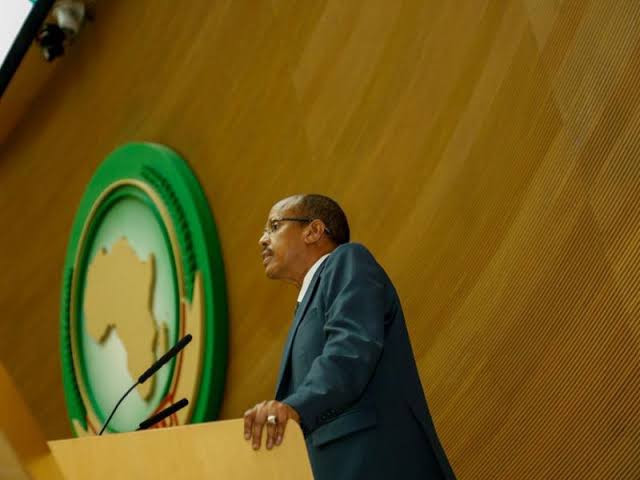
AU Urges U.S. to Rethink ‘Disproportionate’ Travel Ban on African Nations

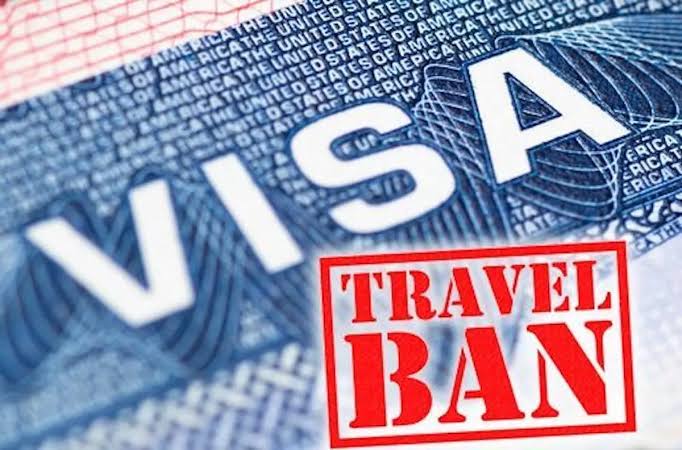
In early June 2025, the United States issued a sweeping new travel ban restricting entry from twelve countries—including seven African nations (Chad, Republic of Congo, Equatorial Guinea, Eritrea, Libya, Somalia, and Sudan)—alongside partial restrictions on an additional three African countries (Burundi, Sierra Leone, and Togo). This measure, justified by “national security” concerns and alleged issues with visa overstays and identity reliability, revived criticisms reminiscent of Trump-era immigration policies.

The African Union Commission immediately condemned the move, acknowledging the U.S.’s right to protect its borders, but urging that such measures be “balanced, evidence-based, and reflective of the long-standing partnership between the United States and Africa.” It warned that indiscriminate restrictions risk damaging key ties in education, trade, cultural exchange, and diplomacy built over decades.

AU officials pointedly called for constructive engagement instead of unilateral exclusion, stressing that cooperation—not isolation—is the path to effective security and regional stability. They offered to facilitate dialogue and promote greater transparency on both sides.

Regional leaders echoed the AU’s concern. Nigeria’s Foreign Minister, and ECOWAS chair, Yussuf Tuggar, described the bans as de facto trade barriers—highlighting how restrictions on African passports hinder efforts to expand cooperation in mineral exports and energy partnerships.

Critics worldwide condemned the ban as discriminatory, arguing it disproportionately targets countries with predominantly Black and Muslim populations, lacks credible causal connection to terrorism, and could backfire diplomatically. International human rights groups including Amnesty International, Human Rights Watch, and the UN refugee agency called for immediate reversal, describing the order as legally flawed and damaging to refugee protections.

Some African governments responded directly. Chad, for example, suspended issuance of U.S. visas in reprisal, creating a diplomatic standoff. While the U.S. indicated existing visas would generally remain valid, entry decisions were left to border officials, fueling anxiety among diaspora communities.

The AU’s firm stance signals growing frustration with U.S. immigration policies that appear to sideline multilateral consultation. As an institution tasked with defending continent-wide interests and cohesion, the AU has sought to redefine cooperation norms—urging that security measures respect mutual interests, and that policy be rooted in shared values and evidence. Whether Washington heeds this call or deepens the diplomatic rift now depends on its response to calls for reconsideration and engagement.

Uganda Eyes 29% Surge in Cocoa Output Amid Global Cocoa Tightness

In a remarkable development for Uganda’s agriculture sector, the government expects cocoa production to rise by 29% in 2025, building on solid export performance earlier in the year. While not a traditional cocoa powerhouse, Uganda has emerged as a rising star in global cocoa markets amid regional disruptions in West Africa. The Ministry of Agriculture anticipates this sharp expansion will further bolster both earnings and export volumes as the country positions itself as a reliable supplier amid global supply challenges.

The country’s cocoa export earnings surged to a record US $68.7 million in February 2025, marking a 42% year-on-year jump compared to the previous year. Volume exports reached 7,930 metric tons, nearly triple the figures from the same period in 2024. These gains were fueled by strong international prices, improved production, and government-led support initiatives.

Agricultural officials attribute the growth to a combination of favorable global market dynamics and targeted policy interventions. Cocoa output across Uganda has nearly doubled since 2013—from 23,000 to over 52,000 metric tons in 2024. Government strategies such as distributing improved seedlings, farmer training, infrastructure upgrades, and enhanced quality assurance under the Agricultural Value Chain Development Strategy have been credited with modernizing production and facilitating access to markets, especially in the EU.

Global price pressures also played a role. Regional cocoa output in West Africa—responsible for roughly two-thirds of global supply—has been weakened by weather disruption, viruses like cocoa swollen shoot virus, and infrastructure bottlenecks. As a result, cocoa futures surged past $10,000 per metric ton in mid-2024, prompting buyers to seek alternative sources like Uganda.

Despite the positive outlook, risks remain. Climate change continues to threaten yields: one recent study found higher temperatures—three to seven degrees above optimal—could reduce yields by up to 30%. Pollination deficits also constrain output, though sustainable interventions (e.g. preserving shade, enhancing understory biomass) could lift yields by 20%.

Regionally, favorable weather conditions and increased local harvests are weighing on futures prices. However, experts caution that demand—especially from the EU—remains strong and that Uganda’s emerging traceability initiatives will help it meet regulatory thresholds like the EU Deforestation Regulation (EUDR) by 2025.

Looking ahead, Uganda appears set to ride the global cocoa wave—but only if its production growth is matched by strategic value addition and compliance infrastructure. Current exports remain largely raw beans, leaving downstream profits to be captured abroad. For the country to fully capitalize, investments in traceability, local processing, and EU-export ready certification are essential.

In summary, Uganda’s 29% projected increase in cocoa output in 2025 reflects both a timely market opportunity and the success of domestic reforms. But to sustain this momentum and reap long-term benefits, the country must invest in climate-resilient farming practices, traceability systems, and value-chain upgrades. Otherwise, it risks being a supplier of volume—not a player in higher-value segments of the global cocoa market.

SENEGAL’S HIDDEN DEBT CRISIS: A Major Test for the IMF and National Credibility

Senegal is grappling with the fallout from billions of dollars in undisclosed debt uncovered in a government audit, a revelation that has thrown its relationship with the International Monetary Fund into jeopardy and exposed systemic failures in fiscal transparency.

In early 2025, Senegal’s Court of Auditors published findings showing that the former administration significantly underreported both debt and deficits. What was previously declared as public debt of approximately 74.4% of GDP turned out to be nearly 99.7% by the end of 2023, implying hidden borrowing of around $7 billion—equivalent to over 25% of GDP. By mid‑2024, estimates rose further, with external assessments by Barclays and S&P placing the debt-to-GDP ratio at 118–119%, hinting at hidden debt closer to $11–13 billion.

The economic ramifications were swift. Senegal’s IMF-supported $1.8 billion lending programme, initiated in 2023, was immediately placed on hold. The institution demanded detailed explanations and corrective measures before resuming disbursements. Partners like Moody’s and S&P downgraded the country’s sovereign rating amid a bond market rout and investor exit.

Between 2019 and 2023, the actual fiscal deficit averaged 11–12% of GDP, compared to the previously reported 4–5%. In response, IMF staff led by mission head Edward Gemayel met with Senegalese officials in March 2025 to review the audit, condemn the underreporting as a “conscious decision,” and chart urgent reforms in budget oversight and financial controls.

To soften the optics, the government is working on updating its GDP base year—known as GDP rebasing—which could mechanically reduce the debt‑to‑GDP ratio. While investors welcomed the move and Senegal’s 2033 bonds recovered somewhat, analysts caution that rebasing does nothing to resolve underlying debt vulnerability or gross financing needs.

The IMF remains cautious. Its Executive Board must decide whether to grant Senegal a waiver for misreporting—a step that would allow a new support programme—or require repayment of previously disbursed funds before restoring formal engagement. Resolution of the waiver and implementation of a recovery plan are expected in the following months.

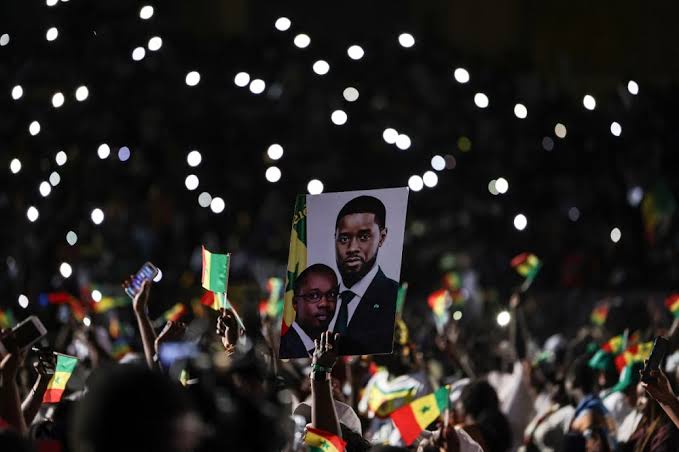
Prime Minister Ousmane Sonko, who leads a ruling coalition, is preparing a recovery blueprint that emphasizes fiscal consolidation, cuts to untargeted subsidies, and improved revenue collection. Meanwhile, civil society and analysts warn that governance reforms are urgently needed to ensure transparency—pointing out that infrastructure-related Public-Private Partnerships (PPPs) and SOE liabilities accounted for much of the hidden debt.

This debt scandal echoes Mozambique’s 2016 “tuna bond” crisis but eclipses it in scale. It also serves as a wake-up call for the IMF—which has come under scrutiny for failing to detect the fiscal discrepancies during earlier surveillance missions. The Fund has initiated an internal assessment, and a failure to correct its oversight procedures could undermine trust in its broader emerging‑market engagements.

Senegal’s credibility and future access to international capital hinge on its ability to demonstrate genuine reform and restore confidence. The nation now faces a critical choice: double down on transparency and fiscal discipline to rebuild investor trust, or prolong a debt trajectory that could jeopardize economic stability and social investments. The IMF’s pending decisions—especially on waivers and new programmes—will play a defining role in whether Senegal can turn this crisis into an opportunity for deeper fiscal governance reform.

Credit: Africanews

STRONG GAINS UNDER THREAT: Why Ghana’s Cedi Faces Short-Term Pressure

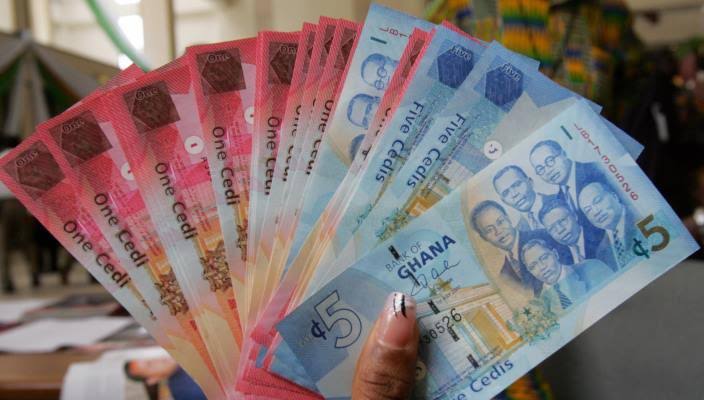
In the early months of 2025, Ghana’s cedi enjoyed a remarkable recovery—jumping more than 40% against the US dollar and being hailed as Africa’s best-performing currency. From a low near ₵15.5/USD in April, the cedi strengthened to around ₵10.3/USD by June, easing Ghana’s debt burden and bolstering fiscal space. The rebound was driven by high gold and cocoa export earnings, progress on IMF-backed debt restructuring, tight monetary policy, robust remittance flows, and disciplined central bank FX auctions.

Analysts welcomed this recovery—GDP growth was gaining traction, inflation fell to approximately 18.4% in May (its lowest since early 2022), and foreign exchange reserves strengthened. These indicators prompted calls from central bank Governor Johnson Asiama for the Monetary Policy Committee to carefully consider easing support measures to sustain economic momentum without sacrificing stability.

However, fresh data in late July 2025 suggest mounting risks. Traders and financial analysts now forecast that the cedi may face renewed pressure in the coming week. Rising FX demand—especially from the energy and manufacturing sectors—is coinciding with slower supply, even as central bank interventions persist. As a result, the cedi is expected to remain volatile. Current trading hovers near ₵10.40 to the dollar, a slight retreat from its recent highs yet supported by daily central bank auctions and healthy reserves exceeding IMF targets.

Continued fiscal caution is crucial—Ghana’s public debt remains elevated, and unfinished structural reforms create vulnerability. Should demand outpace daily FX supply or investor sentiment shift, the cedi could depreciate. A weaker currency risks raising import costs, stoking inflation, and undermining hard-won macroeconomic gains.

In short, while the cedi’s recovery has been impressive, recent warnings illustrate that the rally may have peaked for now. As July unfolds, policymakers and markets must navigate a balancing act: preserving stability without choking off the support that enabled this recovery. The main question remains—can Ghana manage resurgent FX demand without compromising its recovering economic trajectory?

Credit: Al Jazeera