


Home Blog Page 148

Ghana Narrows Fiscal Deficit Target as Economy Outperforms Mid‑Year Expectations

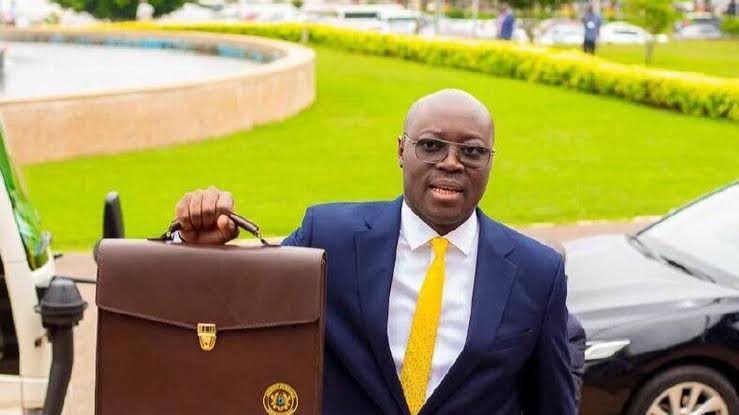
Ghana’s Finance Minister, Cassiel Ato Forson, announced a reduced fiscal deficit target for 2025 on July 24, revising it downward to 3.8% of GDP, compared to the earlier projection of 4.1%—a reflection of stronger-than-expected economic performance in the first half of the year.

By mid‑year, Ghana reported a 1.1% deficit, significantly lower than the anticipated 2.4%, demonstrating effective fiscal management. While revenues fell about 3% short of forecasts, expenditures were restrained—coming in nearly 14% below target—allowing the government to borrow less than planned.

This fiscal discipline coincided with improved macroeconomic conditions: GDP grew by 5.3% year-on-year in Q1, and inflation declined to 13.7% in June, its lowest level since 2021. Officials expressed optimism that the economy could surpass the 4% growth forecast and meet or beat the 11.9% inflation target by year-end.

However, risks remain. Minister Forson highlighted potential challenges such as customs revenue shortfalls, mounting wage demands, and ongoing marine gas oil smuggling. These factors could strain the budget if not addressed.

In summary, Ghana’s mid-year performance provides a promising outlook. The narrower fiscal deficit target and disciplined spending indicate progress toward macroeconomic stability and debt consolidation. It also sends a strong signal to investors that the country is serious about restoring fiscal credibility. Continued momentum will depend on navigating structural risks and sustaining reform urgency.

Credit: The Guardian
Inkblot Studios and Filmhouse Launch KAVA – A Global Streaming Platform for African Stories

0

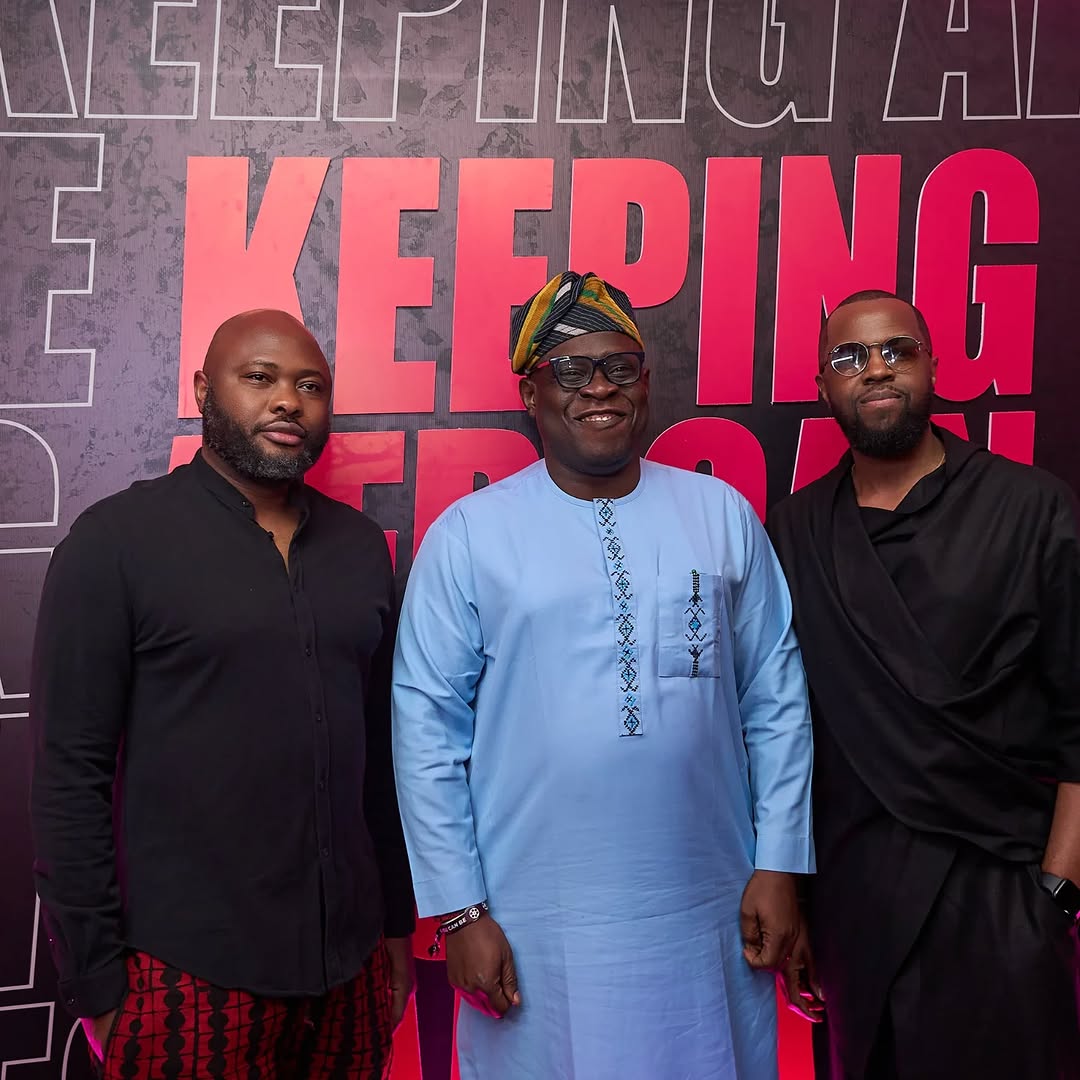
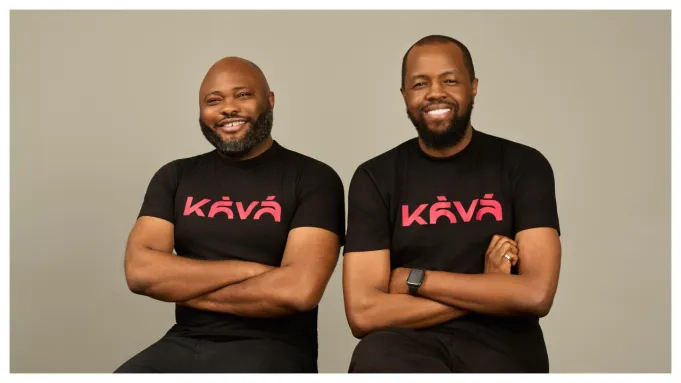
In a landmark move set to redefine African storytelling on the global stage, two of Nigeria’s biggest entertainment powerhouses, Inkblot Studios and Filmhouse Group, have jointly unveiled KAVA, the world’s first global streaming platform dedicated exclusively to African stories.

The announcement was made at an exclusive launch event held in Lagos, attended by leading figures from Nollywood, global media executives, investors, and cultural stakeholders.

KAVA—an acronym for Keep African Voices Alive—emerges at a pivotal time when global audiences are increasingly demanding authentic, diverse narratives, and when Nollywood remains underserved on traditional international streaming platforms. With a mission to deliver “Africa to the World,” KAVA aims to centralize the distribution of African films, series, and original productions while also equipping African filmmakers with a revenue-generating platform rooted on the continent.

“For too long, African storytellers have had to look outward for validation and visibility,” said Zulumoke Oyibo, Co-founder of Inkblot Studios. “KAVA changes that. It’s a homegrown solution with global ambition.”

At launch, KAVA offers over 30 premium Nollywood titles, including blockbuster films, exclusive post-theatrical releases, and KAVA Originals. The platform will update weekly with new content across genres such as drama, romance, thriller, and epic folklore curated for both local and international viewers.

“This is not just a streaming service,” said Kene Okwuosa, Group CEO of Filmhouse. “It’s a cultural infrastructure. A digital homeland for African creatives and diaspora audiences hungry for authenticity.”

Built with a proprietary tech stack designed for African bandwidth realities and monetization models, KAVA also incorporates subscription and pay-per-view models, with flexible pricing to ensure accessibility across emerging markets and the diaspora.

KAVA is accessible globally and is now available for download on Android, iOS, and Smart TVs. Subscription plans range from ₦2,500/month (approx. $2 USD), with a 14-day free trial for early adopters.

The Future of African Streaming?

Industry analysts have hailed the KAVA launch as a potential game-changer in the media landscape. With Nollywood being the second-largest film industry in the world by volume, yet often underrepresented on international platforms, KAVA promises to democratize access to Nigerian and African cinema like never before.

Beyond films, KAVA’s roadmap includes TV shows, documentaries, animation, and live events, as well as collaborations with creators across Africa and in the African diaspora.

“We are not just exporting content,” Oyibo emphasized. “We are exporting culture, identity, and legacy.”

As global conversations around inclusivity, cultural representation, and content equity deepen, KAVA stands poised to become a digital torchbearer for the future of African storytelling.

Credit: Adesina Kasali

William Benson: The Star the World Slept On, Wakes the Industry Up With a Solid 5-Star Performance

0

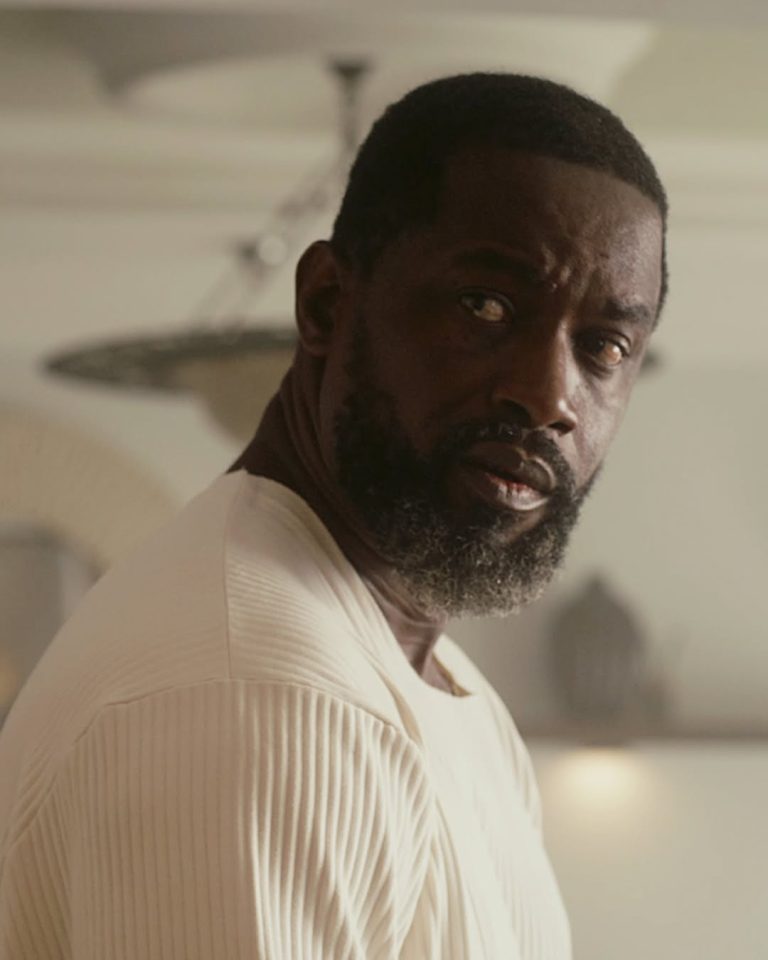
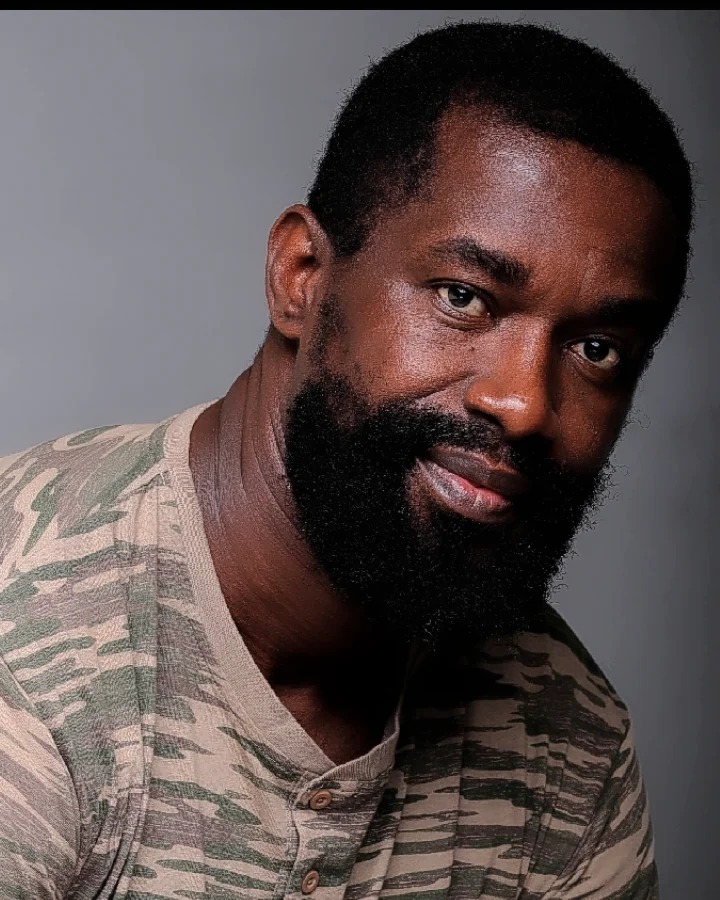
In this edition of the Ranks Africa Spotlight Series, we shine the light on a longtime Nollywood talent whose moment has finally arrived — and whose performance is demanding the industry and audience take note. William Benson, often underrated and under-celebrated, has officially stepped into his era with a career-defining performance in Netflix’s To Kill a Monkey.

William Benson

Benson doesn’t just show up in this crime thriller — he explodes on screen with a rare kind of intensity that turns every frame into a heartbeat. As Efemini, a man pushed by desperation into the underworld of cybercrime, Benson delivers what many are calling his most transformative performance yet. It’s not loud or theatrical — it’s hauntingly real. And that’s exactly what makes it so powerful.

The streets of social media are already buzzing, with viewers hailing him as “the unexpected star of the show” and rating his performance a solid 5 stars. Critics, fans, and even his peers are in agreement: To Kill a Monkey would not be what it is without the emotional depth and raw vulnerability that Benson brings to the role.

He plays Efemini not as a caricature, but as a man — layered, troubled, and painfully human. You don’t just watch him spiral; you feel every fall, every choice, every betrayal. It’s a performance that carries the emotional weight of the entire story and grounds the crime thriller in something deeply relatable.

And as if that wasn’t enough, Benson also features in Cordelia — another major release that hit cinemas the same day. While the spotlight rightly stays on To Kill a Monkey, the fact that Benson leads two major projects across two platforms in one day is a feat worthy of recognition. It speaks to his range, his consistency, and his quiet evolution into one of the industry’s most compelling leading men.

The truth is, Benson has been here all along. He’s put in the work. But in an industry that often overlooks subtle brilliance for louder performances, it’s taken this role — this moment — for everyone to finally see him clearly.

What he achieved in To Kill a Monkey isn’t just great acting. It’s a breakthrough. A reminder that some stars rise with a bang, and others — like William Benson — arrive with the weight of experience and the kind of grit that can’t be faked.

So here’s to Nollywood’s reluctant hero, now fully in his spotlight. William Benson didn’t just earn his moment. He built it. And now, the world is watching.

POWER PLAY IN OSUN: Adeleke and Rival Parties Clash Over Defection Rumors

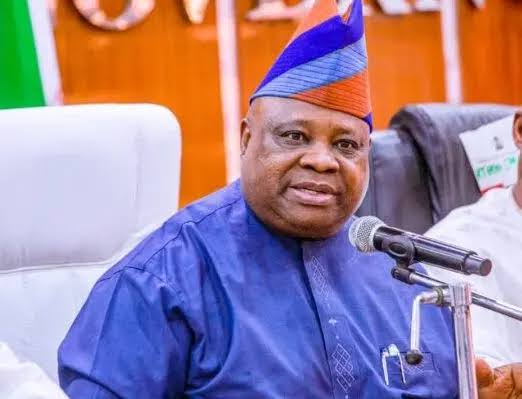
Osun State Governor Ademola Adeleke finds himself at the center of swirling speculation after rumors that he may leave the Peoples Democratic Party (PDP) and join the ruling All Progressives Congress (APC) ahead of the 2026 gubernatorial race. While Adeleke has publicly reaffirmed his loyalty to the PDP, leaders from both parties have launched into a fierce exchange over the possible move, further rattling political alliances in the state.

The debate intensified when Osun APC officials claimed Adeleke had attempted to defect but was rebuffed due to conditions imposed by the national APC leadership—including the requirement to queue for a ticket rather than receive an automatic nomination. In response, Adeleke and his aides vehemently denied ever seeking to join APC, rejecting the allegations as politically motivated and dismissing them as part of a destabilization tactic by the opposition. His spokesperson emphasized that at no time did the governor consider leaving PDP, noting his successful record in office has eliminated any personal need to switch allegiances.

Tensions escalated further when APC insiders declared they would not welcome Adeleke into their fold. One source stated bluntly: “He’s not coming and we won’t accept him as a party. What is he coming to do?” The hostility reflects fractures within APC’s state chapter, with former Governor Gboyega Oyetola and other key actors resisting Adeleke’s entry.

Meanwhile, PDP officials held a leadership caucus meeting where Adeleke’s position was affirmed in writing. Party stakeholders expressed unanimous support for any decision he chooses to make, signaling they would follow him even beyond party lines if necessary. At the same time, they cautioned party members to ignore online speculation, framing it as contrived disinformation.

Political observers denounced the ongoing saga as “jumpology”—a pejorative term for the trend of opportunistic party switching in Nigeria. Analysts argue that defections undermine party identity and grassroots loyalty and warned that Adeleke’s move would further entrench transactional party politics. Some questioned why he wouldn’t join a smaller party like SDP or LP if he sought a shift that better matched his own popularity.

As July 2025 unfolds, the defection narrative has evolved into a bigger story about the integrity and stability of party systems in Nigeria. If Adeleke remains in PDP, the opposition could use his retention to position themselves as principled. But should he defect, the move could arm APC within Osun State—while potentially alienating PDP loyalists and reshaping alliances ahead of the next elections.

Credit: Punch news

NSIB and FRSC Unite to Enhance Road Safety Through Pioneering MoU

0

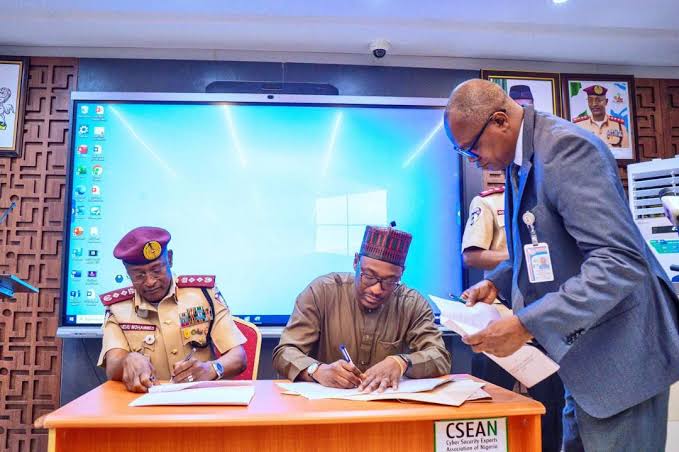
In a significant step toward bolstering road safety, the Nigerian Safety Investigation Bureau (NSIB) and the Federal Road Safety Corps (FRSC) have signed a Memorandum of Understanding aimed at deepening collaborative efforts across transport safety investigations and enforcement.

Signed by NSIB Director-General Captain Alex Badeh and FRSC Corps Marshal Shehu Mohammed, the partnership formalizes a commitment to share expertise, data, and best practices across multimodal transportation sectors—including road, aviation, maritime, and rail—anchored around systematic accident investigation and prevention strategies .

Under the agreement, NSIB will be empowered to conduct in-depth analyses of road crashes, delivering evidence-based safety recommendations to inform FRSC operations. Meanwhile, FRSC’s operational capabilities in enforcement, accident response, and public engagement will support the implementation of NSIB’s findings in preventing future incidents .

This collaboration arrives as part of FRSC’s broader modernization push under Corps Marshal Shehu Mohammed, including initiatives such as a digital crash-reporting system (NACRIS), a mobile app for speed alerts and license/plate verification, and institutional reforms promoting driver training standardization and traffic education in schools . The MoU introduces a complementary dimension—grounding prevention in rigorous investigative frameworks aligned with global transport safety standards .

Officials stressed that the agreement extends beyond symbolic alignment. Captain Badeh identified the MoU as essential for keeping Nigeria’s transport safety protocols updated and responsive to emerging challenges, while Marshal Mohammed highlighted the importance of cross-sectoral collaboration toward safer roads for all Nigerians .

Future steps include coordinated workshops, data sharing platforms, and joint investigations aimed at refining enforcement sensibilities and increasing accountability across road transport management. Through this interagency synergy, both organizations aim to reduce traffic fatalities in line with Nigeria’s broader public safety ambitions and global benchmarks .

In essence, the NSIB–FRSC MoU establishes a new framework in which data-driven investigation informs enforcement, creating a virtuous cycle of continuous learning, transparency, and targeted interventions. As digital infrastructure and safety protocols evolve, this initiative underscores Nigeria’s commitment to transforming road safety governance from reactive enforcement to strategic prevention.

Credit: Punch news

SEC Affirms No Irregularity in First HoldCo Mega Share Deal

0

The Nigerian Securities and Exchange Commission (SEC) has confirmed that its “no objection” approval of First HoldCo Plc’s July 16 N323 billion off-market share transaction complied fully with regulatory standards—promptly dismissing suggestions of wrongdoing or market manipulation. In a statement issued by SEC spokesperson Efe Ebelo, the Commission clarified that the decision followed all relevant laws and regulations, and that its communications with the involved parties were part of standard automated compliance procedures rather than formal queries.

The controversial transaction saw RC Investment Management Limited buy 10.43 billion shares—about 25 percent of First HoldCo—from entities affiliated with Oba Otudeko and Tunde Hassan‑Odukale in seventeen negotiated trades executed at ₦31 per share across the floor of the Nigerian Exchange Plc. Despite swirling speculation implicating billionaire Femi Otedola or even the federal government, both First HoldCo and the Federal Government have emphatically denied involvement.

First HoldCo’s company secretary described media reports linking Otedola or government entities to the deal as “sensational distortion” and “misrepresentation,” asking the press to adhere to journalistic standards and avoid undermining market confidence. The Attorney General also issued a denial, labeling published claims of federal government involvement as “inaccurate, misleading and malicious.”

Media watchdogs such as THISDAY and Arise TV countered that First HoldCo breached NGX disclosure rules by failing to fully report the share acquisition, which should have triggered mandatory declarations under the NGX’s beneficial ownership thresholds for deals exceeding five percent. They further cited provisions of the SEC’s issuer-disclosure obligations and Nigeria’s BOFIA law.

SEC’s official position frames its clearance as compliant with legal standards, with no further requests for clarification from the Central Bank of Nigeria following the transaction. The Commission emphasized that its protocols are designed to preserve transparency and investor protection—rejecting characterizations of regulatory inaction.

In summary, SEC’s review concluded that the First HoldCo deal adhered to existing capital market regulations. While media scrutiny and calls for more transparency continue, regulatory authorities maintain that oversight processes were meticulously followed, and no violation or irregularity was detected.

Credit: Punch news

From Minister to Party Chair? APC Looks Set to Appoint Nentawe Yilwatda as National Leader

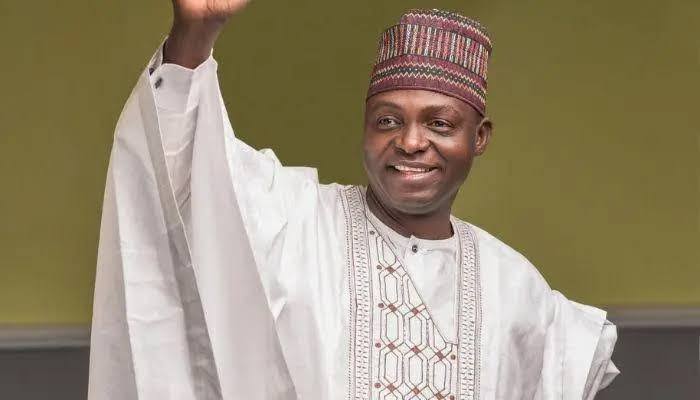
Professor Nentawe Yilwatda, until now Nigeria’s Minister of Humanitarian Affairs and Poverty Reduction, is reportedly poised to become the national chairman of the ruling All Progressives Congress (APC). Sources indicate that President Bola Tinubu, alongside First Lady Remi Tinubu and APC governors, have consolidated support behind Yilwatda, making him the consensus pick ahead of the party’s National Executive Committee meeting scheduled for July 24, 2025. He is expected to formally succeed Abdullahi Umar Ganduje, who recently stepped down due to health concerns.

The move also returns the national chairmanship to Nigeria’s North-Central geopolitical zone, fulfilling a zoning rotation originally planned before Ganduje’s appointment from Kano State in the North-West. Yilwatda, a Christian from Plateau State, represents the region and is viewed as a balancing choice to the Muslim–Muslim top ticket of President Tinubu and Vice President Shettima.

A technocrat by training, Yilwatda holds a PhD in Digital Systems Engineering, was APC’s 2023 gubernatorial flagbearer in Plateau, and served as INEC’s Resident Electoral Commissioner in Benue State from 2017 to 2021. He was later appointed minister in October 2024, filling the spot vacated by Senator Simon Lalong.

The APC’s Plateau chapter lauded his ministerial appointment as a deserved recognition of loyalty and competence, expressing belief in his ability to bridge divides and energize party support in the region. Nonetheless, a faction of the North-Central APC Forum has criticized Yilwatda, alleging underperformance in addressing humanitarian crises—particularly in his home state—accusing him of low visibility and insufficient intervention delayed by political rivalries. Yilwatda has vigorously denied these claims, citing multiple visits to crisis-affected areas and aid delivery to displaced communities.

As chairmanship discussions unfolded, Umaru Tanko Al-Makura—former governor and senator from Nasarawa State—was identified as an alternate candidate. However, internal momentum favors Yilwatda, with sources suggesting he enjoys strong backing within both the presidency and party ranks. Should party leadership and NEC ratify his appointment, he may formally assume duties over acting chairman Ali Bukar Dalori, who has held the position since June.

Critics caution that Yilwatda, a relatively recent entrant to major political office, might struggle to navigate the APC’s internal factional divide. Nonetheless, supporters see him as a fresh, strategic leader whose technical expertise and Middle Belt identity could revitalize party unity and public confidence. With the 2027 elections approaching, his elevation signals a recalibrated balance of power within the APC and a calculated effort to shore up regional support and internal cohesion.

Credit: Punch news

Brazil Joins South Africa in Filing Genocide Case Against Israel at the ICJ

0

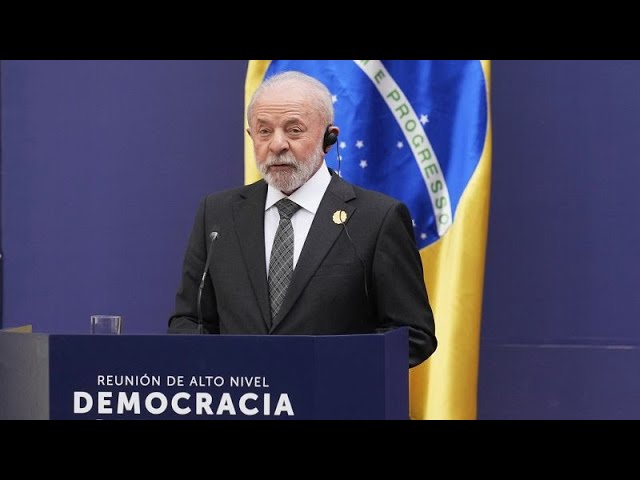
Brazil has formally decided to join South Africa’s lawsuit at the International Court of Justice accusing Israel of breaching the Genocide Convention through military action in Gaza. The Brazilian Ministry of Foreign Affairs stated on July 24, 2025, that it is in the final stages of submitting its intervention request, expressing “deep indignation” over repeated attacks on civilian infrastructure, including hospitals, schools, and places of worship, and condemning the use of starvation as a weapon of war. Brazil’s move follows earlier Latin American and global support for South Africa’s December 2023 filing.

South Africa’s case alleges that Israel’s military campaign extends beyond targeting Hamas and constitutes actions aimed at destroying part of the Palestinian group. The court has already issued binding interim orders requiring Israel to take steps to prevent genocide and allow humanitarian aid into Gaza. Brazil welcomed these measures as legally binding and called for compliance, underscoring the urgency of humanitarian relief.

Brazil’s decision aligns with broader global backing. Countries such as Colombia, Spain, Turkey, and Ireland have also requested intervention in the case. The newly created Hague Group—a coalition of Global South countries including Brazil and South Africa—has pledged to uphold ICJ rulings and block arms or military support linked to actions that might violate international law.

President Luiz Inácio Lula da Silva has been an outspoken critic of Israel’s actions in Gaza, branding them as genocide and likening the ongoing violence to a repetition of historical atrocities. Brazil’s foreign policy emphasizes a two-state solution and advocates for an independent, viable Palestinian State alongside Israel.

Israel has strongly rejected the lawsuit, calling it an abuse of the Genocide Convention and dismissing allegations made by South Africa and now supported by Brazil. Israeli officials in Brasília accused the Brazilian statement of ignoring Hamas’s role. Brazil’s national Jewish association also criticized the move as extremist and destructive to long-standing diplomatic ties.

Brazil’s participation adds legal weight and political momentum to the evolving ICJ proceedings. If accepted, its intervention will mark one of the strongest non-African state endorsements of South Africa’s case, deepening international pressure for accountability and compliance under international humanitarian law.

Credit: Al Jazeera, Africanews

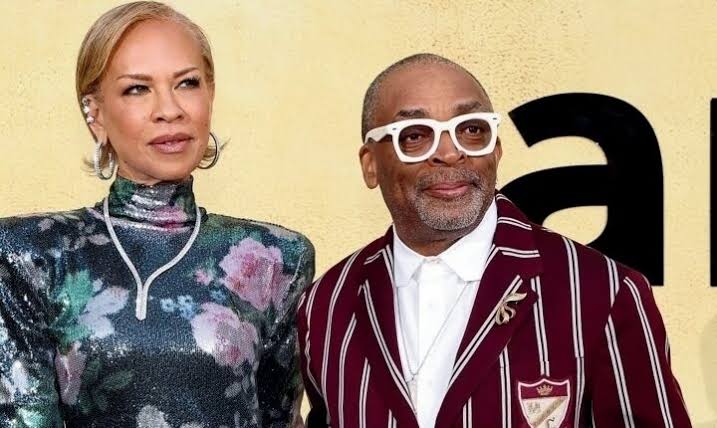
Benin Honors Afro‑descendants by Naming Spike Lee and Tonya Lewis‑Lee as Cultural Ambassadors

In a symbolic nod to its commitment to reconnecting with the African diaspora, the government of Benin has appointed American filmmakers Spike Lee and his wife, Tonya Lewis‑Lee, as thematic ambassadors to Afro-descendants in the United States. The appointments, announced on July 23, 2025, mark a rare move blending cultural diplomacy, memory work, and outreach to Black communities tracing their heritage to the era of the transatlantic slave trade.

Both recognized globally for their contributions to Black storytelling and activism—Spike Lee as an Oscar-winning director, and Tonya Lewis‑Lee as a producer, writer, and civil rights advocate—the pair will serve as cultural bridges between Benin and African-descended populations in the U.S. Their mandate includes promoting initiatives of historical remembrance, intercultural dialogue, and diaspora engagement across education, heritage tourism, and artistic exchanges.

The appointments sit within a broader national strategy initiated by President Patrice Talon, aimed at redressing Benin’s role in the slave trade and embracing the global African diaspora. In September 2024, Benin passed Law No. 2024‑31, which grants citizenship — albeit without voting rights or public service access — to individuals over 18 who can prove sub‑Saharan lineage, supported via DNA tests, family testimonies, or historical records. That legislation was followed in July 2025 by the launch of the “My Afro Origins” digital platform, enabling applications for nationality from across the Americas and the Caribbean.

These symbolic gestures—including the appointments of the Lees—are part of a broader reconciliation and diaspora inclusion policy. The government sees these connections as essential to healing historical wounds and boosting heritage tourism around sites like Ouidah’s Door of No Return, which serves as a powerful memorial to the slave trade.

Still, some observers caution about capacity for integration. The citizenship law does not guarantee political rights and limits access to public office, though full naturalization remains possible after five years of residence. Concerns also exist over how large-scale diaspora return may stress local economies and national infrastructure.

By designating Spike Lee—whose work interrogates race, memory, and identity—and Tonya Lewis‑Lee—an advocate for cultural justice—as ambassadors, Benin aims to leverage their international standing to galvanize attention to its pan‑African mission. The move reflects a creative diplomatic strategy: elevating shared history and global Black culture to redress past traumas, connect with millions of Afro-descendants, and position Benin as a beacon of reconciliation and return.

Credit: Africanews, BBC

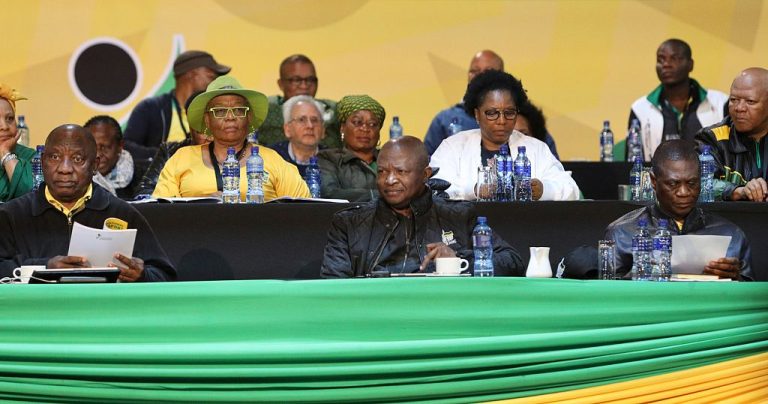
South Africa’s National Assembly Approves Final Budget Piece After Coalition Deadlock

On July 23, 2025, South Africa’s National Assembly approved the final and decisive component of the annual budget—the Appropriation Bill—bringing closure to months of political infighting that threatened to derail the country’s fiscal agenda. This key legislation, passed with 262 votes in favor and 90 against, authorizes the government’s R2.3 trillion spending plans for 2025/26, targeting debt reduction, social welfare, public services, job creation, and infrastructure rebuilding.

The journey to passage was marked by discord within the Government of National Unity—South Africa’s first-ever coalition led by the ANC and DA. Tensions flared over a proposed VAT increase, which the DA successfully opposed. Further friction erupted when the DA withheld support for departmental budgets until President Cyril Ramaphosa dismissed a minister embroiled in misconduct allegations. The dismissal of Higher Education Minister Nobuhle Nkabane was the decisive move that unlocked coalition support.

Finance Minister Enoch Godongwana conceded the budget process had been “difficult under a coalition,” prompting new Treasury guidelines to improve political alignment in future cycles. The passing vote included backing from the ANC, DA, IFP, ActionSA, and several smaller parties, while opposition voices from EFF and MK Party maintained dissent.

Markets responded positively: the rand strengthened slightly, trading around 17.56 USD, with benchmark bond yields stable—signals that investor anxiety had eased with the budget’s approval. However, analysts caution that sustaining this confidence depends on the coalition’s durability and adherence to fiscal discipline.

Although a VAT hike was scrapped, South Africans face a projected deficit of 4.8 percent of GDP and a public debt ratio expected to peak at 77.4 percent in 2025/26. The budget aims to cover this gap through cost containment and enhanced revenue, particularly via stronger SARS performance.

The narrow passage of the Appropriation Bill marks a turning point for the fragile coalition government. It temporarily resolves the immediate fiscal impasse, but the overarching challenge remains: can the coalition transform unity on paper into effective governance? With structural reforms awaiting attention, fiscal rigour required, and a tightly constrained economy, observers see the current legislative success as merely the first test—one that the Government of National Unity must pass to ensure stability and fulfill public expectations.

Credit: Africanews