


Home Blog Page 149

Central African Republic Publishes Voter Rolls as December Elections Loom

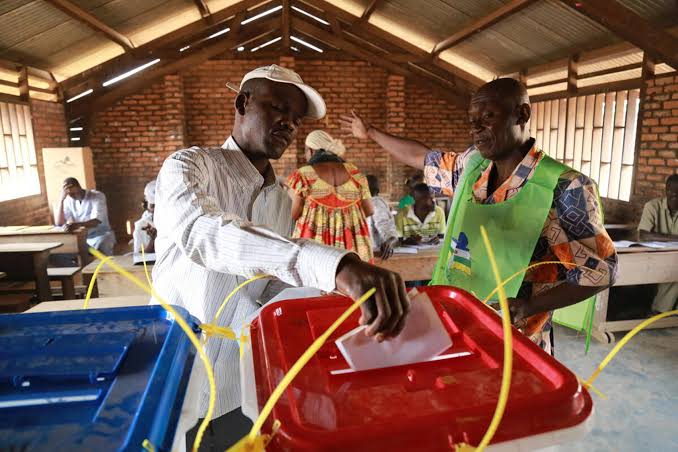
The Central African Republic has officially published its provisional and final voter registration lists in preparation for the December 2025 general elections, marking a critical milestone in the country’s efforts to restore electoral legitimacy amid persistent instability. These rolls are intended to serve all national ballots—presidential, legislative, and newly reinstated municipal and local elections—and are supported operationally by the UN peacekeeping mission, MINUSCA, which has emphasized inclusivity, particularly increasing women’s representation.

Since early 2025, Central African civil society groups and electoral authorities have worked with MINUSCA to address critical gaps in the voter registry. By mid-2025, nearly all registration centres were open across 20 prefectures, although around eleven remained closed due to insecure conditions and rebel activity. As of February, approximately 570,000 citizens had been registered, with special outreach efforts to enroll women and assist refugees and internally displaced persons lacking birth certificates. A targeted program aimed to ensure at least 50 percent of women were listed, and officials helped those without documentation obtain requisite credentials.

Electoral preparations have been hampered by security breaches. At least twenty incidents were reported involving armed groups disrupting registration efforts—snatching materials, harassing election agents, and intimidating voters. These disruptions echo past polls, notably the disputed 2020–21 elections where rebels blocked registration in several constituencies, denying hundreds of thousands of citizens access to voting.

These elections come amid significant political shifts. In 2023, a contested referendum removed presidential term limits and extended terms to seven years—clearing the path for incumbent Faustin-Archange Touadéra, who remains eligible in December 2025. The constitutional changes were ratified by justices aligned with the executive, while opposition parties boycotted the process.

Local governance has been dormant for decades. The 2025 cycle will be the first municipal and local elections in nearly 40 years. Originally scheduled for October, they were postponed multiple times before being realigned to coincide with the general vote.

Despite government assurances of transparent execution, opposition leaders continue to voice skepticism. Anicet Georges Dologuélé—former prime minister and opposition figure—threatened to disrupt the upcoming local elections, arguing that electoral laws and constitutional changes skew power in favor of Touadéra’s party. The opposition also objects to the appointment of key commissioners to the National Elections Authority by the presidency, alleging institutional capture.

MINUSCA has taken on expanded responsibilities. Beyond security, its mandate includes maintaining registration site access, supporting voter list verification, and ensuring the safe distribution of materials on election day. As part of this, MINUSCA has launched cordon operations to protect electoral staff and registration centres.

The publication of the voter lists is a symbolic and technical achievement against a backdrop of recurring electoral delays, rebel violence, and institutional distrust. Whether these lists hold up under scrutiny—or are undermined by ongoing instability—will reveal much about the CAR’s next chapter: a true return to participatory democracy, or a continuation of managed continuity under legal pretext.

Credit: Al Jazeera, Africanews
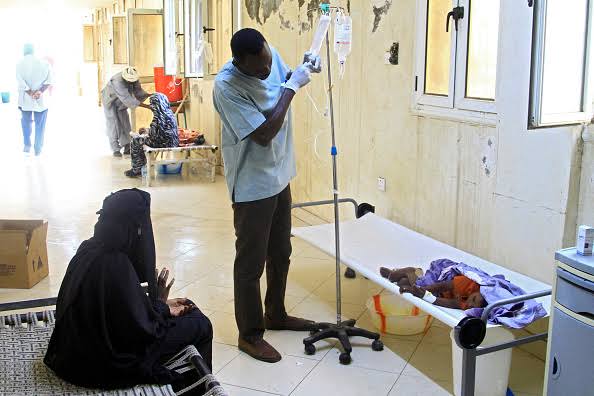
Conflict and Collapse Fuel Deadly Cholera Epidemic in Sudan Since July 2024

Since late July 2024, Sudan has recorded over 91,000 cholera cases and 2,302 deaths across at least 17 states, according to the health ministry. This staggering toll is the result of a lethal combination of war, infrastructure destruction, displacement, and diminished access to clean water and sanitation, presenting one of the worst public health emergencies in recent memory .

Conditions in Khartoum State—once home to nearly half the country’s population—have been especially dire. Between 15 and 25 May 2025 alone, daily cholera cases surged nearly ninefold, climbing from approximately 90 to 815 cases per day. In the same period, at least 70 people died, bringing total weekly fatalities to 172. More than 7,700 cases have been recorded this year in the capital region, including more than 1,000 in children under five .

The broader national outbreak—declared an epidemic in August 2024—has spread to all but one of Sudan’s 18 states by mid-July 2025, including conflict-ravaged regions of Darfur and Kordofan. Infection and death counts reached 87,219 cases and 2,260 fatalities by 11 July, with a case fatality rate around 2.6 percent .

Humanitarian organizations confirm that conflict-driven disruptions are central to the epidemic’s scale: over 70 percent of water-treatment plants are nonfunctional due to drone attacks and power outages, forcing millions—including those at displacement sites—to rely on unsafe water sources. Health facilities are crippled, with an estimated 70–80 percent of hospitals in conflict zones out of service .

Aid agencies like WHO, UNICEF, and the International Rescue Committee have responded with widespread interventions: large-scale oral cholera vaccination campaigns (reaching over 2.6 million people in June), mass distribution of water treatment chemicals, deployment of treatment centers and rapid-response teams, and hygiene promotion efforts in high-risk areas .

By June 2025, WHO estimated 1,854 deaths from cholera and warned of escalating risk of international spread, especially to Chadian refugee camps hosting over 300,000 Sudanese refugees. Cross-border surveillance, humanitarian corridors, and intensified vaccination programs were urgently urged to prevent regional transmission .

Despite these measures, international funding remains critically short—only a fraction of Sudan’s humanitarian response plan is met—and access challenges persist in violence-affected areas. Civil society groups and medical professionals warn that without rapid scaling up of WASH infrastructure and health services, the death toll could climb even higher .

The cholera outbreak in Sudan is a stark symptom of broader collapse. As war continues to shred state capacity and humanitarian systems, millions face a preventable disease with no immunity buffer. Without peace, infrastructure repairs, and unfettered aid delivery, cholera will likely remain a grim companion to conflict—not only in Sudan but across its precarious borderlands.

Credit: Africanews, BBC

Sudan’s Civil War Deepens Toward Fragmentation and Regional Turmoil

0

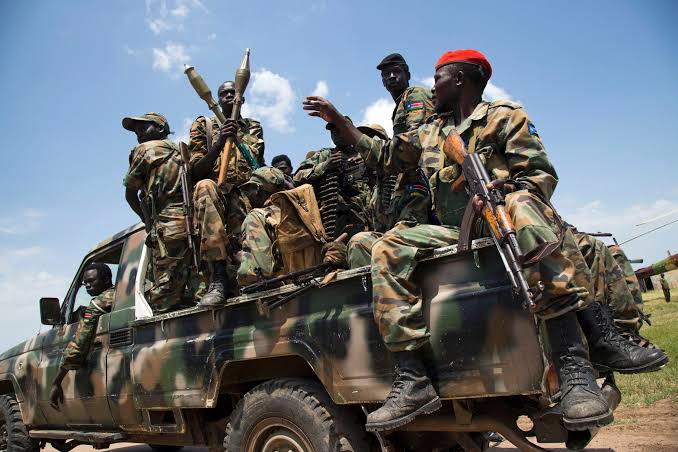
Since fighting erupted in April 2023, Sudan’s war between the Sudanese Armed Forces (SAF) and the paramilitary Rapid Support Forces (RSF) has spiraled toward fragmentation, humanitarian catastrophe, and widening regional instability. Although the SAF reclaimed Khartoum and key cities like Wad Madani, RSF forces now control significant swaths of Darfur and Kordofan, where they launched drone strikes on Port Sudan in a dangerous strategic shift.

As clashes persist in Kordofan’s key highways, the SAF recaptured critical territories like Um Sumeima and al-Dashoul in mid-2025, partially lifting sieges around Kadugli. Meanwhile, the RSF continues to lay siege to SAF strongholds in Darfur and prepare for deeper territorial claims. On July 1, 2025, the RSF announced a self-declared Government of Peace and Unity, complete with passports and currency plans, aiming to administer territories under RSF control—a move condemned as a threat to Sudan’s unity.

Humanitarian conditions have deteriorated sharply. Aid groups report over 40,000 deaths in North Kordofan alone around mid-July, and more than 150,000 killed nationwide, with nearly 13 million people displaced, including over three million refugees across neighboring countries.  In IDP camps, especially Zamzam and Abu Shouk, RSF-linked militias inflicted mass killings of civilians, prompting renewed international condemnation.

The economic and public service collapse is total: hospitals and clinics are defunct, schools destroyed or repurposed, and the Sudanese pound has lost over 90% of its value—leading to skyrocketing prices and widespread poverty. Aid delivery has become nearly impossible amid continued attacks and restricted access in RSF-held territories.

Efforts by the African Union, IGAD, the UN, and Western mediators have faltered. Rival peace initiatives, including Saudi-American mediation and a UK-led summit, failed in the face of geopolitical deadlock and conflicting external interests—most notably vetoes at the UN Security Council and competition between Egypt, the UAE, Iran, and Russia supporting different sides. There are indications of increasing fragmentation within the RSF itself, with data showing intra-militia violence fueled by tribal tensions and leadership disputes.

As the war marks its third year in July 2025, Sudan appears ungovernable. Analysts warn the country may be heading toward de facto partition, akin to the conflict in Libya—especially if the RSF continues asserting a separate administration while the army consolidates control of central and eastern regions. UN officials express growing alarm at spillover into neighboring states, including peacekeeper attacks in the Central African Republic.

With no effective ceasefire in place and institutional structures collapsed, the conflict’s trajectory is bleak. Sustainable peace requires a genuine ceasefire, inclusive negotiations involving all parties, emergency humanitarian corridors, and credible international coordination. Absent these, Sudan risks further descent into irreversible fragmentation, regional destabilization, and ongoing human suffering.

Credit: Africanews, Al Jazeera

Guinness World Record Holder Tunde Onakoya to Take On 20 Players at Lux Afrique Polo Event in the UK – All Proceeds Go to Charity

0

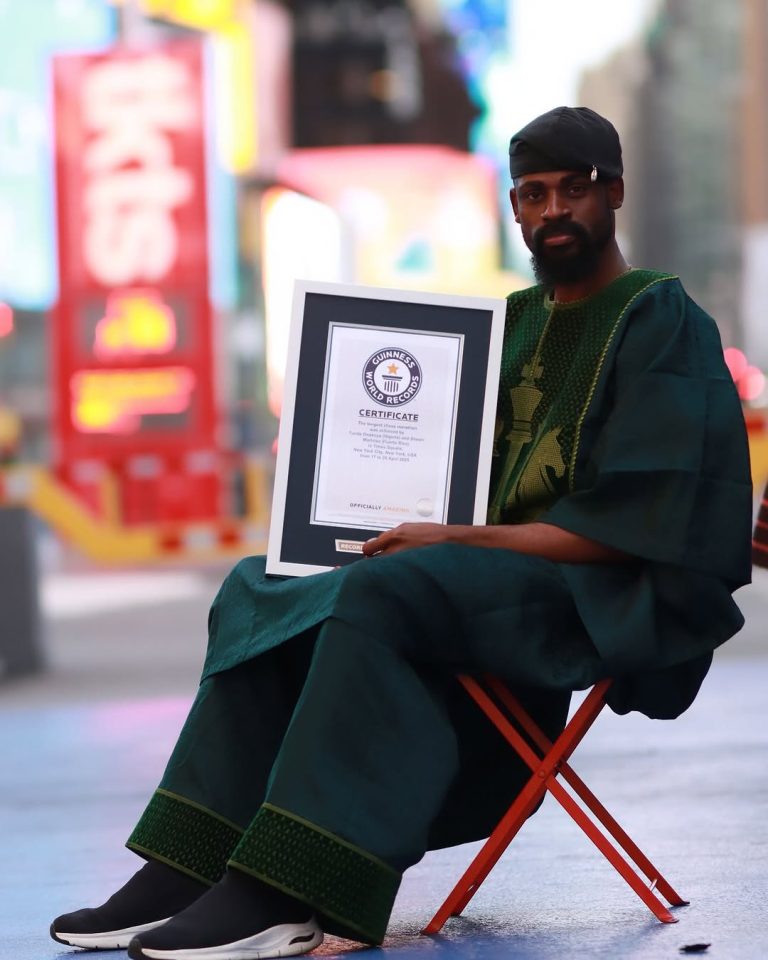
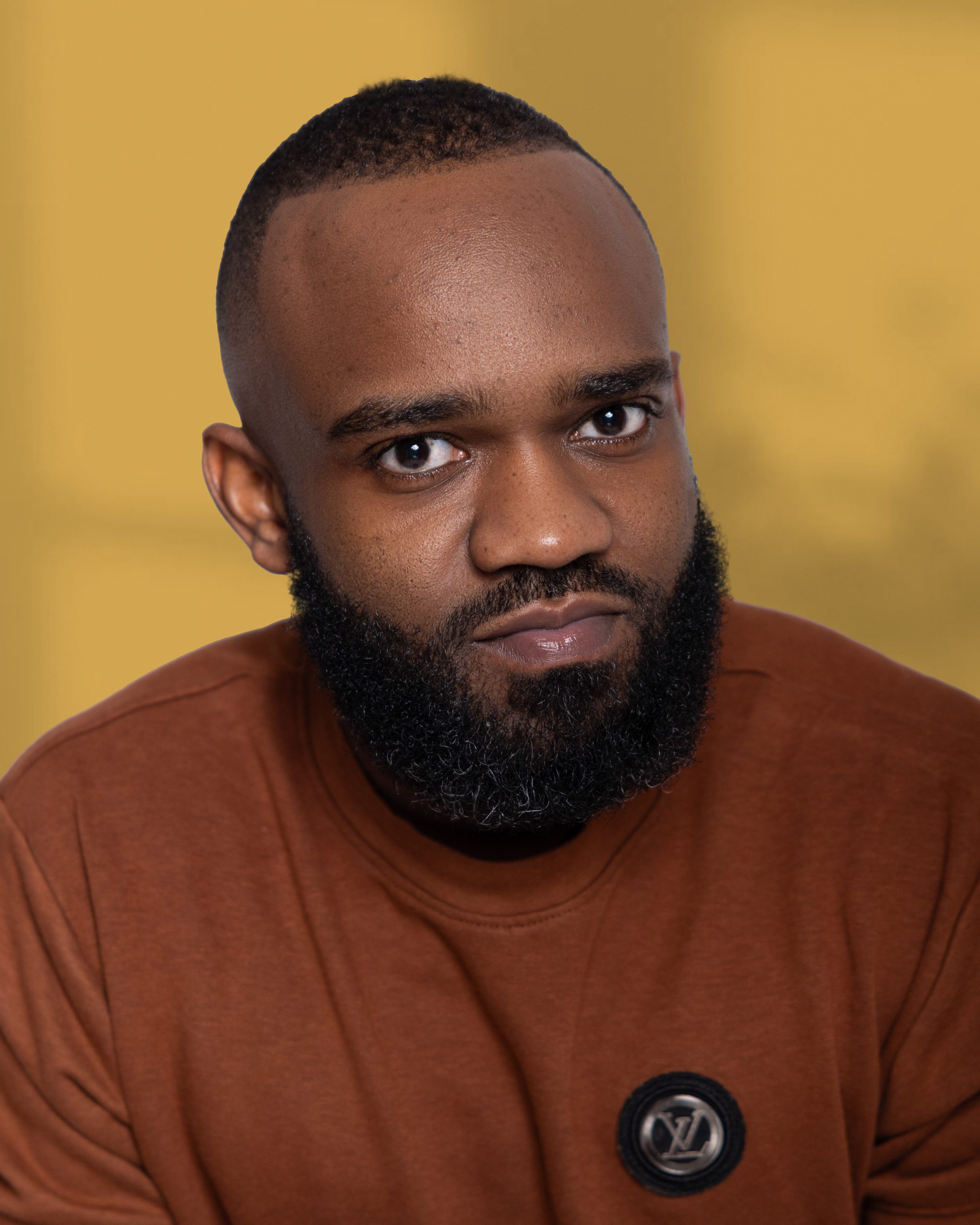
Tunde Onakoya, the Guinness World Record holder and founder of Chess in Slums Africa, is set to dazzle once again — this time at the prestigious Lux Afrique Polo event in the United Kingdom.

This Saturday, Onakoya will participate in a simultaneous chess exhibition match against 20 players at the prestigious Lux Afrique Polo event in the United Kingdom. But this isn’t just any match — there’s a cultural and charitable twist to it.

According to Tunde, anyone who beats him will receive a free Adire-themed chess board, specially designed to reflect Nigerian craftsmanship and cultural heritage. However, those who lose the match will be required to purchase one, with all proceeds going directly towards charity.

“It’s all fun and purpose,” Onakoya shared. “We’re celebrating African brilliance and raising funds to support more children through chess and education.”

Tunde Onakoya has become a global icon for using chess as a tool to transform the lives of underprivileged children across Africa. Earlier this year, he made headlines with his 60-hour chess marathon in Times Square, aiming to raise $1 million for education.

Now, he’s bringing the same energy to London — combining competition, culture, and charity in a one-of-a-kind event that continues to expand the reach and impact of his mission.

One board. One game. One cause. The Lux Afrique audience is in for a match — and a message — to remember.

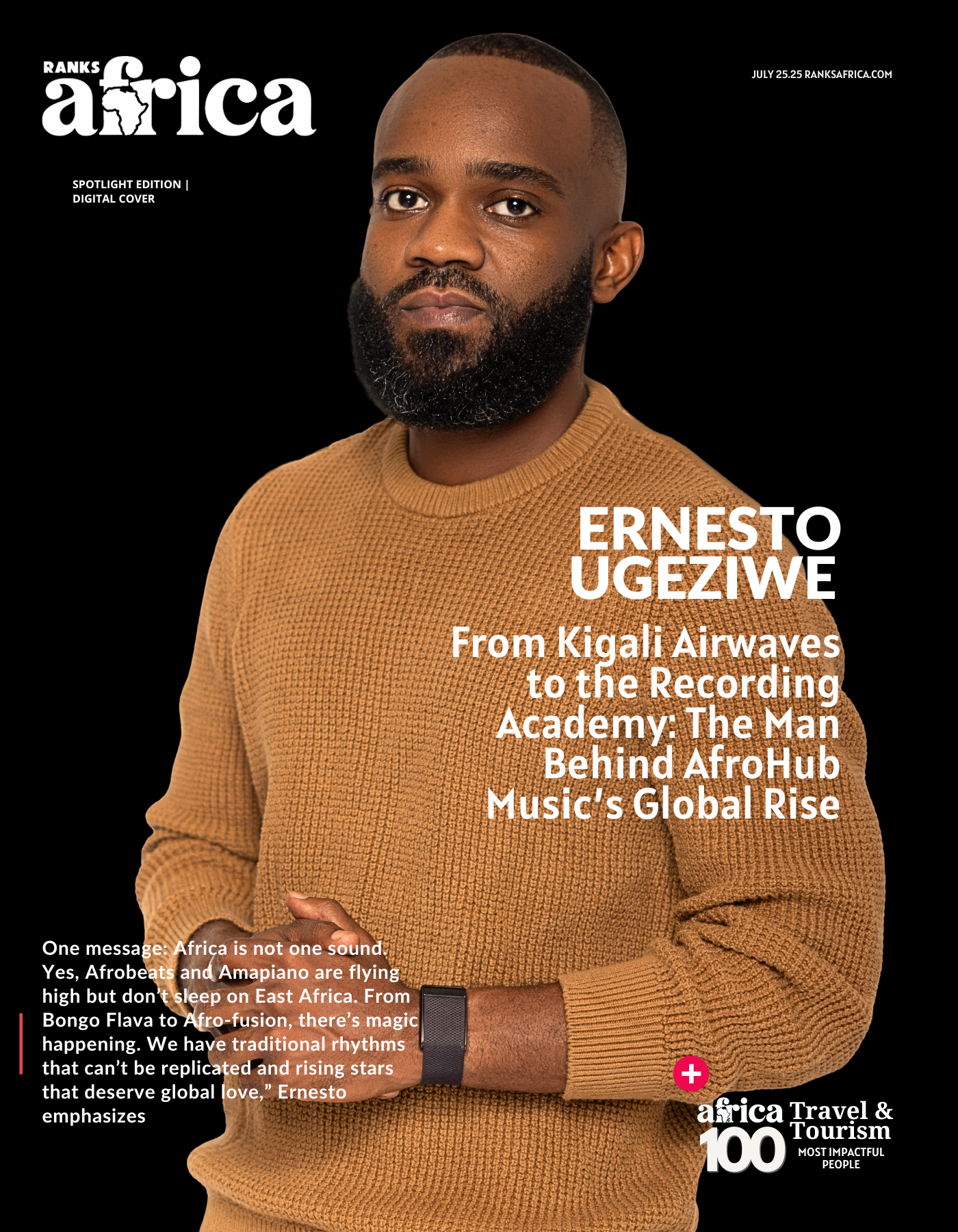
Ernesto Ugeziwe: From Kigali Airwaves to the Recording Academy

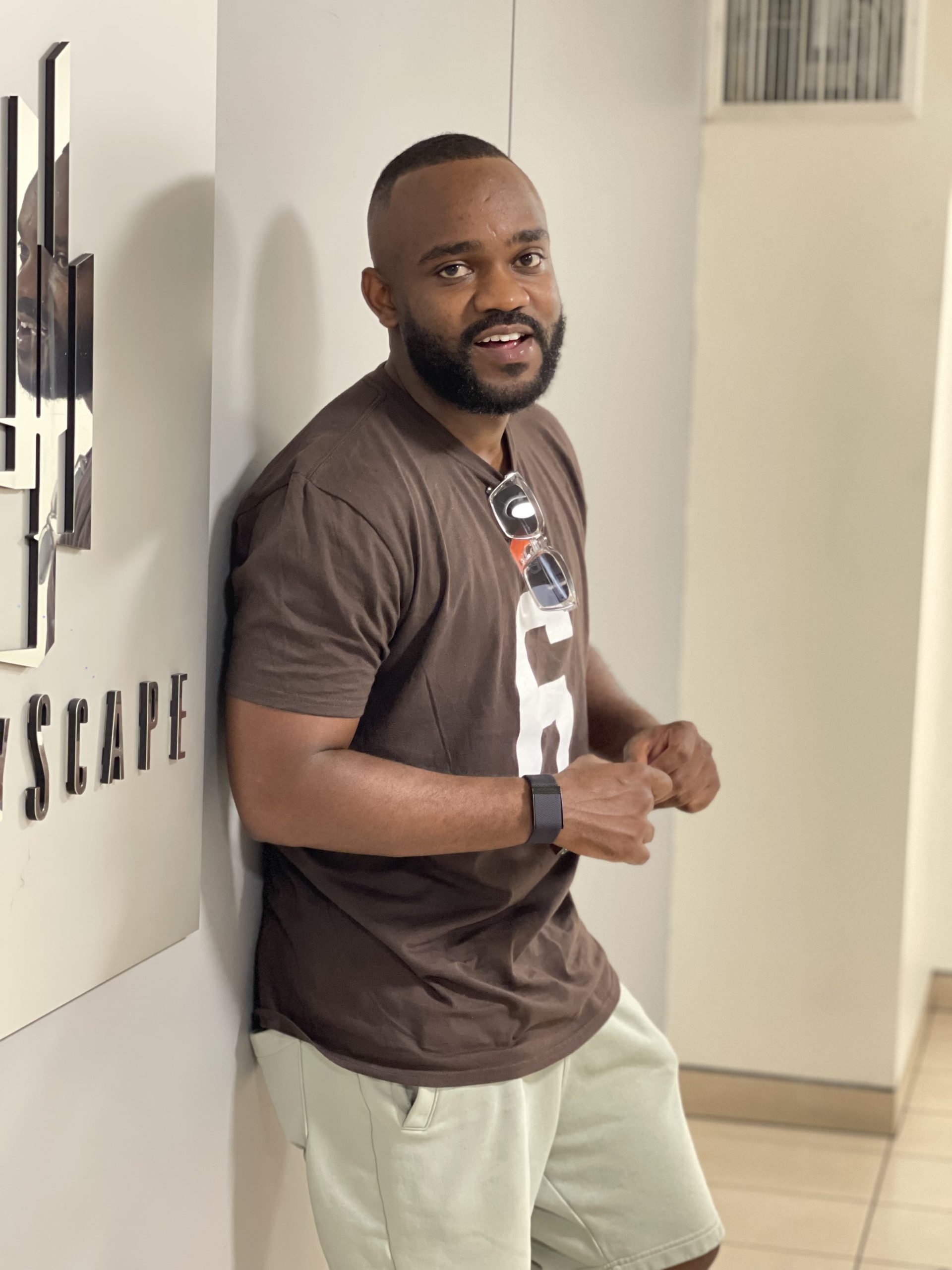
Ernesto Ugeziwe is a Rwandan-born music executive, media personality, and the visionary founder of AfroHub Music, a global platform committed to amplifying African music, culture, and talent. With a career that began on local radio stations in Rwanda’s Western Province, Ernesto quickly rose to prominence as a media host on Rwanda Television (RTV) and Voice of America (VOA), where he championed African narratives to global audiences.

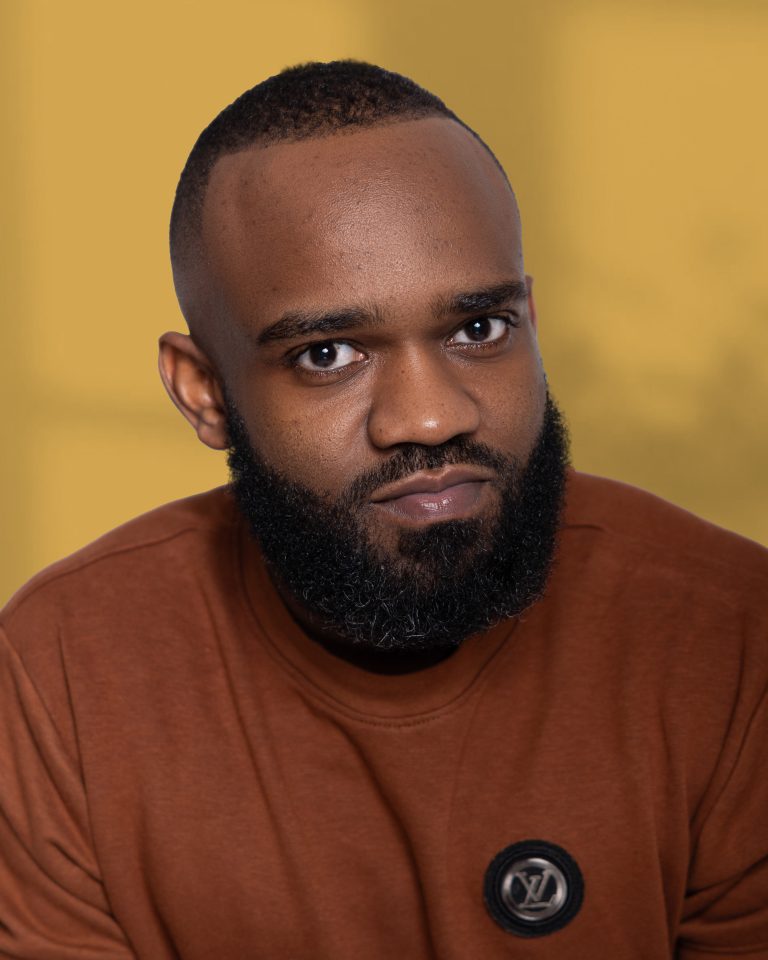
Ernesto Ugeziwe

Now based in the United States, Ernesto has become a leading force in Pan-African cultural promotion, organizing landmark events such as Made in Rwanda Weekend and numerous diaspora-centered festivals. In 2025, he was inducted into the Recording Academy (the organization behind the GRAMMY Awards), marking a historic milestone in his mission to bring African voices into global decision-making rooms.

Through AfroHub Music, Ernesto continues to build powerful bridges between the continent and the diaspora, empowering artists, shaping narratives, and curating culturally rooted experiences that celebrate Africa’s rich sonic landscape. His work spans talent management, festival production, music curation, and strategic media, making him a sought-after voice in the evolution of Africa’s creative economy.

In a world where sound has no borders and storytelling shapes empires, Ernesto Ugeziwe is building a movement. From his early days on Rwandan community radio to standing tall as a member of the Recording Academy in 2025, Ugeziwe’s journey is a masterclass in cultural conviction, strategic execution, and unwavering love for the African sound.

in an exclusive interview with Ranks Africa Magazine, Enersto shared his thoughts on Africa Music and the global impact.

From the Western Province of Rwanda to Global Stages, What Sparked the AfroHub Vision?

“Local radio taught me everything. It wasn’t just about playing songs, it was about understanding the emotional weight music carries in people’s lives,” Ernesto reflects.

“I saw how powerful it was when a village heard its voice echo through the airwaves. That experience made one thing clear: African voices even in the most remote corners — deserve to be heard globally. That’s what AfroHub Music is built on: amplifying talent, honoring roots, and elevating the continent’s soundscape. Being part of the Recording Academy today? It’s not just a win for me, it’s a continuation of the mission.”

From RTV to VOA, From Mic to Music Boardroom — Balancing Storytelling with Strategy

Ernesto’s media journey from hosting on Rwanda Television and Voice of America to pioneering global music festivals , reads like a blueprint for emerging cultural leaders.

“Media taught me how to move hearts. Executive work taught me how to move mountains. When I promote East African artists to global audiences, I fuse both telling stories that resonate deeply while ensuring they’re positioned for success,” he explains.

“It’s not just about being heard; it’s about being understood. I want the world to dance to our music, yes but also to feel the spirit behind it.”

AfroHub Music: A Cultural Bridge from Kigali to the Diaspora

From Made in Rwanda Weekend to AfroHub’s standout showcases across the U.S., Ernesto has positioned the label as more than a platform it’s a cultural bridge.

“Authenticity is non-negotiable. We work with grassroots voices, and we let the community lead. Even as we scale, our ethos is the same: celebrate Africa, don’t commodify it. Every project we launch must feel real — not just to us, but to every African in the room. Our artists must feel valued. Our diaspora audiences must feel seen.”

In a World of Digital Disruption, Can Music Be the Solution?

Ernesto sees AfroHub not just as an entertainment vehicle but as a counterforce to Africa’s social and economic challenges.

“MUSIC HEALS. MUSIC UNITES. IN A TIME WHEN CYBERCRIME AND DIGITAL DISRUPTION ARE TEARING THINGS APART, PLATFORMS LIKE AFROHUB ARE BUILDING THINGS UP,” HE SAYS.

“We equip creators with tools to own their craft, connect globally, and build sustainable careers. Every hit song becomes a statement. Every artist that makes it shifts the narrative. The goal is to turn digital spaces into engines of cultural empowerment and economic growth — not just distractions.”

“You’re the First and There’ll Never Be Another First.” What’s Next for AfroHub and Pan-African Storytelling?

“Being the first comes with weight. It means I must keep the door open for others to walk through. My vision for AfroHub is to become a global force in Pan-African storytelling,” he states.

“We want to see more African artists  not just on award stages but in the rooms where decisions are made. As Recording Academy members, as label executives, as storytellers with power. And we’re ready to collaborate across borders to build an industry that truly reflects the richness of our continent.”

Final Words: What the World Needs to Hear About African Music Right Now

“One message: Africa is not one sound. Yes, Afrobeats and Amapiano are flying high but don’t sleep on East Africa. From Bongo Flava to Afro-fusion, there’s magic happening. We have traditional rhythms that can’t be replicated and rising stars that deserve global love,” Ernesto emphasizes.

“It’s time for platforms and audiences to broaden the lens. There’s so much more to hear. So much more to feel. And AfroHub is here to help the world tap in.”

At RanksAfrica, we recognize visionaries like Ernesto Ugeziwe not just for what they’ve done, but for what they’re building. AfroHub is more than a platform. It’s a movement. And the next verse of Africa’s sonic story is already being written.

Tony Elumelu Donates ₦25 Billion as Lagos Launches Major Food Security Programme

0

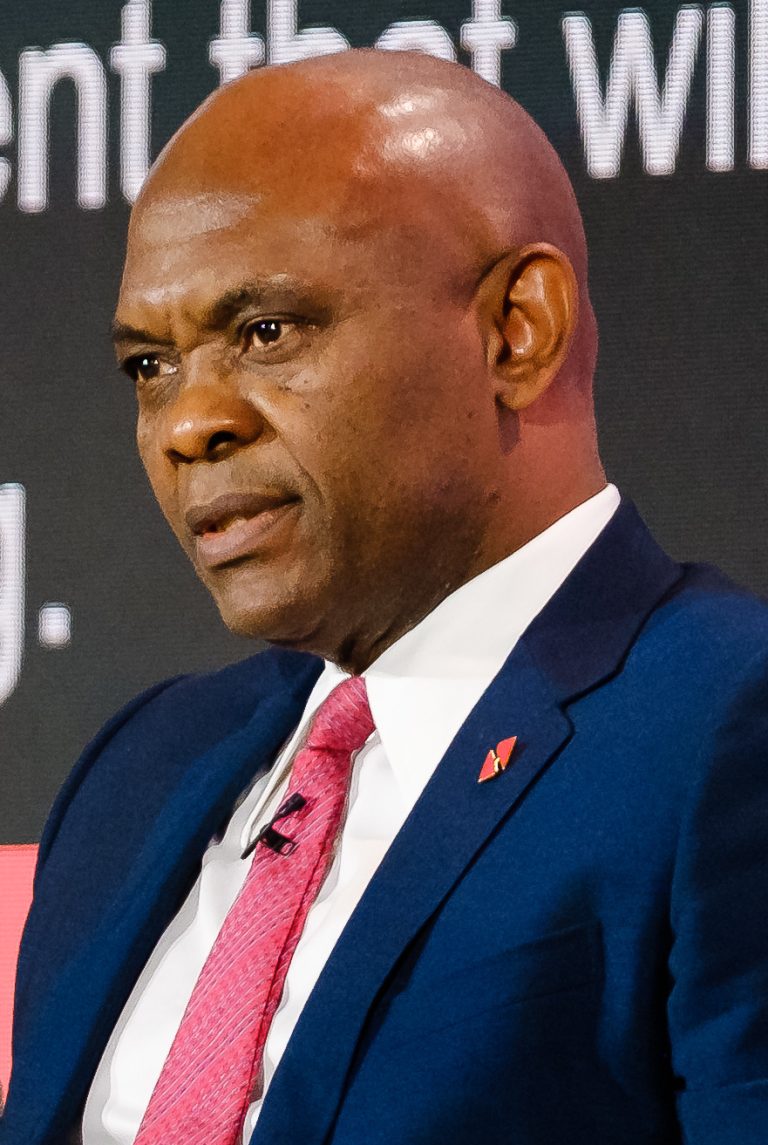
Lagos State has launched a bold new initiative to tackle food insecurity and unemployment through its “Produce for Lagos” programme — and Nigerian billionaire and philanthropist Tony Elumelu is backing it with a monumental ₦25 billion donation.

Announced during the official launch ceremony, the programme is being spearheaded by the Lagos Food Systems and Logistics Hub under the Lagos Food Systems Infrastructure Company. It aims to guarantee a stable market for agricultural producers, reduce food waste, and boost local food production across the state.

The initiative also includes a ₦500 billion off-take fund to support farmers, agribusinesses, and youth employment, reinforcing Lagos State’s strategic vision to become Nigeria’s leading food hub.

Speaking at the event, Tony Elumelu, Chairman of Heirs Holdings and UBA, stated:

“Agriculture holds the key to solving youth unemployment in Nigeria. With the right investments and support systems, we can unlock massive opportunities in this sector.”

This landmark donation and programme launch mark a major step forward in public-private collaboration for food security in Nigeria, while also aligning with President Tinubu’s Renewed Hope Agenda on agriculture and food resilience.

Lagos is not just feeding itself — it is building a model for sustainable food systems across Africa.

Nigeria Stuns Reigning Champions South Africa to Secure WAFCON Final Berth

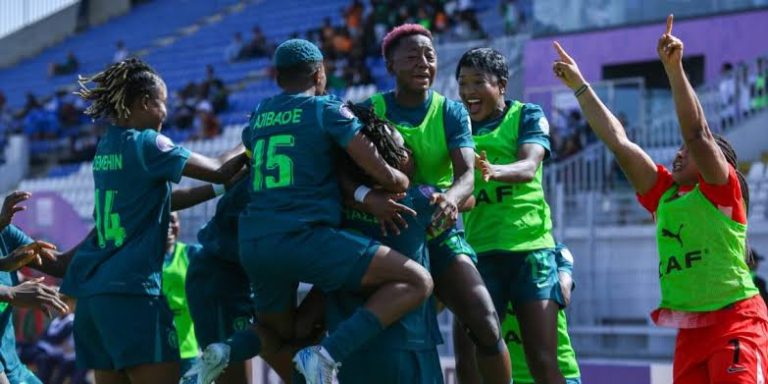
  1. Nigeria’s Super Falcons booked their place in the July 2025 Women’s Africa Cup of Nations final with a breathtaking 2–1 victory over defending champions South Africa in Casablanca. The match, described by CAF as a “pulsating” semi-final, delivered drama right up to the end .

In a tense first half, Nigeria opened the scoring just before the break when Rasheedat Ajibade calmly converted a penalty after Bambanani Mbane halted Folashade Ijamilusi in the box . South Africa, undeterred, responded with a penalty of their own in the 60th minute, as Linda Motlhalo stepped up and made no mistake .

The climax came in stoppage time: Michelle Alozie floated in a deep free kick that caught keeper Andile Dlamini off guard and found the back of the net—what was described as a “stunning long-range winner” that broke South Africa’s resistance and sent the Nigerian side into wild celebration .

This victory not only ended South Africa’s reign as WAFCON champions, but it also reignited Nigeria’s quest for a record-extending tenth title. Analysts highlighted the Super Falcons’ blend of disciplined defense, sharp transitions, and unwavering mental resilience—hallmarks of a side determined to reclaim continental dominance .

President Bola Tinubu and First Lady Oluremi Tinubu were quick to voice their support, with the president praising the team’s “superlative” performance and urging them to “bring the trophy home,” while the First Lady celebrated the players’ unity, grit, and inspirational role to young Nigerian girls .

Looking ahead, Morocco awaits in the final. Hosts overcame Ghana via penalties earlier in the day, setting the stage for a classic showdown: the continent’s most decorated team versus the spirited home side .

Credit: BBC

Morocco Clinches Spot in WAFCON Final After Dramatic Shootout Triumph

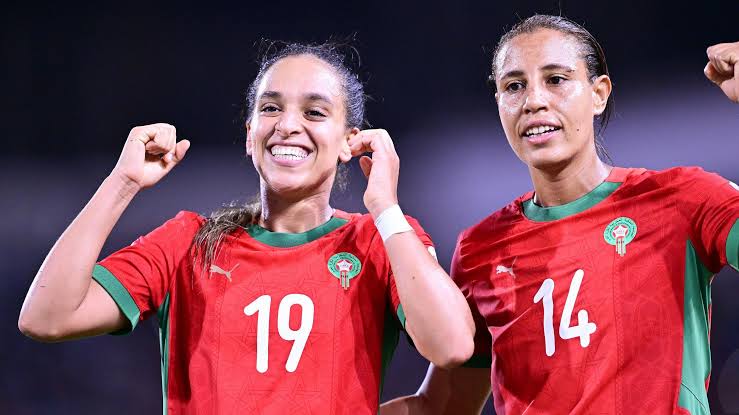
Morocco secured a thrilling 4–2 penalty shootout win over Ghana on July 22, 2025, booking their place in the Women’s Africa Cup of Nations final. The emotionally charged semi-final in Rabat finished 1–1 after extra time, prompting a tense shootout in front of their home crowd at the Stade Olympique. Morocco’s goalkeeper, Khadija Er‑Rmichi, was the heroine, saving one spot-kick and capitalizing on two Ghana misses—while four Moroccan players calmly converted their penalties .

Ghana took an early lead in the 26th minute through Stella Nyamekye, who pounced on a loose ball from a corner to head it past Er‑Rmichi. Morocco responded decisively in the second half when Sakina Ouzraoui Diki leveled the score in the 55th minute with a close-range strike . After a hard-fought extra time, the match moved to penalties, where Morocco held their nerve and claimed the win .

Hosts Morocco will now face Nigeria in Saturday’s final. The Super Falcons advanced earlier in the day with a dramatic stoppage-time winner from Michelle Alozie to edge South Africa 2–1 in the other semi-final . Ghana and South Africa are set to clash for third place on Friday in Casablanca .

This victory marks Morocco’s second consecutive appearance in the WAFCON final—they were runner-up in 2022—and reflects their rapid rise in women’s football, which began with their Women’s World Cup debut in 2023 . With a passionate home crowd behind them and a confident mindset, Morocco now turns their focus to claiming their first continental title on home soil.

Meanwhile, Nigeria heads into the final undefeated and seeking their record-extending tenth WAFCON trophy . Their upcoming clash with Morocco promises to be a captivating duel between emerging hosts and established champions.

Credit: BBC

Lilian afegbai’s Performance Isn’t Just Praise-Worthy — It’s a Cultural Moment

0

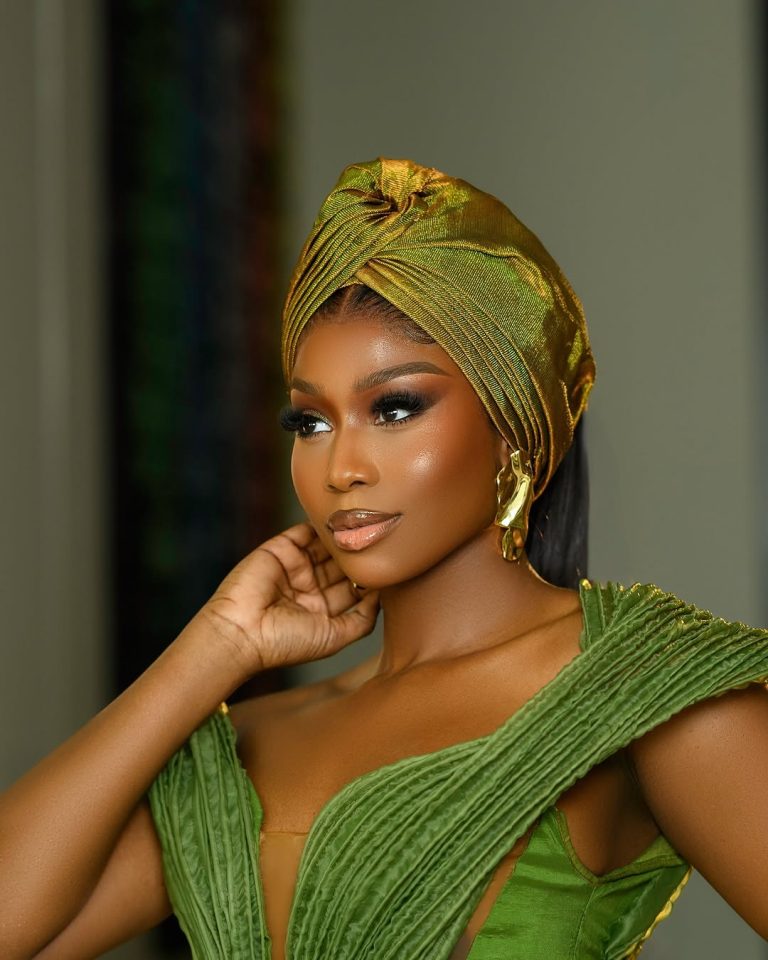
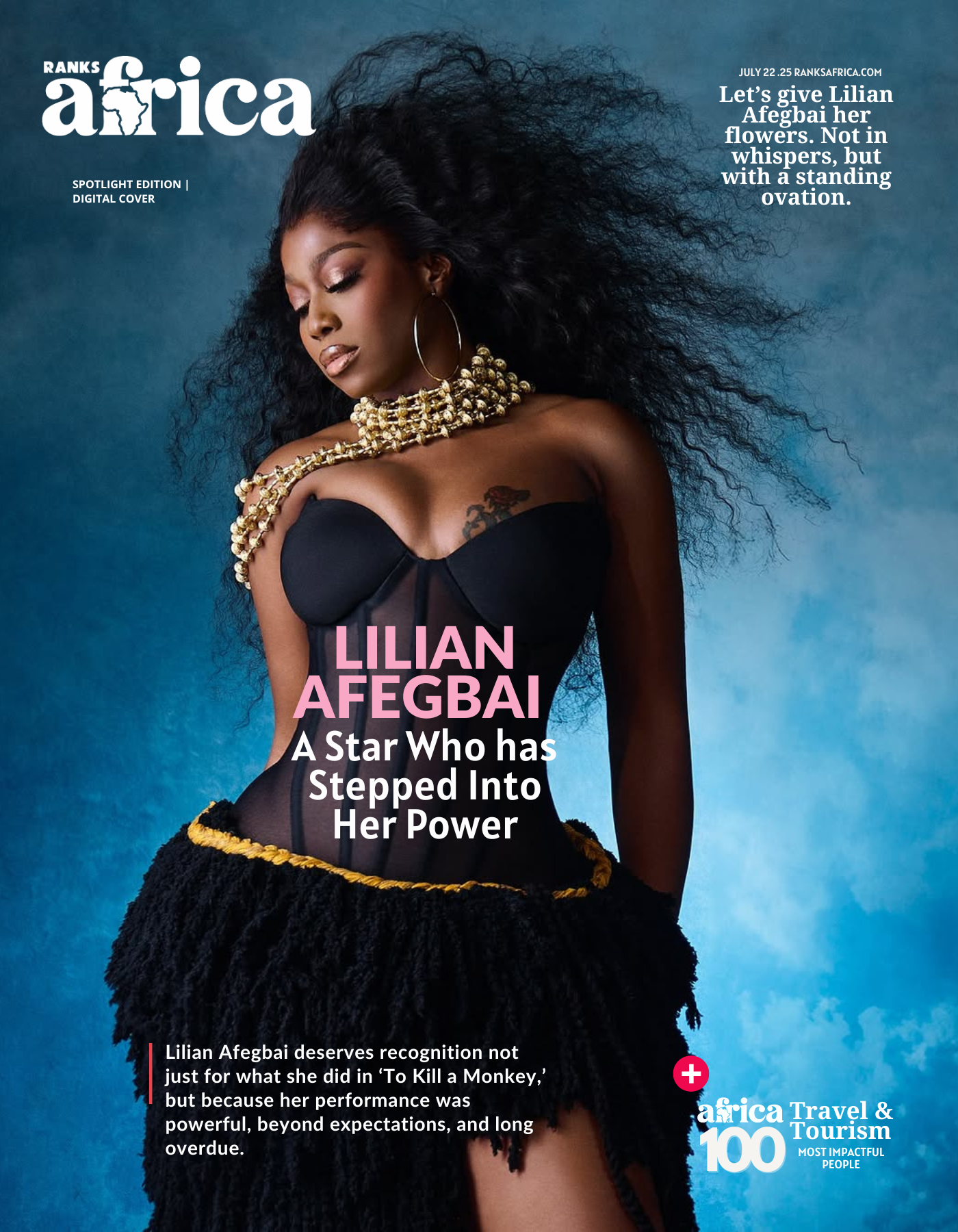
In this edition of the Ranks Africa Spotlight Series, we shine the light on one of Nollywood’s most dynamic and consistently evolving stars — Lilian Afegbai.

In every industry, there comes a moment when a talent—once seen, once questioned, once underestimated—steps into the full clarity of their power. For Lilian Afegbai, that moment is now.

Digital Cover: Lilian Afegbai

Netflix’s To Kill a Monkey is not just another crime thriller—it’s a career-defining canvas. And Afegbai? She painted a masterpiece.

Produced by the award-winning filmmaker Kemi Adetiba, To Kill a Monkey is Netflix’s gripping new crime series—and in it, Lilian doesn’t just act; she electrifies.

Her portrayal of Idia is nothing short of a masterclass in emotional complexity and raw intensity. It’s a performance that silences skeptics and elevates her into the upper echelon of African screen talent.

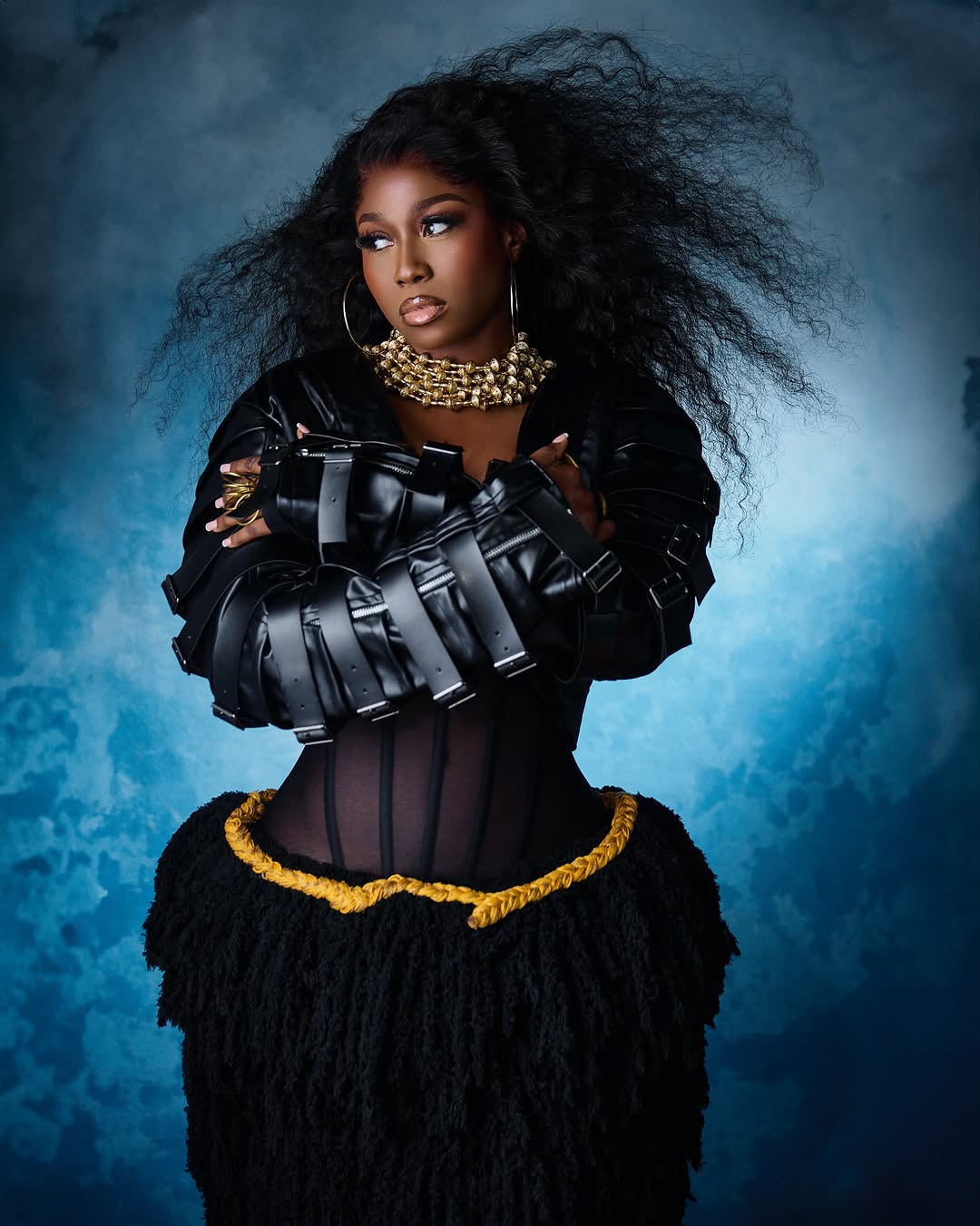
Lilian afegbai

Lilian has always been on the radar—a face that’s lit up screens, a name that’s shown up in credits, a woman who’s done the work. But this time, the work speaks for itself. In To Kill a Monkey, she broke free from the “supporting” label and rewrote her narrative.

Social media couldn’t stop talking. Fans rated her 5 stars. Reviewers called her the emotional core of the story. And even longtime skeptics had to admit—this wasn’t just growth. It was a glow-up backed by grit, range, and presence.

Lilian afegbai

Her performance as Idia isn’t just getting attention—it’s commanding respect. From critics to fans, timelines to think pieces, the buzz is undeniable: Lilian Afegbai delivered one of the most gripping performances of 2025. And she did it without compromise.

Idia is layered: vulnerable yet powerful, strategic yet chaotic. And Lilian’s interpretation? Absolutely magnetic. Viewers were left stunned by the range she brought to the role—and even her loudest critics had to give credit. This wasn’t just a “good performance”; it was a breakthrough.

Lilian afegbai

Many may remember her from reality TV beginnings, but Lilian’s journey has been about more than fame—it’s been about craft. And now, the industry is seeing her for who she truly is: a powerhouse performer, a thoughtful producer, and a woman who owns every room she enters, on or off screen.

So yes—Lilian Afegbai is earning her flowers. Not just for To Kill a Monkey, but for every project she’s helped carry, every role she’s made unforgettable, and every ceiling she’s shattered.

Lilian afegbai

In a year where Nigerian cinema is pushing new boundaries globally, Afegbai’s performance is a reminder of what’s possible when storytelling meets intention. When casting is sharp. When talent is trusted.

She didn’t just elevate the script—she anchored it.

And for all the producers and casting directors paying attention: casting Lilian isn’t a risk anymore. It’s a guarantee.

Cameroon’s 92-Year-Old President Seeks Eighth Term, Raising Democratic Alarm Bells

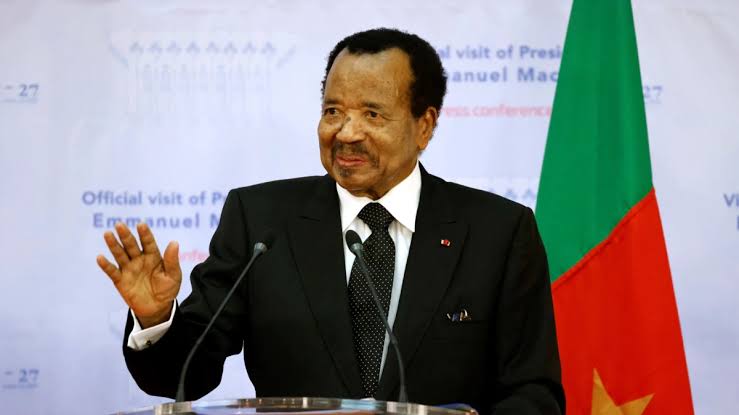
President Paul Biya has officially declared his candidacy for an eighth term in the upcoming October 12, 2025 election, signaling his intent to extend an extraordinary 43-year rule over Cameroon. Standing at 92, one of the world’s oldest heads of state, Biya made the announcement on his verified X (formerly Twitter) account in both French and English, stating, “Rest assured that my determination to serve you is matched by the serious challenges we face. The best is yet to come” .

Biya’s campaign follows widespread calls from his ruling party—the Cameroon People’s Democratic Movement (CPDM)—and supporters both at home and in the diaspora. Critics, however, warn that his extended tenure has stifled political renewal, perpetuated corruption, and impeded governance amid ongoing crises like separatist conflict in English-speaking regions and militant violence in the north .

In a strategic move shortly after confirming his candidacy, Biya reshuffled the military’s top leadership—including the elite Rapid Intervention Battalion—to consolidate loyalty and assert control ahead of a volatile election period . Observers suggest the shuffle is intended to suppress dissent and reinforce regime stability as opposition momentum builds .

Biya’s entry into the race has triggered defections from key longtime allies. Former ministers Issa Tchiroma Bakary and Bello Bouba Maigari, central figures in previous CPDM governments, have now declared their independent candidacies, citing dissatisfaction with Biya’s leadership and governance failure in the country’s north . Opposition figures including Maurice Kamto, Cabral Libii, Akere Muna, and Joshua Osih have also formally filed to challenge Biya, pledging reform and free, fair elections after years of systematic suppression .

Despite holding power since 1982, Biya’s rule is increasingly under scrutiny over his health and governance capacity. A 2024 absence of over six weeks from public view sparked rumors of incapacitation. The government has attempted to silence discussion on his condition, even controlling media reports to avoid speculation . Critics argue structural weaknesses undermine succession planning, heightening uncertainty if Biya were to become unable to remain in office .

Cameroon faces deep socioeconomic challenges, including entrenched poverty, fragmented governance, and violent conflict across multiple fronts. Analysts point out that voter apathy is rising: turnout has declined under conditions of restricted press freedom, electoral manipulation, and state repression. Civil society groups have documented intensified censorship of dissenting journalists in the lead-up to the polls .

As Biya seeks another term, the breakdown of internal loyalty within his regime—coupled with opposition mobilization and elite discontent—signals a potentially volatile election cycle. Whether the electoral process will provide a genuine opportunity for democratic transition or devolve into managed continuity remains at the heart of Cameroon’s political future.

Credit: The Guardian