


Home Blog Page 151

WAFCON 2025 Quarter-Finals Set the Stage for a New Era in African Women’s Football

The Women’s Africa Cup of Nations, officially the WAFCON 2024 tournament held in July 2025 in Morocco, entered its knockout phase amid an unexpected level of balance and drama. The group stage, which saw 45 goals and surprise results throughout, ended with no team going unbeaten in perfect form. Traditional powers like Nigeria, Morocco, and South Africa dropped points along the way. Yet Zambia and Algeria advanced through as unbeaten sides, while Ghana rebounded after an early loss, and Mali and Senegal qualified as the best third‑placed teams. As the quarter‑finals began on July 18, the path to the semifinals promised both opportunity for upset and affirmation of legacy .

When Nigeria faced Zambia in what was billed as perhaps the most intense quarter‑final in recent memory, it seemed balance might tip in Zambia’s favor. The Copper Queens, led by Barbra Banda and Racheal Kundananji, had impressed in the group phase. Yet the Super Falcons, nine‑time champions and still unbeaten, produced a performance of clinical precision in Casablanca on July 18, dispatching Zambia 5‑0. Within two minutes, centre‑back Osinachi Ohale headed in Esther Okoronkwo’s free‑kick. Okoronkwo struck again mid‑way through the first half, followed shortly by Chinwendu Ihezuo scoring from a loose ball. In the second half, Tosin Demehin powered home a header in the 68th minute, and substitute Folashade Ijamilusi sealed the victory in stoppage time. Nigeria preserved their spotless defensive record while producing their most dominant display yet .

This emphatic win made clear that Nigeria’s ambition remained unshaken—the quest for a record‑extending tenth WAFCON title was alive. Yet they did so within a shifting tactical identity: a side grounded in defensive discipline and match management, not just attacking flair. They navigated the group stage without conceding a goal and fired just four goals in that phase—data that points to a more mature approach under coach Justine Madugu .

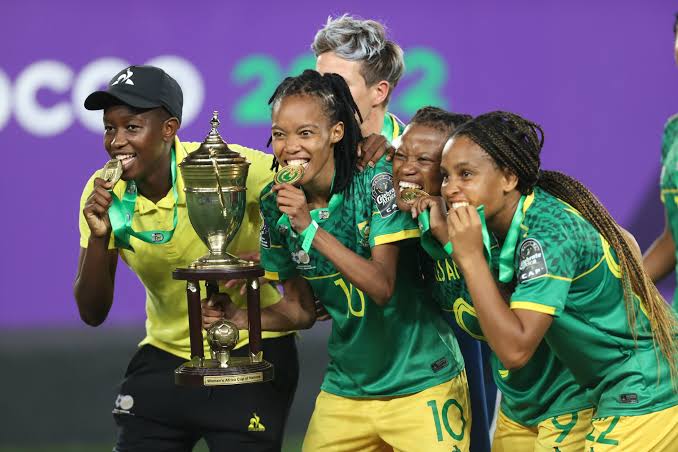
As for South Africa, the defending champions, they earned their semi‑final berth after a tense 0‑0 draw with Senegal in Oujda. It took a dramatic penalty shoot‑out to settle the fixture, with goalkeeper Andile Dlamini making crucial stops and defender Bambanani Mbane converting the winning spot kick. Banyana Banyana’s resilience in this format reaffirmed their pedigree, and they will now face Nigeria in the first semi‑final in Casablanca on July 22 (16:00 GMT) .

Simply put, WAFCON 2025 has achieved surprising parity. Juventus‑style underdogs like Ghana, Mali, Senegal, and Algeria have carved out their moments of shine, challenging the old hierarchy. Yet the stage is set: Nigeria, ever consistent, remains a force, now matched by South Africa’s steely resolve. Their looming clash feels less like a formality and more like a decisive turning point: can familiarity and history prevail, or will rising challengers define the next chapter of African women’s football?

What started as a tournament filled with songs and moments of cultural expression—like spontaneous team chants from South Africa—of late has become a conversation on the evolving quality, structural investment, and increasing competitiveness across the continent. The semi‑final matchups promise more than medals—they represent a changing order. Whether traditional giants reassert themselves or new nations break through remains to be seen. For now, the knockout rounds offer both certainty and suspense in equal measure .

Credit: Africanews
THE WEAPONIZATION OF THE LAW: Boniface Mwangi’s Arrest and the Crackdown on Kenyan Activism.

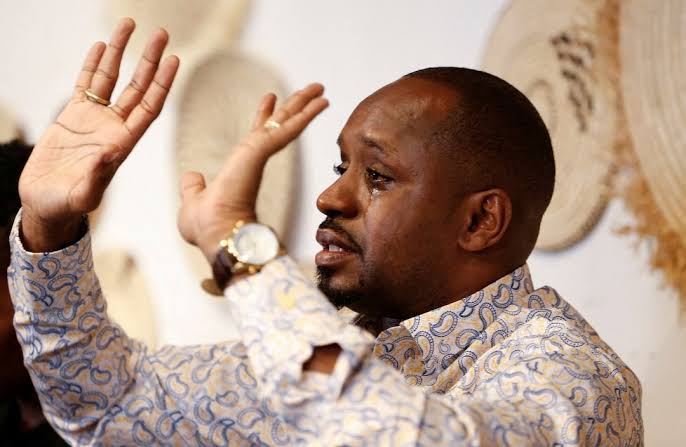
In July 2025, Kenyan activist and photojournalist Boniface Mwangi was arrested under alarming circumstances that have drawn widespread national and international attention. A bold and persistent voice in the fight for justice and good governance, Mwangi’s arrest came in the wake of massive youth-led demonstrations that had shaken Kenya weeks earlier. These protests, driven by deep frustration with rising living costs, government corruption, increased taxation, and police brutality, were largely organized by Gen Z activists and became the largest display of civil unrest the country had seen in years.

The protests were triggered by the death of blogger Albert Omondi Ojwang, who died under suspicious circumstances while in police custody. While authorities claimed he had taken his own life, family members and human rights organizations argued that he had been tortured and killed. The public outcry over his death erupted into national protests beginning on June 25, 2025. That day, at least 19 people were killed, most of them young protesters. The unrest escalated on July 7, when another 31 lives were lost in further demonstrations. By mid-July, the estimated number of deaths related to the protests had surpassed 70, with hundreds more injured or detained.

Amid this tense political climate, Boniface Mwangi’s home in Machakos County was raided on July 19 by officers from the Directorate of Criminal Investigations. Armed and in plain clothes, the police searched his property and claimed to have discovered three unused tear gas canisters, a blank 7.62mm bullet, phones, a laptop, and a hard drive. Mwangi was arrested and taken to Nairobi for interrogation. Initial reports suggested he might be charged with terrorism-related offenses for allegedly facilitating violent acts during the protests.

However, when he was arraigned in court on July 21, the charges brought against him were limited to unlawful possession of ammunition. Mwangi pleaded not guilty and was released on bail. The activist strongly denied all allegations, asserting that the case was politically motivated and the items planted to incriminate him. He described the arrest as an attempt by the government to intimidate and silence those speaking out against injustice. He emphasized that he had never owned a firearm and labeled the charges as part of a wider campaign to criminalize activism in Kenya.

The arrest sparked immediate backlash from civil society. Organizations such as Amnesty International Kenya, the Kenya Human Rights Commission, and the International Commission of Jurists condemned the charges, accusing the government of abusing anti-terror laws to target peaceful protesters. They argued that the Prevention of Terrorism Act was being misused to suppress political opposition and infringe upon citizens’ rights to free expression and peaceful assembly. Legal experts and public figures also expressed concern, with prominent leaders like Siaya Governor James Orengo criticizing the state for equating simple possession of tear gas with terrorism. Orengo called the charges disgraceful and part of an ongoing effort to frame political activism as a national security threat.

Mwangi’s arrest also occurred shortly after a troubling encounter in Tanzania. Just weeks earlier, he and Ugandan journalist Agather Atuhaire were detained and allegedly sexually harassed by Tanzanian authorities before being deported. The two have since filed a case against the Tanzanian government at the East African Court of Justice, accusing it of violating their human rights. His arrest upon returning to Kenya raised speculation about whether there is growing regional coordination aimed at suppressing outspoken critics of power.

The case of Boniface Mwangi highlights a deeply troubling trend: the growing use of legal and security mechanisms to silence opposition. His arrest is not an isolated event, but part of a broader pattern of repression that threatens the very foundations of democracy in Kenya. The deployment of anti-terrorism rhetoric to target activists not only undermines the rule of law but also erodes public trust in the government and judicial system.

As Kenya continues to grapple with economic hardship, political unrest, and public dissatisfaction, the path it chooses now will be critical. The treatment of dissenting voices like Boniface Mwangi’s will shape the country’s democratic future. Whether Kenya stands up to defend civil liberties or continues down a road of increasing authoritarianism remains to be seen. What is clear is that the right to protest, speak freely, and hold power to account must not be treated as a crime. Rather, it must be protected as a cornerstone of any just and free society.

Credit: Africanews

Ranks Africa Best of the Year 2025 — Call for Nominations

0

Ranks Africa is proud to announce the launch of Best of the Year 2025 — a landmark initiative that celebrates excellence across People, Brands, and Industries shaping Africa’s future. [nomination link]

From outstanding leaders and changemakers to pioneering companies and innovative industries, Best of the Year recognizes those who set the pace, inspire others, and drive impact.

What to Expect

Magazine Feature – Each honoree will be spotlighted in Ranks Africa Magazine and across our digital platforms.
Media Recognition – Stories will be amplified on our media platforms to reach a wider audience.
Plaque Presentation – Honorees will receive a prestigious plaque as a symbol of excellence and recognition.

Nomination Details

📌 Nominations are now open for categories across People, Brands, and Industries.
📌 Closing Date: 20th October 2025
📌 Submit your nominations by filling the official form here: [nomination link]

Be part of this celebration of Africa’s finest.
Nominate today and let the world know who deserves to be named Best of the Year 2025!

People of the Year Categories

  • Person of the Year
  • Business Leader of the Year
  • CEO of the Year
  • Entrepreneur of the Year
  • Innovator of the Year
  • Philanthropist of the Year
  • Activist of the Year
  • Young Achiever of the Year
  • Woman of the Year
  • Man of the Year
  • Influencer of the Year
  • Content Creator of the Year
  • Athlete of the Year
  • Coach of the Year
  • Artist of the Year (Music)
  • Actor of the Year (Film)
  • Comedian of the Year
  • Writer/Author of the Year
  • Journalist of the Year
  • Media Personality of the Year
  • Fashion Icon of the Year
  • Model of the Year
  • Tech Personality of the Year
  • Educator of the Year
  • Humanitarian of the Year
  • Health Professional of the Year
  • Legal Personality of the Year

🏢 Brands of the Year Categories

  • Brand of the Year
  • Company of the Year
  • Startup of the Year
  • Bank of the Year
  • Insurance Company of the Year
  • Investment Firm of the Year
  • Fintech of the Year
  • Airline of the Year
  • Airport of the Year
  • Hotel of the Year
  • Resort of the Year
  • Travel Agency of the Year
  • Private Jet Company of the Year
  • Restaurant of the Year
  • Real Estate Company of the Year
  • Construction Company of the Year
  • Interior Design Brand of the Year
  • Property Developer of the Year
  • Manufacturing Company of the Year
  • Automobile Brand of the Year
  • Electric Vehicle Brand of the Year
  • Auto Parts Manufacturer of the Year
  • Technology Brand of the Year
  • Telecom Brand of the Year
  • Media Brand of the Year
  • Entertainment Brand of the Year
  • Record Label of the Year
  • Production Company of the Year
  • Fashion Brand of the Year
  • Beauty Brand of the Year
  • Luxury Brand of the Year
  • Clothing Brand of the Year
  • Watch Brand of the Year
  • Bag Brand of the Year
  • Shoe Brand of the Year
  • Jewelry Brand of the Yea
  • Sportswear Brand of the Year
  • Furniture Brand of the Year
  • Electronics Brand of the Year
  • Beverage Brand of the Year
  • Food Brand of the Year
  • Alcohol Brand of the Year
  • Skincare Brand of the Year
  • Haircare Brand of the Year
  • Fragrance Brand of the Year
  • Wellness Brand of the Year
  • Fitness Brand of the Year
  • Educational Institution of the Year
  • Online Learning Platform of the Year
  • NGO of the Year
  • Event of the Year
  • Musical Festival of the Year
  • Cultural Festival of the Year
  • Islamic Bank of the Year
  • Mobile Banking App of the Year
  • Digital Wallet of the Year
  • Fintech of the Year
  • Neobank of the Year
  • Logistics Company of the Year
  • Supply Chain Company of the Year
  • Energy Company of the Year
  • Oil & Gas Company of the Year
  • Renewable Energy Company of the year
  • Accounting Firm of the Year
  • Cybersecurity Brand of the Year
  • EdTech Company of the Year
  • HealthTech Company of the Year
  • AgriTech Company of the Year
  • App of the Year
  • Streaming Platform of the Year
  • AI Company of the Year
  • Blockchain Startup of the Year

Governance Categories

  • Governor of the Year
  • Minister of the Year
  • Senator of the Year
  • House of Representative Member of the Year
  • State House of Assembly Member of the Year
  • Local Government Chairman of the Year
  • First Lady of the Year

Bucci Franklin: The Magnetic Catalyst Behind To Kill a Monkey

0

Who Is Bucci Franklin?

Bucci Franklin (real name Onyebuchi Franklin Odurukwe), hails from Nkwerre, Imo State, and was raised in Port Harcourt. With a Theatre Arts degree from the University of Abuja, he first gained traction as a radio and TV presenter in Abuja before transitioning to Nollywood in the early 2010s.

He represented Nigeria as one of the top five contestants in the U.S.–based Spirited Actor Competition, performing Chinua Achebe’s Things Fall Apart, which led to international attention.
Over the years, Franklin has built credibility with roles across diverse genres from Knockout Blessing(where he played Dagogo) to standout parts in Rattlesnake: The Ahanna Story, Far From Home, The Weekend, and Shaping Us.

Bucci Franklin in To Kill a Monkey: Fueling Adetiba’s Gritty Evolution

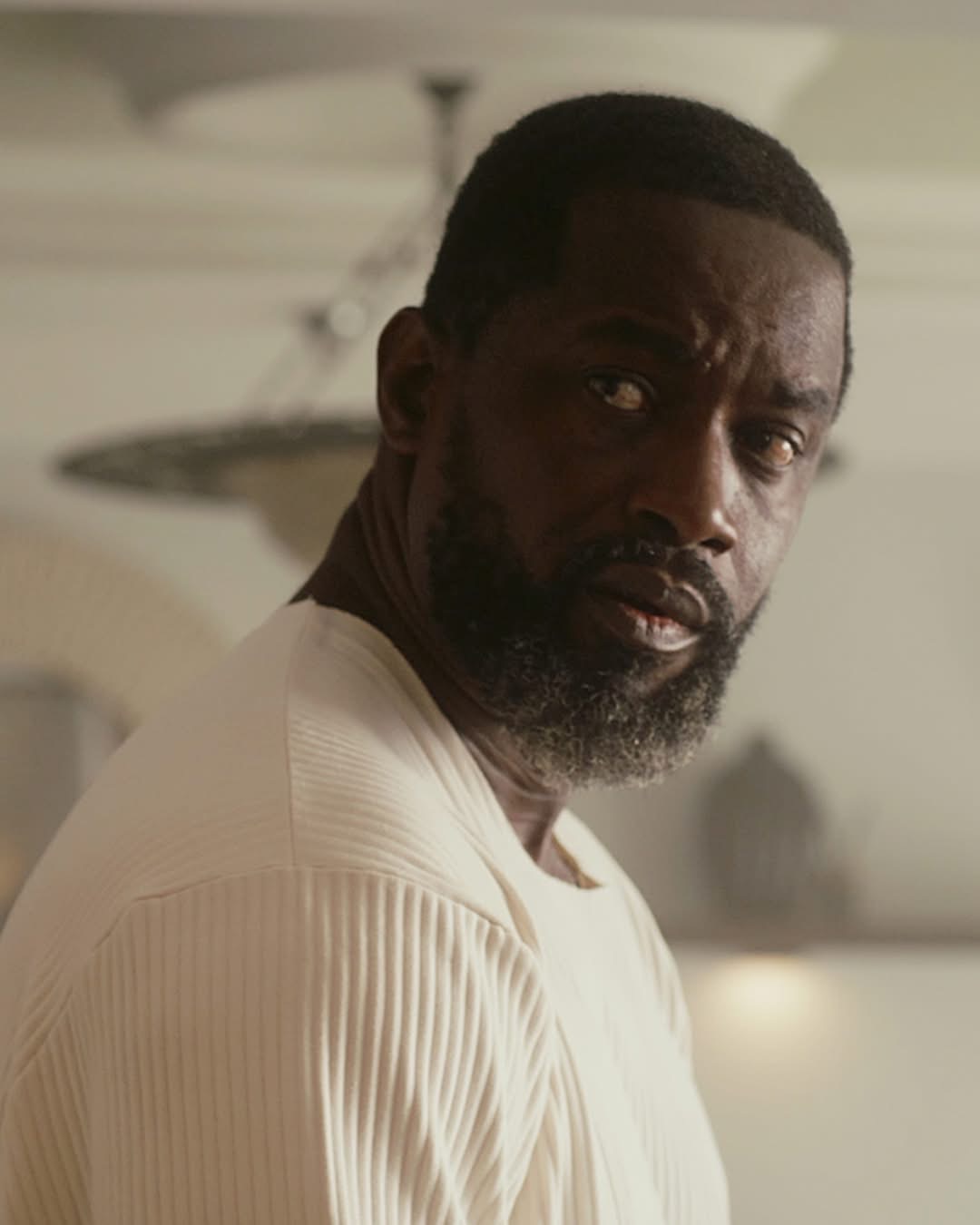
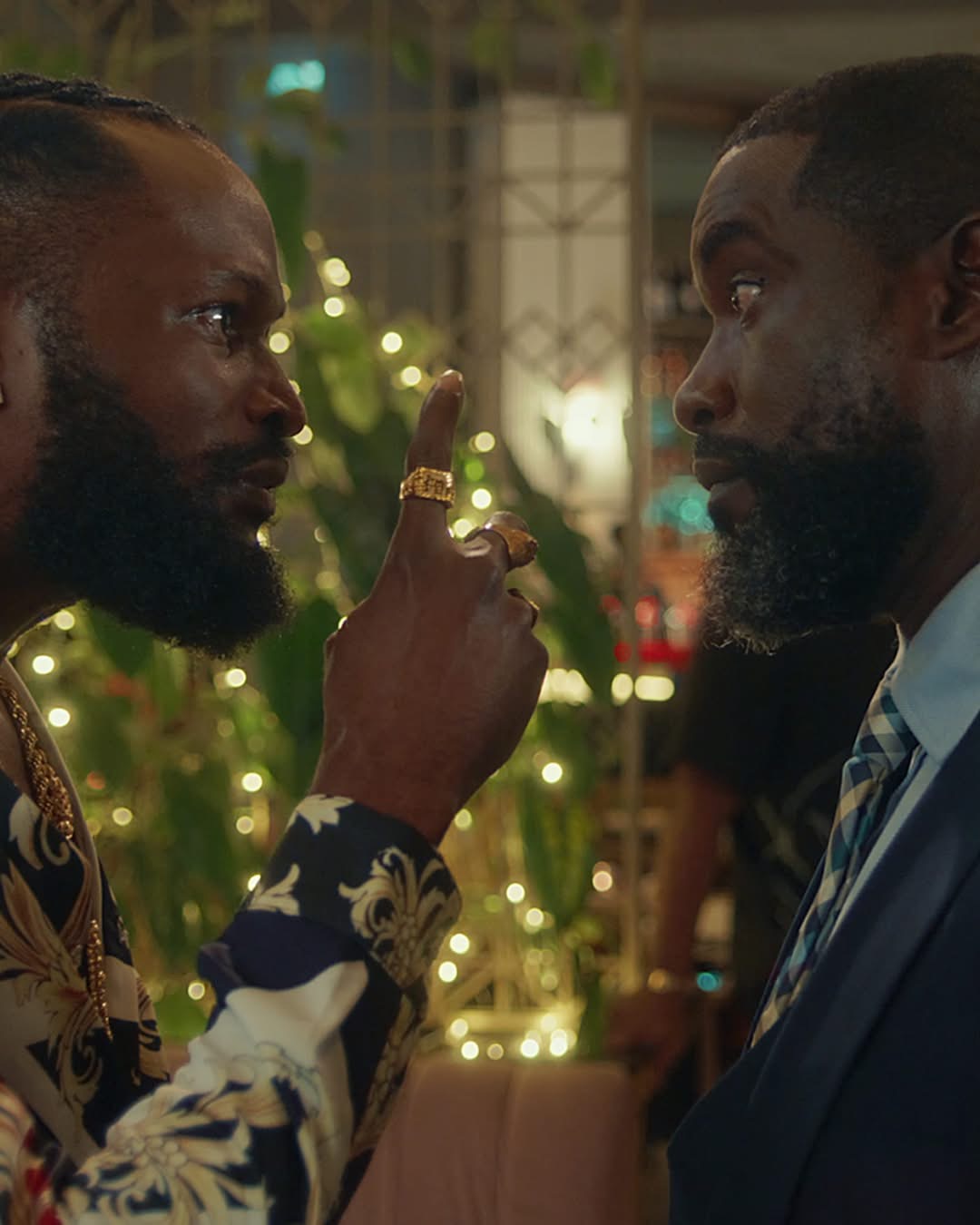
In To Kill a Monkey, the much‑anticipated Netflix crime thriller from Kemi Adetiba, Bucci Franklin plays Obuz, the flamboyant and enigmatic old friend who draws Efemini (William Benson) into a dangerous world of cybercrime. Franklin’s Obuz is more than a side character, he is the catalyst for Efemini’s moral unraveling and represents the seductive pull between ambition and destruction.

TKAM – Inspector Ogunlesi

Franklin’s portrayal is magnetic: charismatic, confident, and morally ambiguous a living paradox that rips Efemini’s life apart. He brings swagger and depth, embodying both salvation and snare. Critics describe his performance as “electric,” balancing glamour with menace in a role that demands nuance and narrative weight.

Strong Chemistry with William Benson

A Scene from TKAM – Williams Benson

Bucci Franklin’s dynamic partnership with William Benson, who portrays Efemini, lies at the heart of the drama. Benson’s character begins as a man drowning in desperation principled, yet vulnerable until Obuz enters his life offering access to wealth and power. That tension, friendship laced with control is grounded in convincing on-screen chemistry. Their relationship showcases Franklin’s ability to embody a character who is simultaneously alluring and destabilizing.

Together, they serve as a powerful us‑vs‑world duo, forcing viewers to ask: how far would you go to change your fate, and what might crush you along the way?

Connection with Ensemble Cast

A scene from TKAM Stella Damascus

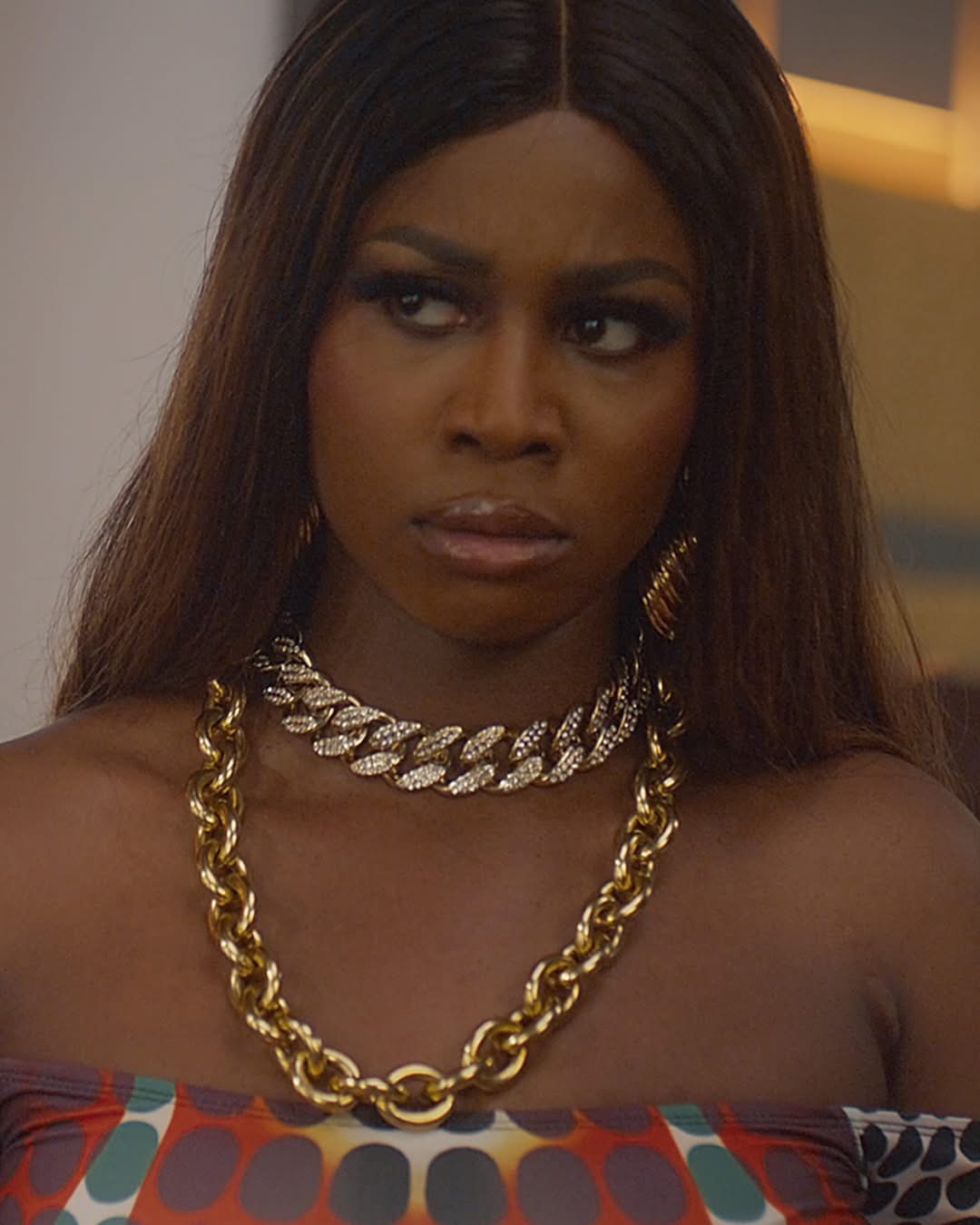
Beyond Benson, Franklin shares the spotlight with a star‑studded ensemble, including Stella Damasus, Bimbo Akintola, Michael O. Ejoor, Chidi Mokeme, Lilian Afegbai, Ireti Doyle, Teniola Aladese, and Sunshine Rosman. His character Obuz intersects deeply with Lilian Afegbai’s Idia, forming a pivotal couple whose relational strands complicate the narrative tension  .

The tight-knit ensemble under Adetiba’s direction elevates the series, each actor adds emotional texture and complement Obuz’s arc with moral grounding, betrayal, or familial stakes. The collective energy amplifies Franklin’s presence, making Obuz feel fully lived-in and integral .

Contributions to Nollywood’s Evolving Identity

Franklin is no novice. With notable roles in films like Rattlesnake and Far From Home, he’s created a reputation for performances that balance depth with charisma. His turn in To Kill a Monkey marks a further step in positioning him as a compelling lead actor capable of commanding complex narratives.

This series is significant for Nollywood partly because it’s Kemi Adetiba’s first major work without her longtime muse Sola Sobowale, signaling a bold thematic and casting shift. Franklin takes center stage instead, signaling confidence in a new generation of Nollywood talent. A role like Obuz could define him as part of the vanguard driving Nigerian content into the global streaming age.

Why Bucci Franklin’s Obuz Resonates

Catalyst is Key: Obuz represents both temptation and transformation, he’s the spark that ignites Efemini’s downward spiral.

Emotional Range: Franklin blends charm, ambition, and moral complexity in one layered performance.

Ensemble Connector: His relationship dynamics ripple across the cast especially with Benson and Afegbai, grounding the story in emotional tension.

Nollywood Evolution: In a post‑Sobowale Adetiba project, Franklin assumes the creative mantle shaping its tone and trajectory.

In Summary

Bucci Franklin’s portrayal of Obuz in To Kill a Monkey is no mere side‐role, it’s a turning point. He breathes electricity into Kemi Adetiba’s darker, leaner world. Franklin’s connection with William Benson and Lilian Afegbai deepens emotional stakes. As part of a sweeping ensemble, he helps anchor one of Nollywood’s boldest offerings yet.

In this series, Franklin is a true architect of tension. To Kill a Monkey doesn’t just change Adetiba’s style, it reshapes Franklin’s place in a Nollywood that’s redefining itself, frame by frame.

Mars Rock from Niger Sells for $4.3 Million at Auction


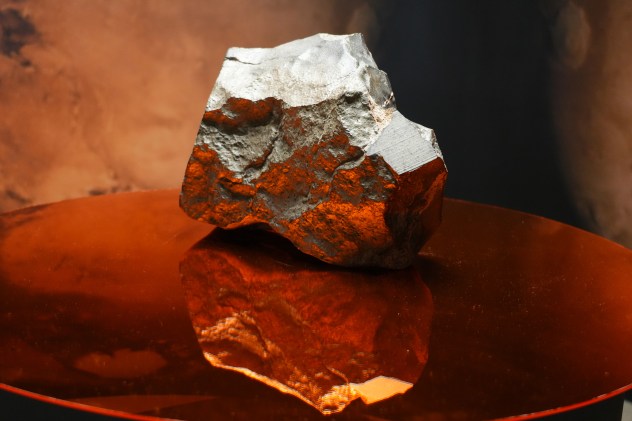
A 54-pound Martian meteorite, officially named Northwest Africa 16788 (NWA 16788), was discovered in Niger’s Sahara Desert in November 2023. On July 16, 2025, Sotheby’s in New York sold the rock at auction for a final bid of $4.3 million, which, after fees, totaled approximately $5.3 million, making it:

– The largest known piece of Mars ever found on Earth.

– Representing nearly 7% of all Martian material on our planet .

Laboratory analysis confirmed the meteorite is an “olivine-microgabbroic shergottite,” matching chemical signatures from NASA’s 1976 Viking Mars mission . With only about 400 Mars-origin meteorites identified out of over 77,000 total meteorites discovered, this specimen is exceptionally rare .

Cassandra Hatton, Sotheby’s vice-chairman for science and natural history, highlighted the meteorite’s prominence and its intact condition, which suggests it fell to Earth recently .

The sale was part of Sotheby’s Geek Week 2025, held at the American Museum of Natural History, and featured alongside a juvenile Ceratosaurus dinosaur skeleton that fetched $30.5 million . Debate continues over private versus institutional ownership of such rare scientific treasure.

Why does this Matter?

This meteorite offers a rare geological snapshot of Mars and could provide invaluable scientific insight.

Its historic sale—dramatically surpassing the estimated $2 – 4 million range—reflects growing public and private interest in extraterrestrial material.

Raises important questions about balancing scientific accessibility with private collecting.

Credit: Africanews

Uganda’s Election Season Sparks Supernatural Surge

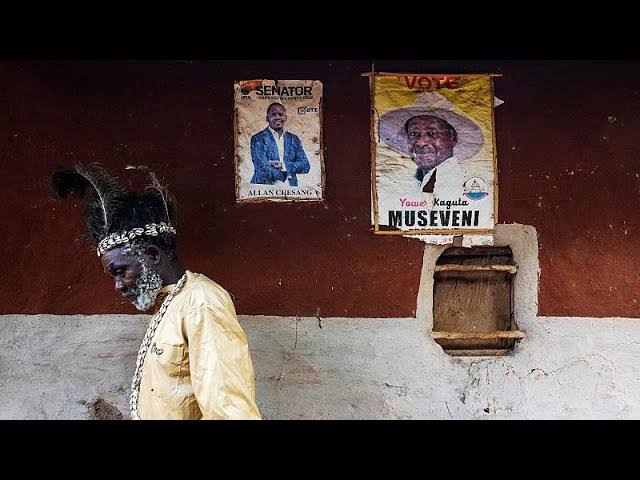
As Uganda approaches its general elections in January 2026, a surge in belief in witchcraft and supernatural influence is gripping the political landscape. Many candidates and voters alike believe that success or failure in elections can be heavily influenced by spiritual forces, prompting a dramatic rise in the use of traditional rituals and consultations with witch doctors.

In Mbale, a parliamentary aspirant, Wilson Watira, described avoiding a handshake with an opponent at a funeral, citing fears of supernatural attacks. Cultural researcher Steven Masiga noted that across Uganda, politicians often allocate part of their campaign budgets to pay witch doctors in hopes of spiritual protection or electoral victory.

The practice includes visiting shrines, performing rituals, and even carrying personal charms or avoiding eye contact—all meant to protect oneself from spiritual harm. Some ceremonies involve animal sacrifices, burning of herbs, or staying in seclusion before big political events.

Religious leaders have also raised alarms. Bishop Lawrence Mukasa of the Kasana-Luweero Diocese openly criticized the reliance on witchcraft, urging Christian politicians to reject occult practices and focus on prayer and integrity.

In Kamuli District, fear has turned personal and deadly. Former LC5 Chairman Thomas Kategere claimed he left politics after a series of strange occurrences, including a live chick found in his locked office and persistent illness that doctors failed to diagnose. Similarly, former district chairperson Salaam Musumba alleged there is a covert network of poisoners and herbalists targeting leaders. These suspicions intensified following the sudden death of Charles Mugude Kuwembula, a district chairman who collapsed mysteriously and later died. Musumba believes his death was linked to spiritual attacks and plans to expose the network at his burial.

President Yoweri Museveni, now 80, is expected to run for re-election, potentially against popular opposition leader Robert Kyagulanyi, also known as Bobi Wine. In such a high-stakes race, the blending of traditional beliefs and political maneuvering reveals a society where spiritual fears remain potent even in modern politics.

Credit: Africanews

Eswatini Confirms It Will Repatriate Immigrants Deported by the U.S

0
  1. The Trump administration recently deported five convicted criminals—from Vietnam, Jamaica, Laos, Cuba, and Yemen—to Eswatini, under a controversial third‑country deportation policy permitted by a recent U.S. Supreme Court ruling .

Eswatini’s acting government spokesperson, Thabile Mdluli, confirmed that the individuals are currently being housed in isolated units within the country’s correctional system. She emphasized that they pose no threat to public safety and that their continued stay is temporary .

Crucially, Eswatini stated it will not function as a permanent host. Instead, the government has committed to collaborating with the International Organization for Migration (IOM) to arrange eventual repatriation of the deportees to their respective countries of origin . Eswatini’s government described the arrangement as the outcome of months of high-level negotiations with the U.S., asserting that all normal diplomatic protocols and risk assessments were followed .

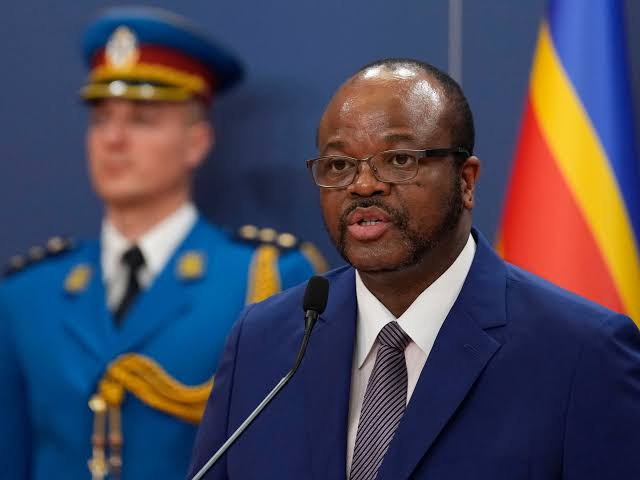
Eswatini, Africa’s last absolute monarchy under King Mswati III, received the individuals under caution due to the country’s history of human rights concerns, including political repression and poor prison conditions .

Credit: Africanews

Five Deported from US to Eswatini Over Criminal Convictions

0

The Trump administration has deported five foreign nationals—from Vietnam, Jamaica, Laos, Cuba, and Yemen—to Eswatini after their home countries refused to take them back due to their serious criminal convictions. These individuals were convicted of crimes including murder, child rape, and gang-related offence.

According to the U.S. Department of Homeland Security, the five men were considered “uniquely barbaric” and dangerous to American communities. The deportation was carried out under a U.S. Supreme Court ruling that allows deportations to third countries even when the individuals’ countries of origin refuse to accept them. This policy change permits removals without detailed case-by-case reviews, sometimes with less than six hours’ notice.

Eswatini, a small southern African monarchy ruled by King Mswati III, has accepted the individuals temporarily. According to government spokesperson Thabile Mdluli, the deportees are being held in isolation and do not pose a threat to the public. Plans are in place to eventually repatriate them to their countries of origin through assistance from the International Organization for Migration (IOM).

The move has sparked serious concern among human rights groups, who point to Eswatini’s poor human rights record, including reports of police brutality, lack of due process, and overcrowded prisons. Critics argue that sending vulnerable individuals to a country with such conditions may violate international human rights laws and standards.

This deportation is part of a broader strategy by President Donald Trump to remove foreign criminals whose countries decline repatriation, with other similar deportations being considered for South Sudan, El Salvador, Costa Rica, and possibly Rwanda.

Credit: Africanews

SOUTH AFRICA: Eskom Targets Mainly Clean Energy Sources by 2040

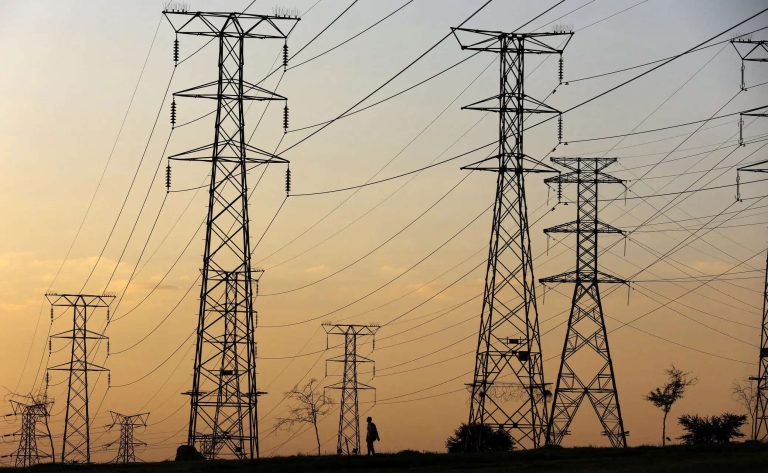
Eskom, South Africa’s state-owned power utility, has announced plans to transition its electricity generation to rely primarily on clean energy sources by the year 2040. The move is part of a broader strategy to combat climate change, improve energy security, and modernize South Africa’s power sector.

Currently, Eskom generates most of its electricity from coal. Under its new plan, it intends to cut its coal-fired capacity from 39 GW to 18 GW while increasing renewable energy capacity from less than 1 GW today to 32 GW by 2040. This transformation includes converting some of its aging coal plants into facilities powered by renewables or natural gas.

To drive this transformation, Eskom will establish a dedicated renewable energy unit. This unit will coordinate investments, lead development efforts, and partner with the private sector to bring new green projects online.

By 2030, Eskom aims to deliver 5.9 GW of clean energy, supported by a project pipeline of at least 2 GW already in progress. However, major financial and infrastructure challenges remain. Eskom is currently burdened with R400 billion (about $22 billion) in debt, struggles with unpaid municipal bills, and faces issues related to underpriced tariffs that hinder investment capacity.

In addition to funding, South Africa needs to invest around R440 billion in transmission infrastructure over the next 10 years to accommodate the growing number of renewable projects and expand regional power trading.

Eskom’s clean energy roadmap is part of a broader “just transition” strategy that emphasizes the creation of up to 300,000 green jobs and social support for communities affected by the shift away from coal. One example is the Komati power station, which is being repurposed into a solar and battery storage facility—a pilot for future community-based renewable projects.

Despite obstacles, this plan signals a bold shift in South Africa’s energy direction. Eskom’s strategy supports national climate goals and represents a significant step toward modernizing Africa’s most industrialized electricity system.

Credit: Africanews

12 Countries Adopt Measures to Pressure Israel to End Military Action in Gaza

0

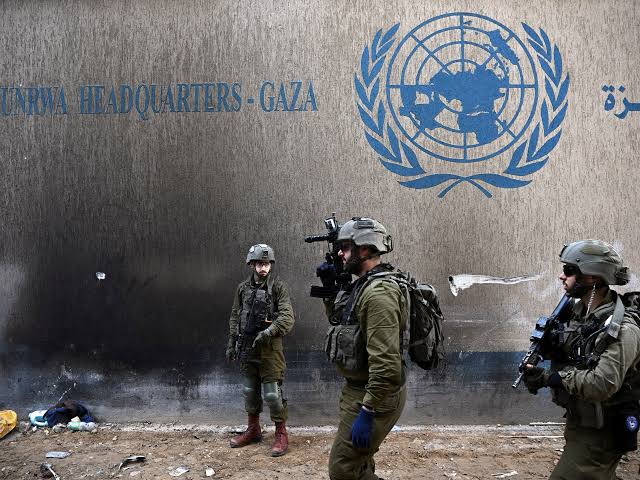
A coalition of 12 countries has taken strong diplomatic steps to pressure Israel into halting its military operations in Gaza and lifting the ongoing blockade that has led to severe humanitarian consequences.

Seven European countries—Iceland, Ireland, Luxembourg, Malta, Slovenia, Spain, and Norway—issued a joint declaration urging Israel to “immediately reverse its current policy,” end military offensives, and lift restrictions preventing humanitarian aid from reaching Gaza’s civilians.

In a parallel move on 19 May, the UK, France, and Canada condemned Israel’s renewed military campaign. The UK’s Foreign Secretary David Lammy called the offensive “morally unjustifiable.” These countries responded by suspending trade talks with Israel and imposing sanctions on certain Israeli settlers in the West Bank.

Jordan, represented at the UN Security Council by Mahmoud Daifallah Hmoud, demanded that aid crossings be opened immediately and called for Israel to stop mass displacements and comply with international humanitarian law.

On 13 June, the UN General Assembly passed a resolution with a vote of 149–12, demanding an “immediate, unconditional and permanent ceasefire” in Gaza. Although earlier efforts were blocked by a U.S. veto in the Security Council, this General Assembly vote carried strong symbolic weight and urged all member states to use lawful means to pressure Israel into compliance.

Meanwhile, UN Special Rapporteur Francesca Albanese urged countries to sever diplomatic and economic ties with Israel and to support the International Criminal Court’s arrest warrants for Israeli Prime Minister Benjamin Netanyahu, citing possible violations of international law.

Palestinian voices and global advocates echoed these demands at international forums—including one held in Bogotá—pushing for further accountability and an end to the Gaza blockade.

Credit: Africanews