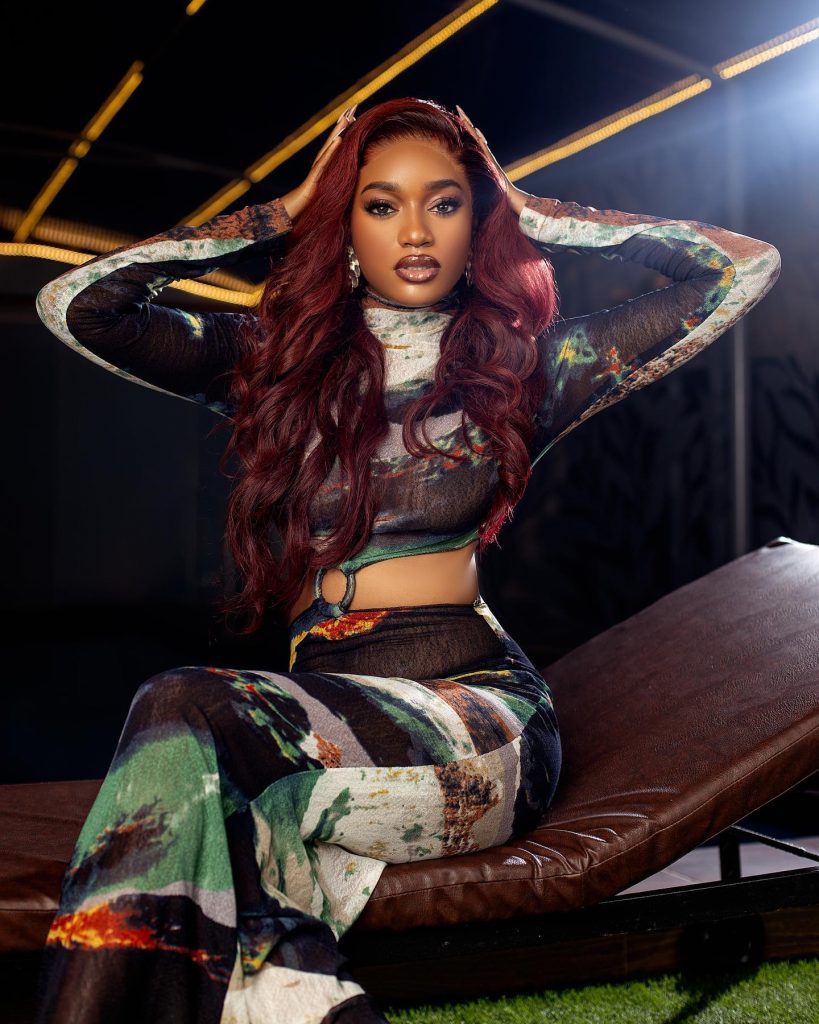
Beauty Queen “Beauty Tukura” indeed looks good in just about anything. But when it comes to posing for a photoshoot, the reality star proves time and again that you can be comfortable, fun, or even tell a beautiful story without uttering words.
As Africa experiences a rapid digital transformation across sectors like fintech, e-commerce, AI, and blockchain, legal frameworks across the continent are struggling to keep pace. This mismatch creates risks for innovation, user protection, and regional collaboration.
A report by Naspers and MISTRA suggests that South Africa could benefit from regulatory sandboxes that allow startups to test new services under lighter regulation, potentially unlocking R91.4 billion ($5 billion) in value by 2035.
In Nigeria, the “digital free zone” developed by Itana, co-led by Iyinoluwa Aboyeji, operates in the Lekki Free Zone and is backed by global investors like Binance and the Charter Cities Institute. This setup raises both excitement and concerns about equity and governance.
Blockchain technologies are being tested for land rights by initiatives like Bitland in Ghana and Medici Land Governance in Zambia, but legal recognition of blockchain-based records remains limited.
While many African countries have enacted data protection laws, implementation is uneven. The Malabo Convention, a continental cybersecurity treaty, has been ratified by only 16 African nations. Countries like Kenya, South Africa, and Rwanda have made progress, but most still lack independent enforcement agencies.
Efforts by the African Union (AU), ECOWAS, and SADC aim to harmonize digital governance frameworks, but overlapping laws continue to complicate regional integration.
Legal-tech tools are gaining ground among law firms, yet there is a strong need for “digital-savvy lawyers,” as emphasized by experts such as Tunde Okewale OBE, to handle the complexity of tech-driven legal challenges.
The legal gap not only slows innovation but also puts users at risk and hinders Africa’s full participation in the global digital economy. Strengthening laws, building legal capacity, and harmonizing regional frameworks will be key to unlocking Africa’s digital future.
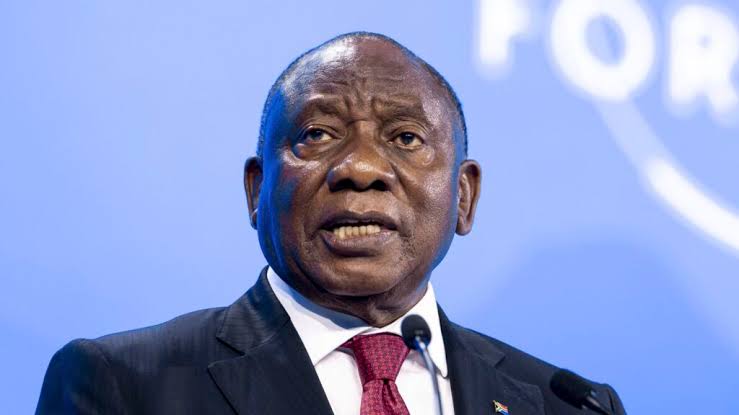
In July 2025, South African President Cyril Ramaphosa suspended Police Minister Senzo Mchunu and appointed Firoz Cachalia as acting minister, following serious allegations of corruption and interference in police investigations. The move came after KwaZulu-Natal Police Commissioner Nhlanhla Mkhwanazi accused Mchunu and Deputy Commissioner Shadrack Sibiya of disbanding a task force investigating political killings and colluding with criminal networks.
Mkhwanazi presented digital evidence, including WhatsApp messages, indicating that a criminal syndicate had infiltrated key state institutions such as the police, judiciary, and correctional services. In response, Ramaphosa announced a judicial commission of inquiry chaired by Acting Deputy Chief Justice Mbuyiseli Madlanga, with findings expected in interim reports over the next six months.
While Senzo Mchunu denies all accusations, calling them “baseless,” the political fallout has been significant. Opposition parties such as the Democratic Alliance and Economic Freedom Fighters have called for his permanent removal, criticizing Ramaphosa’s decision to place him on leave rather than dismiss him outright.
This crisis poses a major challenge to Ramaphosa’s Government of National Unity and comes amid broader concerns over South Africa’s high crime rate, which the World Bank estimates costs the economy nearly 10% of its GDP annually. The scandal could also impact Mchunu’s standing within the ANC, where he was seen as a potential 2027 leadership contender.
The outcome of the commission could determine not only the future of Senzo Mchunu but also the credibility of Ramaphosa’s ongoing anti-corruption efforts.
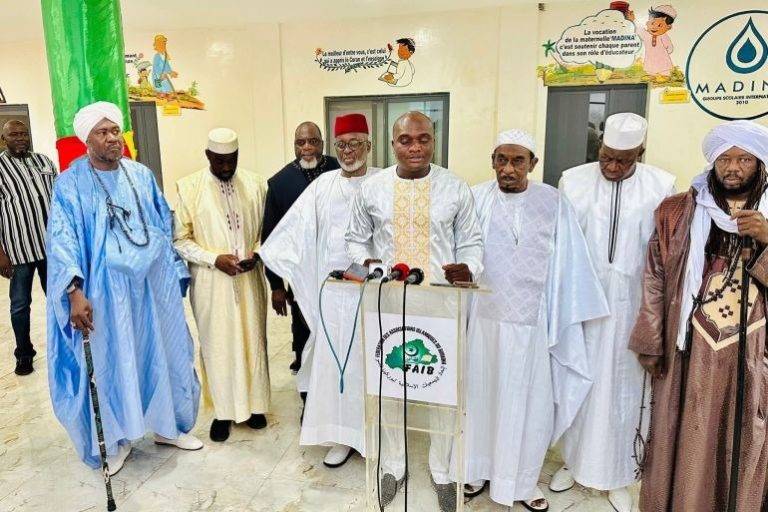
In July 2025, nearly 250 imams and Islamic preachers from across Burkina Faso convened in Ouagadougou for a national workshop organized by the Federation of Islamic Associations of Burkina (FAIB). The gathering aimed to combat the rising spread of hate speech and extremist content on social media, which has increasingly contributed to division and radicalization across the country.
The event introduced a new code of conduct urging religious leaders to refrain from using violent or divisive language both in public preaching and online. Sanctions for violations include up to two years preaching ban and possible legal consequences. The initiative was sparked by a recent video where a preacher incited violence against another Muslim congregation—an act FAIB condemned as a “dangerous deviation in religious discourse.”
This comes at a time when Burkina Faso is facing a surge in extremist violence, with a 68% increase in terrorism-related deaths, making it the deadliest country for such fatalities globally. The UNDP and other international agencies have warned that social media platforms are being exploited to recruit and radicalize youth in the Sahel region.
FAIB’s move aligns with recent government efforts to regulate hate speech. The Ministry of Security has issued legal warnings, and the Superior Council of Communication now requires religious broadcasts to be screened before airing to avoid live incitement. FAIB has a history of promoting unity, previously rallying 700 imams in 2022 to denounce religious and ethnic intolerance.
The initiative reflects a growing effort in Burkina Faso to merge religious leadership with digital responsibility, offering a grassroots model for peacebuilding in a region facing chronic insecurity.
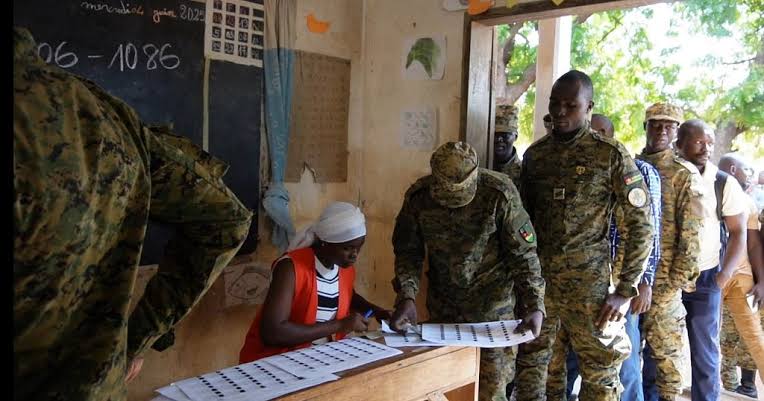
Togo’s municipal elections, originally set for July 10 but postponed to July 17, 2025, include an early voting phase on July 14 for security, defence, and paramilitary personnel. This measure ensures these forces can vote before assuming their election-day security duties .
In Lomé, the process unfolded calmly and in an orderly manner, according to local polling station officials . The opening of this phase signals both logistical preparation and symbolic importance, especially given the high stakes surrounding control of municipal councils.
However, this election cycle isn’t without tension: some civil society groups designated the early vote period as days of mourning through July 14–15. Meanwhile, web-based activists from the pro-democracy M66 movement planned online protests on July 16–17 . These gestures reflect broader unrest tied to recent electricity price hikes, harsh crackdowns on critics, and constitutional changes that critics say deepen President Faure Gnassingbé’s hold on power .
Campaigning is currently underway, with the ruling UNIR pushing messages of continuity and stability, while key opposition parties are asserting participation despite some boycott calls .
In June 2025, Nigeria’s headline inflation eased to 22.22% year-on-year, down from 22.97% in May—marking the third consecutive monthly decline, according to the National Bureau of Statistics . This follows a significant drop in January after the consumer price index was rebased, but the pace of decrease has since slowed .
However, this modest improvement masks ongoing economic strain:
– Food inflation remains elevated, rising from 21.14% to 21.97% in June .
– Month-on-month, the Consumer Price Index increased, signaling persistently rising prices for essentials like food, transport, and housing .
Economic hardship has fueled public discontent, as reflected in recent demonstrations protesting the high cost of living .
The Central Bank of Nigeria has held interest rates steady at recent meetings, awaiting more sustained disinflation before considering policy adjustments; it is set to meet again next week and could use these dynamics to guide future decisions .
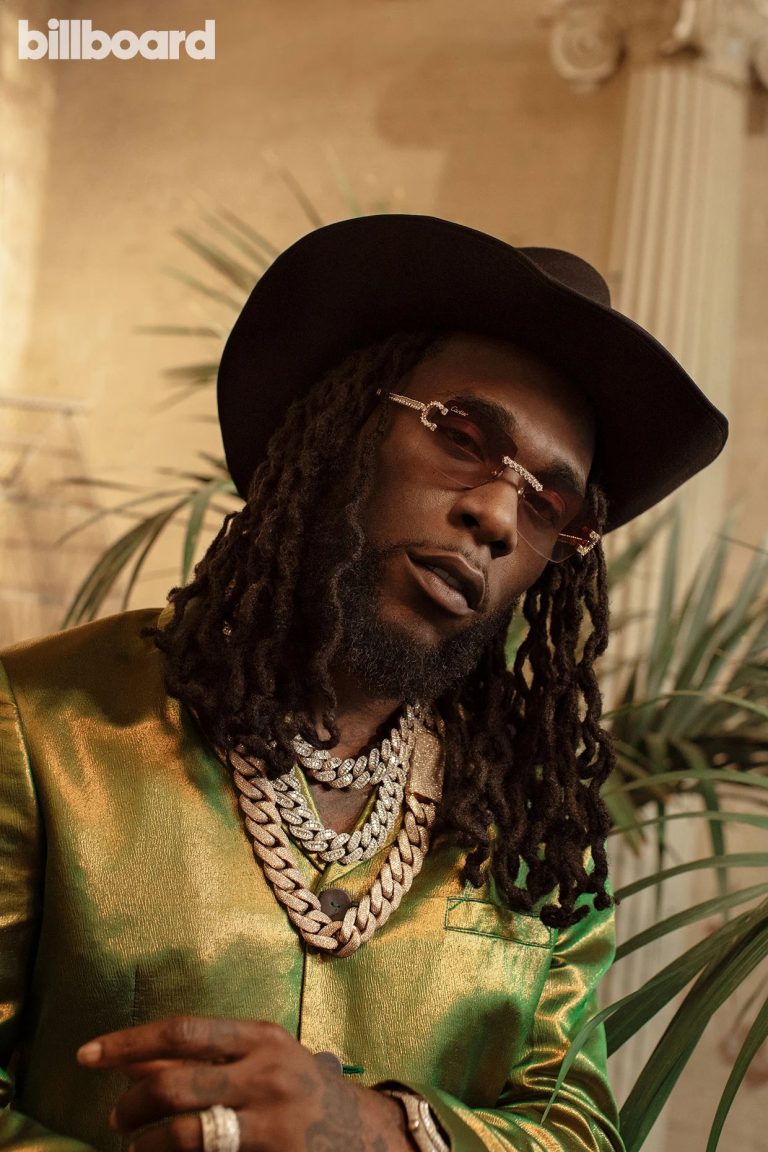
In 2023, Burna Boy real name Damini Ogulu sparked widespread backlash when he said on an interview with Apple Music’s Zane Lowe that most Afrobeats music “literally has no substance,” claiming around 90% of songs lacked real-life experience and were about “nothing, just a great time.” His remark divided fans and prompted reactions from fellow musicians and critics.
On July 16, 2025, Burna Boy issued a public apology, explaining that the comment stemmed from a period when he was mentally in “a dark place.” He clarified that calling himself an “Afrofusion” artist was never meant to diss Afrobeats, but to express how his sound didn’t fit into that specific box. He acknowledged Afrobeats as a necessary umbrella genre that helped African artists gain global recognition, and said he now understands “why the tag matters.” Burna Boy concluded: “I apologise for the misunderstanding. We need to stick together.”
The apology marks a turning point following the tensions caused by his initial critique of the genre, which had led to debates across the African music industry and conflict over genre identity.
Aliko Dangote, Chairman of Dangote Group, is shaking up Nigeria’s space by slashing Liquefied Petroleum Gas (LPG) prices. Announcing plans to reduce the nationwide cost of cooking gas (currently ₦1,000–₦1,300/kg), he revealed his refinery produces around 2,000 tonnes daily, with the goal to ramp up to 22,000 tonnes to make gas more affordable and shift households away from firewood and kerosene .
But this aggressive move has drawn sharp criticism from LPG marketers, who have accused Dangote of seeking a content monopoly. Godwin Okoduwa, ex-Chair of the Lagos Chamber’s LPG downstream group, stressed that growth was achieved through collaboration—not monopolization. He criticised Dangote for potentially undermining industry players who helped expand the market from 70,000 tonnes in 2007 to over 1.3 million tonnes in 2022 . Similarly, Bassey Essien, CEO of the Nigerian LPG Marketers Association, expressed doubts that Dangote could really crash prices and urged for fairness .
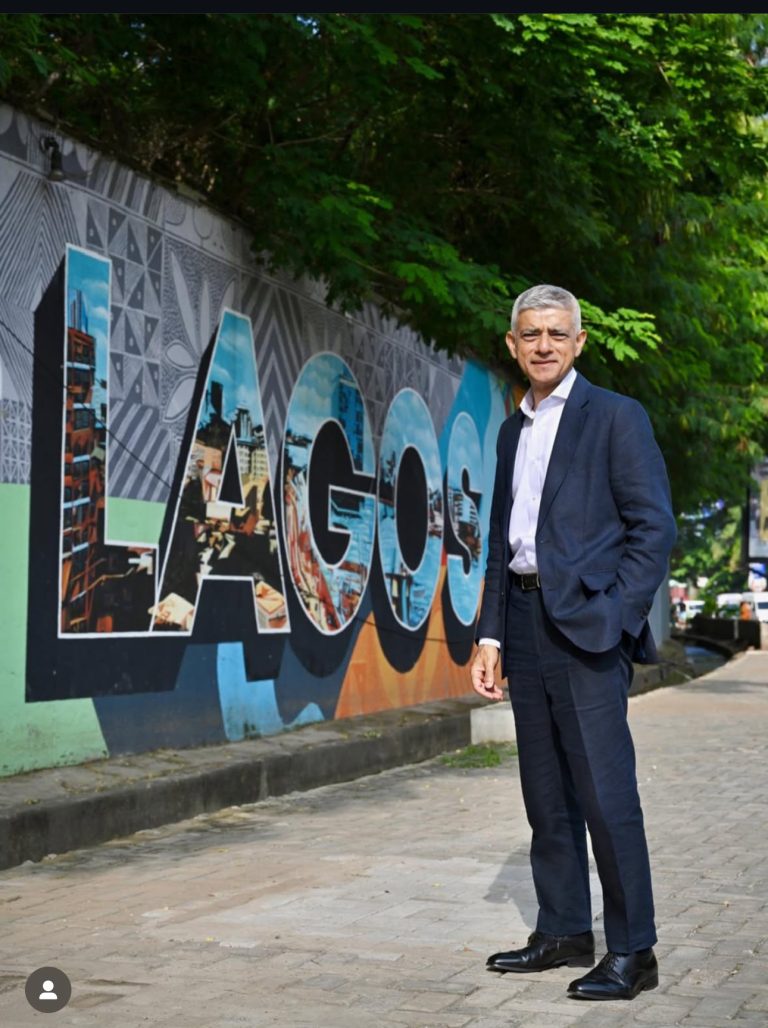
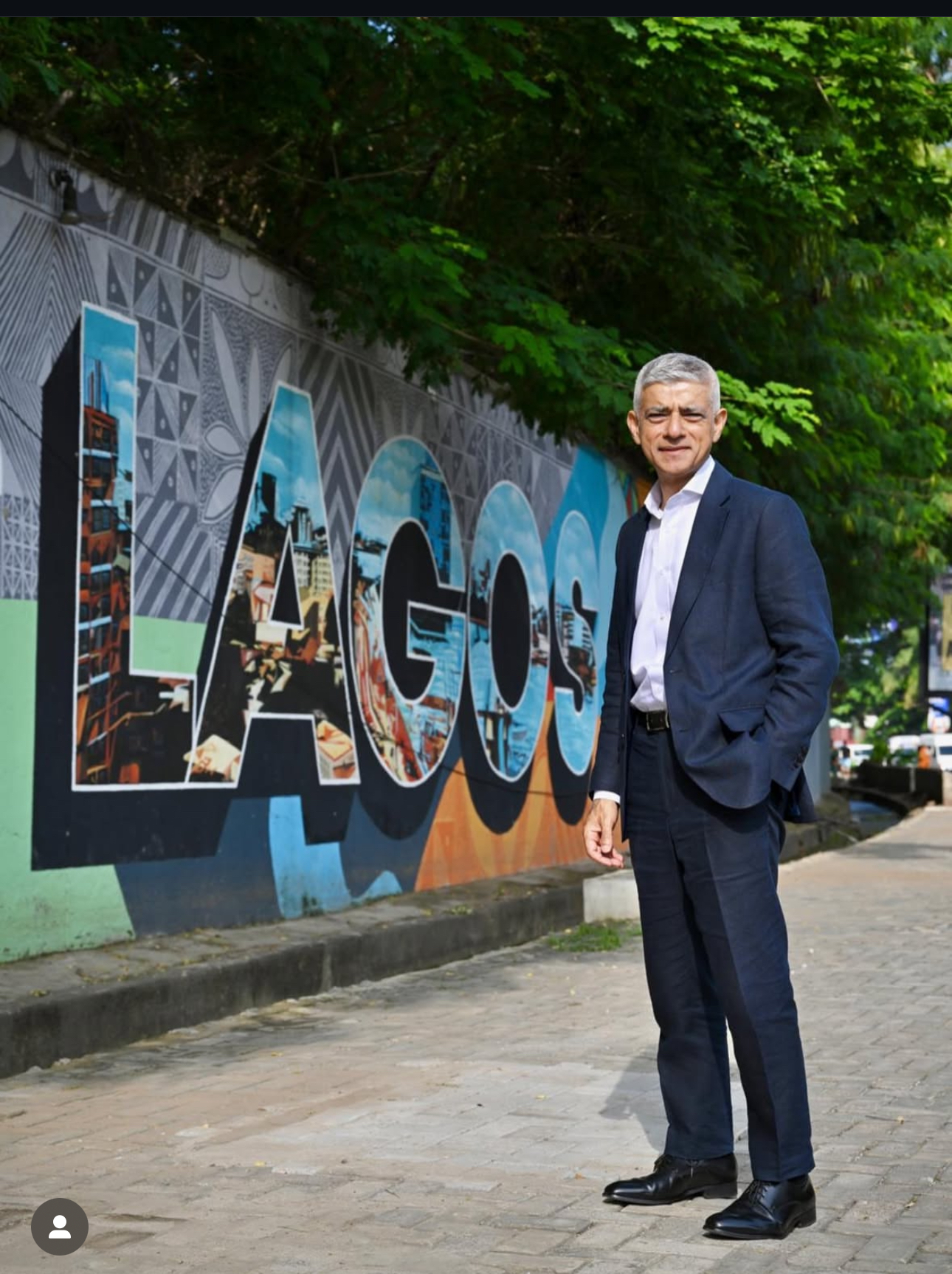
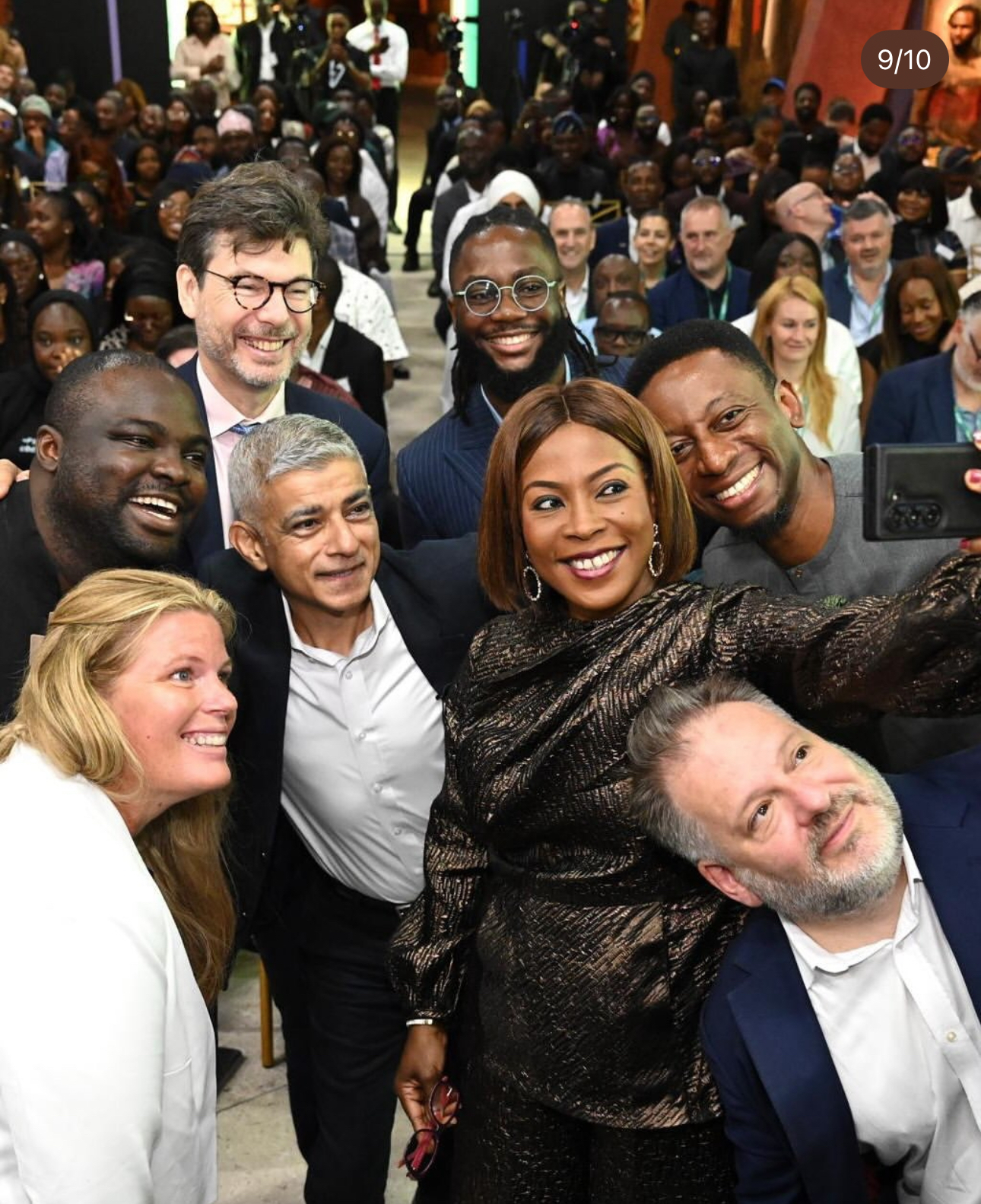
Mayor of London Sadiq Khan visited Lagos, Nigeria, as part of his first-ever African trade mission aimed at boosting ties between the UK and Africa. His visit focused on building collaboration between London and Lagos in the areas of technology, business, and the creative industries.
Mayor of London in Lagos
During his visit, Sadiq Khan participated in a tech summit where he met with Nigerian startups and tech leaders to explore investment and business opportunities. Lagos was highlighted as the fastest-growing tech ecosystem in the world, and the discussions centered on how Nigerian startups could expand into the London market.
Khan also attended the Lagos Canvas cultural showcase co-hosted by Mo Abudu, which featured performances by artists like Konstance and exhibits by Nollywood creatives such as Jade Osiberu and Kayode Kasum. A London edition of this cultural event is expected to take place later this year.
He emphasized that Nigeria’s creative sector contributes $5.6 billion to its GDP and is the second-largest employer in the country. His delegation included representatives from 26 UK companies, many of which are leaders in fintech, sustainability, and enterprise.
Khan met with Nigerian business leaders from organizations such as Dangote Group, Unilever, Reckitt, and IHS Towers, and was accompanied by the British Deputy High Commissioner Jonny Baxter and London & Partners’ Howard Dawber.
This visit was aimed at fostering deeper cooperation between London and Lagos, unlocking mutual growth opportunities in technology and the creative economy, and building bridges between the two cities’ business communities.
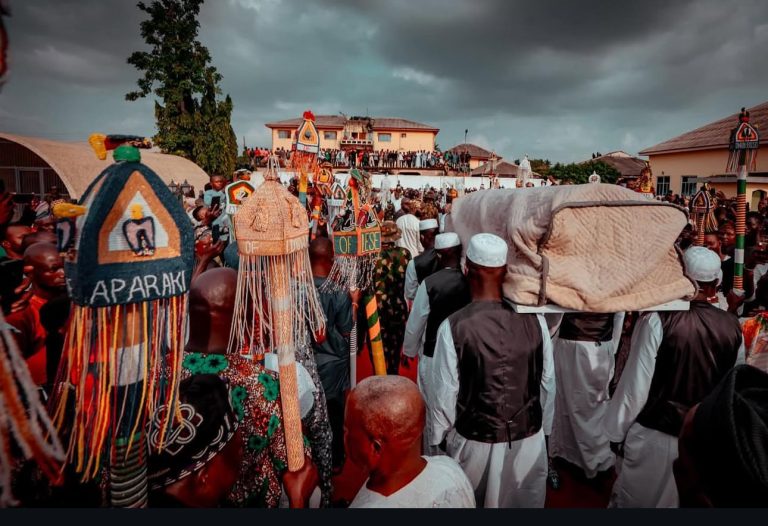
ON THE NON-TRADITIONAL BURIAL OF HIS ROYAL MAJESTY, OBA (DR.) SIKIRU ADETONA, GCON, OGBAGBA II, THE AWUJALE AND PARAMOUNT RULER OF IJEBULAND
Date:13/07/2025
Issued by: Concerned Sons and Daughters of Ijebuland
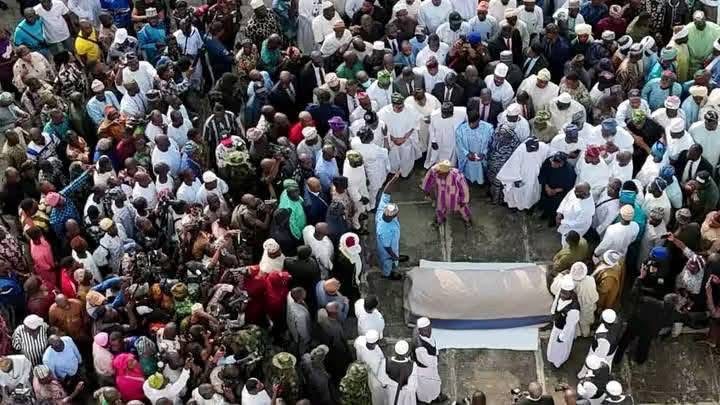
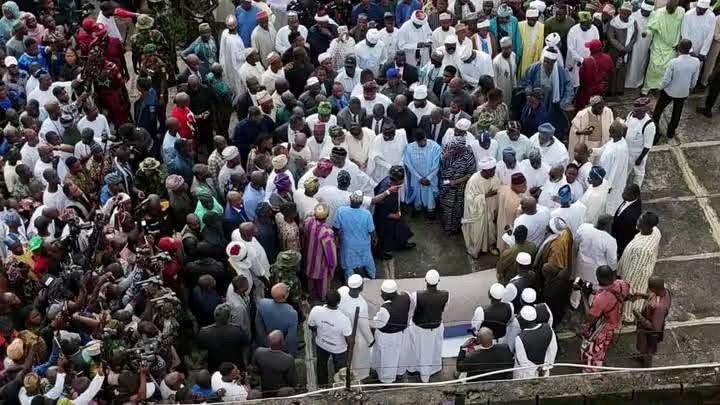
It is with a heavy heart and a deeply troubled spirit that we condemn in the strongest cultural and spiritual terms the decision to bury our revered monarch, the Awujale of Ijebuland, outside the sacred grounds of Igbo Odu, the traditional resting place of our fathers.
This act is not merely a deviation it is an abomination.
> “Eku may no longer cry as eku, eja may no longer cry as eja, and Omo eniyan may no longer speak with the dignity of mankind…”
These are not empty words; they echo the depth of our spiritual fears and ancestral warnings. To bury the custodian of our culture, our history, and our soul within the confines of his personal residence, rather than within the sacred earth prepared by our forebearers, is to shake the foundations of Ijebuland’s spiritual covenant.
Let it be known that:
This act violates centuries of ancestral protocols.
It threatens the spiritual continuity of our kingship.
It invites ancestral vengeance, disrupts communal harmony, and may plague generations yet unborn with confusion and misfortune.
Muslim Burial Rites
The Awujale was not a mere mortal in our eyes; he was Orisa, a symbol of divine authority and as such, he deserved not just our respect in life, but the sacred transition owed to every true monarch in death.
We therefore call on the Council of Chiefs, royal lineage, custodians of Ijebu traditions, and all well-meaning sons and daughters of the land to:
1. Review and correct this abomination, if at all still spiritually possible.
2. Ensure this unholy precedent is not repeated or normalized.
3. Convene a reconciliation with the ancestors to appease the offended spirits.
The abomination in Yoruba land, especially Ijebu which is home of traditions and cultural heritage
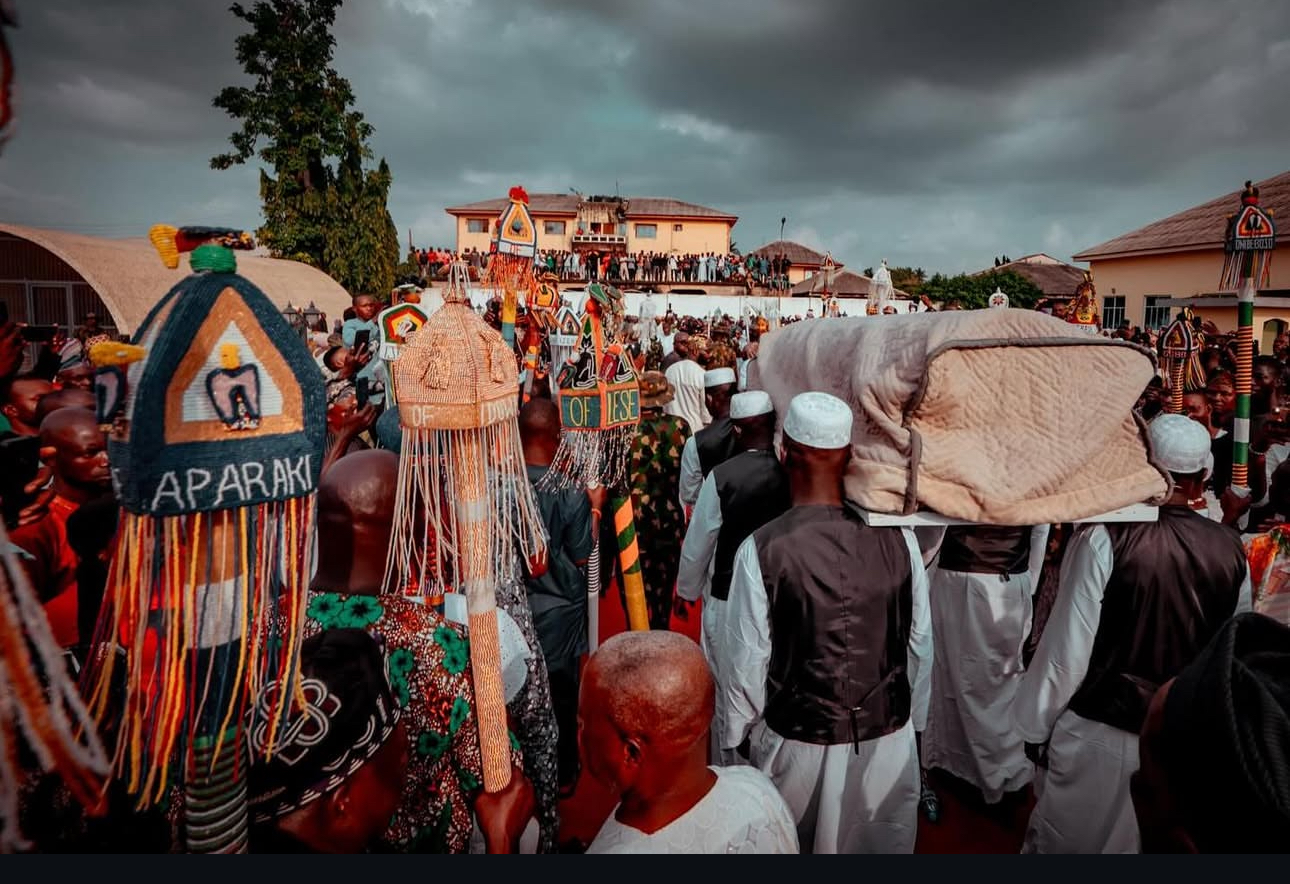
The place where Obas (traditional kings) are buried is traditionally known in Yoruba culture as “Ile Odù” or “Igbo Orò” or “Ìgbó Olófin or Igbo Oloja” depending on the town or kingdom.
It is often a sacred forest or ancestral shrine set aside specifically for the burial of kings and sometimes high-ranking traditional chiefs. The exact name may vary from one Yoruba kingdom to another, but the concept is the same,a spiritually significant place reserved solely for royal burials.
*_WHY ARE OBAS BURIED DIFFERENTLY_*?
Obas are not buried like ordinary people because:
1. Spiritual Continuity: Obas are believed to be semi-divine or representatives of the gods on earth (e.g. some are seen as descendants of Oduduwa or Oranmiyan). Their burial is considered a transition to the ancestral realm.
2. Preservation of Sacred Knowledge: Some believe certain rituals must be performed to transfer spiritual authority and protect the kingdom from chaos.
3. Cultural Tradition: The process is tied to long-standing customs, often involving traditional rites, secret societies (like the Ogboni’s,Osogbo’s or Oro cult), and kingmakers.
4. Protection of Royal Secrets: The location and method of burial often remain secret to protect the sanctity of the royal stool and kingdom.
What Happens If a King Is Not Buried in the Designated Place?
Disregarding these traditions is believed to have serious consequences:
1. Spiritual Disruption: It is feared that the spirit of the king may not rest or may become vengeful, causing unrest in the kingdom.
2. Cultural Desecration: It is seen as an abomination, which could invite curses, misfortune, or disunity within the community.
3. Loss of Legitimacy: Future kings may be seen as illegitimate if the predecessor was not properly buried, affecting traditional authority and rites.
4. Ancestral Disconnect: It disrupts the line of spiritual succession and communion with the ancestors, which is vital in Yoruba cosmology.
It’s Abomination to Yoruba land when all the spiritual rites are not thoroughly put in place for any king in our society
May the land forgive us.
May the ancestors find a voice again And may Ijebuland not become a shadow of herself.
One institution I respect, revere, fear, honour, and adore with every fibre of my being is the ancient and spiritually grounded institution of traditional rulership. Having grown up in the palace of the Timi of Ede, nurtured under the cultural tutelage of the late Oba Adetoyese Laoye — a monarch who adopted me as a son — I developed a deep, personal understanding of what it truly means to be a traditional ruler.
Thus, I fully grasp the weight of the saying: “Uneasy lies the head that wears the crown.”
To be traditionally enthroned is neither a joke nor a ceremonial wish. It is not a social upgrade. It is a spiritual initiation into a sacred order. Tradition is weighty, solemn, and awe-inspiring. That is why the blue blood that courses through royal veins is not injected into just any Ojo, Dada, Aina, or Ilori. It is a divine calling, not a casual status.
This is why I have never stood akimbo before a king. Idobale ni, Sir. And it is also why I have, on principle, declined several offers of chieftaincy titles — whether honorary Otunba or otherwise — because I do not take tradition lightly.
Anyone who is made and crowned a king — having passed through all the traditional processes, rites, and spiritual fortifications — has, from the beginning, willingly agreed to live in complete alignment with tradition. By accepting the throne, he has also accepted the customs surrounding his departure — including being buried according to the rites of the ancestors.
A throne anchored in tradition cannot be divorced from the rites that established it. The institution of traditional rulership is built on ancestral customs that predate colonialism, Christianity, and Islam. It is, therefore, a contradiction — even a cultural betrayal — for any monarch who ascended the throne through traditional means to reject the same tradition in death.
No one is forced to become a traditional ruler. In fact, the competition for royal stools in many Nigerian communities is intense — sometimes vicious. Aspiring monarchs undergo rigorous screening, lineage verification, spiritual rituals, and secret initiations. Some spend fortunes lobbying kingmakers, others file lawsuits, and some even compromise moral lines — all to wear the crown. Why? Because the stool represents not just authority, but spiritual and cultural custodianship.
To accept the crown is to swear — in word, in deed, and often in blood — to uphold the traditions of the land. These traditions include the rites of enthronement and the rites of passage into the ancestral realm. These are not symbolic gestures. They are the sacred pillars upon which the legitimacy of the throne rests.
It is, therefore, morally and culturally indefensible for a traditional ruler — after benefiting from the prestige and sacredness of the throne — to suddenly reject traditional burial on account of modern preferences or religious conviction. That is like changing the rules of a game in the last minute. It is disruptive, dishonourable, and dangerously revisionist.
Take the case of the late Alaafin of Oyo, Oba Lamidi Adeyemi III. Despite being a devout Muslim and a modern intellectual, he submitted himself to the full traditional rites — both in life and in death. He understood that personal beliefs must never override the ancestral obligations of the crown. Similarly, the late Ooni of Ife, Oba Okunade Sijuwade, though a Christian, was also buried according to tradition. These were men who recognized that once you choose the path of tradition, you must follow it to the very end.
Contrast this with growing attempts by some monarchs to be buried in modern cemeteries, abroad, or according to religious doctrines alien to the throne. These acts not only generate confusion and spiritual anxiety within the community, but they also desecrate the throne and threaten the legitimacy of succession. In some places, failure to complete traditional burial rites can stall the appointment of a new king, as the ancestors remain unappeased.
Let it be clear: a traditional ruler is not merely a political figure. He is the living embodiment of the people’s heritage, the intermediary between the living and the dead, the voice of the ancestors. His life — and his death — must reflect the customs he swore to uphold. He cannot pick and choose which parts of the culture to honour and which to discard.
Allowing monarchs to opt for “modern” or “religious” burials opens the floodgates for cultural erosion. What happens when the next Oba insists on a digital coronation via Zoom? Or chooses a corporate suit over royal regalia? Will he preside over traditional festivals with a laptop? This is the absurdity that awaits when we start diluting sacred institutions for personal convenience.
Let me be clear: this is not an attack on religion. Nigeria is a pluralistic society, and every citizen is free to practise their faith. But once you accept the traditional stool, you inherit a spiritual contract that transcends personal belief. You cannot rewrite the script midway, nor change the costume in the final act of the ancestral play.
Consistency is the soul of tradition. The sanctity of the stool lies not just in beads, crowns, and palace architecture, but in the rituals that validate it — especially the rites of transition. Our traditional rulers must remember that their authority is drawn from the very customs they pledged to honour. They cannot take the oath of Ogun and desire to die like a tourist.





 He emphasized that Nigeria’s creative sector contributes $5.6 billion to its GDP and is the second-largest employer in the country. His delegation included representatives from 26 UK companies, many of which are leaders in fintech, sustainability, and enterprise.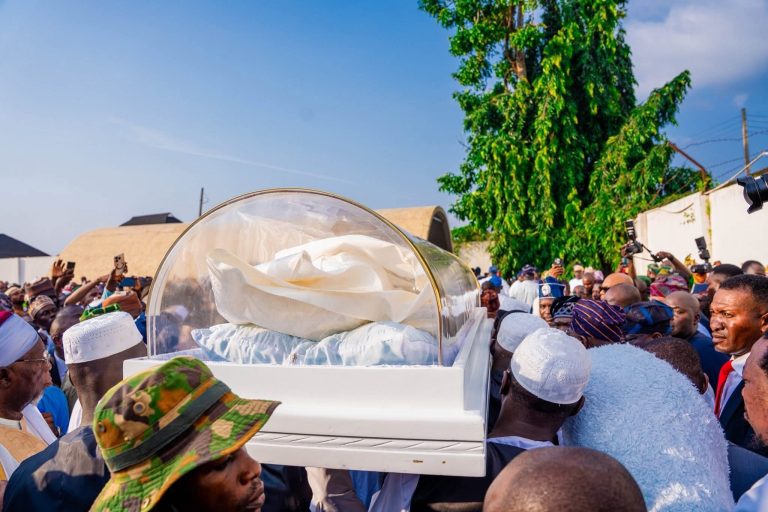
 The place where Obas (traditional kings) are buried is traditionally known in Yoruba culture as “Ile Odù” or “Igbo Orò” or “Ìgbó Olófin or Igbo Oloja” depending on the town or kingdom.