



The Central Bank of Nigeria’s decision to issue eighty-two new Bureau De Change licences has unsettled Abuja’s foreign exchange community, with operators and analysts cautioning that the move could add fresh pressure to a market still recovering from previous regulatory disruptions.
The approvals are part of the bank’s broader reform agenda, aimed at rebuilding the FX market after several years marked by shifting policies, clampdowns on operators, and recurring liquidity shortages. The CBN describes the new licences as a measure to widen participation, improve transparency, and strengthen compliance standards across the retail segment.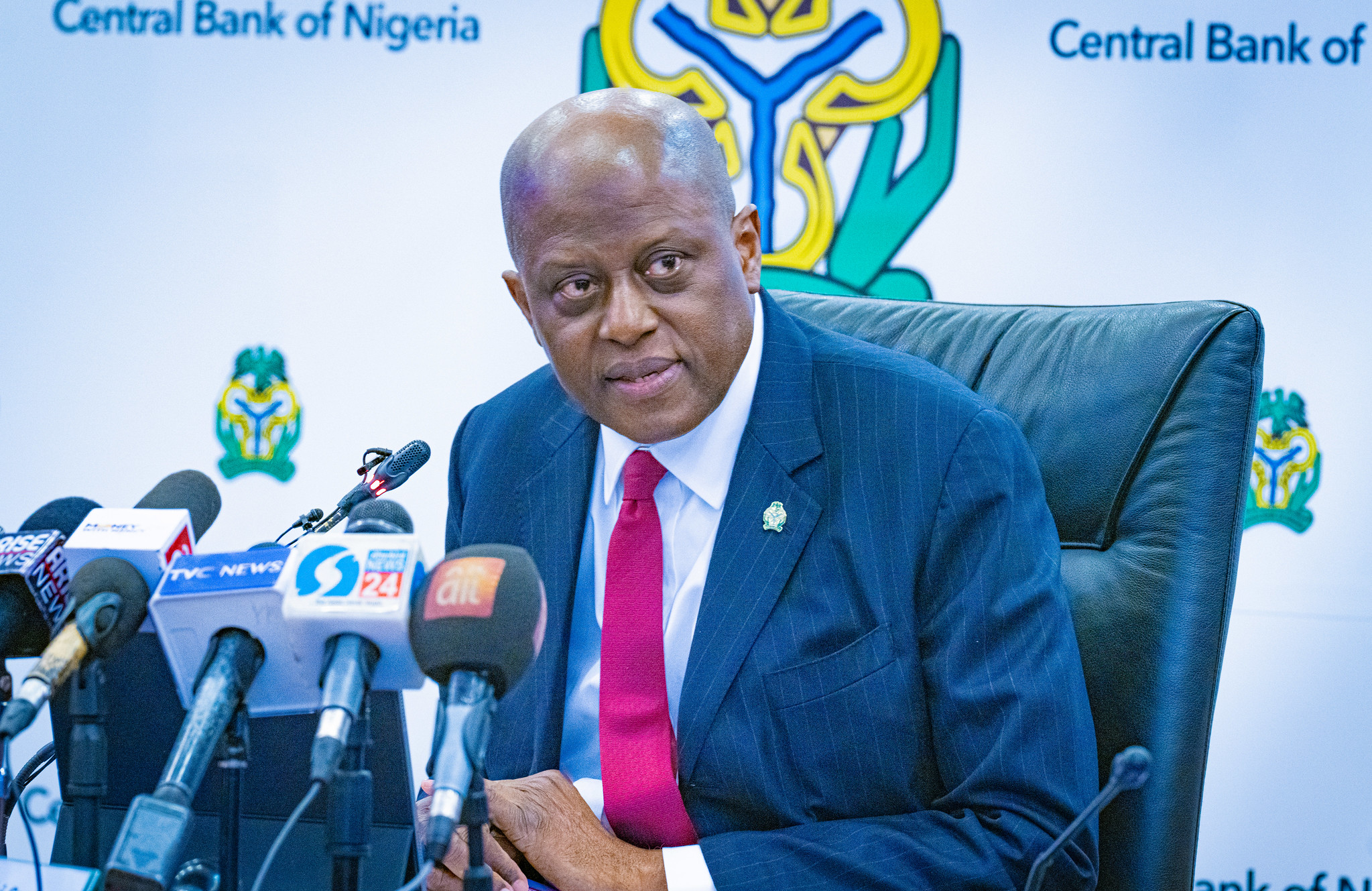
Industry reactions have been mixed. While some see the expansion as a long-term step toward a more competitive marketplace, many operators argue that the present conditions are fragile. They warn that increasing the number of licensed BDCs without a corresponding rise in foreign currency supply may intensify scarcity, raise operational costs, and create new distortions in an already strained environment.
Analysts note that the FX retail space has yet to fully stabilise after earlier policy swings, and they stress the need for a phased approach that aligns licensing with liquidity levels, market discipline, and clearer regulatory guidance.
The development places renewed attention on the central bank’s strategy for restoring confidence and achieving a more predictable FX framework in the months ahead.