



Lagos Accentuates Richness of Nigerian Culture with Eyo Festival — Tinubu
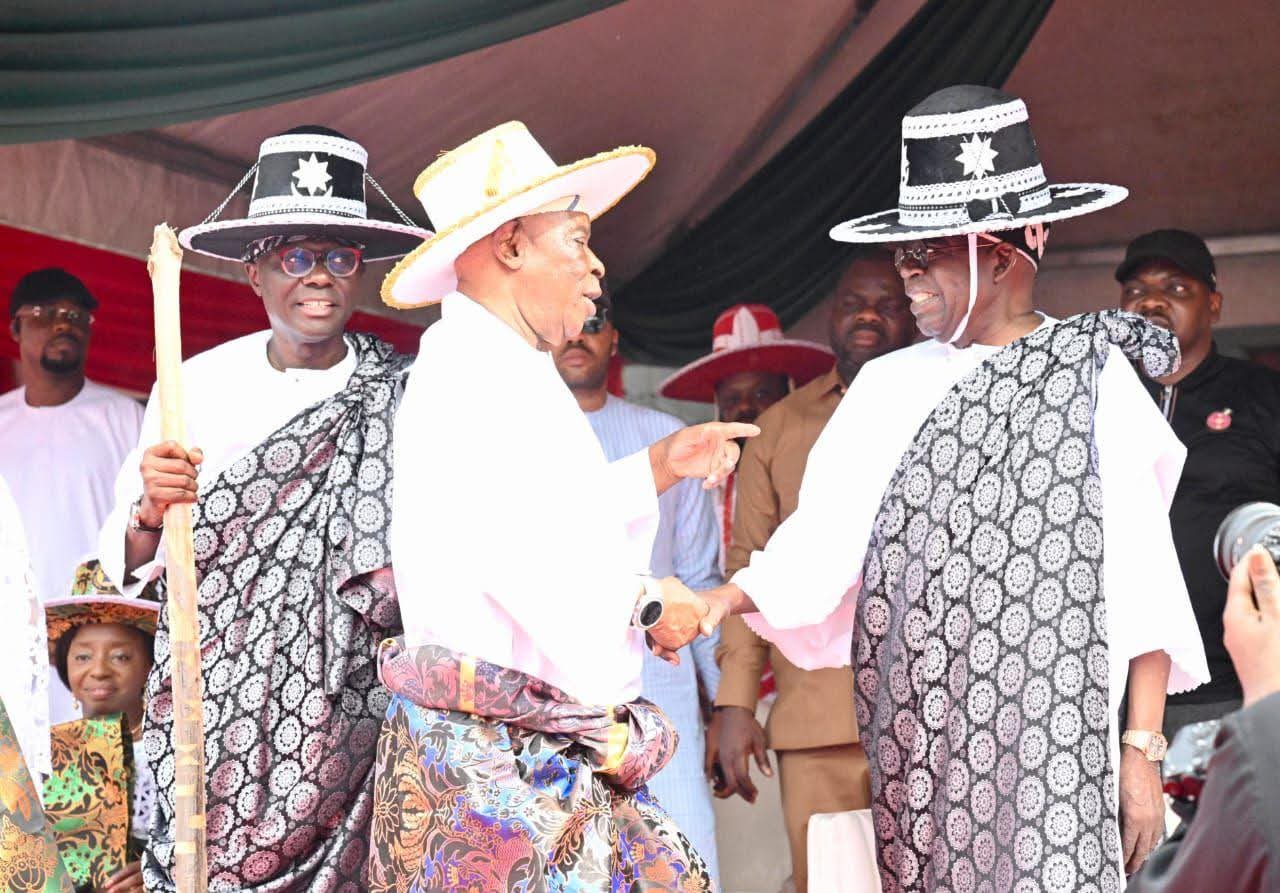
Sanwo-Olu: Eyo reflects Lagos’ identity, resilience, and unbroken link to history

Lagos once again placed Nigeria’s cultural heritage in global focus on Saturday as President Bola Ahmed Tinubu attended the 2025 Adamu Orisha Play Eyo Festival, describing the iconic celebration as a powerful expression of the nation’s rich traditions and an enduring asset for tourism and national pride.
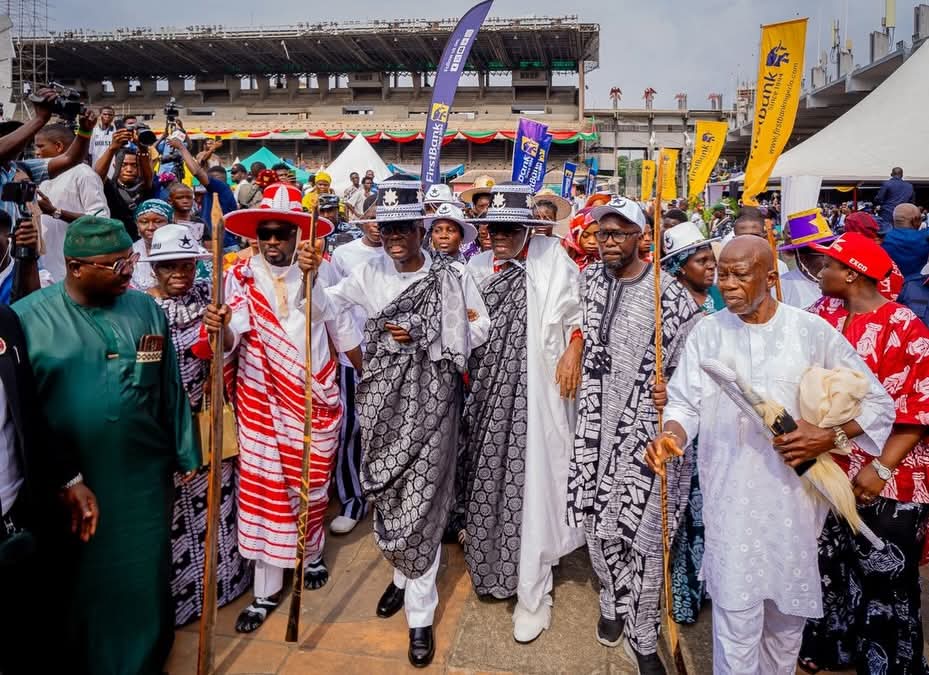
The festival, held at the historic Tafawa Balewa Square on Lagos Island, drew a distinguished audience that included Lagos State Governor, Mr. Babajide Sanwo-Olu; Imo State Governor, Senator Hope Uzodinma; Deputy Governor of Lagos State, Dr Obafemi Hamzat; Speaker of the Lagos State House of Assembly, Rt. Hon. Mudashiru Obasa; the Oba of Lagos, His Royal Majesty Oba Rilwanu Akiolu; captains of industry; former and serving public officials; traditional rulers; political leaders; and thousands of Nigerians from the diaspora alongside foreign visitors.
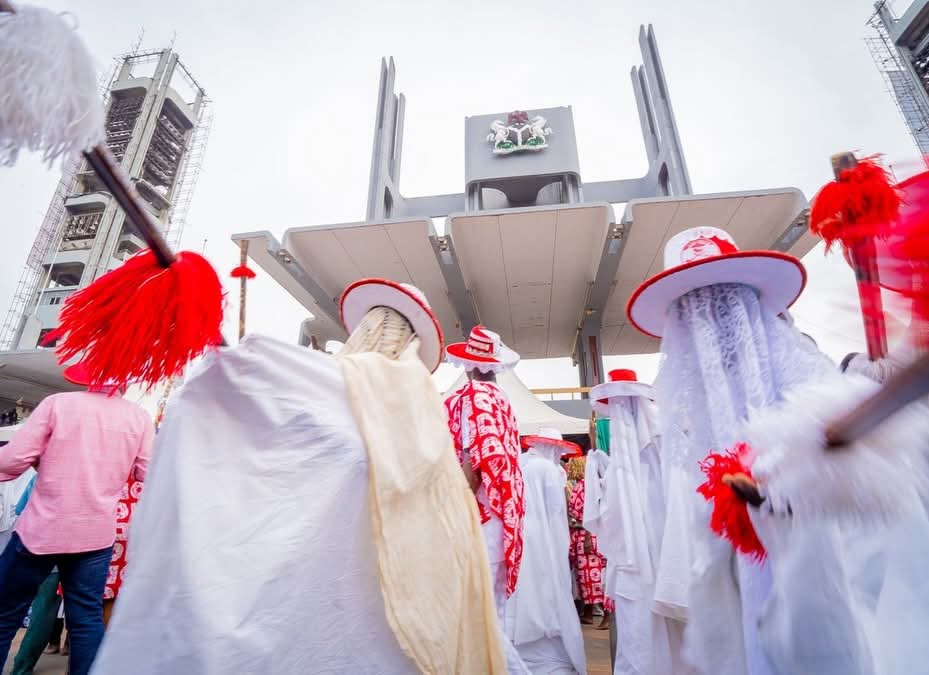
President Tinubu said the Eyo Festival remains one of the most symbolic cultural events in Lagos, reinforcing the city’s historical roots while projecting its traditions to the world.
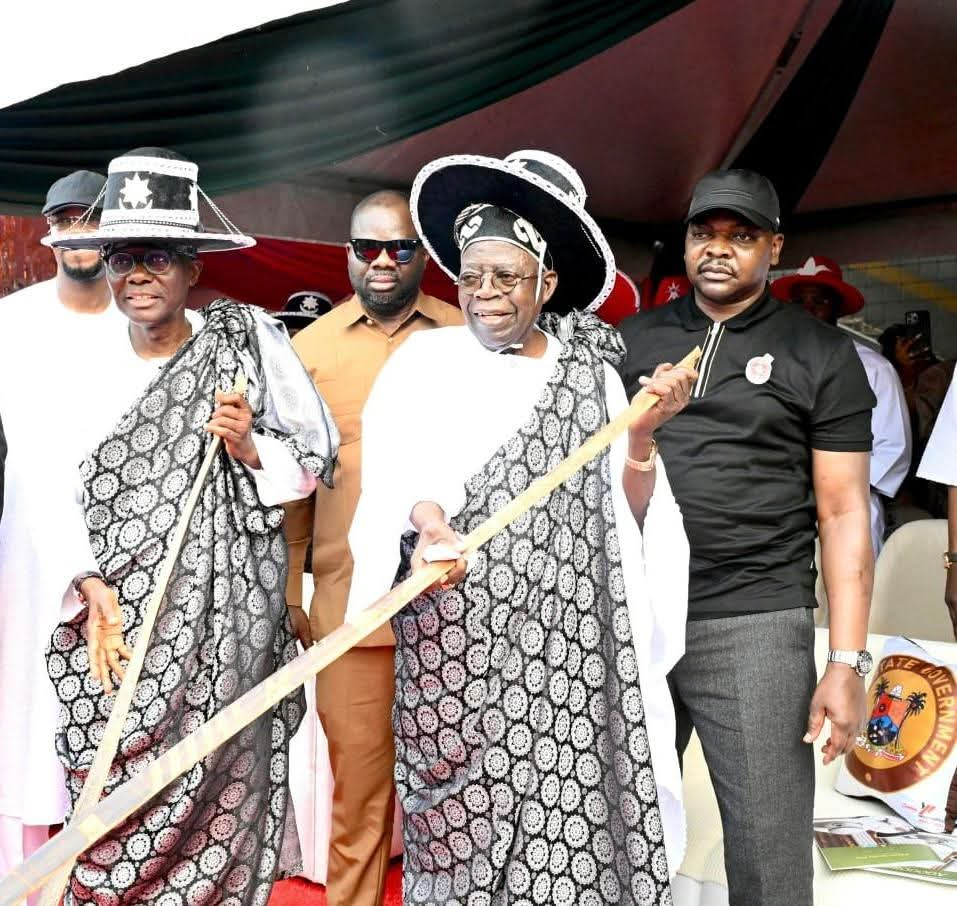
“Lagos is accentuating the richness of Nigerian culture through this festival,” the President said. “The glamour of white-robed figures parading our streets sends a resounding message about our identity, our pride, and the soul of our nation.”

The 2025 edition featured colourful processions by various Eyo groups, each dressed in distinctive traditional colours and led by Adamu Orisha. The masquerades offered prayers and moved through the streets in solemn grace, reaffirming the spiritual depth and communal meaning of the age-long rite.

In his special address, President Tinubu noted that this year’s festival was held in honour of late eminent leaders who made outstanding contributions to Lagos and Nigeria: Brigadier-General Mobolaji Olufunsho Johnson (rtd), Alhaji Lateef Kayode Jakande, Chief Michael Agbolade Otedola, and his mother, Alhaja Abibatu Mogaji, the Iyaloja General of Nigeria and a revered leader of women.

“It is heartwarming to witness the Eyo 2025 Festival being held in honour of these distinguished leaders,” he said. “The Eyo Festival is a vibrant expression of the rich traditions of Lagos. It celebrates exemplary lives and achievements, not only of eminent Lagosians, but of distinguished Nigerians.”
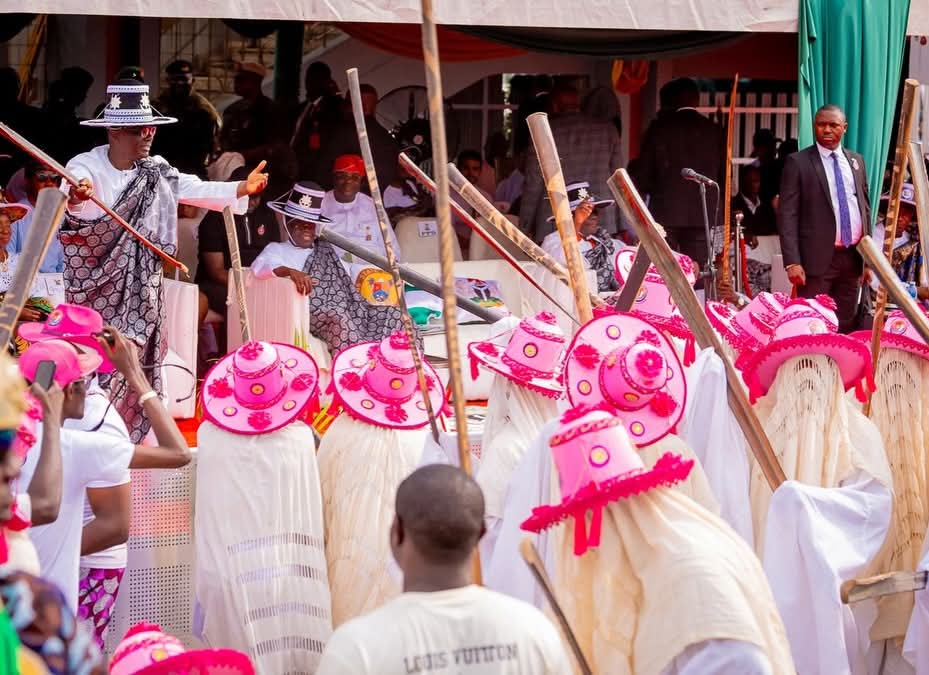
He described the festival as more than a celebration, saying it reflects the beliefs and values of the people of Lagos while underscoring Nigeria’s cultural depth.
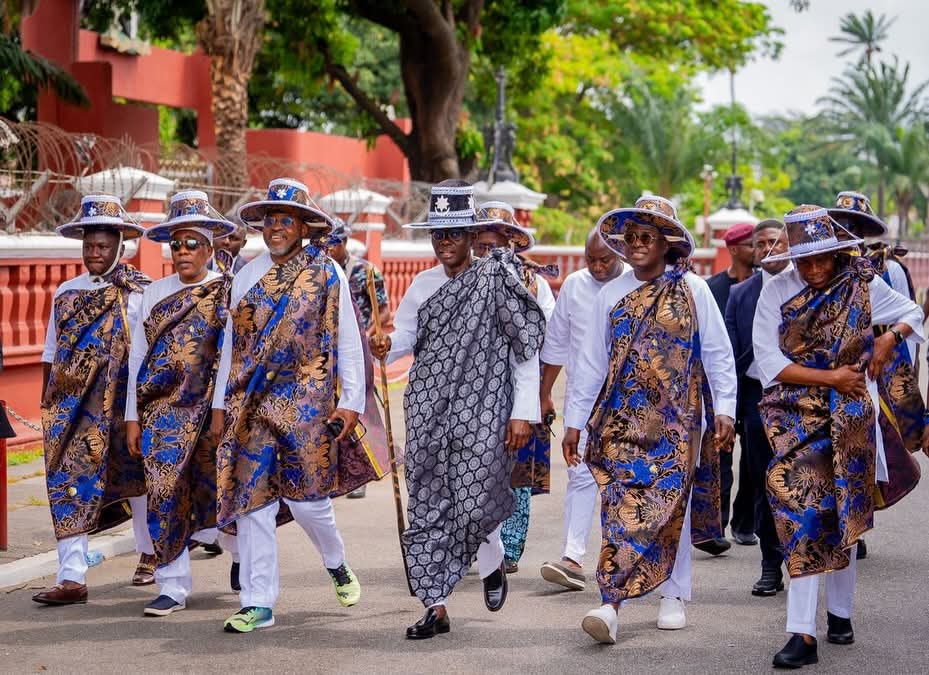
“The timing is significant,” President Tinubu added, noting its alignment with the popular Detty December period when Lagos hosts thousands of visitors from across the world. “It reminds us that our culture and traditions hold great tourism potential. Our cultural assets can serve as valuable resources for destination promotion.”
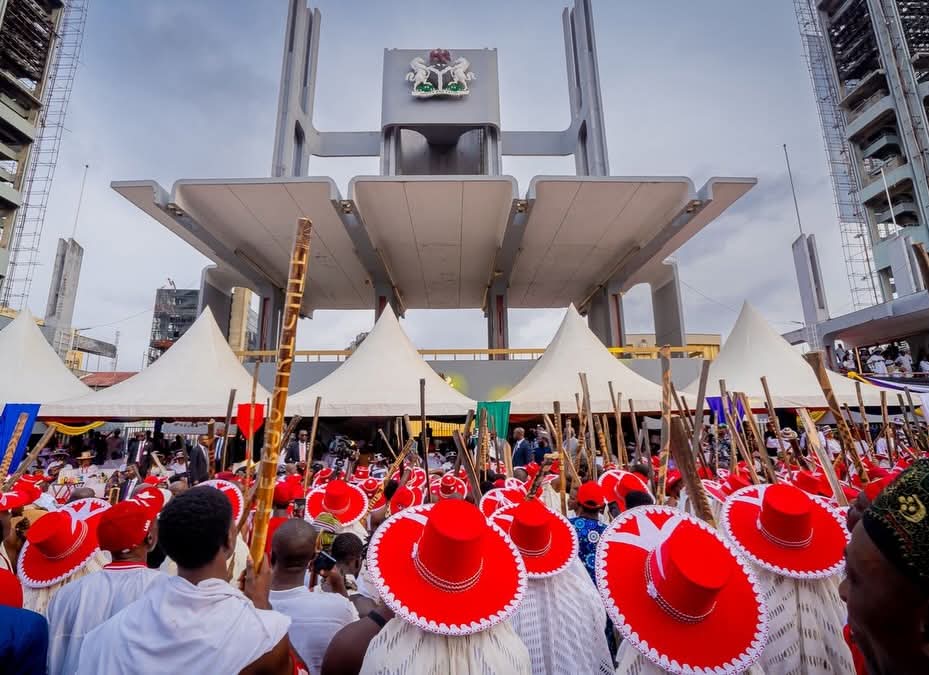
The President expressed deep appreciation to Governor Sanwo-Olu, Deputy Governor Hamzat, and members of the State Executive Council, as well as the families of the honourees, for the recognition accorded to the late leaders. He said he was especially grateful for the honour bestowed on his mother, Alhaja Abibatu Mogaji. He also commended the Oba of Lagos and traditional institutions for the successful staging of the festival.
Earlier, Governor Babajide Sanwo-Olu described the Eyo Festival as a powerful affirmation of Lagos’ identity, resilience, and unbroken connection to history. He said the tradition, which escorts great contributors to the ancestral realm, is guided not by immediacy but by worthiness.
“Through this long-awaited rite, we affirm that their legacies endure and that their wisdom continues to guide our collective journey,” the governor said.
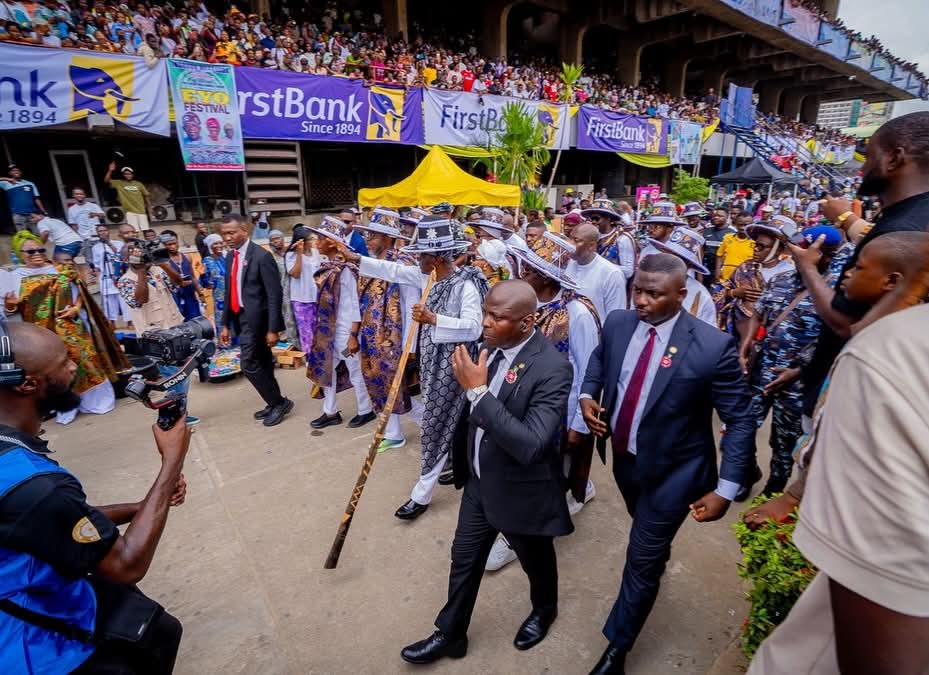
He described Lagos as the heartbeat of Nigeria, drawing its soul from moments such as the Eyo Festival. According to him, the celebration is far more than pageantry, but a living archive of Yoruba heritage and a symbol of unity, purity, and communal strength.
“Its return after eight years reasserts Lagos as the proud custodian of Nigeria’s living culture, a city where tradition is not abandoned but elevated,” Sanwo-Olu said.
The governor added that beyond its cultural depth, the festival projects Lagos onto the global stage by strengthening tourism, stimulating economic activity, and creating opportunities.
“Today, our streets become a theatre of history, our talking drums a universal language, and our white-clad Eyos, ambassadors of identity,” he said. “As we advance under our THEMES Plus agenda, progress remains most meaningful when rooted in memory, culture, and shared values.”
Governor Sanwo-Olu noted that this year’s festival was significant for collectively honouring four figures whose lives shaped Lagos and Nigeria, paying special tribute to Alhaja Abibatu Mogaji as a symbol of the strength and enterprise of Lagos women.
“As a market leader, activist, philanthropist, and political pathfinder, she embodied courage, discipline, and service,” he said, adding that these virtues were reflected in the leadership of President Tinubu.
He congratulated the Oba of Lagos, the White Cap Chiefs, the Akinsiku of Lagos (Olori Eyo), the Council of Adamu Orisa, and the people of Lagos State for what he called a historic cultural milestone. He also urged the families of the honourees to sustain the legacy of service associated with their names.
In his remarks, Deputy Governor Dr Obafemi Hamzat described the festival as a beautiful blend of character and culture that defines the essence of Lagos.
“The fun, pageantry, and symmetry we see today are the immediate gains, but the deeper value lies in what Eyo represents for our identity,” he said.
The Oba of Lagos, His Royal Majesty Oba Rilwanu Akiolu, in his royal address, described the Eyo Festival as a meditation on leadership, legacy, and communal responsibility. He said it underscores the bond between rulers and the people, reminding all that honouring leadership is inseparable from preserving collective values.
As the white-robed Eyos glided through Lagos Island once again, the 2025 Adamu Orisha Play reaffirmed the city’s place as the cultural heartbeat of Nigeria, where history lives, tradition endures, and heritage continues to shape the future.