


Each year, Forbes releases its ranking of the World’s 100 Most Powerful Women, highlighting individuals whose influence extends across politics, business, diplomacy, and global culture. The 2025 edition featured five outstanding African women, each representing a distinct sphere of leadership. Their inclusion reflects the continent’s growing visibility in global affairs, corporate innovation, and media influence.
This article offers a detailed profile of the five honourees and also highlights notable African women who, based on their achievements, could be strong contenders for future lists.
1. Netumbo Nandi-Ndaitwah (Namibia)
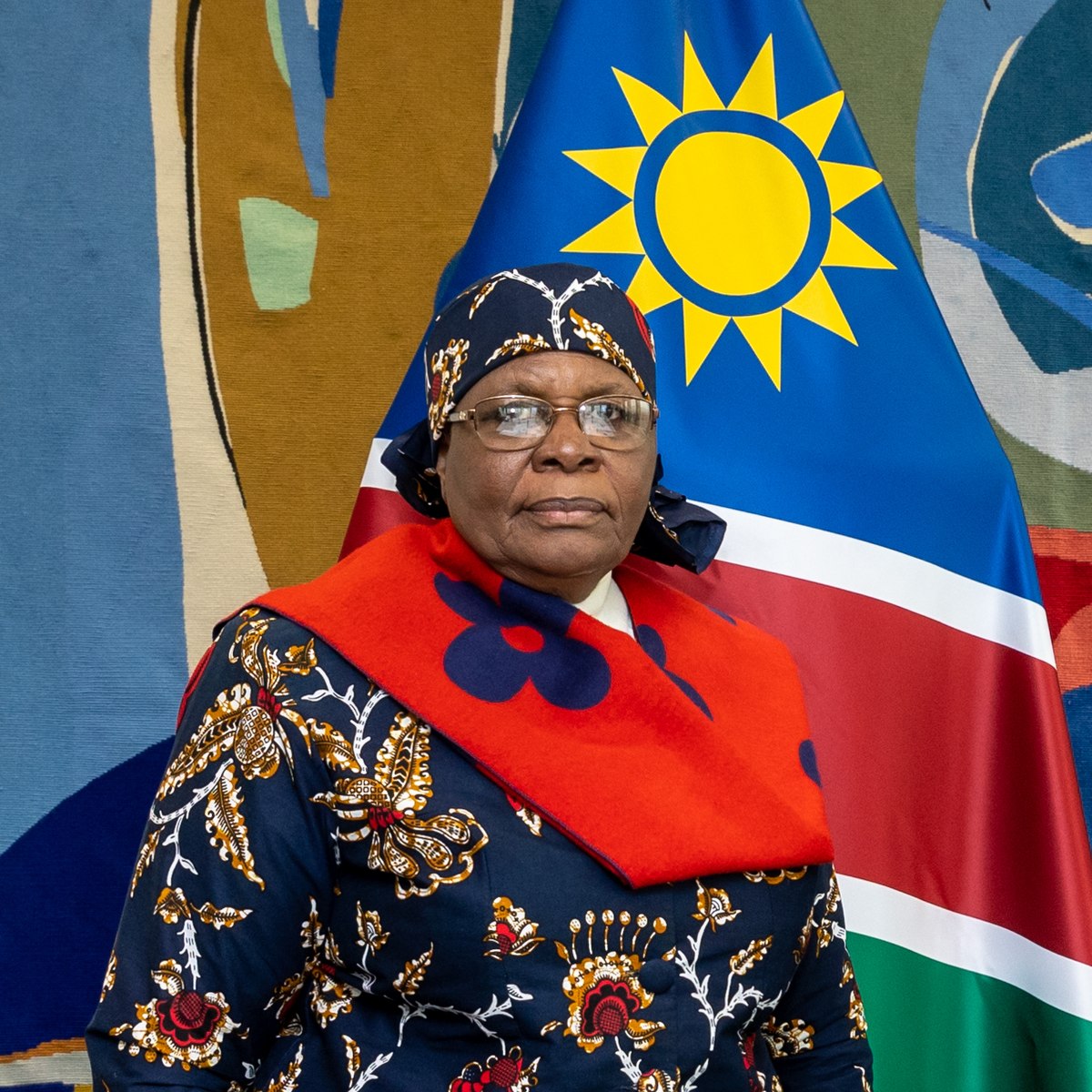
Position: President of Namibia
Sector: Politics & Governance
Netumbo Nandi-Ndaitwah made history as Namibia’s first female president, a landmark achievement in Southern African politics. Her decades of service as a diplomat and cabinet minister shaped her approach to governance, with clear emphasis on national stability, public sector reform, and sustainable economic growth.
Her global influence is rooted in her role in elevating Namibia’s presence within international institutions. She has been a consistent voice in debates around African trade, climate responsibility, and women’s political participation.
Her leadership style blends quiet firmness with strategic diplomacy, contributing to her place on Forbes’ list.
2. Judith Suminwa Tuluka (Democratic Republic of Congo)
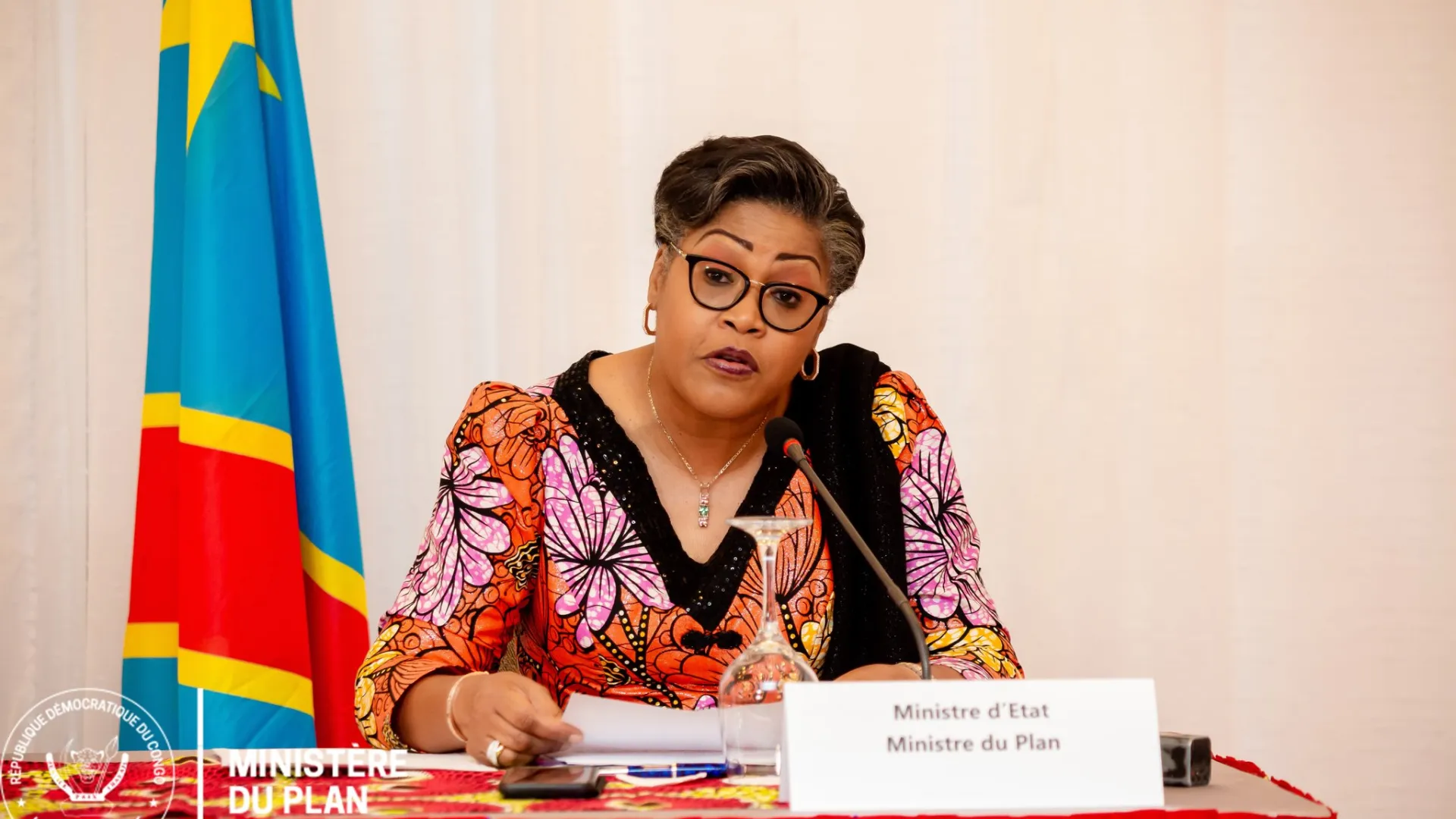 Position: Prime Minister of the Democratic Republic of Congo
Sector: National Leadership & Reform
Judith Suminwa Tuluka stands as the first woman to serve as Prime Minister in the DRC. Her appointment marked a symbolic shift in the politics of a country long shaped by volatility. Known for her background in development economics, she carries a reform agenda focused on stabilising regions affected by conflict and improving governance structures.
Her rise to global recognition stems from her work with international development agencies and her efforts to create a more transparent public sector. Forbes acknowledges her capacity to navigate one of Africa’s most complex political environments while shaping policy with long-term national implications.
3. Mpumi Madisa (South Africa)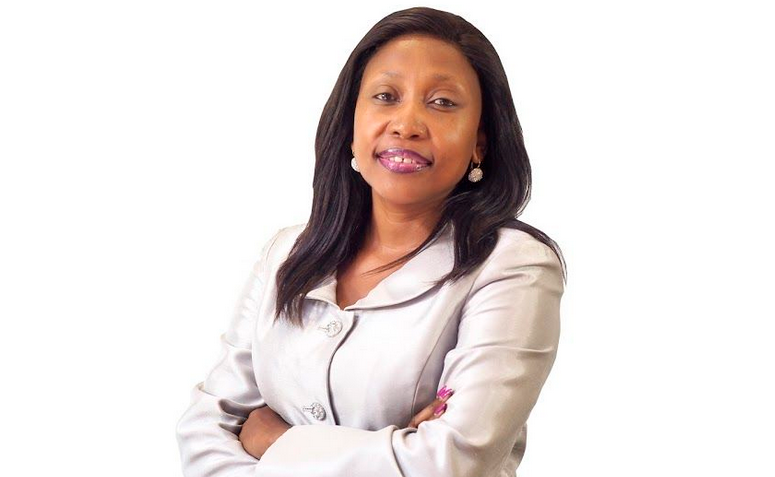
Position: Group CEO, Bidvest
Sector: Corporate Leadership
Mpumi Madisa is among the most respected executives in Africa’s corporate landscape. As the head of Bidvest, one of South Africa’s largest conglomerates, she oversees operations spanning services, manufacturing, and logistics. She is part of the new generation of African corporate leaders who combine operational discipline with long-term strategic thinking.
Madisa’s inclusion on the Forbes list reflects her steady influence in steering a multinational group through economic transitions, corporate restructuring, and shifting global markets. Under her leadership, Bidvest has expanded its regional footprint and strengthened its position as a leading African enterprise.
4. Ngozi Okonjo-Iweala (Nigeria)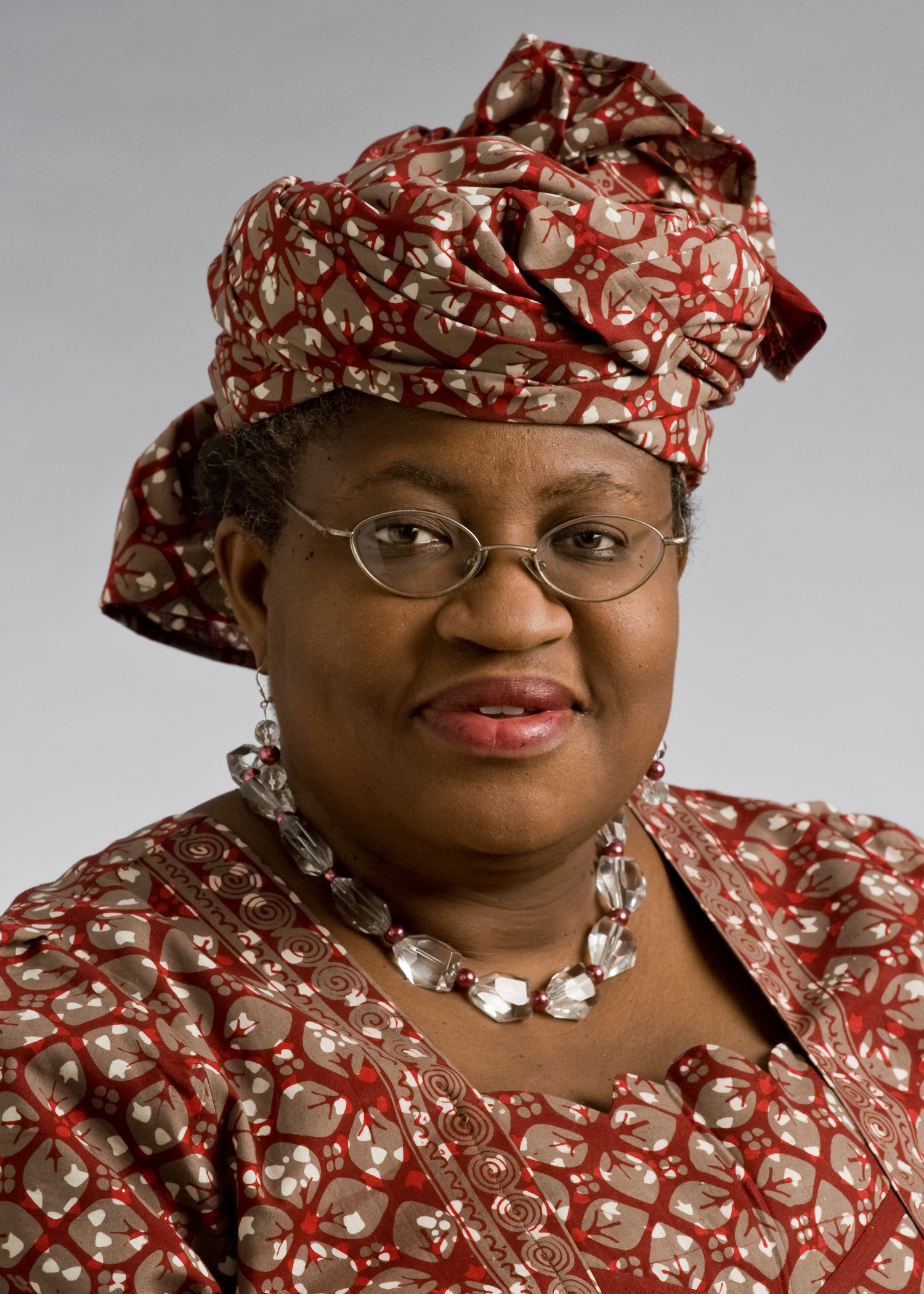
Position: Director-General, World Trade Organization
Sector: Global Economics & Trade
Ngozi Okonjo-Iweala continues to hold one of the most influential positions in global economic governance. As the first African and first woman to lead the World Trade Organization, her role extends far beyond policy management. She has become a central figure in global conversations on trade fairness, development financing, and economic recovery.
Her presence on the list is no surprise. She has championed reforms that benefit developing nations, strengthened supply-chain cooperation, and pushed for more inclusive participation in global trade. Her reputation remains anchored in a career marked by transparency, intellectual depth, and strong negotiation skills.
5. Mo Abudu (Nigeria)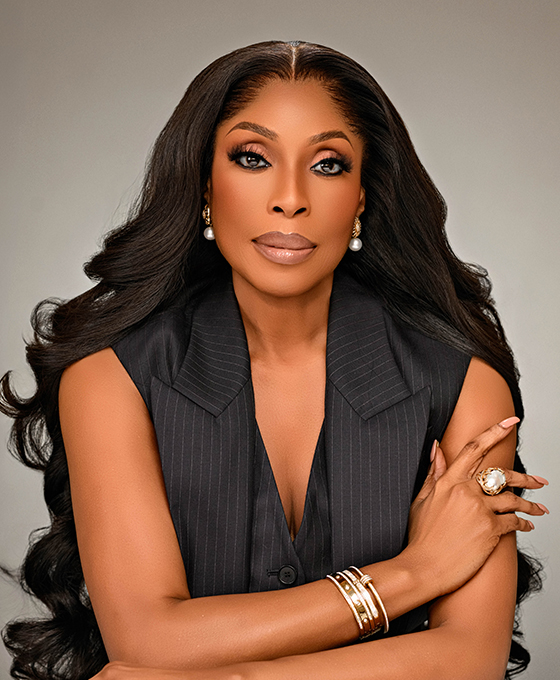
Position: Founder & CEO, EbonyLife Media
Sector: Media, Entertainment & Culture
Mo Abudu is one of Africa’s most recognisable media entrepreneurs. Through EbonyLife Studios and EbonyLife Films, she has redefined African storytelling and positioned Nollywood within global entertainment circuits. Her studio’s partnerships with Netflix, Sony, and Westbrook highlight the growing demand for African stories told with quality and ambition.
Forbes recognises her as a cultural force whose work continues to shift perceptions of Africa in global media. By producing content that appeals to international audiences while retaining African identity, Abudu demonstrates how storytelling can influence culture, economics, and representation.
Who Else Could Have Been Included?
The Forbes list is selective, but several African women have demonstrated influence strong enough to merit future recognition.


Amina J. Mohammed (Nigeria)
As Deputy Secretary-General of the United Nations, she is one of the most influential African voices in international diplomacy. Her leadership on sustainable development and global policy coordination places her at a level of global authority matched by very few.
Ellen Johnson Sirleaf (Liberia)
The first elected female head of state in Africa and a Nobel Peace Prize laureate, Sirleaf remains an active figure in African governance and democracy initiatives. Her legacy continues to shape public policy across the continent.
Graça Machel (Mozambique/South Africa)
A long-standing advocate for children’s rights, gender equality, and social justice. Her work spans global foundations, education policy, and humanitarian initiatives, giving her influence that crosses borders.
Kirsty Coventry (Zimbabwe)
Newly elected President of the International Olympic Committee, she is the first African and first woman to lead the organisation. Her role expands Africa’s voice in global sports governance and cultural diplomacy.
The inclusion of these five African women on Forbes’ 2025 list signals a broader shift in how global power is defined. Their influence reflects political breakthroughs, economic leadership, and cultural transformation on a scale that shapes the world far beyond their home countries.
As Africa continues to produce leaders of global stature, future editions of the list are likely to feature even more women from the continent, each contributing to political reform, global development, and cultural impact.