



Riyadh, Saudi Arabia – Saudi Arabia has reportedly begun allowing a select group of non-Muslim foreigners holding “premium residency” status to legally purchase alcohol, effectively ending a 70-year ban that had been strictly enforced across the kingdom.
The landmark move, first reported by The New York Times, marks a major step in the country’s social liberalization under Crown Prince Mohammed bin Salman’s Vision 2030, aimed at making Saudi Arabia a more attractive global business and tourism hub.
The New System: Quotas and Expatriates
The policy change applies only to a very specific, high-value demographic and is executed under rigorous government controls:
-
Who is Eligible? The new privilege is limited to wealthy and highly skilled expatriates who have obtained a “premium residency” status, a specialized visa program established in 2019.
-
The Location: Sales are reportedly taking place at a previously diplomat-only store located in the Diplomatic Quarter of Riyadh.
-
Strict Controls: The system operates under strict quotas and a government-linked system that tracks consumption. To gain access, eligible expats must register via a mobile app and receive an authorization code from the Ministry of Foreign Affairs.
The availability of alcohol remains heavily restricted to this highly select group, and public consumption remains illegal and punishable under Saudi law.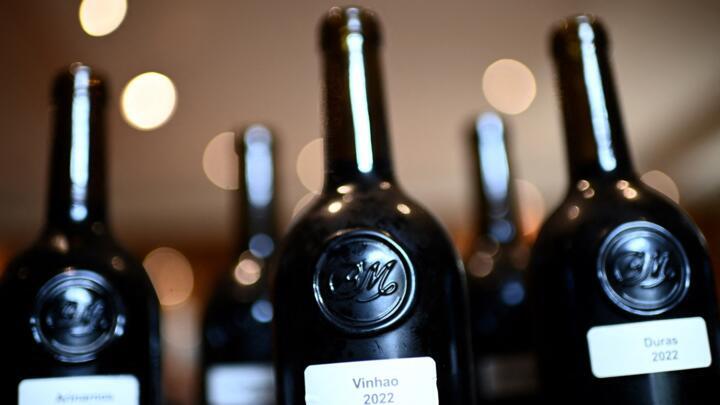
Decades of Prohibition
The ban on alcohol consumption and sale was originally imposed in the early 1950s after a diplomatic incident and had been a core fixture of the conservative kingdom’s social fabric. Until this change, diplomatic missions were the only entities permitted to import and sell alcohol, but only to their registered diplomats.
This new system is viewed as an attempt to cater to the Western expatriate workforce necessary for Crown Prince Mohammed bin Salman’s ambitious economic and giga-project development plans, such as Neom. By offering a controlled concession on a significant social constraint, Saudi Arabia is signaling its commitment to making the Kingdom more palatable for international talent.
Breakdown of the Saudi Premium Residency Categories
Saudi Arabia’s Premium Residency (Iqama) scheme, established in 2019, is designed to attract foreign investment and high-skilled talent by offering long-term residency and privileges not available to standard expatriate workers.
The recent policy change allowing a select group of non-Muslim premium residents to purchase alcohol directly applies to those who qualify for these specialized visas, which are broadly divided into the following categories:
1. Unlimited Term Premium Residency
This is the most exclusive category, granting the resident and their family the right to live in the Kingdom indefinitely.
| Category | Description | Key Privileges |
| Special Talent (Investor) | Targeted at highly skilled professionals, researchers, top executives, and major investors who can significantly contribute to the Kingdom’s economic development. This group is believed to be the primary target for the alcohol purchase privilege. | * Unlimited residency. * Unrestricted right to own property and real estate across the Kingdom (excluding Mecca and Medina). * Freedom to work and change jobs without a sponsor (Kafala system exemption). |
2. Limited Term Premium Residency (Renewable)
This category offers the same key privileges as the Unlimited Term Residency but must be renewed every year. It is generally easier to obtain than the unlimited term.
| Category | Description | Key Privileges |
| Qualified Specialist | Designed for professionals in fields like medicine, engineering, technology, and finance, where the Kingdom has critical skill shortages. | * One-year renewable residency. * Exemption from the need for an employer-sponsor (Kafala). * Ability to secure visit visas for family members. |
| Entrepreneur | Targeted at owners and founders of small-to-medium enterprises (SMEs) who bring innovative ideas and commit to a minimum level of investment and job creation. | * Renewable residency tied to the performance of the business. * Ability to recruit foreign workers. |
| Real Estate Owner | Granted to individuals who invest a significant minimum amount (currently SAR 4 million or more) in Saudi real estate. | * Renewable residency for the resident and family. * Freedom to manage their property investments. |
Why This Group?
The policy to allow only Premium Residents to access alcohol is highly strategic:
-
Attracting Top Talent: The privilege serves as a significant non-monetary incentive for the high-value Western and Asian professionals whose skills are crucial to Vision 2030 projects (like NEOM and the Red Sea Project) and who might otherwise choose competing global hubs like Dubai or Singapore.
-
Controlled Access: By linking access to the highly regulated Premium Residency system, the government ensures the number of people consuming alcohol remains small, traceable, and restricted to the highest economic tiers, thereby mitigating social backlash from more conservative elements of the population.