



More than six decades after the assassination of Patrice Lumumba, the search for accountability has returned to the courtroom in Belgium. The case, long regarded as one of Africa’s most unresolved political crimes, is again before Belgian judges, underscoring the enduring weight of historical responsibility and delayed justice.
At the centre of the renewed proceedings is Etienne Davignon, now 93. Davignon, a former senior Belgian diplomat and ex-European commissioner, is facing legal action in Brussels over his alleged role in events surrounding Lumumba’s arrest, detention, and mistreatment in 1961. At the time of Lumumba’s killing, Davignon was serving as an intern at Belgium’s foreign ministry.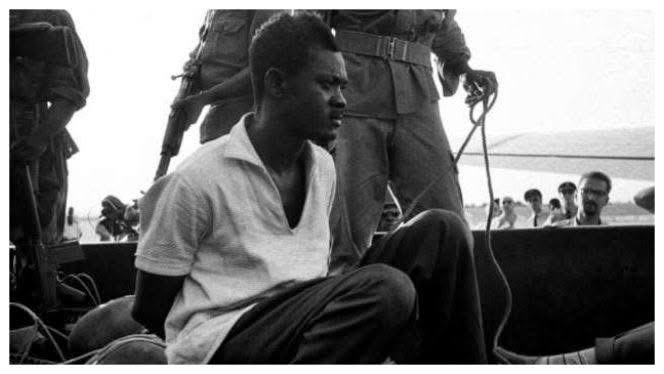
The charges stem from allegations that he was complicit in Lumumba’s illegal detention and the inhumane treatment that preceded the Congolese leader’s assassination. While Davignon has consistently denied wrongdoing, his name resurfaced prominently following a Belgian parliamentary inquiry published in 1999. That investigation examined Belgium’s role in Lumumba’s death and concluded that Belgian authorities bore moral responsibility for the circumstances that led to the assassination, implicating several officials by proximity and knowledge.
Building on the findings of that inquiry, Lumumba’s family filed a formal criminal complaint in 2011, seeking judicial accountability rather than symbolic acknowledgment. For years, the case remained stalled within Belgium’s legal system, reflecting both the complexity of prosecuting historical crimes and the political sensitivity surrounding colonial-era actions.
Lumumba, Congo’s first prime minister after independence in 1960, was assassinated in January 1961 at the age of 35, with the involvement of Congolese rivals and foreign actors during the Cold War. His death became a defining symbol of post-colonial betrayal and external interference in African self-determination.
The return of the case to Belgian courts signals a renewed willingness to confront that past through legal means. While the proceedings come decades after the events, they carry significant symbolic weight, not only for Lumumba’s family, but for broader debates about colonial accountability, historical justice, and the limits of time in addressing political crimes.
As the case unfolds, it represents more than a legal challenge against an elderly former official. It stands as a reminder that unresolved history continues to shape present institutions, and that demands for truth and responsibility do not simply expire with the passing of years.