



Lagos, Nigeria — Nigeria has once again missed inclusion in Lloyd’s List’s 2025 Top 100 Container Ports Ranking, underscoring ongoing infrastructure and logistics challenges that continue to hinder the nation’s maritime competitiveness.
Despite being Africa’s largest economy and one of the continent’s busiest import hubs, none of Nigeria’s ports — including Apapa, Tin Can Island, or Onne — made the global list. In contrast, Morocco, Egypt, and Togo featured prominently, reflecting their sustained investments in port modernization, automation, and regional trade facilitation.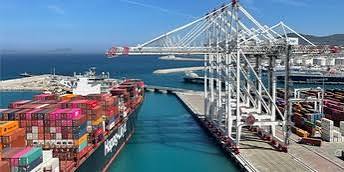
Industry analysts attribute Nigeria’s exclusion to capacity bottlenecks, slow cargo clearance processes, and poor hinterland connectivity, issues that have long constrained efficiency at major terminals. Frequent congestion, inadequate rail links, and outdated equipment have also reduced turnaround times and raised logistics costs for importers and exporters.
According to Lloyd’s List, global container traffic rebounded strongly in 2024, with total throughput rising 8.1% to 743.6 million twenty-foot equivalent units (TEU). The recovery marks a sharp turnaround after several years of sluggish performance caused by pandemic-related disruptions and geopolitical tensions.
Maritime experts have urged Nigerian authorities to fast-track ongoing port reforms, including the Lekki Deep Sea Port expansion and improvements in digital customs processing, to help the country regain competitiveness within the global shipping network.