



The Osun-Òṣogbo Festival has long stood as a testament to the resilience of Yoruba spirituality, artistry, and communal identity. In 2025, the sacred event once again drew thousands to the heart of Osogbo in Osun State, where the river goddess Òṣun is honored in a ceremony that blends centuries-old ritual with the pulse of a modern cultural gathering.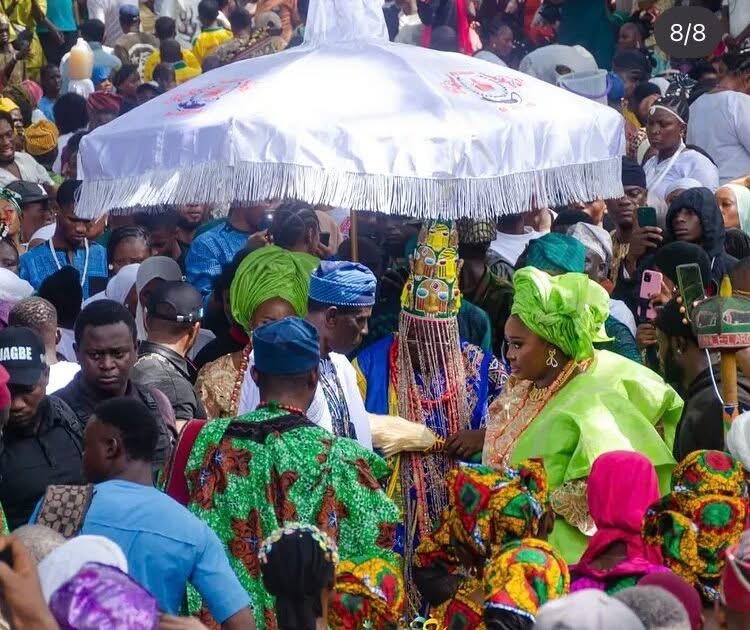
This year’s edition, culminating on 8 August 2025, reaffirmed the festival’s dual nature: both a religious pilgrimage and a vibrant cultural showcase that speaks to local devotion, national pride, and global heritage.
A Brief History and Significance
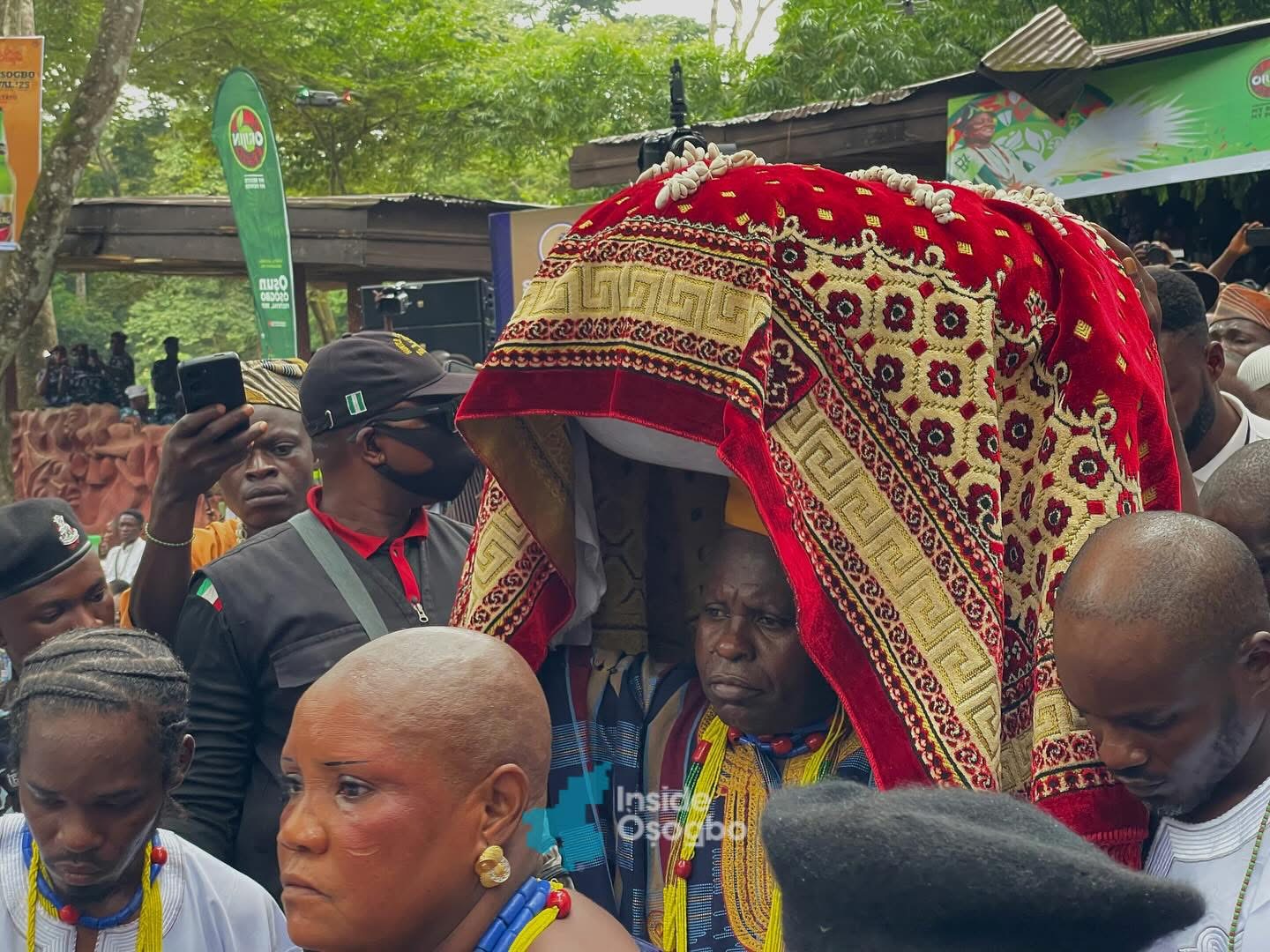
The Osun-Òṣogbo Festival traces its origins to the founding of Osogbo centuries ago. Local oral histories recount that early settlers were guided to the Osun River by the goddess herself, who offered protection and prosperity in exchange for annual rites. Over time, these rituals evolved into an organized celebration anchored around the Osun Sacred Grove—a lush riverside forest designated a UNESCO World Heritage Site for its rich collection of shrines, sculptures, and undisturbed sacred ecology.
Òṣun, revered as a deity of fertility, love, and healing, remains central to the Yoruba worldview. Each year, the festival re-enacts the covenant between the people and the goddess, reinforcing cultural continuity across generations.
The 2025 Edition: Dates, Scale, and Ritual Flow
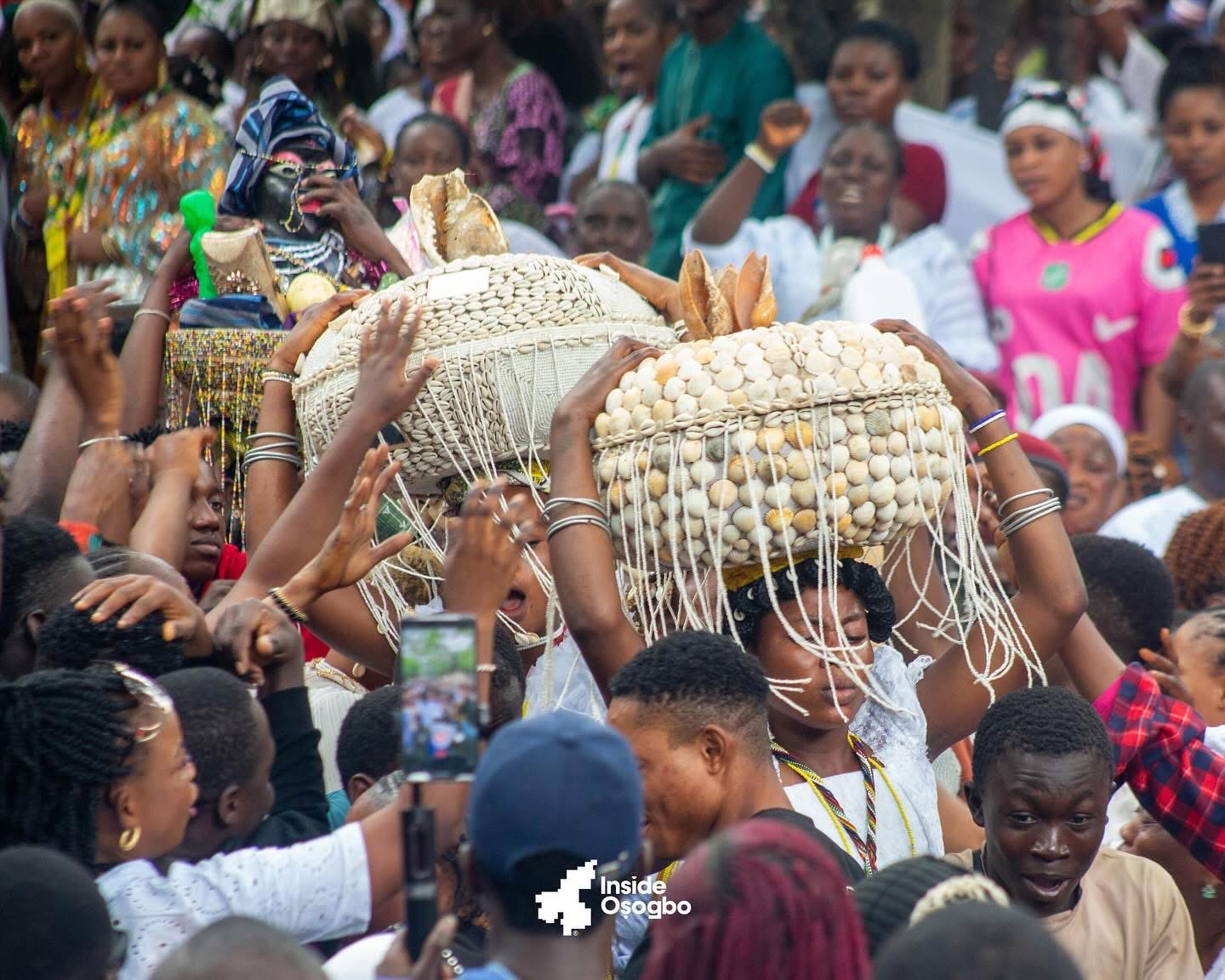 The 2025 festival followed its traditional multi-day structure, with key ceremonial stages leading up to the grand finale on August 8. Pilgrims, artists, and tourists began arriving in Osogbo days before the main rites, filling hotels and lining the streets with colorful processions.
The schedule included:
- Ìwopopo (The Traditional Cleansing of the Town) – Marking the spiritual start of the festival.
- Procession of the Arúgbà – A virgin girl chosen to carry the sacred calabash of offerings to the river shrine.
- Public Performances – Masquerade dances, drumming ensembles, and traditional theatre in public squares.
- The River Offering – The final and most significant ritual, in which prayers and offerings are made at the Osun River for protection, fertility, and community well-being.
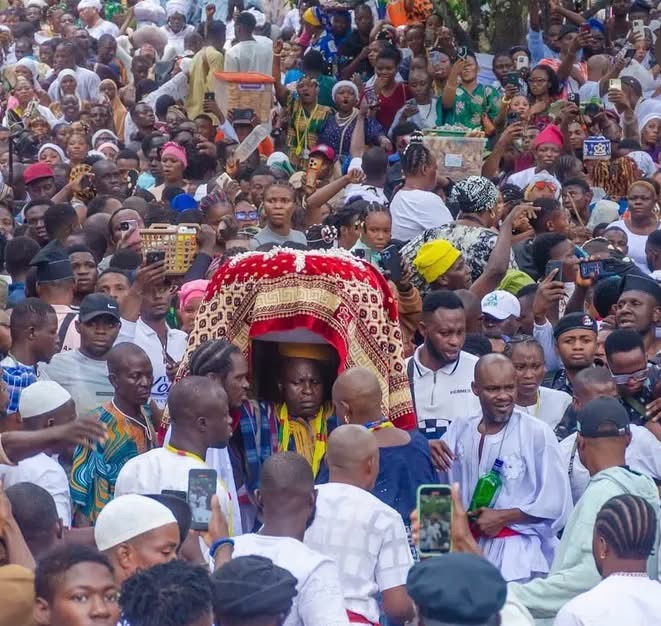
This year, an unusual development drew attention: reports emerged that, at one point, a male priest carried the sacred calabash—a role traditionally reserved for the Arúgbà. This deviation sparked conversations about gender, tradition, and adaptation within Yoruba sacred practice.
Art, Music, and Cultural Expression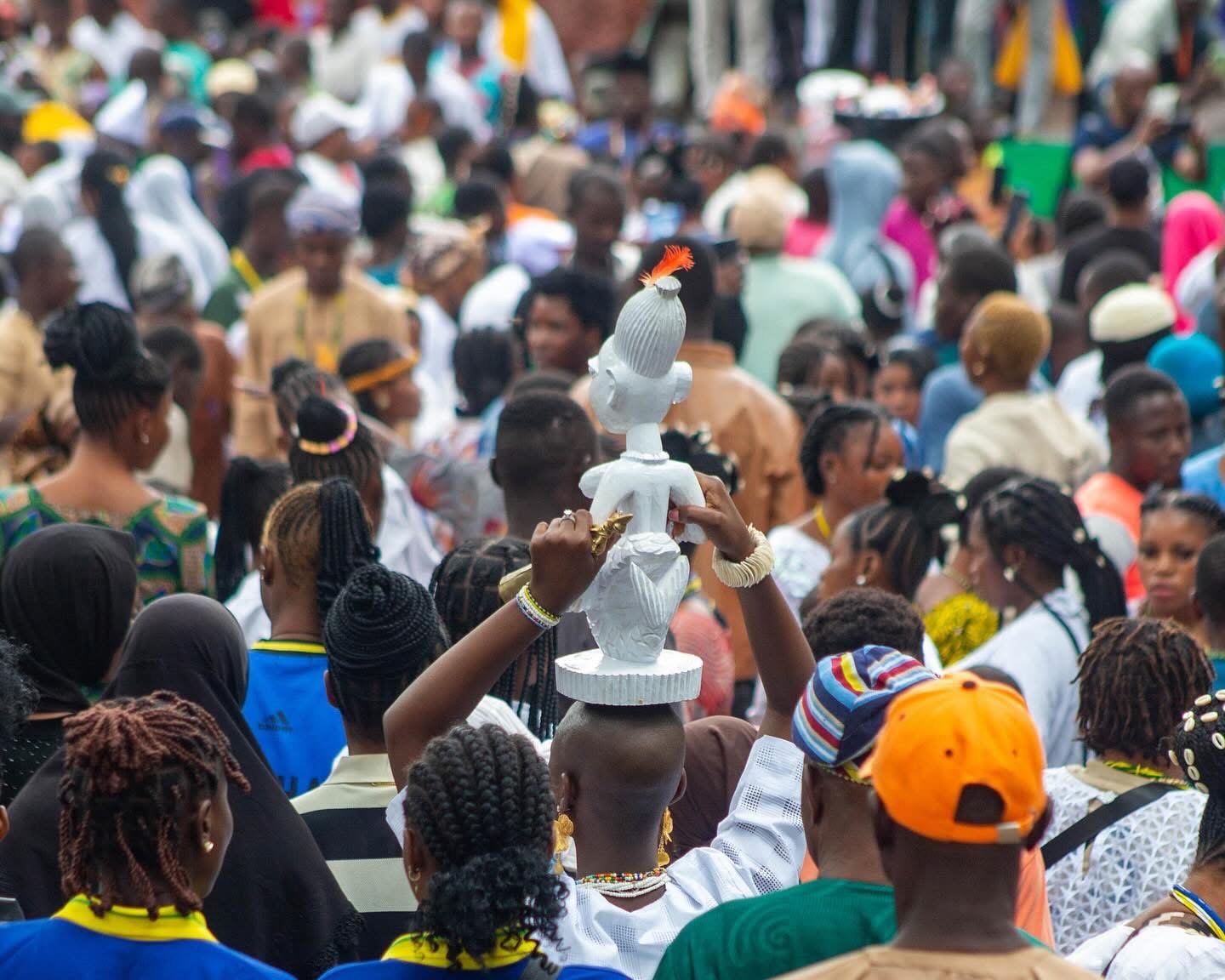
Beyond its ritual core, the Osun-Òṣogbo Festival serves as a living museum of Yoruba art. The Sacred Grove is home to monumental sculptures by artists such as Susanne Wenger and her disciples, whose works merge traditional forms with modernist sensibilities.
During the 2025 celebrations, the streets of Osogbo became a stage for:
- Masquerade Performances (Egúngún) – Embodying ancestral spirits in elaborate costumes.
- Talking Drum Ensembles – Communicating poetry and praise through percussion.
- Afrocentric Fashion Parades – Blending historical Yoruba attire with contemporary design.
These elements not only delight visitors but also act as vehicles of cultural transmission for younger generations.
Security, Governance, and Public Management
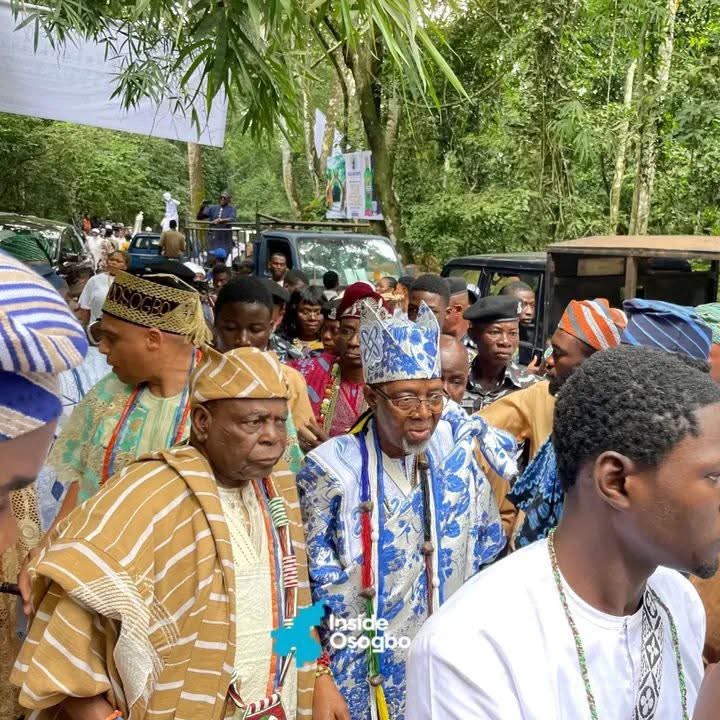 Given the scale of attendance—numbering in the tens of thousands—the 2025 festival required careful coordination between cultural custodians and state authorities. The Amotekun Corps, a regional security network, deployed approximately 500 operatives to ensure public safety and manage crowd flow. This presence was complemented by medical aid stations, waste management crews, and road traffic control.
Such logistical planning reflects the festival’s status as both a religious gathering and a major tourism event, requiring the balance of spiritual sanctity with public order.
Tourism and Economic Impact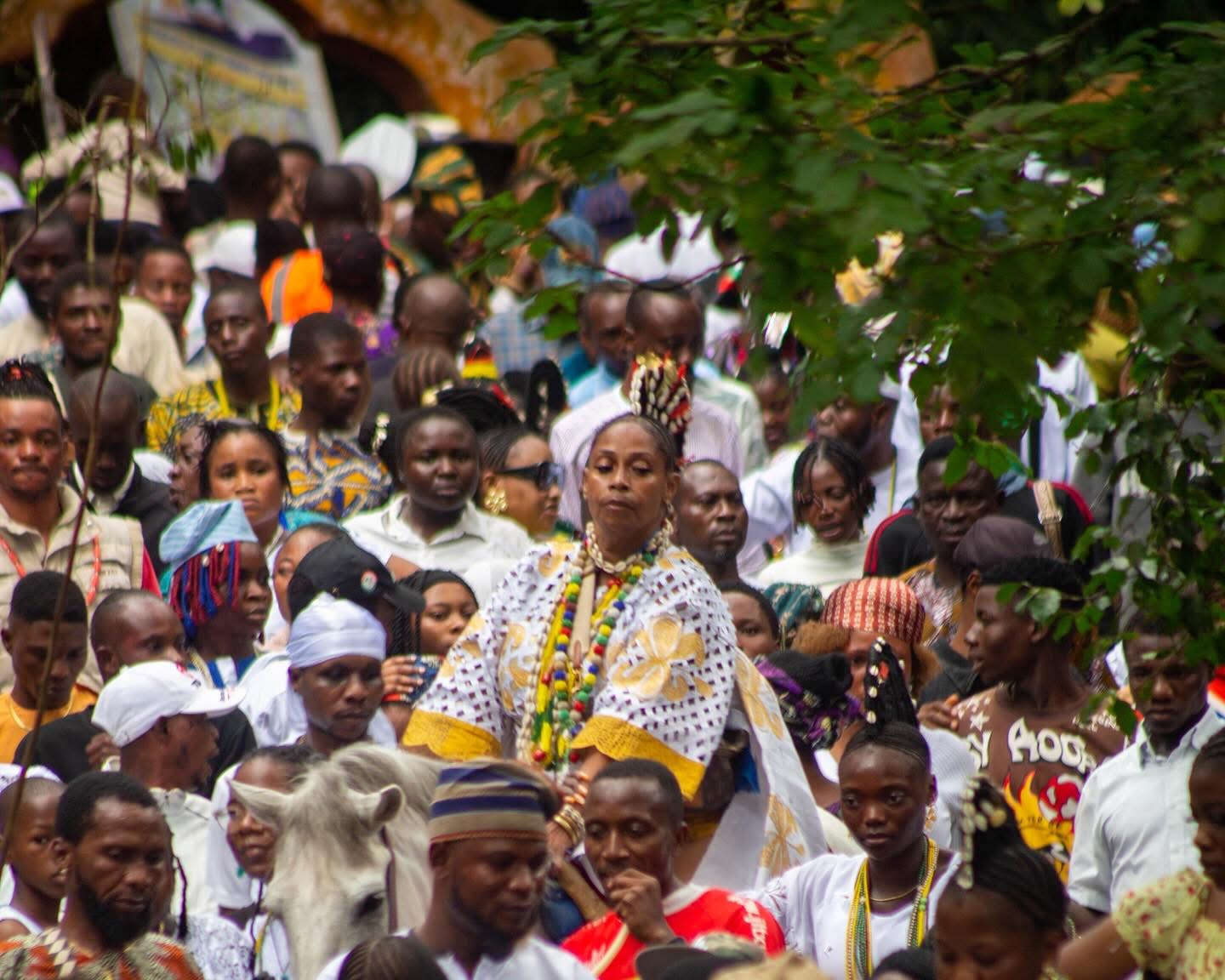
The festival is a significant driver of Osogbo’s economy. Local hotels, food vendors, transport operators, and craft markets all experience heightened activity during the festival week. Guided tours of the Sacred Grove and curated cultural experiences are increasingly marketed to domestic and international visitors.
In 2025, packaged “Festival Tours” were offered by operators, incorporating not only the main ceremonies but also excursions to nearby cultural landmarks, expanding the economic benefits beyond Osogbo itself.
Heritage and Conservation Challenges
The Osun Sacred Grove remains both a cultural treasure and an ecological sanctuary. Yet it faces mounting pressures from:
- Urban Encroachment – Expansion of Osogbo’s boundaries threatens the grove’s buffer zones.
- Deforestation – Loss of trees alters the grove’s microclimate and biodiversity.
- Funding Gaps – Insufficient resources for sculpture restoration and shrine upkeep.
In 2025, conservationists reiterated calls for stronger community-led stewardship, integrating traditional custodianship with modern heritage management to ensure the grove remains intact for future generations.
Digital Documentation and Diaspora Engagement
Social media played a prominent role in the 2025 festival’s reach. Live streams, drone footage, and curated photo essays brought the ceremonies to Yoruba communities abroad and global heritage enthusiasts. While this expands cultural awareness, it also raises questions about the line between sacred documentation and cultural commodification.
Looking Ahead
The Osun-Òṣogbo Festival 2025 was, by all accounts, a reaffirmation of faith, creativity, and identity. It also highlighted key areas for reflection:
- Maintaining Ritual Integrity – Balancing tradition with evolving social norms.
- Conservation Strategies – Protecting the Sacred Grove against environmental and human threats.
- Sustainable Tourism – Ensuring visitor influx supports local communities without disrupting sacred spaces.
The festival’s endurance for centuries suggests that it will continue to adapt. What remains unchanged is its role as a living bridge between the spiritual and the cultural, drawing the Osun River’s blessings into the heart of Osogbo year after year.