
RANKS AFRICA SPOTLIGHT
OUMOU SANGARÉ — The Malian Songbird Taking TikTok by Storm and Bridging Africa’s Sound with Global Hip-Hop
In a digital era where a few seconds of sound can reignite decades of legacy, Malian music legend Oumou Sangaré is enjoying a remarkable new wave of fame. Her timeless vocals—steeped in the spirit of Wassoulou tradition—have found new life on TikTok, where one of her 1990s classics has become the unexpected soundtrack for a generation rediscovering African roots through viral creativity.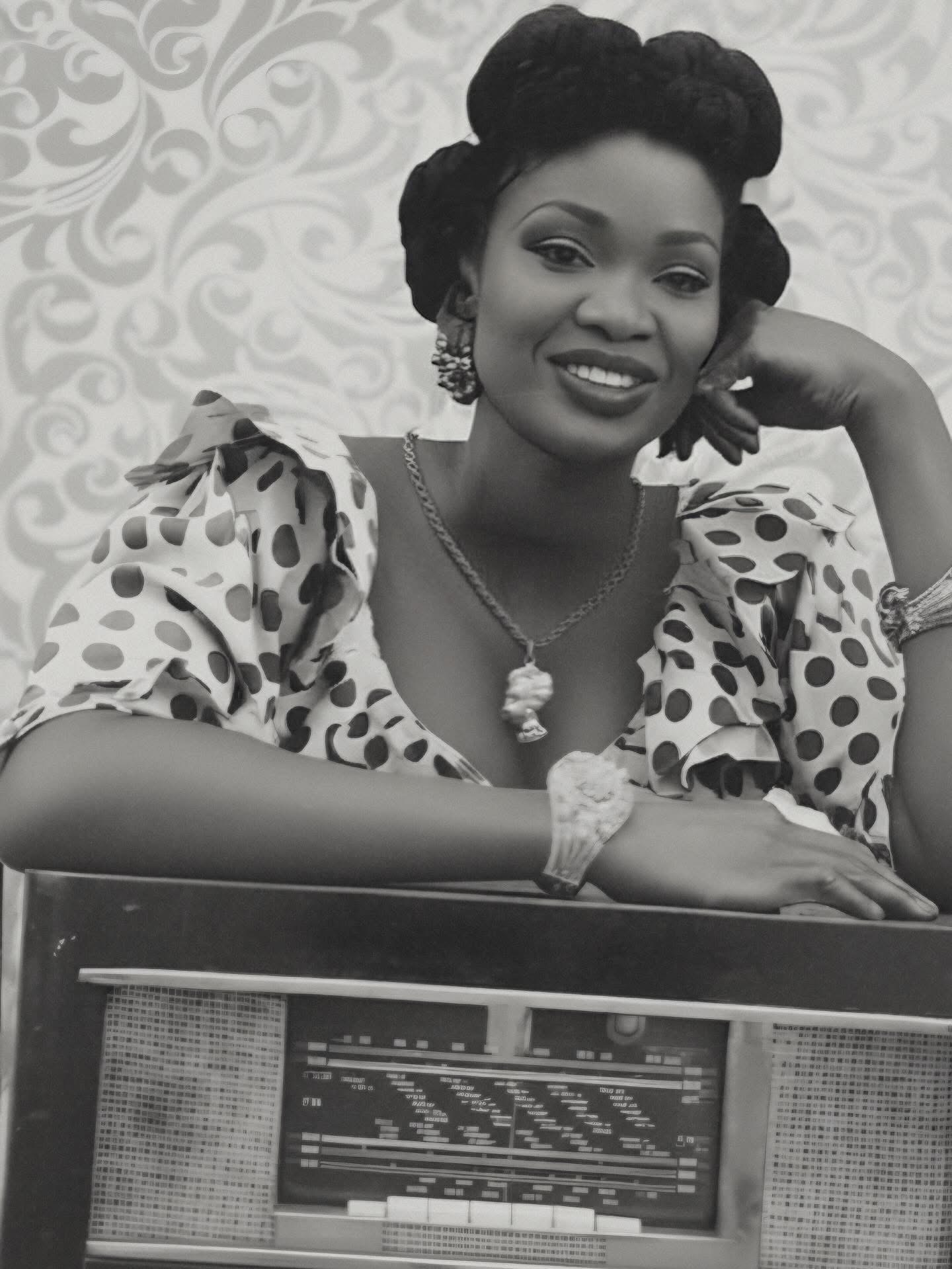
The queen of Malian soul, once celebrated for her bold anthems on womanhood and social justice, is now trending among Gen Z creators who may not even speak her language but are deeply moved by her sound. Her rise from the heart of Bamako to the heights of global virality underscores one truth: true artistry knows no expiration date.
From Wassoulou to the World
Born in Bamako, Mali, in 1968, Oumou Sangaré grew up surrounded by music and storytelling. Her sound, drawn from the Wassoulou region of southern Mali, is rich with call-and-response rhythms, the resonant tones of the ngoni (a West African stringed instrument), and lyrical storytelling rooted in cultural wisdom.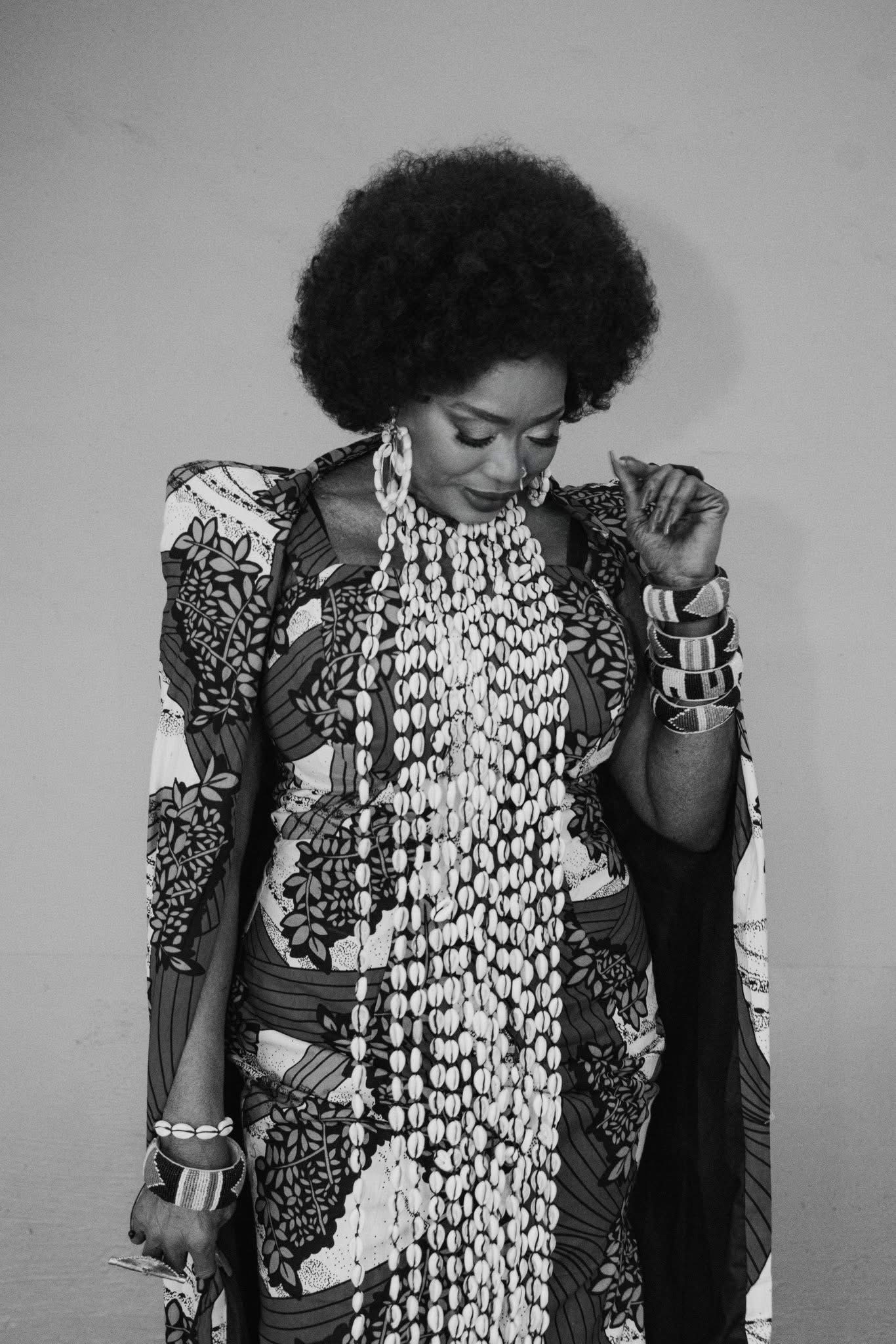
When she released her groundbreaking debut album, Moussoulou (meaning “Women”), in 1989, Sangaré didn’t just make music—she made history. The record sold more than 200,000 copies in Mali alone and positioned her as one of the continent’s most compelling voices for female empowerment. Through songs that speak boldly against forced marriage, gender inequality, and societal norms, she became not just an artist but a movement.
Her message, wrapped in haunting melodies and warm percussion, earned her the nickname “The Songbird of Wassoulou.” Yet her reach was never meant to stay local. Over three decades, Sangaré has performed on the world’s biggest stages, from London’s Royal Albert Hall to New York’s Apollo Theater, all while staying fiercely loyal to her cultural roots.
A TikTok Resurgence: When Tradition Meets Trend
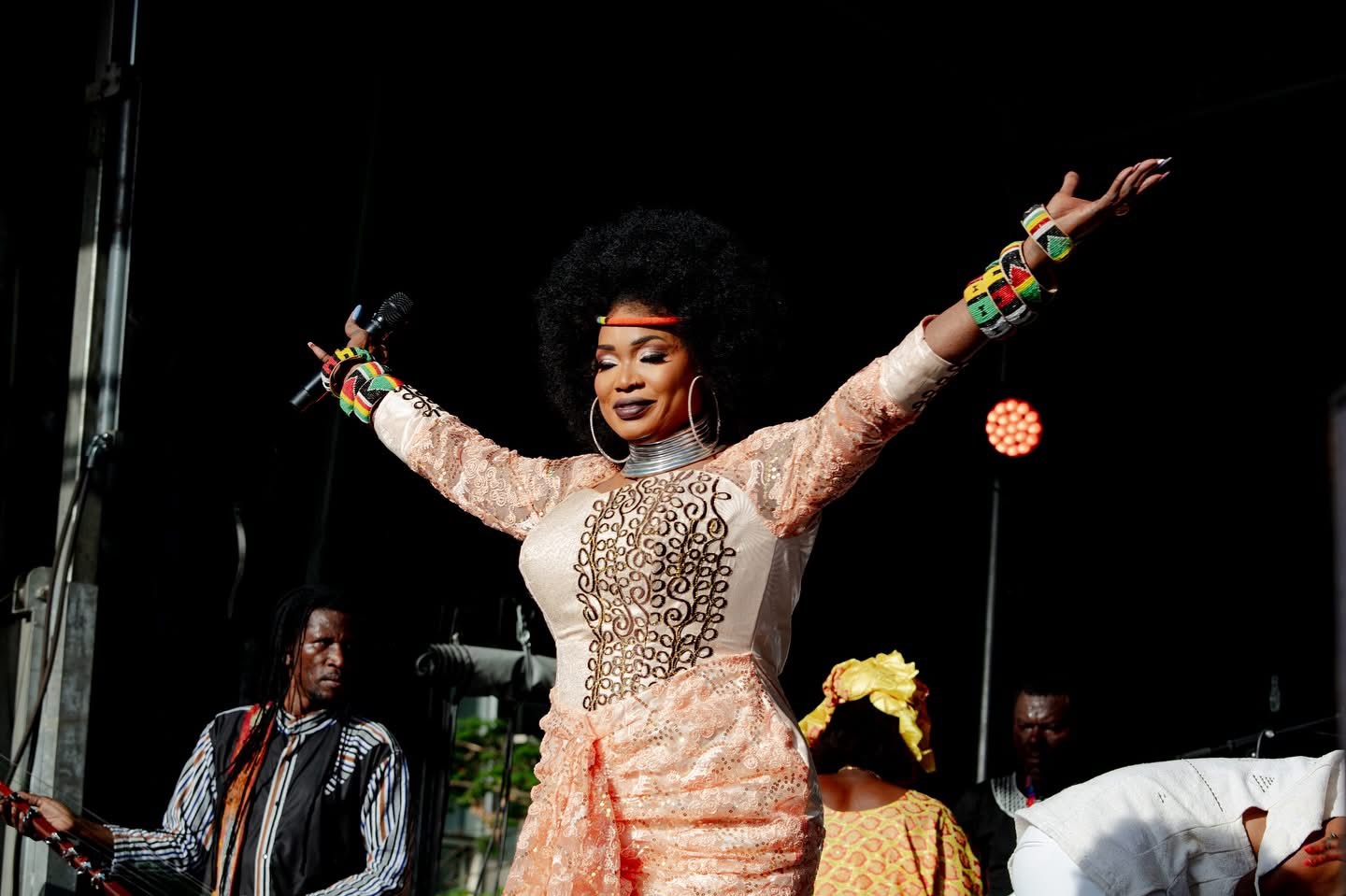 Fast forward to 2025—Oumou Sangaré’s 1996 classic “Kun Fe Ko” (translated as “The Unthinkable”) suddenly finds itself at the heart of a TikTok storm.
Thousands of users, from Lagos to Los Angeles, have been using the song’s hypnotic vocals for dance challenges, storytelling skits, and mood montages. The result? A decades-old track is charting once again on streaming platforms, introducing Sangaré’s voice to millions of young listeners who may never have heard of Wassoulou music before.
Entertainment outlets across Africa and beyond have covered the phenomenon. In Nigeria, celebrities and influencers joined the trend, giving the song fresh cultural currency. What started as a nostalgic rediscovery has evolved into a global celebration of heritage, with African sounds commanding space on social platforms once dominated by Western pop.
For Oumou Sangaré, the viral moment feels less like a comeback and more like a continuation of her legacy. Her sound, timeless yet adaptable, reflects Africa’s ability to evolve while preserving authenticity.
The Hip-Hop Connection: Collaborating Across Generations
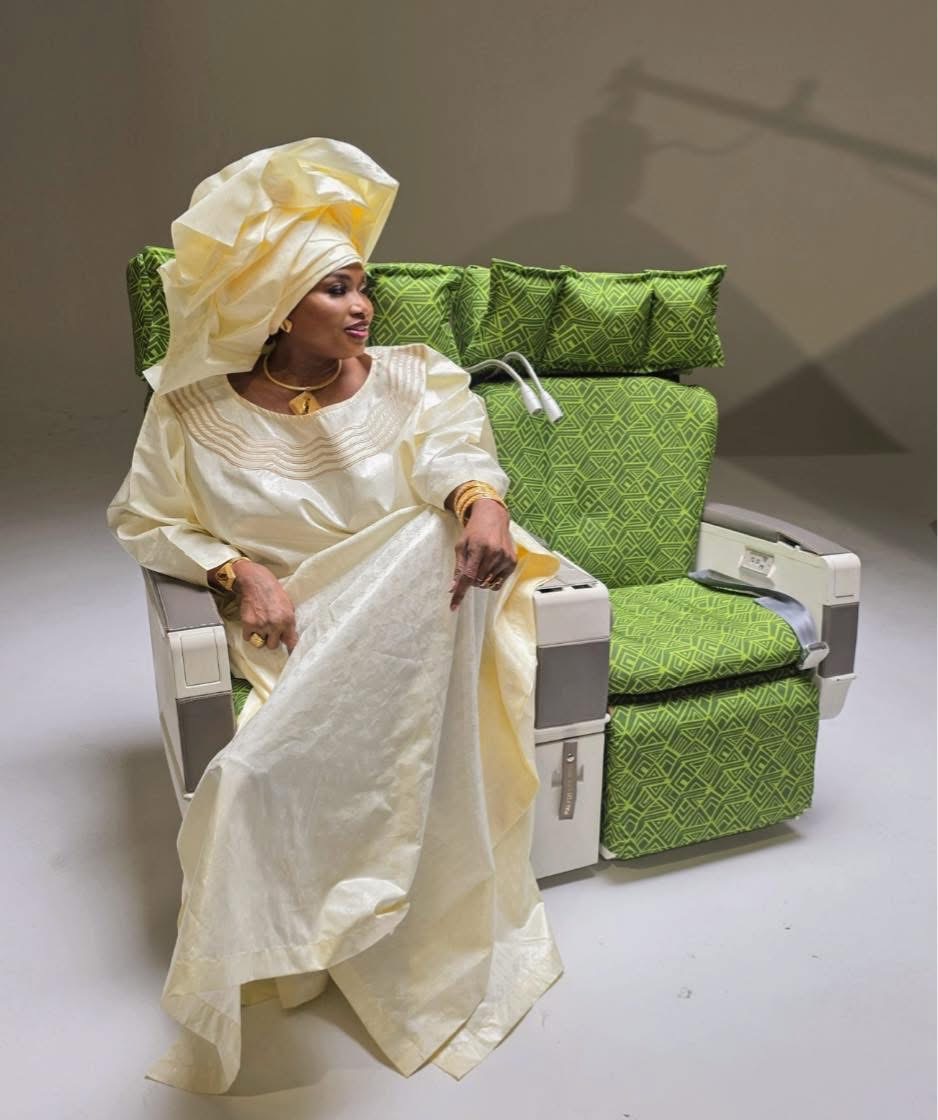 Long before TikTok introduced her to a new audience, Sangaré had already made her mark on the global stage. Her distinct vocals and songwriting have been sampled, remixed, and reimagined by major artists around the world—most notably in Beyoncé’s “Mood 4 Eva”, a star-studded collaboration featuring Jay-Z and Childish Gambino.
In that record, Sangaré’s song “Diaraby Nene” is subtly woven into the production, and she is officially credited as both performer and composer. The fusion exemplifies how African sounds have become integral to modern hip-hop and R&B’s evolving texture.
Through this single collaboration, Sangaré’s voice echoed through millions of playlists, proving that Africa’s classic rhythms can stand shoulder-to-shoulder with contemporary pop icons.
Beyond Beyoncé, her work has attracted the attention of electronic and urban music producers such as Sampha, St Germain, and Krizbeatz, who have remixed her tracks for global audiences. These reimaginings—blending Afro-soul, electronic, and hip-hop influences—highlight how versatile her art remains even three decades into her career.
Bridging Generations, Empowering Women
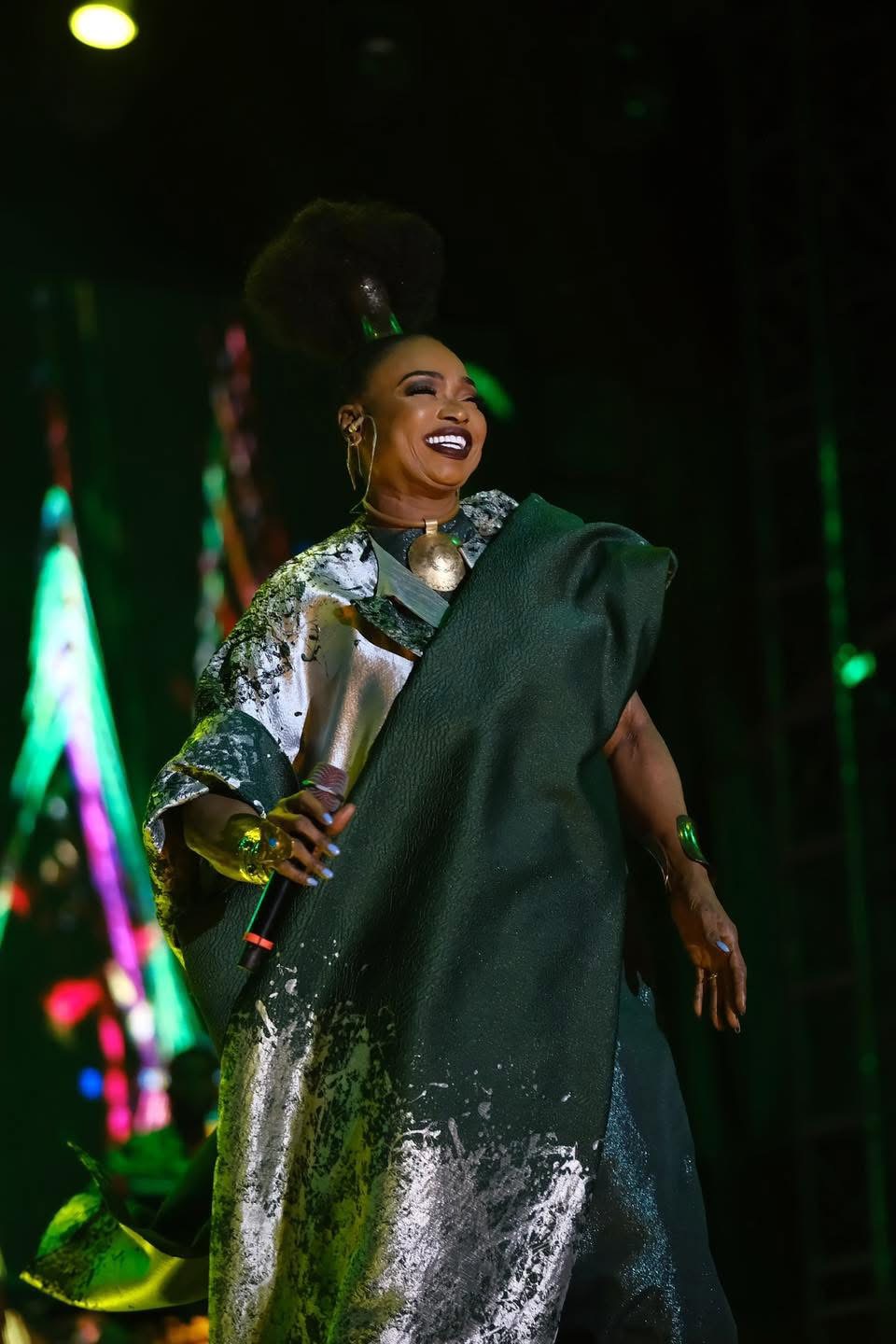 While her TikTok virality and Western collaborations tell part of the story, Sangaré’s true influence lies in her enduring message. From her earliest songs to her recent projects (Mogoya, Timbuktu), she has remained a vocal advocate for African women’s freedom, dignity, and creativity.
Her lyrics—often sung in Bambara—tackle universal themes: love, respect, social justice, and female resilience. This sincerity resonates even when language barriers exist. It’s what makes a 30-year-old song like Kun Fe Ko feel timeless on a platform built for trends that often last just days.
For many young African creators, Sangaré represents what’s possible when tradition, pride, and purpose meet global exposure. She is a reminder that Africa’s stories, when told authentically, can transcend geography, language, and generations.
Legacy in Motion
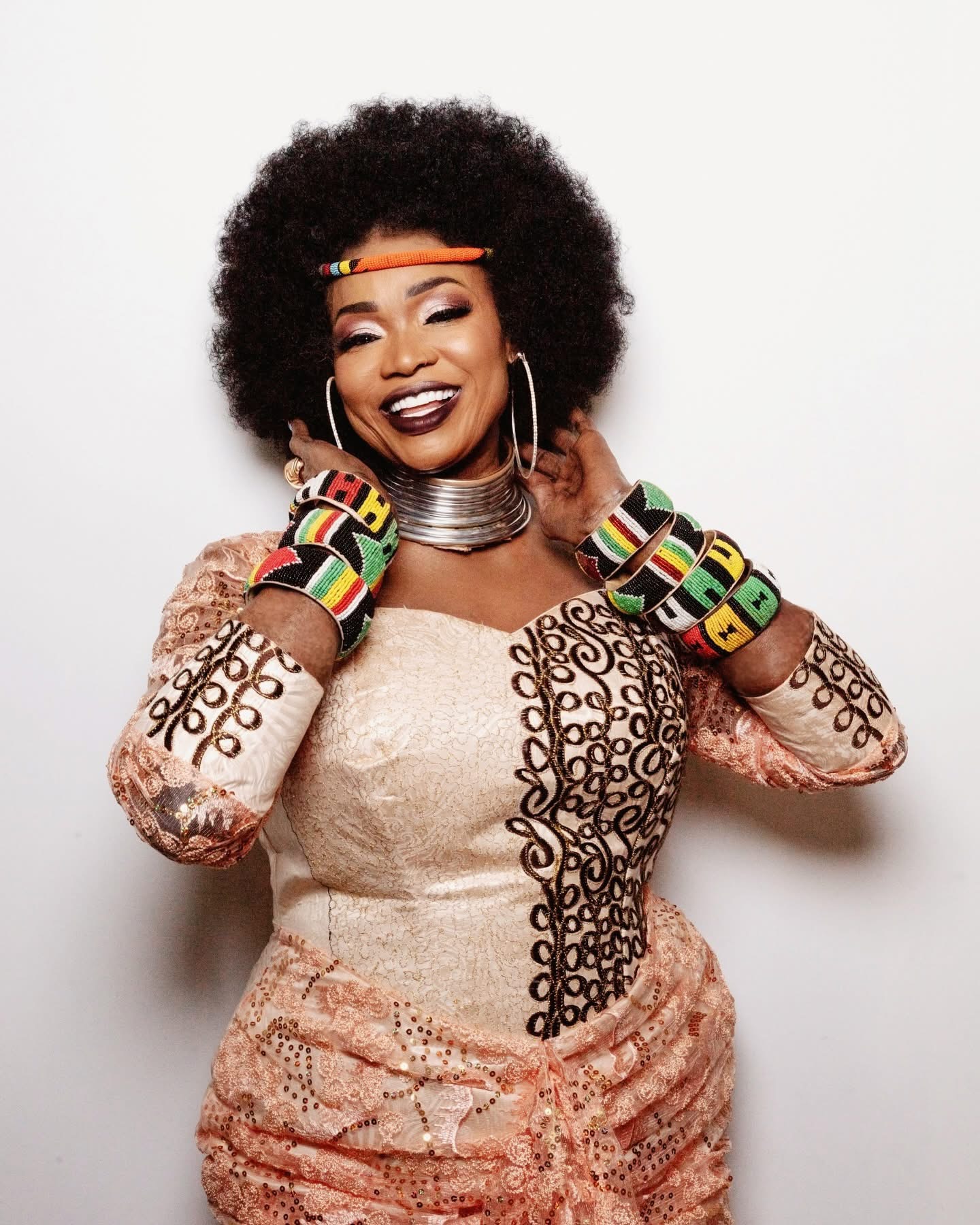 Today, as algorithms introduce her voice to millions of new listeners, Oumou Sangaré stands as a living link between heritage and innovation. She is not just an artist riding a viral wave; she is a pioneer whose art predicted this global fusion long before “Afrobeats to the world” became a movement.
From Bamako’s dusty stages to world tours, from gramophone records to TikTok loops, Oumou Sangaré’s journey embodies Africa’s new cultural era—one where tradition doesn’t fade; it evolves, resonates, and inspires anew.
Her voice, at once ancient and futuristic, continues to echo across borders—reminding the world that Africa’s sound is not just trending. It’s timeless.
Quick Facts — Oumou Sangaré
- Birthplace: Bamako, Mali
- Genre: Wassoulou / Afro-soul
- Breakthrough Album: Moussoulou (1989)
- Major Global Credits: “Mood 4 Eva” – Beyoncé, Jay-Z & Childish Gambino
- Recent Viral Hit: Kun Fe Ko (1996) — trending on TikTok in 2025
- Awards: UNESCO Goodwill Ambassador, Songlines Music Award, Grammy Award Winner
- Legacy Quote: “I sing for freedom—for the freedom of women, for the soul of Africa.”
Written by Adesina Kasali (Medullar Concept)