



U.S. President Donald Trump has announced plans to impose a sweeping 100% tariff and expanded export controls on a wide range of Chinese goods, intensifying trade hostilities between Washington and Beijing.
The new measures, set to take effect by November 1 or earlier, mark one of the most aggressive U.S. trade actions against China in recent years. President Trump accused Beijing of adopting what he described as an “aggressive position on trade,” warning that the United States would no longer tolerate what he called unfair economic practices and strategic manipulation.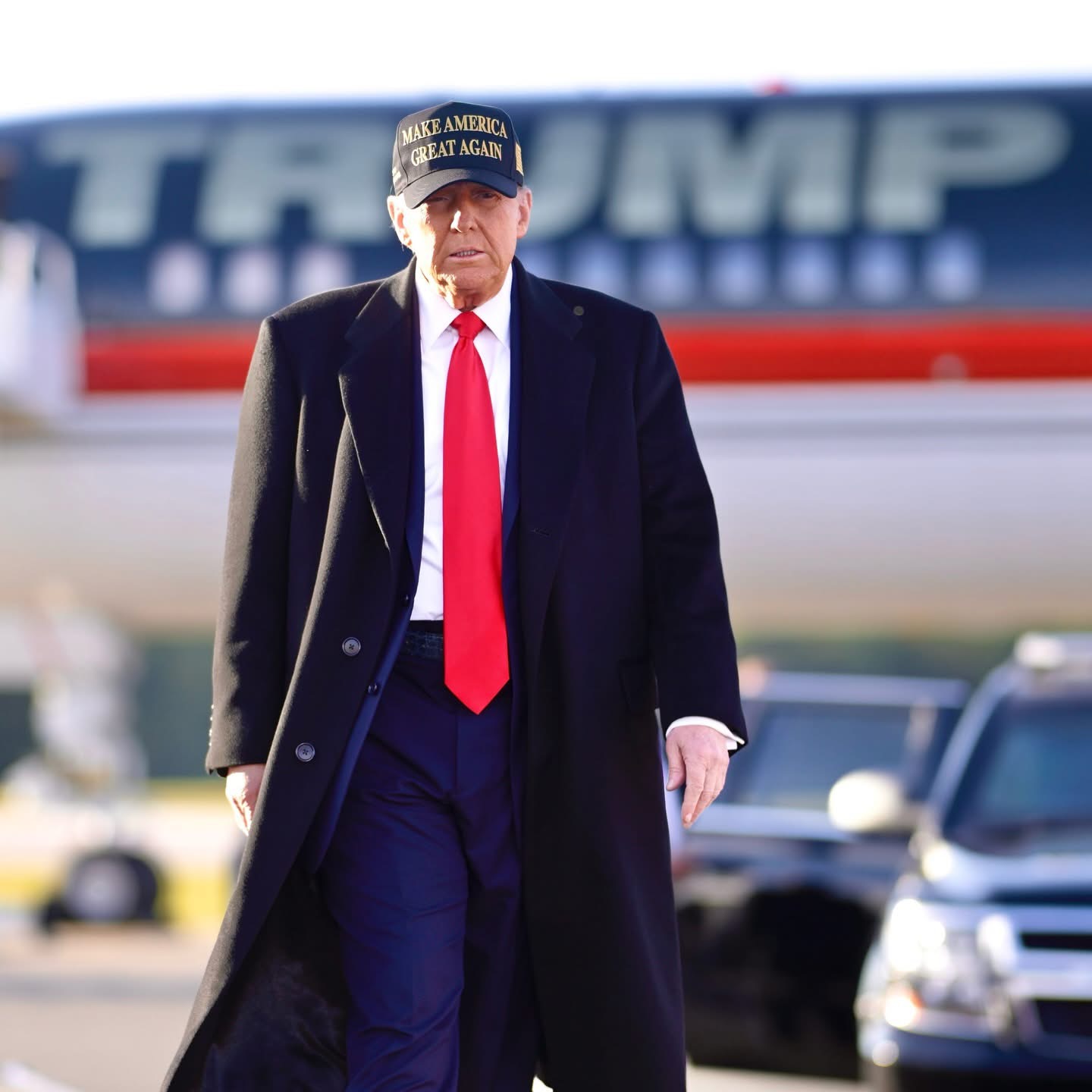
“China has continued to take an aggressive position on trade, using state power to disadvantage American industries,” Trump said during a White House press briefing. “We’re responding strongly and decisively to protect American jobs, innovation, and national interests.”
The announcement comes in direct response to China’s recent export restrictions on rare earth minerals, critical materials used in manufacturing semiconductors, electric vehicles, and advanced defense technologies. Analysts say the move by Beijing — viewed as a countermeasure to U.S. sanctions on Chinese tech firms — has reignited fears of a renewed trade war between the world’s two largest economies.
 The proposed U.S. tariffs are expected to target key sectors, including electronics, machinery, steel, and consumer goods, potentially impacting global supply chains and increasing costs for American importers and consumers. In addition to tariffs, Washington plans to implement stricter export controls to limit the transfer of advanced technologies and sensitive components to Chinese companies.
Economists warn that the escalating tensions could further strain global markets, disrupt trade flows, and undermine fragile economic recovery efforts.
In Beijing, Chinese officials have yet to issue an official response, though state media outlets have condemned what they called “U.S. economic coercion” and vowed that China would “take necessary countermeasures” to defend its national interests.
The development adds new uncertainty to an already volatile U.S.–China relationship, which has been marked by disputes over technology access, intellectual property, national security, and currency policy.
If implemented, the 100% tariff could signal the start of a new phase of economic confrontation, with wide-ranging consequences for global trade, investment flows, and international diplomacy.