



Namibian President Netumbo Nandi-Ndaitwah has urged the United Nations to intensify efforts at resolving protracted global conflicts, calling for the lifting of sanctions on Zimbabwe, Cuba, and Venezuela while demanding justice for the people of Palestine and Western Sahara.
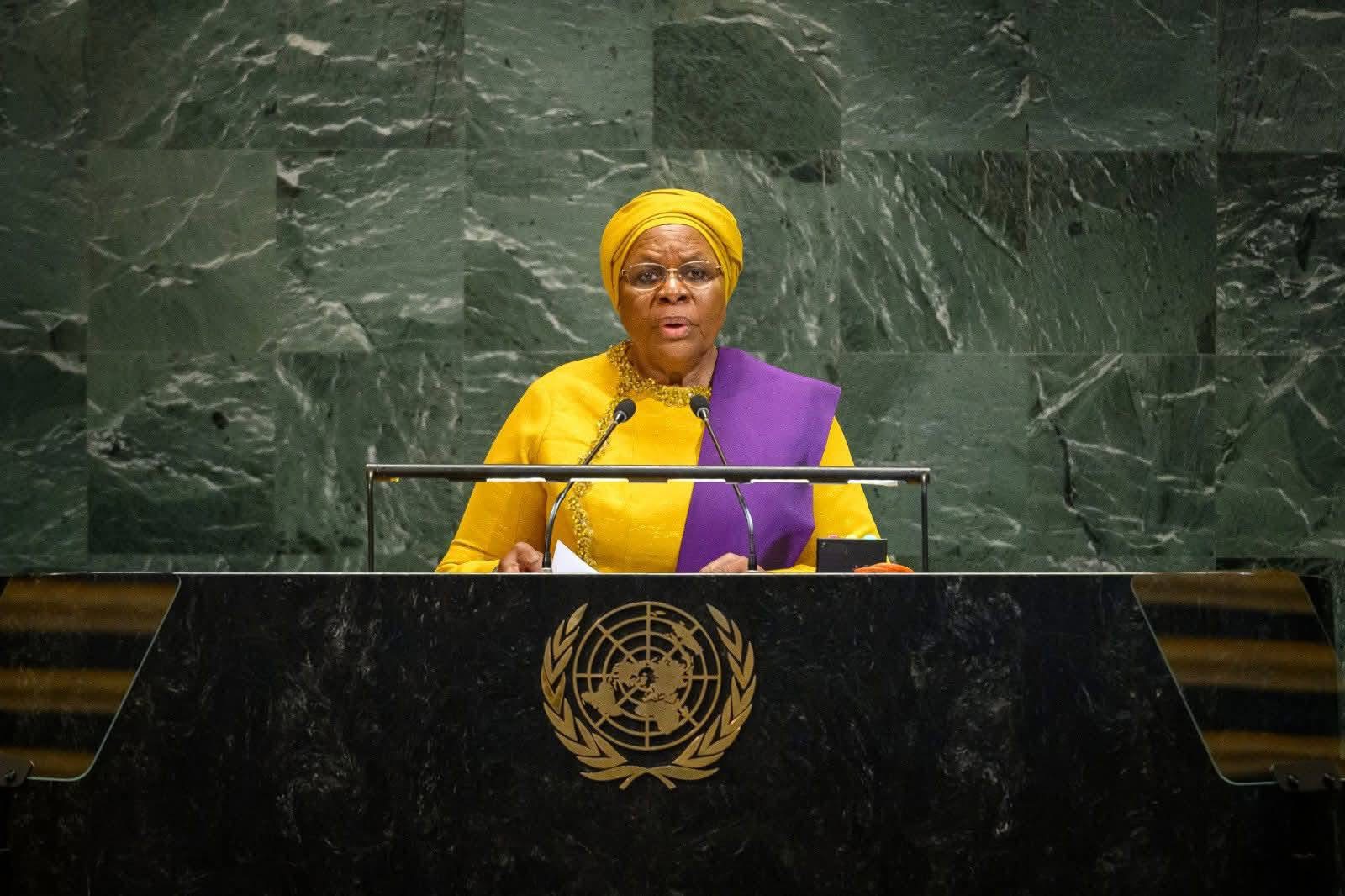
Speaking at the 80th United Nations General Assembly in New York, President Nandi-Ndaitwah framed Namibia’s position through the lens of its own history of apartheid, colonialism, and genocide, stressing that the country’s painful past compels it to stand in solidarity with oppressed peoples.
“Namibia’s history is one of untold suffering marked by apartheid, colonialism and genocide. It is our painful history that compels us to speak out, not out of bitterness, but conviction of the power of international solidarity,” she said.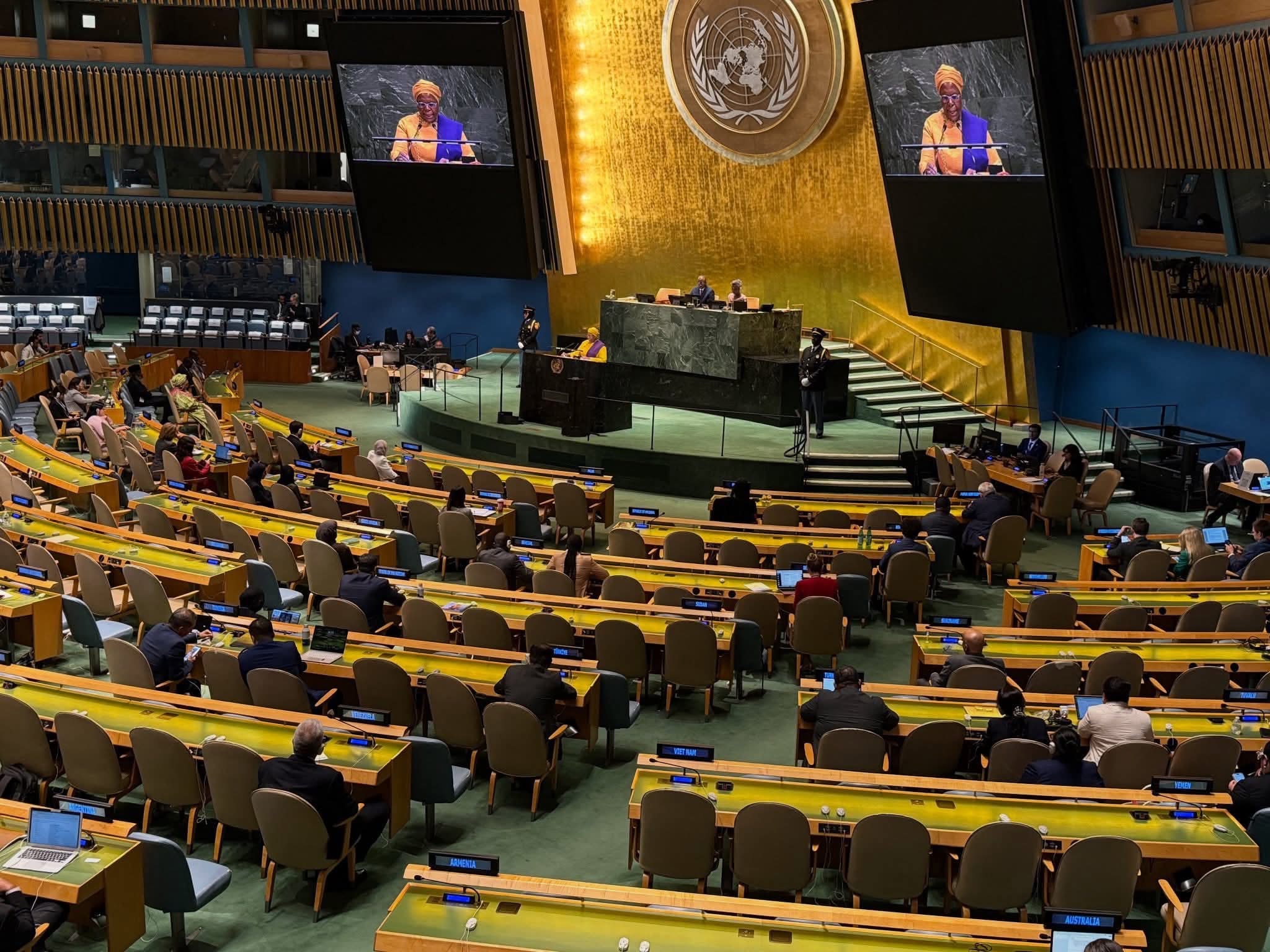
On Palestine, the Namibian leader cited a recent UN Commission of Inquiry report that concluded a genocide is being committed in the Occupied Palestinian Territories, including East Jerusalem. She decried worsening humanitarian conditions in Gaza, where aid remains restricted, and warned that global inaction could amount to “the moral failure that defines this era.”
“What we need is constructive dialogue to prevail. The people of Palestine must also benefit from the noble promises of the United Nations Charter,” she stated, calling on the UN Security Council to overcome divisions and work towards a durable two-state solution.
Turning to Western Sahara, President Nandi-Ndaitwah criticized the decades-long delay in implementing Resolution 690 of 1991, which provided for a referendum on self-determination for the Saharawi people. “The time for the holding of the UN referendum on the right to self-determination for the people of Saharawi is now,” she declared.
On sanctions, she argued that unilateral coercive measures undermine the principles of the UN Charter and unjustly punish sovereign states. She demanded the lifting of sanctions on Zimbabwe and the removal of Cuba from the U.S. list of state sponsors of terrorism, alongside an end to the economic embargo on Havana. She also expressed concern over growing threats against Venezuela, urging an end to restrictions on the South American nation.
The Namibian leader further pushed for reforms of the UN Security Council in line with the Ezulwini Consensus and Sirte Declaration, which represent Africa’s common position on equitable representation in global governance. She emphasized that Africa’s demand for permanent seats on the Council is overdue and must no longer be sidelined in ongoing reform debates.
“The Charter of the United Nations has laid the foundation for conditions necessary for peaceful coexistence and harmony among nations. Therefore, unilateral coercive measures should not be used as tools to undermine sovereign states,” she stressed.
President Nandi-Ndaitwah’s address highlighted Namibia’s consistent advocacy for international justice, decolonization, and solidarity with nations facing external pressure. Her call resonated with broader demands from African and developing countries pressing for a fairer multilateral system that reflects contemporary global realities.