



There is a particular quality to celebration in Abeokuta. It carries weight. The city was not built on convenience or commerce alone but on the bones of a resistance, on the memory of a people who walked through decades of uncertainty to find shelter beneath a granite rock and call it home. When Abeokuta marks the Lisabi Day Festival each year, it is not simply observing a date on a calendar. It is returning, deliberately and publicly, to the moment that made it.
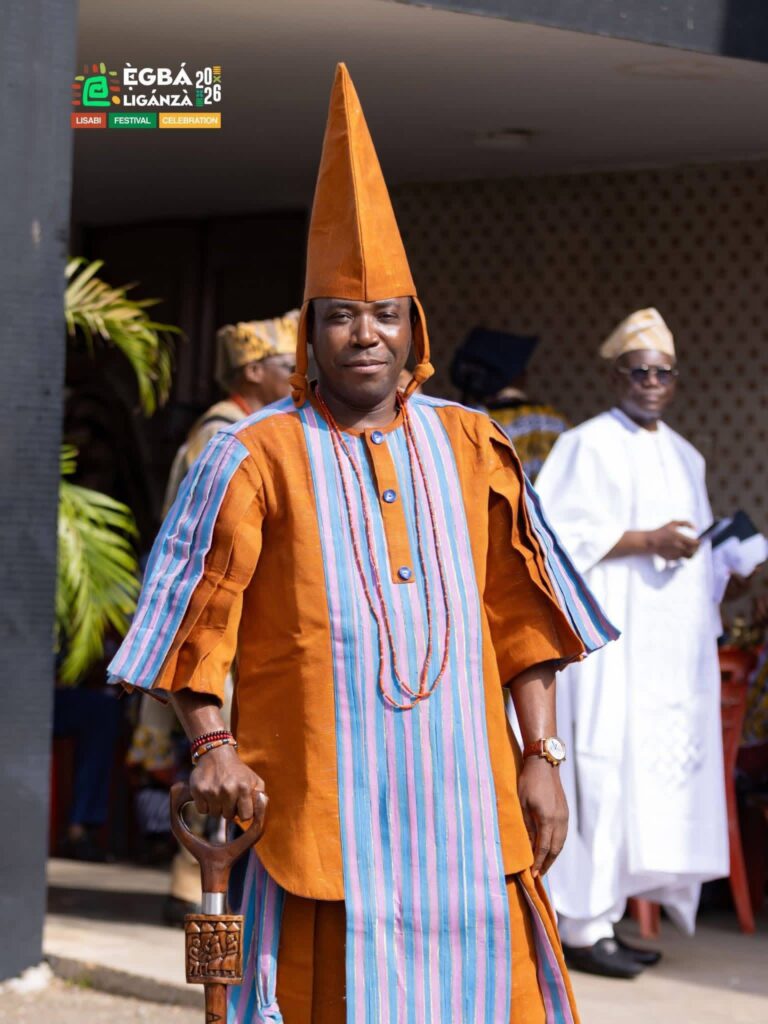 The 39th edition of the Lisabi Festival, culminating on Saturday 28th March 2026 at the historic Ake Palace grounds, brought that return into sharper focus than perhaps any edition before it. At the centre of the occasion was Egbaliganza, the cultural fashion showcase that has grown, in just three years, from a proud component of the festival into an event with continental ambitions and the formal backing of the Federal Government.
The Warrior Behind the Day
To understand Egbaliganza, one must first understand what Lisabi Day commemorates and why it still carries the force it does.
Lisabi Agbongbo Akala was a warrior and strategist whose actions in the 1760s reshaped the destiny of his people.  The Egba people, living under the political control and tribute system of the Oyo Empire in the early centuries, endured years of subjugation before a coordinated resistance emerged.  The system was grinding and deliberate. The Alaafin’s representatives, known as Ilaris, were stationed in Egba villages and wielded their power with a heavy hand, oppressing the people and demanding their submission.

Lisabi’s genius was not merely martial. He deployed the traditional Aaro communal labour system as a strategy to mobilise the people, build trust, and organise what later became a decisive revolt against Oyo authority.  In 1775, he struck a decisive blow against the Oyo Empire, beginning by killing the Alaafin’s representative in his village of Igbehin. This act sparked a revolt that saw about six hundred imperial agents slain in a matter of moments. 
The victory was complete, but its aftermath was complicated. The Egba resistance dealt a decisive blow to Oyo authority in the region, marking a significant step towards freedom, yet like many transformative figures, Lisabi did not live to witness the long-term impact of his actions.  What followed was a prolonged period of displacement and migration. The Egba people faced decades of displacement and conflict, guided only by Ifa divination and their determination to survive. Their perseverance led them to Abeokuta, a land of refuge and possibility. The city’s natural defences, including Olumo Rock, provided the perfect haven for the Egba to rebuild and establish a structured society. 
The festival, held annually to honour Lisabi Agbongbo Akala, features traditional homage-paying rites, warrior-themed reenactments, drumming, and colourful dance parades.  Hosted under the authority of the Alake of Egbaland, the festival brings together all Egba subgroups — Ake, Oke-Ona, Gbagura, and Owu — in a display of unity and shared identity. 
The Rise of Egbaliganza
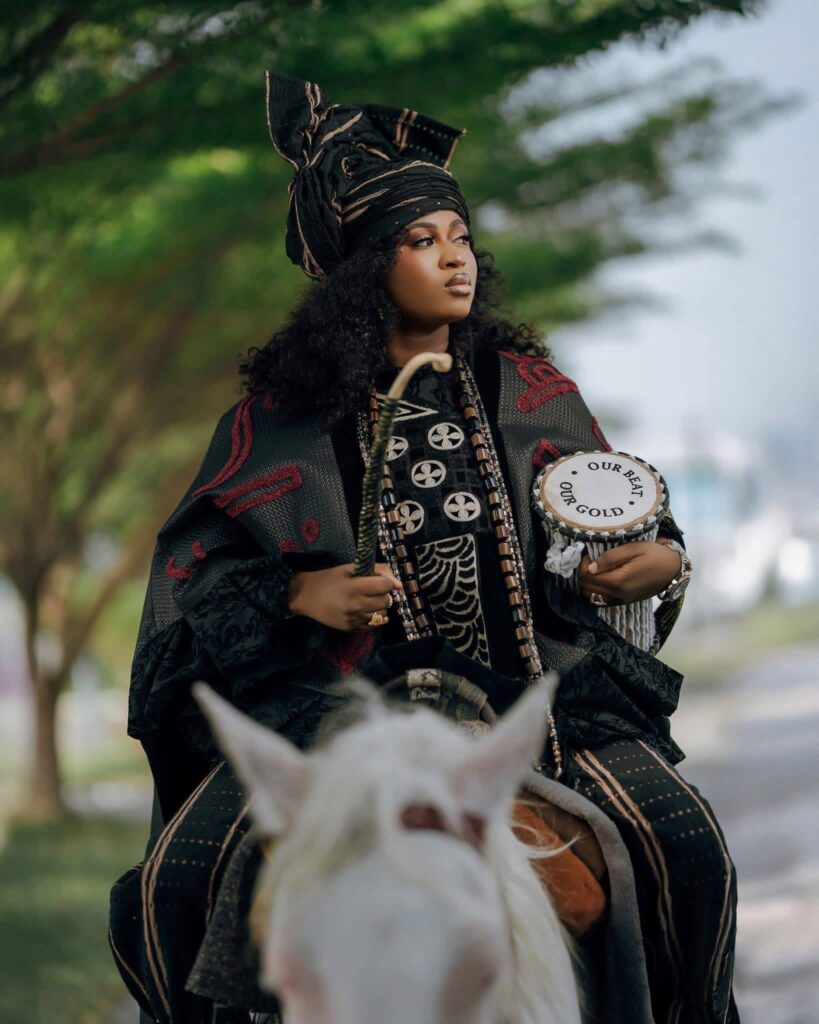
Within this established framework of remembrance and reunion, Egbaliganza arrived as something new. It did not replace the older rituals or dilute the solemnity of the commemoration. The Lisabi Festival Committee clarified earlier in the year that Egbaliganza is limited to a two-hour slot within the week-long programme and does not alter the festival’s core historical focus.  What it does, rather, is extend that focus outward, translating ancestral pride into a living visual language.
The display of fashion and style dubbed Egbaliganza was not just for spectacle. It was a well-thought-out journey of bringing back the regular clothes of the old Egba warriors, chiefs, and high-net-worth individuals, to showcase a part of the unique beauty of Egbaland culture. All the attires on display were curated from the archive of the Egba tradition. 
A major highlight of the grand finale was the Egbaliganza cultural fashion showcase, championed by the Aare of Egbaland, Chief Lai Labode. The initiative placed a spotlight on traditional Egba attire while promoting local enterprise, with Abeokuta’s iconic Adire fabric dominating the displays. 
Adire, the indigo-dyed resist-print fabric for which Abeokuta is famous across West Africa, is not merely decorative. Its patterns tell stories of cultural heritage, community bonds, and the Egba people’s resilience. Many Adire patterns are passed down through generations and are worn during significant cultural events, including Lisabi Day, weddings, and other traditional ceremonies. 
A Continental Stage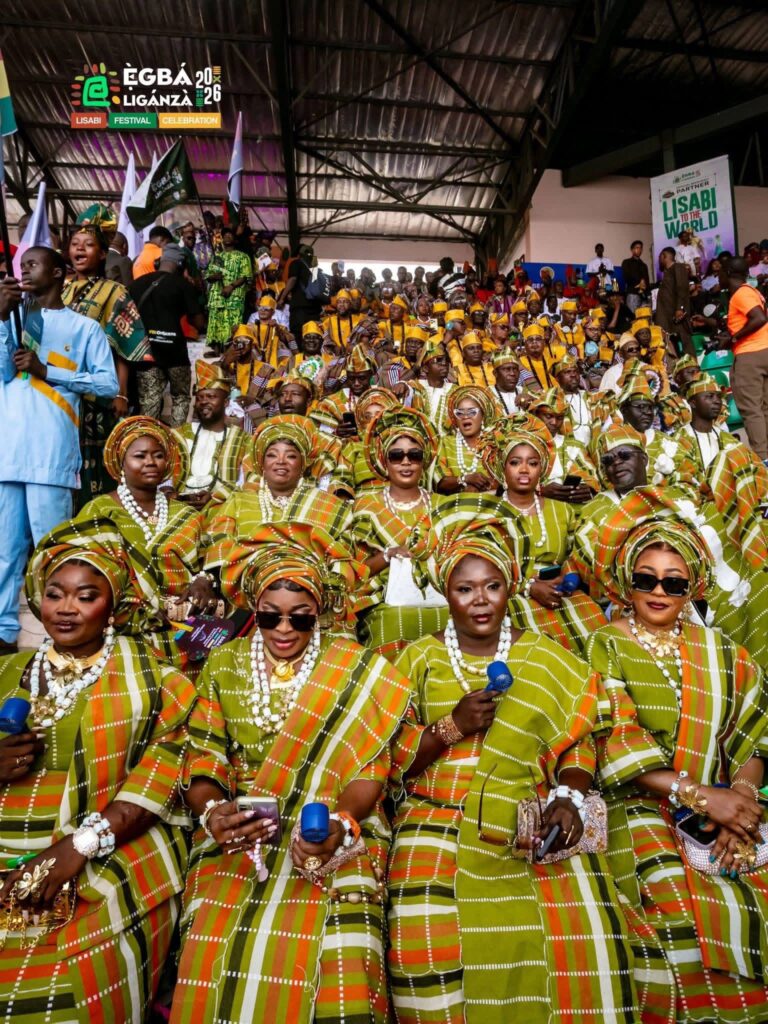
The 2026 edition of Egbaliganza marked a significant shift in scale and formal recognition. Now in its third consecutive year as a flagship programme of the Lisabi Festival, Egbaliganza 2026 represents the most expansive edition of the platform to date, conceived in honour of Lisabi Agbongboakala and inspired by the visionary royal guidance of the Alake of Egbaland, HRM Oba Adedotun Aremu Gbadebo. 
Themed as Africa’s first Culture and Fashion Exchange, the 2026 edition brought together over fifty countries, governments, cultural institutions, designers, and investors to showcase African heritage and fashion.  The event also confirmed the successful securing of official Federal Government recognition for the Lisabi Festival through the Federal Ministry of Arts, Culture and the Creative Economy, a development that strengthens the festival’s national cultural status and opens new doors for institutional support and cultural tourism across Ogun State and beyond. 
Aare Lai Labode, speaking at the international press conference that preceded the event, was direct about the intent behind the platform. “Egbaliganza was conceived as a gift to the Egba people and a living monument to Lisabi Agbongboakala, our symbol of courage, sacrifice, and collective will,” he said. “Under the leadership of the Lisabi Festival Committee and the royal blessing of Kabiyesi Alake, Egbaliganza has become a strategic cultural engine within the Lisabi Festival.” 
The activities on the day reflected the ambition of that statement. They included a parade, fashion shows featuring Adire and Aso-Oke, exhibitions of garments and artefacts, the unveiling of a unity drum, an orchestra performance, and a gala night. 
A Gathering of Names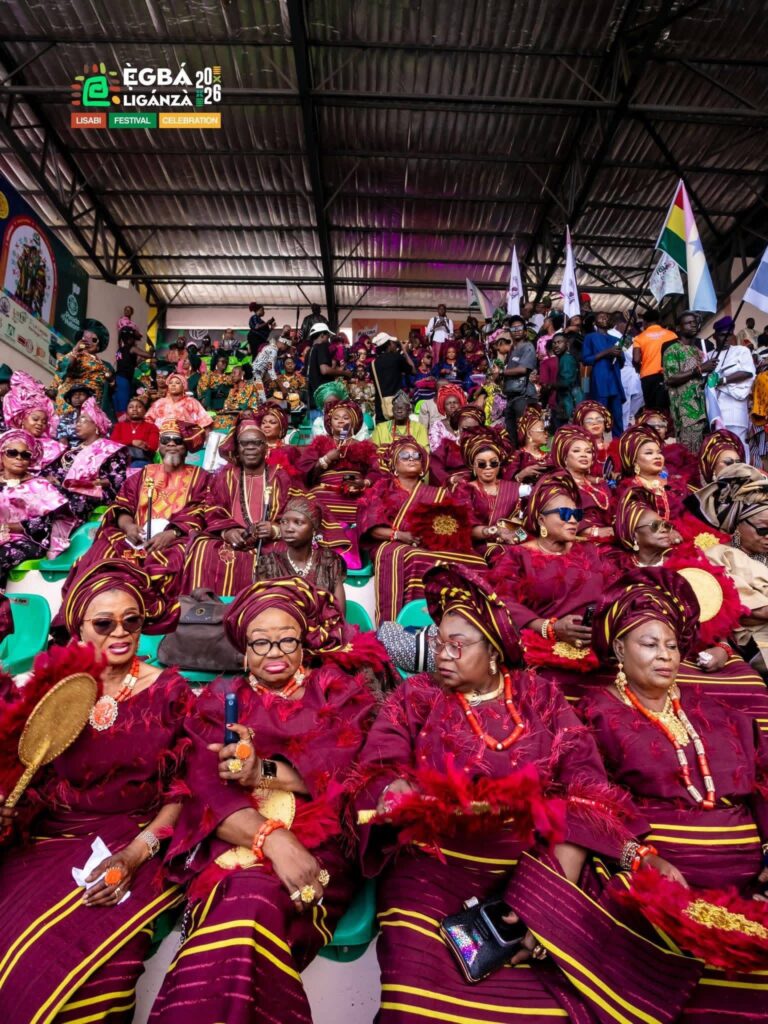
The weight of the occasion drew names that seldom appear in the same venue. Former President Olusegun Obasanjo, former Ogun State governor Ibikunle Amosun, and Nobel laureate Wole Soyinka were among the dignitaries at the 39th Lisabi annual festival. The event drew monarchs, politicians, entertainers, and other guests, among them actors Olaiya Igwe, Yemi Solade, Muyiwa Ademola, and musician Shina Peters.  Musical presentation by Evangelist Ebenezer Obey-Fabiyi, the King of Juju music, marked one of the event’s defining musical moments, with the programme closing with a Thanksgiving service at the Cathedral of St. Peter. 
The attendance was not merely celebratory. Beyond the cultural festivities, the event served as a homecoming for Egba indigenes in the diaspora, attracting political leaders, business figures, and cultural influencers. The influx of attendees contributed to increased commercial activity across the city, with a noticeable rise in street trade throughout the week. 
Culture as Economy
Those who track the development of Nigeria’s creative and cultural sectors will recognise the significance of what Egbaliganza is attempting. Previous editions of Egbaliganza delivered increased hotel occupancy across Abeokuta, direct income for local artisans, designers, and craftsmen, international visibility for Egba creatives, and renewed diaspora engagement.  The 2026 edition set its sights on a targeted diaspora investment and contribution pipeline supporting cultural production, youth programmes, and institutional sustainability, alongside employment across logistics, production, design, hospitality, media, and local commerce. 
At the heart of this cultural renaissance, there is a plan to build a one-billion-dollar value chain using Egbaliganza to establish an indigenous textile industry, particularly in Adire and other traditional fabrics.  That ambition is not idle. It sits within a continent whose fashion and textile heritage has long been undervalued in formal economic terms, and it points toward the kind of positioning that festivals in the global South have historically struggled to sustain.
What Abeokuta Is Saying
The Lisabi Festival in its 39th year is, by any reading, at a crossroads of sorts — not a crisis of identity, but an expansion of audience. The core of the occasion has not changed. The story of Lisabi and the Egba people offers an enduring lesson, particularly for a generation navigating its own challenges. It underscores the importance of collective action, the value of long-term vision, and the reality that meaningful change often comes at great personal cost. 
What has changed is the reach. Egbaliganza is the mechanism through which Abeokuta is now communicating that story beyond the Ake Palace grounds, beyond Ogun State, beyond Nigeria’s borders. It is saying that the same people who organised a revolt under the cover of communal farming, who carried their identity through decades of forced migration to plant it beneath a rock in the southwestern forest, are now sending that identity out into the world on bolts of Adire and Aso-Oke, in the hands of designers and the attention of investors from fifty nations.
Lisabi Agbongbo Akala began something in the 1760s that his people alone completed. Egbaliganza, at its best, is the continuation of that habit: beginning things with courage, and trusting that the work will outlast any single moment.
Reported from Abeokuta, Ogun State, Nigeria, March 2026.