



Building Partnerships. Driving Growth. Creating Lasting Value.
In business, building a successful enterprise is only part of the journey. The greater challenge lies in creating a business that can grow beyond its current scale, withstand changing market conditions, and remain sustainable across generations. For Ayokunle Okuneye, this requires a deliberate commitment to strategic partnerships, operational growth, leadership development, and succession planning.
As Managing Director of UniqueAyos Ventures and Founder of DoughCrust Bakery in Lagos, he understands the importance of building productive business relationships while developing the structures required for long-term enterprise growth. His approach reflects a broader view of entrepreneurship, one that considers not only immediate commercial opportunities but also the future of the businesses being built today.
This philosophy was evident during a recent business engagement with Mr. Munir Lamba, Vice President and Profit Centre Head, B2B at Olam, and his team, who visited one of Okuneye’s warehouses in Lagos. The meeting provided an opportunity to exchange ideas on business development, explore possibilities for deeper collaboration, and discuss opportunities within the food and commodity distribution sector.
Strategic Partnerships as a Foundation for Growth
In an increasingly competitive business environment, strategic partnerships can provide enterprises with access to new markets, stronger supply networks, industry knowledge, and opportunities for expansion. For businesses operating in food production and commodity distribution, such relationships can also contribute to improved supply chain coordination, greater operational efficiency, and more effective responses to changing customer needs.
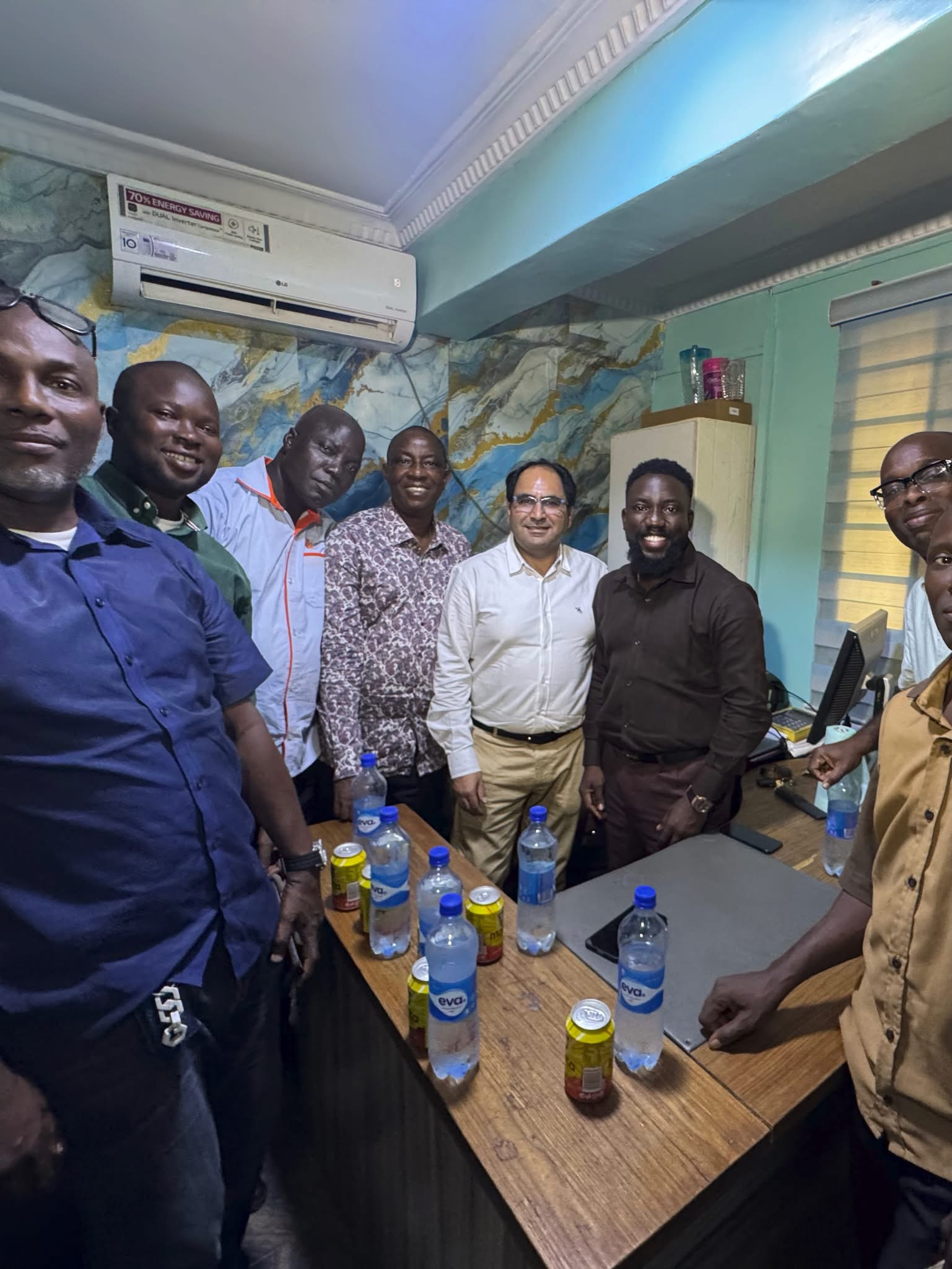 The visit by Mr. Munir Lamba and his team underscored the value of direct engagement between business leaders and organisations operating within related sectors. Conversations of this nature create room for identifying shared interests, understanding market realities, and exploring areas where collaboration could generate mutual benefits.
For Ayokunle, business relationships should be built on trust, transparency, shared objectives, and a clear understanding of the value each party brings to the table. When these principles guide commercial engagement, partnerships have a stronger foundation for enduring beyond individual transactions.
He maintains that sustainable growth depends on the ability of entrepreneurs to look beyond their immediate business operations, establish meaningful industry connections, and remain open to ideas that can strengthen their enterprises.
This perspective is particularly relevant to Nigeria’s business environment, where entrepreneurs must continually assess opportunities, manage operational challenges, and develop relationships that support their long-term commercial ambitions.
Building Businesses That Can Outlive Their Founders
Beyond partnerships and expansion, another important consideration for business owners is the future of their enterprises. For Ayokunle, conversations about sustainable business growth should also include succession planning, particularly for founders who intend to preserve their businesses and pass them on to the next generation.
 Across many family-owned businesses, founders invest years of personal effort, financial resources, industry knowledge, and relationships in establishing their enterprises. However, the continuity of those businesses can become uncertain when leadership transitions are left until retirement, illness, or other unexpected circumstances force a change.
Succession planning offers a practical way to address this challenge. It involves identifying future leaders, documenting essential business processes, establishing clear governance structures, and preparing the organisation for an orderly transition of responsibility.
For family-owned enterprises, this process should begin early. Founders need to consider how members of the next family generation can be introduced to the business, gradually exposed to its operations, and prepared to assume leadership responsibilities when the time comes.
Such preparation should go beyond giving family members titles or assuming that ownership automatically translates into leadership competence. The next generation must have opportunities to understand the business, develop professional skills, learn financial management, build relationships with employees and partners, and demonstrate their ability to make sound decisions.
Early involvement can also help younger family members appreciate the history, values, sacrifices, and commercial principles on which the business was established. Through structured mentorship, practical experience, and increasing responsibility, they can develop a deeper understanding of what it takes to sustain an enterprise.
At the same time, effective succession planning requires founders to distinguish between family ownership and professional management. Clear expectations, measurable performance standards, accountability, and appropriate governance arrangements can help ensure that leadership appointments are guided by competence and the long-term interests of the business.
A well-prepared succession plan also protects employees, customers, suppliers, and other stakeholders by reducing uncertainty during a leadership transition. It gives the business a better chance of maintaining operational stability while adapting to a new generation of leadership.
Ultimately, a founder’s legacy should be measured not only by the business established during their lifetime but also by the strength of the systems, people, and values put in place to sustain it.
From Entrepreneurial Vision to Institutional Strength
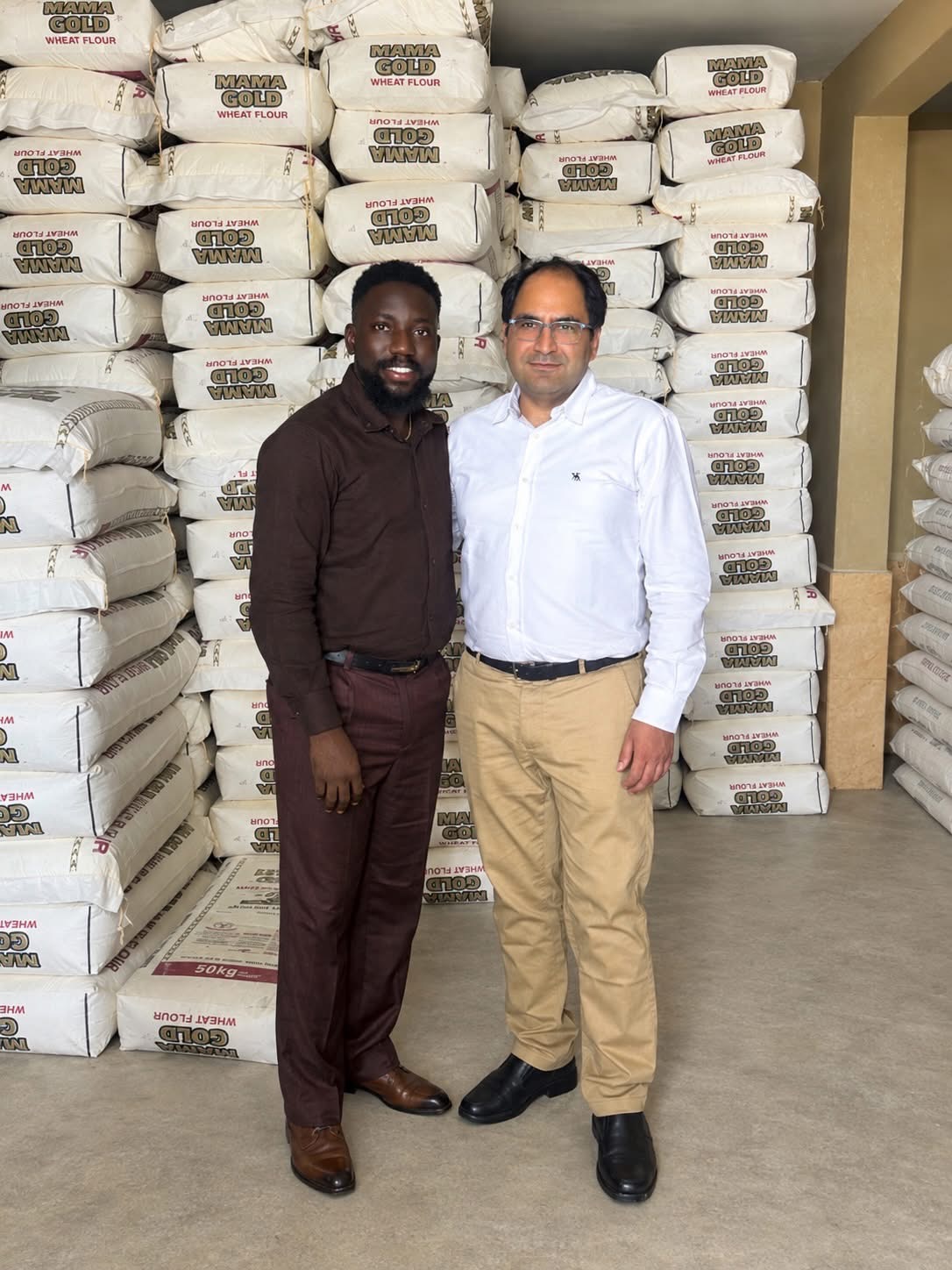 The need for continuity is closely connected to the broader responsibility of building businesses that can function effectively beyond the daily involvement of their founders. As enterprises grow, personal supervision alone may no longer be sufficient to manage increasing operational demands.
Documented procedures, reliable financial records, defined management responsibilities, staff development, technology, and sound internal controls become increasingly important. These systems help transform a business from a founder-dependent operation into an institution with the capacity to grow, adapt, and endure.
For entrepreneurs overseeing multiple business interests, the ability to establish these structures can support better coordination, clearer decision-making, and more effective allocation of resources.
For UniqueAyos Ventures and DoughCrust Bakery, the broader principles of strategic relationships, operational discipline, and forward planning offer a useful framework for considering long-term growth. Strong external partnerships can create opportunities, while effective internal systems help businesses manage those opportunities responsibly.
The two priorities are complementary. Partnerships can open doors, but the strength of an enterprise’s internal structure often determines how well it can take advantage of the opportunities that follow.
Creating Lasting Value Through Collaboration
Reflecting on his engagement with Lamba and his team, Ayokunle expressed appreciation for the visit and the insightful discussions. He welcomed the opportunity to exchange perspectives and explore possibilities for stronger business relationships in the future.
His position reflects a conviction that sustainable business development requires more than short-term commercial gains. It calls for relationships that deliver mutual value, leaders who are willing to learn, and founders who are prepared to think beyond their own tenure.
As Nigeria’s business landscape continues to evolve, entrepreneurs face the dual responsibility of growing their enterprises today and preparing them for tomorrow. Strategic partnerships can strengthen commercial prospects, while succession planning and sound governance can help protect the value created over time.
For family businesses in particular, introducing the next generation early, providing structured training, and establishing clear succession arrangements can make the difference between a business that ends with its founder and one that continues to create opportunities for decades.
For him, the underlying principle is that sustainable success requires a long-term outlook. Businesses must build meaningful relationships, create systems that support growth, and prepare capable leaders to carry their vision forward.
The future belongs to businesses that grow together, plan ahead, and build structures strong enough to outlive their founders.
Ayokunle Okuneye
Managing Director, UniqueAyos Ventures | Founder, DoughCrust Bakery, Lagos