


Home Blog Page 113

Lagos Landmass Expands from 3,577 to 4,050 Sq Km Through Massive Reclamation

0

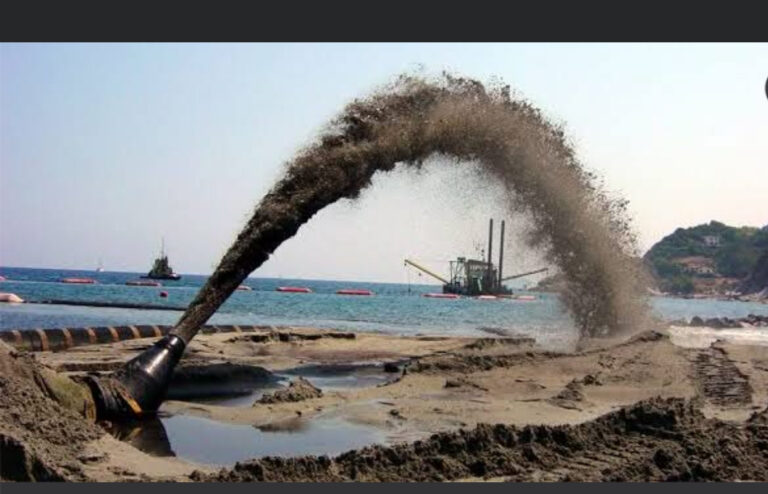
Lagos State has recorded a significant increase in its landmass, expanding from 3,577 square kilometres to 4,050 square kilometres, following years of large-scale land reclamation projects across its coastal areas.

The new figures, released on Monday by the Lagos State Ministry of Physical Planning and Urban Development, highlight the transformative impact of reclamation efforts that have reshaped parts of the state’s geography. Projects such as the Eko Atlantic City development, shoreline extensions in Lekki, and reclamation works in Epe and Badagry were cited as major contributors to the growth.

Officials explained that the expansion was necessary to address the state’s rapid urbanization and rising population, estimated at more than 22 million people. With limited natural land space and growing pressure on housing, infrastructure, and commercial development, land reclamation has been adopted as a strategic response to Lagos’ space constraints.

Dr. Oluyinka Olumide, the state’s Commissioner for Physical Planning, noted that the additional land has opened new opportunities for urban renewal, investment, and infrastructure development. “The expansion of Lagos through reclamation is not just about increasing size; it is about creating planned communities, boosting economic activity, and securing the state’s future against coastal erosion,” he said.

Experts, however, have raised concerns about the environmental implications of aggressive reclamation. Marine ecologists warn that disruptions to natural shorelines may affect ecosystems, fisheries, and flood resilience if not carefully managed. Some community groups in riverine areas have also expressed fears of displacement and long-term ecological damage.

The state government has assured that environmental safeguards are being enforced and that projects are subject to impact assessments before approval. Authorities also pledged to prioritize sustainability as they integrate the reclaimed areas into broader urban planning frameworks.

With Lagos already regarded as Nigeria’s commercial hub, the expansion is expected to further cement its status as a global megacity, providing room for real estate growth, industrial development, and new social amenities.


 

Parents Decry Soaring School Fees in Enugu as Private, Faith-Based Institutions Raise Charges

0

Parents in Enugu metropolis have expressed growing concern over what they describe as unbearable increases in tuition fees and levies charged by many private and faith-based schools in the state.

Findings by the News Agency of Nigeria (NAN) revealed that a large number of nursery, primary, and secondary schools in the state have raised their tuition and related levies by between 20 and 50 percent compared to the last academic session.

The development comes at a time when many households are already struggling with the rising cost of living, driven by inflation, high food prices, and economic uncertainty. Parents say the sharp hike in school charges has placed them under severe financial strain, with some considering withdrawing their children from private schools to seek more affordable alternatives.

“I have three children in private school, and the fees have gone up by almost 40 percent this term,” lamented Mrs. Ifeoma Nnaji, a parent in GRA, Enugu. “When you add uniforms, books, and development levies, it becomes almost impossible to cope. Many families are cutting down on other essentials just to keep their children in school.”

Some parents accused schools of exploiting the economic situation, while others acknowledged that institutions may be grappling with higher operating costs, such as increased salaries, diesel for power generation, and learning materials.

School administrators who spoke with NAN defended the increment, noting that inflation and rising utility costs made fee adjustments unavoidable. A proprietor of a faith-based secondary school explained: “We are not happy about raising fees, but we have to maintain standards, pay teachers a living wage, and keep the school running. Without adjustments, we cannot sustain operations.”

Education analysts warn that the trend could widen the inequality gap, as quality education becomes increasingly out of reach for lower and middle-income families. They urged government authorities to intervene by strengthening public schools, regulating arbitrary levies, and providing targeted support for struggling households.

Parents in Enugu have appealed to the state government to step in to protect families from what they termed “unjustifiable exploitation,” stressing that education should remain a priority for all children regardless of economic background.


Paris Saint-Germain’s Ousmane Dembélé Wins 2025 Ballon d’Or

0

Paris Saint-Germain forward Ousmane Dembélé has been crowned the 2025 Ballon d’Or winner, securing football’s most prestigious individual award after a season of remarkable performances.

The French winger edged out Barcelona’s teenage sensation Lamine Yamal to claim the honor, which was presented on Monday night at the Théâtre du Châtelet in Paris. The accolade marks the first time Dembélé has lifted the Ballon d’Or, placing his name among the elite players who have defined the sport.

Dembélé’s recognition comes after a stellar campaign for both club and country. At PSG, he played a central role in the team’s attacking line, contributing decisive goals and assists in Ligue 1 and the Champions League. On the international stage, he further solidified his reputation with key performances for France, helping the team maintain its status as one of Europe’s most formidable sides.

The 28-year-old’s journey to the Ballon d’Or has been defined by resilience. Once considered one of football’s most talented yet injury-prone players, Dembélé has reinvented himself in recent years, showing consistency, maturity, and leadership on and off the pitch.

The runner-up, 18-year-old Lamine Yamal, made history by becoming the youngest finalist for the award. His breakthrough season at Barcelona, marked by dazzling skill and composure beyond his years, has already established him as one of the brightest prospects in world football.

With this victory, Dembélé becomes only the second PSG player to win the Ballon d’Or, following Lionel Messi’s triumph in 2021 during his time at the French club. The award is expected to further elevate his status as one of the defining players of his generation.

Would you like me to also draft a headline + intro-only version (about 3 sentences) for quick publication on social media?

White House Clarifies $100,000 H-1B Visa Application Fee Applies Only to New Applicants

0

The White House has clarified that the Trump administration’s newly announced $100,000 application fee for the H-1B visa program will not affect existing visa holders or those seeking renewals.

In a post on its official X account, the administration explained that the additional charge will apply solely to new applicants entering the program. The clarification follows widespread concern among foreign workers and U.S. employers who rely on the H-1B system to fill specialized roles in technology, research, and other high-skill industries.

According to the statement, individuals who secured spots in this year’s H-1B lottery — with visas scheduled to take effect from October 1 — will also be exempt from the new fee.

The administration defended the policy as part of a broader immigration reform agenda, arguing that the measure is intended to manage application volumes and ensure that companies prioritize American workers.

However, business groups and immigration advocates have warned that the steep fee could discourage global talent from applying, potentially harming U.S. competitiveness in fields such as software engineering, data science, and medical research.

The H-1B visa program, capped at 85,000 new visas per year, remains one of the most sought-after routes for skilled foreign professionals seeking employment opportunities in the United States.


Nigeria Federal Government Issues Warning to Contractor Over N56bn Abuja–Lokoja Highway Project Delays

0

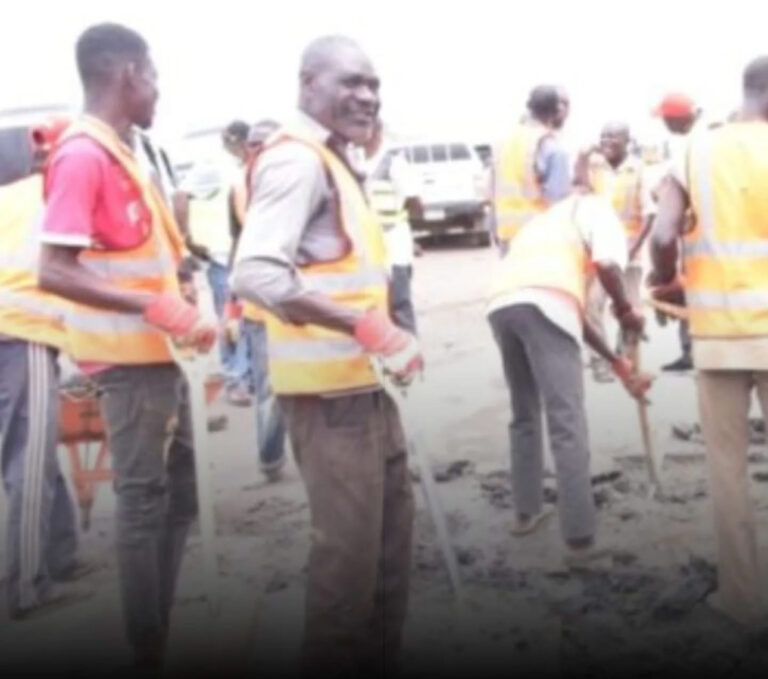
The Federal Government has issued an official notice to the contractor handling a N56 billion section of the Abuja–Lokoja highway, citing unsatisfactory progress in the execution of the project.

The warning was delivered by the Minister of Works, David Umahi, during an inspection tour of the ongoing works, according to the News Agency of Nigeria (NAN).

Umahi expressed concern over the pace of construction, stressing that the government would not tolerate further delays on a project of such national importance. He said the contractor must immediately accelerate its activities to meet agreed timelines or risk losing the contract.

“The government has made huge commitments to this project. If by November we do not see significant improvement, the contract will be terminated and reassigned to contractors capable of delivering,” the minister warned.

The Abuja–Lokoja highway is regarded as a critical transport corridor, linking the Federal Capital Territory with Kogi State and serving as a gateway to southern Nigeria. The project, which has faced repeated delays, is expected to ease traffic congestion, improve trade flows, and enhance road safety along the busy route.

Umahi reiterated the government’s resolve to prioritize infrastructure delivery, adding that contractors must uphold the highest standards of efficiency and accountability in handling public projects.

NITDA to Roll Out Digital Public Infrastructure, Data Exchange Platforms in 2026

0

The National Information Technology Development Agency (NITDA) has unveiled plans to launch Digital Public Infrastructure (DPI) and the Nigerian Data Exchange (NGDX) platforms across critical sectors of the economy beginning in early 2026.

The disclosure was made in Abuja by the Director of E-Government and Digital Economy at NITDA, Dr. Salisu Kaka, during a stakeholder review session of the DPI and NGDX drafts at the Digital Public Infrastructure Live Event.

According to Dr. Kaka, the initiative is designed to strengthen Nigeria’s digital economy framework by promoting secure, inclusive, and interoperable systems that will transform governance and public service delivery. He noted that the platforms would serve as the backbone for e-government, enabling seamless data exchange, fostering innovation, and improving efficiency in both the public and private sectors.

The stakeholder forum, themed “Advancing Nigeria’s Digital Public Infrastructure through Standards, Data Exchange and e-Government Transformation,” brought together regulators, state governments, and private sector representatives. Participants reviewed the draft frameworks and offered recommendations to ensure the platforms align with international best practices while addressing local realities.

NITDA emphasized that the rollout of DPI and NGDX would provide a unified digital ecosystem, reduce duplication of government systems, and create a reliable data-sharing mechanism that supports decision-making, transparency, and economic growth.

The agency also highlighted its commitment to collaborating with stakeholders to guarantee that the platforms are inclusive, secure, and adaptable to emerging technologies.

The DPI and NGDX, once implemented, are expected to accelerate Nigeria’s digital transformation agenda, support start-ups and businesses with open innovation opportunities, and strengthen trust in government digital services.

Nigeria Federal Government Revokes 1,263 Mineral Licences, Defaulters to Face EFCC Probe

0

The Federal Government has announced the revocation of 1,263 mineral titles over failure by operators to comply with statutory obligations guiding Nigeria’s mining sector.

The Minister of Solid Minerals Development, Dr. Dele Alake, disclosed the decision on Monday, stating that the affected licences were withdrawn after a thorough review of compliance records.

According to the minister, the revoked titles cut across exploration, quarrying, small-scale mining, and mining leases that had either expired, remained inactive, or defaulted in meeting operational and financial commitments.

Dr. Alake stressed that the move was part of ongoing reforms to sanitize the solid minerals sector, strengthen transparency, and ensure only credible investors with proven capacity participate in the industry.

He further revealed that defaulters whose activities suggested possible economic sabotage or deliberate evasion of statutory payments would be referred to the Economic and Financial Crimes Commission (EFCC) for investigation and possible prosecution.

“The era of speculators holding on to licences without adding value to the economy is over. We are determined to reposition the sector to contribute meaningfully to national revenue, create jobs, and attract genuine investment,” Alake said.

The minister assured that government would reallocate the revoked licences to serious investors through transparent processes, adding that the reforms would help unlock Nigeria’s vast mineral potential and reduce dependence on crude oil revenues.

The revocation underscores renewed efforts by the administration to enforce compliance in the extractive sector, where underutilisation of licences and illegal practices have slowed growth for decades.


Tinubunomics’ Under Scrutiny as SMEs Struggle with Rising Costs

0

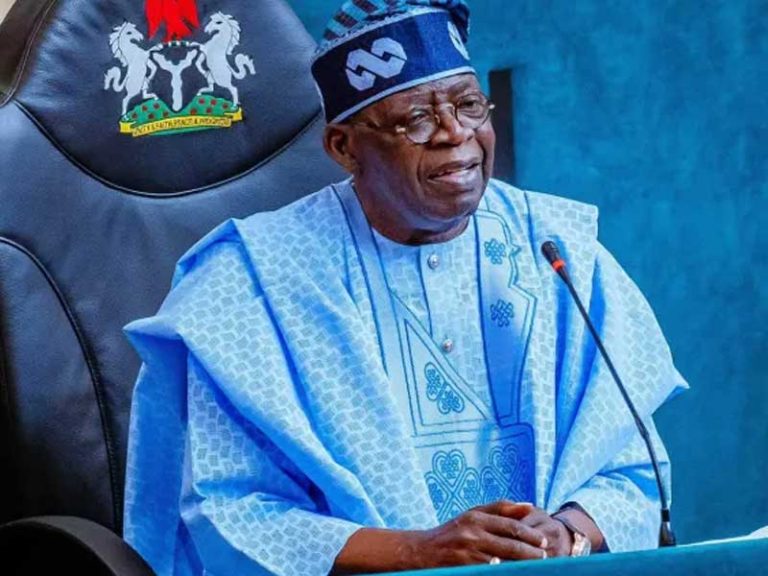
Small and medium-sized enterprises (SMEs) across Nigeria are voicing concern over what they describe as the harsh impact of current economic policies, popularly dubbed “Tinubunomics.”

Operators say that while reforms introduced by the administration of President Bola Tinubu were intended to stabilize the economy, they have instead triggered escalating costs of production, dwindling profit margins, and increasing threats to business survival.

A cross-section of SME owners interviewed by reporters cited rising fuel prices, high electricity tariffs, multiple taxation, and the weakening naira as key challenges compounding the cost of doing business. Many noted that imported raw materials have become more expensive, while local demand has slowed due to reduced consumer purchasing power.

“Every day it gets harder to keep the business running. The cost of inputs has doubled, but customers cannot pay more. Many of us are just hanging on,” one manufacturer in Lagos said.

Trade associations and business groups have also raised alarm that without targeted relief measures, more small businesses could shut down, leading to job losses and reduced contributions to the economy. SMEs currently account for over 80 percent of employment in Nigeria and form the backbone of local production and services.

Economists acknowledge that recent policy moves — including fuel subsidy removal and foreign exchange unification — were necessary to address long-term structural imbalances. However, they argue that cushioning policies such as access to affordable credit, tax incentives, and infrastructure support must follow to ease the burden on smaller enterprises.

The Federal Government has pledged interventions through the Bank of Industry and other channels, but many SMEs say the measures have yet to reach them in meaningful ways.

As economic pressures mount, analysts warn that the success of “Tinubunomics” will be judged not only by macroeconomic stability but also by the survival and growth of the country’s small businesses.


PETROAN Urges FG to Partner Foreign Firm in Managing Port Harcourt Refinery

0

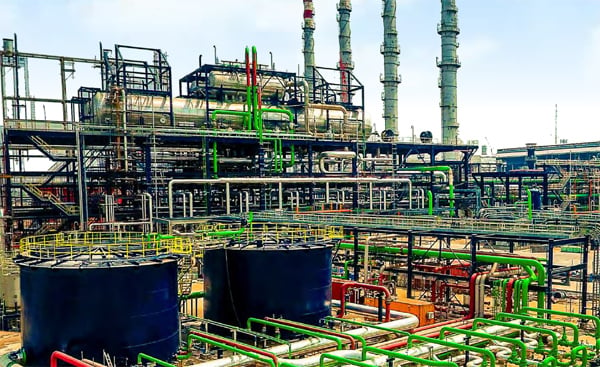
The Petroleum Products Retail Outlets Owners Association of Nigeria (PETROAN) has called on the Federal Government to consider partnering with a reputable foreign company in the management of the Port Harcourt Refinery.

Speaking on Sunday, PETROAN President, Dr. Billy Gillis-Harry, said such a partnership would guarantee efficiency, transparency, and sustainable operations once the refinery resumes production.

He noted that the country’s previous experience with poorly managed refineries underscored the need for international expertise to ensure that the Port Harcourt plant delivers on its mandate of reducing Nigeria’s dependence on imported petroleum products.

According to Gillis-Harry, bringing in a globally recognized operator with a strong track record in refinery management would help transfer technical know-how, strengthen accountability, and attract further investment to the downstream sector.

“Refineries are complex operations that require precision and consistent efficiency. Partnering with an experienced foreign firm will ensure that this critical national asset does not relapse into the cycle of inefficiency that has defined our refining history,” he stated.

The Port Harcourt Refinery, which has undergone multi-billion-naira rehabilitation, is expected to play a central role in addressing Nigeria’s energy supply challenges and in cutting the huge cost of fuel imports.

PETROAN also urged the government to adopt transparent policies that encourage collaboration with the private sector, stressing that sustainable refinery operations remain vital for energy security, job creation, and economic stability.

CPPE Urges CBN to Ease Monetary Policies to Boost Credit Flow to SMEs, Key Sectors

0

The Centre for the Promotion of Private Enterprise (CPPE) has called on the Central Bank of Nigeria (CBN) to adopt more flexible monetary measures aimed at stimulating credit availability, particularly for small and medium-sized enterprises (SMEs) and other critical sectors of the economy.

In a policy advisory released on Sunday, CPPE’s Chief Executive Officer, Dr. Muda Yusuf, urged the apex bank to recalibrate its monetary stance by reducing the Cash Reserve Ratio (CRR) and the Monetary Policy Rate (MPR). He noted that recent signs of moderating inflation provide room for a shift in policy direction.

“The CBN should calibrate CRR and MPR downward as inflation moderates to create a more enabling credit environment,” Yusuf said. “It is also important to complement monetary tightening with supply-side interventions that address structural drivers of inflation.”

Yusuf explained that the current high-interest-rate regime has made borrowing extremely difficult for businesses, stifling investment and hindering economic growth. He stressed that SMEs, which account for a large share of jobs and production in Nigeria, are the worst hit by restrictive credit conditions.

The CPPE further argued that while tight monetary policies may help stabilize prices, they risk suppressing private sector growth if not balanced with measures that stimulate productivity and ease financing pressures.

The group urged the CBN to prioritize interventions that will unlock access to affordable funding, strengthen real sector growth, and position Nigeria’s economy on a more sustainable path.

The advisory comes as businesses continue to grapple with rising operational costs, weakened consumer demand, and foreign exchange challenges, even as government reforms aim to stabilize the macroeconomic environment.