


Home Blog Page 129

Nigeria Must Lead Africa’s Digital Future, Says Federal Government

0

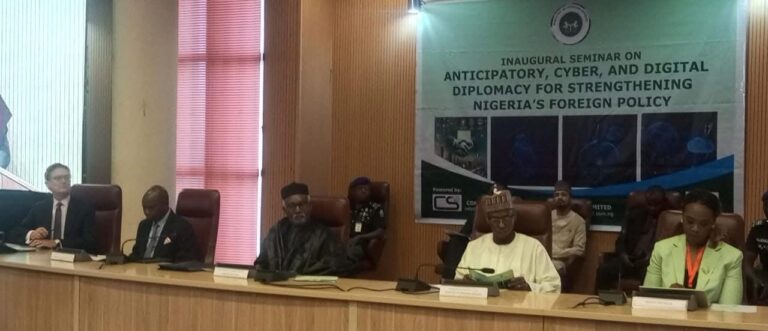
The Federal Government has reaffirmed Nigeria’s commitment to driving Africa’s digital transformation, calling for the integration of cyber, anticipatory, and digital diplomacy into the nation’s foreign policy framework.

The declaration was made during a high-level policy dialogue held in Abuja, where government officials, diplomats, and international partners underscored the strategic importance of digital leadership in advancing national interests and strengthening Nigeria’s global standing.

According to the Federal Government, Nigeria must not only adapt to the digital era but also assume a leadership role in shaping the continent’s technological future. This, it stressed, will require aligning diplomacy with emerging global trends in cybersecurity, artificial intelligence, data governance, and digital trade.

“We must embed digital diplomacy into our foreign policy to safeguard national interests while positioning Nigeria as the voice and leader of Africa in global digital conversations,” a senior government official stated.

International partners at the dialogue also emphasized the importance of proactive measures in cyber resilience, digital rights, and inclusive access, noting that Nigeria’s size, economy, and innovation ecosystem make it well-placed to champion Africa’s digital agenda.

Policy experts highlighted that anticipatory diplomacy—planning for the technological disruptions of the future—should become central to Nigeria’s foreign policy architecture, particularly in negotiations involving cross-border data flows, tech investment, and digital cooperation.

The government added that it is already working with stakeholders in the private sector, academia, and civil society to design a roadmap that will position Nigeria as a continental hub for digital innovation and governance.

With Africa’s digital economy projected to reach over $180 billion by 2025, analysts say Nigeria’s leadership could determine the pace and direction of the continent’s technological growth.

Lagos State Unveils “101 Days in Lagos” Festival to Boost Tourism and Creative Economy

0

The Lagos State Government has announced the launch of a 101-day cultural and tourism festival, tagged “101 Days in Lagos,” designed to position the state as a leading destination for hospitality, entertainment, and creative enterprise.

The festival, which will run from September 26, 2025, to January 4, 2026, is expected to feature a diverse lineup of events, including music concerts, art exhibitions, theatre productions, food fairs, fashion showcases, film screenings, and city tours.

According to state officials, the initiative is aimed at boosting tourism receipts, stimulating the hospitality sector, and generating new revenue streams for Lagos’ creative economy. The government also highlighted the festival’s role in showcasing Lagos as a global cultural hub with rich traditions, vibrant urban life, and economic opportunities.

Commissioner for Tourism, Arts and Culture, [Name], described the event as a strategic step in reinforcing Lagos’ long-term vision of becoming Africa’s premier destination for cultural and creative industries.

“Lagos is not just a city; it is a cultural heartbeat. ‘101 Days in Lagos’ will celebrate our identity, while also creating opportunities for investment, collaboration, and job creation within the tourism and hospitality sectors,” the Commissioner said.

Industry analysts have noted that with its length and scope, “101 Days in Lagos” could become one of the longest-running city festivals in Africa, drawing both local and international visitors during the festive season and into the New Year.

The festival will also coincide with the Christmas and New Year holiday period, giving businesses in hospitality, retail, and entertainment an added boost during peak travel months.

Lagos State Government officials confirmed that the full calendar of events will be unveiled later in September, with partnerships expected from private sector stakeholders, creative entrepreneurs, and international cultural organizations.

NIDCOM Credits CBN Policies for Surge in Diaspora Remittances

0

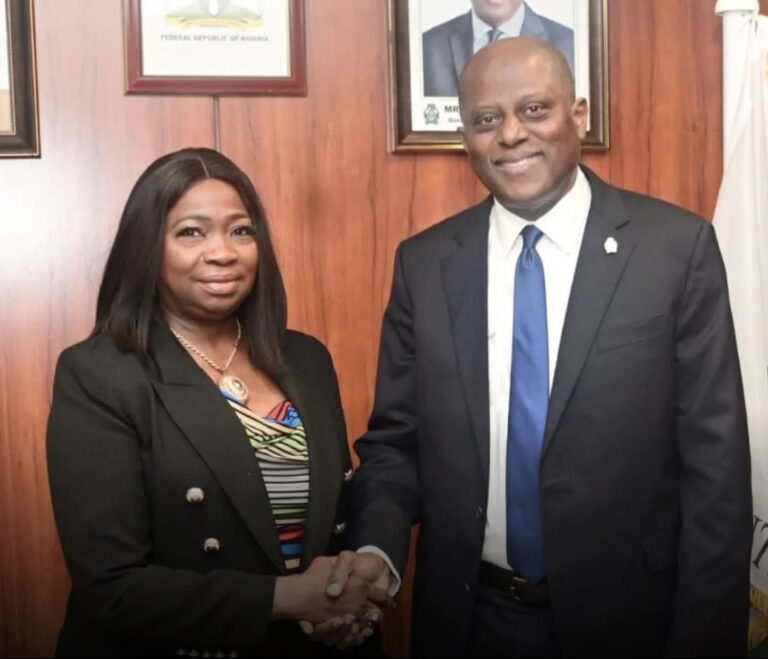
The Nigerians in Diaspora Commission (NIDCOM) has attributed the sharp increase in diaspora remittances to recent monetary policies of the Central Bank of Nigeria (CBN) and renewed confidence among Nigerians abroad in the nation’s financial system.

NIDCOM Chairman/CEO, Abike Dabiri-Erewa, disclosed this in a statement on Monday, signed by the Commission’s spokesperson, Abdur-Rahman Balogun.

According to statistics from the CBN, diaspora remittance inflows have tripled, rising to about $600 million monthly over the past two months.

Dabiri-Erewa noted that this growth underscores the critical role Nigerians in the diaspora continue to play in strengthening the nation’s economy, adding that their contributions go beyond financial remittances to investments, skills transfer, and community development.

She also commended the CBN’s initiatives, which, she said, had helped streamline inflows and restore credibility to official channels for remittance transfers.


Tantalizers Plc Appoints Filmmaker Tade Ogidan to Board of Directors

0

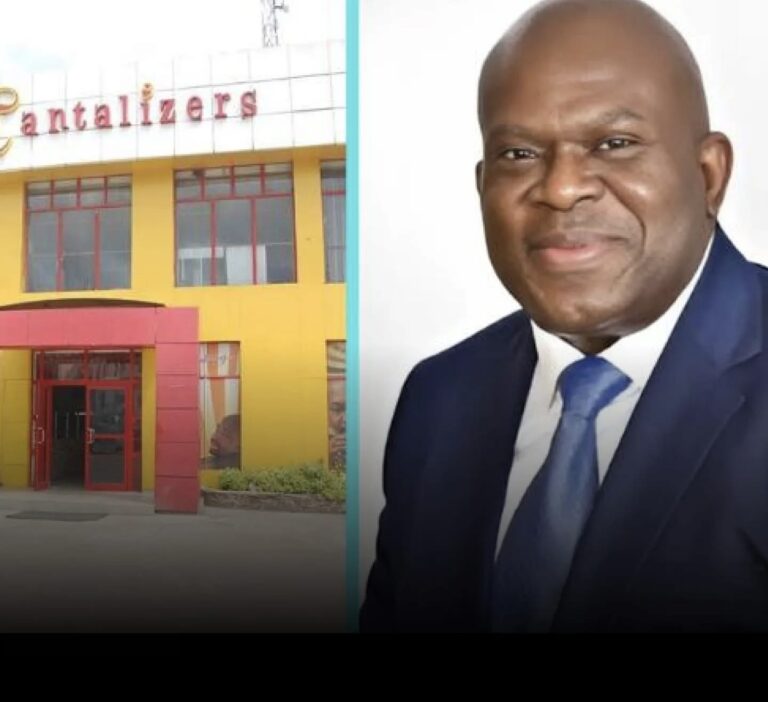
Tantalizers Plc has announced the appointment of award-winning filmmaker and television producer, Tade Ogidan, to its Board of Directors, marking a bold step in the company’s bid to strengthen its evolving “foodtainment” strategy.

In a regulatory notice filed with the Nigerian Exchange, the quick-service restaurant chain confirmed that Ogidan’s appointment took effect on July 29, 2025.

According to the company, the decision aligns with Tantalizers’ ambition to merge food services with entertainment, creating a dynamic customer experience that resonates with Nigeria’s growing appetite for lifestyle-driven brands.

Chairman of the Board, Adam Nuhu, described the appointment as both strategic and forward-looking, noting that Ogidan’s wealth of experience in creative production and storytelling will play a crucial role in expanding Tantalizers’ entertainment footprint.

“Mr. Ogidan’s addition to the Board reflects our commitment to delivering not just meals but memorable experiences. His expertise will help us scale our experiential and digital entertainment platforms while preserving a brand identity rooted in customer satisfaction and cultural relevance,” Nuhu stated.

Tade Ogidan, a respected figure in Nollywood, is known for his acclaimed works in film and television, spanning over three decades. His career has been defined by pioneering productions that blend compelling narratives with cultural depth, making him one of Nigeria’s most innovative storytellers.

Industry analysts say the appointment signals Tantalizers’ recognition of the growing intersection between hospitality and entertainment, and the potential for Nigerian brands to redefine customer engagement in an increasingly competitive market.

The company added that the move is part of its long-term transformation agenda to reposition Tantalizers as not only a food brand but also a lifestyle destination.

Airtel Sets New Denominator for Voting Rights Calculation, Updates Shareholders in September

0

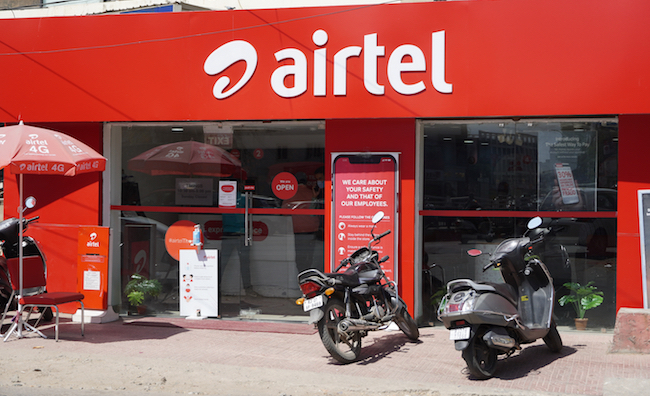
Airtel Africa Plc has announced an adjustment to the denominator used in calculating the percentage of voting rights attached to its shares, in line with regulatory compliance and corporate governance requirements.

In a notice to shareholders and the investing public, the company explained that the update will take effect in September and will form the basis for all future disclosures relating to significant shareholdings.

The telecommunications giant noted that such recalculations are standard practice following changes in the total number of issued shares or voting instruments, ensuring that shareholders and regulators have a clear view of ownership structures.

Airtel Africa emphasized that the adjustment does not affect the absolute number of shares held by any investor but rather the percentage representation of those holdings under the revised denominator.

The company reiterated its commitment to transparency, noting that the updated figures have already been communicated to the Nigerian Exchange Group (NGX) and the London Stock Exchange (LSE), where Airtel Africa is dual-listed.

Analysts say the move underscores Airtel’s effort to maintain regulatory compliance across multiple jurisdictions while keeping shareholders informed of changes that may influence voting power in general meetings.

The telecom operator is expected to provide further updates in its September communication to investors, ahead of its next earnings disclosure.


Firefighters Contain Tanker Blaze on Apapa-Oshodi Expressway, Prevent Major Tragedy

0

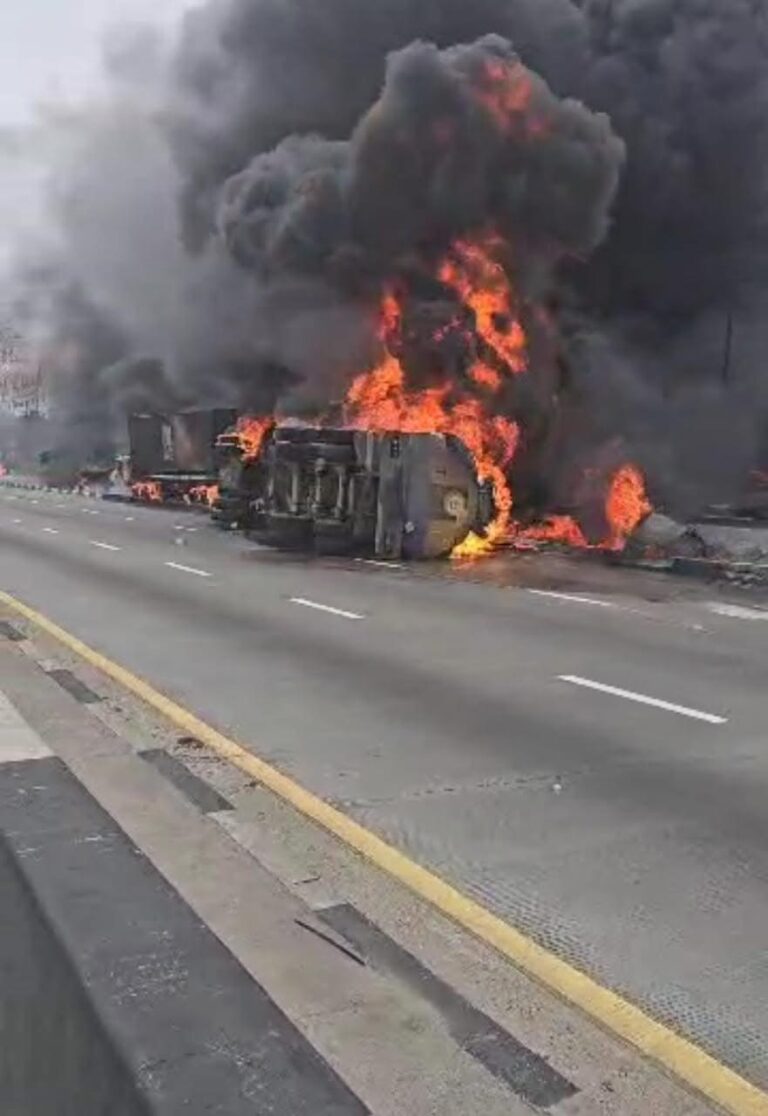
A serious accident was narrowly avoided on Sunday after a petroleum tanker caught fire on the Apapa-Oshodi Expressway at Iyana-Isolo.

According to officials, the Lagos State Fire and Rescue Service (LSFRS) responded swiftly to distress calls and successfully contained the inferno before it spread to other vehicles and roadside structures.

Eyewitnesses reported panic in the area as the tanker, fully loaded with fuel, went up in flames on the busy carriageway. Traffic was immediately diverted while emergency responders worked to prevent an explosion.

The Director of LSFRS, Margaret Adeseye, confirmed that fire crews deployed multiple appliances and chemical foam to suppress the blaze. She noted that the timely intervention prevented what could have become a mass-casualty disaster in one of Lagos’s busiest traffic corridors.

“No lives were lost and the fire has been completely put out,” Adeseye said, urging motorists to maintain caution and adhere to safety protocols when transporting flammable products.

The incident, which caused heavy traffic gridlock for several hours, highlights ongoing safety concerns about the frequent movement of petroleum tankers on Lagos roads.

Authorities say investigations are underway to determine the exact cause of the fire.


BREAKING: Finland Court Sentences Self-Acclaimed Biafra Prime Minister, Simon Ekpa, to Six Years Imprisonment for Terrorism Offences and Tax Fraud

0

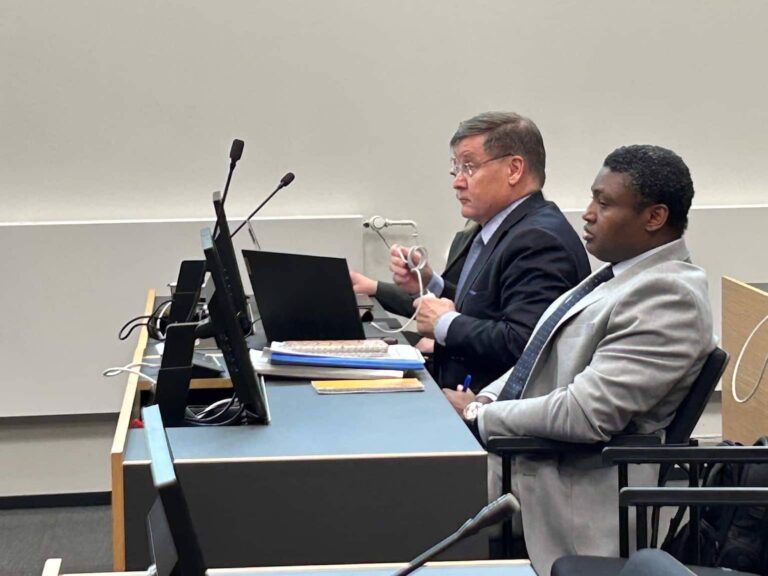
A Finnish court has sentenced Simon Ekpa, the self-styled Prime Minister of the Biafra Republic Government in Exile, to six years imprisonment after finding him guilty of multiple offences, including terrorism-related crimes, aggravated tax fraud, and violations of the Attorneys Act.

The verdict was delivered by the Päijät-Häme District Court, which ruled that Ekpa’s actions amounted to inciting a public crime with terrorist intent and participating in the activities of a terrorist group.

Court Findings

According to the District Court, between August 2021 and November 2024, Ekpa actively promoted the independence of the Biafra region in southeastern Nigeria by illegal means. Judges noted that he had:

•Used social media platforms to gain political influence and mobilise supporters.

•Encouraged violence by urging his followers to commit crimes in Nigeria.

•Facilitated armed groups, deemed terrorist organisations by the court, by supplying weapons, explosives, and ammunition through his international network of contacts.

In addition to terrorism offences, Ekpa was found guilty of aggravated tax fraud and for violating the provisions of the Attorneys Act in Finland.

Wider Context

Simon Ekpa, a Finnish-Nigerian lawyer and political activist, has been one of the most prominent figures advocating for the secession of Biafra from Nigeria. His activities, particularly on social media, have been linked by Nigerian authorities to violent unrest and attacks carried out by pro-Biafra armed groups.

The Finnish court’s ruling marks one of the most significant international legal actions against him to date, reflecting growing concern over the cross-border dimensions of terrorism financing, incitement, and armed separatist movements.

Next Steps

While Ekpa retains the right to appeal, the District Court’s judgment sends a clear signal about the legal and political consequences of using foreign jurisdictions as bases for inciting violent separatism abroad.

His sentencing is expected to draw strong reactions both in Nigeria, where his activities have been a subject of national security concern, and among the Biafra diaspora, who have supported his movement.

Governor Aliyu Reaffirms Support for Islamic Propagation at Qur’an Graduation in Sokoto

0

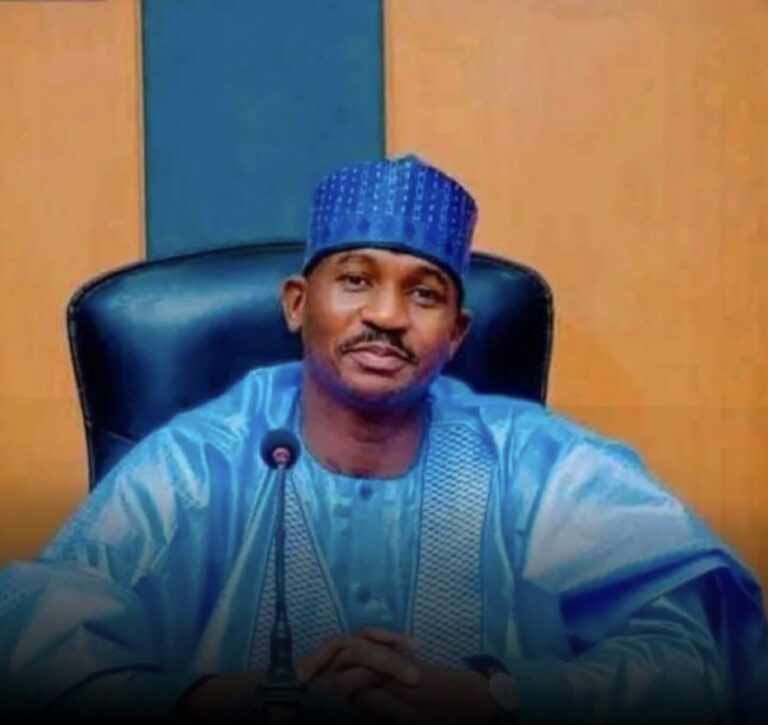
Governor Ahmed Aliyu of Sokoto State has reaffirmed his administration’s strong commitment to the promotion of Islamic teachings, ranking it second only to security in his government’s Nine-point Smart Agenda.

The governor gave the assurance at the graduation ceremony of 111 Qur’an memorizers (Hafiz) held in Sokoto, describing the milestone as a significant contribution to the preservation of Islamic scholarship and values in the state.

New Measures to Support Islamic Institutions

Governor Aliyu announced several initiatives aimed at strengthening religious propagation and supporting Islamic leaders across Sokoto. These include:

  • Monthly allowances for Imams, their deputies, and Mu’azzins serving in local mosques.
  • Direct financial support for Jumu’at mosques across the state to improve administration and community services.
  • Expanded backing for Qur’anic schools to encourage more students to pursue Islamic education.

The governor noted that these steps are designed to provide stability for religious leaders and to ensure that mosques remain vibrant centers of worship, learning, and community development.

Commitment to Faith and Security

While highlighting Islamic propagation as a top priority, Governor Aliyu stressed that security remains the foremost concern of his administration. He explained that peace and safety provide the foundation for religious growth, education, and socio-economic development in Sokoto State.

“Islamic propagation holds a central place in our agenda. By supporting our Imams, Mu’azzins, and institutions, we are safeguarding our faith and guiding the next generation. However, this must be anchored on peace and security, which remain our number one priority,” he stated.

A Broader Vision for Sokoto

The Nine-point Smart Agenda, launched by the Aliyu administration, is aimed at tackling security challenges, enhancing education, expanding healthcare, empowering youths, and deepening religious and cultural values in the state.

The graduation of 111 Hafiz was celebrated as both a spiritual and cultural achievement, further underlining Sokoto’s reputation as a hub of Islamic scholarship in Nigeria.


Experts Say CNG May Need to Sell at N520/SCM to Secure Nigeria’s Gas Future

0

Energy experts have warned that for Compressed Natural Gas (CNG) to achieve widespread adoption across Nigeria and rival petrol and diesel as a transport fuel, retail prices may need to increase to around ₦520 per standard cubic metre (SCM).

The recommendation comes amid concerns that current pricing, though cheaper than petrol and diesel, is not commercially attractive enough to encourage large-scale private investment in fueling stations and distribution networks.

Why Price Adjustment May Be Necessary

Analysts argue that while low CNG prices initially help drivers and fleet operators transition, they undermine the business case for private investors who must commit significant capital to build refueling stations, pipelines, and storage infrastructure.

At ₦520/SCM, CNG would still deliver noticeable cost savings for motorists compared to petrol or diesel, but with the added benefit of ensuring operators in the gas value chain remain profitable, which is crucial for sustainable growth.

Adoption Lagging Behind Expectations

Nearly two years after the Federal Government’s CNG initiative was launched following the removal of petrol subsidies, uptake has been slower than anticipated. Despite efforts to introduce conversion kits and promote gas as a cleaner and cheaper alternative, the absence of reliable refueling infrastructure has limited expansion.

Industry observers note that without stronger investment incentives, the program risks stagnation. Raising the retail price to a more commercially viable level is seen as one of the measures that could unlock funding for infrastructure and create a nationwide network of CNG refueling stations.

Balancing Affordability with Investment

The government faces the challenge of striking a balance between keeping CNG affordable for commuters and ensuring enough profit margin to attract investors.

“Nigeria cannot achieve large-scale CNG adoption if the economics do not work for investors,” one analyst said. “A viable price point ensures the infrastructure can grow, and in the long run, consumers still benefit from cheaper, cleaner, and more reliable fuel options.”

The call for price adjustment comes as part of broader discussions on Nigeria’s energy transition strategy, which aims to diversify fuel sources, reduce dependence on petrol imports, and cut emissions through cleaner energy alternatives.

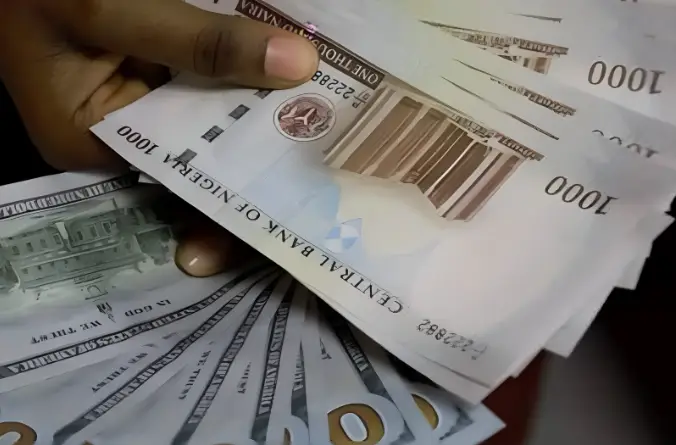
Naira Holds Steady on Black Market as U.S. Dollar Weakens Globally

0

Nigeria’s currency appears to be showing resilience on the black market, even as the U.S. dollar continues to soften across global markets. Analysts note that this dual development could be a breath of fresh air for the domestic foreign exchange landscape.

Naira Holds Ground in Parallel Market

While the dollar globally is slipping, the naira remains relatively stable in Nigeria’s black (parallel) market. Although precise figures for today’s rate are not yet confirmed, recent trends indicate that the naira is holding steady. On August 31, user-reported data from NgnRates cited black market buy and sell rates at ₦1,535–₦1,550 per dollar  .

Over the past months, the naira has generally shown improvement in the parallel market. For instance:

  • In the first half of 2025, the naira appreciated by ₦90 (about 5.7%) on the black market, aided by stronger dollar inflows  .
  • Mid-July saw the naira firm at ₦1,545 per dollar, narrowing the gap between official and parallel rates thanks to continued FX reforms  .

U.S. Dollar Weakens in Global Markets

The global softening of the U.S. dollar plays into Nigeria’s current FX dynamics. As of early September, the greenback hovered at multi-year lows, pushed down by dovish signals from the Federal Reserve and anticipated policy shifts in the U.S.  .

In Nigeria, this trend aligns with declines in the dollar index—though real-time rates require official confirmation.

Why This Matters

  • Reduced speculative pressure: With the dollar weakening globally, speculative demand for dollars in Nigeria could ease, allowing for greater naira stability.
  • Narrower FX gap: Improved convergence between black market and official rates signals confidence in Nigeria’s ongoing FX policy reforms.
  • Positive signals for investors and businesses: A more stable naira, even in informal markets, supports importers, exporters, and small businesses in planning and operations.

Summary Table

Context Naira Status (Black Market) U.S. Dollar Status (Global Markets)
Current Trend Stable at ₦1,535–₦1,550 per $ Weakest levels in years; easing demand
Key Drivers Domestic FX inflows, policy reforms Dovish U.S. interest rate outlook
Implications Lower FX arbitrage and hedging costs Opportunity for further naira support