


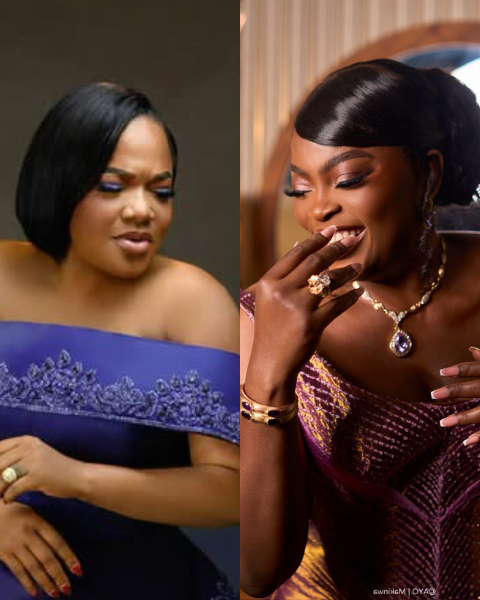
The Nigerian film industry thrives on talent, competition, and strong personalities. Over the years, two of its most commercially successful figures, Funke Akindele and Toyin Abraham, have built remarkable careers that have shaped the modern box office era of Nollywood. Yet alongside their achievements, discussions about a long-standing rivalry between the two actresses continue to surface whenever a new incident occurs in public.
The latest moment fueling speculation emerged during the premiere of The Rise of Arinzo, a film by Iyabo Ojo. A circulating video from the event shows Toyin Abraham greeting several guests at a table while Funke Akindele appeared not to acknowledge the interaction. The short clip quickly spread across social media, triggering widespread debate among fans and commentators.
Some viewers argued that Funke Akindele should have acknowledged the greeting regardless of any personal differences. Others suggested that Toyin Abraham should not have approached someone she reportedly has unresolved issues with. The episode has once again revived public curiosity about what may have caused tension between two of Nollywood’s biggest female stars.
Competition at the Box Office
One explanation frequently discussed within the industry relates to the intense competition between both actresses at the Nigerian box office. In recent years, Funke Akindele and Toyin Abraham have consistently released films that dominate cinema attendance during festive periods, particularly December.
Both filmmakers are known for producing large-scale commercial projects that draw significant audiences. This competitive dynamic has often led to comparisons over who holds greater influence or commercial strength within the industry. For some observers, this ongoing race for box office dominance has gradually transformed professional rivalry into perceived personal tension.
The competition has also been amplified by marketing campaigns, fan loyalty, and social media conversations that frequently frame both actresses as opposing forces in the same commercial space.
The 2021 Controversy
Another incident that contributed to speculation about a rift occurred in 2021. During the release period of Toyin Abraham’s film The Ghost and the Tout Too, Iyabo Ojo publicly accused Funke Akindele of allegedly influencing a movie blog to publish negative commentary about the project.
Iyabo Ojo openly criticised the situation at the time, suggesting that attempts were being made to discredit Toyin Abraham’s work. The comments attracted widespread attention online and further fueled narratives of rivalry within Nollywood.
Interestingly, relations between Iyabo Ojo and Funke Akindele appear to have improved in later years. At the premiere of The Rise of Arinzo, Funke Akindele was seated among prominent guests at the event despite their previous disagreement. This development suggests that disagreements in the industry can evolve or soften over time.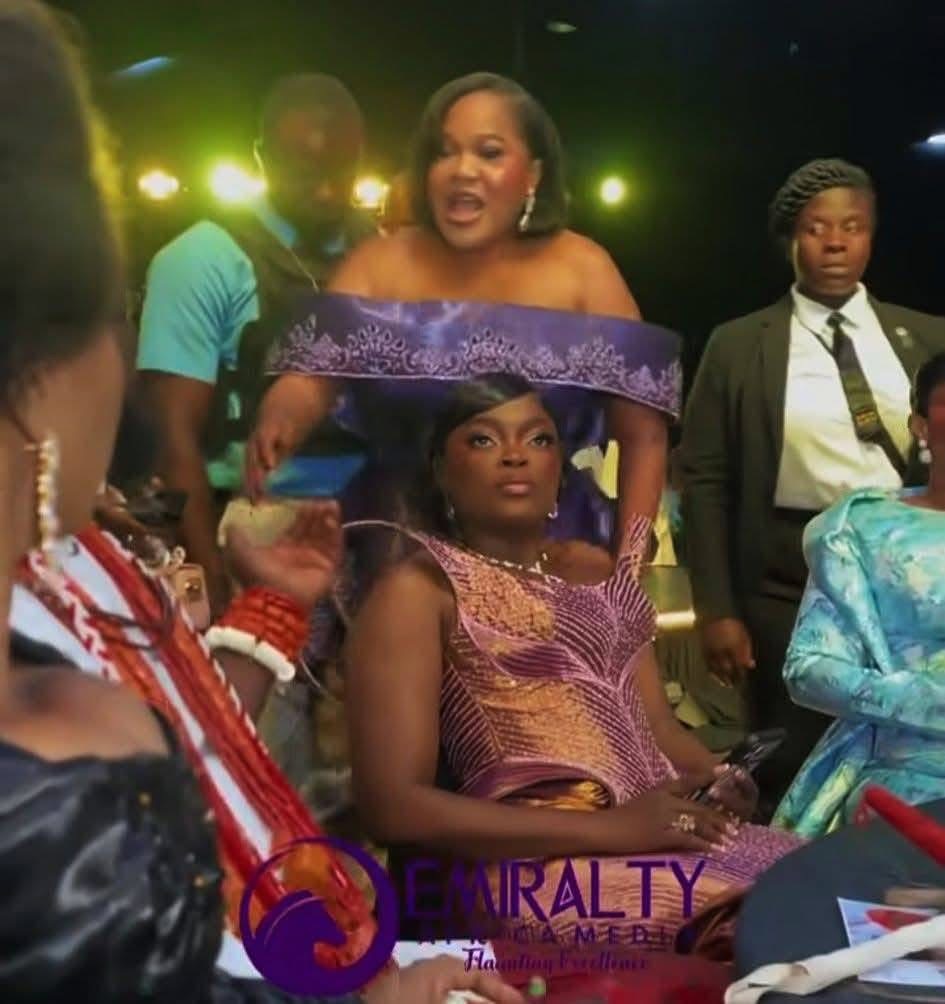
Public Interactions Between the Two Stars
Observers have also pointed to moments that appeared to reveal a somewhat distant tone between both actresses. In one instance, Toyin Abraham posted a photograph of herself with Funke Akindele on social media and wrote a message emphasising that there was no conflict between them. She praised Funke’s dedication to her craft and expressed respect for her contributions to Nollywood.
Funke Akindele’s response in the comment section was brief. She simply wrote, “All the best, Toyin.” While the remark was polite, many readers interpreted the response as reserved compared with Toyin’s more expressive message.
The Kunle Afolayan Dimension
Another development that reignited discussions about the alleged rivalry involved filmmaker Kunle Afolayan. In a widely discussed commentary, Afolayan criticised the growing trend of using dance challenges and viral social media content to promote movies. According to him, storytelling depth was gradually being overshadowed by marketing gimmicks.
The comment sparked mixed reactions across the industry. Reports suggested that Funke Akindele strongly disagreed with the remarks and expressed her frustration on social media, arguing that creative marketing should not be dismissed.
Meanwhile, Toyin Abraham publicly interacted with Afolayan’s posts and appeared to support his perspective. She also created a humorous skit referencing the discussion, which some viewers interpreted as indirect criticism of the marketing strategies used by certain filmmakers.
Although the interaction was largely interpreted as playful engagement, it further intensified public speculation about tensions between the two actresses.
Cinema Distribution Concerns
Another moment that stirred debate occurred in December 2025 when Toyin Abraham raised concerns about cinema distribution practices. She suggested that some filmmakers might be receiving preferential treatment from cinemas, allowing their movies to dominate screening slots.
Many industry watchers believed the comments were indirectly referencing a film released by Funke Akindele at the time, which was performing exceptionally well in theatres. However, the statement did not mention any individual by name, leaving the interpretation largely within the realm of public speculation.
A Reflection of Nollywood’s Competitive Landscape
Ultimately, the ongoing conversation surrounding Funke Akindele and Toyin Abraham reflects the broader dynamics of a fast-growing film industry. Nollywood has expanded significantly over the past decade, and with that growth has come intense competition for audience attention, cinema screens, and commercial success.
Rivalries, whether real or perceived, are not uncommon in creative industries around the world. At the same time, many industry stakeholders argue that collaboration among filmmakers could strengthen Nollywood’s global position more effectively than public disagreements.
The Nigerian film industry continues to evolve, with both Funke Akindele and Toyin Abraham remaining among its most influential figures. Their individual successes have contributed significantly to Nollywood’s commercial expansion and cultural reach.
As audiences continue to debate their relationship, the larger question remains whether competition will define the future of the industry, or whether stronger partnerships among leading filmmakers will shape the next phase of Nollywood’s growth.
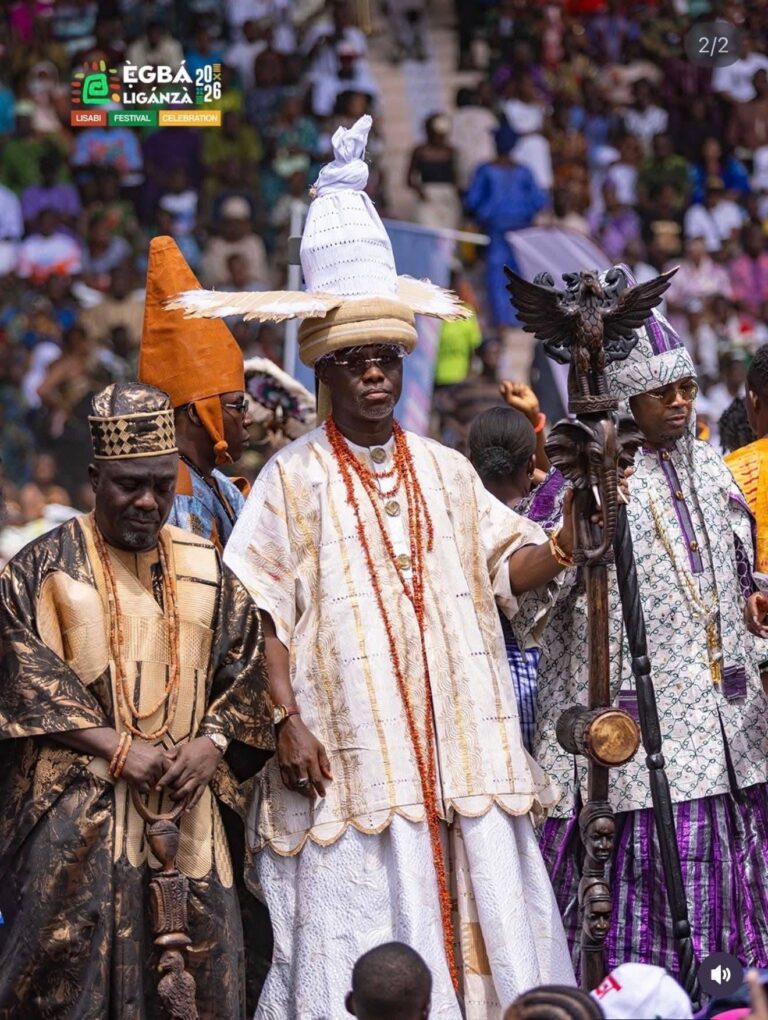
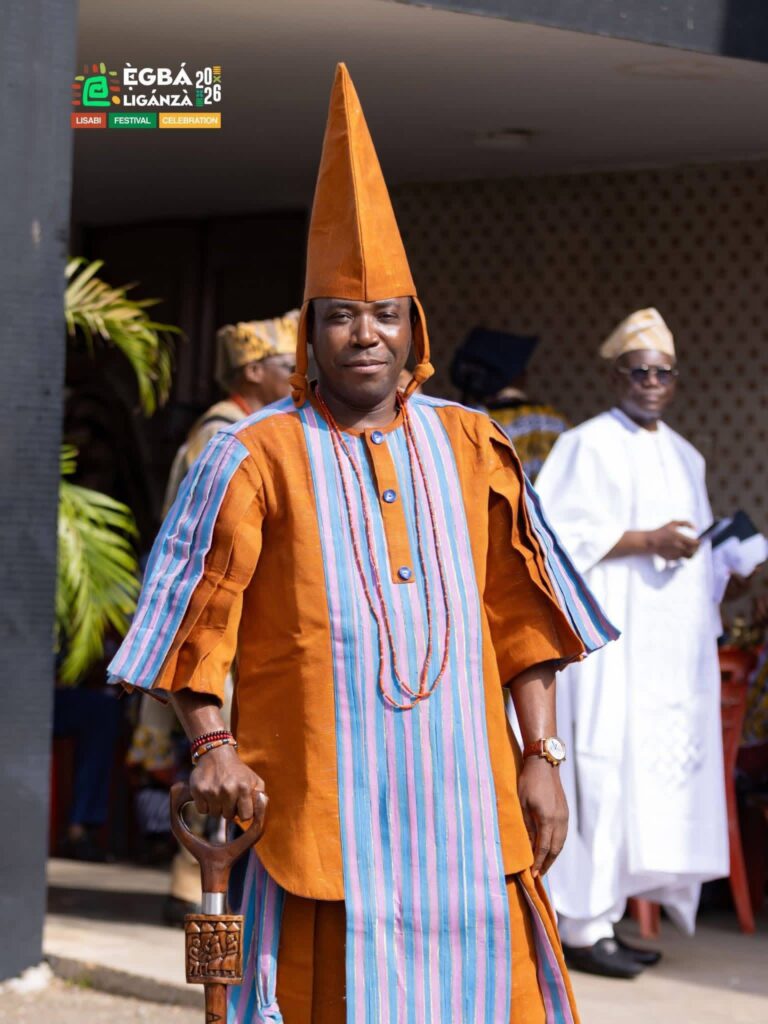 The 39th edition of the Lisabi Festival, culminating on Saturday 28th March 2026 at the historic Ake Palace grounds, brought that return into sharper focus than perhaps any edition before it. At the centre of the occasion was Egbaliganza, the cultural fashion showcase that has grown, in just three years, from a proud component of the festival into an event with continental ambitions and the formal backing of the Federal Government.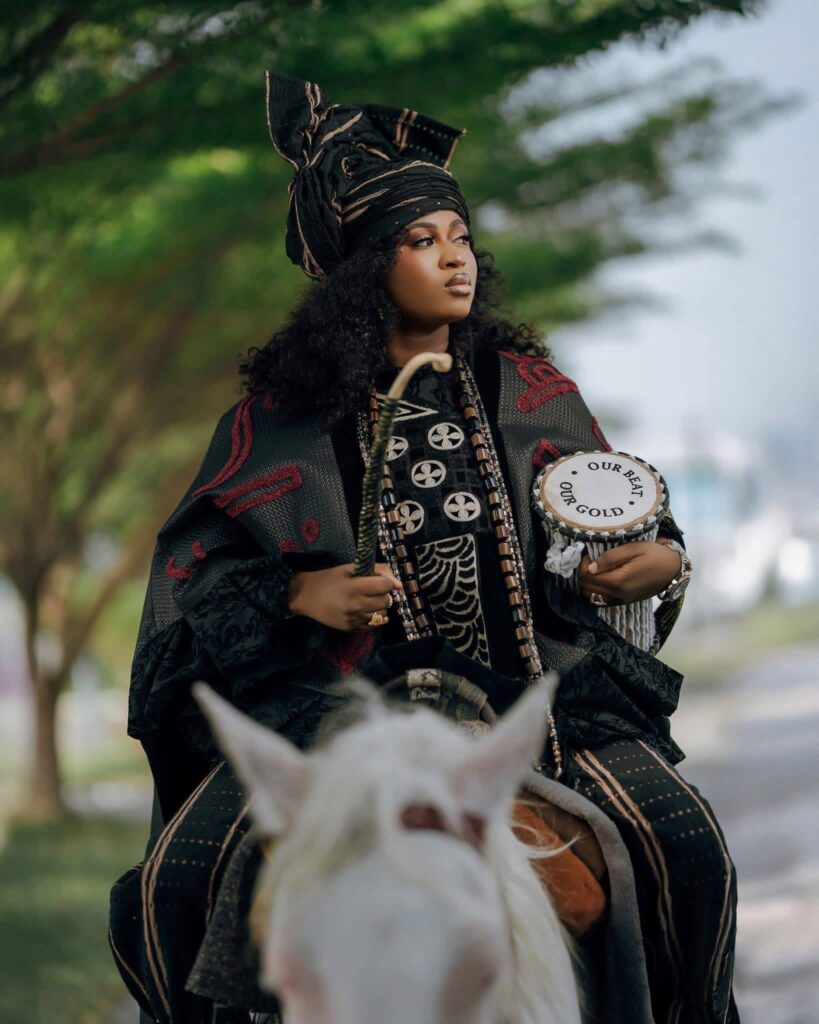
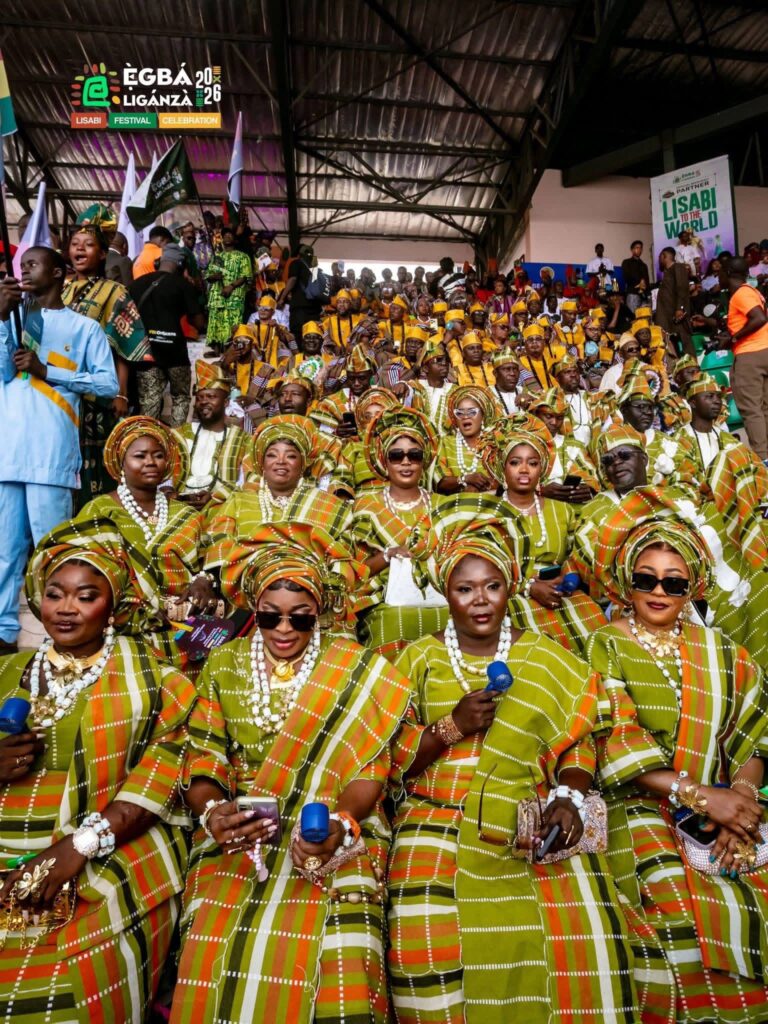
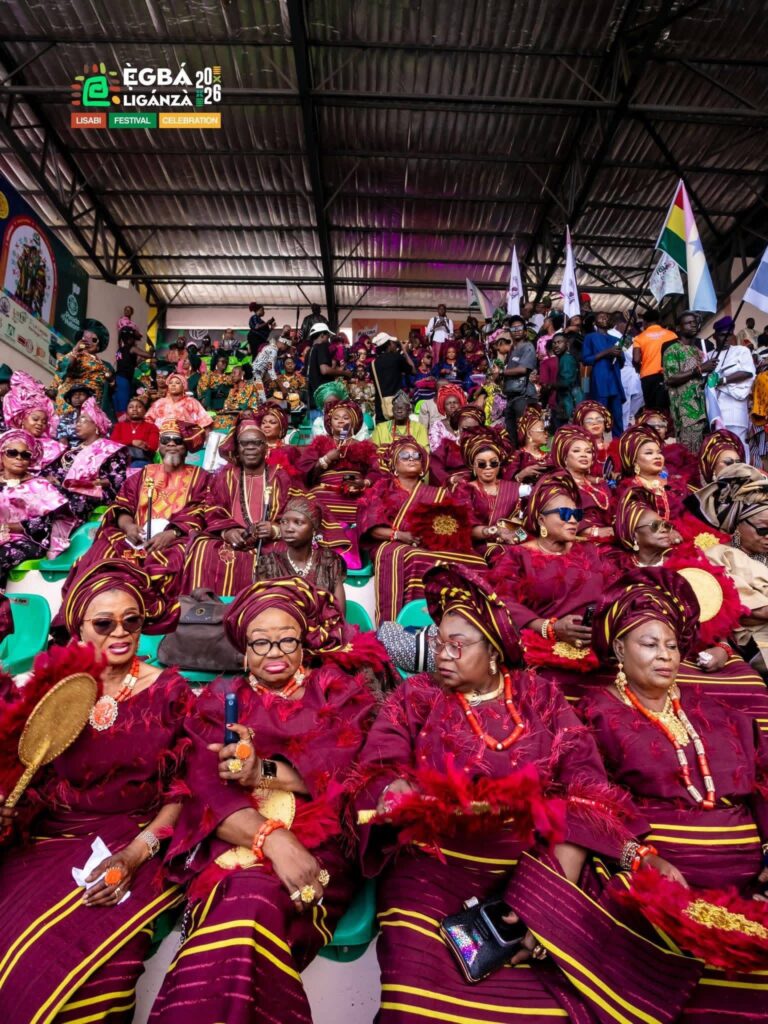
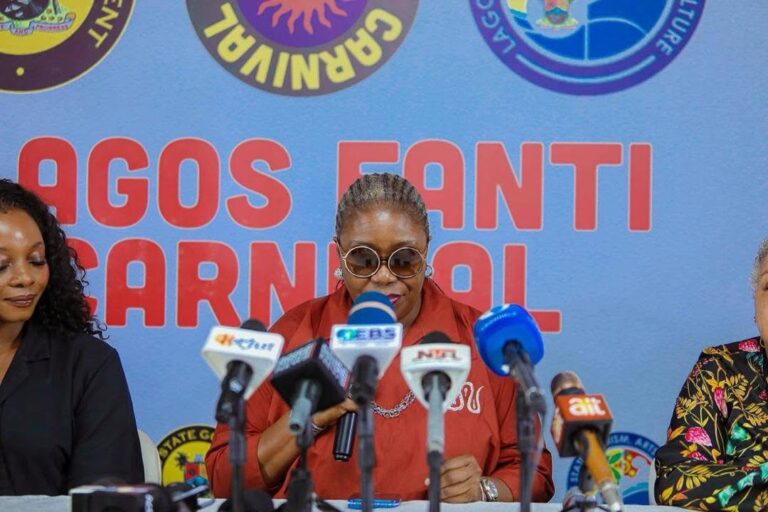
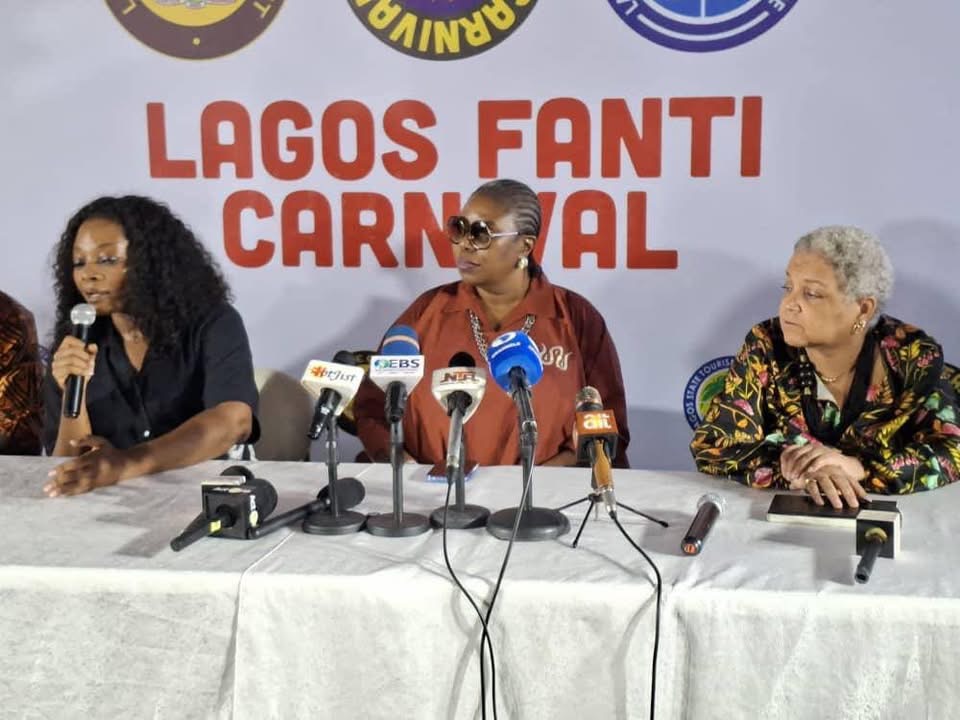
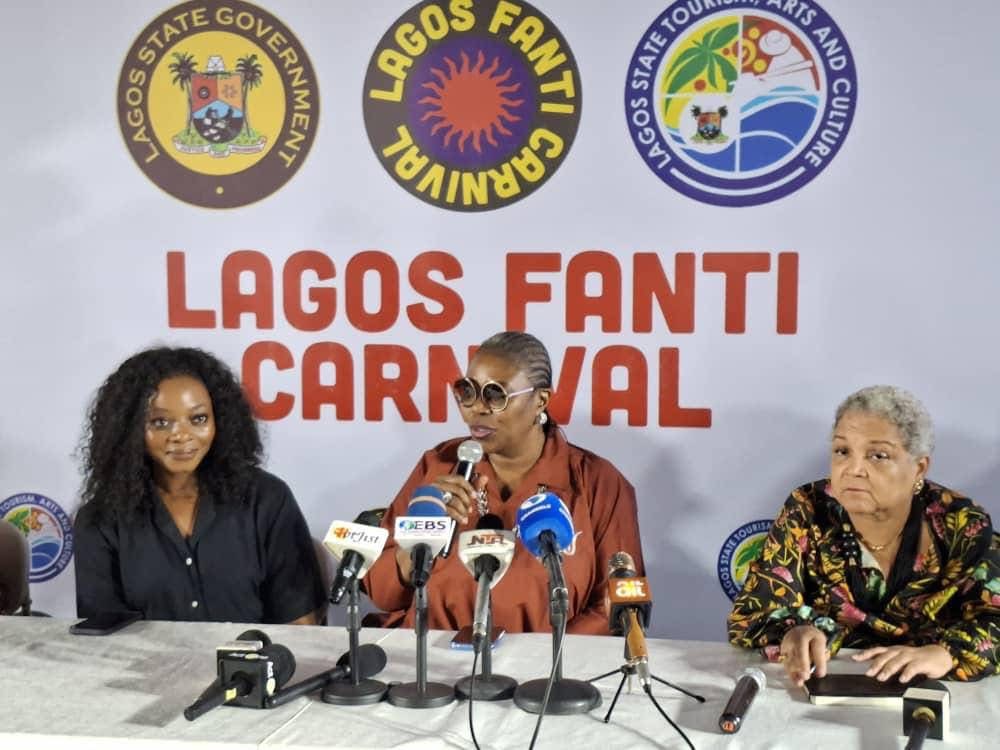
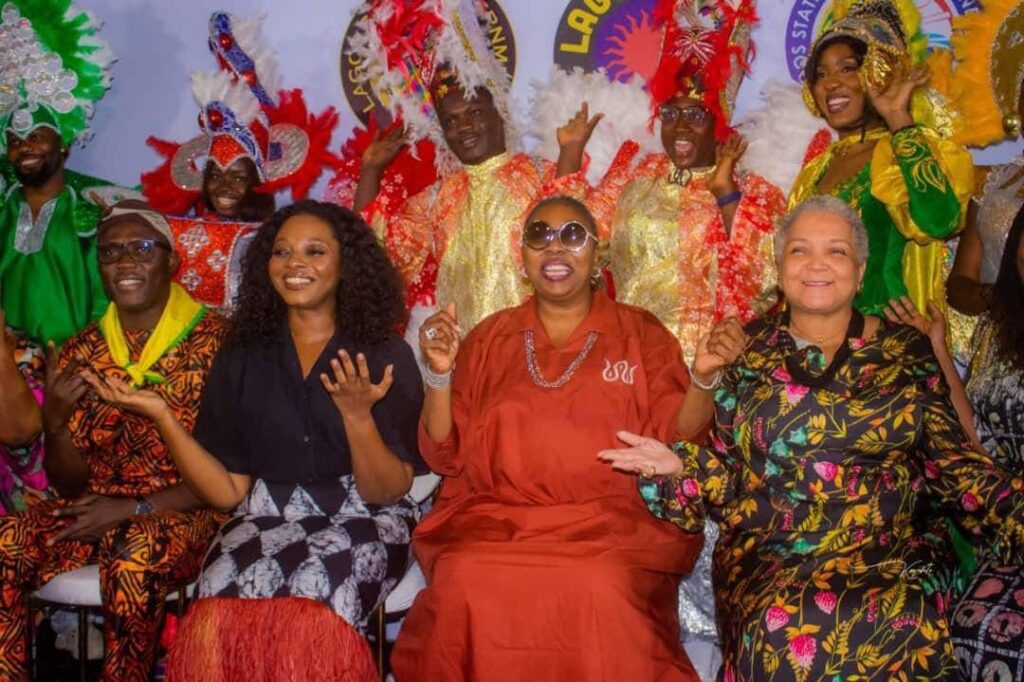 She explained that the festival represents the long historical connection between Lagos and Afro-Brazilian communities. Through its colourful costumes, energetic music, dance performances, and theatrical displays, the carnival tells the story of Lagos’ heritage while bringing different generations together.
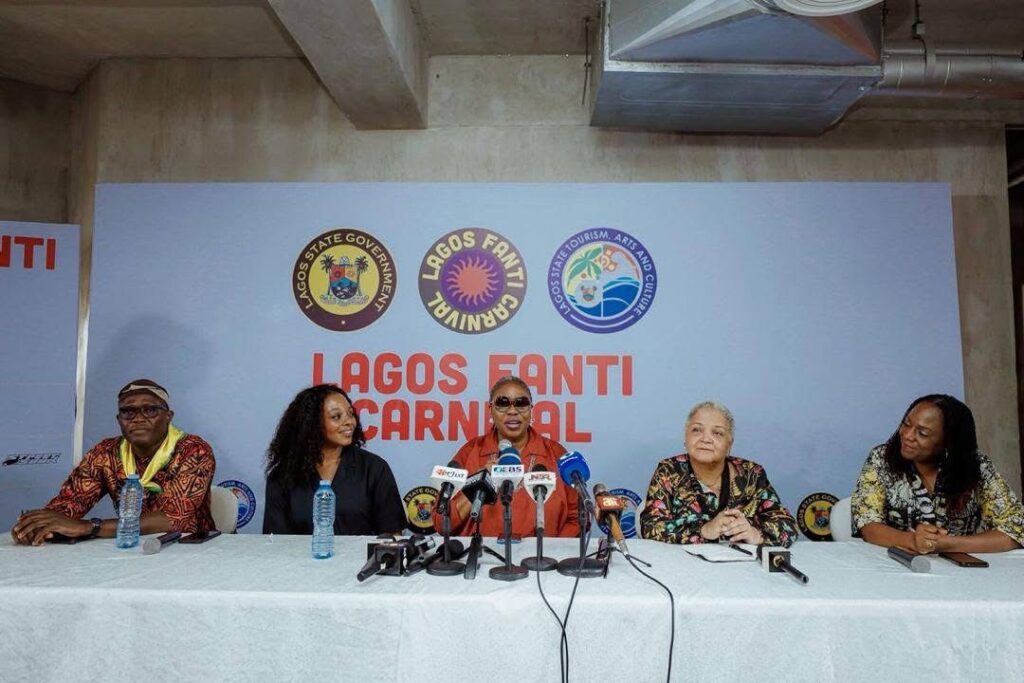 She added that the Ministry remains committed to using cultural tourism as a tool for economic growth, social unity, and international recognition for Lagos.
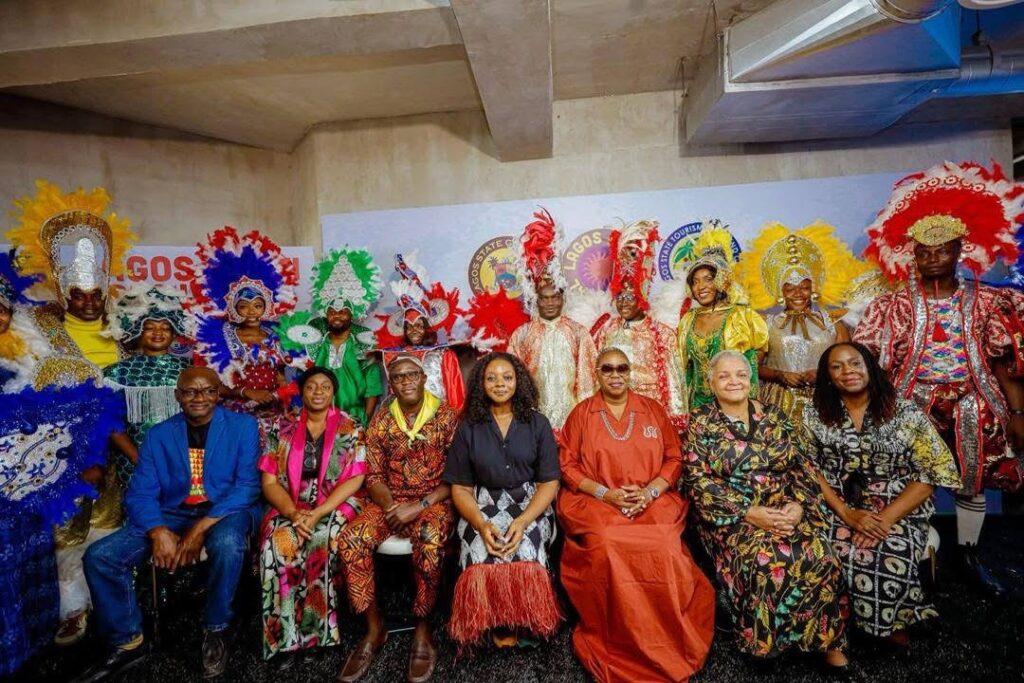 The Commissioner further noted that the government is working to keep cultural traditions relevant to younger generations by combining heritage with modern creative expressions while preserving authenticity.
 He explained that these returnees brought elaborate costumes, mascots, music, and performance styles that later developed into what is now known as the Fanti Carnival.
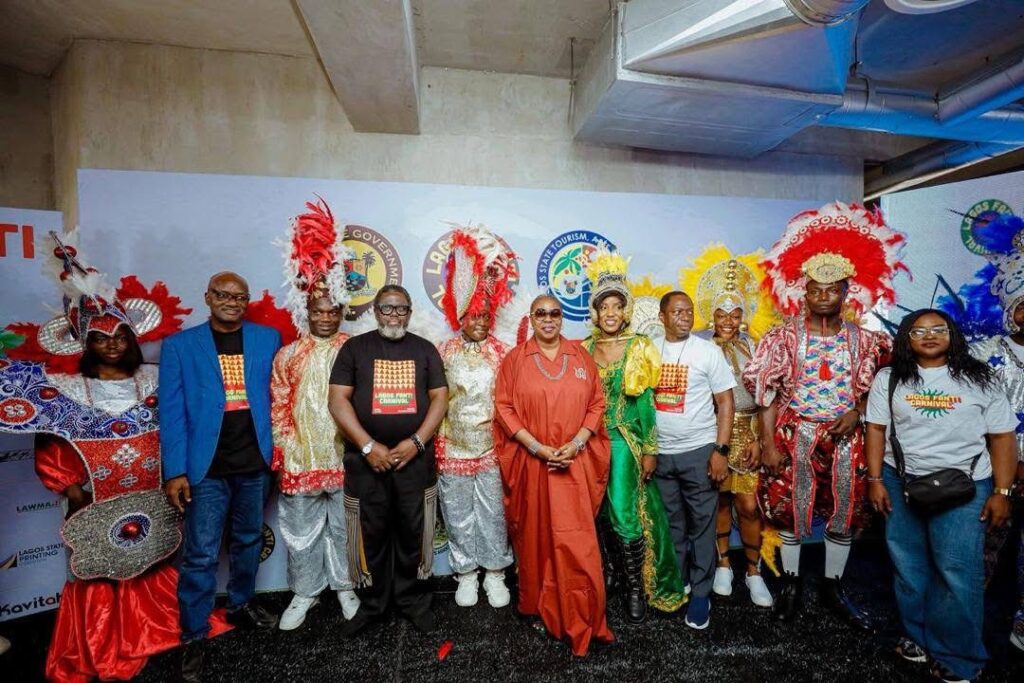 Other government partners supporting the event include the Ministry of Youth and Sports and the Lagos State Printing Corporation.
 This is not the first time the company has faced regulatory action in Namibia. In November 2024, CRAN ordered Starlink to halt its operations after determining that the service had been operating without the necessary authorization. Authorities also confiscated some of the company’s equipment during that enforcement action.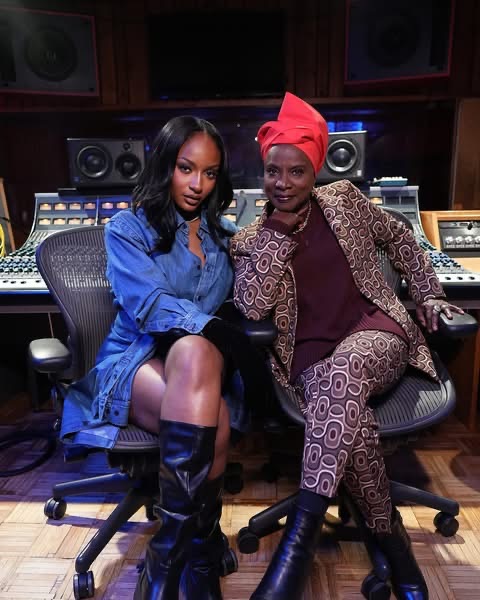
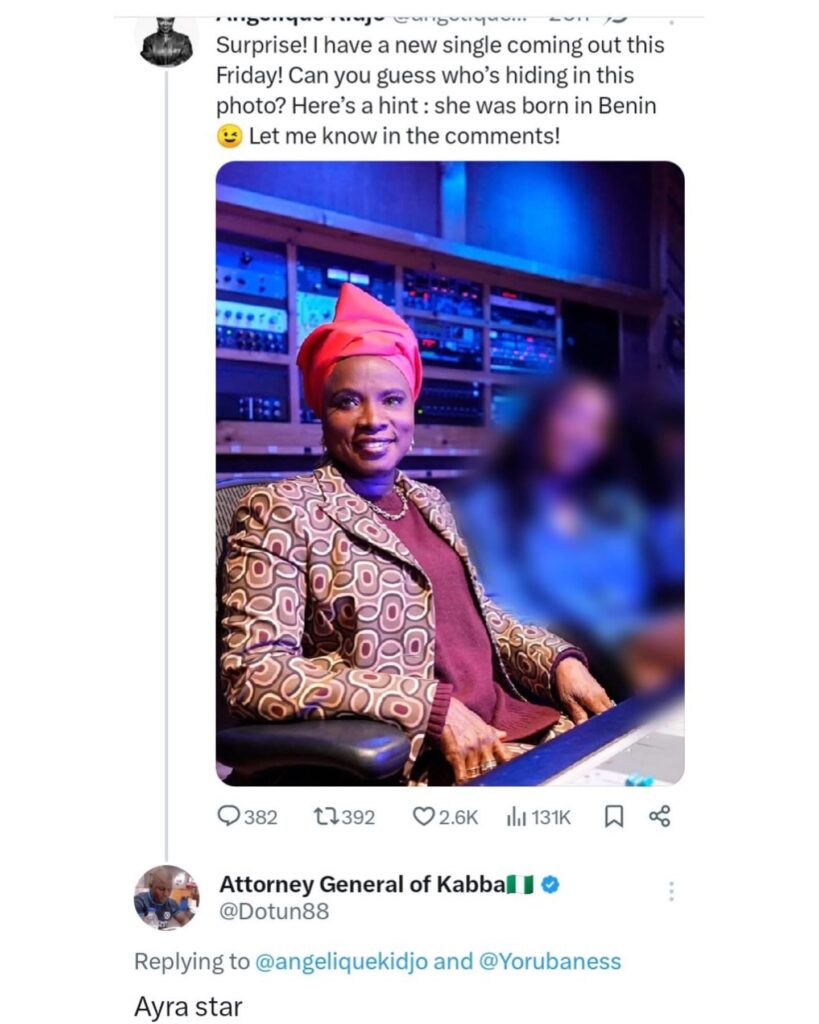 With anticipation building ahead of the album’s release, Hope!! is expected to further highlight Angélique Kidjo’s enduring impact on global music while introducing new sonic partnerships that reflect the evolution of African sound.
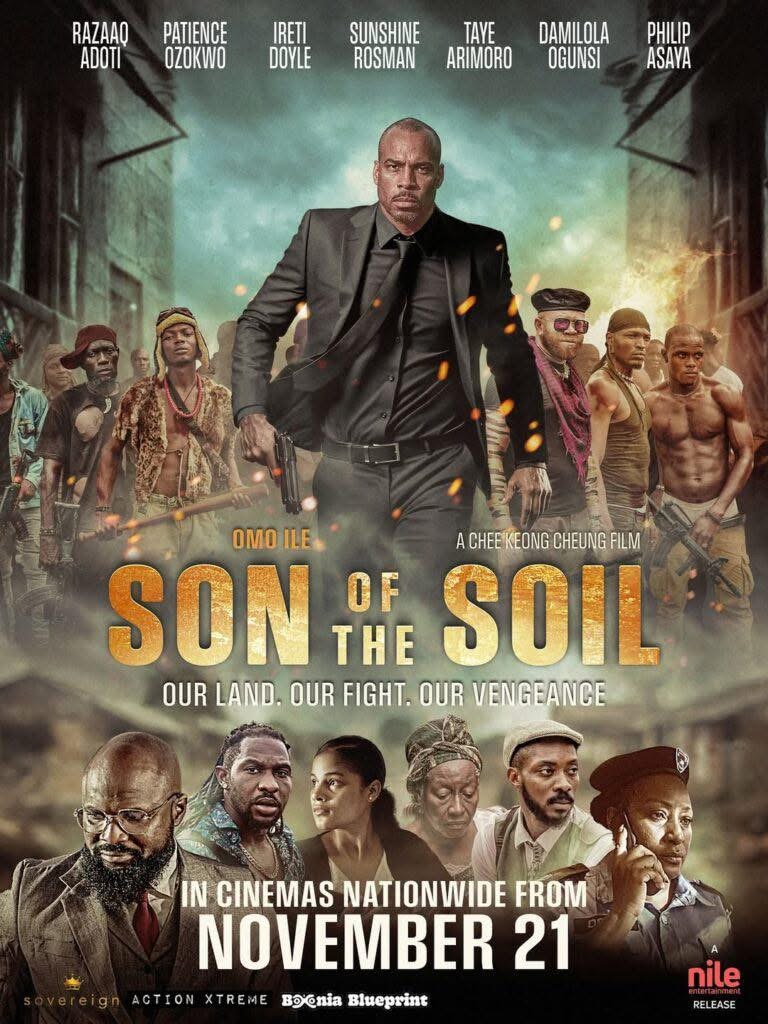
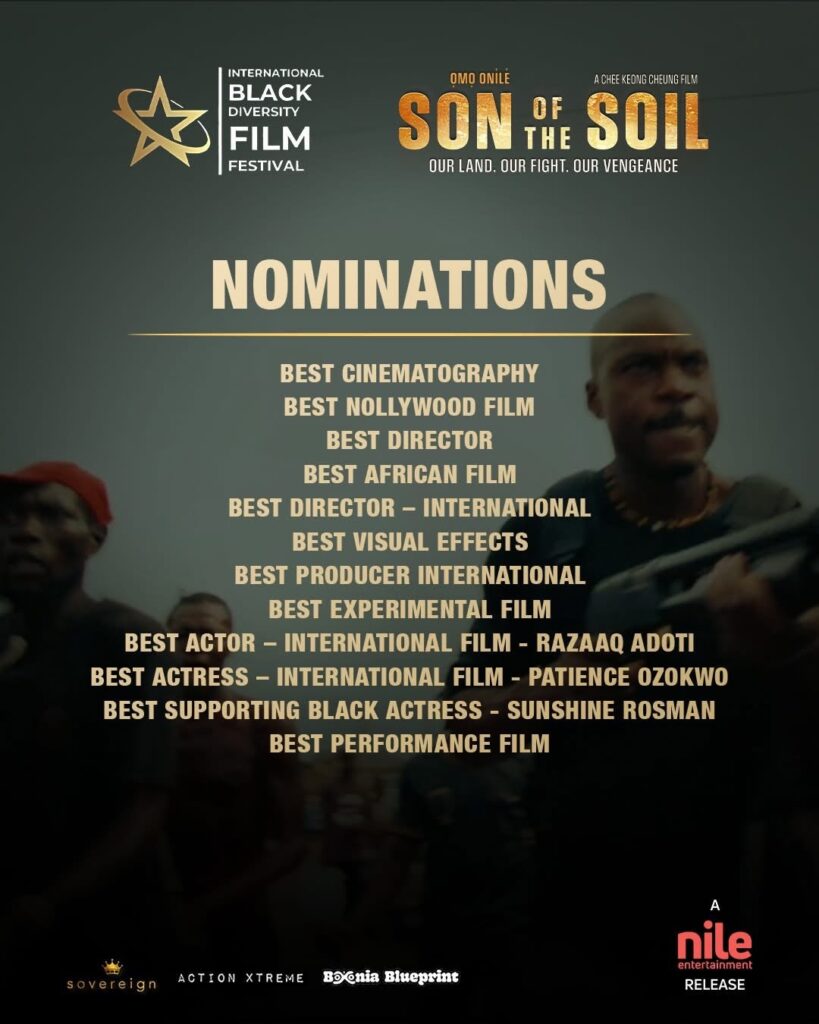 Another key category for the film is Best Performance Film, bringing the total nominations for Son of the Soil to twelve.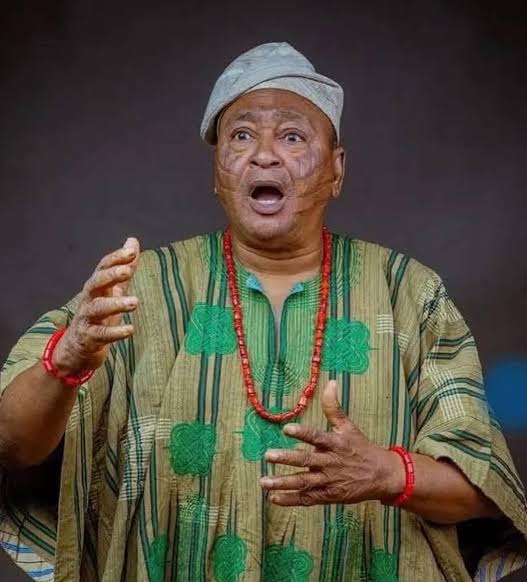
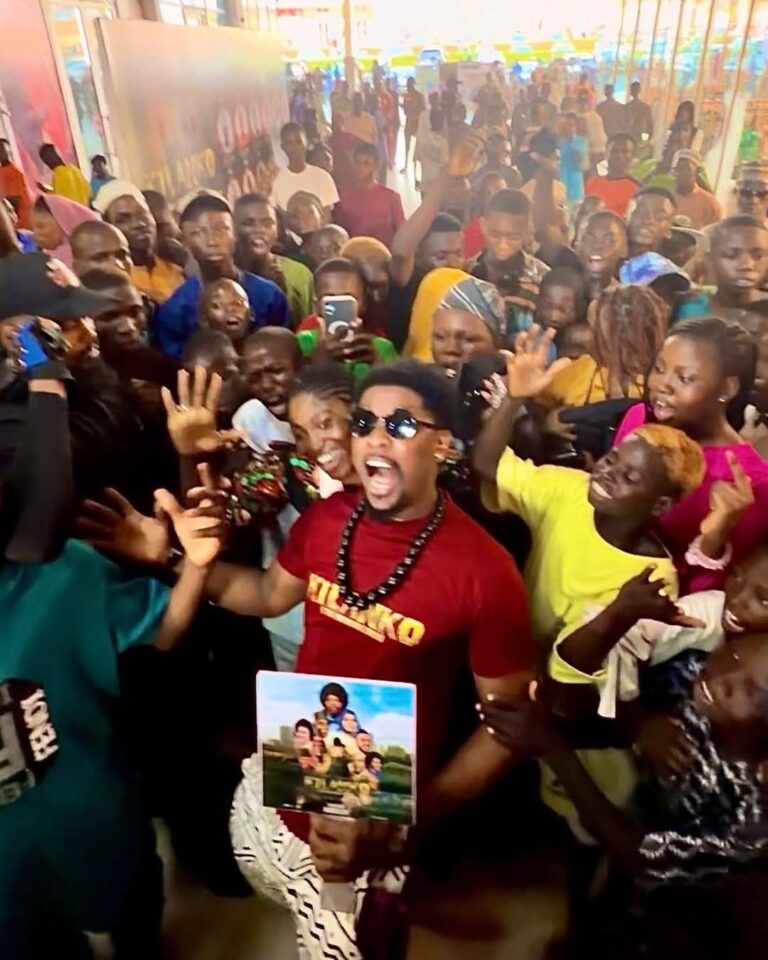
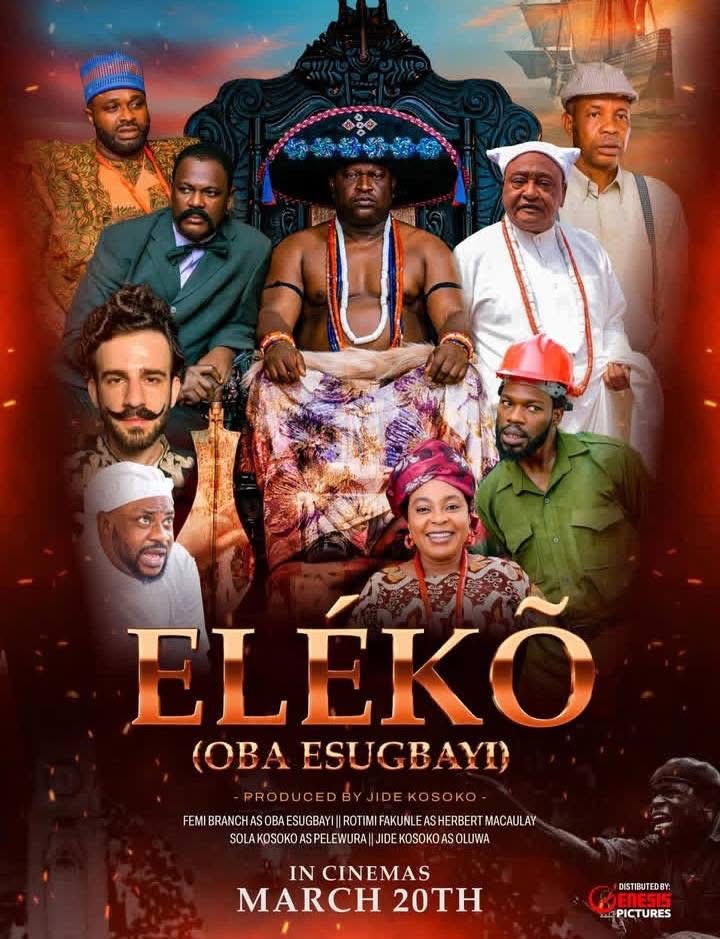 From its first days in cinemas, the film has sparked conversations among moviegoers who are eager to experience the story of Oba Esugbayi, one of the most notable traditional rulers in the history of Lagos. The strong turnout across several cinemas shows that audiences remain deeply connected to films that revisit important historical moments and cultural figures.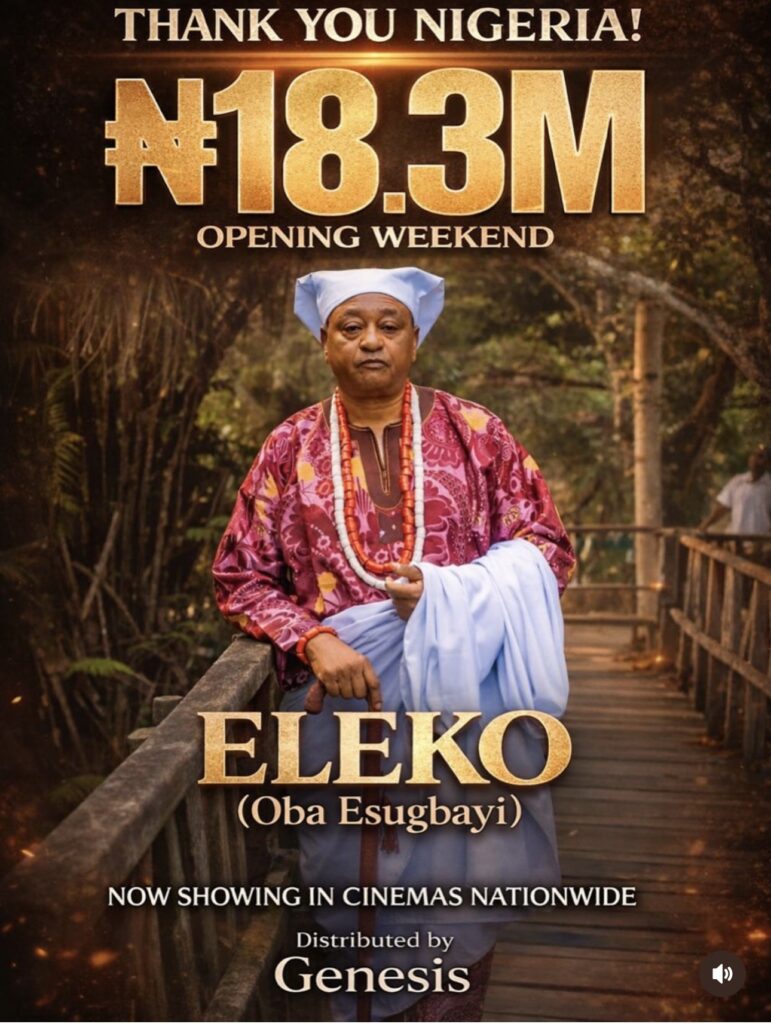


 What makes Bimbo Ademoye particularly compelling is the balance she maintains between humor and refinement. She moves comfortably between exaggerated comedy and composed elegance. One moment she delivers the lively, playful energy many of her fans enjoy, and the next she embodies a character with the calm sophistication seen in roles such as Temilade Okechukwu. Maintaining that dual identity is difficult for many performers, yet it has become one of the pillars of her brand.
 The audience response to the promotional video reinforces that strength. The clip recorded the highest Instagram engagement for the day and marked her biggest engagement spike since the beginning of the year. Notably, the campaign did not rely on the familiar social media dance challenge formula that many film promotions depend on today. Instead, it introduced a fresh creative approach, proving that originality can still command attention.
 Interestingly, the promotion has achieved something many campaigns aim for but rarely accomplish. Even without revealing much about the storyline of M&R, it has generated genuine curiosity among viewers. The anticipation is no longer casual interest. Many followers are now eager to see what the film will deliver.
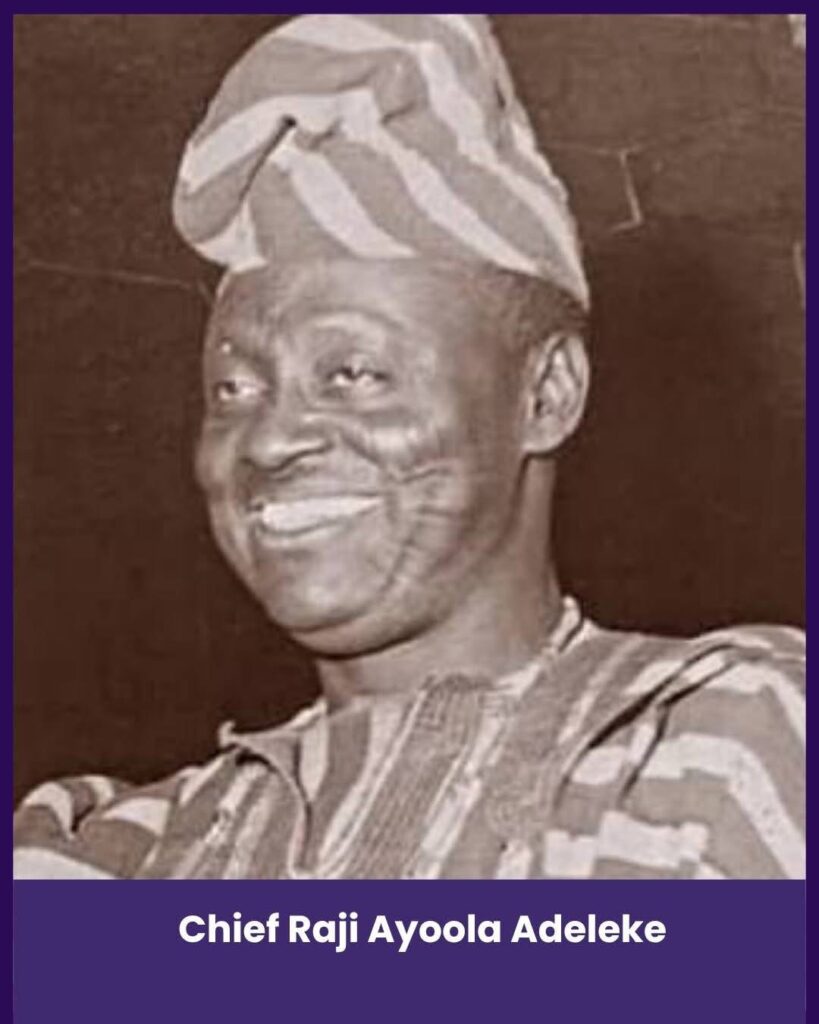 At the foundation of the Adeleke dynasty is Raji Ayoola Adeleke, widely regarded as the patriarch who laid the groundwork for the family’s prosperity. A respected businessman and politician from Ede in present-day Osun State, Raji Adeleke was deeply involved in Nigeria’s early economic and political structures during the post-independence era. Through investments, land ownership, and political engagement, he established a strong economic base that would shape the fortunes of the generations that followed.
 His legacy extended through his children, particularly billionaire entrepreneur Adedeji Adeleke, Davido’s father. Adedeji Adeleke expanded the family’s wealth through large-scale ventures in construction, energy, and education. He is the founder of Pacific Holdings Limited and the proprietor of Adeleke University, institutions that further strengthened the family’s influence within Nigeria’s economic and academic sectors.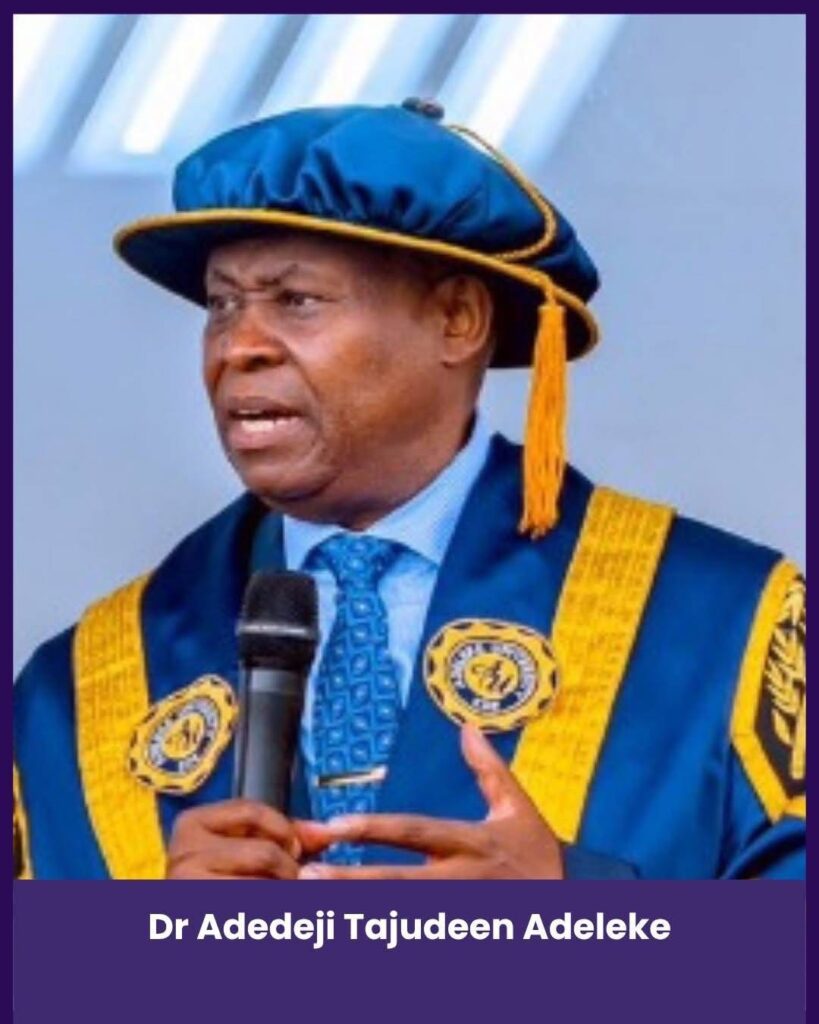
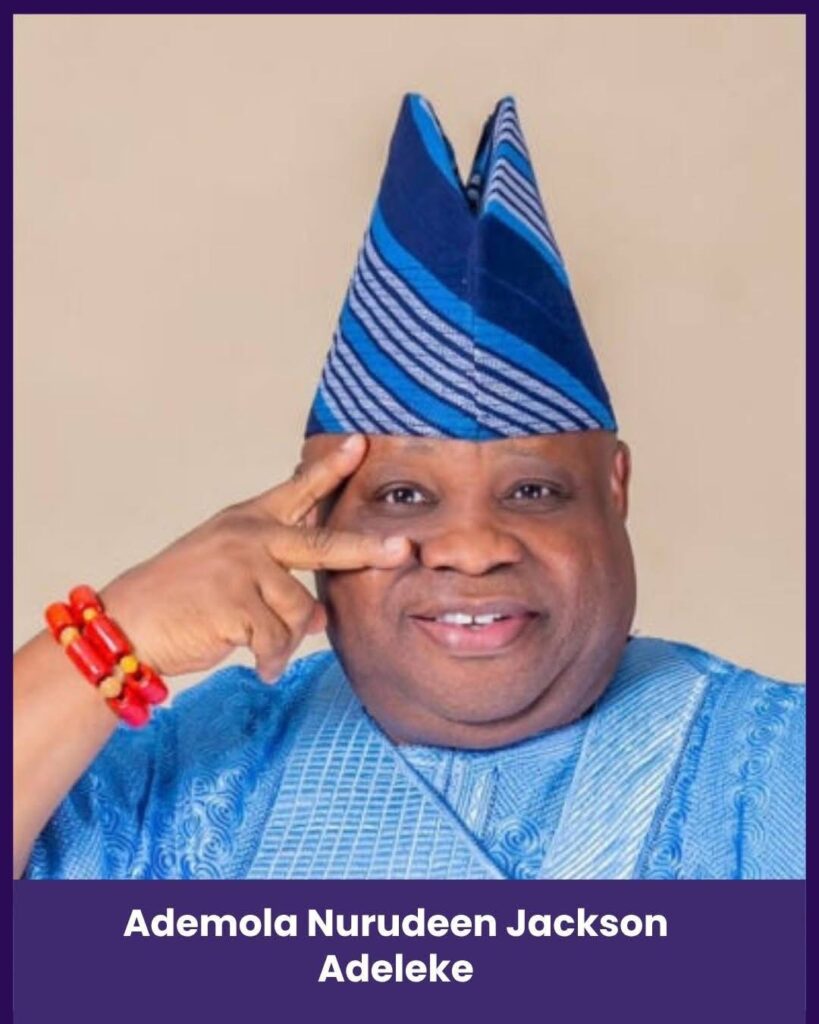 Within this powerful lineage emerged Davido, born David Adedeji Adeleke. Despite being raised in immense privilege, he chose a different path by pursuing music. Over the years, he has become one of Africa’s most recognizable global music figures, helping to push Afrobeats onto the international stage. His success demonstrates a unique combination of inherited privilege and personal ambition.