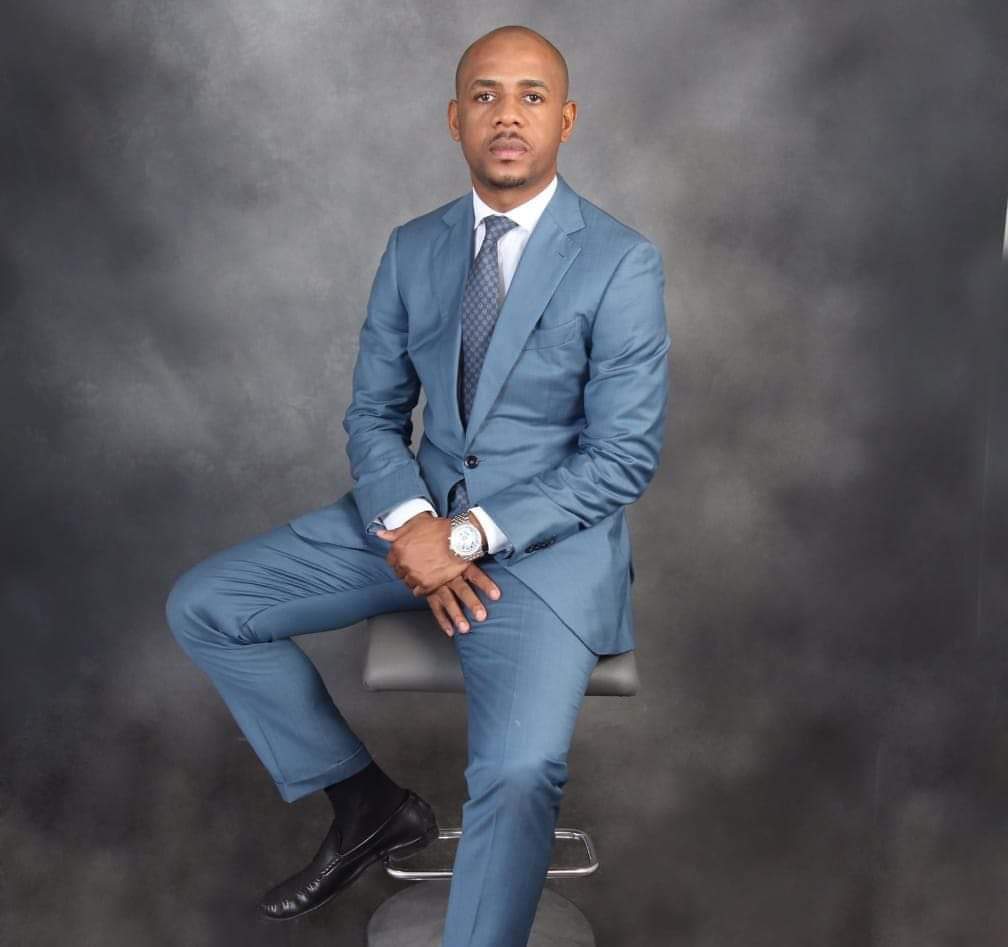
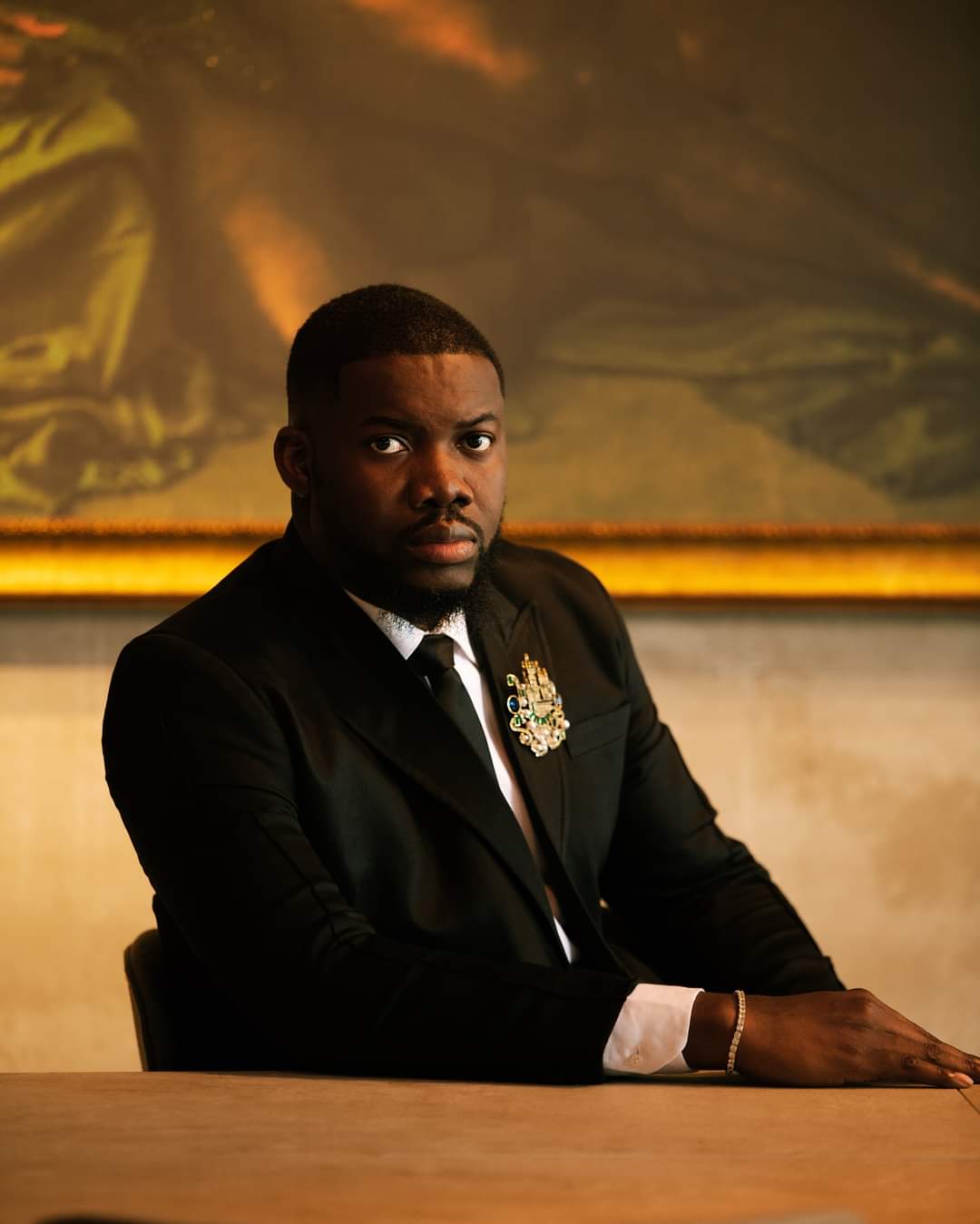
Beauty Queen “Beauty Tukura” indeed looks good in just about anything. But when it comes to posing for a photoshoot, the reality star proves time and again that you can be comfortable, fun, or even tell a beautiful story without uttering words.
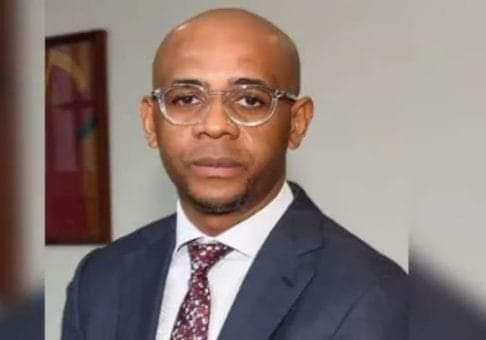
Equatorial Guinea’s financial crime boss Baltasar Ebang Engonga caught in s3x scandal
Baltasar Ebang Engonga, Director General of Equatorial Guinea’s National Financial Investigation Agency (ANIF), has been exposed in one of the country’s largest s3x scandals.
During an investigation by the country’s security authorities for alleged fraud, over 300 tapes of Baltasar, showing encounters with multiple women, including some married were recovered and circulating online.
The videos reportedly include encounters with high-profile individuals, such as his brother’s wife, his cousin and the sister of the President of Equatorial Guinea.
The footage, discovered in his personal office, was said to have been recorded with consent and leaked online, causing a media uproar.
Equatorial Guinea’s Vice President, Teodoro Nguema, addressed the scandal in a public statement posted on X (formerly Twitter) where he condemned inappropriate conduct within government offices.
He stressed that s3xual relations are strictly prohibited in administrative workplaces and warned of repercussions for violations.
“Given the abuse that has been shown on social media in Equatorial Guinea in recent days, and remembering that ministries are solely and exclusively for carrying out administrative work in support of the country’s development, sexual relations in offices are prohibited.
“Control mechanisms are already in place, and anyone who violates this rule again will be subject to disciplinary proceedings for indecent conduct and will be dismissed from their job,” Nguema stated.
Here are few things to know about him:
Baltasar Ebang Engonga is the Director General of ANIF, Equatorial Guinea’s National Financial Investigation Agency.
He is in charge of overseeing financial investigations and managing activities aimed at curbing financial corruption in the country.
What Happens: Bob Dylan plugs in at Newport, and everyone needs shelter from the storm.
Reason to Believe: After zooming ahead with Ford v Ferrari, Mangold seeks the finish line. Also, Timothée Chalamet as an icon.
Reason to Doubt: Does the rock-folk tension seem consequential enough in 2024?
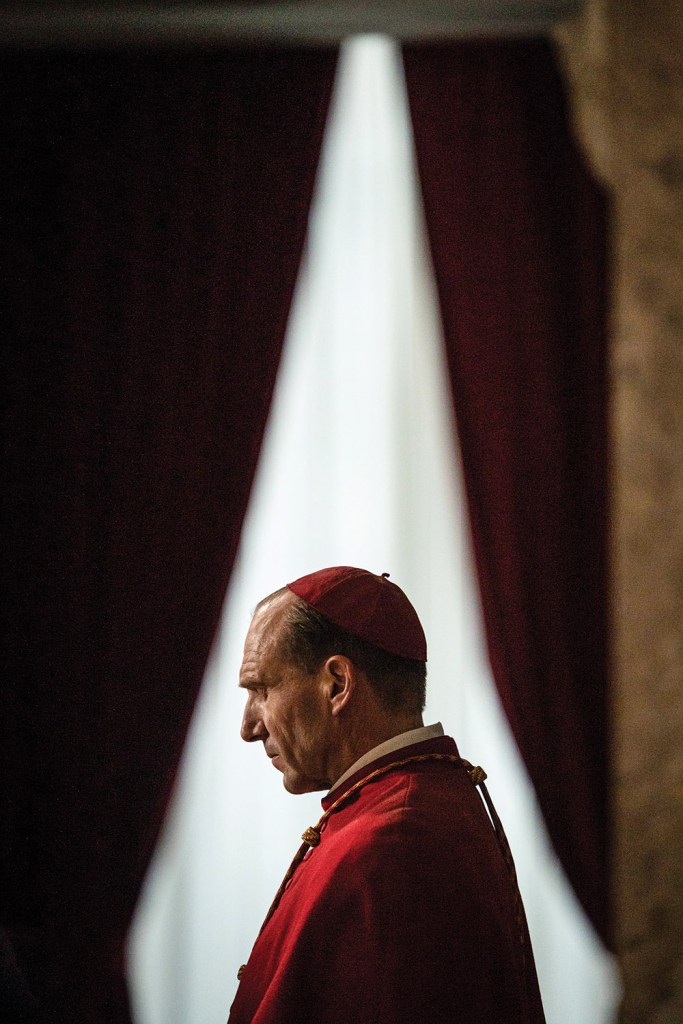
‘Conclave’
Edward Berger (Focus)
Philippe Antonello/Focus Features
What Happens: A pope dies, and everyone wants the big job.
Reason to Believe: Delicious fun in serious clothing.
Reason to Doubt: Is it about enough? Also, a divisive ending.
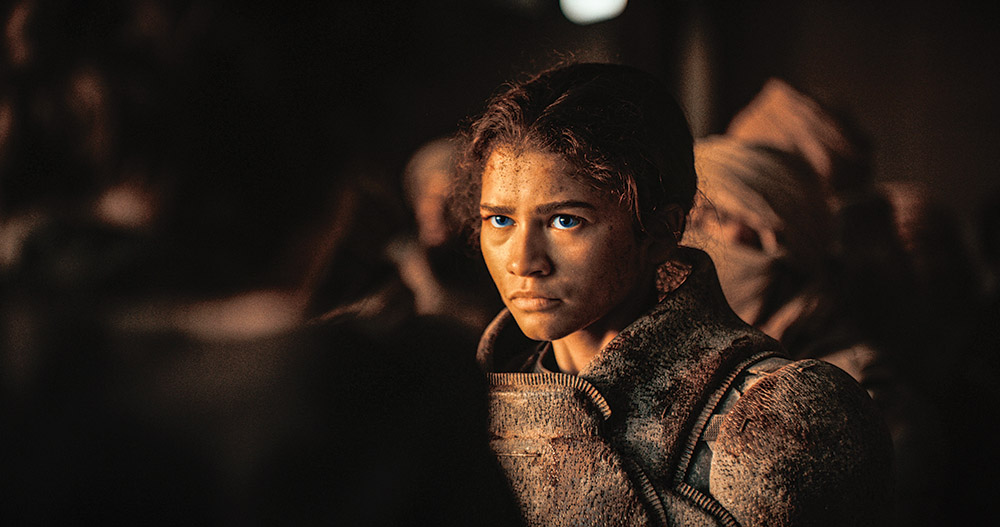
‘Dune: Part Two’
Dune: Part Two.ZENDAYA as Chani.Credit: Warner Bros.
Denis Villeneuve (Warner Bros.)
Courtesy of Warner Bros.
What Happens: More adventures of Paul Atreides as he forms new unions and wages new wars.
Reason to Believe: A franchise and a director that have been building momentum for years.
Reason to Doubt: Distant-planet epics and March releases often are forgotten.
‘Emilia Pérez’
Emilia Pérez. (Featured L-R) Karla Sofía Gascón as Emilia Pérez and Zoe Saldaña as Rita Moro Castro in Emilia Pérez. Cr. PAGE 114 – WHY NOT PRODUCTIONS – PATHÉ FILMS – FRANCE 2 CINÉMA.
Jacques Audiard (Netflix)
PAGE 114/WHY NOT PRODUCTIONS/PATHÉ FILMS/FRANCE 2 CINÉMA/Netflix
What Happens: Your typical Spanish-language cartel thriller/trans-themed family drama with musical elements.
Reason to Believe: The sheer audacity, the relevant topicality.
Reason to Doubt: Is the Never-Netflix voter still a thing?
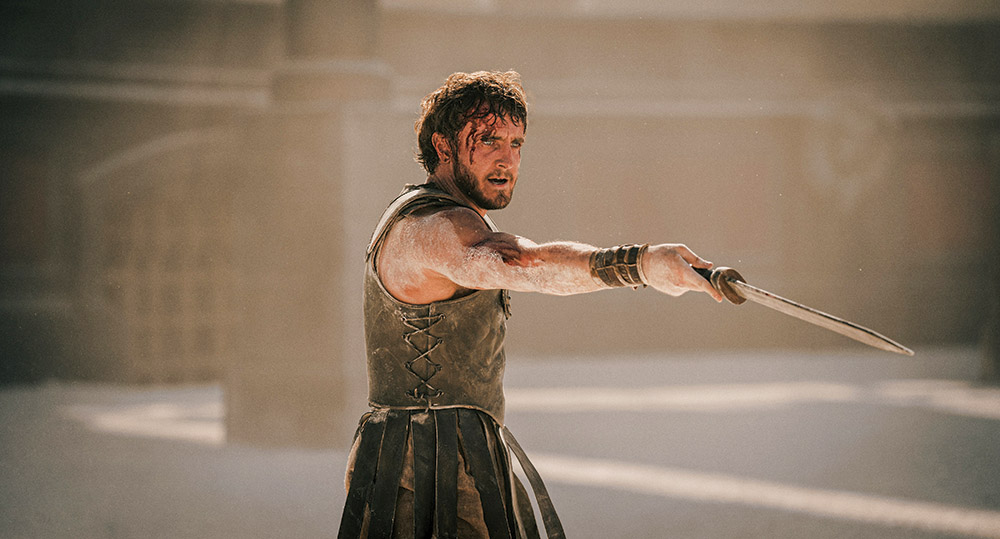
‘Gladiator II’
Paul Mescal plays Lucius in Gladiator II from Paramount Pictures.
Ridley Scott (Paramount)
Aidan Monaghan/Paramount Pictures
What Happens: A grown-up Lucius comes back to Rome to gladiate glory back to his people.
Reason to Believe: Nostalgia … for both the Roman period and the days of studio historical epics.
Reason to Doubt: “Didn’t we honor this movie in 2001?”
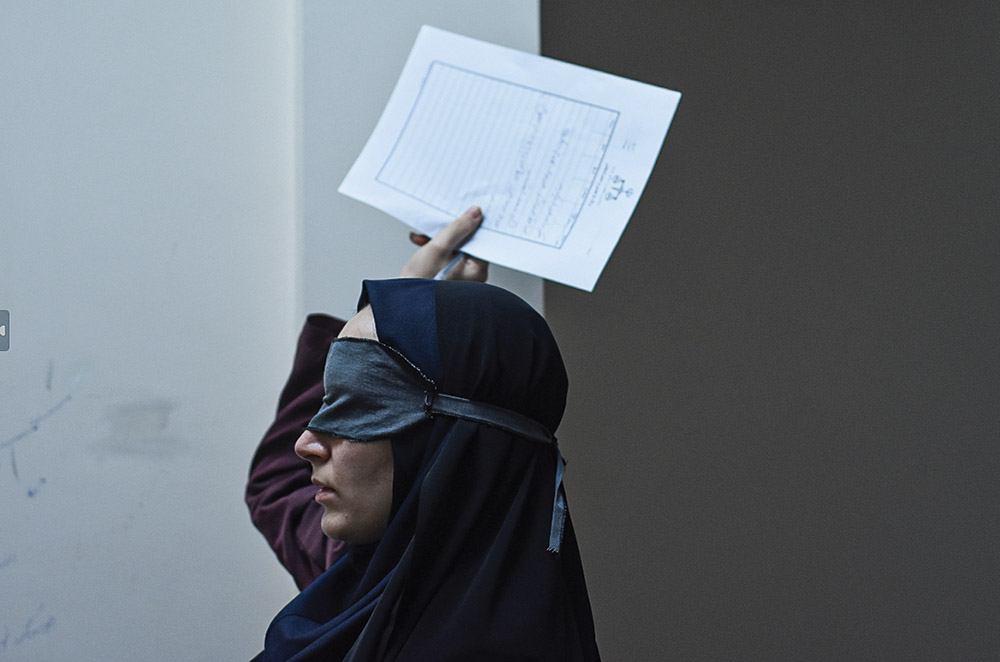
‘The Seed of The Sacred Fig’
Mohammad Rasoulof (Neon)
Courtesy of Neon
What Happens: A family in repressive Iran is torn apart by politics.
Reason to Believe: Geopolitical resonance and a director who escaped Iran with his movie.
Reason to Doubt: The best picture doesn’t often do long, foreign-language dramas set halfway around the world.
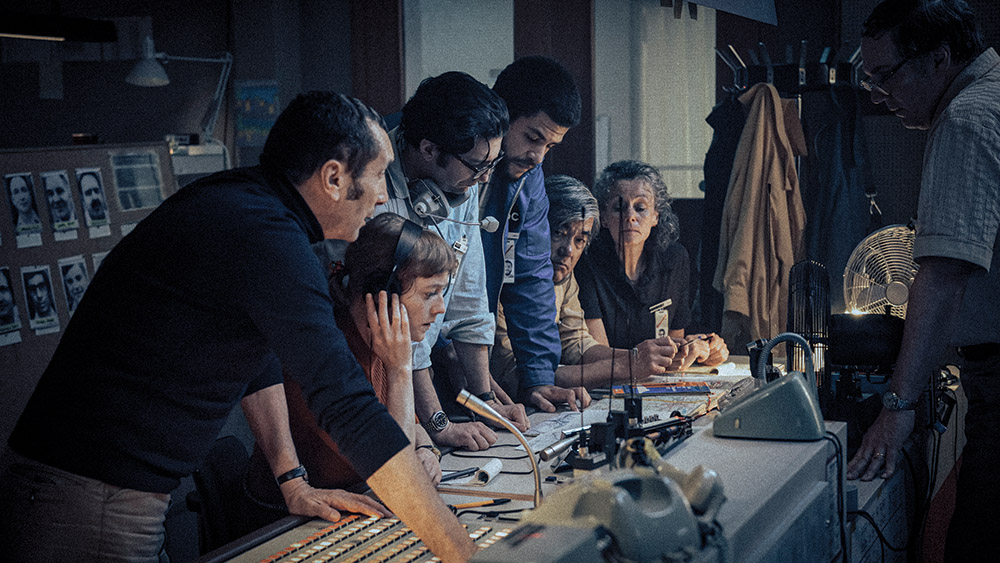
‘September 5’
Jacques Lesgardes (Zinedine Soualem), Marianne Gebhard (Leonie Benesch), Geoff Mason (John Magaro), Carter (Marcus Rutherford) star in Paramount Pictures’ “SEPTEMBER 5” the film that unveils the decisive moment that forever changed media coverage and continues to impact live news today, set during the 1972 Munich Summer Olympics.
Tim Fehlbaum (Paramount)
Jürgen Olczyk/Paramount Pictures
What Happens: One day in Munich in the ABC News control room during the 1972 Olympics.
Reason to Believe: Sorkin-esque urgency about big media topics.
Reason to Doubt: Global indies can struggle without as many crewmembers and filmmakers that voters know. Plus the fraught Israeli-Palestinian backdrop.
‘Wicked’
L to R: Cynthia Erivo is Elphaba and Ariana Grande is Glinda in WICKED, directed by Jon M. Chu
Jon M. Chu (Universal)
Courtesy of Universal Pictures
What Happens: Witches Elphaba and Glinda begin their journeys.
Reason to Believe: Is it Cats or is it Chicago?
Reason to Doubt: Is it Chicago or is it Cats?
‘The Wild Robot’
Chris Sanders (DWA/Universal)
Universal Pictures/DreamWorks Animation
What Happens: Roz the Robot lands on an animal island and learns how to feel.
Reason to Believe: An AI movie that’s heartfelt and accessible. Also, it’s already a hit.
Reason to Doubt: Only three animated movies have ever been nominated; none have won.
The Nigerian movie industry has been plunged into mourning following the sudden passing of renowned film director, Dimeji Ajibola. Ajibola, the creative genius behind the critically acclaimed series “Shanty Town,” succumbed to an undisclosed illness in the early hours of November 3.
Ajibola was widely regarded as a trailblazer in the entertainment industry, celebrated for his innovative approach to storytelling and his ability to seamlessly blend traditional and digital art forms. His diverse body of work spanned film, animation, visual effects, virtual worlds, and interactive media.
A seasoned filmmaker, Ajibola boasted an impressive educational background. He honed his craft at the New York Film Academy in Universal Studios, where he studied filmmaking and cinematography. He furthered his expertise in advanced character animation at Animation Mentor in San Francisco and visual effects at VFXLearning.
Ajibola’s most notable work, the 2012 urban musical film “Hoodrush,” earned him critical acclaim and numerous awards. The film won:
– Best Movie at the 2012 Green Me Film Festival in Germany
– Best Actor and Soundtrack at the Nollywood Movies Awards
– Best Supporting Actor at the AMAA Awards
Dimeji Ajibola’s passing leaves a void in the Nigerian film industry, but his legacy will continue to inspire future generations of filmmakers. His groundbreaking work and creative vision will be deeply missed.
Rest in peace, Dimeji Ajibola. Amen.
*Tributes and Condolences*
The Nigerian film industry and fans around the world are paying tribute to Dimeji Ajibola, sharing memories and condolences on social media.
“Your work will continue to inspire us, and your legacy will live on.” – @NollywoodFilms
“Rest in peace, Dimeji. Your creative genius will be deeply missed.” – @ShantyTownSeries
“Thank you for sharing your gift with the world. You will be remembered.” – @FilmLoversNG
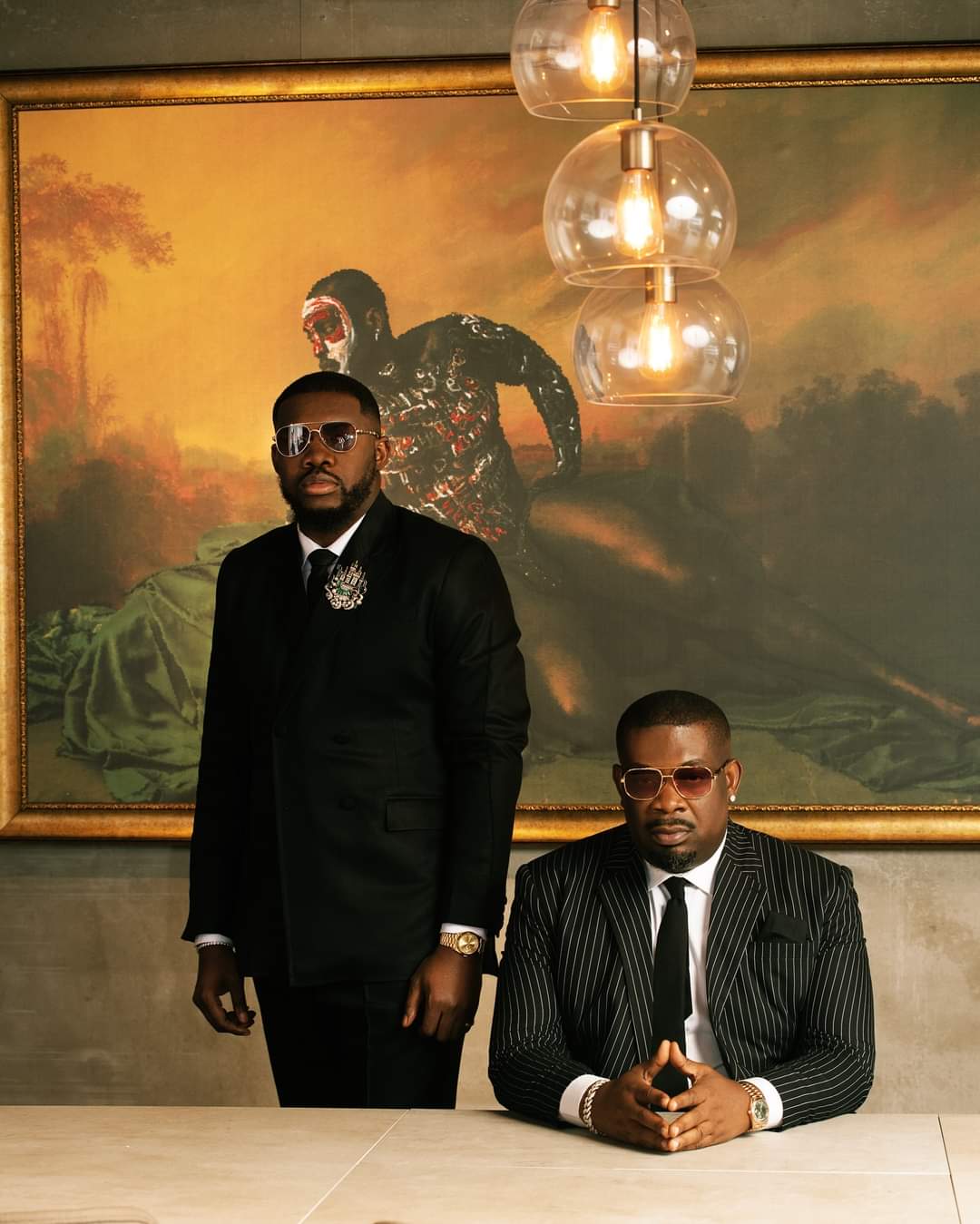
Mavins Record Announces Strategic Leadership Appointment
Mavins Record, a leading African music label, is pleased to announce the appointment of Tega Oghenejobo as President and Chief Operating Officer (COO) of Mavin Global.
In this expanded leadership role, Tega will build upon his exceptional track record as COO, driving the company’s strategic growth and global expansion. His promotion reflects his invaluable contributions to Mavins Record’s success and his pivotal role in shaping the company’s future.
About Tega Oghenejobo
Tega Oghenejobo has been instrumental in Mavins Record’s remarkable growth, leveraging his expertise to navigate the ever-evolving music industry. His vision, leadership, and industry insights have been crucial in fostering innovative partnerships, talent acquisition, and operational excellence.
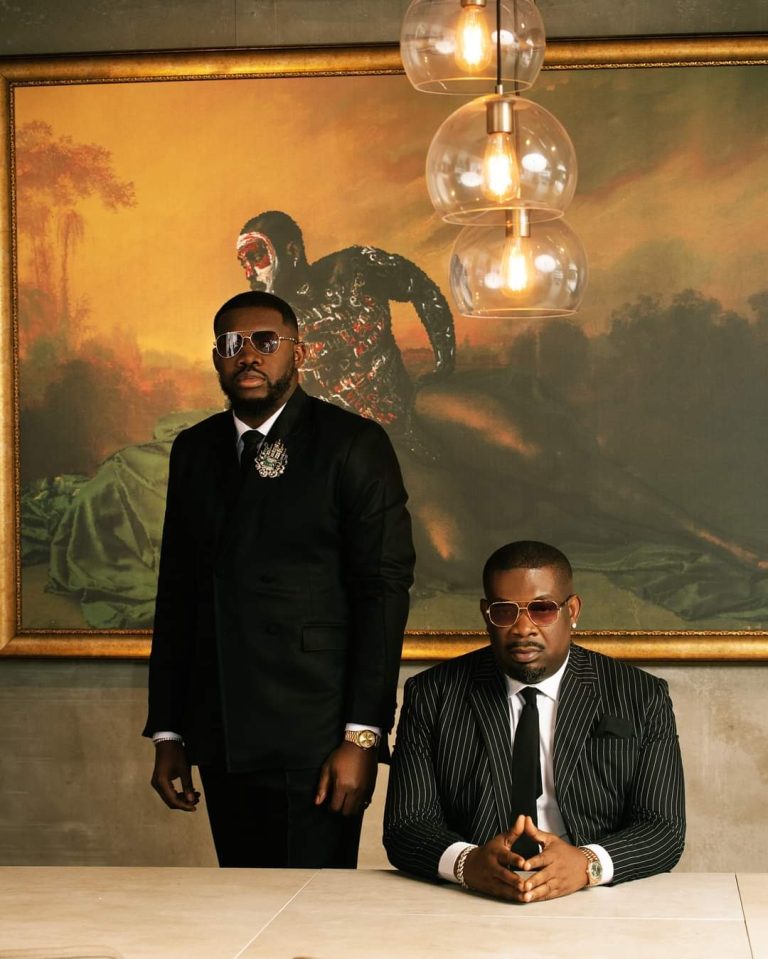
Don Jazzy, Founder, Mavins Record
“Tega’s appointment as President and COO is a well-deserved recognition of his tireless efforts and dedication to Mavins Record. His strategic mindset and industry expertise will propel our global expansion, talent development, and continued innovation.”
Tega Oghenejobo, President and COO, Mavin Global
“I’m honored to take on this expanded role, building upon our successes and driving Mavins Record’s next chapter. We’re poised to further establish our global presence, nurture exceptional talent, and redefine industry standards.”
With Tega at the helm, Mavins Record is poised to:
– Strengthen its global footprint
– Enhance its roster of talented artists
– Set new industry benchmarks
Congratulations Tega Oghenejobo on his well-deserved appointment.
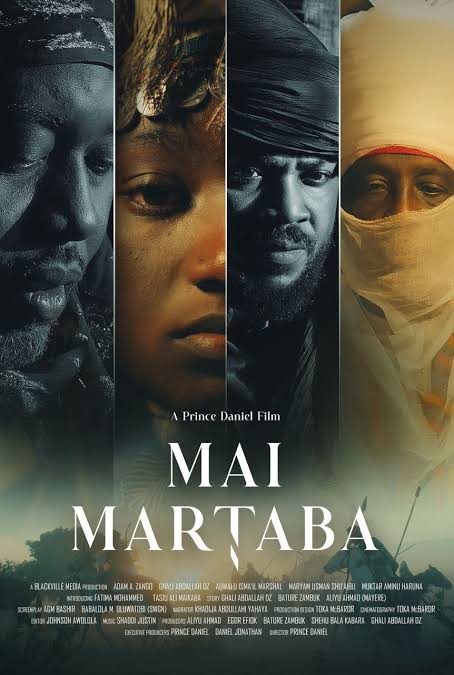
Nigeria has selected the epic Hausa film “Mai Martaba” as its contender for the International Feature Film (IFF) category at the 97th Academy Awards.
Produced and directed by Prince Daniel, the film explores power, love, greed, and betrayal themes in an ancient African kingdom, offering a transformative tale that challenges conventions and celebrates female leadership.
Set against the backdrop of a thriving trade era fueled by the Trans-Saharan exchange, the kingdom’s prosperity is cut short by a fierce internal power struggle within the dominant Agadashawa ruling clan. The film was shot on location in Daura, Katsina State.
The Nigerian Official Section Committee (NOSC), in a statement, said the film was selected for “its relevant theme of diverse voices in decision-making and inclusive leadership and its visual and technical appeal.”
“Mai Martaba” received the highest votes from the 15-member committee which include award-winning actress and NOSC Chairperson Stephanie Linus; President of the Directors’ Guild of Nigeria (DGN) Dr. Victor Okhai; veteran actress Omotola Jalade-Ekeinde; former DGN President Andy Amenechi; theatre practitioner Yibo Koko; writer/director Izu Ojukwu; prolific film producer Emem Isong and journalist/film critic Victor Akande.
The Academy of Motion Picture Arts and Sciences (AMPAS), the organising body of the Oscars, confers the IFF Award annually to a feature-length motion picture produced outside the United States which contains 50 per cent or more dialogue in a language or languages other than English. A shortlist of 15 finalists is scheduled to be announced on December 17, 2024, with the final five nominees will be unveiled on January 17, 2025.
“Mai Martaba” marks Nigeria’s third successful submission for the award and is anticipated to break the Oscars jinx that has plagued the country so far.
The 97th Oscars will be held on March 2, 2025, at the Dolby Theatre in Ovation Hollywood, Los Angeles, California, United States, and broadcast live to over 200 territories worldwide.
Related Articles
Founded on January 22, 1995, THISDAY is published by THISDAY NEWSPAPERS LTD., 35 Creek Road Apapa, Lagos, Nigeria with offices in 36 states of Nigeria , the Federal Capital Territory and around the world. It is Nigeria’s most authoritative news media available on all platforms for the political, business, professional and diplomatic elite and broader middle classes while serving as the meeting point of new ideas, culture and technology for the aspirationals and millennials. The newspaper is a public trust dedicated to the pursuit of truth and reason covering a range of issues from breaking news to politics, business, the markets, the arts, sports and community to the crossroads of people and society.
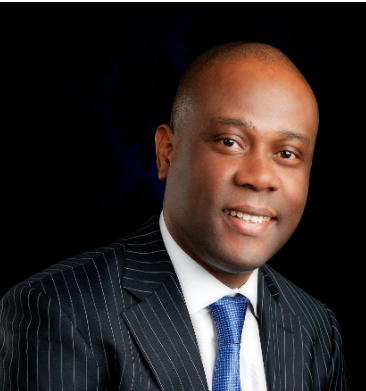
The Lagos State High Court Probate Registry has issued an ultimatum to Christian Wigwe to explain his interest in the estate of his cousin, the late Herbert Wigwe, former group managing director and CEO of Access Bank.
Christian had lodged a caveat on behalf of Shyngle Wigwe, the father of the deceased, apparently to contest the distribution of the estate as specified in the will of the late banker.
A caveat serves as a formal written notice filed with the probate registry regarding the management of a deceased person’s estate. By filing this caveat, the caveator challenges the validity of the deceased’s will and aims to prevent the estate’s administration from proceeding without being notified. This action seeks to block the issuance of probate or letters of administration until the matter is resolved.
In a document dated 21 October, and seen by PREMIUM TIMES, the Lagos probate registry issued a legal notice giving the caveator, Christian, eight-day ultimatum upon service to explain his interest in the estate of late Herbert Wigwe.
“The Lagos State High Court Probate Registry setting forth what interest you have in the Estate of the above-named deceased, Late Herbert Onyewumbu Wigwe of No. 11 Oyinkan Abayomi Drive, Ikoyi, Lagos, contrary to the interest of the party at whose instance this warning is issued,” the notice reads.
Essentially, the notice urged Christian to respond and assert his interests in the estate of his deceased cousin and that if he fails to do so within the stipulated period, he risks losing the opportunity to contest the probate process.
“If you have no contrary interest but wish to show cause against the sealing of a grant to such a party to issue and serve a Summons for direction by the Registrar of the said registry.
Nigerians need credible journalism. Help us report it.
Support journalism driven by facts, created by Nigerians for Nigerians. Our thorough, researched reporting relies on the support of readers like you.
Help us maintain free and accessible news for all with a small donation.
Every contribution guarantees that we can keep delivering important stories —no paywalls, just quality journalism.
“And take notice that in default of your so doing the Court may proceed to issue a grant of Probate or Administration in the said Estate notwithstanding your Caveat,” the probate legal notice read.
The notice was issued at the instance of Uchechukwu Wigwe, the appointed personal representative of the estate of the deceased by virtue of the deceased person’s will dated 9 July 2013.
The notice means that the deceased cousin will have to appear at the Court Probate Registry to explain this interest in his late cousin’s properties.
Background
Christian Wigwe, the deceased’s cousin, in an affidavit dated 7 October and filed at the Lagos State High Court Probate Registry, accused Herbert Wigwe’s partner Aigboje Aig-Imoukhuede of assuming the role that belonged to the deceased’s father — Shyngle Wigwe.
Recently, there have been controversies within the Wigwefamily regarding the estate left behind by the deceased.
Several online platforms reported that Herbert’s father, Shyngle Wigwe, is at the centre of an alleged dispute regarding the distribution of his late son’s estate.
ALSO READ: Family battles Herbert Wigwe’s business partner over guardianship of children, estate
Christian reportedly filed a caveat at the probate registry to challenge the proposed distribution.
However, a statement signed by a member of the family, Emeka Wigwe, and made available to this newspaper, refuted the allegations, denying dispute over his late son’s property.
Furthermore, the statement described the reports as entirely “false and grossly misleading’’. It emphasised that the well-being and unity of his family have always been his top priorities.
It also said that neither he nor any member of his family has sought 20 per cent of his late son’s estate.
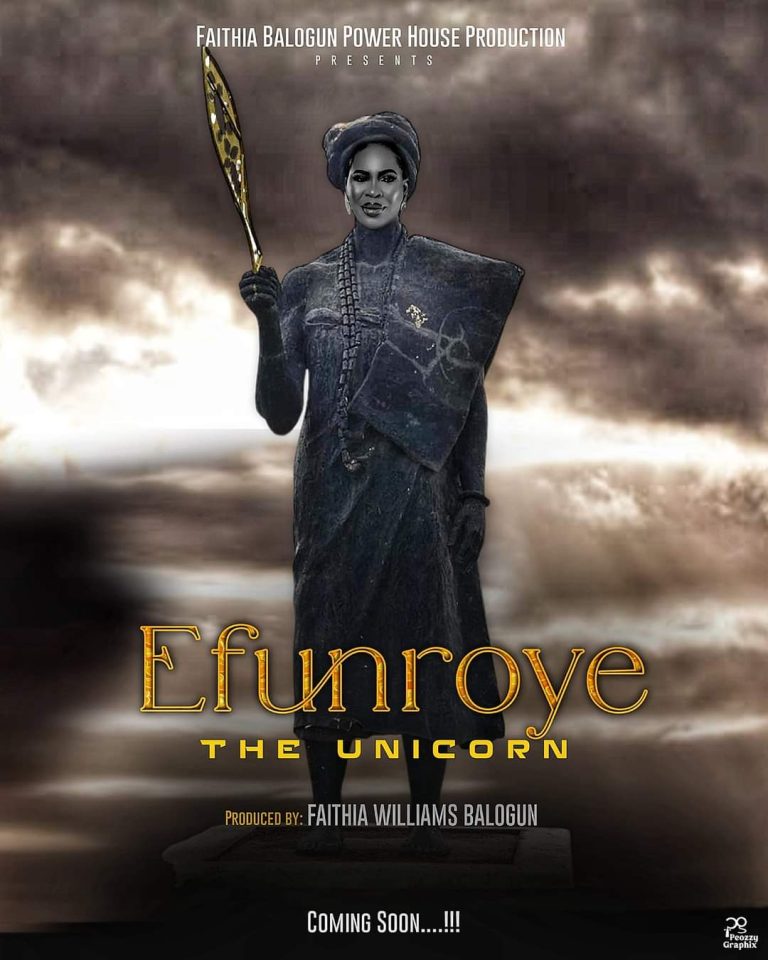
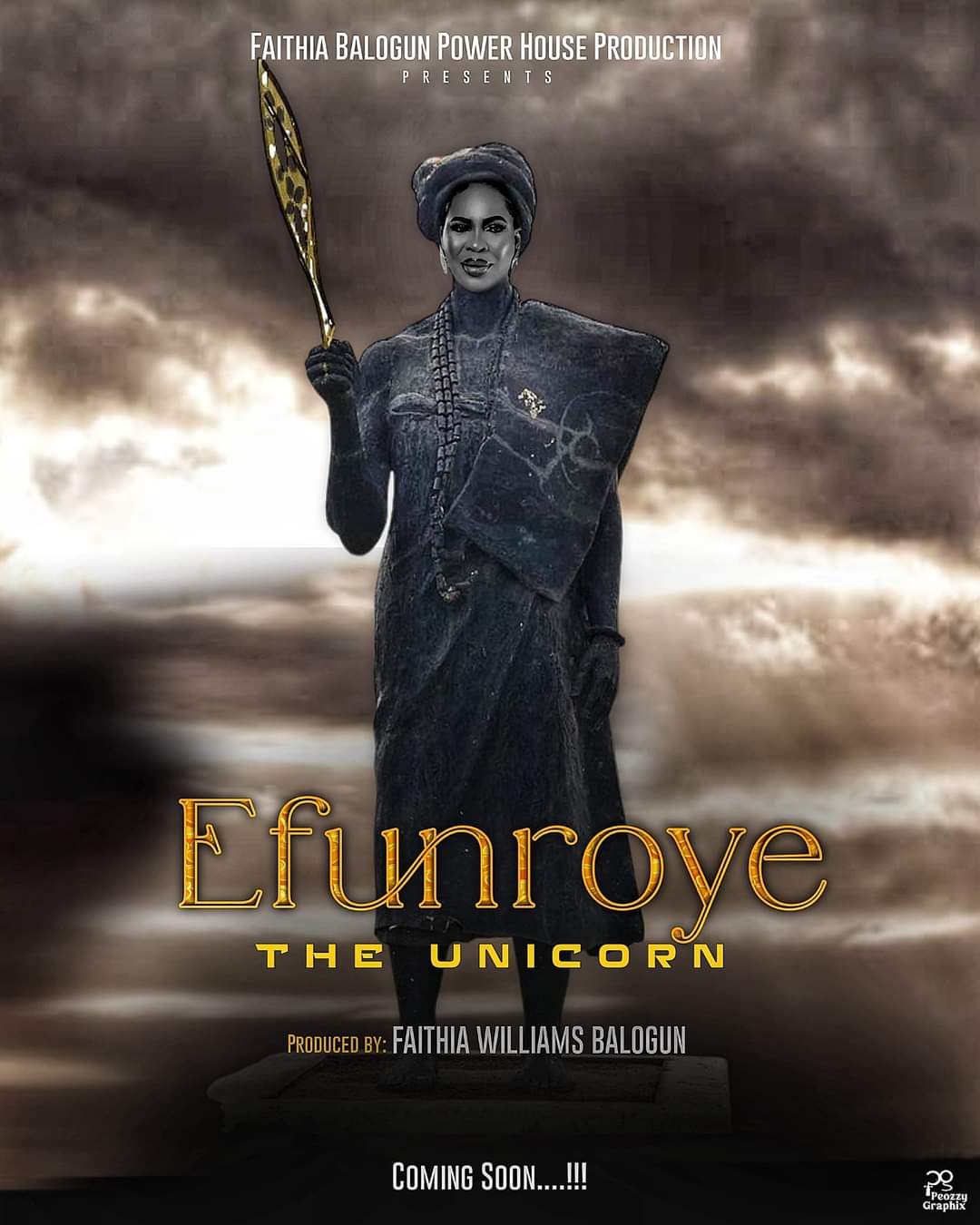
Here’s why Fathia Williams is facing backlash for her new movie ‘Efunroye: The Unicorn’
The actress took to X on Wednesday, October 23, 2024, to announce the release of her movie, Efuronye: The Unicorn. Captioned, “Power, Trade, Legacy,” the official film poster which she released caught the attention of netizens.
“She was more than a warrior, she was a ruler who rewrote history. ‘Efunroye: The Unicorn’ is coming to your screens soon! Are you ready?” the post said.
The post sparked a lot of controversy especially because the movie is about Efunroye Osuntinubu, born in 1805, a Yoruba aristocrat, merchant, and slave trader in pre-colonial and colonial Nigeria.
She is said to have used her connections to establish a successful trade network with European merchants in slaves, tobacco, salt, cotton, palm oil, coconut oil, and firearms and allegedly owned well over 360 personal slaves.
As a wealthy woman, Madam Tinubu was able to influence economic and political decisions during her time. She had a massive security force composed of slaves, and she sometimes executed orders usually given by political leaders during the colonial era.
Fathia Williams, however, took to her social media to address the controversy around the film.
“Firstly, “Efunroye: The Unicorn” is not a promotional piece intended to glorify or whitewash a divisive historical figure like Madam Efunroye Tinubu. Nor does it carry any political intent or affiliation. This film is purely a work of artistic interpretation and storytelling. As a filmmaker, my goal is to bring Nigerian stories to life on screen, and this is no exception. The movie is an attempt to present Madam Tinubu’s life in a balanced and nuanced way, showcasing her triumphs, challenges, and the complex legacy she left behind. It is not an effort to reshape or glorify the historical narrative. “Like all historical figures, Madam Tinubu’s story is layered, and this film aims to capture both her strengths and controversies,” the post said.
She also stressed that the movie is inspired by true events and added that it is important to explore our history.
“As with any artistic work, it draws from history but also takes creative liberties to make the story more engaging for modern audiences. I believe that through this film, we can explore important parts of our history, but it is important to understand that it remains a work of fiction inspired by real events,” she concluded
The move to streaming with Inside Life has not been without its challenges. Peters describes the process of getting his work onto a streaming platform as complex and demanding, especially for content that deviates from mainstream expectations.
Renowned Nigerian filmmaker Clarence Peters, celebrated for his music videos, has made a significant leap into the world of streaming with his new Netflix series, Clarence Peters’ Inside Life.
Coming from a creative family, Peters’ journey into filmmaking was almost predestined. His father, Sir Shina Peters, is a legendary musician, and his mother, Clarion Chukwura, is a revered actress.
“I was born into it, unlike other people who have degrees in other things. If they say the government bans this thing, now it’s cleaner oh. I can’t do anything, you know. So literally everything that I am is both within the artistic side of the business and the business itself.”
This artistic environment provided Peters with unwavering support and inspiration in his chosen path.
He shared a funny story from his childhood that helped make him a solid decision; A friend of mine fired a shot in my groin. I was on the floor and I told God if He helped me recover from this, and I can count 52 players on this pitch that can play better than me, I’m not playing again. I got up, counted 10, and decided I was done with football. I told my mom I wanted to focus on film, and she was like, “Thank God he’s come to his senses,” he recounted.
Peters’ career began in television and stage productions, where he worked on shows like Everyday People from a young age. His extensive experience in television laid a solid foundation before he ventured into music videos, where he built a reputation for brand-building and visual interpretation.
When asked why he is known for not embracing his celebrity status, Peters attributed it to the fact that he is ‘behind the camera for a reason’.
“I think it’s probably because of the phobia of my parents and a lot of things they had to go through by being in the limelight. It wasn’t all fun. A lot of it wasn’t fun—the things they had to go through personally and in their lives, and I didn’t want that for myself. It still freaks me out when people recognise me. But nothing is 100% good or 100% bad. Sometimes you need it, sometimes you don’t. I’m grateful that I’m somewhat recognisable sometimes, but most times I would rather not be in that space if that makes any sense.”
The move to streaming with Inside Life has not been without its challenges. Peters describes the process of getting his work onto a streaming platform as complex and demanding, especially for content that deviates from mainstream expectations. “It’s not as straightforward as people might think,” he explains. “It can be complicated, especially if you don’t have the kind of relationships that you should have.”
Inside Life explores the harsh realities of life within the Lagos prison system, blending drama with supernatural elements. The series follows the intertwined stories of three individuals grappling with desperate situations, showcasing Peters’ ability to craft compelling narratives that resonate with audiences.
One of the central supernatural themes involves a familial curse that haunts one of the main characters, Ade. His grandmother pleads with him to break the curse that has plagued their family for generations. This curse manifests in various ways, adding a sense of dread and urgency to Ade’s journey.
Another supernatural aspect is the presence of shadowy figures and mysterious events that occur within the prison. These elements create an atmosphere of suspense and fear, as characters encounter inexplicable phenomena that challenge their understanding of reality.
Despite the hurdles, Peters remains optimistic about his foray into streaming. “I haven’t taken it in yet,” he admits, still in the midst of promotional activities. However, his dedication to storytelling and his ability to adapt to new mediums suggest that Inside Life is just the beginning of a new era for Clarence Peters.
Dangote Refinery has supplied about 79.4 million litres of petrol by sea to the local market, marking a significant boost to Nigeria’s domestic fuel supply.
The vessel, Sabaek, recently carried about 500,000 barrels (79.4 million litres) of petrol from the refinery to Lagos, according to a port report and ship-tracking data from Bloomberg.
This initial seaborne shipment follows about a month of the refinery distributing petrol by trucks.
The Vice President of (Oil & Gas) at Dangote Industries Limited, Devakumar Edwin, had earlier said in a statement that the refinery will transport 75% of its local petroleum product supply via sea routes, targeting key locations like Warri, Port Harcourt, and Calabar.
He said products for Calabar, Port Harcourt, Warri, Apapa, and Atlas will primarily move by sea, with road transport reserved for urgent needs, easing pressure on road infrastructure and cutting transhipment costs.
“We have both exporting facilities by sea and by road. 75% of the production can be evacuated through sea. In fact, now we are ramping up to make it even 100%.
“Anything going to Calabar, Port Harcourt, Warri, Apapa, Atlas can all be taken through the sea. So only what is imminently required by road can be taken.
“But I also have the facility to load 83% of my production also through road. We have just built-in flexibility but we can avoid all traffic congestion on the road by evacuating through sea and it will also bring down the cost of transshipment,” Edwin explained.
At the same time, the refinery’s residue fluid catalytic cracker, a critical unit for fuel production, is still ramping up operations, according to a source familiar with the matter, who requested anonymity because the information is private.
What you should know
Dangote Refinery, with the capacity to load 40 PMS tankers simultaneously in 40 minutes and manage up to 2,900 trucks daily, poses a significant risk of traffic congestion along the Lekki-Epe corridor, prompting a shift towards sea transportation.
Given the influx of tankers from the refinery and other establishments within the Lagos Free Trade Zone, the Lagos State Government has implemented several measures to mitigate potential traffic challenges.
Transporting petroleum products by sea would not only reduce road congestion but also cut costs for the refinery, enhancing production capacity to meet domestic market demand.
So far, the refinery has supplied products locally, supporting the Nigerian National Petroleum Company (NNPC) in managing demand pressures amid its high debt obligations to international oil traders.
BasiGo, a Kenya-based electric bus startup founded in 2021, has closed a $24 million Series A equity round and an additional $17.5 million in debt funding. The round was led by Africa50, a pan-African infrastructure investor, the British International Investment (BII), and the U.S. Development Finance Corporation (DFC).
Other investors in the equity round included Novastar Ventures, CFAO Kenya, Mobility54, and SBI Investments. The loan includes a $10 million facility from DFC to support BasiGo’s operations in Kenya and a $7.5 million facility from BII to help BasiGo expand its electric bus services in Rwanda.
BasiGo was launched in Kenya in 2021 by Jonathan Green and Jit Bhattacharya after raising $1 million in pre-seed funding to manufacture eclectic buses in Kenya and put those buses on the road in Nairobi as commuter vehicles, popularly referred to as matatu. As of March 2024, BasiGo electric buses had transported over 4 million passengers, reducing greenhouse gas emissions by 1,175 tonnes.
The funding comes seven months after the Kenyan government launched a national e-mobility draft policy to promote the local manufacturing and assembly of electric vehicles.
BasiGo will use the funding to grow its fleet of electric buses from 119 to 1,000 in Kenya and Rwanda over the next three years to compete with Roam Motors, which raised $24 million in February 2024.
“With BII’s support to expand our e-bus model in Rwanda, we are ready to deliver hundreds of modern, emissions-free electric buses across East Africa,” said Jit Bhattacharya, CEO of BasiGo.
The funding will also help scale up its e-bus assembly line and expand its pay-as-you-go model—a financing product that allows customers to lease BasiGo buses to cut high upfront costs—to new bus types. Its E9 Kubwa model can cost up to KES 7.5 million ($58,000). Ordinary buses used for mass transit in the cities usually cost a little over KES 5 million ($37,000).
BasiGo CEO Jit Bhattacharya and Dr. (Eng.) Joseph Siror, Kenya Power Managing Director and Chief Executive
BasiGo’s strategy is to tap into Nairobi’s Matatu culture, where small buses run by Savings and Credit Co-operatives (SACCOs) move millions daily. BasiGo has partnered with SACCOs, including Super Metro and Citi Shuttle, to introduce their buses into Kenyan roads.
In 2022, it raised $4.3 million in a seed round, followed by $6.6 million later that year and $5 million in debt from BII. In March 2023, BasiGo raised $3 million in equity from CFAO and its venture capital arm, Mobility54.