


Home Blog Page 182

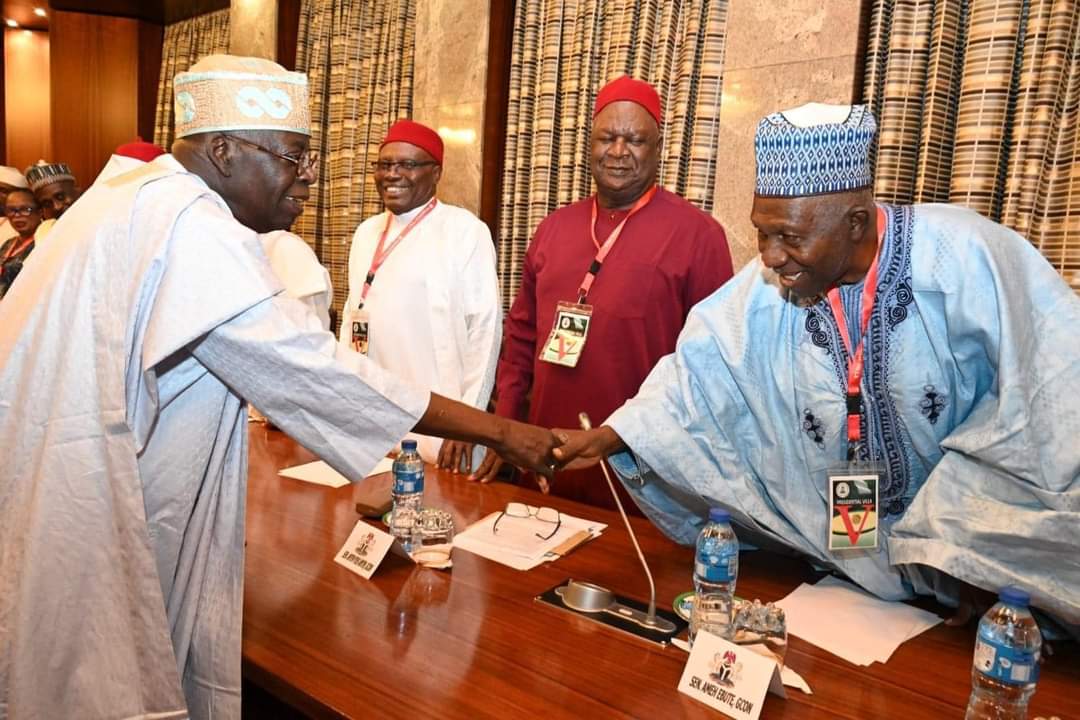
‘I DIDN’T COME TO LOOK FOR MONEY, I CAME TO WORK’, PRESIDENT TINUBU TELLS FORUM OF FORMER NASS PRESIDING OFFICERS

0

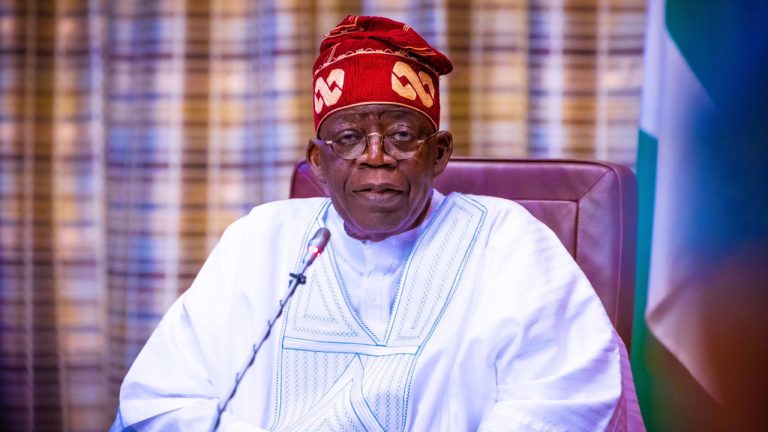
President Bola Tinubu has assured Nigerians that his administration is focused on delivering tangible results and making a positive difference in the nation’s infrastructure, food and energy security, education and long-term economic stability.


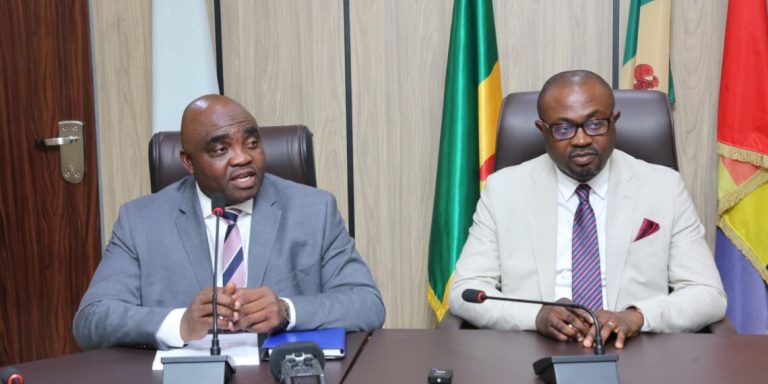
At a meeting with the Forum of Former Presiding Officers of the National Assembly, led by former Senate President Ken Nnamani, the President emphasised that he is not in office for personal gain but to serve the country.
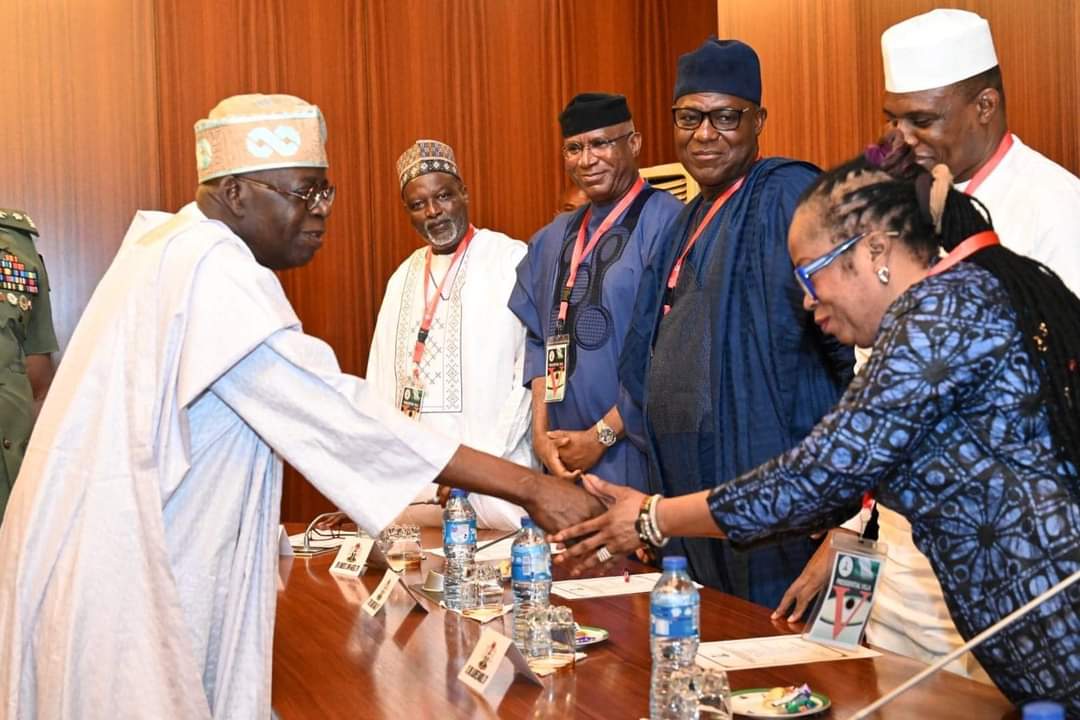
”I didn’t come to look for money and exploit the situation; I came to work. I asked for the votes, and Nigerians gave them to me, ” the President, who was a former senator, told the meeting after a session of banters and handshakes with former parliamentary colleagues.


The meeting was attended by 16 former presiding officers, including former senate presidents, former speakers of the House of Representatives, former deputy senate presidents, and former deputy speakers of the House of Representatives.
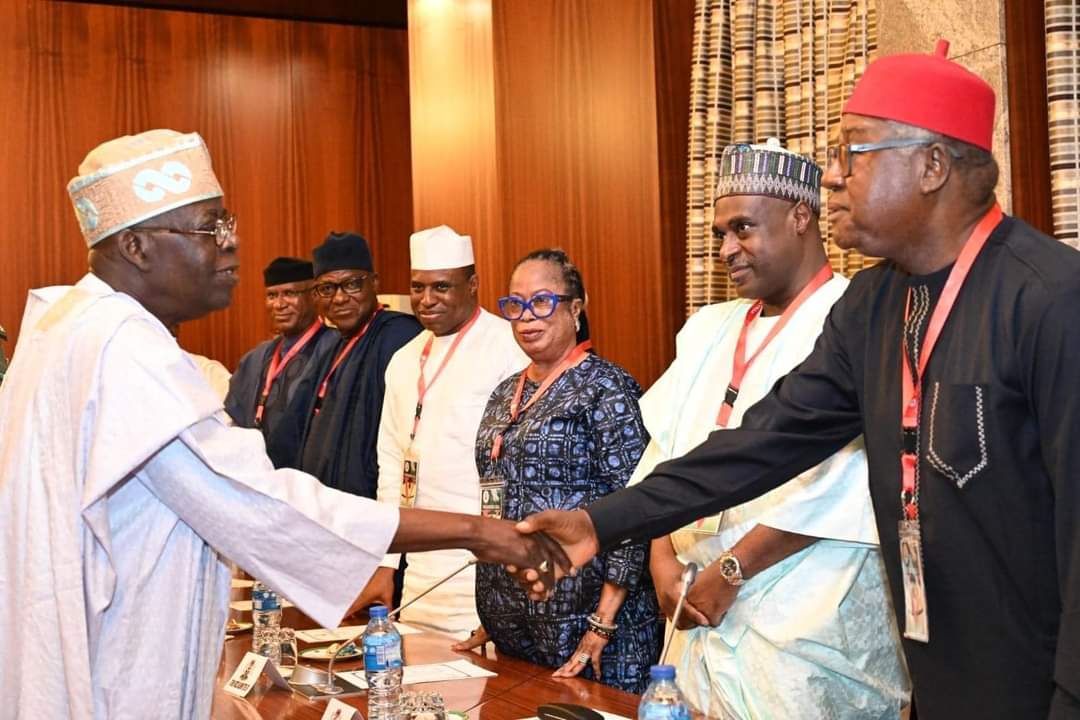
The President acknowledged the support and encouragement from the Forum members, irrespective of party affiliations, and implored them to continue fostering unity and camaraderie to achieve national development goals.


Reflecting on the complex nature of legislative activities, constitutional reviews, and nation-building processes, the President expressed confidence that Nigeria can progress through collaboration and inclusiveness.
”Regardless of party differences of the past and difficulty of the present, you still believe in me and what we all plan for this country.


”I thank you very much; no one will do it better than us. I have travelled the world and seen how developed countries have done it for themselves through collaboration, inclusiveness and financial structure.


”Yes, there is hardship, but how did we get here? What did we do when we had very high crude production?”


“We neglected our communities; we neglected the goose that lays the golden eggs; we forgot even to give them a good standard of living.


”We forgot to educate our children. Go round and look at the dilapidated schools. The education environment must be decent enough for pupils to want to learn.


”We can complain from now till eternity that the school enrolment is low. But did we do anything to encourage the enrolment process? We must ask ourselves because it is a matter of conscience,” he said.


The President outlined his administration’s focus on addressing these challenges, including improving infrastructure, ensuring compliance with financial regulations, exploring alternative energy sources and providing energy security.


”We have come a long way, and I promise we must do our best,” he said.


He urged the former presiding officers to continue sharing their wealth of experience in nation-building and governance, noting that they were uniquely positioned to provide “clear interpretations of where we are” to Nigerians.


Senator Nnamani, who spoke on behalf of the delegation, expressed full support for President Tinubu’s administration and its efforts to address Nigeria’s pressing challenges.


He noted that the meeting was the president’s first official engagement with the group since his assumption of office. Nnamani congratulated the President.


”Mr President, history has never been the burden of one man alone, but some are called to meet a special share of its challenges.


”Though not of your creation, it has fallen onto you to end the pervasive insecurity across the nation, the economic downturn that has resulted in hunger and anger, infrastructural decay due to years of neglect and myriads of other national challenges.


”As difficult as these problems are, we believe that with your experience, you can face the difficulties and surmount them.


”What gives us more hope is the courage with which you handled the issue of Local government autonomy, which has won you open admiration from friends and foes alike.


”We are convinced that you will dig in deeper again to eradicate these problems and restore Nigerians pride of place among the comity of nations,” the former senate president said.


He added that the group has seen what elite complacency has caused nations and has resolved to unite across all divides to render whatever assistance it may be called upon to contribute to nation-building and ensuring enduring prosperity for our citizens.


”It is in this light and in the national interest that we wish to pledge our support as you work to restore national security, build an economy that works for all and strengthen the bond of unity amongst our disparate peoples, ” he said.


Nnamani also commended the President for his trust in appointing some of their members to critical national positions, recognising their vital role in nation-building.


Bayo Onanuga


Special Adviser to the President


(Information & Strategy)


September 20, 2024
Again, another multinational to ditch Nigeria, other African countries

0

British consumer goods group PZ Cussons Plc is at the warm-up stage of completely or partially quitting operations in Africa, where Nigeria and Kenya are the main manufacturing hubs.


The continent accounts for 28.7 per cent of the group’s revenue, with Nigeria being its largest and most diverse single market


We “have received a number of expressions of interest for our African business, recognising the potential of our brands and people, which could lead to a partial or full sale,” the parent company was quoted as saying in a Thursday statement by PZ Cussons Nigeria, its local subsidiary.


PZ Cussons Nigeria stated in the regulatory filing at the Nigerian Exchange it will make relevant information about the move public once a formal notification from its parent company is in place.


The 2024 financials of the Manchester-based group, released in London on Wednesday and seen by PREMIUM TIMES, showed net profit plunged 39.7 per cent after a 57 per cent slide in the naira against the sterling during the review period.


Dangote Refinery

It forced the maker of popular brands including Canoe, Premier Cool and Devon Kings to scale back dividend by as much as 44 per cent in a mark of the sweeping reverberations that naira devaluation are having beyond the local operations of multinationals doing business in Nigeria.


PZ Cussons holds a 73.3 per cent stake in its Nigerian unit.


“Our FY24 reported results fell short of our initial expectations, primarily due to the macroeconomic developments in Nigeria which, as we indicated last year, would significantly affect our results,” the group disclosed in its earnings report.


“The 70% currency devaluation over the course of the financial year has, therefore, caused a significant impact not only on our local business but also on the profitability and financial position of the Group.”


The Nigerian division reported its first annual loss (N76 billion) in years in August, following a surge of 3,000 per cent in foreign exchange loss


PZ Cussons Nigeria’s share price is down by 40.8 per cent this year, and trails the NGX Consumer Goods Index, the stock index tracking the performance of the consumer goods sector, which has yielded 40.3 per cent so far.


PZ Cussons’ deal to buy out the minority shareholders of its Nigerian division and take the company private earlier this year collapsed after the capital market regulator refrained from approving the bid.


The Securities and Exchange Commission said what PZ Cussons offered to acquire the minority shares was lower than the market price of the shares at the time.


Share this:

FBNH surpasses Zenith as GTCO remains Nigeria’s most valuable bank  

0

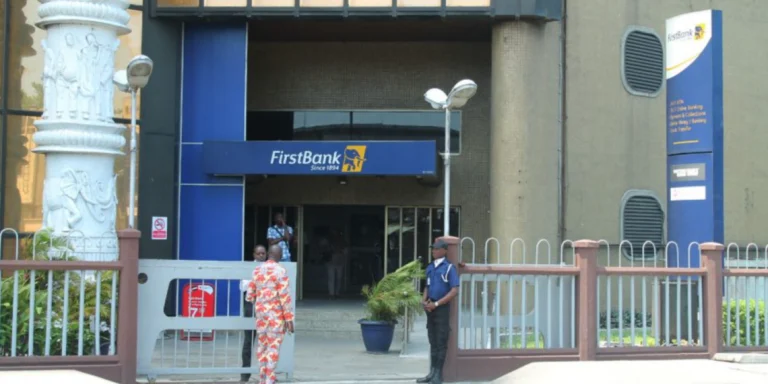
FBN Holdings Plc (FBNH) has edged past Zenith Bank in financial services companies with the most market capitalization.


The HoldCo took the second spot with a market capitalization of N1.21 trillion, slightly ahead of Zenith’s N1.15 trillion.


However, Guaranty Trust Holding Company (GTCO) continues to hold the top position as Nigeria’s most valuable bank, boasting a market capitalization of N1.36 trillion.


FBNH’s rise followed the announcement of the 100% sale of its subsidiary, FBNQuest Merchant Bank.


This strategic move appears to be positively received by the market, driving a notable increase in its share price and market capitalization.


News continues after this ad


News continues after this ad


While GTCO maintains its dominance with a market cap of N1.36 trillion, Zenith Bank has slipped to third place, with a valuation of N1.15 trillion.


Despite this, both banks, along with First Bank, have seen significant growth in share prices since 2020, reflecting sustained investor confidence in the Nigerian banking sector.


Bullish Share Price Trends

All three banks have experienced strong bullish price trends since 2020, driven by positive sentiment surrounding the sector’s resilience and profitability.


News continues after this ad


After hitting a low of N11.70 in March 2020, Zenith Bank’s share price surged by 210%, reaching a high of N44.50 in March 2024.


However, the price later dropped to N32.10 in April 2024, following market uncertainty over the bank’s capitalization plans.


FBNH has soared by 800% since hitting a low of N3.95 in 2020. Around March 2024, the stock climbed to a high of N35.55.


Shares of GTCO climbed 162%, rising from N17.70 in 2020 to a peak of N52.50 in March 2024. Despite a slight decline to N32.70 in April, the stock remains on a generally positive trajectory.


Key Drivers of Bullish Sentiment

Zenith Bank’s performance has been bolstered by impressive financial results, including a 108% year-on-year growth in pre-tax profit, rising from N350 billion in H1 2023 to N727 billion in H1 2024. Following this result, its share price surged 16%, supported by a high trading volume of 358 million shares.


For FBNH, the sale of FBNQuest Merchant Bank drove its stock up by more than 30%, reflecting investor confidence in the bank’s strategic direction.


In addition, the bank reported a pre-tax profit of N411.9 billion in the first half of 2024, a sharp increase from N205 billion in 2023.


GTCO has also shown robust financial performance, with a pre-tax profit exceeding N1 trillion in the first half of 2024, reinforcing its market leadership.


Statements from Bank Executives

Zenith Bank’s Group Managing Director, Dr. Adaora Umeoji, expressed confidence in the bank’s future, stating, “We have the capacity, the network, the balance sheet, and the technology to stay ahead in the industry.”


Similarly, GTCO’s Group Chief Executive Officer, Mr. Segun Agbaje, emphasized the company’s resilience, saying, “Despite the uncertainties in the operating environment, our record-breaking profit in the first half of the year highlights the strength of our business model.”


FirstBank Managing Director, Olusegun Alebiosu, also reaffirmed his bank’s commitment to delivering strong performance, citing its strategic moves and financial results as key indicators of future success.


Despite the dynamic nature of the banking sector, GTCO, FBNH, and Zenith remain at the forefront, showcasing resilience and growth despite a challenging economic landscape.


The positive momentum in their stock prices and financial performance highlights strong investor confidence in the sector’s future.


Follow us for Breaking News and Market Intelligence.

11 Plc, Total Energies, AA. Rano, others pay N766/litre to lift Dangote petrol

11plc, Total Energies, AA Rano, and other marketers have begun lifting Dangote Petrol from the Nigerian National Company (NNPC) Trading Limited at the rate of N765.99 per litre.


BusinessDay findings showed some petroleum marketers who were able to complete their payment processes on the NNPC trading payment portal commenced the lifting of petrol earlier this week under the existing agreement between marketers and the refinery.


Tunji Oyebanji, managing director, 11Plc, confirmed to BusinessDay on Thursday evening that some marketers have started lifting the products at N765.99 from Dangote Refinery through NNPC, the sole off-taker of product.


“We were among the first marketers to complete the payment on the NNPC portal. We have no direct arrangement with the refinery,” Oyebanji said.


BusinessDay learnt NNPC Retail, 11plc, Total Energies, A.A Rano are among the marketers that have picked up products from the refinery.


He added, “We don’t know the contractual financial arrangement between NNPC and the refinery but what I can confirm is we are buying at N765.99 from NNPC to lift Dangote petrol.”


– Business Day Nigeria

Anthony Joshua could pocket up to N54 billion in Daniel Dubois fight 

0

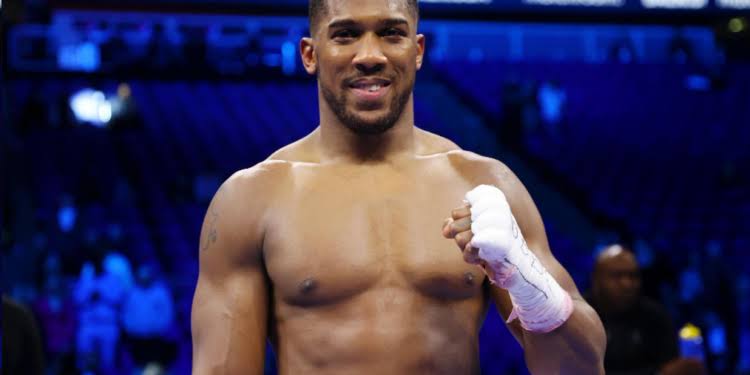
Anthony Joshua is poised to reclaim his status as a three-time world champion this Saturday when he faces Daniel Dubois for the IBF world heavyweight title at Wembley Stadium.

Following two consecutive losses to Oleksandr Usyk, the 34-year-old Joshua has rebounded with victories in his last four bouts, and he aims to continue this upward trajectory against Dubois.


The highly anticipated event is scheduled for September 21, 2024, with preliminary bouts starting at 4 PM, and the main event expected around 9:45 PM.


Joshua’s earnings for this fight are significant, with reports suggesting he will receive a guaranteed purse of £6 million (approximately N13 billion), potentially escalating to £25 million (N54 billion) depending on pay-per-view sales according to Sporty Salaries.


In contrast, Dubois is set to earn a guaranteed £3.5 million ($4.4 million), with a possible total of up to £10 million ($12.5 million), marking a career high for the 27-year-old.


Dubois, a former IBF interim champion, has surged through the heavyweight ranks, securing the championship after Usyk vacated the title earlier this year. The London fighter boasts a record of 21 wins out of 23 fights, including notable victories over Filip Hrgovic and Jarrell Miller.


The fight will be broadcast live on DAZN pay-per-view for £19.99, with options available on other platforms, including Sky Sports and TNT Sports Box Office. Joshua’s last major payday came from his fight against Francis Ngannou, which reportedly netted him about $50 million, while his rematch with Usyk earned him $75 million.


As boxing fans eagerly await the showdown, both fighters are set to benefit significantly from what promises to be a lucrative event in the heavyweight division.


What to Know

Anthony Joshua and Daniel Dubois’ IBF world heavyweight title fight at Wembley Stadium this Saturday is on track to break the post-war record for attendance at a boxing event in the United Kingdom, with 96,000 tickets sold. Turki Alalshikh, chairman of Saudi Arabia’s General Entertainment Authority, announced on X that all tickets are now sold out- ESPN first stated.


Eddie Hearn, Joshua’s promoter, emphasized the significance of this milestone at a recent news conference, stating, “It’s the record; it’s 96,000, I think, at a time that British boxing needs a shot in the arm.” This figure surpasses the previous record of 94,000, set during Tyson Fury’s title defense against Dillian Whyte at Wembley in April 2022.


Joshua has consistently drawn large crowds, with notable events including his 2017 clash with Wladimir Klitschko, which attracted 90,000 fans, and his 2018 bout against Alexander Povetkin, which also filled Wembley with 78,000 spectators.


Central Bank Nigeria Reintroduces Controversial Cybersecurity Levy

0

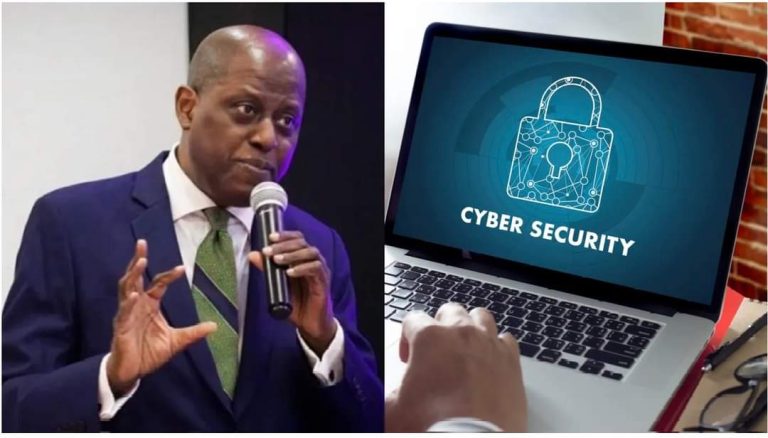
The Central Bank of Nigeria (CBN) says it will continue to enforce payment of the mandatory levy on all electronic transactions by banks and other financial institutions. This comes nearly four months after the decision suffered a major backlash when it was initially announced in May.


CBN, however, disclosed that the controversial levy had now been reduced to 0.005 per cent, from the initial 0.5 per cent.


The decisions were contained in the CBN’s Monetary, Credit, Foreign Trade, and Exchange Policy Guidelines for the Fiscal Years 2024-2025.


CBN pointed out that implementation of the levy was in accordance with the Cybercrime (Prohibition, Prevention, etc.) Act, 2015.


It mandated banks and Payment Service Providers (PSPs) to adhere to the guidelines on the risk-based cybersecurity framework.


The central bank also drew the attention of Other Financial Institutions (OFIs) to an earlier framework on “Issuance of Risk-based Cybersecurity framework and Guidelines for Other Financial Institutions (OFIs)”.


The guidelines specified the minimum cybersecurity baseline to be implemented by banks, OFIs and PSPs, and mandated the appointment of a Chief Information Security Officer (CISO) to oversee cybersecurity issues.


Back in May, the central bank had ordered the implementation of 0.5 per cent levy on all electronic transactions value as part of efforts to contain the rising threats of cybercrime in the financial system.


The implementation followed the enactment of the Cybercrime (Prohibition, Prevention, etc) (amendment) Act 2024 and pursuant to the provisions of Section 44 (2)(a) of the Act, which provided for the rate deduction.


The directive was conveyed in a circular dated May 6, 2024 and addressed to all commercial, merchant, non-interest and payment service banks; other financial institutions, Mobile Money Operators and Payment Service Providers.


The circular was jointly signed by CBN’s Director, Payments System Management Department, Chibuzo Efobi, and Director, Financial Policy and Regulation Department, Haruna Mustafa.


The correspondence also post-dated CBN’s circulars of June 25, 2018 and October 5, 2018 on compliance with the Cybercrimes (Prohibition, Prevention, Etc.) Act 2015.


The CBN explained that the deducted funds were to be remitted to the National Cybersecurity Fund (NCF), which shall be administered by the Office of the National Security Adviser (ONSA).


Accordingly, all banks, Other Financial Institutions and Payments Service Providers were required to implement the new provisions of the Act as directed.


The central bank stated that the levy shall be applied at the point of electronic transfer origination, then deducted and remitted by the financial institution.


The deducted amount shall be reflected in the customer’s account with the narration: “Cybersecurity Levy”.


The circular, however, exempted some transactions from cybercrime levy. They included loan disbursements and repayments; salary payments; intra-account transfers within the same bank or between different banks for the same customer; intra-bank transfers between customers of the same bank, and Other Financial Institutions (OFIs) instructions to their correspondent banks.


Exemption also applied to interbank placements; banks’ transfers to CBN and vice-versa; inter-branch transfers within a bank, cheques clearing and settlements; and Letters of Credits (LCs).


Others included banks’ recapitalisation related funding only bulk funds movement from collection accounts; savings and deposits including transactions involving long-term investments, such as treasury bills, bonds; and commercial papers; government social welfare programmes transactions, such as pension payments; non-profit and charitable transactions, including donations to registered non- profit organisations or charities; educational institutions transactions, including tuition payments and other transaction involving schools, universities, or other educational institutions.


Transactions involving bank’s internal accounts, such as suspense accounts, clearing accounts, profit and loss accounts, inter-branch accounts, reserve accounts, nostro and vostro accounts, and escrow accounts were also exempted from the levy.


The central bank warned that Section 44 (8) of the Act prescribed that failure to remit the levy constituted an offence liable on conviction to a fine of not less than two per cent of the annual turnover of the defaulting business, among others.


All institutions under the regulatory purview of the CBN were directed to note and comply with the provisions of the Act and the circular.


However, following a major pushback by the Organised Private Sector (OPS), stakeholders and Nigerians at large, CBN, on May 19, announced the withdrawal of the controversial circular on the implementation of 0.5 per cent levy on all electronic transactions value.


The withdrawal was conveyed in a circular dated May 17, 2024 and addressed to all commercial, merchant, non-interest and payment service banks; other financial institutions, Mobile Money Operators and Payment Service Providers. It was also jointly signed by Efobi and Mustafa.


The brief circular read, “The Central Bank of Nigeria circular dated May 6, 2024 (Ref: PSMD/DIR/PUB/LAB/017/004) on the above subject refers.


“Further to this, please, be advised that the above referenced circular is hereby withdrawn. Please, be guided accordingly.”

Why APC Handed Over FCT To Wike – Gov Bala Mohammed

0

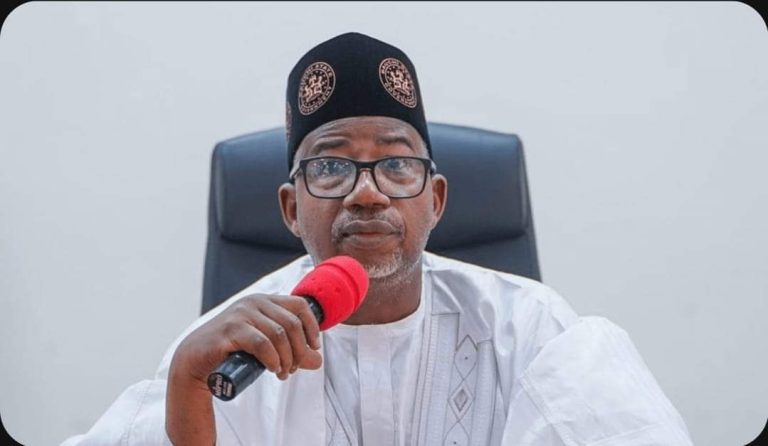
The Governor of Bauchi State, Bala Mohammed has accused the All Progressives Congress (APC) of fuelling internal divisions in the Peoples Democratic Party (PDP).


Mohammed claimed that the ruling party had deliberately planted moles within the PDP in Rivers State.


He stated that the APC picked the Minister of the Federal Capital Territory (FCT), Nyesom Wike, to serve in its administration because they do not have people who can perform better than PDP members.


The governor stated this when the PDP Board of Trustees (BoT) paid him a visit on Wednesday.


He expressed concern over the power struggle between Siminalayi Fubara of Rivers State and his predecessor, Wike.


According to him, “We have to close ranks. It is something that is baffling some of us but any challenge is not insurmountable; it will be surmounted by the grace of God and we will find a solution to that and that is why there is a problem.


“It is only PDP with the experience of governance that is being challenged. And you will notice that this is a creation of the other side (APC).


“They want us to be in disarray; it (the crisis) is the creation of the APC. They always want to have moles within us; they want to have the knowledge of what is happening within us


“And you can see that even Wike who is in the APC and in the PDP is performing very well. They (APC) don’t have people who can perform like our members and that is why they chose to pick him and give him a state-like structure to run, and to us, it is a commendation.”


However, Mohammed assured that efforts are underway to take decisive action to unify the party, stating, “We cannot compromise the peace and unity of our great party.”

Over $500 million investment attracted through Public-Private Partnership projects – Infrastructure Commission 

0

Over $500 million investment attracted through Public-Private Partnership projects – Infrastructure Commission

The Federal Government of Nigeria, through the Infrastructure Concession Regulatory Commission (ICRC), announced that over $500 million has been attracted through Public-Private Partnership (PPP) projects within the past year.


The ICRC disclosed plans to conduct a performance audit of all PPP projects to ensure compliance with statutory requirements, including mandatory insurance coverage as stipulated by the Infrastructure Concession Regulatory Commission Establishment Act of 2005.


During the visit, Dr. Ewalefoh highlighted that the Ministry had successfully attracted over $500 million in investments through various PPP projects during the last year under Dr. Tunji-Ojo’s leadership.


Dr. Jobson Oseodion Ewalefoh, Director-General of the ICRC, shared this during his courtesy visit to the Minister of Interior, Hon. Dr. Olubunmi Tunji-Ojo, where the minister was honoured with the PPP Icon Award. Dr. Ewalefoh affirmed that the commission is working to optimize the performance of all PPP agreements, stressing the importance of ensuring all government assets under PPP arrangements.


“We have mechanisms in place to begin auditing PPP agreements, not to terminate them but to optimize them for national benefit. Compliance with the insurance policy is key to protecting our national assets under these partnerships,” said Dr. Ewalefoh.


He also acknowledged the Ministry of Interior for being at the forefront of utilizing PPPs, with the highest number of PPP projects presented to the Federal Executive Council (FEC) in the past year.


Dr. Ewalefoh commended the minister for enhancing revenue generation and ensuring stalled projects are optimized rather than cancelled.


Minister Tunji-Ojo emphasized the government’s focus on fostering private-sector participation to bridge resource gaps and create a conducive environment for investments, highlighting key PPP initiatives within the Ministry such as the e-gate system, the Advanced Passenger Information System, and the upcoming Gap Management System.


What you should know

In line with the Federal Government’s ongoing efforts to drive economic growth through Public Private Partnerships (PPPs), Lagos State Governor, Mr. Babajide Sanwo-Olu, reaffirmed his commitment to revitalizing the Office of Public-Private Partnerships (OPPP) to align with global standards.

Speaking at a staff retreat, he emphasized the office’s role in improving infrastructure and public services through collaborations with private stakeholders.

The office, established in 2007 under his initiative, had not met its full potential, prompting efforts to rebuild it.

Governor Sanwo-Olu urged staff to work together and revive the office to fulfil its objectives, with support from other key speakers who highlighted the importance of collaboration, efficiency, and partnerships in boosting the state’s economic growth and revenue generation.

Coca-Cola pledges $1bn investment in Nigeria as Tinubu vows robust financial reforms

President Bola Tinubu has reiterated his administration’s commitment to creating a robust financial system and a business-friendly economy that will attract more foreign direct investments.

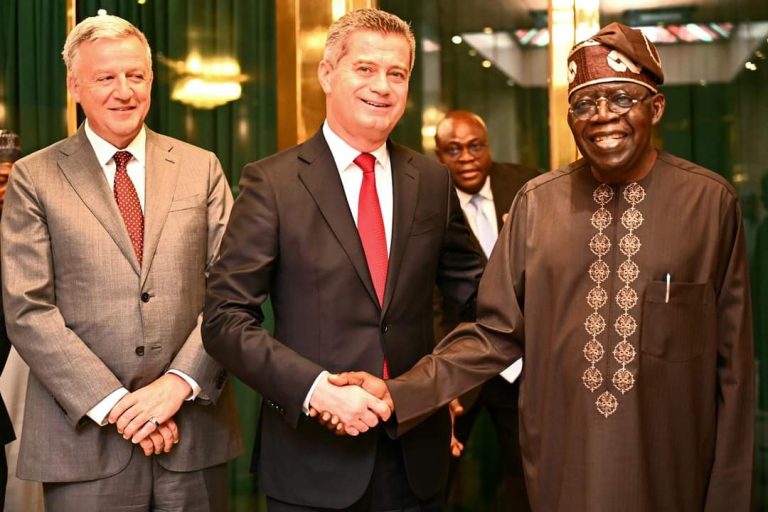
The President made the commitment on Thursday in Abuja, as the Coca-Cola Company announced plans to invest $1 billion in Nigeria over the next five years.


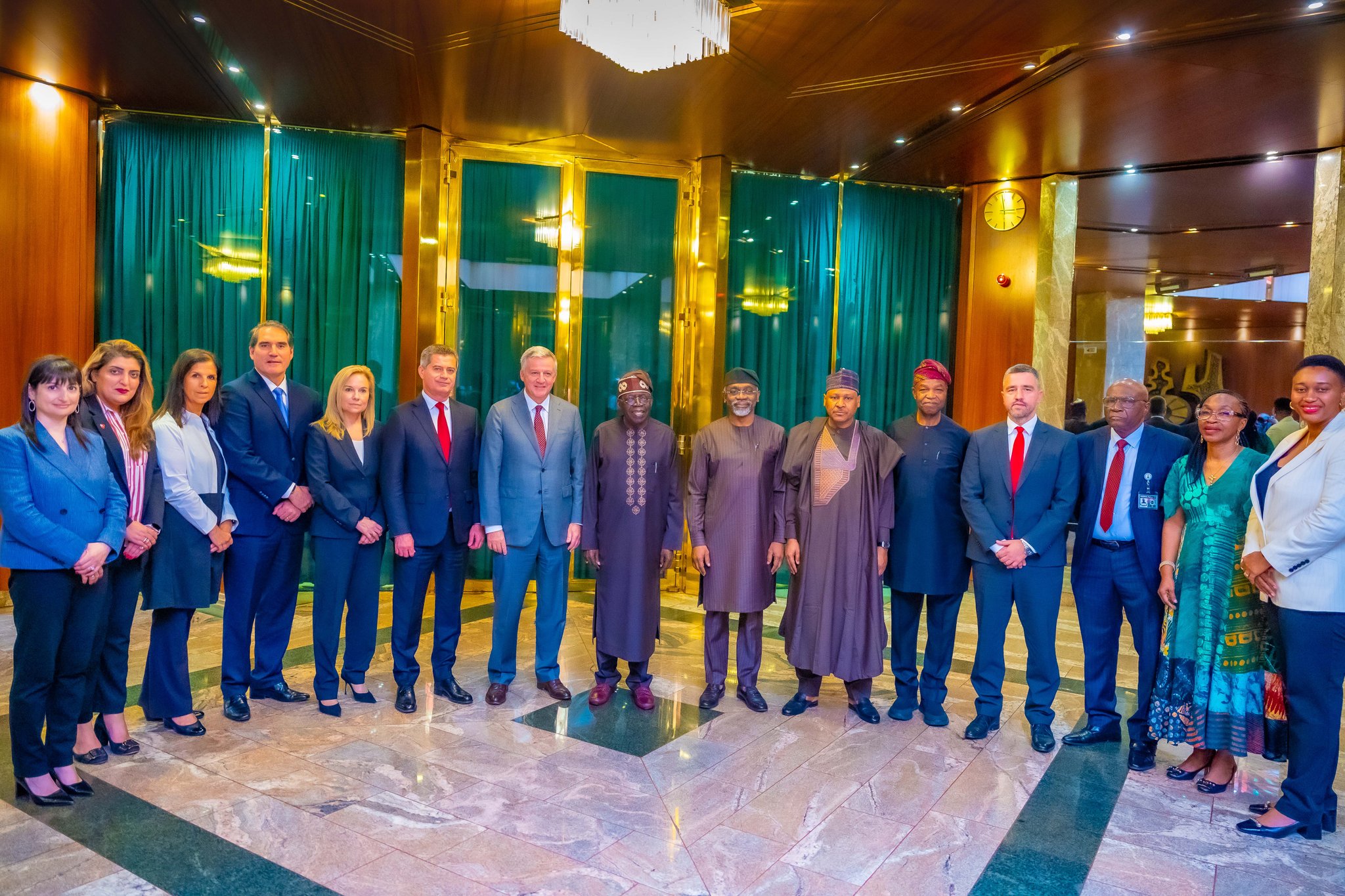
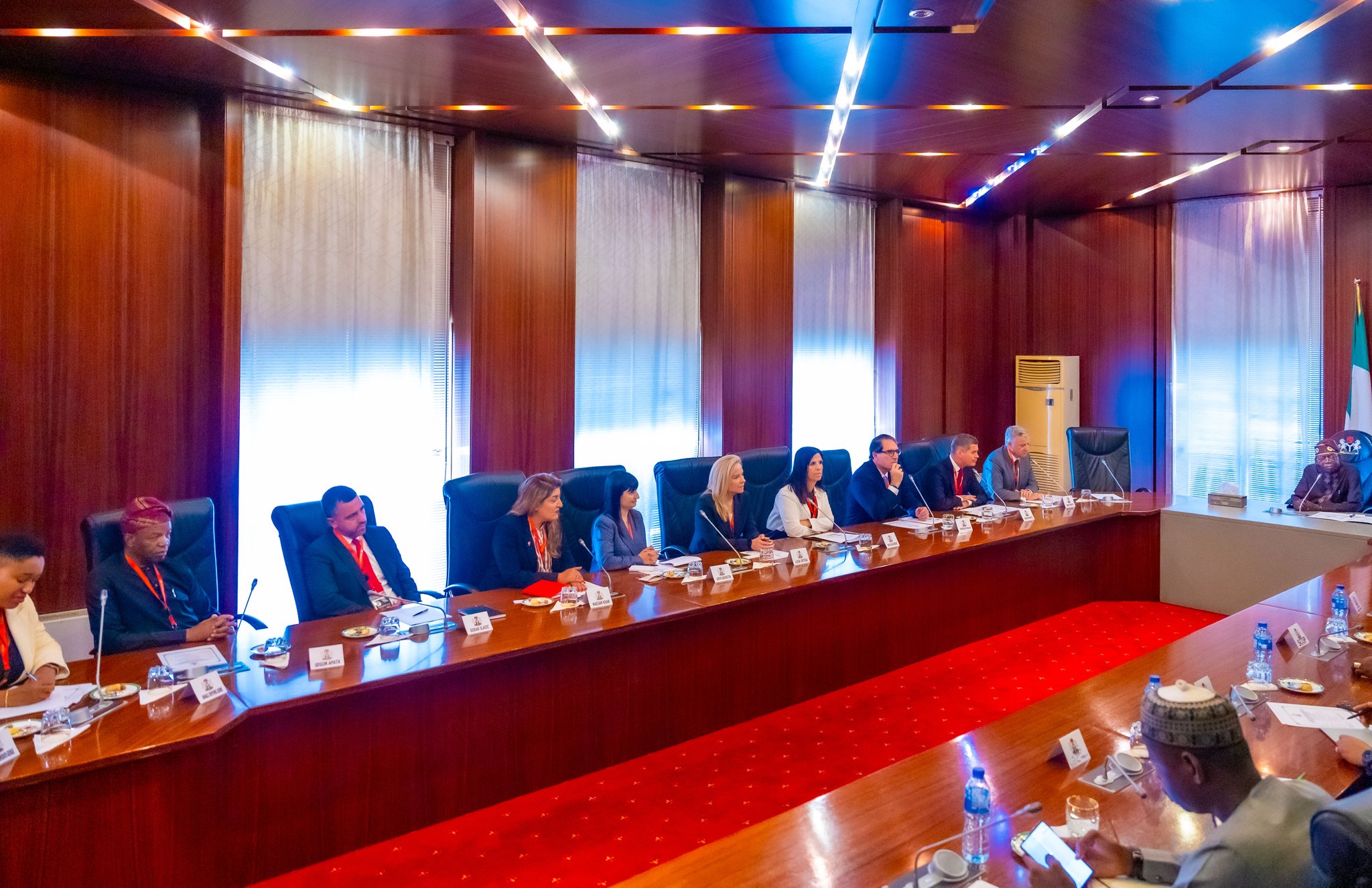
The announcement was made at a meeting between the President and the global leadership team of Coca-Cola Company, led by Mr John Murphy, its president and chief financial officer, and the Chairman of Nigerian Bottling Company, Ambassador Segun Apata.


President Tinubu commended Coca-Cola for its long-standing partnership with Nigeria and for promoting investment opportunities that have employed over 3000 people across nine production facilities.

”We are business-friendly, and as I said at my inauguration, we must create an environment of easy-in and easy-out for businesses.


”We are building a financial system where you can invest, re-invest, and repatriate all your dividends. I have a firm belief in that,” he said.


President Tinubu told the delegation that private sector partnerships, which sustain investments, are central to his government’s far-reaching reforms to improve the business environment.


He pledged that the government would continue partnering with Coca-Cola to expand investments in Nigeria and address environmental issues, including climate change.


”The size of this country is enormous in Africa, and the consumption capacity of Nigeria is expanding daily,” President Tinubu added while commending the company for scaling up its skill development and community initiatives as part of its corporate social responsibility.

Private employers paying below N70,000 risk jail – Federal Government

0

The Federal Government has called on agencies recruiting for the private sector to adhere to the N70,000 minimum wage, warning that any deviation would not be tolerated.


According to the FG, the new minimum wage is necessary to address the current economic reality, emphasising that no Nigerian worker, whether in government or private employment, should be paid less than the minimum wage.


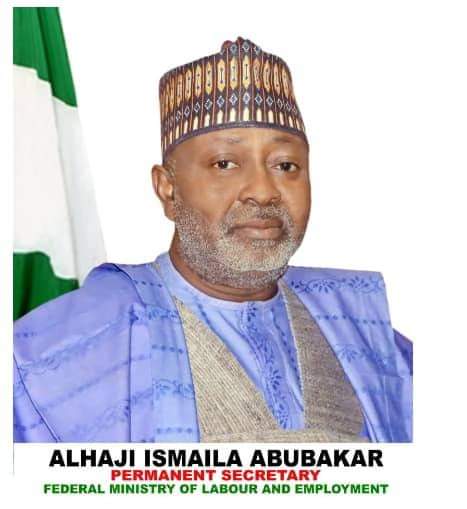
The Permanent Secretary, Federal Ministry of Labour and Employment, Alhaji Ismaila Abubakar, stated this on Wednesday while speaking at the 13th Annual General Meeting of the Employers Association for Private Employment Agencies of Nigeria, held in Ikeja, Lagos.


Abubakar, who was represented by the Director of Employment and Wages of the ministry, John Nyamali, said, “The minimum wage is now a law, and as a result, it is a punishable crime for any employer to pay less than N70,000 to any of its workers.


“The private employment agencies should make it compulsory in any contract they take from their principal that their workers should not earn less than the minimum wage. The least paid worker in Nigeria should earn N70,000, and I think that should be after all deductions.


“The minimum wage is a law, and you can be jailed if you fail to implement it. The Federal Government is committed to ensuring that the least paid worker goes home with N70,000.”


In his remarks, the President of the Employers Association for Private Employment Agencies of Nigeria, Dr Olufemi Ogunlowo, asked the government and Nigeria Labour Congress to clarify whether the N70,000 minimum wage is net or gross, stating that all ambiguities in the Act should be highlighted and explained.


According to Ogunlowo, the EAPEAN is already committed to the minimum wage, providing decent jobs for Nigerians, and guarding against the exploitation of human resources.


“As an employers union in the private sector, we are committed to implementing the minimum wage. We are a law-abiding and guided association. Our principals and clients have also keyed into the minimum wage.


“However, the government must clarify whether the N70,000 minimum wage is net or gross. The government and NLC should address all ambiguities in the minimum wage,” he stated.


Speaking at the program, the Chairperson of the NLC, Lagos State Council, Funmilayo Sessi, said the prevailing hardship had made a mess of whatever income any worker was earning in Nigeria, calling on private employers to ensure the payment of the N70,000 minimum wage.


She said, “The N70,000 isn’t enough in the current economic realities. By the time the consequential adjustment is concluded, all private employment agencies should immediately start paying their workers the N70,000 minimum wage.


“The NLC in Lagos State will see to the strict enforcement of the minimum wage. EAPEAN should avoid confrontation with the NLC on the minimum wage.”