Home Blog Page 188

Funmilayo Ransom Kuti’ exits cinemas with N157M, premieres on Prime Video 

0

Nollywood biopic “Funmilayo Ransom Kuti” has concluded its five-week exclusive run in Nigerian cinemas, grossing a total of N156.6 million.


Checks by Nairametrics confirm that the movie is no longer available in theatres.


Now, the film has premiered on Prime Video as of Saturday, June 21, 2024, and it has continued to receive laudable comments and reviews, especially for Kehinde Bankole’s performance as the lead actress.


Bankole’s portrayal of Funmilayo Ransome-Kuti has been widely acclaimed, she also won the Best Actress award at the recently concluded Africa Magic Viewers’ Choice Awards for her role in “Adire.” Her performance in “Funmilayo Ransom Kuti” has been a significant factor in the film’s success.


The biopic made a strong debut, grossing N32 million in its opening weekend after its release on Friday, May 17, 2024.


It continued to perform well, surpassing the N100 million milestone in just three weeks. As of June 5, the Nigerian Box Office (NBO) reported that the film had accumulated N108 million in ticket sales across various cinema viewing centres nationwide, cementing its status as the highest-grossing film in West Africa for 2024 so far.


Directed by Bolanle Austen-Peters, one of Nigeria’s most influential female figures in the Nollywood industry, “Funmilayo Ransom Kuti” tells the compelling life story of the late Funmilayo Ransome-Kuti.


A renowned Nigerian educator, political reformer, women’s rights activist, and mother of Afrobeat legend Fela Anikulapo-Kuti, Funmilayo Ransome-Kuti’s legacy is celebrated in this cinematic portrayal.


What you should know

The film’s commercial success can be attributed to its compelling narrative and stellar ensemble cast. Alongside Kehinde Bankole, the cast includes veteran actors such as Ajoke Silva, Adebayo Salami, Omowunmi Dada, Adunni Ade, Jide Kosoko, Dele Odule, Ibrahim Suleiman, Bikiya Graham-Douglas, Yewande Osamein, and Iyimide Ayo-Olumoko. Their performances have added depth and richness to the story, engaging audiences and critics alike.


“Funmilayo Ransom Kuti” joins the ranks of 2024’s high-grossing movies, such as “All’s Fair in Love,” which grossed N130 million in February. In March, the indigenous film “Ajakaju: Beast of Two Worlds” grossed N250 million, tying with Kayode Kasum’s “Ajosepo,” which also grossed N250 million. Despite the stiff competition, Bolanle Austen-Peters’ film is projected to conclude its run with an estimated N200 million in total earnings.


Other notable films include “Furiosa: A Mad Max Saga,” which debuted with N53.3 million in its first week. Additionally, Funke Akindele, one of Nigeria’s highest-grossing actresses, has announced plans for a new movie, “Finding Me.” Odunlade Adekola’s Lakabutu has also just arrived in cinemas.


Overall, the success of “Funmilayo Ransom Kuti” points to the power of well-crafted storytelling and the increasing prominence of Nollywood on the global stage.


As the film finds new audiences on Prime Video, its impact is set to grow even further.


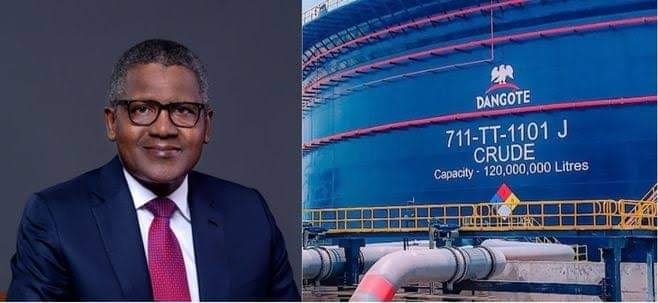
Sabotage! Dangote Accuses IOCs of Plot to Sink His Refinery

Sabotage! Dangote Accuses IOCs of Plot to Sink His Refinery


In a tale that reads like a high-stakes thriller, the Vice President of Dangote Group, Devakumar Edwin, has sounded the alarm on a sinister plot orchestrated by International Oil Companies (IOCs) to sabotage the monumental refinery project.


This unfolding drama, steeped in intrigue and economic warfare, threatens not just a corporate venture but the very future of Nigeria’s economic sovereignty and public health.


Amid the clamor of Nigeria’s bustling oil sector, a dark conspiracy has come to light. Aliko Dangote’s state-of-the-art refinery stands on the brink of a precipice, besieged by International Oil Companies intent on seeing it fail. The implications of this are profound, with the potential to undermine Nigeria’s quest for industrial independence and leave its citizens grappling with the fallout.


Crude Conspiracy: IOCs vs. Dangote Refinery


Devakumar Edwin, the Vice President of Oil and Gas at Dangote Industries Limited (DIL), has exposed a calculated scheme by IOCs to cripple the Dangote refinery’s operations.


Addressing Energy Editors, Edwin revealed that these international behemoths are inflating crude prices and engineering artificial shortages to force the refinery to import crude from the United States, driving up costs astronomically. “This is not just business rivalry; it’s economic sabotage,” Edwin declared, his voice tinged with frustration. The IOCs’ tactics have pushed the refinery to its financial limits, threatening its very existence.


Toxic Trade: NMDPRA’s Dubious Licenses


Compounding the refinery’s woes is the Nigerian Midstream and Downstream Petroleum Regulatory Authority (NMDPRA), which has recklessly issued licenses for importing banned, dirty diesel and jet fuel. Despite Dangote refinery’s capacity to produce high-quality, ECOWAS-compliant diesel, the market is flooded with substandard, high-sulfur fuels. Edwin lamented, “It’s disheartening to see our own regulatory body undermining our efforts by allowing toxic fuels to saturate the market.”


Edwin lamented the NMDPRA’s granting licences indiscriminately to marketers to import dirty refined products into the country. He said, “the Federal Government issued 25 licences to build refinery and we are the only one that delivered on promise. In effect, we deserve every support from the Government. It is good to note that from the start of production, more than 3.5 billion litres, which represents 90 per cent of our production, have been exported. We are calling on the Federal Government and regulators to give us the necessary support in order to create jobs and prosperity for the nation.”


Economic Sabotage: The Bigger Picture


This clash transcends corporate conflict; it represents a strategic assault on Nigeria’s economic autonomy. By keeping Nigeria reliant on imported refined products and exporting raw crude to their home countries, IOCs perpetuate a cycle of dependency. This neo-colonial strategy enriches foreign economies while Nigeria grapples with unemployment and economic stagnation. Edwin’s voice echoed with urgency as he warned, “This is exploitation at its most insidious. We must break free from these chains.”


Dirty Fuel: A Public Health Crisis


The importation of high-sulfur diesel, deemed carcinogenic and banned in Europe, poses a severe public health crisis for Nigeria. European nations like Belgium and the Netherlands have prohibited such exports, yet Nigeria continues to allow them. This regulatory failure endangers millions, compromising air quality and public health. Edwin painted a grim picture, “Every breath taken by a Nigerian in cities where this fuel is used is a silent, slow death sentence.”


Government’s Role: Protecting National Interests


The Nigerian government must decisively shield local industrialists like Dangote from predatory practices. Pundits and stakeholders within the oil sector assert that enforcing Domestic Crude Supply Obligations (DCSO) is crucial to ensure local refineries receive priority access to domestic crude at fair prices. Moreover, banning the importation of dirty diesel and aviation fuel would align Nigeria with ECOWAS regulations, prioritizing public health over short-term gains. Strengthening regulatory oversight by reforming the NMDPRA is essential to prevent the indiscriminate issuance of import licenses and enforce stricter quality controls.


Enemies of the State: IOCs and Economic Colonialism


The actions of the IOCs can be viewed as a form of economic colonialism, aiming to keep Nigeria in a perpetual state of dependency. By undermining local industries, they target Dangote and strike at the heart of the Nigerian state. This strategy mirrors historical exploitation, with multinationals reaping profits while local populations suffer. “These practices are an affront to our national dignity and sovereignty,” Edwin passionately stated.


A Call to Action


Aliko Dangote’s plight is a stark reminder of the challenges facing Nigeria’s industrial sector. It is imperative for the government to heed this call and take decisive action. Protecting local industries from external sabotage is not just about safeguarding investments but also securing Nigeria’s economic future and public health. The time to act is now, for the consequences of inaction will be dire. Nigeria stands at a crossroads, and the decisions made today will shape its destiny for generations to come.


Credit: thecapital.ng

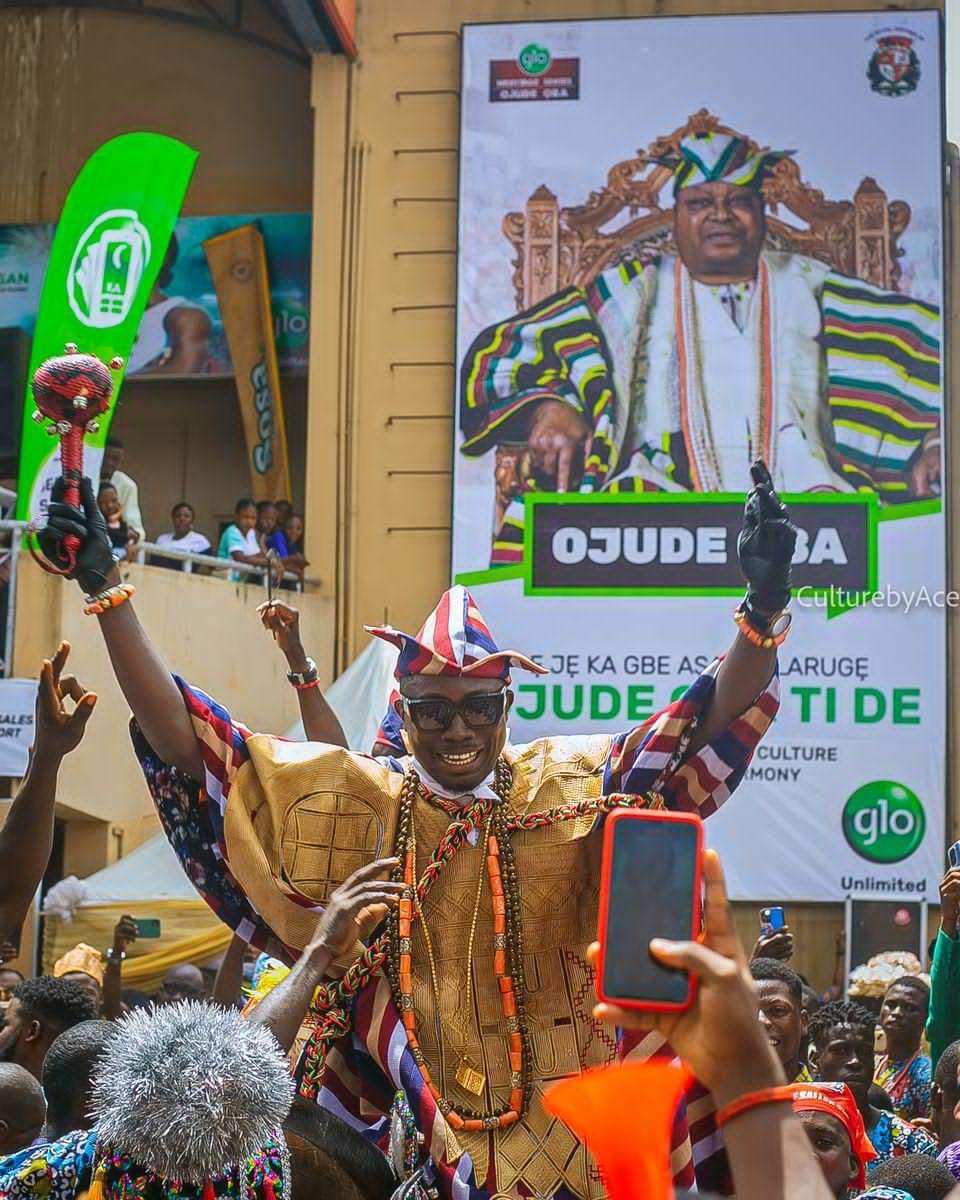
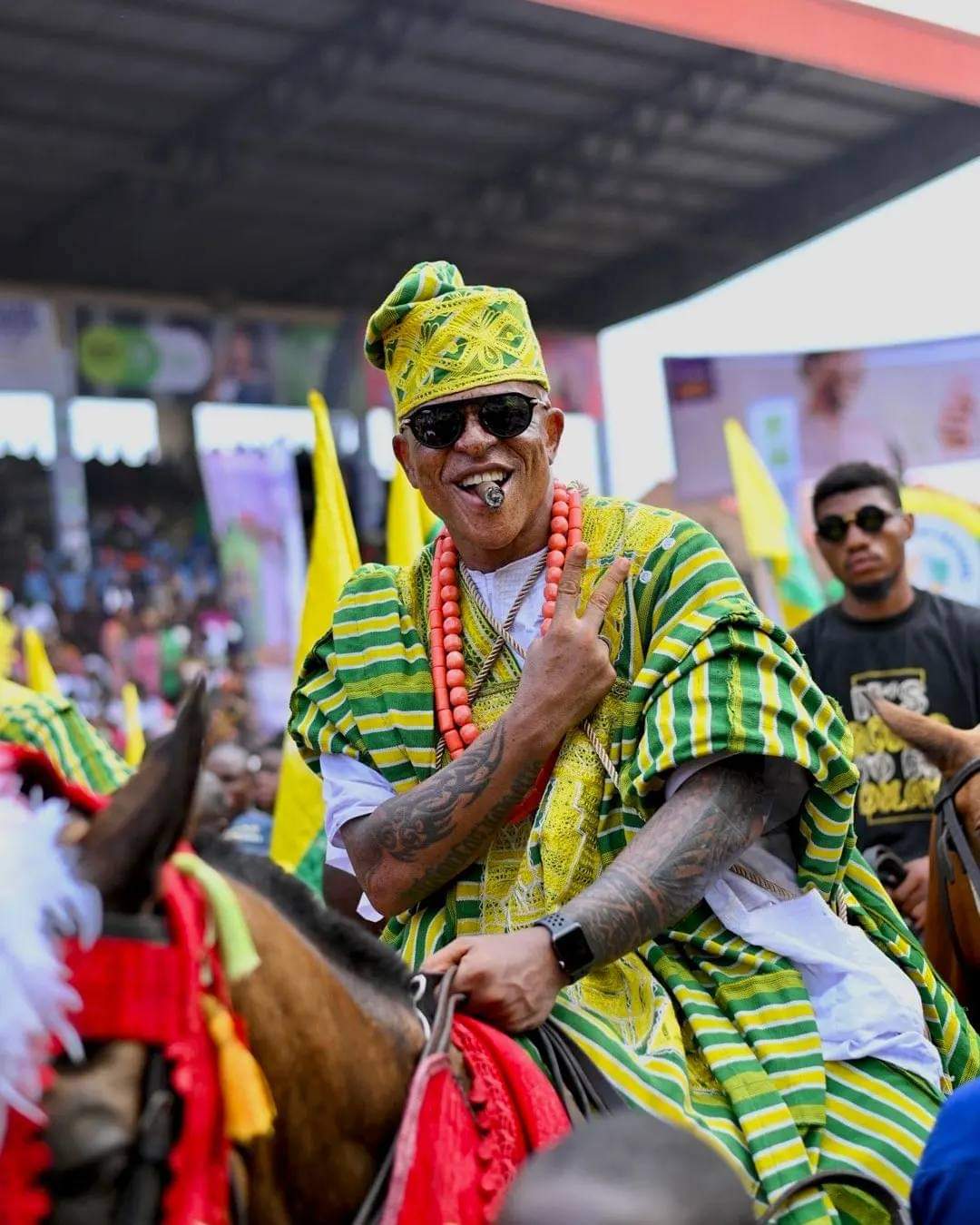
Cancer changed my view about life, says man who stole show at Ojude Oba festival

0

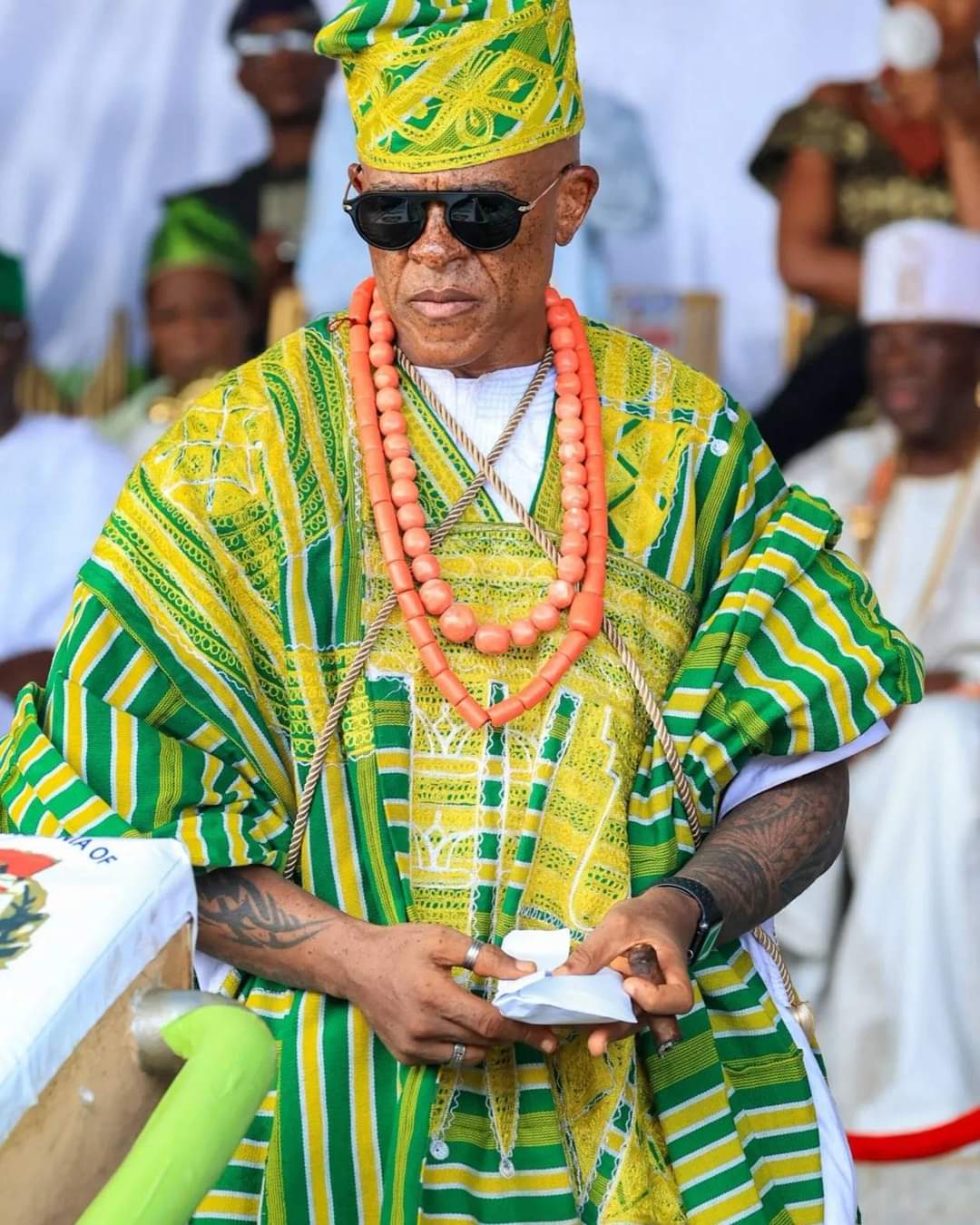
The Managing Director of NG Clearing and former Member of the Derivatives Product Advisory Committee of the Nigerian Stock Exchange, Farooq Oreagba, has revealed that being diagnosed with cancer was the best thing that happened to him as it changed his priorities in life.


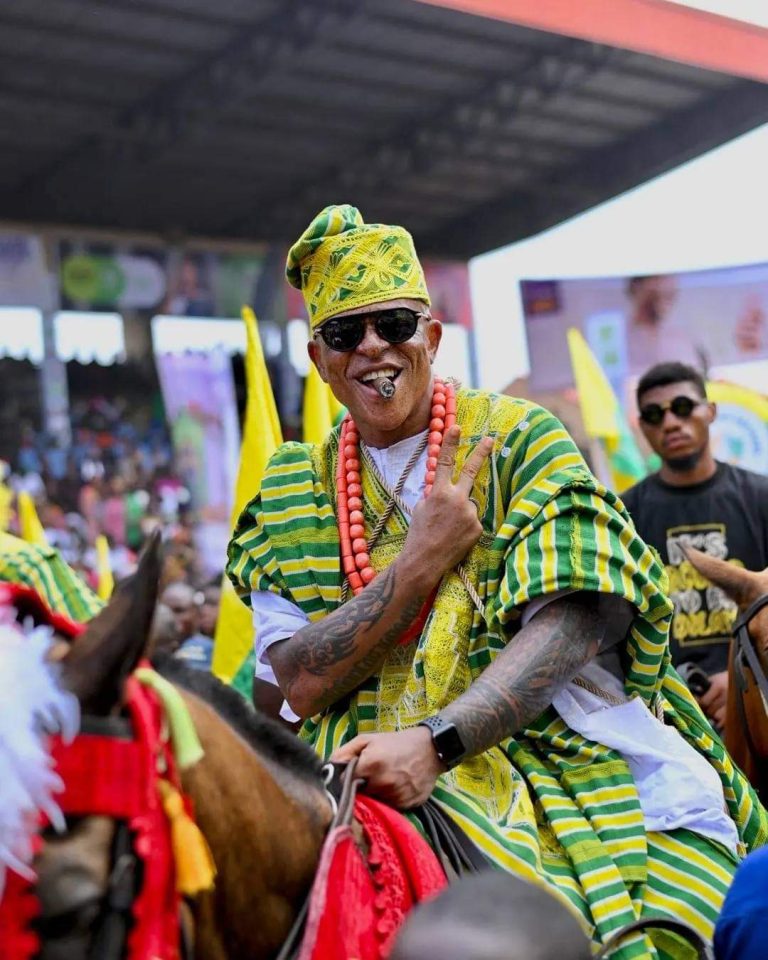
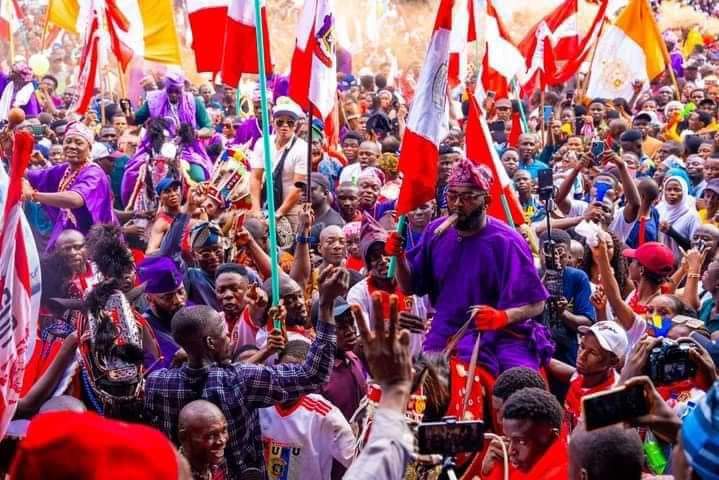
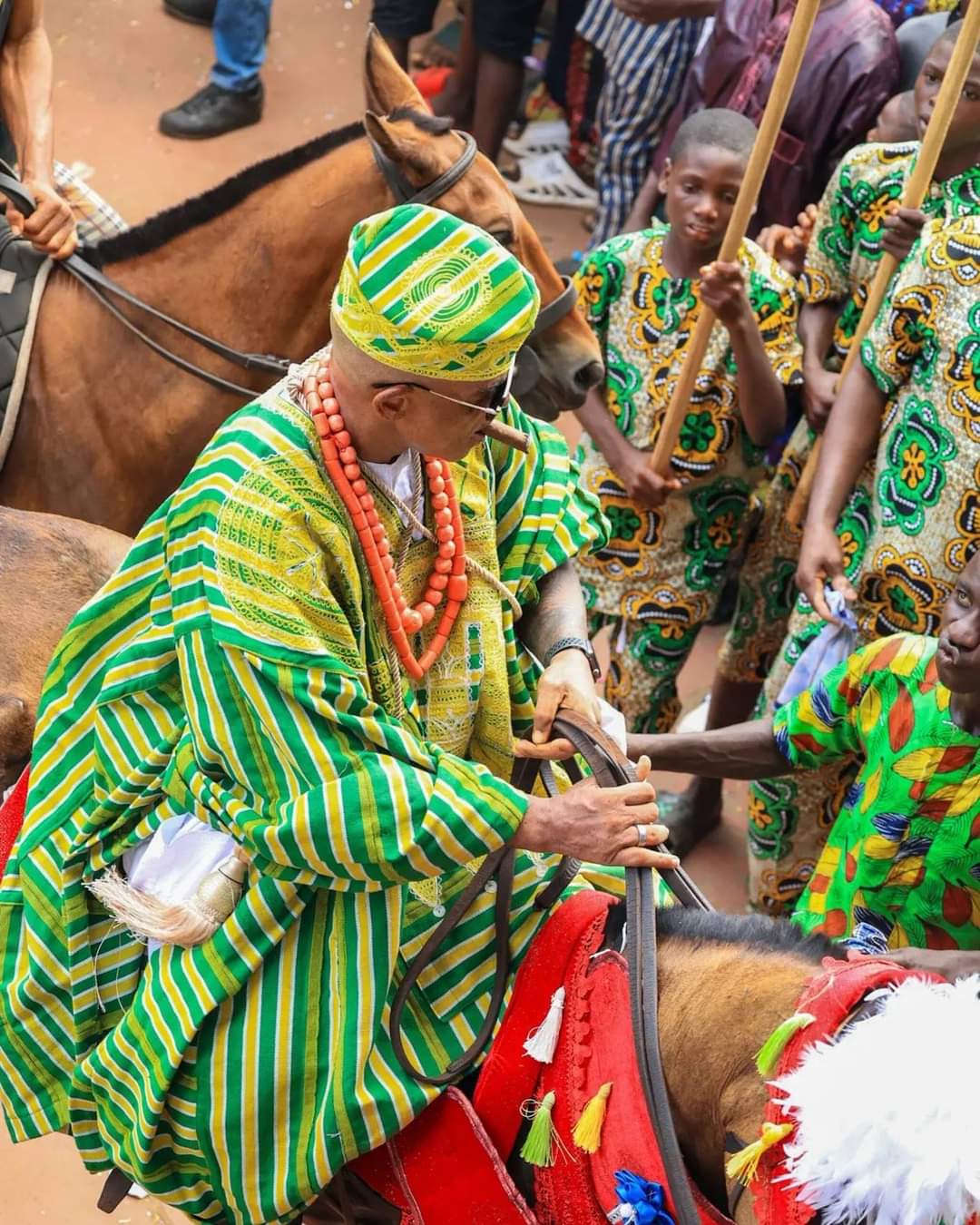
Speaking on the Morning Show on Arise TV on Sunday, Oreagba, who stole the show at the 2024 Ijude Oba, an annual celebration by the Ijebu people in Ogun State, mentioned that although he is battling an incurable form of cancer, multiple myeloma, he is passionate about giving hope to other cancer patients.


Oreagba said, “I’ve always been a bit of a controversial person, but we’ll not go into that. I think from the moment I was diagnosed with cancer in February 2014—it’s an incurable form of cancer—priorities changed.


“I’ll say this to somebody, and it’s going to sound ridiculous. I’m 58, and if I could live another 20 years, I’ll say being diagnosed with cancer is the best thing that ever happened to me. It changes my perspective on life. What I’m there for. I’m there for it.


“Counselling cancer patients, trying to improve access to better healthcare, I’ll do that all day long.”


He also mentioned that he runs marathons to raise money for cancer charities, just to give people hope.


“I got hope from places I least expected, and from some of those I expected, I got nothing. That’s life, and you learn your lessons,” he said.


Oreagba further spoke about how he has been able to find fulfilment and stay happy despite his health status.


He added, “You don’t know how much time you’ve got; you line up your priorities. For me, it is family first because I don’t know how long I’m going to be around, but by God’s grace, I’m 10 years and counting, and since I’ve been crowned ‘king of steeze’, I’m not about to just go like that anytime soon.


“I’ve been counselling cancer patients for a while. I was diagnosed in February 2014. I had a bone marrow transplant in August 2014. I did chemotherapy every day, 21 days a month, for eight years.


“I don’t do chemotherapy anymore; I’m living my best life; I’m back working. That gives me a sense of fulfilment because people ask me why I am so happy. ‘I’m alive!’ And as long as you’re in the game, you can win the game; each day is a blessing.”


Oreagba also explained how being diagnosed with cancer reduced the number of friends he had.


He said, “One thing I realised is that when I was a senior executive at the exchange in the early 2000, let’s say I had five million friends.


“When I left the exchange in 2010, my five million friends went down to one million. When I was diagnosed with cancer in 2014, my one million went down to a hundred. That was a very important lesson; it’s important that you hold your friends close, keep your 10 toes down all the time, and be yourself.”


Speaking about his tattoos, he stated that they held significant meaning to him and that he had had them for years; hence, they were not curated for the Ojude Oba event.


“People talk about my tattoos; I’ve had tats for years, and I’m very particular about them. I try to make sure that I don’t have a tattoo on my face and that my sleeves are down when I’m in corporate mode.


“Here’s the famous tattoo,” he said, showing his arm, “it says, ‘I live each day as if it were my last. So don’t judge me.’ That says, ‘Only God can judge me,’ he said.


He further explained that he has other tattoos for his kids, some indicating the moment when he had lots of friends. “I’ve got ‘Ride or die.’ These were not curated; they’ve been there for years.”


Discussing the importance of the Ojude Oba, Oreagba described it as a family tradition spanning generations that showcases their heritage and identity.


“Ojude Oba has evolved over the years; I’ve been doing it for 15 years. Within my family, the Oreagba family, my grandfather was the main rider going back to the 1960s; he died in 1967, so we only had one rider. My uncle took over, and he was the main rider from ’67 to ’84.


“It’s a family affair; it’s not about one individual, and it’s a very expensive venture,” he said.


He noted that he sees it as a unifying activity that brings families together, adding that preparations have begun for next year’s edition of the event.


He explained, “It also brings families together because you could have one cousin who wants to ride but can’t afford a horse, and you are all going to wear the same outfit. You have to be considerate of other people, or you must support them.


“But for me, it’s just an expression of who I am. I didn’t choose the clothes; the family did. They’ve started arranging clothes now for what we will wear next year.”


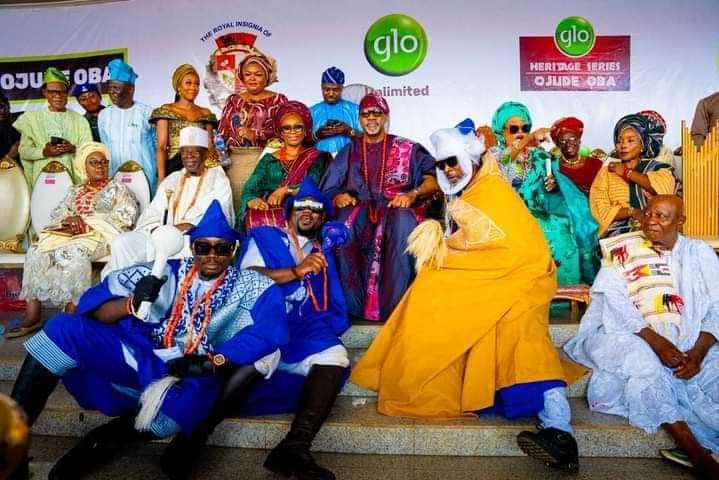
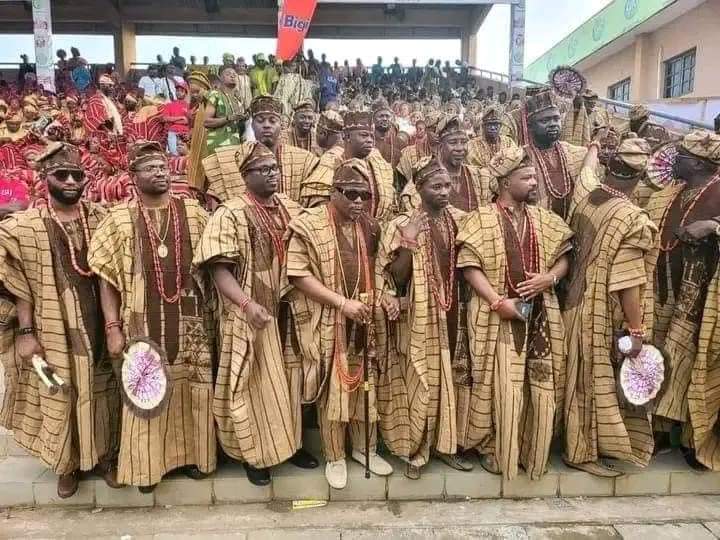
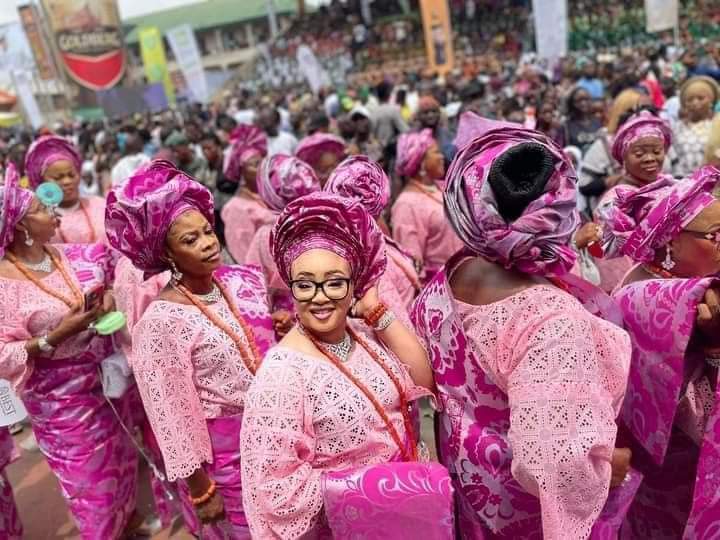
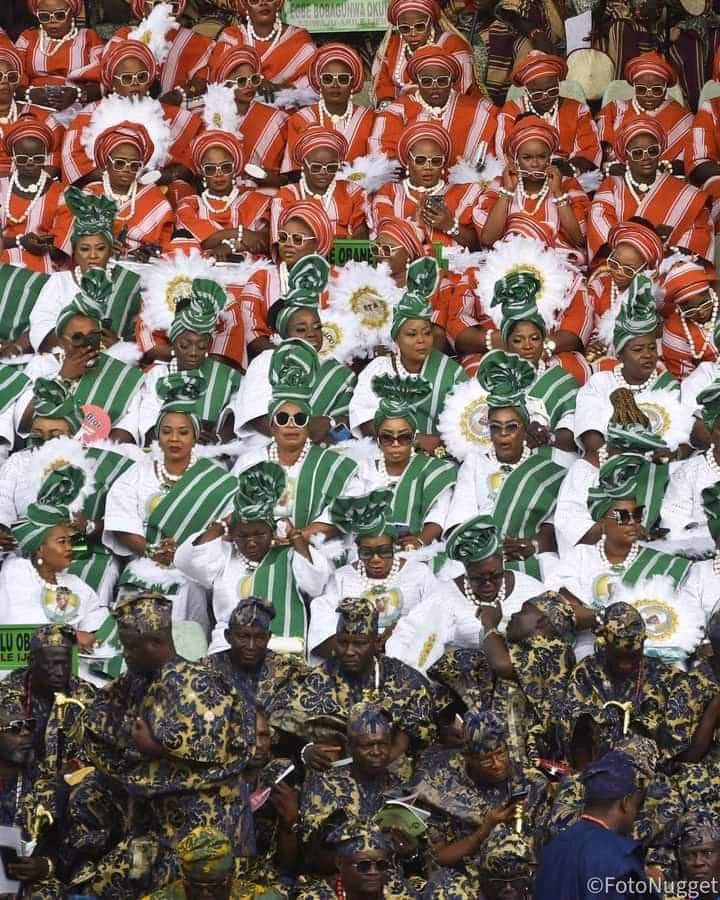
At the event, different groups of people wore matching attire, showcasing that they belonged to the same association. However, Oreagba stated that he doesn’t belong to any group and that the only association he belongs to pertaining to the festivity is the one created by the paramount ruler and the Awujale of Ijebuland.


He said, “The only group that I’m a member of is called the Heritage Group, and it’s a group that was formed by Kabiyesi Awujale.


“I’m not a member of any ‘Egbe’; it is a heavy thing; you have to be back in Ijebu every weekend for meetings; and I have a primary job, which is important to me because that allows me to afford the medication that I have been using.”


He also gave credit to the photographers for how his pictures from the event went viral, stating that it wasn’t planned that way.


“This is a total shock to me. I didn’t nail it; the cameraman nailed it,” he said.


Oreagba added, “The only thing that was curated is that it used to be two men at the front, and this time it was three. I was at the front.


“The outfits are chosen by family members. The entrance: I am one of my grandfather’s oldest grandchildren, and if you look closely, I’m one of the two light-skinned guys as well, but I look exactly like my grandfather. When we leave the palace, we go around town. It’s usually a great feeling when people see me they don’t know who I am, but by looking at me, they just know that I’m an Oreagba.


“My cousins and nephews want to throw horses up and down, but I’m too old for that; if I fall off, my cancer is bone cancer, and if I break a bone, it will never set properly.”


During the interview, he also described his unconventional living arrangement on the beach in Lagos for four years, highlighting his commitment to living life to the fullest despite challenges.


“What I did in my spare time up until last year was that I lived on the beach for four years. I lived in Lagos, on a beach, as my primary home for four years. I did not have a home in Lagos at all. I did not worry about security; I just lived my life,” he added.

Steeze aside, what do you really know about Ojude Oba 

Steeze aside, what do you really know about Ojude Oba

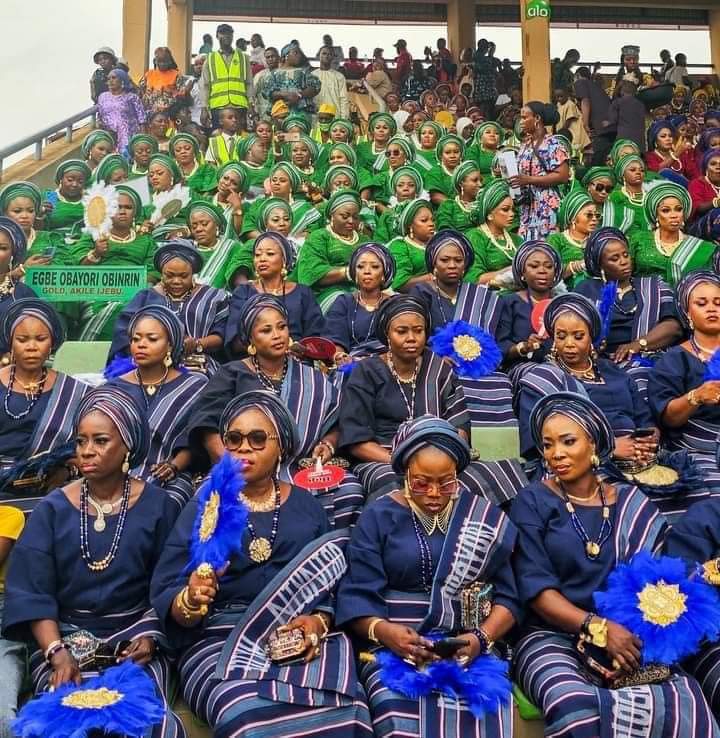
The Ojude Oba festival is a vibrant cultural celebration held annually by the Ijebu people in Nigeria.


Known for its grandeur, Ojude Oba is one of the most glamorous cultural events in Ijebuland and all of Ogun State.

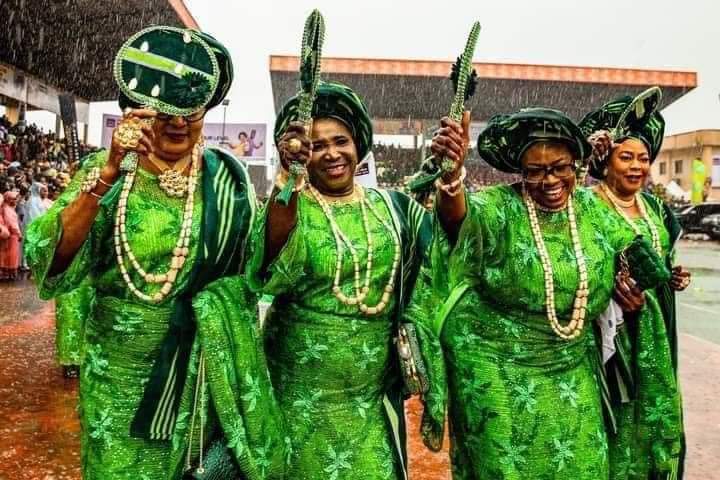
The festival stands out for its lively colours and festive atmosphere, showcasing the rich heritage, unity, and cultural pride of the Ijebu community.

Ojude Oba translates to “The King’s Court” or “The King’s Gathering.” The festival takes place in Ijebu Ode, the historic capital of the Ijebu Kingdom.


It is a time when different age groups, known as regberegbes come together to pay homage to the Awujale, the paramount ruler of Ijebuland.

The Festival is over a century old when the first Muslim converts visited the Awujale, the paramount ruler of Ijebuland, to express their gratitude for his support.

During this visit, they would pray for the king’s long life, good health, and the prosperity of Ijebuland and Nigeria.

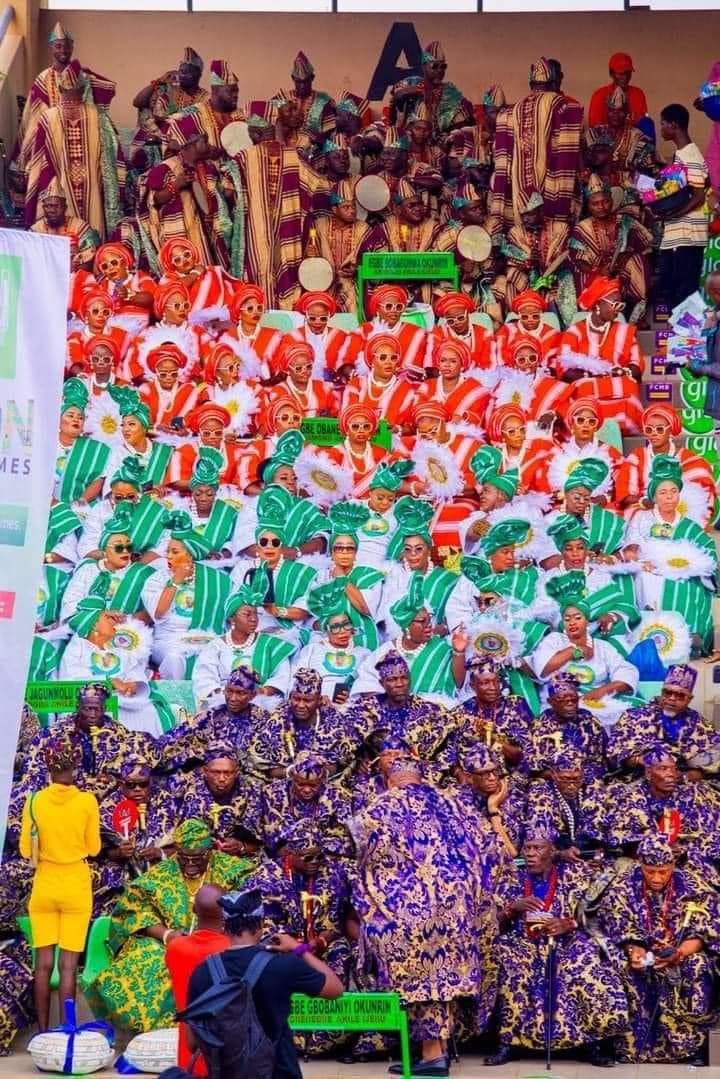
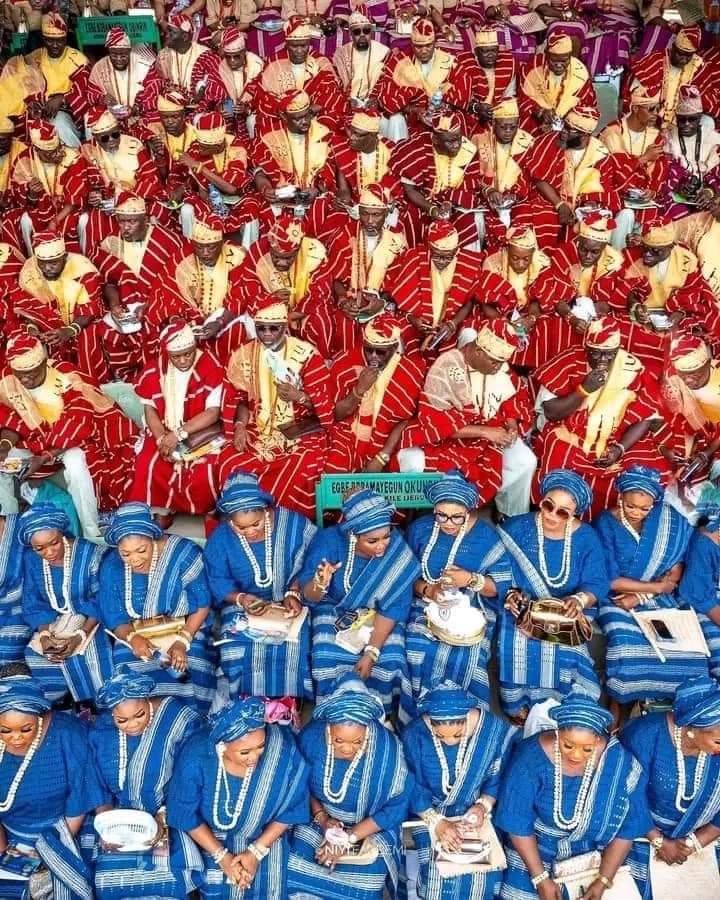
Following the prayers, “regberegbe,” comprising influential members of the community, perform dances in front of the king, each dressed in the latest fashion.

It has evolved over the years, with the present ruler, Oba Sikiru Adetona, Ogbagba II, revitalizing it into a globally recognized event.

Today, the festival brings together Ijebu indigenes, their friends, and associates from all over the world.

The festival is celebrated on the third day after Eid al-Kabir (Eid-el-Adha), a major religious festival. This timing emphasizes the strong religious and cultural influences in the region.


Ojude Oba fosters unity and community spirit among the Ijebu people promoting solidarity and cultural pride.

The festival has gained national and international recognition for its cultural significance and the grandeur of its celebrations


Participants and Activities


Ojude Oba Festival is attended by the regberegbes, which are organized age groups within the Ijebu community, each with distinct names such as Obafuwaji, Bobagbimo, Bobakeye, Gbobaniyi, and Gbobalaye.

The Awujale created these age groups a long time ago, as far back as the 18th century. Currently, there are about fifty-seven (57) regberegbes in Ijebu Ode


These groups, comprised of both male and female members born within a three-year period, dress in elaborate costumes and parade before the king. For example, Bobagbimo is for Ijebu men born between January 1, 1953, and December 31, 1955, and ‘Obasete’ are men born between 1986-1988.

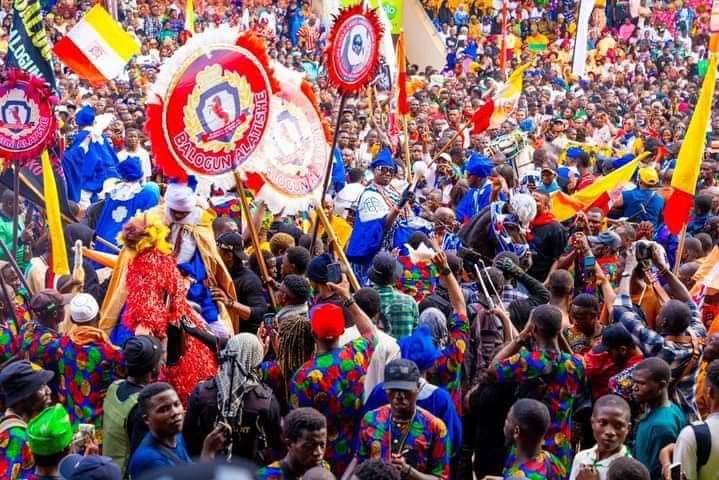
One of the festival’s highlights is the parade of the Baloguns and Eleshins, who are descendants of war heroes. They display their horse-riding skills in a mock battle show, paying homage to the king amidst jubilant music and festivities.


The event attracts over a million spectators, including tourists, government officials, business leaders, and traditional title holders.


Tourism

The festival attracts tourists from Nigeria and beyond, boosting local businesses and promoting cultural tourism in Ogun State.


The vibrant displays and activities create a lively atmosphere that draws visitors and contributes to the local economy.


Recently the Federal Government has announced plans to list the annual Ojude Oba Festival as one of those approved and supported by the United Nations Educational, Scientific and Cultural Organisation.


Preserving Tradition and Celebrating Heritage

The festival plays a crucial role in preserving Ijebu culture in a changing world. The Awujale, Oba Sikiru Kayode Adetona, has described Ojude Oba as the “Ijebu national day,” a time for the Ijebu people to celebrate their heritage, achievements, and spiritual values, ensuring that their traditions remain strong for future generations.

The event also encourages a healthy rivalry among the Regberegbe groups, each striving to make meaningful contributions to the development of Ijebuland.


The Ojude Oba festival is not just a cultural event but a powerful expression of the Ijebu people’s identity, unity, and pride in their rich history.

only work with the best actors — Breath of Life director, BB SasorearatorS

0

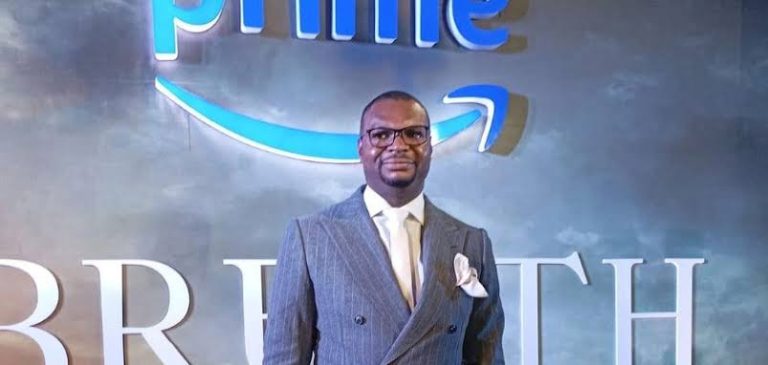
BB Sasore is the co-founder and Creative Director of Nemsa Studio. The filmmaker, who directed the award-winning movie, ‘Breath of Life’, tells FAITH AJAYI about his career and other issues


You studied Biological Sciences at Rutgers University, United States of America. What inspired you to transition from biological sciences to film directing?


I sincerely believed I was going to be a surgeon. However, I had always been a storyteller and performer while growing up. While in college (university), my love for films crystallised the expression of that storytelling for me into motion picture format. I guess the simple answer is I loved films so much, so I decided to make them.


In what ways has your academic background influenced your approach to filmmaking?


I am not sure it has influenced it much. Perhaps, it has allowed us to take a more methodical approach to my overall storytelling; but, filmmaking is quite organic and instinctive.


It is believed that right from the stage of scripting a film, one would have a feeling of whether the movie would successful or not. As a writer and director, what are the things you look out for before deciding to work on any movie?


There are many things that make a film do well. Honestly, a large part of that is serendipity and opportunity. However, there are a few things that my team and I look out for. One of them is to consider how exciting and different the premise is. We also take note of how relatable the characters are to most people, or at least to someone we all know. How executable the story is within the budget is also an important factor. And, we consider how marketable the film would be.


How would you describe your creative process when directing a film such as ‘Breath of Life’?


A large part of the process has to do with hiring and surrounding oneself with the best talents. Nollywood is still in its infancy, which means not all the skill sets have the necessary pool of experienced personnel to choose from. People still need to be pulled into the industry across the value chain of expertise.


At my production company, we don’t only hire people who have worked on films, we look for people who are great in tangential fields to the expertise that is required. For example, one of our production designers is an architect. When one has the best team, directing becomes easier, because one can achieve almost anything that is in one’s mind.


How would you describe your experience working with the actors on the set of ‘Breath of Life’?


All the actors were amazing to work with, and they did a wonderful job, which it is evident from the fact that they swept all the categories they were nominated in at the recently concluded Africa Magic Viewers Choice Awards. Meanwhile, that does not include amazing veterans like Bimbo Manuel, Tina Mba and Sam Dede. Indeed, we had a great cast.


How do you balance the artistic and commercial aspects of filmmaking to ensure both critical acclaim and audience engagement?


That is actually the toughest part of being a filmmaker, especially in an independent film ecosystem. Typically, when there are big studios involved in a production, one does not have to worry about the commercial aspect, or at the least, they would guide that aspect, so one is able to focus on the artistic expression of the story.


To be fair, Prime Video was quite great at giving us a lot of latitude for artistic expression and allowing us not to worry much about commercial success. But, in Nollywood, one must juggle both aspects; otherwise, one won’t last long.


What motivated you to co-found Nemsia Studios, and what’s your vision for the company?


Derin Adeyokunnu, who is the Managing Partner of the company was actually the driving force there. He has always had an entrepreneurial spirit, and this is not his first venture; though it is my first. We were however aligned on our vision. We wanted to create an impactful motion picture studio in Africa that would tell great stories that could compete with those churned out by big companies, such as Pixar or A24.


What are the strategies you have employed to ensure that the company is relevant in the industry, while evolving and applying new innovations to meet global standards?


I am not sure there are strategies that do that. We just keep our heads down and try to tell good stories. We were ‘naïve’ enough to believe that the work will speak for itself, and that naivete seemed to finally pay dividends. We are, however, constantly trying to stay informed about the newest technologies in the industry, especially as it relates to equipment and post production.


What are some milestones you are particularly proud of?


Every time one makes a film, it is something to be proud of. Putting something out into the world that didn’t exist before you. Most people get to trade in products that already exist. But, being a filmmaker puts one in a very exclusive class of adding to the world, so it is always a proud thing when one does that in whatever form.


‘Breath of Life’ won several awards at this year’s AMVCA, including Best Director for you. What do awards mean to you personally and professionally?


Winning those awards meant a lot. Many people worked very hard (on the movie) for over two years, and I kept joking with them, saying that they would give me all the credits for their work. But, though only my name was on the award (as Best Director), the contributions of a lot of people was immeasurable towards that achievement. That makes me happy.


How do such recognitions impact your career, and the perception that people have of Nollywood internationally?


I am not sure any single piece of work can change the perception of Nollywood internationally. We are making big strides through the efforts of many great filmmakers, who built the industry from nothing, starting from the 90s. However, we are immensely proud of what we achieved, and I believe that Amazon Prime is equally impressed with the reception of the film on their platform.


What are the major challenges you face as a filmmaker and screenwriter?


Related News

They are the same challenges everyone faces. They include access to capital, and poor infrastructure, among others. However, what we lose in those things, Nigeria makes up for with a rich culture that creates a bottomless pool of stories, as well as a highly motivated and affordable workforce.


How do you handle creative differences on set, especially when working on high-stake projects?


Filmmaking is the most collaborative process I know. As I mentioned earlier, we only hire the best people, so I believe strongly in deference. Most times, we go with domain expertise above other considerations. For example, I don’t argue with the sound person about sound. If I not aligned with anybody, I have the responsibility to make the final decision as the director, but that decision is principally one of deferring to the person who has expertise in that particular area.


Some people believe that Nigeria’s entertainment industry now operates according to global standards, while some are of the opinion that it is still not at par with the biggest in the world. As an insider in the industry, what is your take on that?


I think the music industry is a lot more at par when it comes to global standards. And, they are doing a great job in exporting our culture to the world.


To be fair though, the chasm in production budgets is vastly different. Aside from marketing, a Burna Boy or Taylor Swift song, for example, might only amount to a difference in cost of $100,000 to produce. Hollywood makes films for millions of people, while Nollywood makes for hundreds of thousands; so I am not sure if a comparison will be accurate.


That being said, I can categorically say that there are people who enjoy the movies from either parts of the world, just as much as the other.


What significant changes have you observed in Nollywood over the past decade?


Filmmakers and actors are bolder; and different stories are being told on a much larger scale.


What do you consider to be the biggest strengths and weaknesses of the industry?


One of its most notable strengths is the rich culture that creates a bottomless pool of stories; as well as a highly motivated affordable workforce.


Making a movie entails selecting the right cast and helping them to perform at their best. In the light of that, how do you approach working with actors?


We talk a lot about the characters, their motivations and how to relate them to their personal experiences. Then, I get out of their way and leave them to do their jobs.


Who are your biggest influences in the film industry, and how have they shaped your work?


I tend to be more influenced by work than people. I remember watching October 1 (by Kunle Afolayan), and being sucked into the craft and indigenousness of it.


I also recall watching the first part of Omo Ghetto movies, and laughing really hard. I thoroughly enjoyed the wedding.


Most recently, I was impressed at the scale of the movie, Gangs of Lagos. I am sure that those works have influenced my work in one way or the other.


How do you balance your career with your personal life and well-being?


I am not sure one can ever truly find a balance in life, especially if one loves one’s work. Now that I have a daughter, I am trying to be more intentional about spending more time with my family. I have doubts if one ever get the right mix, but we continue trying.


What advice do you have for aspiring filmmakers looking to make their mark in Nollywood?


They should surround themselves with people who are better than they are at their crafts.


Of all the films you have worked on, which is your favourite, and why?


I enjoy magical realism, so it would have to be Breath of Life, because it is the first film I have enjoyed as an audience member, even if I did not make it.


How do you unwind?


I watch movies.

 

LASG to establish Road Safety Unit for improved transport safety in Lagos

0

The Lagos State Government is set to establish a Road Safety Unit within its Ministry of Transportation to enhance transport safety across the state.


This initiative is part of the state government’s comprehensive plan to prioritize road safety over the next two years.


Outlined in Section 4.3 of the newly unveiled Lagos State Transport Policy, this initiative highlights the government’s dedication to road safety.


The formation of the Road Safety Unit is a key element of Lagos State’s commitment to fulfilling its obligations under the United Nations’ Second Decade of Action for Road Safety and Nigeria’s National Road Safety Strategy, both of which aim for a future with zero road crash fatalities.


“The Government is fully committed to discharging its obligations under the United Nation’s Second Decade of Action on Road Safety and the country’ National Road Safety Strategy which have the overarching vision for no death resulting from road crashes.


“Demonstrating this commitment, a Road Safety Unit shall be established within the MoT to assure due attention is given to this important aspect of the performance of the sector,” a portion of the policy reads.


The policy further reveals that, in line with the planned establishment of the Road Safety Unit within the next two years, the Lagos State Government will also develop a comprehensive road safety action plan for the state.


Additionally, a training plan for the Unit’s staff will be implemented within the same period to ensure the optimal discharge of the Road Safety Unit’s responsibilities when eventually established.


What the responsibilities of the Lagos State Road Safety Unit would be

Providing further details about the proposed Road Safety Unit, the Lagos State Transport Policy outlines that the Unit will ensure the new transport database established by the Lagos State Ministry of Transportation pays particular attention to the definition, collection, analysis, and reporting of road safety data.


This focus will help clearly determine the achievements in fulfilling these obligations.


Moreover, the policy specifies that for the Road Safety Unit to effectively achieve road safety in Lagos, it will adhere to international best practices. These practices encompass five pillars: road safety management, safer roads and mobility, safer vehicles, safer road users, and post-crash responses.


The policy also notes that these international best practices are detailed in sections covering road infrastructure, traffic management, vehicle maintenance, security, and safety. These guidelines will direct the operations of the Road Safety Unit once it is established within the next two years.

Cause Of Cholera In Nigeria Yet To Be Identified – Commissioner

0

Lagos State Commissioner for Health, Prof Akin Abayomi, has said that the cause of the cholera outbreak in the state is yet to be identified.


Akin Abayomi who gave an update on Saturday, June 22, said new cases were recorded as of 20th June 2024, 24 hours after the state announced an increase in deaths recorded from the disease.


Infographics revealed that cases were reported from Agege, Badagry, Ikeja, Mushin, Ajeromi-Ifelodun, Epe, Ikorodu, Ojo, Alimosho, and Eti-Osa, Kosofe, Oshodi-Isolo, Amuwo-Odofin, Ibeju-Lekki, Lagos Island, Shomolu, Apapa, Ifako-Ijaiye, Lagos Mainland, and Surulere.


Akin said the Emergency Operations Centre, in collaboration with all relevant partners, is actively engaged in contact tracing, community-based surveillance, awareness campaigns, sample testing, and ensuring that confirmed cholera cases receive appropriate medical treatment.


On the cause of the cholera outbreak, Abayomi said;


“We have not been able to identify and batch of locally made beverages that contain the cholera bacteria as of now, but we are still searching.”

Media agency explains expansion across Africa

0

PAN African media relations and communications firm, African Media Agency (AMA), has announced further geographic expansion across west and central Africa.

With an existing presence in Côte d’Ivoire and Uganda, AMA added Senegal, Mauritania, Guinea, Mali, Burkina Faso, Togo, Benin, Niger, Chad, Cameroun, CAR, Gabon, Congo and DRC to its African footprint.


For its multinational clients and US-based entities with African operations, AMA continues to serve them out of its New York offices.


This expansion comes as a direct response to the needs of AMA’s clients, both from the public and private sectors, for more focused and sustained engagement in francophone Africa, especially during the current pandemic.

Governments, multilateral institutions, development agencies, and corporations want more than ever to communicate with individuals and micro and small enterprises in these markets to help them survive the pandemic and thrive thereafter, with special focus on the vulnerable and underserved segments of society.


“From our inception in 2014 as a pan-African media agency dedicated to the development of the continent, we have projected the voice of Africa in the international community, served as the voice of our clients to their African constituents, and fostered pan-African integration,” said Eloïne Barry, CEO of AMA.


“We have achieved our objectives primarily by building capacity across the African media landscape and creating solid bridges between them and our clients. Our expanded presence in Francophone Africa will further bring our clients closer to the media base in these countries and help them shape their products and associated messaging to the markets needs and realities,” she added.


Over the decades, Francophone Africa has lagged behind its English-speaking counterparts owing to factors such as access to markets, unfavorable policies, low investor confidence, language barriers and bureaucracy.

Today, however, countries like Côte d’Ivoire, Senegal and the DRC offer new growth opportunities that are making Francophone Africa the next frontier.


For instance, following a decade-long crisis, the government of Côte d’Ivoire stepped up its game by investing in more infrastructure, expanding its ports and implementing sound financial strategies that have seen the country achieve an estimated growth of 8.31 percent since 2014.


But despite these advancements, not enough has been done to demystify the negative stereotypes about Francophone Africa. This is why AMA is stepping in by using the deep expertise of its team of local communications experts to shape and deploy a narrative that truly reflects the truly fascinating entrepreneurial spirit of the people of these countries, especially the young and the women.


AMA is the first female-owned and led agency to have a local presence across the continent, and has since grown to become an authoritative source of news and a partner to some of the world’s most reputable companies and organisations.


In 2018, Eloïne Barry was recognised as one of the Most influential People of African Descent (MIPAD) and in 2019 she received the Prize of Excellence awards by ASCOM, reflecting the work her award-winning team has put into changing the perception of the continent by promoting a home-grown narrative.

In the wake of the coronavirus pandemic, developing economies across Africa were saddled with providing a response to the pandemic and finding new ways to adapt to the new normal.


Despite these challenges, AMA has remained at the forefront, providing a platform through which critical information alongside expert analysis of the continent’s economic landscape has been efficiently disseminated.


Since it was founded seven years ago, AMA has run over 900 campaigns, reaching thousands of African reporters and generated tens of thousands of coverage pieces for their clients. Some of which include the Africa CEO Forum, BBC World News, MasterCard Foundation and Barclays. The company’s recent expansion into more Francophone Africa countries will boost these efforts even further, at a most critical time along the development journey of these countries.

Paystack Expands Virtual Terminal Across Africa: Revolutionizing In-Person Payments

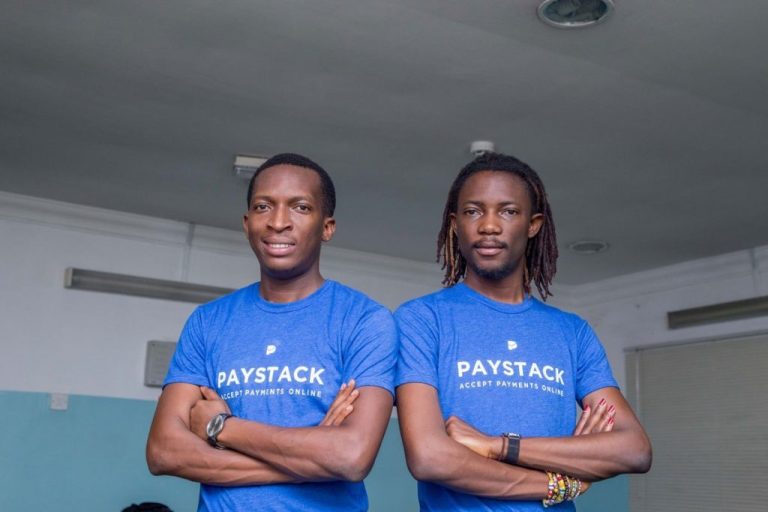
Paystack, a prominent Nigerian fintech company, has extended its Virtual Terminal service to four additional African countries: Côte d’Ivoire, Ghana, Kenya, and South Africa. This expansion marks a significant step in streamlining in-person payment processes across the continent.


The Virtual Terminal allows merchants to generate unique QR codes for their employees, including cashiers, delivery riders, and sales agents. Customers can easily make payments by scanning these QR codes, choosing from various payment options such as mobile money, cards, or Apple Pay. The system then sends instant payment confirmations to the staff member’s WhatsApp.


Paystack’s solution offers flexibility and control to merchants. They can disable QR codes at any time, change the associated WhatsApp numbers, and set up multiple notification recipients for each transaction. This versatility enhances operational efficiency and security.


The company highlights the ease of use and cost-effectiveness of the Virtual Terminal. Merchants can create and assign multiple QR codes directly from their Paystack Dashboard, eliminating the need for physical POS devices and significantly reducing operational costs.


Initially launched in Nigeria in 2021, the Virtual Terminal has proven successful for various businesses, including retail stores, restaurants, and pay-on-delivery services. It enables these enterprises to accept in-person payments on a large scale without incurring hardware costs.


By bringing Paystack’s seamless online checkout experience to physical locations, the Virtual Terminal simplifies the payment process. It also includes real-time payment notifications, keeping users informed about their transactions.


The Virtual Terminal integrates all the benefits of the Paystack ecosystem. These include international payments, split payments, simplified end-of-day accounting, and mobile payment tracking. This comprehensive approach ensures a smooth and efficient payment experience for both merchants and customers.


One of the key features of the Virtual Terminal is its ability to offer a single QR code that provides customers with various payment methods optimized for their specific region. In Côte d’Ivoire, customers can use MTN MoMo, Wave, Orange Money, Visa, Mastercard, and Apple Pay. Ghanaian customers have access to MTN MoMo, Telecel Cash (formerly Vodafone Cash), AirtelTigo Money, Visa, Mastercard, and Apple Pay.


In Kenya, the available payment methods include M-PESA, Visa, Mastercard, American Express, and Apple Pay. South African customers can use Scan to Pay, SnapScan, EFT, Visa, Mastercard, American Express, and Apple Pay. This diverse range of payment options ensures that the Virtual Terminal caters to local preferences and financial ecosystems in each country.


Paystack’s expansion of the Virtual Terminal service comes on the heels of a significant development in its home country of Nigeria. In April 2022, the company quietly obtained a switching and processing license from the Central Bank of Nigeria. This license allows Paystack to directly route financial transactions between financial institutions, further enhancing its capabilities in the Nigerian market.


As a Stripe-owned fintech company, Paystack’s continued innovation and expansion demonstrate its commitment to improving payment solutions across Africa. The Virtual Terminal’s launch in these four countries represents a significant step towards modernizing and simplifying in-person payment processes throughout the continent.