


Home Blog Page 189

Unregistered tiger nut drinks caused Lagos cholera outbreak – Govt

0

Dr Kemi Ogunyemi, the Special Adviser to the Lagos State Governor on Health, speaks to VICTORIA EDEME on the cholera outbreak in the state.


What are the primary causes of the recent cholera outbreak in Lagos State?


There have always been cases of cholera in Nigeria. We typically have isolated cases that we treat. However, we observed a surge in cholera cases between the 10th and 11th of June 2024. This increase qualifies it as an outbreak. The top three affected local government areas are Lagos Island, Kosofe, and Eti-Osa. The Nigeria Centre for Disease Control and Prevention anticipates cholera outbreaks, particularly during the rainy season, as is the case now. Firstly, this doesn’t surprise us. Secondly, we know the necessary steps to take when such outbreaks occur. It largely relates to environmental conditions and what I refer to as the social determinants of health. There are areas lacking adequate clean water, relying instead on wells. Open defecation is also prevalent. When it rains, these factors result in faecal matter contaminating water sources like wells. Other contributing factors include flooding when canals overflow and poor sanitation practices. What we observed was a sudden increase followed by a decline due to our prevention campaigns and efforts to raise awareness, encouraging regular handwashing. So, that’s the crux of the matter.


What specific factors contributed to the increased prevalence of cholera in those particular areas and regions you mentioned?


When there’s an outbreak like this, we have Environmental Health Services officials from the Ministry of Health and the Ministry of Environment who go around ensuring that the environment is kept clean. So when we noticed an increase in cases in Eti-Osa Local Government Area of Lagos specifically, we went there to investigate. We carried out a survey and found that the common denominator, which was one of the deadly factors, was a tiger nut drink. People who came to the hospitals all identified that they had drunk tiger nut drink. We couldn’t just take their word for it, so we had to take that drink and test it to see what was in it. We immediately sent people out to look for those selling it so we could take a sample. We found empty bottles with a name on them, but we discovered that it wasn’t even registered with the National Agency for Food and Drug Administration and Control, the regulatory body that ensures the safety of consumables. There was a phone number and a name on the bottle, and we started tracing. We did contact tracing, similar to what we did with COVID-19. We combed the area to ask people where they got the drinks from. We couldn’t find any full bottles. We only found empty ones, which were of no use because we could not test them. The phone number on the bottle was not reachable. From our investigations, we realised that the beverages were not registered, so the producers hadn’t gone through the processes to ensure that what they were producing was safe for the public to consume. We traced it to that. Of course, cholera is also water-borne, so we took samples of the water to test it. The bottom line is that we took stool samples because different things cause diarrhoea. It could be anything else. We found out that it was confirmed cholera, specifically Vibrio cholera subtype 01, which is the most infectious and aggressive type. There are different types, but we identified this one. In Lagos Island, Eti-osa, and Kosofe, we recorded the highest number of cases that went to the hospital. I’m not talking about reported cases. These are the people who did the right thing by going to the hospital to complain of symptoms, and they were treated. That’s when we were alerted. When the hospitals report cases, we are notified, and we set up an emergency office in Yaba to swing into action. That’s what we’ve been doing since. We continue to test everyone’s stool specimens. Unfortunately, we can’t test everyone because most have already taken antibiotics, which doesn’t give us a good sample. We test those who just came and have not taken anything at home. Hence, part of our campaign is to advise people not to take antibiotics. Pharmacists should not sell them antibiotics. They should come straight to the hospital for testing. We provide oral rehydration therapy, which is crucial during cholera symptoms. It doesn’t mean the other local governments didn’t have cases, they did, but the numbers started decreasing. We were quite relieved because there was a day when we didn’t have any new cases. However, we anticipated an increase after the Ileyah celebrations, which indeed happened. Unfortunately, we also had an increase in deaths. That’s the unfortunate part. More people have died, and about three of them were already dead upon arrival from home. From our history, we realised they had diarrhoea and vomiting for the past two or three days, but they never came to the hospital. They were probably treating themselves locally, which we advise against. That’s how we know. We’re hoping for a decline as we continue our efforts in the community.


The earlier data before the festivities recorded 15 fatalities. What is the case now?


It has increased. As of Thursday morning, we had 21 cases. During an emergency meeting around 11 pm on Wednesday, we received information that someone had died within an hour or two of arriving at the hospital from home. This individual did not just develop diarrhoea on that day but had been at home. The incident could have occurred before Ileyah or around that time, but we are reporting the death now because it happened recently. It’s not a new case that occurred on Wednesday; it’s a new case that has been reported, unfortunately resulting in death.


Aside from diarrhoea and vomiting, what other cholera symptoms should residents know?


It begins with abdominal pain. That’s the initial symptom. Following that, there is diarrhoea. Some cases may also present with fever, though not all. Additional symptoms include vomiting, muscle pains, and cramps, primarily due to the loss of electrolytes. Others include a rapid heart rate and general malaise. Fatigue and tiredness are also common due to the significant loss of water, which carries essential electrolytes like potassium, vitamins, and magnesium. These losses lead to muscle pain and cramps. While watery diarrhoea is the most typical symptom, not all instances of diarrhoea indicate cholera. Some people experience diarrhoea that resolves, but true cholera manifests as profuse watery diarrhoea, almost like water itself, as the bacteria in the small intestine absorb water from the body, causing it to pass quickly through the intestines.


How quickly do these symptoms typically appear after infection, and how is cholera diagnosed?


It varies depending on the amount of bacteria in the body. Symptoms can start within a few hours if the bacteria are already present in your system after consuming contaminated food or water. The onset also varies among individuals, similar to COVID-19 where the virus multiplies differently in different people. Some may experience symptoms within two to five days, but with cholera, symptoms can manifest in as little as 24 hours. Once symptoms appear, it’s crucial to seek medical attention immediately. During outbreaks like the current one, we typically suspect cholera based on symptoms, but confirmation requires a stool specimen. The Nigeria Centre for Disease Control and Prevention has distributed rapid diagnostic tests to all hospitals, enabling immediate testing on-site. Samples are also sent to labs for confirmatory tests.


Upon arrival at the hospital, anyone presenting with diarrhoea or vomiting receives immediate intravenous infusion for rehydration, regardless of test results. Hydration is prioritised to replace lost fluids and electrolytes, crucial for kidney function and overall health. Some patients arriving late required dialysis to manage dehydration-related complications. For those unable to reach a hospital promptly, we recommend oral rehydration with boiled, clean water, a pinch of salt, and a teaspoon of sugar mixed thoroughly. This temporary measure helps maintain electrolyte balance until professional medical care is accessed, ensuring their well-being until they receive proper treatment at a hospital.


In the areas affected in Lagos, how significantly has this outbreak impacted their health and daily lives?


Due to the sensitisation and campaigns, we’re conducting in all those communities, people know they have to be careful because of the outbreak. We revisited the Eti-osa area and did not find a single person selling tiger nut drinks. So the communities are devoid of all those beverages right now. People are aware, and that’s our goal. We want that awareness so that people are careful. We hope people are boiling their water, ensuring they’re washing their hands, and also taking responsibility by informing others not to defecate outside in the streets. Sadly, people continue these practices in their daily lives. Lagosians are very resilient, and we believe this has spread to other states. We know of a case where someone travelled from Lagos to Oyo State and then started showing symptoms, resulting in cases in Oyo State. So the NCDC is monitoring the situation across Nigeria, not just in Lagos State. Lagos State is typically where things originate due to our overpopulation and clustering of people. Many people have travelled to Lagos for festivities and returned to their states, contributing to the spread. It has also been reported in other states, with Bayelsa being the first after Lagos. Therefore, the NCDC is working diligently, providing support for Lagos and all other states.


The NCDC has stated that it may declare an emergency on cholera. What are the implications of this?


An emergency has not yet been declared. The NCDC is monitoring the trends and conducting risk assessments. We are actively involved in this effort. Dr Jide Idriss is the DG of NCDC, and his team members are in Lagos. We are collaborating closely with them, as well as with the Ministry of Environment and the Ministry of Education, particularly concerning children. We are working diligently to ensure that the spread is contained. Risk assessments are ongoing, and further action will depend on whether the NCDC decides to declare an emergency. Hopefully, this will not be necessary as we aim to avoid causing panic. People are going about their daily lives; everyone is going to work, and schools remain open. If an emergency were declared, schools would have been closed. There are established protocols in place. Within the Ministry of Education, we have a quality assurance system that monitors developments and keeps us informed. There have been no reports of schoolchildren vomiting in schools. Teachers have been sensitised and instructed on what symptoms to look for and what actions to take. Hydration measures are also in place in schools. We are actively managing the situation. This is typical in outbreaks; cholera is not new in Nigeria. It’s during outbreaks that the NCDC is particularly vigilant, and we implement these measures.


Is there any collaboration with national or international health organisations in managing this crisis? If so, can you elaborate on these partnerships?


Many people have been mobilised, and we’re working with numerous partners. UNICEF has been fantastic. They excel in providing information. The Red Cross has also been extremely helpful. Additionally, WHO consistently monitors the situation to prevent it from escalating into a pandemic, although we are confident it won’t. We are currently in a monitoring phase. As I mentioned earlier, we anticipated a potential increase following the Ileyah Festival when everyone returns home and settles down, and that’s indeed what we’ve observed. Therefore, we are closely monitoring the situation day by day. We convene every night to discuss developments, where people provide their reports based on the pillars we are focusing on. We analyse electronic real-time data, conduct risk assessments, and oversee community surveillance, among other aspects. Currently, the situation is not deemed an emergency, and we are urging people not to panic. Treatment for suspected cholera cases at hospitals is entirely free of charge. We understand that some individuals may be concerned about medical expenses, but they need not worry as it is a public health concern. Treatment, including diagnosis, medications, and admission, is provided free of charge at all public government-owned hospitals and primary healthcare centres. No one will be asked for payment. While hospitalisation may not be necessary for everyone, we understand the economic challenges people face, which may deter them from seeking medical care.
 

MOVIE REVIEW: ‘Shina’ is thrilling ride that’s easily forgotten

0

MOVIE REVIEW: ‘Shina’ is thrilling ride that’s easily forgotten

Movie title: Shina


Running Time: 1 hour 38 minutes


Director: Muyiwa Adesokun and Carmen Lilian Ike Okoro


Cast: Akin Lewis, Segun Arinze, Aleiru Idowukeji, Neo Akpofure, Immaculata Oko-Kasum, Shawn Faqua, Tope Tedela, Tolulope Adewunmi, and Preach Bassey.


Timini Egbuson‘s career has skyrocketed over the past year, becoming 2023’s highest-grossing actor.


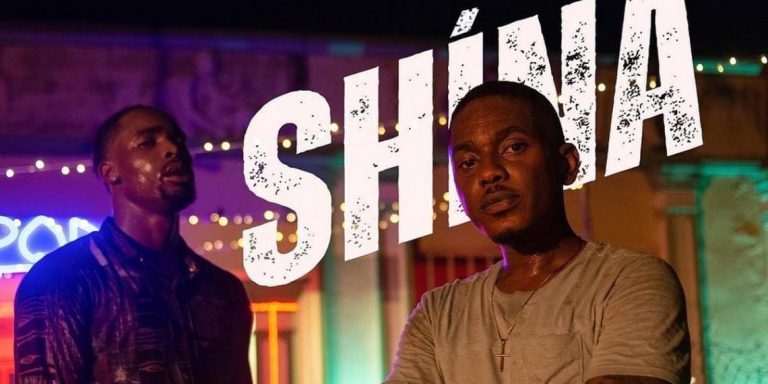
In his latest venture, he produces and stars in “Shina,” a gripping crime thriller about a taxi driver caught in a web of political intrigue and personal peril.


While the movie boasts a promising premise, it must reach its full potential due to poor plot developments and unexplored subplots, ultimately failing to leave a lasting impression.


Plot

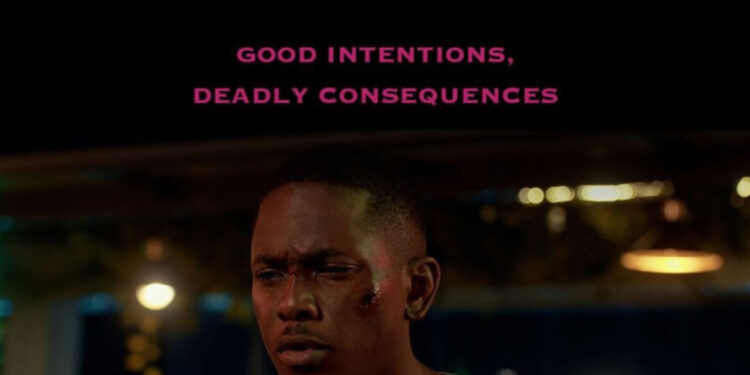
Oluwashina Akanji, a dedicated taxi driver, faces a dire situation when his grandmother falls critically ill during a tense gubernatorial election in Lagos.


As Shina rushes her to the hospital, the city buzzes with the election battle between incumbent Azeez Bolajoko and popular challenger Ali Atande.


Shina struggles to gather funds for his grandmother’s necessary surgery.


Compassionate Dr Morenike admits her without an initial deposit, but her strict colleague, Dr Bakere, insists on payment or threatens to discharge her.


While Shina searches for money, he gets entangled in a dangerous situation involving his friend Ugo and the notorious gang leader BB.


Ugo, who has crossed BB by withholding a share of stolen money, reveals Shina’s gathered funds for his grandmother’s surgery to save his own life.


With Dr. Morenike stalling Dr. Bakere and Shina battling the police and BB’s gang, Shina is torn between saving his grandmother and rescuing his friend, Ugo. His choices will have profound consequences on his life and those around him.


Character analysis

Timi Egbuson is the producer and lead actor in Shina

The movie features a star-studded cast, including Akin Lewis, Segun Arinze, Aleiru Idowukeji, Neo Akpofure, Immaculata Oko-Kasum, Shawn Faqua, Tope Tedela, Tolulope Adewunmi, and Preach Bassey.


Timini Egbuson and Linda Ejiofor-Suleiman play the lead roles, with their characters at the story’s core.


Timini Egbuson, who portrays Shina, delivers a strong performance, though it aligns with his previous roles.


Known as the highest-grossing Nollywood actor of 2023, Egbuson excels at embodying his characters and seamlessly blending them with his persona.


His portrayal of a devoted grandson caught in a storm of trouble showcases his knack for blending character with his persona.


However, despite Egbuson’s reliable performance, the film often repeats his previous roles, needing more fresh nuances to make Shina genuinely memorable.


Linda Ejiofor-Suleiman shines as Dr Morenike, a compassionate doctor who risks her career to help Shina’s grandmother.


Her character resonates deeply, reflecting the plight of many Nigerians who do good but face devastating consequences. Dr Morenike’s faith in Shina leads to personal tragedy, culminating in the loss of her fiancé due to Shina’s desperate actions.


Movie Analysis

What makes a movie truly memorable? Is it the gripping storyline, the star-studded cast, or the dazzling cinematography?


Creating a lasting impression requires meticulous effort and attention to detail, but ultimately, the audience decides.


This film starts with a captivating story that satirises many aspects of Nigerian society. While it entertains, teaches moral lessons, and includes suspense, it needs to leave a lasting mark. Despite its thrills and engaging elements, the movie misses the chance to achieve something more significant.


The movie opens with a gripping premise: Shina’s grandmother falls severely ill during a heated gubernatorial election in Lagos, where the incumbent, Azeez Bolajoko, faces off against the charismatic Ali Atande. As Shina rushes her to the hospital, the film sets up a compelling contrast between the personal and the political.


Linda Ejiofor-Suleiman delivers a standout performance as Dr Morenike, the compassionate doctor who risks her career for Shina’s grandmother. Her character is the film’s emotional anchor, embodying the selflessness that many viewers can relate to.


Yet, her subplot, which includes a tragic personal loss due to Shina’s actions, feels underdeveloped and somewhat tacked on, failing to deliver the emotional punch it aims for.


The supporting cast, including veterans like Akin Lewis and Segun Arinze, add depth to the movie but are often overshadowed by the chaotic plot.


Including a notorious gang leader, BB, and Shina’s entanglement with criminal activities introduces an element of danger that feels disjointed from the main storyline.


The film’s ambition is both its strength and its downfall. It strives to tackle significant themes like political corruption, healthcare struggles, and loyalty, but in doing so, it spreads itself too thin.


The narrative becomes a rollercoaster of events that, while initially engaging, quickly become overwhelming and hard to follow. This disjointed approach makes it difficult for the audience to fully invest in any single plotline, leading to a sense of detachment as the credits roll.


The movie captures the vibrant chaos of Lagos visually, and the election scenes are particularly well-executed, reflecting the city’s dynamic political landscape. However, these visuals can’t compensate for the film’s narrative shortcomings.

Also, its overarching narrative and disjointed plotlines make it a film that, despite its initial promise, is quickly forgotten.


This film might fall short of expectations for viewers seeking a memorable cinematic experience, leaving them craving a more cohesive and impactful story.


Verdict

7/10


Shina is now streaming on Netflix.

SANWO-OLU IN PARIS, VISITS RUNGIS INTERNATIONAL MARKET FOR STRATEGIC, TECHNICAL PARTNERSHIPS

0

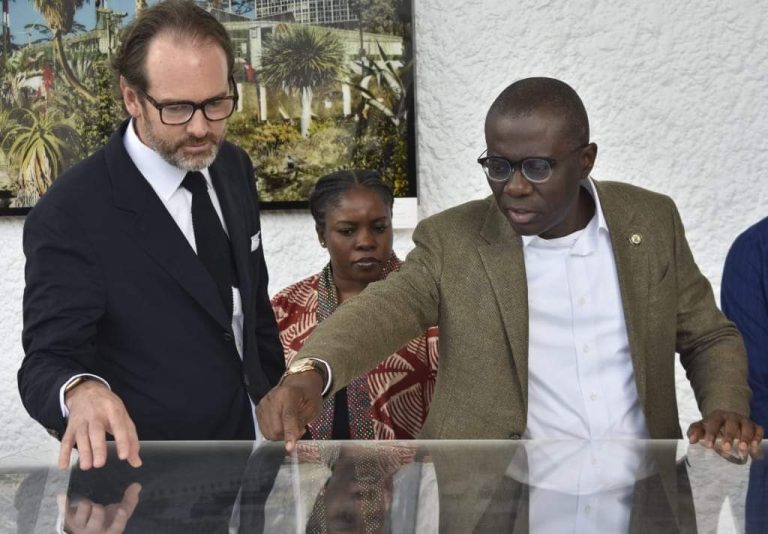
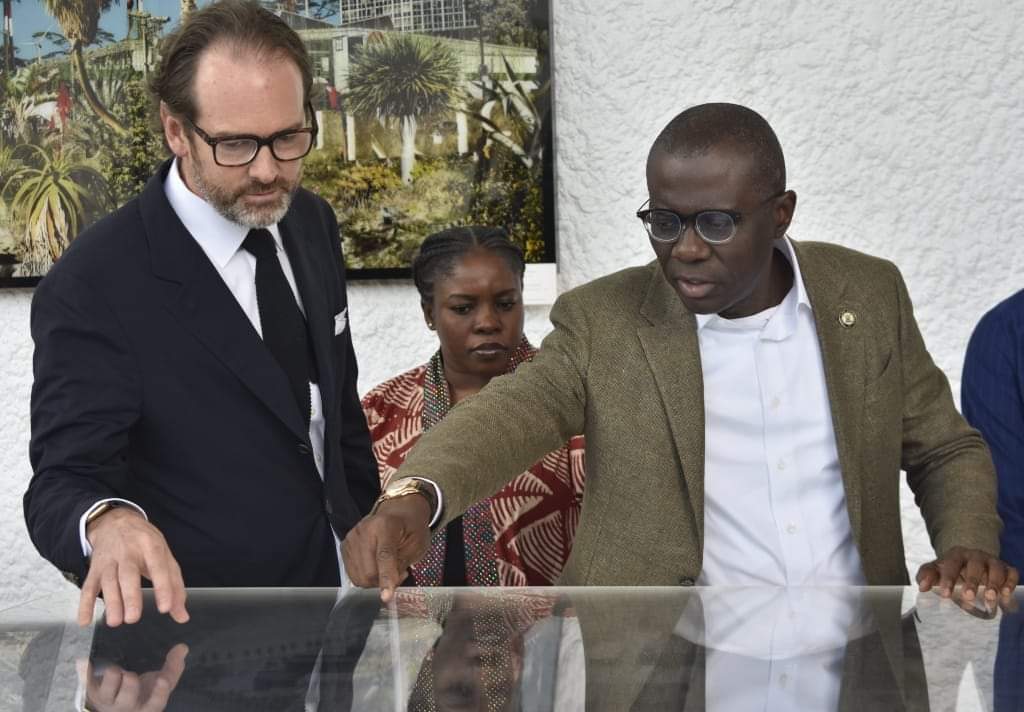
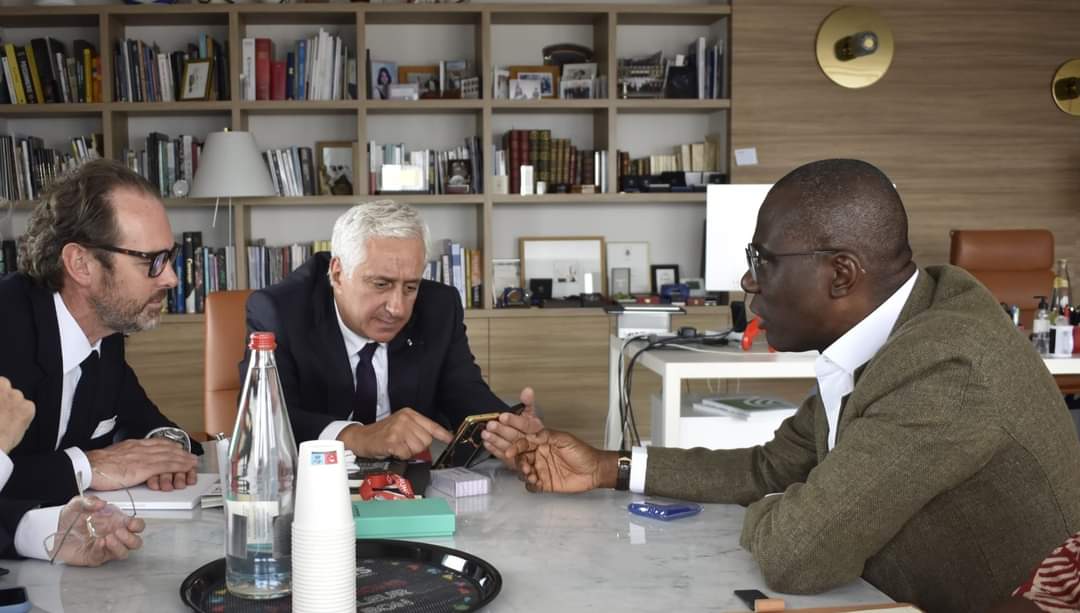
In line with its commitment to food security and sufficiency in Lagos, Governor Babajide Sanwo-Olu’s administration has established concrete plans for effective collaboration between Rungis International Market, renowned as the world’s second-largest wholesale food market, and the Lagos State Government.

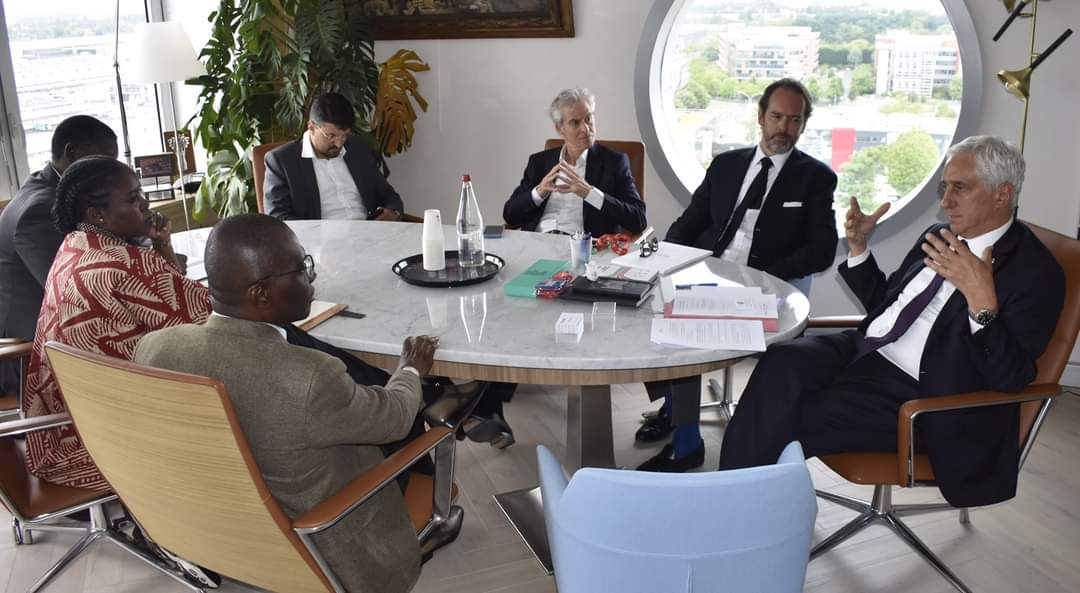
Governor Sanwo-Olu disclosed the collaboration during the visit of some Lagos State Government officials to the Rungis International Market in Paris, France, on Thursday.

Sanwo-Olu, who was accompanied by Lagos State Commissioner for Agriculture, Ms. Abisola Olusanya; Special Adviser to Governor on Agriculture, Dr. Omotola Fashola; and Executive Assistant to Governor on Agriculture, Mr. Olaniwun Gbolabo Owolabi, said the aim of the visit was to establish strategic and technical partnerships essential for the development and operationalisation of the Lagos Food and Logistics Hub.

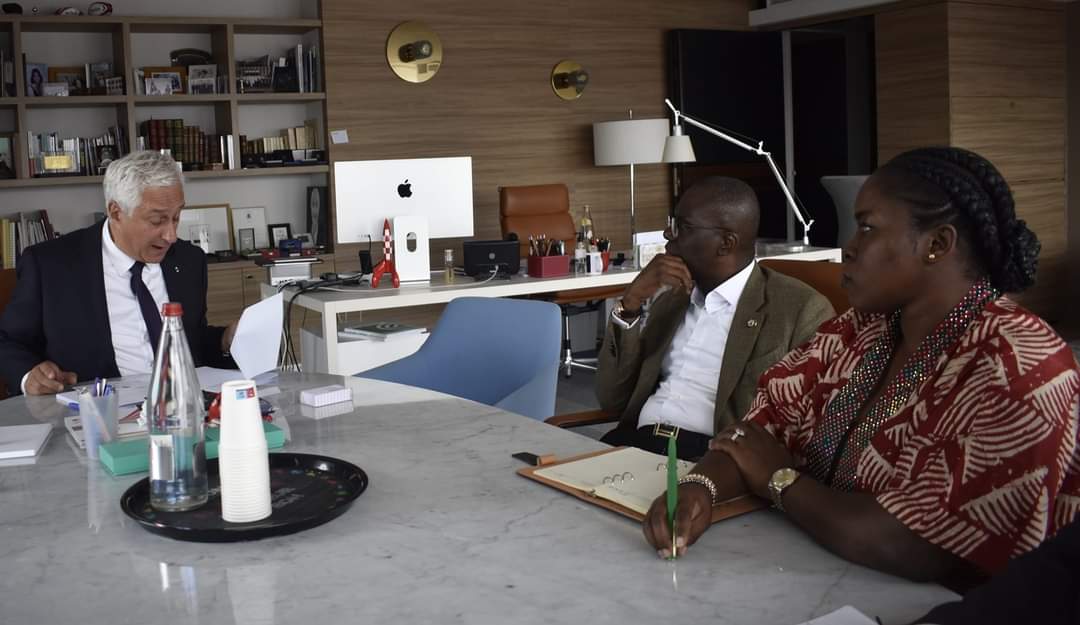
The Governor had robust discussions with some key individuals, which included the Chairman and Executive Officer of Semmaris, Stephane Layani; Director of the International Business Unit, Bertrand Ambrouse; Head of International Projects at Semmaris-Rungis Market, Timothée Witkowski; and Chairman of Origin Group, Prince S.J. Samuel.

Speaking about the visit, Governor Sanwo-Olu said: “I had the opportunity to explore the vibrant Rungis International Market in Paris. I was inspired to discover that this market is not just the second-largest wholesale food market in the world but also covers an impressive 232 hectares of land.

“This visit puts into motion the beginning of a meaningful strategic and technical partnership for the development and operationalisation of our Lagos Food and Logistics Hub project.

“I met with the management team of Rungis International Wholesale Food Market in Paris, France. Our discussions centred around the crucial role markets play in addressing the complexities of modern food systems, as well as exploring potential collaborations for the Lagos Food and Logistics Hub project.

“During the meeting, we were able to establish concrete plans for effective collaboration between Rungis International Market, renowned as the world’s second largest wholesale food market, and the Lagos State Government.”


Governor Sanwo-Olu and his team’s visit to Rungis International Market in Paris is part of efforts being put in place by the Lagos State Government to advance the construction of sub-Saharan Africa’s largest Food Security System and General Logistics Park on a 1.2 million-square metre site in Ketu-Ereyun, Epe.


It would be recalled that Governor Sanwo-Olu, on August 24, 2022, flagged off the construction of the Lagos Food and Logistics Hub project, which will be the largest Food Security Systems and Central Logistics Park in sub-Saharan Africa when completed. He performed the sod turning of the project at the site of the facility being built on 1.2 million square metres of land in Ketu-Ereyun, Epe.


The establishment of the food park is a component of an audacious five-year Agricultural and Food Systems Road Map (2021–2025) launched in 2021 by the Babajide Sanwo-Olu administration to enhance food sufficiency in Lagos.


When completed, the central food and logistics hub is expected to create direct wealth for more than five million traders in the agricultural value chain while guaranteeing uninterrupted food supplies to more than 10 million Lagosians for at least 90 days in a period of scarcity.


The hub will have storage facilities for more than 1,500 trucks that will daily service the needs of thousands of operators within the food value chain throughout the year, while large commercial transactions will be processed in the facility.


The central food hub would guarantee greater returns for farmers and investors in the agro-allied sector, as the facility would cut out several layers of middlemen and facilitate improved access to modern processing and packaging services. The market matrix generated from the facility would help the government generate useful data for public planning and for the use of private sector players to project investment.


#AGreaterLagosRising

#LASG

Why Petrol, Diesel Prices May Not Drop Despite Dangote Refinery — Experts

0

The refinery has begun the supply of diesel and aviation fuel to marketers in the country while petrol supply is expected to commence mid-July.


Experts believe that prices of petrol and diesel may not crash significantly despite the commencement of production at the Dangote Petroleum Refinery.


With the removal of subsidy on petrol in May 2023, the price per litre of petrol jumped from around N184 to over N600 depending on the location. Diesel also sells for about N1500 per litre at retail outlets.


They said though the behemoth refinery is located in Lagos, Nigeria, the input cost for the operationalisation of the $20bn facility is import-dependent, adding that the volatility of the foreign exchange rates might make it difficult for any marginal reduction in the prices of the premium commodities.


These were the thoughts of the Publisher of Sweet Crude Reports, Hector Igbikiowubo; and Nairametrics Founder, Ugodre Obi-Chukwu; on Inside Sources with Laolu Akande, a socio-political programme aired on Channels Television on Friday.


Both Igbikiowubo and Obi-Chukwu commended Africa’s richest man, Aliko Dangote, for defying all odds to ensure that his dream to build a functional refinery came to life.


They said Dangote demonstrated that the Federal Government has no excuse not to get the country’s four dormant refineries working and urged the Nigerian National Petroleum Company (NNPC) Limited to increase crude supply to the private refinery.


The billionaire business tycoon recently said his refinery would continue to import 24 million barrels of West Texas Intermediate crude due to insufficient local crude production and supply by the state-run NNPC.


The experts said though the private refinery won’t solve Nigeria’s energy security needs, its operations would go a long way in making premium petrol products available in the country.


“The Dangote Refinery cannot solve the problem because the Dangote Refinery will continue to pay for crude oil in USD (United States Dollar),” Igbikiowubo said.


“The question now is how come the NNPC isn’t allotting all of its 445,000 barrels per day to the Dangote Refinery for refining? Why is it convenient to export crude oil when you have a facility like the Dangote Refinery up and running? You make more money if you export refined petroleum products than if you export crude oil.”


Obi-Chukwu agreed with Igbikiowubo that the dominance of the greenback in the operational cost of the Dangote Refinery might not necessarily lower the cost of the refined products for end users.


Obi-Chukwu said, “As much as the refinery is local, most of the input cost for that refinery is still going to be imported. Whether it is the personnel that will service the refinery. Whether it is the spare parts that will be changed and serviced. Even the crude itself is also being imported.


“A lot of the breakdown of the cost still has foreign components in there. So, it is quite unlikely that you might see a substantial amount of savings to the end consumers. Nevertheless, even if we get 10% savings, it is still better than what we currently have.”


The refinery sited in Lagos and owned by the billionaire businessman commenced operations last December with 350,000 barrels a day. The refinery hopes to achieve its full capacity of 650,000 barrels per day by the end of the year.


The refinery has begun the supply of diesel and aviation fuel to marketers in the country while petrol supply is expected to commence mid-July.


Energy Security

The experts said though the Dangote Refinery has been operational, the country’s four refineries sited in three locations across the country should be made to function to guarantee energy security for the country.


The four state-owned refineries which are in dilapidated condition are sited up north in Kaduna with three units sited in the southern region – Port Harcourt and Warri. Attempts to get them working for about two decades have not been successful despite billions of naira spent on turnaround maintenance.


The newspaper publishers believe the Bola Tinubu administration should do all in its ability to make the state-owned refineries work.


Igbikiowubo said, “The essence of having the NNPC refineries working is to guarantee energy security for the Nigerian state.”


He said though the NNPC has about 20% stake in the Dangote Refinery, the refinery does not belong to the Nigerian state.


“We should have a coherent energy security in place,” he said. “If you have refineries, those refineries should work.”


Igbikiowubo said privatisation of the state-owned refineries does not guarantee energy security as the private company is interested in profit-making for its shareholders and not necessarily ensuring that the populace gets the premium commodities easily and at cheap rates.


“Where is NITEL today? It was privatised. Where is Daily Times today? It was privatised. We need to be accountable. The money sunk into the refineries, what happened to them?”Igbikiowubo asked.


“Last year, the petroleum minister granted an interview that the Port Harcourt Refinery would be up by December. This is June and nothing has happened. He is not being held to account.”


He said subsidy removal should be predicated on local refining and not import-dependent products controlled by the vagaries of foreign exchange.


“You have a group of persons who are benefitting with the status quo and they will do everything to ensure the status quo remains,” said the Sweet Crude Reports publisher.


‘Privatise With Clear Mandate’

The publisher of Nairametrics posited that privatisation can work – and it has worked before in other sectors of the country – if done the right way.


“We’ve practiced one model before, the government trying to run the refineries. It hasn’t worked. What we see now is funds being misappropriated from the very limited funding space that we have as a country and these funds are being squandered. So, there is no point. The same thing with the Ajaokuta Steel.


“You have to privatise properly with a clear mandate and key performance indicators including public list on the Nigerian Stock Exchange (NSE),” he said.


He urged the government to set the right policies to allow private businesses to flourish in the country.

Why fintech companies acquire microfinance banking licences – Baobab CEO

The acting Chief Executive Officer of Baobab Microfinance Bank, Eric Ntumba, speaks on how Nigeria can leverage technology to drive savings and financial inclusion, among other industry issues, in this interview with ANOZIE EGOLE


Can we increase aggregate savings in Nigeria by liberalising banking?


Yes, I believe so. Technology has always been a catalyst for accelerating the processes. A digital savings product can enhance the speed and efficiency of saving, leading to an increase in the overall savings of the country if widely adopted.


Do you see fintechs replacing microfinance banking in Nigeria?


It depends on what you define as fintech. Many fintech companies eventually acquire a microfinance banking licence to gain more options. Most fintechs present themselves primarily as payment platforms. However, once they obtain a microfinance banking licence, they can also lend. Thus, they become relevant competition as they are equipped to perform the same regulatory activities we do. Whether we are a fintech depends on the definition, but fundamentally, we are a financial institution that uses technology.


Can microfinance banks reduce the cost of savings to encourage?


Yes, by digitising the savings process, we remove the cost of physical transactions, making saving more convenient and cost-effective. Although some costs like Internet access remain, we plan to introduce a USSD format for people without smartphones or Internet access, extending our product reach to people using feature phones.


With the current economic hardship, do you think people can still save?


Yes, one way to combat inflation is to ensure that money earns interest between receipt and expenditure. Jollof+ allows for this, making savings relevant even in tough economic times. While some people might struggle to save, earning interest could help alleviate inflation’s effects.


What prompted Baobab to launch the Jollof+ app?


The app was designed to provide more convenience to our customers, allowing them to save from the comfort of their homes, businesses, or offices. The initiative was part of Baobab’s transformative efforts, as we believe banking should no longer be a place you go to whenever you need to. The goal is to empower our customers to become their bankers, managing their savings and investments independently. Additionally, digitisation enables us to extend our outreach far beyond the structural limits of physical branches, helping us reach more people, tap into new segments, and serve our existing customers better. This is the key rationale behind the launch of Jollof+.


Can you elaborate more on this?


Yes, the main driver of the application is to push for convenient savings. Saving is inherently an effort; you choose to defer an expense. So, adding further effort, like traveling to a branch, can complicate this process. By removing these peripheral barriers like transportation to branch location during the opening hours we make saving simpler. Customers can fund their Jollof+ wallet and choose the best investment or savings option that fits their needs. This convenience increases the likelihood of higher savings volumes.


Can you explain the options available on the app?


Related News

Each option on the app has specific features and benefits. Like the JollofLock was designed primarily for long-term savings, this time deposit product offers interest upfront for a predefined period. You can top up the initial amount during the term. The baby box was designed to save for children’s future needs. You can start saving even before the baby is born and save for as many children as desired. The Ajo could be used for individual or collective savings, suitable for individuals or groups with specific saving targets while the Jollof flex ensures that even the balance in your Jollof wallet earns interest, providing flexibility before deciding on a specific investment or savings option.


Are microfinance banks ready for a $1tn economy?


It depends on how readiness is defined. Microfinance banks play their legitimate parts at different levels. At Baobab, we are financially sound and supported by a strong shareholder structure making us able to make the required investments to bring relevant contributions to the national effort.


Do users need a Baobab account to use Jollof+?


No, even non-Baobab customers can use Jollof+. The account can be funded using a debit card from any bank.


Is there a need for recapitalisation in the microfinance sector?


The regulator sets capitalisation thresholds. Only the regulator can assess and issue guidelines. For now, we comply with current requirements and are prepared to meet any future changes if and as they arise.


Has the increase in MPR and interest rates affected loan repayment capacity?


Our portfolio quality has not deteriorated with the portfolio at risk below three per cent, better than the industry average. We aim to ensure our customers continue to manage their debts effectively.


The main challenge is pushing the limit of financial inclusion. Many people remain unserved or underserved. We must be relevant to them through our product offerings and outreach. Digital solutions, including USSD, can help overcome barriers and boost sector outreach.


How competitive is your interest rate?


We believe we transparently offer the best interest rate – up to 21.60 per cent net on the Jollof+ app.


What message do you have for your customers?


We look forward to people enjoying Jollof+. It offers convenience, options for targeted savings, and good savings habits, especially for the tech-savvy youth. The interest earned can help combat inflation, making Jollof+ a valuable tool for financial management for all.

Flutterwave partners with EFCC to establish Cybercrime Research Center in Nigeria 

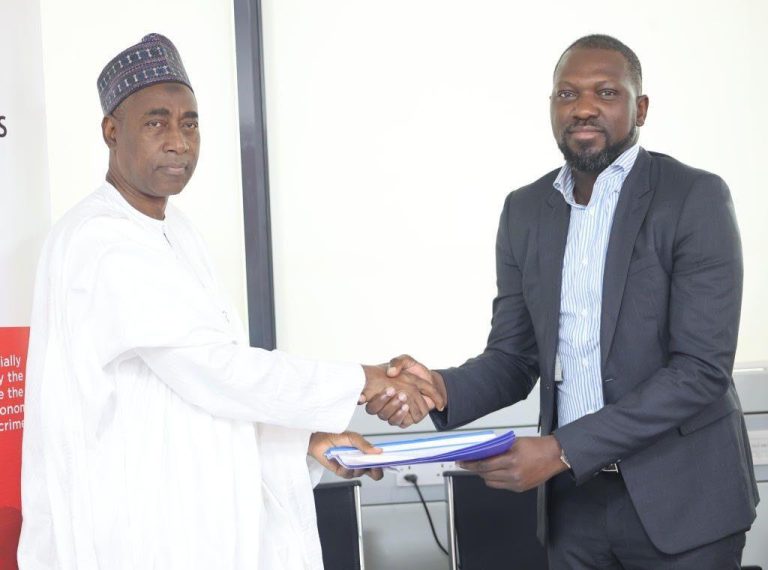
Nigerian fintech giant, Flutterwave, has entered into a partnership with the Economic and Financial Crimes Commission (EFCC) to set up a Cybercrime Research Center in Nigeria.


According to a statement from the two parties, the initiative aims to intensify the fight against Internet crime, enhance the security of business transactions, and provide a sustainable lifeline to youths across the country.


A Memorandum of Understanding (MoU) was signed on June 14, 2024, by the Secretary of the EFCC, Mr. Mohammadu Hammajoda, and the CEO of Flutterwave, Olugbenga Agboola, to seal the deal.


The Centre


The Cybercrime Research Center, to be established at the new EFCC Academy, is expected to serve as a hub for advanced research, training, and capacity building in the fight against financial crimes. It will focus on several key areas, which include:


Advanced Fraud Detection and Prevention: Developing and implementing cutting-edge technologies to detect and prevent financial fraud. The centre will offer comprehensive training for law enforcement and industry professionals to combat modern financial crimes effectively.

Collaborative Research and Policy Development: Engaging in joint research initiatives and policy formulation to enhance the understanding and regulation of financial crime. The center will provide a platform for the exchange of ideas and best practices between the public and private sectors.

Youth Empowerment and Capacity Building: Providing high-end training and research opportunities for 500 youths, equipping them with the skills needed to navigate and excel in the digital economy.

Technological Advancement and Resource Enablement: Creating a repository of advanced tools, technologies, and resources to support financial crime investigations, including protocols for addressing emerging threats such as cryptocurrency-related crimes.

What they are saying


Commenting on the initiative, Flutterwave’s CEO, Agboola, reiterated the company’s commitment to promoting secure and safe transactions.


“This initiative underscores our commitment to creating a fraud-free financial ecosystem and leading the charge in safeguarding transactions across Africa. We applaud the EFCC’s relentless efforts to combat internet fraud and other illicit activities in the financial sector,” he said


The Executive Chairman of the EFCC, Mr. Ola Olukoyede, also expressed his appreciation for the partnership, noting,


“The EFCC is impressed with the strides and expanse of Flutterwave across Africa. This partnership marks a significant leap forward in our efforts to combat financial crimes and ensure a secure financial landscape for Nigerians.


The Cybercrime Research Center will significantly enhance our capabilities to prevent, detect, and prosecute financial crimes.”


What you should know

As the payments ecosystem continues to evolve, the prevalence of financial fraud remains a significant challenge, threatening the stability and trust in financial systems.


This partnership between Flutterwave and the EFCC exemplifies how public-private collaboration can effectively address these issues, paving the way for a more secure and prosperous economy in Nigeria and across Africa.


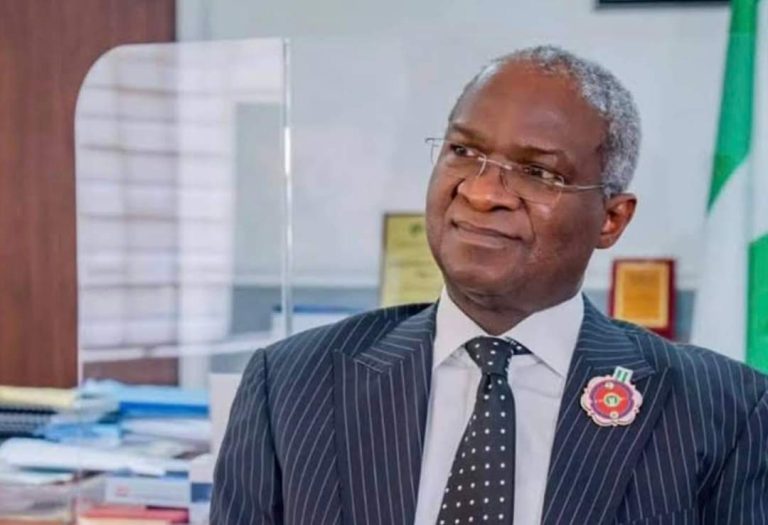
Minimum wage review: My takeaway, by Babatunde Fashola

During my participation at the Covenant Nation’s The Platform event, on June 12, 2024, I promised to provide a reasoned contribution to the conversation on minimum wage.


Here it is.


The extant law on minimum wage is the National Minimum Wage Act 2019, which came into force on the 18th of April 2019; and it provides in Section 3 (4) that:


“The national minimum wage expires after five years, and it shall be reviewed in line with the provision of this Act.”


Please note that it is the “minimum wage” that has expired but not the Act, and as is shown in the underlined portion above, the review of the 2019 minimum wage provisions, after the period of five years, shall be in line with the provision of the 2019 Act.


What is the minimum wage?


The answer is to be found in Section 3 (1) of the law where it provides that:


“Every employer shall pay a national minimum wage of not less than N30,000 per month to every worker under his establishment, except as otherwise provided under this Act.”


Please note the words used in the underlined portion of the provision, namely; “wage” and “per month”.


Bearing in mind that this is a federal law, there must be constitutional authority for the Federal Government through the National Assembly (NASS) to make laws on wages.


This authority is to be found in item 34 of the 1999 Constitution as amended in the Exclusive Legislative list which confers power on the NASS to legislate on:


“Labour, including trade unions, industrial relations, conditions, safety, and welfare of labour; industrial disputes, prescribing a national minimum wage for the federation or any part thereof; and industrial arbitrations.”


On the face of it, all will seem to be normal until we examine closely what a wage is.


In my recent monograph, “The Nigerian Public Discourse: The Interplay of Empirical Evidence and Hyperbole”, I had made the point at page 89 that: “…the word…used in item 34 of the Exclusive Legislative list is minimum wage.”


It does not talk about salaries. I further stated that “…it has also been shown, wages and salaries are different and should not be conflated.” I posited that “…efforts to improve minimum wage must be that and nothing more. It must not translate to a salary overhaul by accident”.


What then is the difference between “wages” and “salaries” and what has NASS legislated?


All the definitions available recognize that wages and salaries are common methods of compensation open to the employer.


However, a salary is a fixed annual amount, payable at specific intervals subject to agreement. It can be paid weekly, bi-weekly or monthly.


On the contrary, wages refer to payment based on an hourly rate and the number of hours the employee works.


Therefore, it seems obvious from this definition that by making a law in Section 3(1) of the Minimum Wage Act that the minimum wage of N30,000 shall be paid monthly, the NASS may have acted unconstitutionally by legislating on a SALARY (monthly payment) when they only have power to legislate on WAGES, an hourly payment.This is important while the conversation on minimum wage is being had in 2024 because in Section 3(4), the minimum wage “shall be reviewed in line with the provisions of this Act” which includes Section 3(1) that has prescribed a monthly amount instead of an hourly wage.


If we follow the proper definition of wages as an hourly rate and apply the global method for computing it, which is to divide the gross annual sum by 52 weeks, and further by 40 hours recommended per week, we will have for Nigeria a minimum wage that is not N30,000 per month, but rather N30,000 X 12 (months) = N36,000 divided by 52 (weeks) = N6,923.07 divided by 40 (hours), which will give a minimum wage of N173.07 per hour.


In other jurisdictions where the minimum wage is applicable, amendments to increase them do not necessarily translate to massive distortions across the salary compensation scheme.

Peter Obi Knocks Tinubu Over Claim That Nigerians Are Not the Only Ones Facing Poverty

0

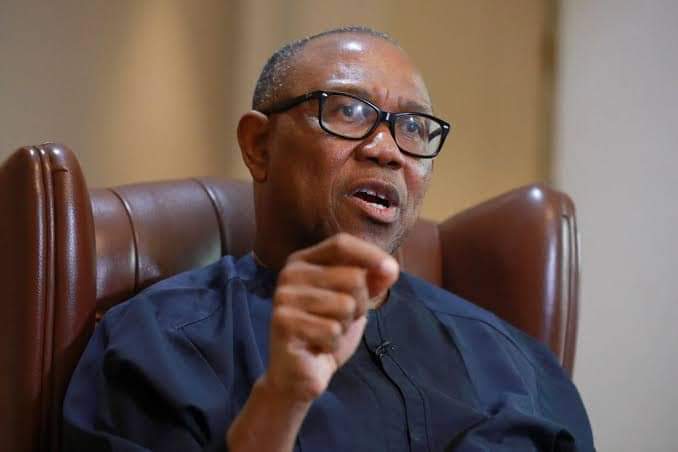
The presidential candidate of the Labour Party in the 2023 election, Peter Obi, has berated President Bola Tinubu’s recent claim that Nigerians are not the only ones facing poverty.


Obi took to the social media platform, X, to express his disappointment with the President’s remarks, which he believes downplay the severity of Nigeria’s challenges.


President Tinubu had recently stated that Nigerians are not alone in facing poverty. He went on to suggest that eliminating banditry and terrorism would allow farmers to return to their farms and help address the issues.


The President made the comment in Lagos on Monday when he received a delegation from the National Assembly who came to felicitate with him on the occasion of Eid-el-Kabir.


Reacting, Obi said there are numerous struggles facing Nigeria, including poverty, insecurity, hunger, poor education, high infant mortality, corruption, unemployment, and inadequate infrastructure and healthcare. He said there is need for concrete solutions and a clear vision to address these issues, rather than mere comparisons with other countries.


He said, “The problems facing Nigeria are well-known to all Nigerians.


“We are the poverty capital of the world, among the most insecure people on earth, among the hungriest, have poor education quality and the highest number of out-of-school children, high infant mortality, corruption, unemployment, the highest income gap between the poor and the rich, high corruption perception index, infrastructure and healthcare challenges, and more.


“It is disheartening to hear those in charge, who were hired to address our problems, make statements like “we are not the only ones struggling with poverty and hunger.” Instead of merely acknowledging that other countries face similar challenges, we need to hear a thorough plan of action to tackle our unique struggles. We require concrete solutions and a clear vision to address these issues, not comparisons that downplay our circumstances. I urge those in leadership positions to offer tangible solutions, not mere reminders that others face similar challenges. We need a comprehensive approach to tackle our specific challenges, not generalizations that dismiss our experiences. A true leader provides direction, guidance, solutions, and reassurance in times of crisis.


“This is the hallmark of visionary leadership and a trait of nations that are making progress and advancing their development. They don’t simply state the obvious but offer a roadmap for overcoming obstacles.


“Just like a pilot, who doesn’t just announce turbulence; they assure passengers that they will do everything possible to ensure a safe journey. Only then can we begin to trust that our country is in capable hands, working towards a brighter future for all Nigerians.”

Bolanle Austen-Peters’ “House of Ga’a” Arrives on Netflix July 26th | See First Looks

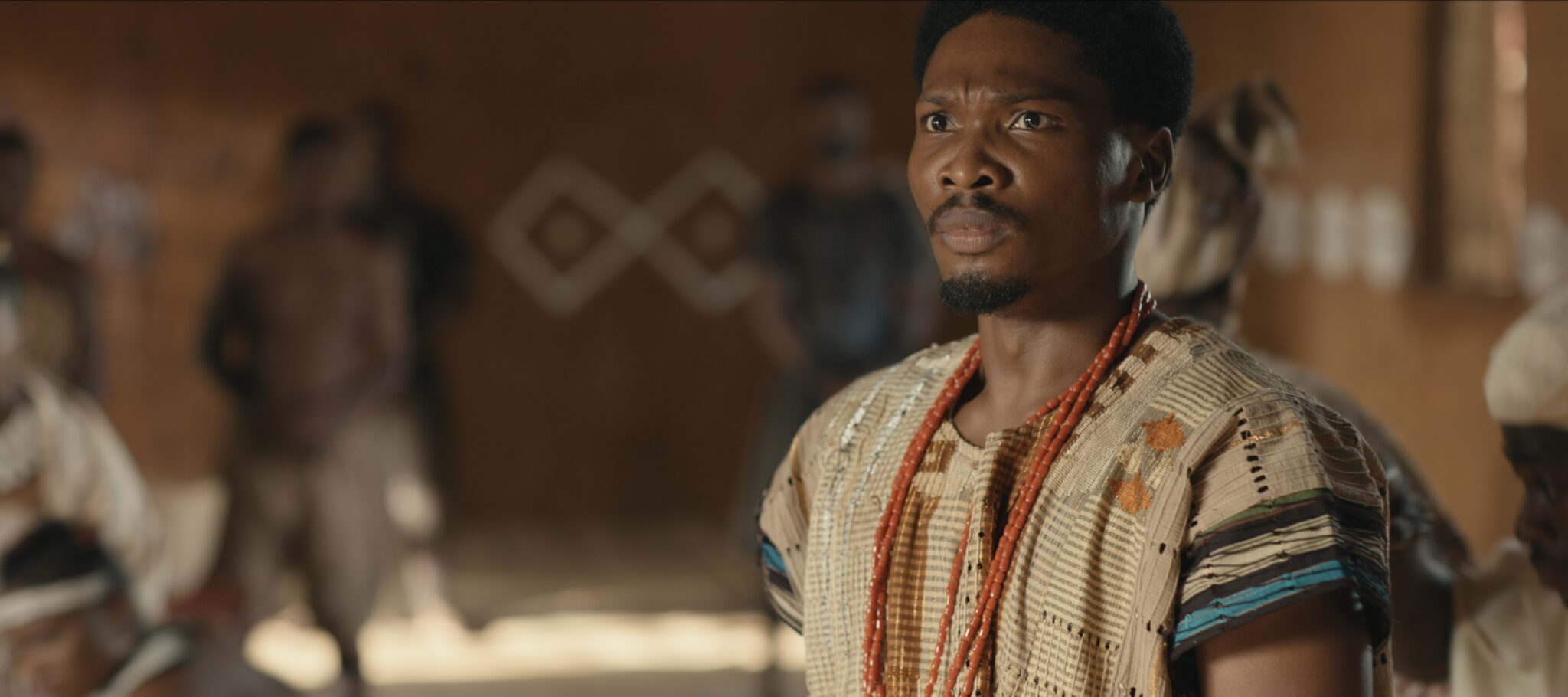
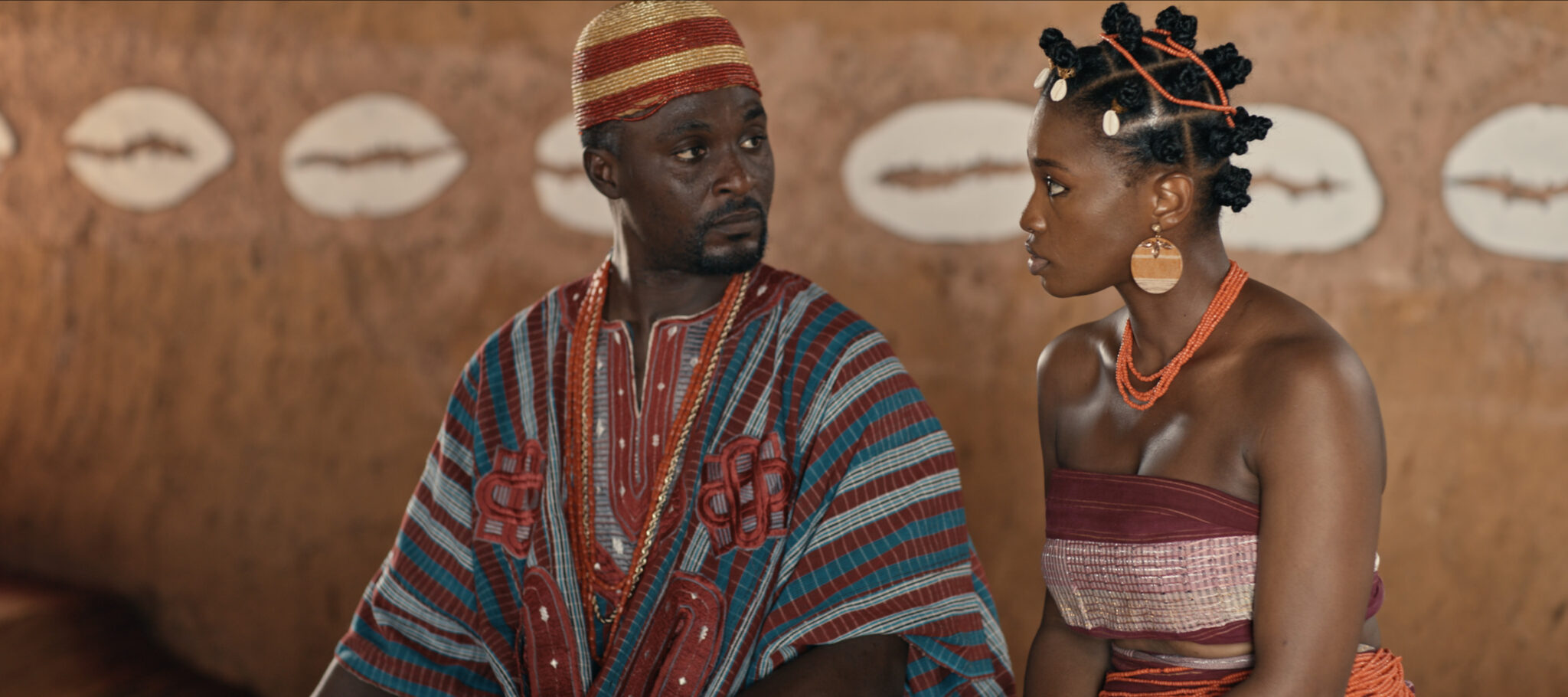
This July, get ready to be transported to 18th-century Nigeria as Bolanle Austen–Peters’ directed biopic “House of Ga’a” premieres on Netflix on the 26th. “House of Ga’a” recounts the rise and fall of a ruthless kingmaker, Bashorun Ga’a, who wielded deceit and voodoo to reign, only to be undone by his blood.


The star-studded cast includes Femi Branch, Mike Afolarin, Funke Akindele, Toyin Abraham, Ibrahim Chatta, Dele Odule, Bimbo Manuel, Lateef Adedimeji, Femi Adebayo, Gabriel Afolayan, Jide ‘JBlaze’ Oyegbile, Seun Akindele, ⁠Yemi Blaq, Adeniyi Johnson, Muyiwa Ademola, Willam Benson, Gbenga Titiloye, and ⁠Kunle Coker.


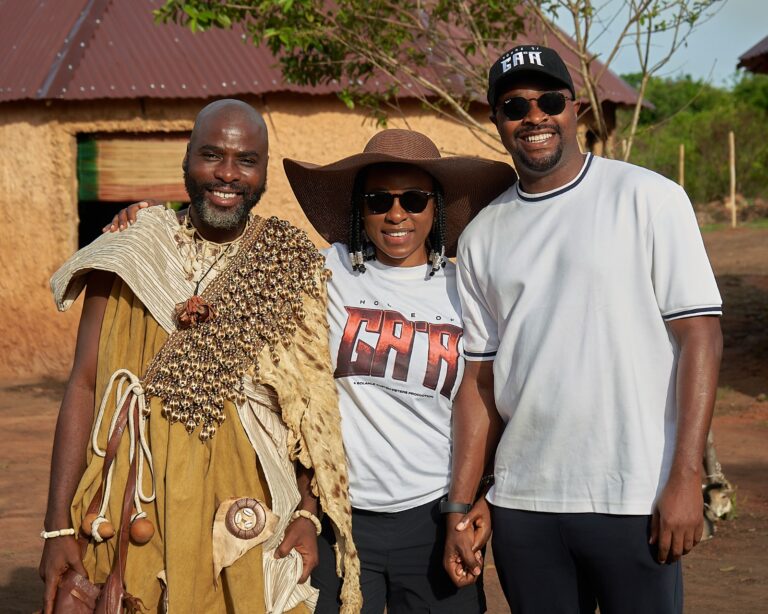
Check out the BTS photos from the set of “House of Ga’a” for a sneak peek:

House of Ga’a. Femi Branch in House of Ga’a. Cr. Courtesy of Netflix © 2024

House of Ga’a. Cr. Courtesy of Netflix © 2024

Other titles coming to Netflix in July include “Beverly Hills Cop: Axel F,” and “Elite: Season 8” set to premiere early in the month. “Vikings: Valhalla” returns with season 3 on the 11th, Bon continues his extraordinary rescue missions in season 2 of “T・P BON” on the 17th and “Find Me Falling” premieres on the 19th.


For the sports documentary lovers, “SPRINT” premieres on the 2nd, while “Receiver” arrives on the 10th. Kids and family drama continues with the return of “The Dragon Prince: Season 6” on the 26th.


A new stand-up special from comedian Chad Daniels, “Chad Daniels: Empty Nester” will premiere on the 16th and the series “Lobola Man” on Ace Ngubeni, a slick lobola negotiator will premiere on the 12th.


Farooq Oreagba, a billionaire who Unique Style Steals the Show at 2024 Ojude Oba Festival

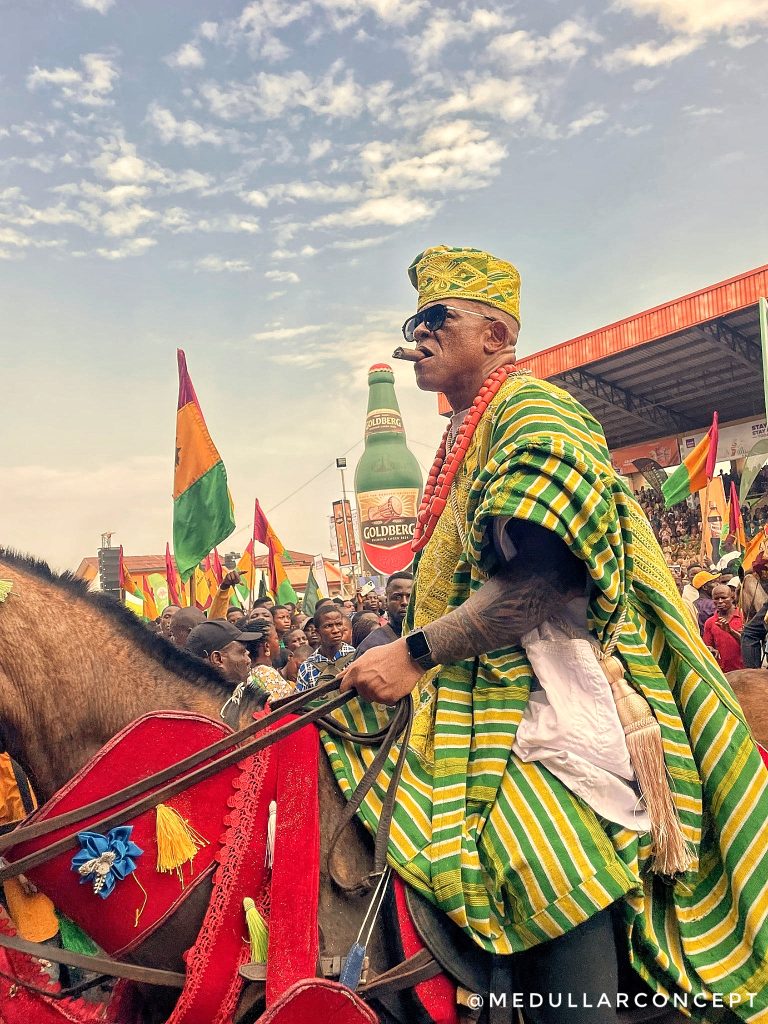
Farooq Oreagba, a Nigerian man hailing from the Oreagba Akeula family, has taken the 2024 Ojude Oba Festival by storm with his distinctive fashion sense and charisma. The annual Yoruba festival, known for its vibrant colors and rich cultural heritage, saw Oreagba stand out among the participants this year.


Images and videos of Oreagba at the festival quickly went viral on social media, capturing the attention and admiration of netizens across Nigeria. Dressed in a striking green and lemon ‘agbada and shokoto’ ensemble paired with intricate accessories such as red coral beads and a gold chain, Oreagba exuded elegance and charm.


Behind Oreagba’s striking appearance lies a remarkable life story. A finance professional with a prestigious educational background, he graduated from Oxford and holds a master’s degree from the University of East London. As a former managing director of the Nigerian Stock Exchange and Securities