


Home Blog Page 192

MTN customers using over 20GB per month

0

MTN has released its interim results for the six months ending 30 June, detailing its financial performance and the mobile data consumption of its South African users for the first half of the year.


The telco revealed that postpaid data consumption on its network had increased by 51% since the start of the year to 21.9GB.


MTN attributes most of this increase to its fixed network access business.


On the other hand, prepaid users’ data consumption has increased by 9.9% since the beginning of the year, bringing their average usage to 3.1GB per month.


MTN’s total data revenue grew by 2.4% over the reporting period, contributing 47.6% to telco’s total service revenue.


The revenue growth was attributed to active data users increasing by 10.5% to 21.6 million, which brought about a 36.5% increase in data traffic for the six months.


Service revenue increased by 3.2% and 0.6% for consumer postpaid and prepaid services, respectively.


MTN said that economic constraints hindered the performance of its postpaid customer base due to a lack of out-of-bundle spending.


As for subscriber numbers, the mobile network saw a 4.7% increase in its South African consumer base or a net addition of one million — growing to 38.5 million.


Postpaid subscribers grew 9.2% to 9.4 million in H1, whereas prepaid consumers saw a much lower increase of 3.3%, bringing the total to 29 million.


Although the increases in consumption may seem high, it translated into revenue increases of roughly ten times less.


The postpaid business saw a 51% increase in data consumption, yielding 3.2% revenue growth, and prepaid customers increased consumption by 36.5%, yielding a meagre 0.6% growth in revenue.


Asked about this, MTN CEO Ralph Mutipa said that although both the postpaid and prepaid businesses had grown, the prepaid side had been more muted than they had hoped.


This was said to be because prepaid prices were too low for the higher data consumption to affect revenue.


“While this outcome reflected a slight slowdown in momentum in Q2, price increases implemented towards the end of Q2 for prepaid data are anticipated to support an improvement in growth in H2,” MTN said in its financial report.


Mupita also pointed out that there was still work to be done on the pricing of MTN’s biggest driver of postpaid consumption — fixed wireless access.


He said there was very strong demand for residential wireless broadband services, but getting the pricing right would take some time.
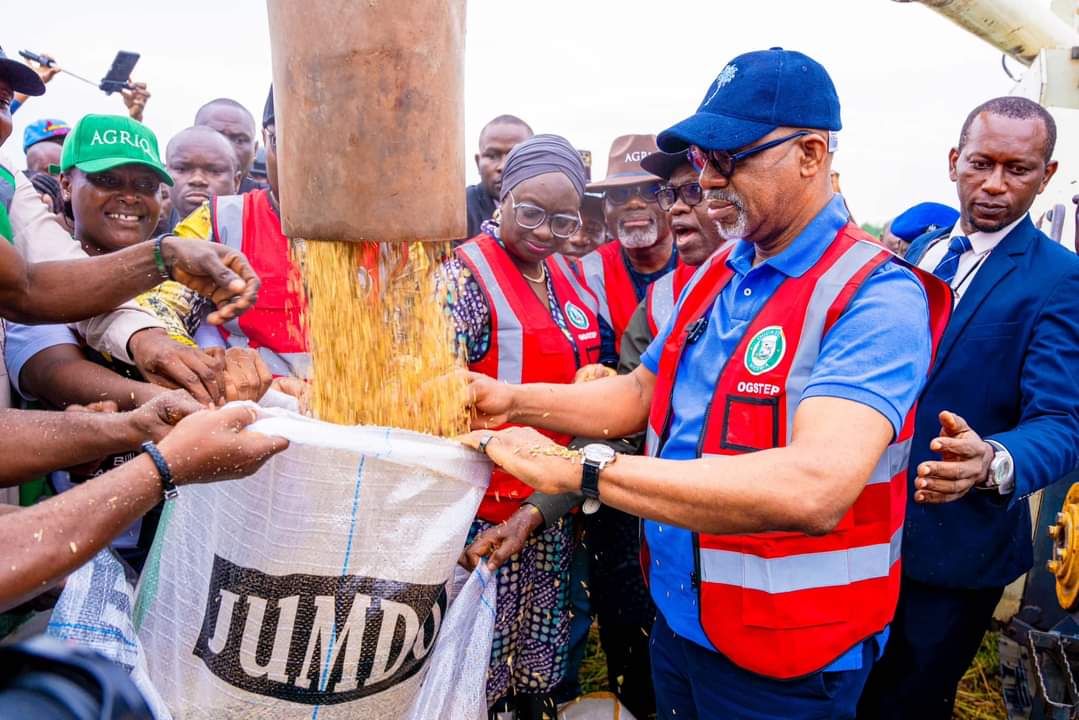
 

Ogun Joins Rice-Producing States as Abiodun Flags Off Harvest of 200-Hectare Plantation 

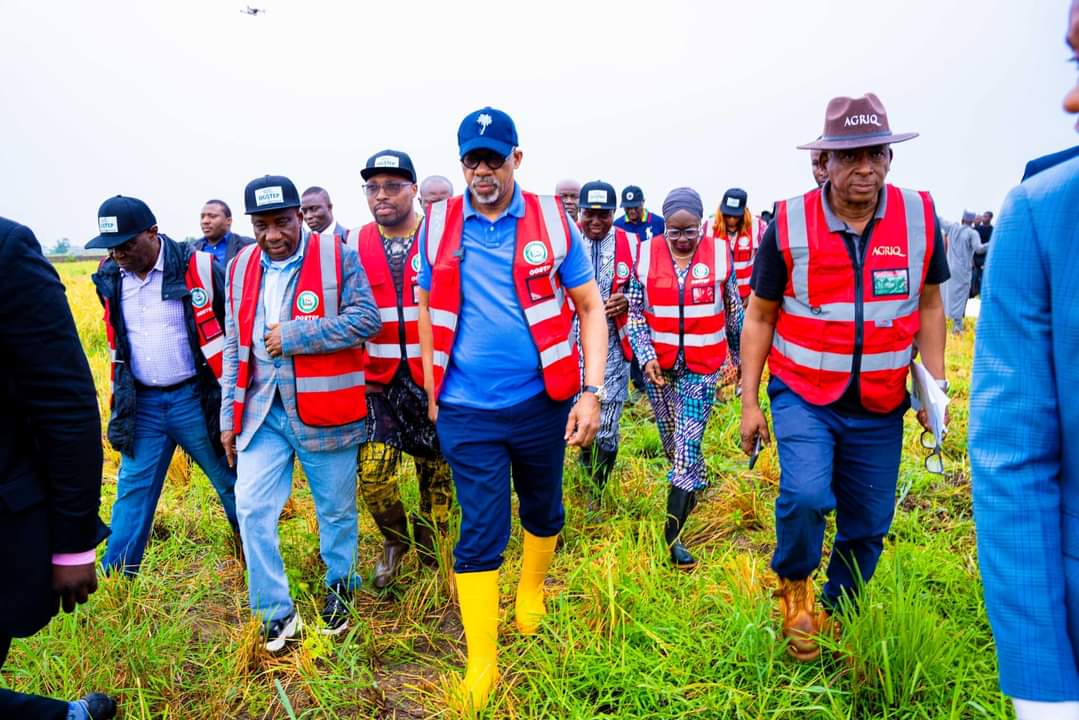
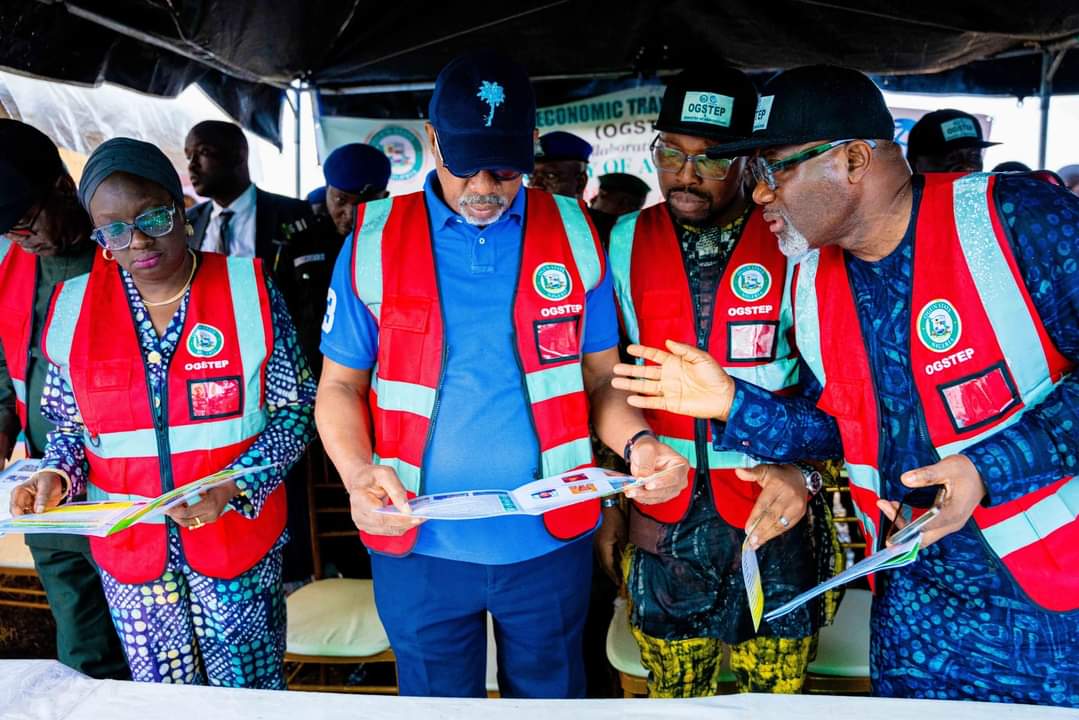
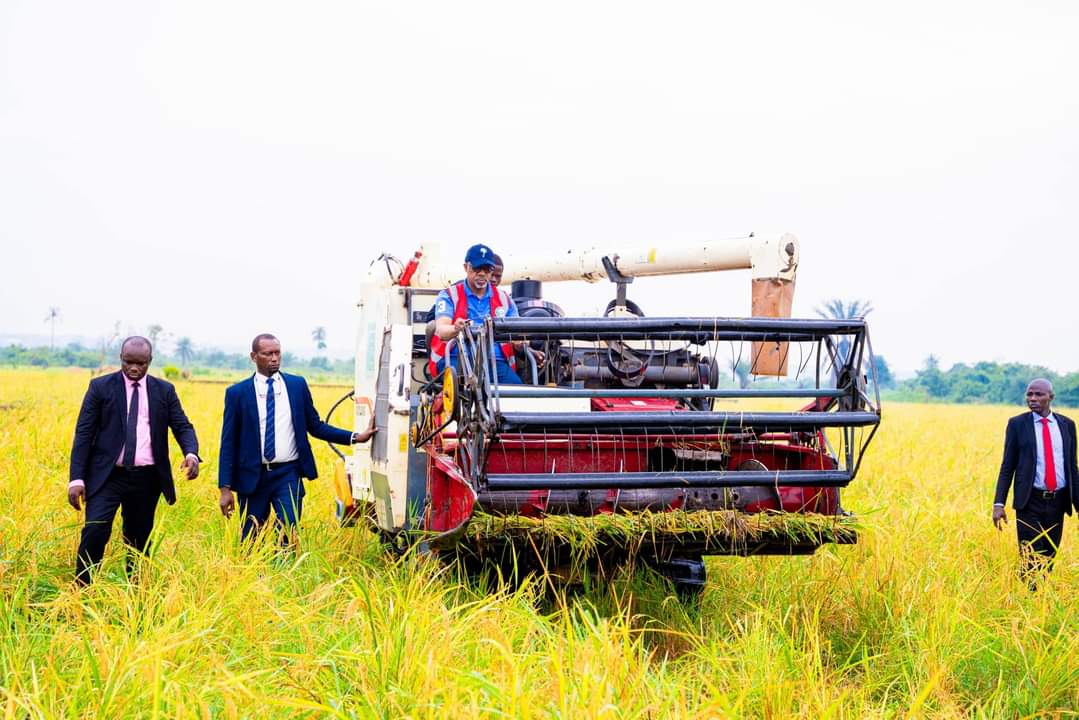
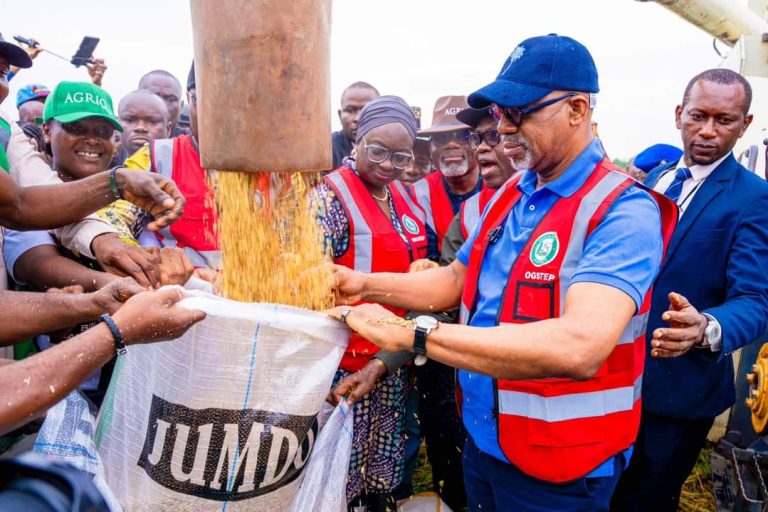
Ogun State has joined the league of rice-producing states in the country with the flagging off of the harvest of 200 hectares of farmland at Magboro Rice Farm in Obafemi-Owode Local Government Area of the state.

The farm is the brainchild of the Ogun State Economic Transformation Project, supported by the World Bank and aimed at driving economic growth and development in the state.


Speaking on the occasion, Governor Abiodun said that with the flag-off, Ogun State is not only joining states like Lagos, Kebbi, and Bayelsa in producing locally grown rice for the consumption of the people, but also fostering economic development, creating jobs, and improving livelihoods within the communities.

He said: “This is a 200-hectare rice farm. The farmers are mainly women and youths from all parts of the country and not just from Ogun State alone.


“Each farmer was allocated one hectare of farmland; this means that we have 200 farmers in this cluster. This project started in April this year. They began planting in May, and today we are already harvesting, making it a three-month cycle. It means that we can do this three times a year.’

Abiodun noted that the farm, with a seven metric ton yield per hectare, could translate to 1,400 metric tons for 200 hectares of milled rice with an efficiency yield of about 70 percent, which would also translate to about 20,000 bags of milled rice per cycle.


“20,000 bags of milled rice per cycle should be estimated to cost about N1 billion. So, these 200 farmers, made up of women and youths across the country who farm here in just three months, have a revenue of N1 billion. If they do this three times this year, they will earn N3 billion. We have no business being hungry in Nigeria.

“In this place, I have 12,500 hectares of land, and all we have farmed is 200 hectares that yielded N1 billion for 200 farmers. From here, I can feed the rest of the country. We will scale up this project immediately from 200 to 2,000 hectares.


“We can generate N30 billion in revenue. We can take significant steps towards realizing that vision of making Ogun State the food basket of this country,” he added.


The governor stated that the project is in line with President Bola Tinubu administration’s resolve to eradicate poverty and hunger by providing affordable food to Nigerians, adding that the project, apart from increasing rice production, would also address animal husbandry.


Governor Abiodun emphasized that the state is blessed with adequate manpower and natural resources, stating that agriculture remains an important agenda of his administration as it provides employment and raw materials for the numerous industries that abound in the state.


He said the OGSTEP Agricultural Sector Intervention will provide critical support, including advanced agricultural techniques, access to quality seeds, modern irrigation systems, and technical training for farmers, adding that the approach is offered to beneficiaries at a 65 per cent discount on the cost for each mechanization operation.


While lauding the people, especially members of the communities, for supporting the project, the governor promised that the farm would be provided with solar pumps to power the boreholes, as well as modern drones for effective pest control.


Commissioner for Agriculture and Food Security, Hon. Bolu Owotomo, said the project is in tandem with the agricultural policy of the Abiodun-led administration: ensuring food sufficiency for the people.


The Economic Adviser, who is also the Commissioner for Finance, Mr. Dapo Okubadejo, while commending the farmers for their determination, noted that the project is part of the agenda of producing food locally to feed the populace.


The Project Coordinator, Mrs. Mosun Owo-Odunsi, said the project, which aims to produce high-quality rice, would positively impact the lives of citizens in all sectors, appreciating the governor for providing the necessary support.


In his goodwill message, the Olu of Magboro, Oba Modiu Alalade, acknowledged the great impact the project has on the communities in the area, stating that the town has enough farmland to accommodate more farmers to produce sufficient food for the country.

OONI’S ROYAL TWINS ARRIVE ILE-OODUA PALACE IN GRAND STYLE

0

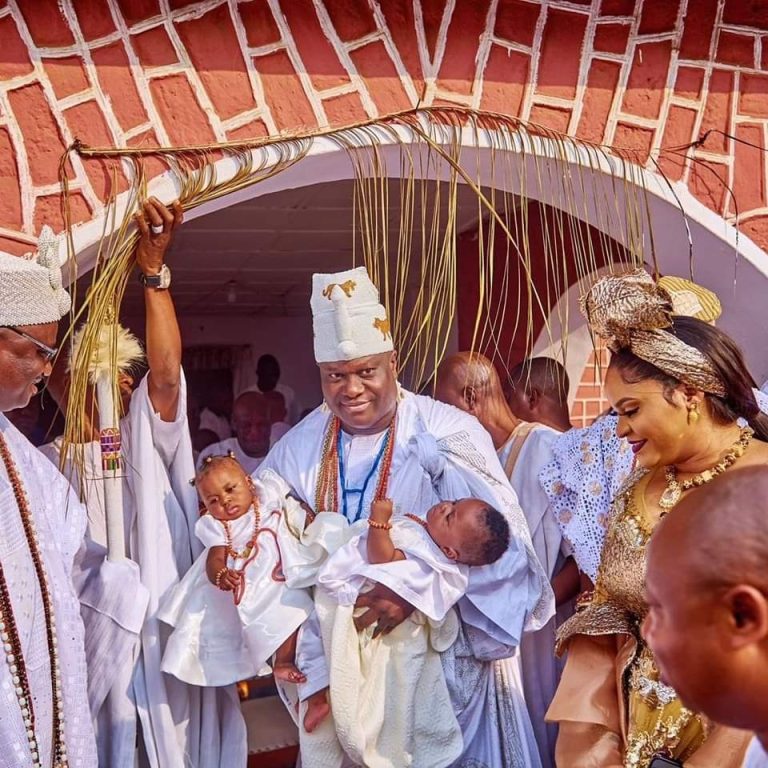
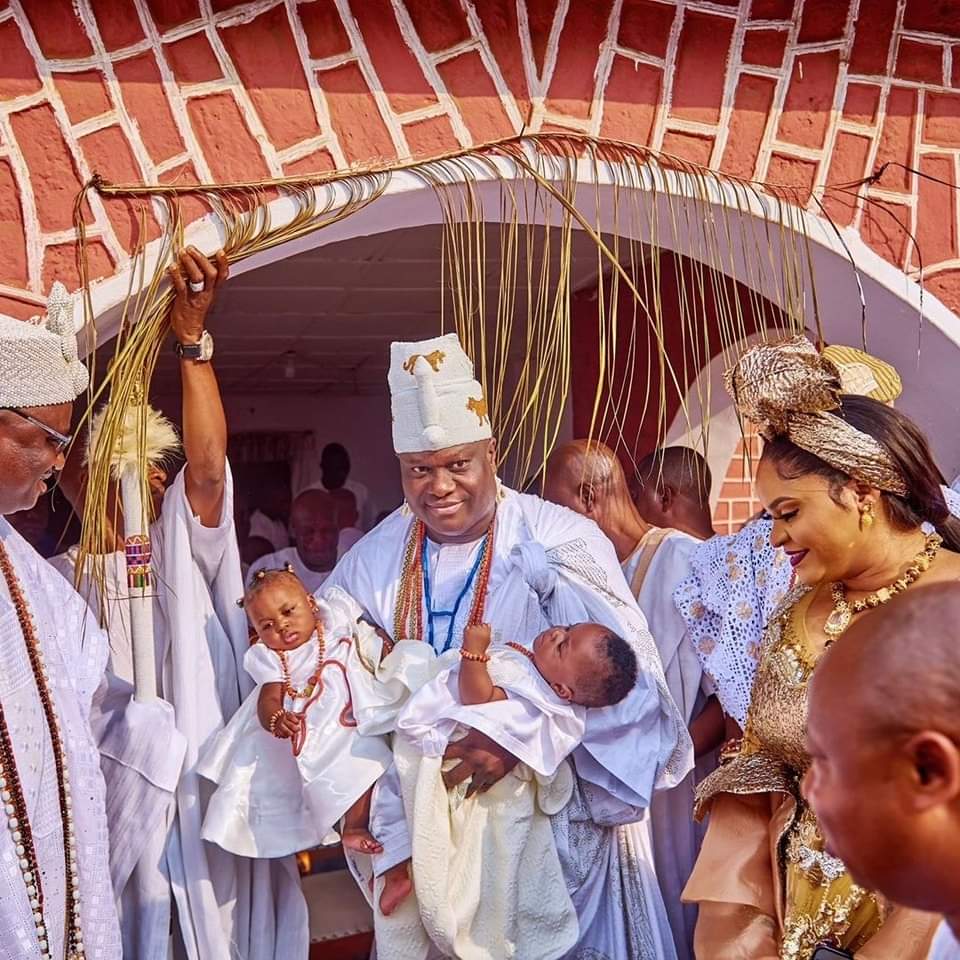
Prince Adesina and Princess Adesewa Ogunwusi, the twins of Arole Oodua Olofin Adimula, Ooni Adeyeye Enitan Ogunwusi, CFR, Ojaja II, the Ooni of Ife on Sunday, 18th, August, 2024 made their much awaited historic arrival to their father’s palace, at Ile-Ife received by their father; Ooni Ogunwusi in company of the Royal family members, traditional rulers, highchiefs, chiefpriests and other palace stakeholders.

Offering traditional rites to receive the twins in line with the tradition and customs of Ile-Ife which is the ancestral home of the Oduduwa race globally, the the Global Head of Ifa Cult(Araba Agbaye), Araba Awodotun Aworeni and the Obadio of Ile-Ife who the Custodian of the Oduduwa shrine, Highchief Obadio Farotimi Faloba used the medium to perform all the necessary spiritual supplications to welcome the twins to the House of Oduduwa.

Lowa Adimula of Ile-Ife, High Chief Adekola Adeyeye who led the newest prince to the abode of Oduduwa used all the emblems and symbols of the Oodua sacredness to pray for their father; the king and their mother; the queen, Ile-Ife and the entire Oduduwa race.


Obalufe of Ife who doubles as the traditional prime minister of the kingdom, HRM, Oba Idowu Adediwura called on the ancestors to guide, protect and elongate the life of the newest royal twins of the Arole Oodua. He described Ooni Adeyeye Enitan Ogunwusi as a pacesetter being the first Ooni to have twins as children since the creation of the throne of Oduduwa several thousand of years ago.

As part of the required rites, the obviously elated father of the Royal twins; Ooni Ogunwusi took the male twin; Prince Adesina to a sacred chamber(Ile Igbo) the ancient room where Oduduwa lived during his days to commune with his ancestors on the arrival of the prince into the lineage of the Ooni as the tradition of Ile-Ife implies.


Signed:

Otunba Moses Olafare,

Director, Media & Public Affairs,

Ooni’s Palace.

Kano-Niger rail project to displace 12,695 homes, 2,064 assets in Nigeria

0

Kano-Niger rail project to displace 12,695 homes, 2,064 assets in Nigeria – Report

At least 19,238 individuals economically affected

According to the report, the displacement will affect 19,238 individuals economically, while also leading to the resettlement of numerous communities along the railway route.


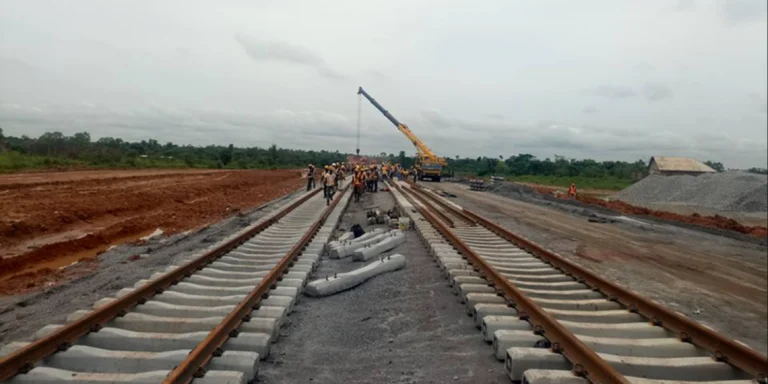
It noted: “The project will run through 122 communities in 25 LGAs across three States in Nigeria, and 11 communities in three communes in Niger Republic. In addition, according to the Supplementary RAP report, physical and economic displacement will involve the loss of 12,695 residential houses, the loss of 2,064 complementary assets, and 19,238 economically displaced persons.”


The environmental and social impacts of the project are categorized as significant, making it a Category A investment under the International Finance Corporation (IFC) and Equator Principles 4 (EP4) risk categorization systems.


The assessment covers a 393-kilometer railway route that spans Kano, Jigawa, and Katsina states in Nigeria and extends to Maradi in the Republic of Niger.


The project, which includes the construction of 13 stations and several ancillary buildings, is expected to improve transportation infrastructure between Nigeria and Niger.


However, the scale of displacement highlighted in the report has raised concerns about the project’s social impact, particularly in the affected communities.


Despite these challenges, the report indicates that the adverse effects can be mitigated through appropriate social safeguards and resettlement planning, though significant work remains to align compensation and resettlement practices with international standards.


Poor compensation

A critical aspect of the project highlighted in the report is the issue of land acquisition and involuntary resettlement.


The assessment identified gaps between Nigeria’s land compensation rates and the standards required under international guidelines.


Specifically, the report noted that compensation for the loss of structures, crops, and trees is based on government rates without adjustment for inflation or compliance with the Land Use Act.


This has resulted in a significant number of aggrieved persons, particularly in the Jiba Community of Sandanmu LGA, Katsina State, where compensation was initially paid to the wrong individuals, reflecting potentially unlawful behaviour in the process.


Moreover, the report points out that squatters and individuals without formal land rights are not eligible for compensation, a practice that misaligns with the IFC’s requirements.


Communal resources with customary rights are also excluded from compensation, a gap the report suggests needs urgent review in subsequent project updates.


The issue of land loss and its impact on vulnerable populations, especially in terms of resettlement, remains inadequately addressed, according to the findings.


What you should know

Last month, the Ambassador of Portugal to Nigeria, Jorge Adao Martins Dos Santos, announced that the construction of the Kano-Maradi railway from Kano State to Maradi in Niger Republic, handled by Portuguese firms, will be completed in two years.

According to Alkali, the China Civil Engineering Construction Company (CCECC) will fund 85% of the project, with the remaining 15% coming from the Africa Development Bank (AfDB).


Credit: Sami Tunji


OONI’S ROYAL TWINS ARRIVE ILE-OODUA PALACE IN GRAND STYLE.

0

Prince Adesina and Princess Adesewa Ogunwusi, the twins of Arole Oodua Olofin Adimula, Ooni Adeyeye Enitan Ogunwusi, CFR, Ojaja II, the Ooni of Ife on Sunday, 18th, August, 2024 made historic arrival to their father’s palace in Ile-Ife, received by their father; Ooni Ogunwusi in company of of the Royal family members, traditional Rulers, highchiefs, chiefpriests and other palace stakeholders.

Offering traditional rites to receive the twins in line with the tradition and customs of Ile-Ife which is the ancestral home of the Oduduwa race globally, the Araba Agbaye; the Global Head of Ifa Cult, Araba Aworeni and the Obadio of Ile-Ife who the Custodian of the Oduduwa shrine, Highchief Obadio Farotimi Faloba used the medium to perform all the necessary Royal supplications to welcome the twins to the land of Oduduwa.


Lowa Adimula of Ile-Ife, High Chief Adesiyan who led the newest prince to the abode of Oduduwa used all the emblems and symbols of Yoruba race to pray for their father, mother, Ile-Ife and the entire Yoruba race


The Traditional Prime Minister of Ife & Obalufe of I Ife, Oba Idowu Adediwura called on the ancestors to guide, protect and elongate the life of the newest royal twins of Arole Oodua. He described Ooni Adeyeye Enitan Ogunwusi as a pacesetter being the first Ooni to have twins as children since the creation of the throne of Oduduwa several thousand of years ago.


As part of the required rites, father of the Royal twins; Ooni Ogunwusi took the male twin; Prince Adesina to a sacred chamber(Ile Igbo) the ancient room where Oduduwa lived during his days to commune with his ancestors on the arrival of the prince into the Ooni’s lineage of the Ooni as the tradition of Ile-Ife implies.

FAAC: FG, states, LGs share N1.35trn July 2024 revenue

0

FG, STATES, LGCs SHARE N1,358.075 TRILLION FROM A GROSS TOTAL OF N2,613.791TRILLION FOR THE MONTH OF JULY 2024


The Federation Account Allocation Committee (FAAC), at its August 2024 meeting chaired by the Honourable.


Minister of Finance and Coordinating Minister of the Economy, Mr Wale Edun, shared a total sum of N1,358.075 Trillion to the three tiers of government as Federation Allocation for the month of July, 2024 from a gross total of N2,613.791Trillion.


From the stated amount inclusive of Gross Statutory Revenue, Value Added Tax (VAT), Electronic Money Transfer Levy (EMTL), Exchange Difference (ED), and N13.647 Billion from Solid Mineral Revenue, the Federal Government received N431.079 Billion, the States received N473.477 Billion, the Local Government Councils got N343.703 Billion, while the Oil Producing States received N109.816 Billion as Derivation, (13% of Mineral Revenue).


The sum of N99.756 Billion was given for the cost of collection, while N109.816 Billion was allocated for Transfers Intervention and Refunds.


The Communique issued by the Federation Account Allocation Committee (FAAC) at the end of the meeting indicated that the Gross Revenue available from the Value Added Tax (VAT) for the month of July 2024, was N625.329 Billion as against N562.685 Billion distributed in the preceding month, resulting in an increase of N62.644 Billion.


From that amount, the sum of N25.013 Billion was allocated for the cost of collection and the sum of N18.009 Billion given for Transfers, Intervention and Refunds. The remaining sum of N582.307 Billion was distributed to the three tiers of government, of which the Federal Government got N87.346 Billion, the States received N291.154 Billion and Local Government Councils got N203.807 Billion.


Accordingly, the Gross Statutory Revenue of N1,373.503 Trillion received for the month was lower than the sum of N1,432.667 Billion received in the previous month by N45.517 Billion. From the stated amount, the sum of N73.959 Billion was allocated for the cost of collection and a total sum of N1,137.951Trillion for Transfers, Intervention and Refunds.


The remaining balance of N161.593 Billion was distributed as follows to the three tiers of government: Federal Government got the sum of N58.545 Billion, States received N29.695 Billion, the sum of N22.894 Billion was allocated to LGCs and N50.459 Billion was given to Derivation Revenue (13% Mineral producing States).


Also, the sum of N19.602 Billion from Electronic Money Transfer Levy (EMTL) was distributed to the three (3) tiers of government as follows: the Federal Government received N2.823 Billion, States got N9.409 Billion, Local Government Councils received N6.586 Billion, while N0.784 Billion was allocated for Cost of Collection.


The Communique also disclosed the sum of N581.710 Billion from Exchange Difference, which was shared as follows: Federal Government received N276.110 Billion, States got N140.047 Billion, the sum of N107.970 Billion was allocated to Local Government Councils, N57.583 Billion was given for Derivation (13% of Mineral Revenue).


It further disclosed the sum of N13.647 Billion from Solid Mineral Revenue, which was shared as follows: Federal Government got N6.255 Billion, the States received the sum of N3.172 Billion, Local Government Councils received N2.446, while the sum of N1.774 Billion was allocated to Deviation (13% of Mineral Revenue).


Oil and Gas Royalty, Petroleum Profit Tax (PPT), Value Added Tax (VAT), Import Duty, Electronic Money Transfer Levy (EMTL) and External Tarrif levies (CET) increased significantly, while Companies Income Tax (CIT) recorded a decrease. Excise Duties increased only marginally.


According to the Communique, the total revenue distributable for the current month of July 2024, was drawn from Statutory Revenue of N161.593 Billion, Value Added Tax (VAT) of N528.307 Billion, N18.818 Billion from Electronic Money Transfer Levy (EMTL), N581.710 Billion from Exchange Difference and the sum of N13.647 Billion, bringing the total distributable amount for the month to N1,358.075 Trillion.


The balance in the Excess Crude Account (ECA) as at August 2024 stands at $473,754.57.


While welcoming the Federation Account Allocation Committee the Honourable Minister of Finance and Coordinating Minister of the Economy Mr Wale Edun, commended them for their show of support to the President Bola Ahmed Tinubu-led Administration especially during the recent protest. He urged them to continue to support the efforts of the Federal Government in its determination to transform Nigeria’s economy for the future of our nation.


HM Edun further commended President Bola Ahmed Tinubu for

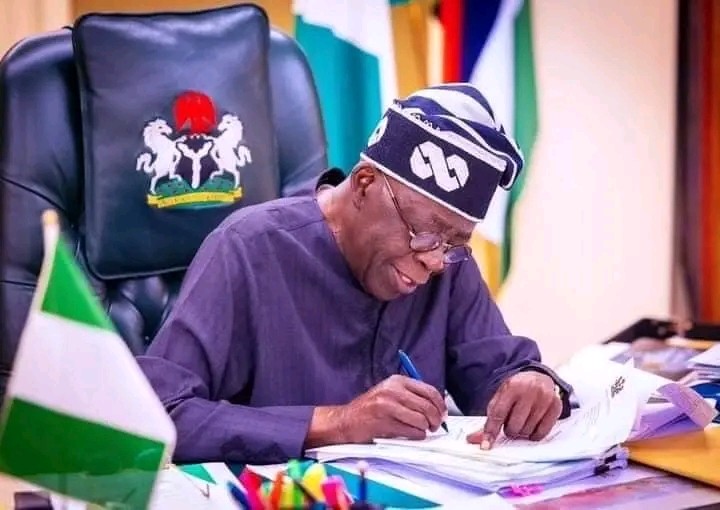
signing the National Minimum Wage Act into law, adding that its implementation will be of immerse benefit to all Nigerians.


Signed:

Mohammed Manga FCIA

Director, Information and Public Relations

August 16, 2024.

Dangote’s Megaproject Refinery: Any hope for survival?

0

The first $15 billion was already spent on Nevada’s Yucca Mountain mega project until the Obama administration scrapped the project! A total of $65 billion, including damages, was spent on Yucca, and the ground was covered back without a project after spending $65 billion!


Nigeria’s Government has in stock 11,866 abandoned megaprojects, three of which account for about 60 per cent of the national debt. For Ajaokunta Steel, the government spent $10 billion on the project and was on-site for 42 years, and no steel was produced!


The iron law of megaprojects is cost overruns, schedule delays, and benefit shortfalls over and over Again. A megaproject is considered a project in which at least $1 Billion and above is expected to be invested. It is usually not an ordinary project. Megaprojects typically come with converging complexities. It is simply the converging complexities that Dangote is facing, with megaproject you must keep explaining! He must contend with cost overrun (it is different from what you think the project will cost that you will spend! You find that in Dangote refinery!). You must prepare for the scheduled delays (it was different from when you planned to commission the project that you will commission, for you keep rescheduling the commission date if you ever commission it! Dangote shifted his commissioning date of the project many times).


You will see benefit shortfalls (it is not when you think the project will benefit the society and yourself that you will get benefits! Dangote is at a loss on where his project’s benefit is). If you know all of this, you will understand the Dangote refinery project. This underscores the need for meticulous planning and execution in megaprojects, mainly operational cash flow if you ever complete the project!


It is the usual case of blind men with elephant projects. Six blind men were asked to describe an elephant after touching it. This is how they represent an elephant. The first man touched and felt the broad and sturdy side and described the elephant as a wall; the second man felt the tusk and thought the elephant was a spear; the third man felt the trunk and thought the elephant was a snake; the fourth touched the knee and felt the elephant as a tree, the fifth felt the ear and described the elephant as a fan, and lastly the sixth felt the tail and thought the elephant was a rope. Who among them successfully described an elephant? That is what megaprojects look like.


In Britain where finance is never an issue, the Cross Rail project rose from £825m to £18.599 billion! (cost overrun). The public sector investment is estimated to be $9 trillion annually or approximately 8 per cent of the global gross domestic product (GDP) on megaprojects. For example, programme spending was recorded at £420 billion in the United Kingdom in 2013. This history of megaprojects underscores the importance of learning from past mistakes to inform future decisions.


President Olusegun Obasanjo’s experience after securing $675m for building the Ajaokunta steel company is here. Just after the handover to President Shagari, a representative of TPE came to meet Obasanjo in his retirement home with the complaint, “Mr President, you did not hand over well”. The President asked why he felt that way, to which the man replied that the Minister of Mines and Steel was demanding a bribe. The minister had refused to sign the certificates of completion of jobs, which were needed for payment. However, they could not pay any bribe from their contract sum since the payment for the contract was from Russia. “We do not have control over such payment since the bribe payment is not part of the bid.” In sum, the project was blocked because of a “lack of enthusiasm for it,” which resulted in the project no longer being given sufficient priority. Obasanjo spoke to his successor, Shehu Shagari, but did not know whether Shagari ever pushed for completion.


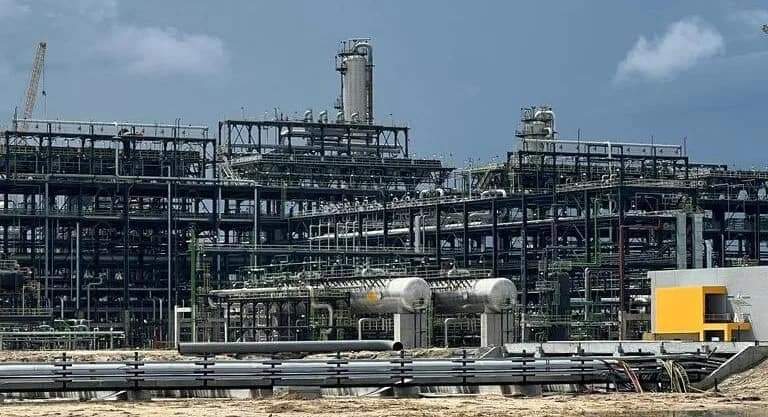
Yes, Dangote may be looking forward to assistance from the Federal Government or NNPC with operational cash flow or the completion of the remaining 55 per cent of the refinery project in whatever manner; let’s forget about operating the refinery in the free zone area, but selling products domestically we can let go things like tax issues but in any event, President Tinubu must not forget the 11, 866 abandoned mega projects and specifically the Ajaokuta (since we now use 25 per cent of our budget on importation of steel).


Again, the only connection is the Second Niger Bridge of Nigeria with the people from the East. Megaprojects failed Innovative China; the Guinness Book of Records described the failed China 117 towers as the tallest unoccupied building in the world! Less complicated Yanqiapu (another China megaproject) failed after the Chinese government spent $50 billion. The converging complexities of Megaprojects usually make a big project too big to succeed!


Dr. Ibrahim Jimoh is a Senator representing Ondo South at Nigeria’s 10th Senate of the National Assembly. He is the first to obtain a Doctorate in Management Science from the University of Cambridge.

Peter Obi raises alarm on worsening insecurity in Nigeria

0

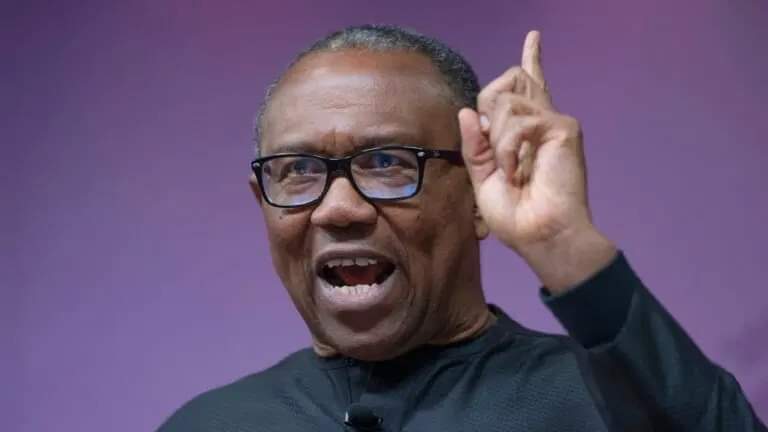
PETER Obi, the presidential candidate of Labour Party, LP, in the 2023 General elections has raised the alarm on the escalating insecurity in the country. In a recent tweet, Obi highlighted the alarming rate of abductions across the country, citing multiple incidents within the last 24 hours.


According to Obi, about 20 dental students were kidnapped in Benue State. Additionally, a Commissioner in Anambra State and his wife were abducted in Edo State, resulting in the death of their traveling companion.


Obi emphasized the urgency for collective action, declaring, “We cannot continue living in fear, poverty, and darkness.” He advocated for a unified front against insecurity, poverty, and other societal ills, stressing the need for bold action to build a safer, more prosperous and just society for all Nigerians.


This call to action comes amidst growing concerns over Nigeria’s worsening security situation, with kidnapping and banditry on the rise. Citizens and leaders alike are demanding decisive measures to address these challenges and restore peace and stability to the nation.


Responding to his posts on X, Naija Patriot a verified handle said: “People who attack you when you demand urgent action against the problems we face are wicked in the extreme. By their constant defense of the indefensible they spill blood as surely as if they pulled the trigger or squeeze life out of a starving child.”


Queen Bee, another handler expressed her disappointment on the present administration, saying that “Expecting something positive from this corrupt regime is like expecting fountains from the desert and you’ll be disappointed”


Another handle #OfficeOfTheNigerianCitizen, replying to the post highlighted the government’s failure to address security concerns when making the policy to stop brain drain in Nigeria’s Healthcare. “When @muhammadpate was doing a policy document to prevent doctors from leaving the country, and I didn’t see anything that addresses security, I laughed. So Benedicta, Paul, Dr. Luis or anyone in that list of kidnapped med practitioners will see an opportunity to leave, and you think even a million naira per week will stop them? Very funny. Very very funny.” he said

EXCLUSIVE: EFCC uncovers how Emefiele spent N18billion to print N1billion notes

0

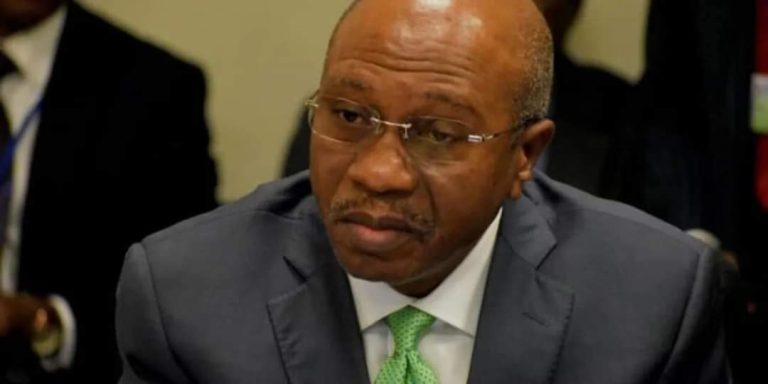
A fresh investigation by the Economic and Financial Crimes Commission (EFCC) has revealed how a former Governor of the Central Bank of Nigeria, Godwin Emefiele, allegedly orchestrated the printing of one billion pieces of N100 banknotes and the production of 5000 pieces of acrylic blocks, PREMIUM TIMES can report today.


The notes and acrylic blocks were procured in commemoration of Nigeria’s centenary celebration in October 2014. Acrylic blocks are used for photopolymer stamping.


Sources within the anti-graft agency disclosed that Mr Emefiele did a memo to former President Goodluck Jonathan on September 1, 2014 preparatory to the centenary celebration seeking approval to print the banknotes and acrylic blocks without passing through the board of the CBN as demanded by the CBN Act, 2007.


Findings showed that contrary to Section 19(1)(b) of the CBN Act, 2007, which stipulates that the currency notes and coins issued by the CBN shall be of such forms and design and bear such devices as shall be approved by the President on the recommendation of the Board of the Bank, Mr Emefiele obtained the approval of the former President before presenting it before the Board for ratification.


The contract for the award of the printing of one billion pieces of N100 banknotes and production of 5000 pieces of acrylic blocks was awarded in the sum of $121, 660,000.00 (N18,911,524,842.62 at the time).


The contract was allegedly prearranged in favour of a Swedish company, Crane Currency, Sweden (the company supplies the CBN with banknote printing and other currency-related services).


The contract was awarded to Crane Currency on September 17, 2014. An advance payment of $72,996,000.00 was made to the company through its Nigerian subsidiary, representing 60 per cent of the contract sum of $121,660,000.00.


The company received the advance payment through the Currency Operations Department of the CBN, which is a clear breach of an established practice of paying for major currency contracts through letter of credit.


Although $72,996,00.00 was recorded to have been made to Crane Currency, only $39,848,991.90 was actually transferred to the company. The balance of $32,716,050.00 was held back and converted to Naira at N162 per dollar.


Investigators say this was then moved to the account of the Nigerian subsidiary of the Swedish company and amounted to N5.3 billion. “This sum represents the inflated amount the contract yielded for top officials of the CBN and their partners in crime,” one investigator said. “The contract was overinflated to benefit certain individuals within and outside the bank.”


The N5.3 billion was initially shared by parties to the inflated contract. Investigators told the newspaper that the EFCC has so far recovered N3,180,236,254.42 from those indicted in the alleged scam. The source further stated that pressures were being mounted on the EFCC Chairman to release the fund to them, claiming it was a a proceed of legitimate transactions.


When contacted, the spokesperson to the EFCC, Dele Oyewale, confirmed that his agency was investigating the matter but declined to provide further details. “There is nothing I can tell you at this point because our people are still working on the matter,” Mr Oyewale said.


Mr Emefiele could not be reached for comments. All his known mobile telephone numbers did not connect.


Credit: Premium Times

Wanni and Handi Are Keeping BBNaija Fresh and Alive with 5-Star Content

0

Wanni and Handi are not just trending because they’re twins – they’re trending because they bring 5-star content to the ongoing BBNaija show. Their impact on the show has been undeniable, making them stand out as central figures this season.

Wanni, in particular, has grabbed the show by the horns. Even with her ongoing relationship (“ship”), she remains fully committed to creating content that engages the audience. Traditionally, once a housemate, especially a woman, enters a relationship, she tends to become more cautious and withdraws from the spotlight. But not Wanni. She’s actively involved, making herself the center of attention, proving that you can be in a relationship and still own the show.

On the other hand, Handi brings a more conservative vibe, but don’t let that fool you. She’s quickly becoming the focal point of various subplots – from confrontations to flirtations, everything seems to be revolving around her. This slow-build content creation is keeping viewers hooked and contributes to the steady tension in the house, a hallmark of good reality TV.

If it weren’t for the efforts of these two, the season might have lost momentum. The Nigerian economy may not be in a great place, and people are struggling to find reasons to care about the show. But with Wanni and Handi leading the charge, they’ve managed to inject life into BBNaija’s “No Loose Guard” season, giving the audience something truly refreshing and exciting to watch.