Home Blog Page 252

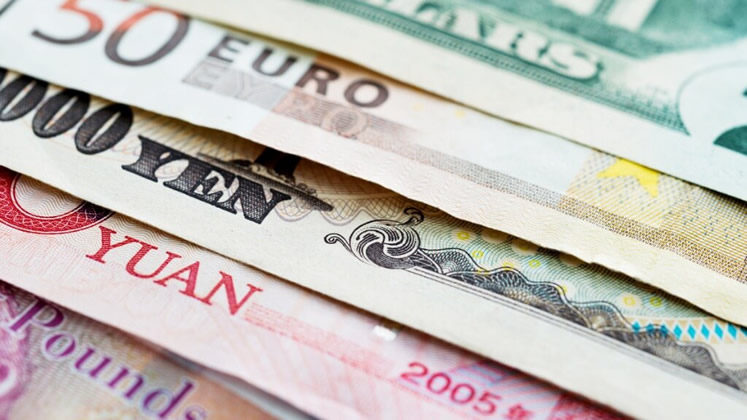
The Naira experiences a decline in the parallel market, concluding the day at 900 Naira per US dollar in the official window

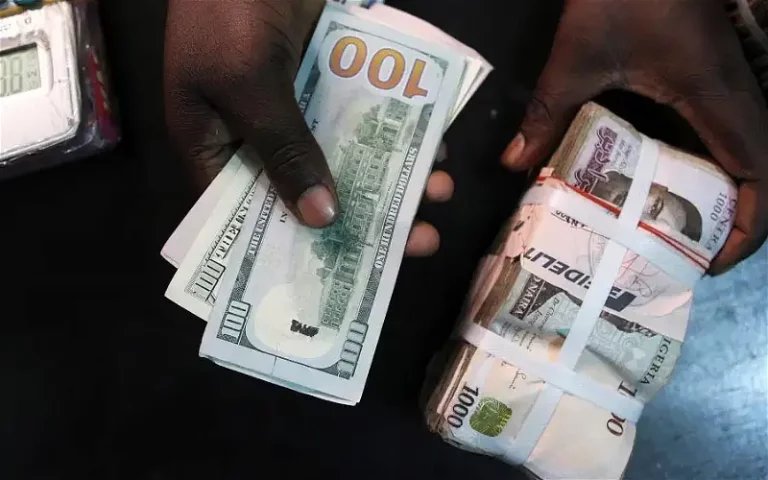
The Nigerian naira reached a historic low of N1,400/$ in the parallel market on Thursday, despite the Central Bank of Nigeria’s efforts to stabilize the currency.

Bureau de Change Operators confirmed the depreciation, citing continued dollar scarcity.

On the official Investor and Exporter window, the naira depreciated to N900.96/$, reflecting uncertainty amid high demand.

The cryptocurrency peer-to-peer market also saw the naira at N1,400/$.

Despite CBN initiatives, including FX backlog payments and an oil-for-cash loan, the market remains under pressure.

CBN Governor Olayemi Cardoso anticipates stabilization in 2024, citing reduced petroleum imports and a market-determined exchange rate policy.

IMF attributes exchange rate volatility to excess naira, structural factors, and market learning curve.

Projections suggest the naira might further depreciate to N1,500/$ in 2024.

The Williams brothers propel Athletic past Barcelona, securing a spot in the Copa del Rey semifinals

0

Inaki Williams swiftly returned from Africa to confront Barcelona in the Copa del Rey, propelling Athletic Bilbao into the semi-finals with a pivotal goal during their 4-2 extra-time victory on Wednesday.

Despite Barcelona’s turnaround with goals from Lewandowski and young talent Yamal, Athletic, led by Oihan Sancet and substitute Inaki Williams, secured the win. Coach Xavi Hernandez acknowledged defensive lapses but remains focused on pursuing La Liga and the Champions League.

The defeat added pressure after recent setbacks, emphasizing the team’s need for a trophy this season.

Former Barca coach Ernesto Valverde praised Inaki Williams’ influence, while a jubilant Athletic celebrated a memorable night in front of their passionate fans.

FULL LIST: Africa Cup of Nations Round of 16 matchups including time, date, and venue information

0

The African Cup of Nations’ group stage concluded on Wednesday, witnessing unexpected upsets as perceived underdog teams exited, making way for surprising contenders to progress to the Round of 16.

Cote d’Ivoire secured the fourth third-place spot, while Morocco’s victory over Zambia solidified their Group F lead with seven points.

Notably, only one Northern African team, Algeria, managed to advance, securing a modest two points.

Tunisia, facing challenges in their group, led to their coach parting ways with the Carthage Eagles.

Namibia and Mauritania emerged as the most surprising teams progressing to the last 16 stage. Here are the upcoming last-16 pairings, along with their respective venues:

Saturday:
– In Bouake: Angola vs. Namibia (6:00 pm)
– In Abidjan: Nigeria vs. Cameroon (9:00 pm)

Sunday:
– In Abidjan: Equatorial Guinea vs. Guinea (6:00 pm)
– Egypt vs. Democratic Republic of Congo (8:00 pm)

Monday:
– In Abidjan: Cape Verde vs. Mauritania (6:00 pm)
– In Yamoussoukro: Senegal vs. Ivory Coast (8:00 pm)

Tuesday:
– In Korhogo: Mali vs. Burkina Faso (6:00 pm)
– In San Pedro: Morocco vs. South Africa (8:00 pm)

Authorities Provide Information Regarding the Explosion in Abuja

0

The FCT Police Command swiftly addressed reports of an explosion in the Maitama area of the Federal Capital Territory.

In response to speculations of a bomb, the command clarified, stating that the incident resulted from an overheated metal refuse bin.

According to the Police Public Relations Officer, SP Josephine Adeh, the alleged explosion occurred near a refuse dump outside the Bureau of Public Enterprise premises in Maitama, Abuja, on 24/01/2024 around 11:45 hrs.

The police deployed a rapid response team and members of the Explosive Ordnance Disposal Unit to assess the situation.

Preliminary findings revealed that the overheated metal refuse container activated under intense heat, causing an explosion.

This incident resulted in injuries to two refuse evacuators, currently receiving medical attention at Maitama General Hospital.

The FCT Police Command urged the public to exercise caution and avoid using metal refuse bins.

Instead, they recommended the use of plastic or rubber containers for waste disposal, as they pose a reduced risk of incidents related to overheated metal refuse containers, as stated in their official statement.

British representative Fubara engages in talks about potential economic prospects

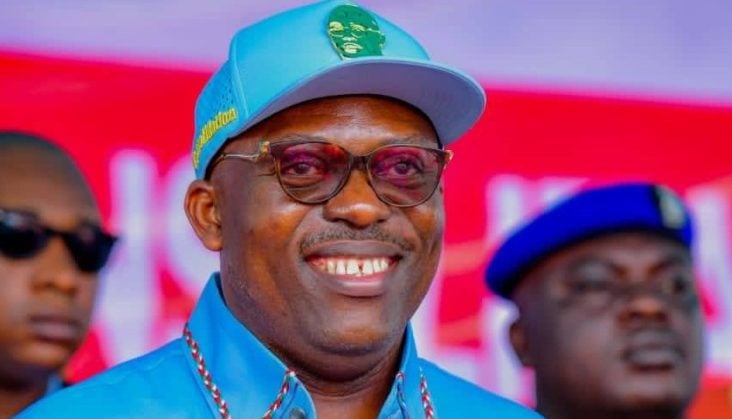
The British High Commissioner to Nigeria, Mr. Richard Montgomery, engaged in talks with Rivers State Governor, Siminalayi Fubara, on Wednesday, focusing on bolstering the security framework and expanding economic opportunities.

Following a closed-door meeting at the Government House in Port Harcourt, Montgomery emphasized the need to strengthen trade and investment partnerships for mutual economic prosperity.

He highlighted the interest from UK businesses, particularly in the strategic assets of Rivers State, such as oil and gas, and expressed optimism about the ongoing reforms in Nigeria.

Governor Fubara underscored the objective of attracting increased foreign investments to enhance the state’s entrepreneurial capabilities.

The discussions aimed at fostering a collaborative approach to address economic challenges and create a conducive environment for both nations to benefit from potential opportunities in Rivers State.

The World Bank anticipates a 3.7% expansion in the Nigerian economy for the year 2025

The World Bank’s latest report, titled “Global Economic Prospect: Subdued Growth, Multiple Challenges,” forecasts a 3.7% growth in Nigeria’s Gross Domestic Product (GDP) for 2025.

This projection marks an improvement from the earlier estimate of 2.9% for 2023, attributing the momentum to ongoing macro-fiscal reforms initiated by President Bola Tinubu.

The report highlights the removal of fuel subsidies, foreign exchange rate harmonization, and a focus on infrastructure, manufacturing, and technology.

The World Bank anticipates that Nigeria’s economic growth will be driven by key sectors such as agriculture, construction, services, and trade.

Despite economic progress, the report notes a concerning 133% increase in the number of Nigerians facing food insecurity over the past three years.

Acknowledging a softening of the economy to an estimated 2.9% in 2023 due to disruptive policies, such as currency demonetization, the World Bank expects gradual improvement.

It emphasizes that inflation should ease with the fading effects of exchange rate reforms and fuel subsidy removal.

Structural reforms are anticipated to boost fiscal revenue over the forecast period.

While Nigeria’s GDP reached N60.66tn in Q3 2023, growing at 2.54%, concerns persist regarding rising public debt, persistent inflation, high living costs, and a weak business environment.

In December 2023, the country experienced a 21-year high inflation rate of 28.92%. Public debt rose to N87.91trn in Q3 2023, as reported by the Debt Management Office.

The United Nations, in its ‘World Economic Situation and Prospects 2024’ report, highlights the challenge African countries face with deteriorating fiscal positions due to high public debt and a low domestic revenue base.

Efforts to increase oil refining capacity are expected to reduce domestic fuel costs in 2024, providing some relief to governments facing tight fiscal spaces through energy subsidy reforms and tax hikes in various countries.

Maize and paddy rice prices are expected to increase in 2024, according to AFEX

AFEX predicts a 25% and 40% increase in maize and paddy rice prices, respectively, in Nigeria this year, as outlined in their recent report released in Lagos.

The maize prices in 2023 experienced fluctuations, peaking at N550,000/mt in Q3 and closing the year at N480,000/mt, attributed to reduced input usage and the fallout from the Russia-Ukraine crisis affecting fertilizer prices.

The report also anticipates a 50% rise in cocoa and a 20% increase in sorghum prices in the domestic market, driven by declining production.

Globally, the 2024 commodity price forecast suggests a downward trend, with energy prices expected to drop by 5% in 2024 and further decrease by 0.7% in 2025.

Agriculture commodities are projected to decrease by 2% in 2024 and 3% in 2025, provided the Middle East conflict de-escalates.

Speaking at the event, AFEX’s Vice President of Financial Markets, Oluwafunto Olasemo, emphasized the complexity of factors influencing the commodities market this year.

Olasemo highlighted the need for enhanced domestic agricultural production, streamlined trade policies, and strategic reserves to mitigate market volatility and ensure food security.

The report recommends adopting sustainable farming practices, such as diversified crop rotation, to optimize soil capacity and increase productivity.

Reflecting on the past year, the global commodities market faced turbulence due to energy scarcity, geopolitical tensions, and financial crises, resulting in a 24% decline from its 2022 peak.

The Nigerian commodities market experienced trickle-down effects from inflation and economic reforms, with growth in the first three quarters of 2023 at 0.63%, a significant drop from 1.90% in the same period of 2022.

Agriculture commodities witnessed price surges, mainly due to supply shortages resulting from low production and increased international demand.

EFCC is currently investigating $347Bn in funds related to the forex scandal and has summoned foreign companies for further inquiry

The Economic and Financial Crimes Commission is currently investigating a sum of at least $347 billion allocated to Nigerian companies between January 2014 and June 2023,

Recent findings reveal that the anti-graft agency has expanded its forex allocation probe to include foreign firms operating in Nigeria.

Analyzing data from the Central Bank of Nigeria, local and foreign companies received a total of $347.49 billion from the apex bank during the 10-year period to fulfill their foreign exchange requirements and obligations.

This information is derived from the sectoral utilization of the CBN’s forex data, shedding light on how foreign exchange is distributed and utilized across various sectors of the economy.

The EFCC’s focus on forex allocations to the Dangote Group and 51 other companies, particularly during the tenure of the previous Central Bank Governor, Godwin Emefiele, has been highlighted.

These 52 companies received the largest portion of the $347 billion within the specified timeframe, although the exact amount remains undisclosed as of the latest update.

Furthermore, a breakdown of forex allocations per year demonstrates the disbursement trend, with the industrial sector receiving the highest allocation under the imports category.

The analysis also delves into the sectors that benefited from forex allocations, including financial services, business services, communication services, and others in the invisible category.

The EFCC’s investigation includes a demand for documents supporting the allocation and utilization of foreign exchange by the 52 companies.

Notably, the probe extends beyond domestic entities, with some foreign firms like Crane Currency Limited, Gleseck+Deverint GmbH, De La Rue Ltd, Oberthur Fiduciaire SAS, and Orelll Fussli now reportedly under scrutiny for import and export violations.

The ongoing forex allocation probe, marked by EFCC visits to corporate entities and requests for detailed foreign exchange transaction documents, occurs against the backdrop of challenges in the Nigerian economy, including forex scarcity and the closure of multinational firms.

The investigation led by Special Investigator Jim Obazee, appointed by President Asiwaju Bola Tinubu, aims to scrutinize the Central Bank of Nigeria and related entities.

The timeline for concluding the forex allocation probe remains uncertain.

The FG anticipates generating a revenue of N19.4tn in 2024

0

The Nigerian government has established a tax revenue goal of N19.4tn for 2024, following the Federal Inland Revenue Service’s successful collection of N12.37tn in 2023, surpassing the initial target of N10.7tn.

Dr. Zacch Adedeji, FIRS Chairman, attributes the achievability of the new target to an efficient tax collection system and a conducive business environment.

Oil revenue constitutes 25.6%, totaling N3.17tn, while non-oil revenue comprises 74.4%, reaching N9.2tn.

The agency, during a strategic management retreat, highlighted the importance of a robust economic setting for prosperous tax collection.

FIRS aims to focus on taxing prosperity, not poverty, and collaborate with President Bola Tinubu’s economic revitalization plan.

Minister of Finance, Mr. Wale Edun, emphasized the need for increased tax revenue, acknowledging FIRS’s progress but urging further efforts.

Accountant-General Dr. Oluwatoyin Madein commended FIRS for contributing 70% of the federation’s total revenues.

President Tinubu outlined a goal to raise the revenue-to-GDP ratio from less than 10% to 18% through tax and fiscal policy reviews, aiming to contain financial leakages.


Tunisia’s coach resigns following a disappointing performance at AFCON

0

Tunisia’s coach, Jalel Kadri, declared his resignation following his team’s disappointing exit from the Africa Cup of Nations.

This decision aligns with coaches from Ivory Coast, Ghana, and Algeria, all stepping down on the same Wednesday.

Kadri’s announcement followed the Carthage Eagles’ goalless draw with South Africa, marking the end of their AFCON journey.

In a post-match interview, he stated, “My decision is final.

The contract aimed for the semi-finals, and as we haven’t achieved that, the contract concludes.

Tunisia departs Ivory Coast without a single victory, finishing last in Group E—a stark contrast from their victory over France at the World Cup in Qatar just 13 months ago.

Their only goal in this AFCON, the 100th in the competition, was scored by Hamza Rafia in a 1-1 draw with Mali.