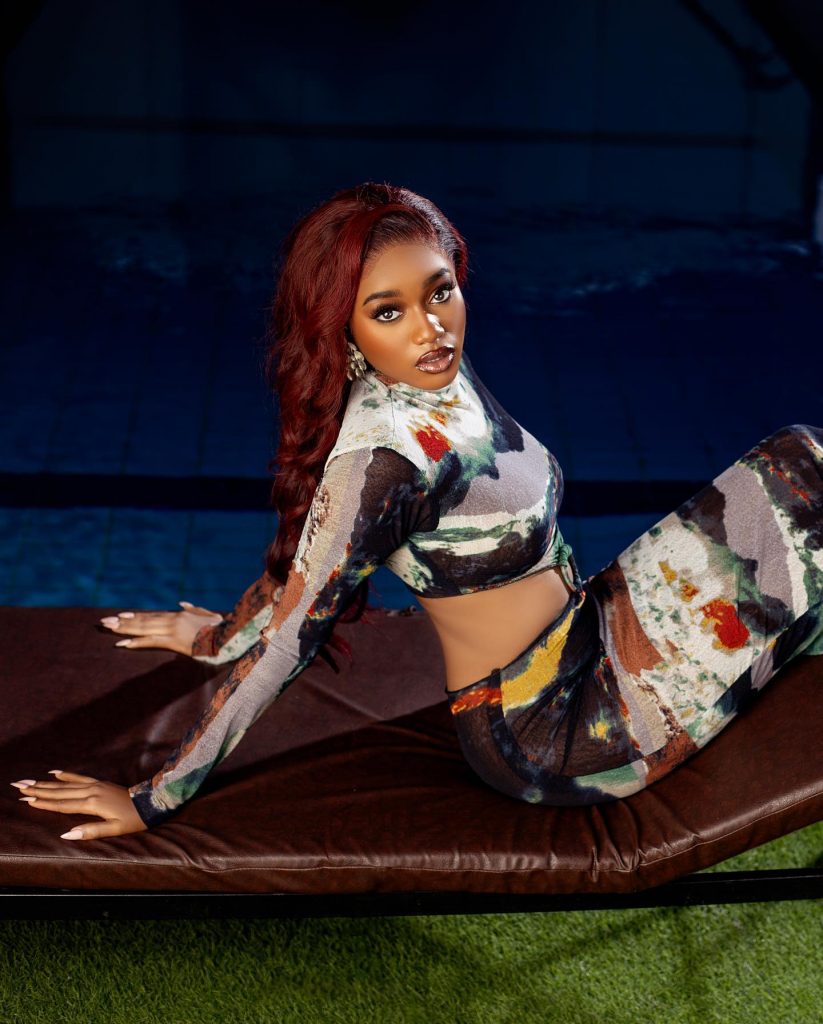
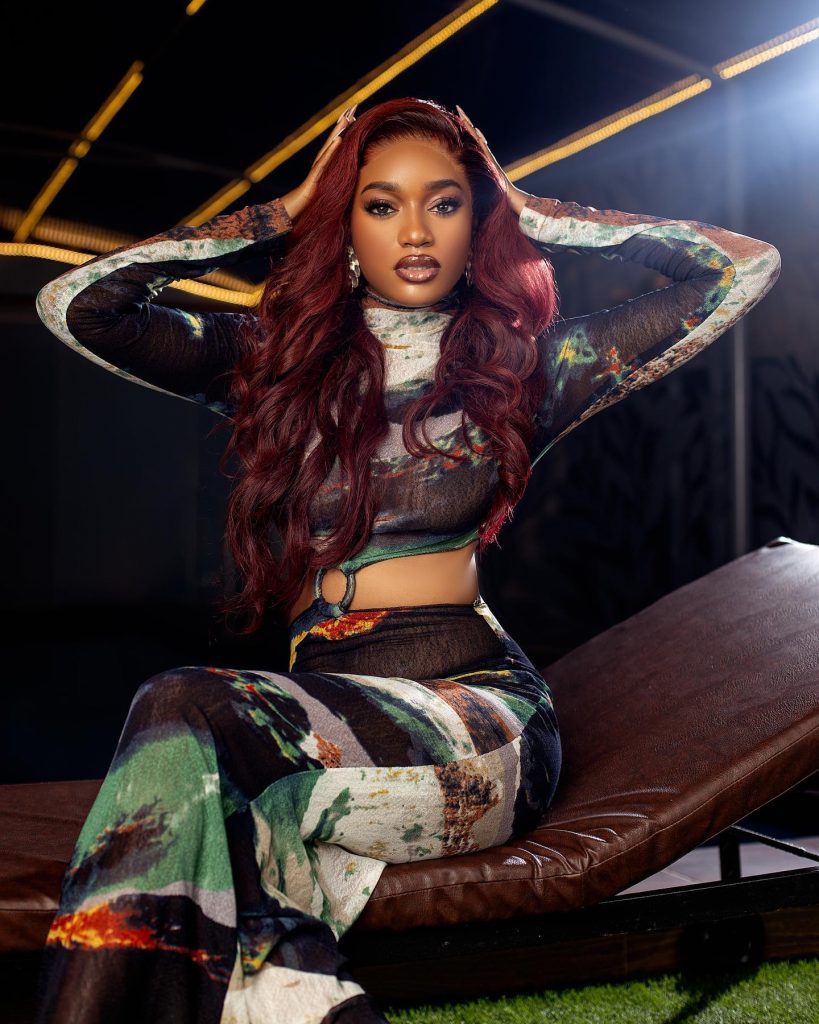
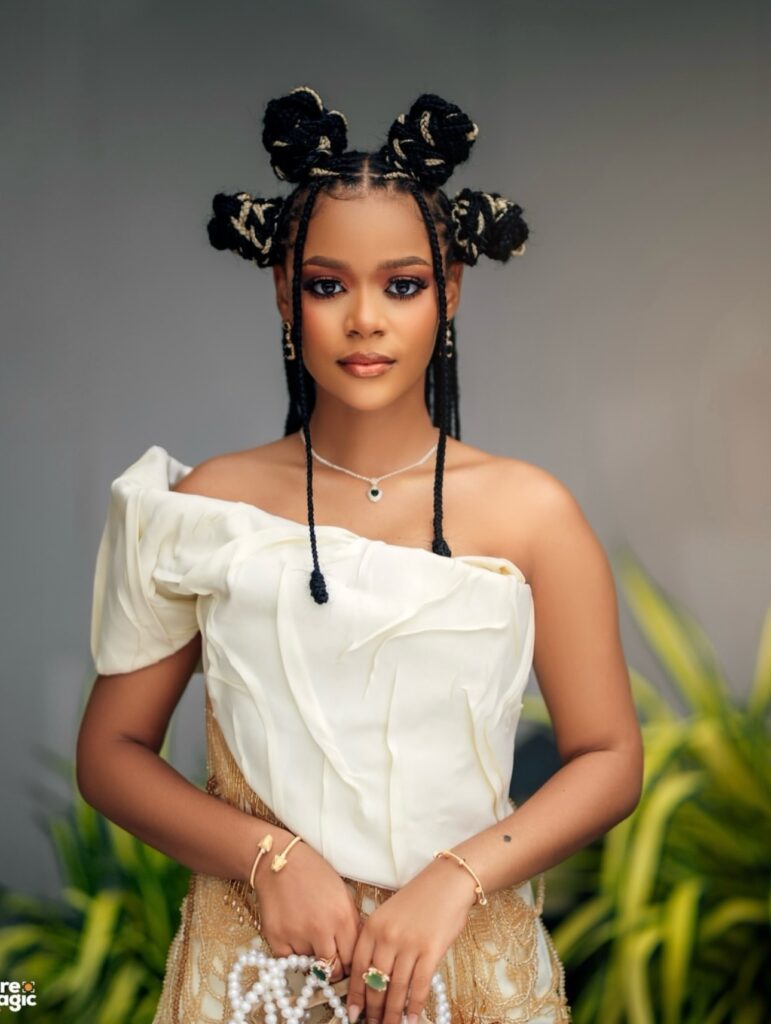
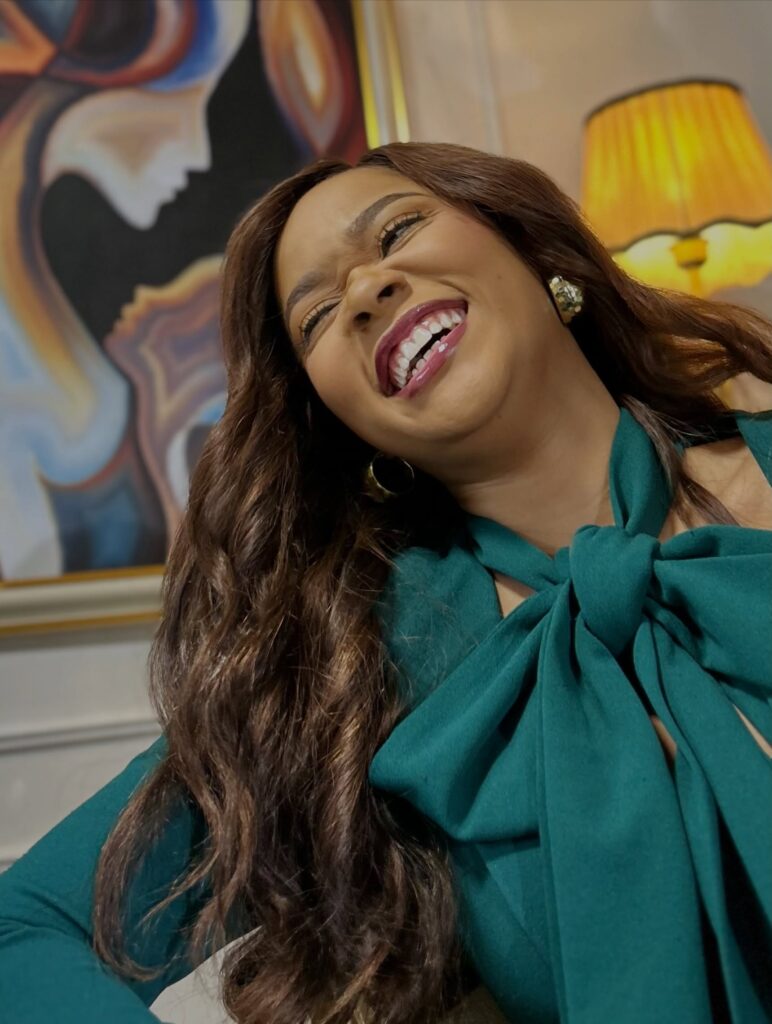
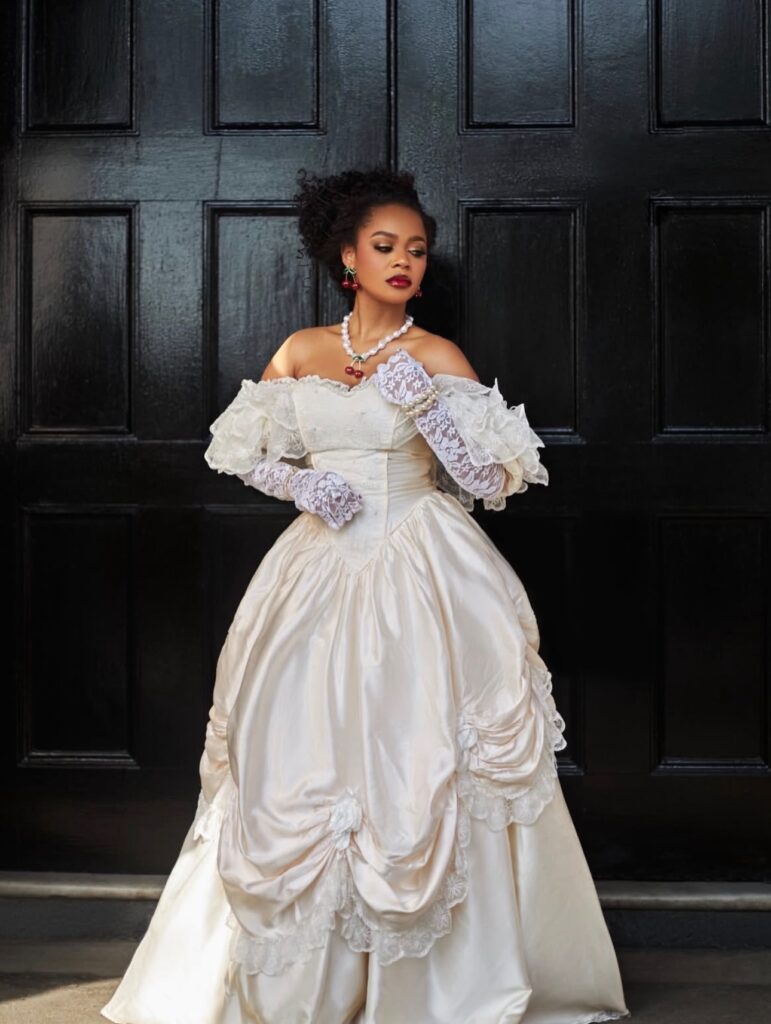
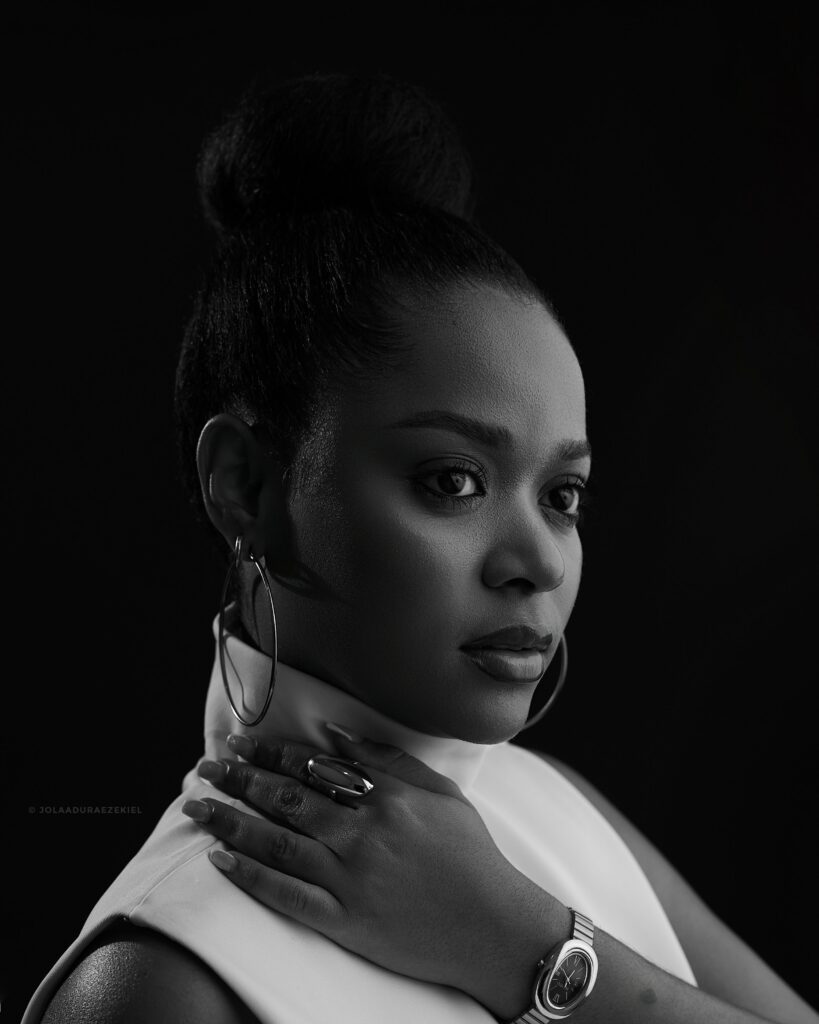
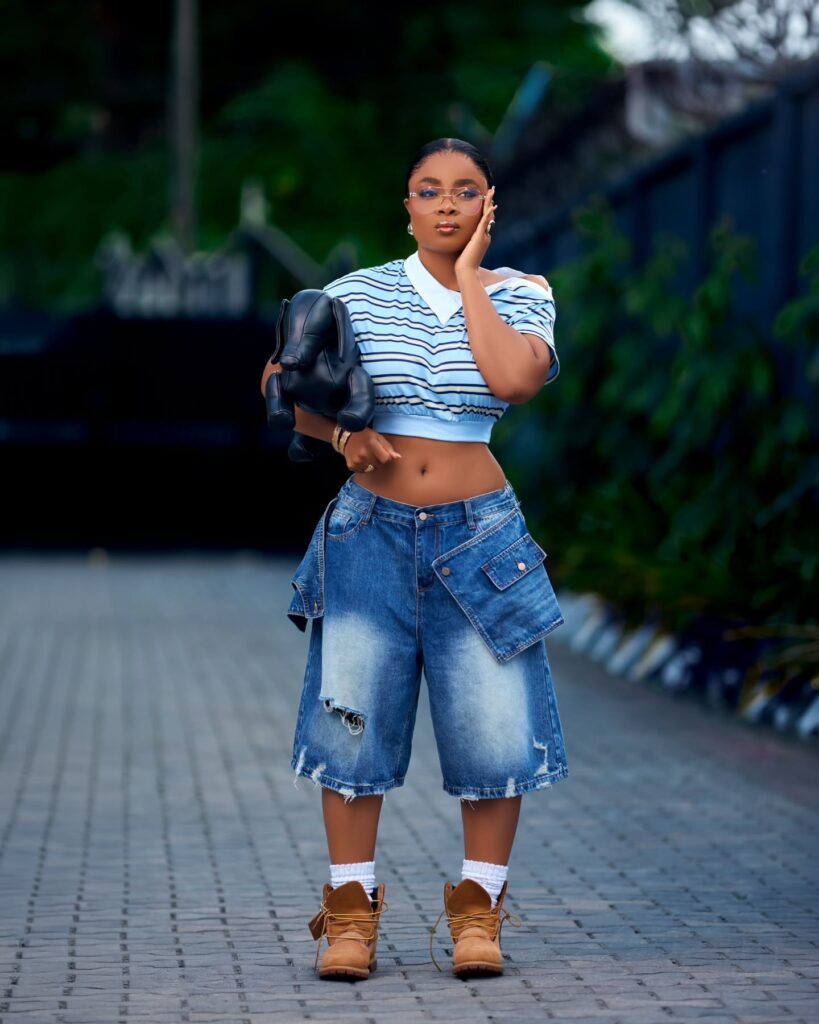
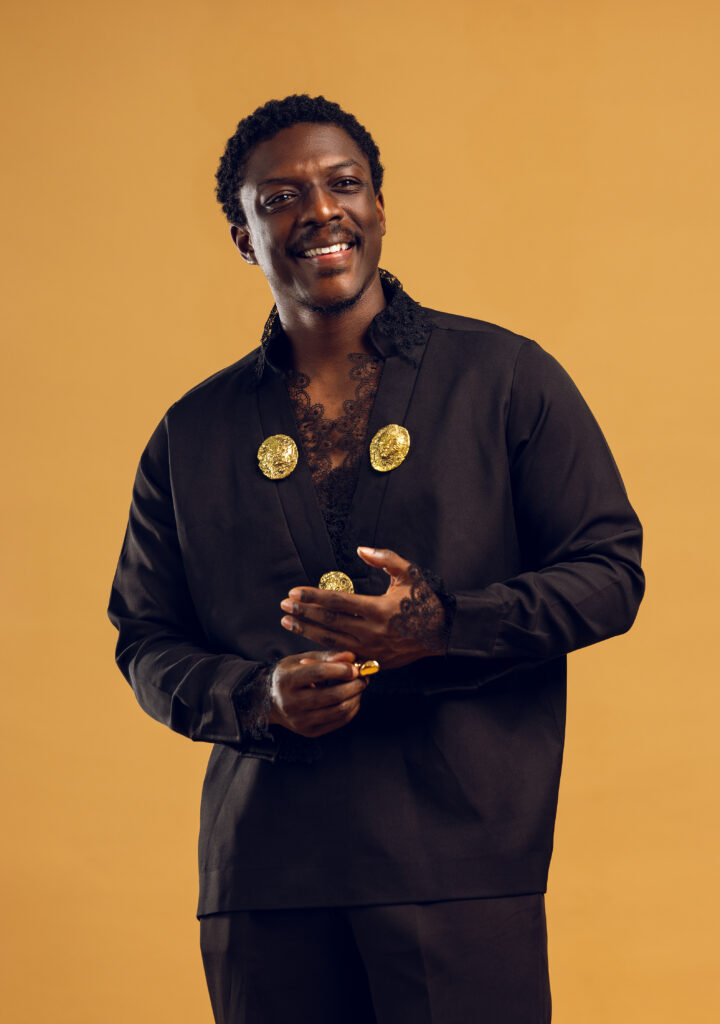
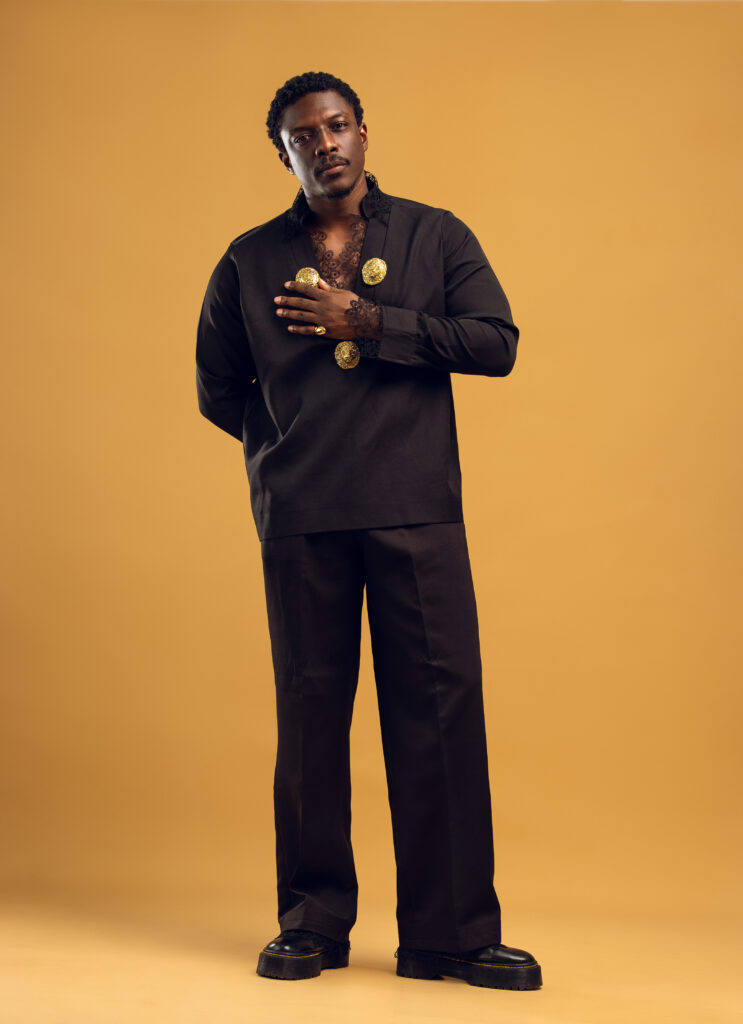
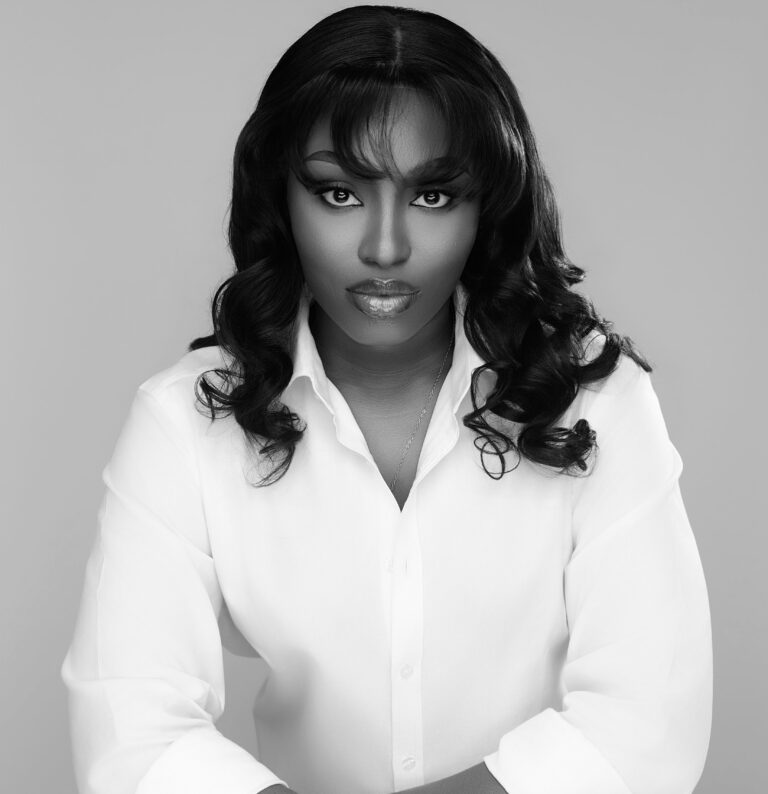
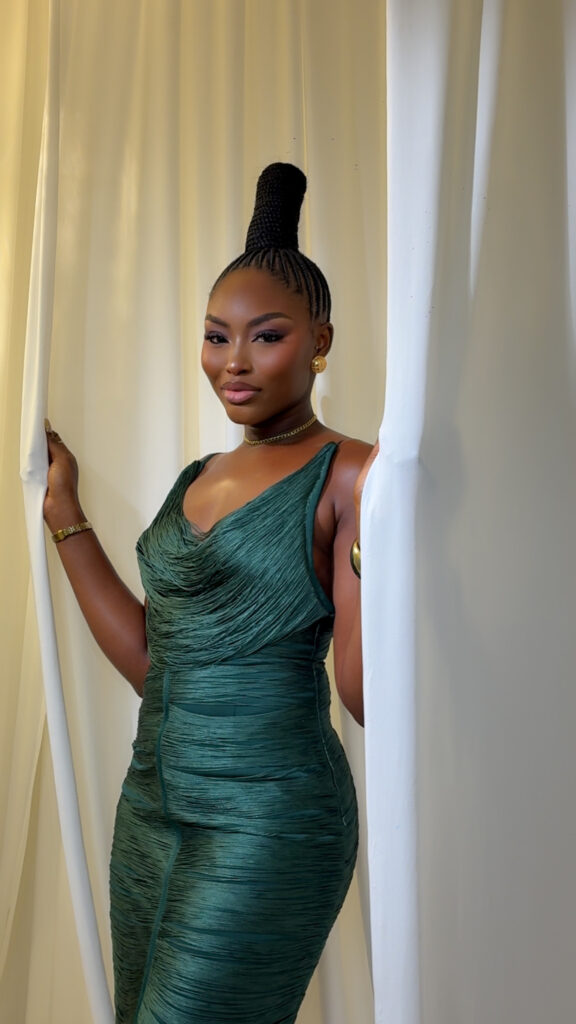
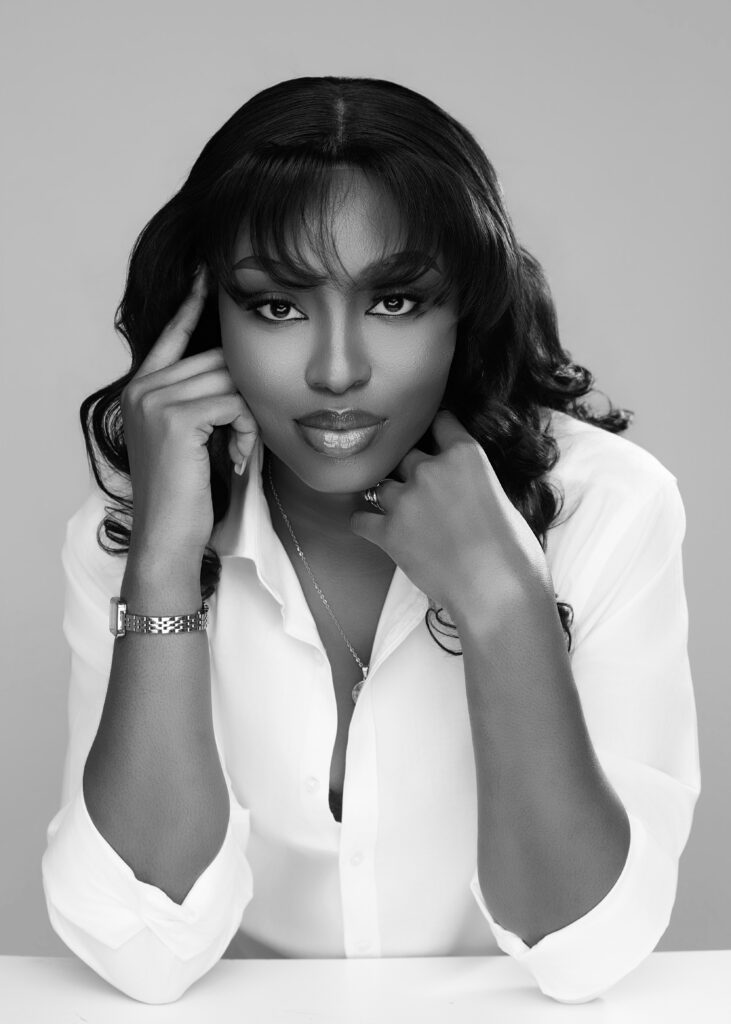
Beauty Queen “Beauty Tukura” indeed looks good in just about anything. But when it comes to posing for a photoshoot, the reality star proves time and again that you can be comfortable, fun, or even tell a beautiful story without uttering words.
There are artists who enter the game, and there are artists who challenge it. Then there are rare figures like Bombshell Grenade, artists who step into spaces that were never designed for them and reshape the rules entirely.
In this edition of Ranks Africa Music Spotlight — Global Sound Architects, the focus turns to a woman who has not only carved her lane in African hip-hop, but has done so with boldness, confidence, and an unfiltered sense of identity.
Born Bwalya Sophie Chibesakunda, Bombshell Grenade is far more than a rapper. She represents a new kind of authority in African hip-hop, where skill, identity, and bold expression move together.
Her journey started early. Introduced to hip-hop as a child, she began rapping at just 11 years old and writing her own music by 12. What began as passion quickly evolved into purpose. And that purpose has carried her through an industry that rarely makes space for women, especially in rap.
From Lusaka to the continental stage, Bombshell has built her career not by fitting in, but by standing out.
Her breakout moment came with “The Berg,” a record that introduced her to a wider audience and signaled the arrival of a new kind of voice in Zambian music. But she did not stop at recognition. She turned momentum into consistency, releasing records that carried attitude, identity, and a clear message: she was here to stay.
Tracks like Backshot, Jump Off, and Assassin did more than chart. They reinforced her position in a space long dominated by male voices.
But what truly separates Bombshell Grenade is not just her music. It is her presence.
She does not dilute her energy to fit expectations. She amplifies it.
She blends hip-hop with dancehall. She merges strength with femininity. She carries both edge and elegance in a way that feels intentional, not accidental. Her artistry is bold, expressive, and unapologetically hers.
That boldness has earned her continental recognition. In 2021, she was crowned Best Female Rapper in Africa at the African Muzik Magazine Awards, a moment that did not just celebrate her work, but confirmed her position as one of Africa’s leading female rap voices.
But awards only tell part of the story.
The real story is in what she represents.
In an industry where female rappers often have to fight twice as hard for half the recognition, Bombshell has built a brand that commands attention. She is not asking for space. She is taking it.
She has also extended her influence beyond music, stepping into fashion, media, and advocacy. From working on social impact initiatives to building a strong personal brand, she represents a modern African artist who understands that influence is not limited to sound.
And perhaps that is where her true impact lies.
Bombshell Grenade is part of a generation redefining what African hip-hop looks like. Not just male-dominated. Not one-dimensional. Not restricted.
But expressive. Diverse. Expansive.
She is not just contributing to the culture. She is expanding it.
Years into her journey, she continues to evolve, to push boundaries, and to hold her position in a constantly shifting industry. That kind of consistency is not accidental. It is built on vision, discipline, and an understanding of self.
Bianca Ugowanne delivers a performance that stands out with confidence and clarity, earning a well-deserved 5-star rating. In Alakada Gen Z, she brings a fresh interpretation to Yetunde, adding depth, energy, and a modern edge that resonates with today’s audience.
In today’s Nollywood, where content is constant, only a few performances break through and command real attention, certain roles come with expectations that can define or redefine a career. When it was announced that Bianca Ugowanne would take on the role of Yetunde in Alakada Gen Z (2026), the industry paused, watching closely.
Stepping into a franchise shaped by Toyin Abraham Ajeyemi is no small responsibility. But Bianca did not just step in. She reinterpreted the role and delivered it with a freshness that speaks directly to a new generation.
Bianca Ugowanne is no newcomer to the grind. Her journey has been defined by consistency, discipline, and a growing command of her craft. From projects like The 4th Generation, Iyalode, Sister Mi, In My Life etc. to her role in the record-breaking Oversabi Aunty, she has steadily built a reputation for versatility and presence.
However, Alakada Gen Z marks a clear turning point.
In recent days, social media has been flooded with clips and reactions to her performance. Nollywood audiences are not just watching. They are responding. Many are describing her portrayal as a standout moment, with some calling it a defining performance in the film.
Just finished Alakada Gen Z and it was a vibe! 🎬
Lighthearted, fun and easy to watch. I was skeptical about Bianca as the new Yetunde but she exceeded every expectation. Imisi was my personal favourite though, that girl can act! 🌟
What makes Bianca’s portrayal of Yetunde compelling is her ability to balance the character’s signature “fake life” persona with a modern Gen Z interpretation.
She brings intention to every scene. The humor lands. The expression connects. The delivery feels both current and grounded.
The result is a performance that feels authentic to today’s audience while respecting the foundation of the character.
Across X, Instagram, and TikTok, conversations continue to build. From detailed breakdowns of her expressions to viral edits of her scenes, Bianca has become central to the film’s momentum.
This is not just performance. This is presence.
This is Bianca Ugowanne. She played the role of ‘Yetunde Animashaun’ in Alakada Gen-Z and nailed it perfectly. She’s such a phenomenal actress, talented, versatile, and humorous.
With Alakada Gen Z gaining traction both in cinemas and online conversations, Bianca Ugowanne is clearly transitioning into a new phase of her career.
She is no longer just a promising talent. She is positioning herself as a leading force, one capable of carrying major productions and shaping audience conversations.
In a space where longevity is defined by adaptability, her ability to evolve while staying authentic sets her apart.
Ranks Africa In Conversation with Bianca Ugowanne:
As part of this spotlight, Bianca shares her perspective on stepping into the role, navigating expectations, and handling the attention that comes with it.
On stepping into Yetunde in Alakada Gen Z
“Stepping into Yetunde felt like stepping into a space I fully understood. She’s bold, expressive, and very aware of herself, which made her both exciting and nuanced to portray. I approached her with a clear sense of identity, making sure every choice felt intentional. For me, it was about embodying her in a way that feels current, refined, and undeniably authentic to this generation.”
On pressure, especially with Toyin Abraham’s legacy
“I wouldn’t call it pressure, I’d call it perspective. Toyin Abraham is a force in Nollywood. She has built something culturally significant with Alakada, and her consistency, range, and understanding of her audience are genuinely inspiring. Being part of a project connected to that legacy is an honour in itself. At the same time, I understand that growth in storytelling requires fresh energy, so my focus was on bringing my own interpretation with confidence and clarity, trusting that originality always resonates more than imitation.”
On being one of the most talked-about personalities right now
“It feels affirming, but I’m very intentional about how I process it. I see the attention as alignment, not noise. It tells me the work is landing, but it also reminds me to stay focused, disciplined, and evolving. I’m enjoying the moment, but I’m even more invested in what comes next.”
What Comes Next: With momentum building and audience attention firmly locked in, Bianca Ugowanne is stepping into a new space, one that bridges Nollywood’s established icons with its emerging generation.
Her performance in Alakada Gen Z is not just a moment. It is a signal. A signal that a new leading voice is rising.
Yetunde (Bianca) is truly Mummy Yetunde’s (Toyin Abraham) karma 😂😂
When she said “Ẹ pa!” I couldn’t stop laughing. What goes around definitely comes around!
In this edition of Ranks Africa Music Spotlight, a series dedicated to spotlighting the artists, visionaries, and builders shaping Africa’s sound across all levels, we focus on Juma Mussa Mkambala, known globally as Juma Jux, an artist whose journey reflects consistency, reinvention, and cultural relevance.
For Jux, a career that began in the mid-2000s, with professional recording taking shape around 2008 and mainstream activity from 2011, is not just about longevity. Fifteen years into the game is not a victory lap. It is a legacy in motion. While many stars retreat into the comfort of past success, Jux continues to operate with the hunger of a newcomer and the precision of a seasoned artist.
He does not just exist in the music scene. He commands it. And in 2026, his “African Boy” identity is not nostalgia. It is still in its prime.
The Evolution of a Sound and Identity: Juma Jux’s journey from Dar es Salaam to the global stage is a clear example of artistic evolution done right. From his early days as an R&B-influenced artist to becoming a multi-genre force, he has consistently adapted without losing his core identity.
His sound today blends smooth R&B roots, Bongo Flava influence, and Afrobeats rhythm and energy. Yet through every phase, one thing remains constant. His voice. Distinct, refined, and instantly recognizable.
What makes Jux stand out in this era is his ability to evolve with the digital generation while maintaining the musical depth that built his foundation.
Breaking Into the Hardest Market: One of the biggest tests for any African artist is the Nigerian market. It is competitive, loud, and driven by constant reinvention.
Juma Jux has not only entered that space, he has established a presence.
Through strategic collaborations and a sound that resonates with West African audiences, he has positioned himself as more than an East African star. He is a continental figure. His recognition at the All Africa Music Awards in Lagos, where he won Best Male Artist in Eastern Africa, was more than an award moment. It was confirmation of his expanding influence across Africa.
From Accra to Lagos, his music connects.
The Viral King: Ikweji and the Digital Takeover
In today’s music industry, relevance is measured not only by streams but by moments. Jux understands this better than most.
Diamond Platnumz x Juma Jux
His collaboration with Diamond Platnumz, titled Joy “Ikweji”, has grown beyond a song into a movement. Across platforms like TikTok, the #IkwejiDanceChallenge has taken over timelines, pushing the track into one of the most talked-about African songs of the moment.
Jux does not just release music. He creates experiences.
His charisma, combined with a clear understanding of digital culture, allows him to consistently tap into what audiences want to feel, share, and celebrate.
Beyond the charts and viral success, there is a deeper layer to Jux’s artistry. He represents a generation of musicians working toward a unified African sound.
By blending East African melodies with West African rhythms, he is helping shape a genre that cuts across borders. A sound that speaks to Africans everywhere, regardless of region. This is not just music. It is cultural connection.
Tanzanian singer Juma Jux is married to Priscilla Ojo (also known as Priscilla Ajoke Ojo), a Nigerian influencer, model, and the daughter of renowned Nollywood actress Iyabo Ojo.
As 2026 unfolds, Juma Jux stands in a unique position. He is not an emerging artist, yet he moves with the energy of one. He is not a legacy act, yet his catalog already carries weight. He is both. An artist who has survived the industry and continues to redefine it.
And in doing so, he remains what few artists achieve over time.
There is always a moment in every cultural movement when the world begins to pay attention. For Afrobeats, that moment did not just happen, it was built. Carefully. Intentionally. Over years of vision, risk, and relentless belief.
Long before Afrobeats became a global category, before it secured a place on international charts and festival lineups, there were a few individuals who saw what it could become. Not just music from Africa, but music for the world. Among those who understood this early and chose to act on it is Adesegun Adeosun, widely known as SMADE.
His story does not begin on stage, but behind it. Not in the spotlight, but in the structure that makes the spotlight possible.
As a young Nigerian in the UK, SMADE was not just navigating a new environment, he was observing a gap. African music existed, but it was not positioned. It had energy, but not enough platforms. It had stars, but not enough systems to carry them into global spaces consistently. For many, that reality was a limitation. For him, it became a mission.
His ambition was simple in words, but bold in execution. To make Nigerian music and African music a household sound across the world.
That ambition would later evolve into something much bigger than events or promotions. It became a movement.
Through the creation of SMADE Group, SMADE began building the kind of infrastructure that Afrobeats needed at the time. He was not just organizing shows, he was creating access. He was connecting artists to diaspora audiences, expanding reach across cities in Europe, and gradually turning scattered demand into a structured global presence.
But perhaps the most defining expression of that vision came with the launch of Afro Nation.
Afro Nation was not just another music festival. It was a cultural statement. A declaration that African music deserved its own global stage, not as a side attraction, but as the main event. What started as an ambitious idea quickly grew into one of the most influential music festivals in the world, drawing thousands of fans from different continents, all united by one sound.
Since its debut in 2019 in Praia da Rocha, Portugal, Afro Nation has expanded across key cultural destinations including Ghana and Puerto Rico, positioning itself as a global meeting point for Afrobeats and the diaspora. Typically held during the summer season, the festival has consistently delivered high-impact lineups featuring some of the biggest names in African and global music such as Davido, Wizkid, Burna Boy, Rema, Asake alongside international acts, DJs, and cultural performers. It is not just a festival calendar event, it is a cultural destination that brings the sound, the people, and the identity of Africa into one powerful global experience.
From Portugal to Ghana and beyond, Afro Nation has done something powerful. It has normalized Afrobeats on the global stage. It has created a space where African artists are not introduced, they are expected. Where the culture is not explained, it is celebrated.
And at the center of that is a vision that refused to shrink.
Today, Afrobeats is no longer fighting for recognition. It is charting on platforms like Billboard, dominating streaming platforms, and influencing global pop sounds. The conversation has shifted from what is Afrobeats to who is leading Afrobeats and Africa music right now.
But moments like this are never accidental. They are the result of years of groundwork laid by people who understand both culture and system. People who know that talent alone is not enough without structure.
This is where SMADE’s impact becomes even clearer.
In an industry where artists often take center stage, there is an entire engine room that powers the movement. It is where deals are negotiated, platforms are created, and opportunities are designed. It is where the global journey is mapped out long before the world sees the final performance.
SMADE operates in that space.
His work is not always loud, but it is deeply felt. It is in the growth of Afrobeats events across Europe. It is in the consistency of African artists performing on international stages. It is in the way the sound has transitioned from niche to mainstream without losing its identity.
What he has built is difficult to replicate, not because others lack access, but because it requires a rare combination of vision, cultural understanding, timing, and execution.
Nearly two decades into this journey, the results are undeniable. Afrobeats is global. African artists are leading conversations. The sound has crossed borders, languages, and cultures.
And still, the work continues. Because for SMADE, this was never about a moment. It was always about a movement.
In telling the story of Afrobeats going global, the artists will always be the faces, but behind that success are architects who designed the path.
Dates: Summer 2026 (Portugal edition, This year, the event will be held from July 3-5, 2026.) Locations: Praia da Rocha, Portimão (Portugal) and Accra (Ghana, Detty December period)
Uche Montana is proving that Nollywood’s YouTube era is not just about uploads, but about momentum, audience pull, and cultural conversation. As one of the 5-Star Nollywood YouTube Channels of H1 2026, her channel stands out for combining star power, emotional storytelling, and the kind of consistency that keeps viewers returning.
Uche Montana
So far in 2026, Uche Montana TV has released four major titles, collectively generating an impressive 38,247,880 views, reinforcing her position as one of the leading Nollywood YouTube creators this cycle.
H1 2026 Releases & Performance So Far
A Place With You — 9,486,321 views
Beauty Is The Beast — 6,072,476 views
Monica — 16,855,965 views
Wings to Fly — 5,833,118 views
What makes Uche Montana’s channel powerful is not just the numbers — it is the consistency of performance across multiple releases. Rather than relying on a single viral hit, she has built a repeatable content formula that delivers strong viewership across every release.
Her films, especially Monica, have become major conversation drivers, sparking reactions, shares, and discussions across social media. This ability to translate uploads into social buzz is what sets her apart in the space.
Among these releases, Monica stands out as the breakout headline. According to available data, the film premiered on March 7, 2026, on her YouTube channel and crossed 13 million views within two weeks, now reaching 16,855,965 views, averaging close to a million views per day during its early run. That level of acceleration is a major reason her channel belongs in any serious conversation about Nollywood’s leading YouTube platforms in H1 2026.
Beyond the numbers, her films consistently generate engagement, relatability, and cultural relevance, positioning her among the creators shaping audience attention and digital film consumption.
RANKS AFRICA VERDICT
With over 38.2M views across four films in H1 2026, backed by consistency and strong audience connection, Uche Montana TV earns its place as a 5-Star Nollywood YouTube Channel.
She is actively shaping Nollywood’s digital film landscape.
In commemoration of International Women Day 2026, Dr. Princess Kelechi Oghene gathered some of Lagos’s most accomplished women to celebrate the day, what happened in that room was less celebration and more architecture.
There is a particular kind of event that Lagos has grown good at hosting. The kind with music, photographs, and motivational speeches that dissolve the moment the hall empties. Dr. Princess Kelechi Oghene has attended enough of them to know the difference. So when she organised the GAH International Women’s Day 2026 gathering in Lagos this March, she was deliberate about what it would not be.
“We wanted women to leave with partnerships, opportunities, mentorship, visibility, and momentum,” she said. “Real collaboration must create outcomes, not just optics.”
That sentence goes a long way toward explaining who she is and how she operates.
The Room She Built
The event drew women from across industries for a panel discussion centred on the theme, The Power of Collaboration. The choice of theme was not decorative. For Dr. Oghene, collaboration is a working concept, not a rallying cry, and the conversation she facilitated reflected that distinction. Attendees were not merely inspired. They were connected, introduced, and in several cases, already talking business before the afternoon was out.
Dr. Oghene is the Founder and Executive Chair of GMYT Group Ltd, a multi-arm enterprise that spans fashion training, media, real estate, a philanthropic foundation, and the GAH Awards platform. She also founded the GAH Elite Club. Across those arms, she has built what amounts to a small ecosystem of professional development and recognition, concentrated largely on women and African leadership.
The Lagos gathering was, in a sense, a live demonstration of her governing philosophy. She describes real collaboration as “the intentional exchange of value, access, wisdom, networks, and opportunity.” She is careful to separate that from what she calls building from scarcity. “It is when women stop competing from scarcity and start building from strategy.
That distinction matters to her. She returns to it often.
On Running Several Things at Once
Few people who meet Dr. Oghene for the first time immediately grasp the scale of what she manages day to day. A fashion academy, a foundation, an awards platform with continental reach, media interests, and real estate ventures all operate under the GMYT Group umbrella. Asked how she keeps it coherent, she gives an answer that strips the glamour from it.
“I do not run multiple brands by depending on energy or emotions. I run them through governance, clear teams, measurable goals, accountability systems, and a shared vision across the ecosystem.”
Each arm of the Group, she explains, was designed to address a distinct problem. The academy trains skills and produces entrepreneurs. The foundation widens access. The awards platform documents leadership. The media arm carries the stories. The business ventures sustain the whole. Together, they answer to one idea: empowerment through excellence.
The practical implication is that she is not holding chaos together. She is managing systems that were designed to hold themselves. “That,” she has said, “is the difference between being busy and being built.”
The Weight of Recognition
The GAH Awards have, over the years, honoured thousands of leaders across Africa. That volume raises a reasonable question: how does an award platform maintain credibility when it operates at that scale?
Dr. Oghene’s answer is straightforward. The platform protects its standards by protecting its selection process.
“Recognition loses value when standards disappear,” she said. The GAH evaluation does not track popularity. It tracks impact, consistency, resilience, innovation, and social contribution. The people honoured are those whose work has moved an industry, changed a community, or left something lasting behind.
The result, by most accounts, is a platform that recipients take seriously. The award, for many of them, functions as more than a plaque. It is a formal record that their work was seen and valued on a stage large enough to matter.
What 12,000 Women Walked In Not Knowing
To date, Dr. Oghene’s fashion academy has trained over 12,000 women in fashion and business. That number represents a significant body of practical work, and she speaks about it with the kind of specificity that comes from having watched the same transformation repeat itself across years.
Most of the women who walk in, she says, do not know what they are capable of. They arrive believing they need permission, rescue, or an unusual stroke of luck. Society, she has observed, conditions women to scale themselves down well before anyone asks them to.
“Many women come in believing they need permission, rescue, or luck. What many of them leave with is the realisation that they are more than capable. They are valuable, bankable, and able to lead.”
Some came looking for employment. Many left with the intention to build their own brands and employ others. Dr. Oghene describes that shift as the actual curriculum, the thing that the fashion training carries inside it.
Returning to School With Something Already Built
Dr. Oghene studied at several of the world’s leading business schools, not at the beginning of her career but well into it. The decision to go back confuses people who assume that formal education is for those who have not yet started. Her reason was more considered than that.
She was not going back because she lacked momentum. She went back because she respected growth and wanted tools commensurate with the scale she was building toward. “I wanted a deeper understanding of global systems, strategic management, leadership psychology, innovation, governance, and how world-class institutions think.”
The observation she keeps returning to is that experience, however substantial, has its own ceiling. “You need frameworks. You need perspective. You need exposure that stretches your thinking beyond local limitations.”
What she brought back from those classrooms was not a qualification to display. It was a sharper, more intentional approach to building institutions that could function on a global standard while doing their most important work at home.
What She Represents
Dr. Princess Kelechi Oghene is not a straightforward figure to categorise. She is an entrepreneur, an educator, an event organiser, a recognised leader in her own right, and, on the afternoon of International Women’s Day 2026 in Lagos, a host who understood that the most valuable thing she could offer her guests was not a speech but a room where serious things could begin.
That sense of practical purpose runs through everything she does. The GMYT Group is not assembled for show. The GAH Awards are not handed out lightly. The 12,000 women her academy has trained did not simply attend a programme. They went through something, and most of them came out changed.
What she is building, in the aggregate, is something older and more considered than a personal brand. It is an infrastructure, one designed to last and to keep working after any single event is forgotten.
Dr. Princess Kelechi Oghene is the Founder and Executive Chair of GMYT Group Ltd and the Founder of GAH Awards and the GAH Elite Club. She spoke with Ranks Africa Magazine ahead of and following the GAH International Women’s Day 2026 gathering in Lagos.
Ranks Africa Magazine | Women In Leadership Edition
Since claiming the Big Brother Mzansi Season 6: Bazozwa crown on 22 March 2026 and walking away with R2 million, Liyema Pantsi (Liema) hasn’t just been winning — she’s been redefining her presence through fashion, confidence, and undeniable star power.
The 24-year-old Eastern Cape queen has seamlessly transitioned from the Big Brother house into a full-blown style moment. Her post-show wardrobe reflects a perfect blend of sophisticated elegance, cultural pride, youthful vibrancy, and red-carpet glamour — positioning her not just as a reality TV winner, but as a rising fashion force ready for major brand partnerships and global visibility.
Signature Post-BBMzansi Style Breakdown
Elegant & Sophisticated Moments
Liema has been serving polished, head-turning looks that reflect her new status. Flowing gowns, structured silhouettes, and refined styling choices define her wardrobe. Every appearance feels intentional — elevated wigs, flawless makeup, and carefully curated accessories complete each look. She embodies the aura of a young winner stepping confidently into her next phase.
Homecoming Royalty (10–11 April 2026)
During her emotional two-day homecoming celebration in Qonce and East London, Liema delivered a series of standout fashion moments. From traditional-inspired outfits crafted by Eastern Cape designers to glamorous evening ensembles, she carried herself with regal presence. One of her most talked-about looks — a breathtaking gown — instantly became a fan favorite, capturing the essence of her return as a queen.
Red-Carpet & Event Glam
Whether attending high-profile activations or stepping out in coordinated looks, Liema consistently delivers red-carpet energy. At the HONOR 600 Lite Padel Event, she embraced a sporty-chic aesthetic — combining comfort with style while maintaining her signature confidence and presence.
Fashion Week Tease
Her recent appearances at fashion events, including moments with top designers, signal a deeper entry into the fashion industry. With anticipation building around upcoming Fashion Week appearances, Liema is clearly positioning herself for a stronger presence within the fashion ecosystem.
What Makes Her Style Stand Out
Liema’s fashion identity is both versatile and consistent. She effortlessly balances:
Cultural roots — with Eastern Cape influence reflected in fabrics and silhouettes
Modern femininity — through elegant, well-structured outfits and bold styling choices
Trend-forward expression — with fresh hairstyles, statement accessories, and adaptable looks for different occasions
Her ability to maintain authenticity while evolving her style is what sets her apart. She presents a refined, confident image without losing relatability — a key factor in her growing influence.
From homecoming celebrations filled with emotion to curated brand appearances, Liyema Pantsi is defining her post-BBMzansi era with intention. She is not just dressing for visibility — she is building a brand rooted in influence, identity, and style.
Liyema isn’t just wearing the crown — she’s styling it with purpose.
Who else is impressed by Liyema Pantsi’s post-Big Brother fashion evolution?
Drop 🔥👗 and rate her style game 1–10.
For travellers who regard comfort not as a bonus but as a baseline, Calabar’s newest address deserves close attention.
Reception
There is a particular kind of quiet that expensive hotels tend to promise but rarely deliver. The lobby looks right. The staff smiles correctly. Then you reach your room, and something small is off: the pillows are too soft, the lighting too harsh, or the view is a wall. Gemba Hotel and Suites, which opened this year at Parliamentary Extension, Ikot Effanga, Calabar, was built with that very disappointment in mind. Every room and suite on the property is described by the hotel as “a sanctuary designed with meticulous attention to detail, blending modern luxury with timeless comfort” and, from what the full accommodation catalogue reveals, that claim is not decorative language.
Gemba Room Service
The hotel offers eight distinct room categories, beginning at ₦150,000 per night and rising to ₦350,000. That range is not simply a pricing ladder. It represents a genuine architectural and experiential progression, from a well-furnished standard room to a private villa with its own pool and a dedicated butler. What connects them all is a consistent standard of finish and a philosophy that treats convenience as a design principle rather than an afterthought.
The Classic Room: Where It Begins
At ₦150,000 per night, the Classic Room is described as a comfortable, well-appointed space with modern amenities, suited to both business and leisure travellers.  It comes with free Wi-Fi, air conditioning, a flat-screen television, a work desk, an en-suite bathroom, and an electronic safe.
These are not unusual features in themselves, but together they form a room that serves its guest rather than merely housing them. The work desk acknowledges that not every stay is a holiday. The electronic safe acknowledges that not every guest travels light.
This is the entry point, and it is a considered one.
The Premier Room: A Notch Above
The Premier Room, priced at ₦185,000 per night, offers upgraded furnishings, premium bedding, and enhanced amenities for guests seeking a more elevated stay.  A king-size bed replaces the standard option. A mini bar is added. Tea and coffee-making facilities are included, along with premium toiletries and a work desk.
These additions matter in the way small things matter when you are tired at the end of a long day. The difference between adequate and genuinely restful often comes down to whether the room anticipated your needs before you arrived.
The Prestige Room: Space and Considered Detail
At ₦200,000 per night, the Prestige Room is described as elegantly designed, with luxury touches, a sitting area, and top-tier amenities for discerning guests.  It includes a balcony or terrace, bathrobes and slippers, a mini bar, and premium toiletries alongside the king-size bed. The sitting area is the meaningful addition here.
It creates separation between rest and wakefulness, which is something that matters on extended stays. The balcony extends the room outward, giving the guest somewhere to stand with a morning coffee without quite leaving the privacy of their accommodation.
The Luxury Villa Suite: Garden Views and Real Privacy
The Luxury Villa Suite, also at ₦200,000 per night, is a private villa offering generous space, a living area, and garden views for what the hotel describes as a tranquil retreat.  It comes with a private living room, a private garden, a balcony or terrace, a king-size bed, and a mini bar. This is the category where the experience shifts from upgraded room to something closer to a private residence. The garden view is not incidental.
In a city like Calabar, which carries its own natural greenery and humidity, a private garden attached to your suite brings the outside in on your own terms.
The Prestige Villa Suite: When a Bathtub Becomes a Statement
At ₦220,000 per night, the Prestige Villa Suite offers separate living and sleeping areas, a private terrace, and premium amenities.  Its distinguishing feature over the Luxury Villa Suite is the jacuzzi and bathtub. This is the room for guests who understand that a bath is not simply about getting clean. It is about reclaiming time.
The combination of a private garden, a terrace, a king-size bed, and a soaking tub makes this category the most quietly indulgent in the mid-range of the collection.
The Grand Villa Suite: The Finest Standard Villa at Gemba
The Grand Villa Suite, at ₦250,000 per night, is described as the finest villa suite at Gemba, featuring expansive living spaces, a private garden, and bespoke service.  It adds a private pool and a dedicated dining area to the villa suite formula. A private pool at this price point is not common in Calabar’s hospitality market.
For families, couples seeking total seclusion, or guests who simply prefer not to share a pool with strangers, this is a meaningful provision. The dining area within the suite means meals do not require leaving the accommodation at all, which is either an advantage or the entire point, depending on the guest.
The 2-Bedroom Signature Residence: For Those Travelling as a Group
Priced at ₦300,000 per night, the 2-Bedroom Signature Residence is a fully appointed private luxury apartment with two bedrooms, a living room, a kitchen, and what the hotel describes as residential-style comfort.  It includes a private garden, a dining area, and a jacuzzi or bathtub.
This category serves a specific kind of guest: families, business partners sharing accommodation, or couples who travel with a personal assistant or a guest. Two king bedrooms means no one compromises. The private kitchen means the residence functions as a home, with hotel service operating quietly around it.
The Presidential Villa: The Summit
The Presidential Villa, at ₦350,000 per night, is the most exclusive accommodation at Gemba, offering ultimate privacy, a private pool, butler service, a private kitchen, a dining area, a private garden, and what the hotel calls bespoke everything. 
The word “bespoke” is used deliberately here. Butler service at this level means more than someone who carries bags. It means an attendant who learns your preferences, manages your schedule within the property, handles your requests before they become requests, and ensures that the gap between what you want and what you have is as narrow as possible.
For heads of state, senior executives, or anyone whose time and privacy carry real value, the Presidential Villa at Gemba is designed not merely to accommodate but to serve.
What Surrounds the Rooms
Beyond the accommodations, the hotel offers an infinity pool overlooking the city skyline, a 40-seat private cinema with Dolby Atmos surround sound, a luxury spa with aromatherapy massages and private relaxation suites, a fine dining restaurant with cuisine crafted by Michelin-trained chefs, and the signature Igloo Experience dining pods. 
There is also a game centre, a coffee shop serving single-origin brews, a lounge and bar with handcrafted cocktails, a picnic area with barbecue facilities, and live music on the terrace at weekends.
The point is that the room is a starting point, not a destination. The hotel is designed to be inhabited, not merely slept in.
Getting There and Getting in Touch
Gemba Hotel and Suites is located at Dr Joe Enobong Close, PS Luxury Homes, Parliamentary Extension, Ikot Effanga, Calabar 540281, Cross River State. 
Front Desk
The property operates a 24-hour front desk. Reservations and enquiries can be directed to +234 902 222 2094 or to info@gembahotelandresort.com. Booking is also available directly through the hotel’s website at www.gembahotelandresort.com.
For anyone travelling to Calabar on business, for pleasure, or for both at once, Gemba Hotel and Suites offers a considered range of rooms that scales properly from comfortable to exceptional. That is harder to achieve than it sounds, and the accommodation catalogue suggests that the people behind this property know the difference between a room that looks luxurious in a photograph and one that feels luxurious when you close the door.
There is a particular kind of honesty that most Nigerian television stories about the North avoid. They will acknowledge hardship from a comfortable distance, frame it in broad strokes, and wrap it in enough dramatic flair to keep the audience from sitting too long with the discomfort. MAFARKI does not do that. It plants you in the middle of Uwani’s world and asks you to stay.
The series, which debuted on ROK2 earlier this year, is a collaboration between Uzee Usman of Uzee Concept and Mary Remmy Njoku of ROK Studios. On paper, it reads like an obvious pairing. Usman brings a command of Northern storytelling that is not decorative but structural, the kind of cultural familiarity that shapes how a scene is written rather than merely how it is dressed. Njoku brings the production discipline that ROK Studios has built its reputation on. The result is a series that does not feel like two creative worlds merged for commercial reasons. It feels like one coherent vision.
Uwani, the protagonist, is a brilliant young woman from a traditional Northern village who wants to become a medical doctor. That description, stated plainly, sounds like the premise of a dozen other stories. What MAFARKI does differently is refuse to simplify the weight of that ambition. The literacy gap, the economic barriers, the gendered expectations that operate not as villains but as the very texture of daily life, these are not obstacles inserted for dramatic convenience. They are the environment. Uwani does not fight a single antagonist. She navigates a world that was arranged, long before she arrived, to expect less of her.
Blossom Okpaleke, a newcomer, plays Uwani. The decision to build the series around an unfamiliar face rather than a recognisable star was a deliberate risk, and it pays off completely. Okpaleke does not perform resilience. She inhabits it in a way that reads as lived rather than rehearsed. There are scenes early in the series where Uwani’s conflict is entirely interior, no confrontation, no dialogue, only the visible work of a young woman calculating the cost of her own desires. Okpaleke holds those moments without overselling them.
Veteran actor Ali Nuhu is in the cast, and his presence gives the series a certain gravitational credibility with audiences who grew up watching Kannywood. But MAFARKI does not lean on that familiarity as a crutch. The supporting ensemble, which includes Rabiu Rikadawa, Chelsea Eze, Eve Esin, and Ego Nworji, is assembled with clear intention.
Each character carries some dimension of the world Uwani is trying to move through, and none of them exist purely to advance her arc.
What the series understands, and this is where it earns its better reviews, is that stories about the girl-child in Northern Nigeria have historically been told in one of two registers: tragedy or inspiration. MAFARKI moves between those registers without settling into either. It is not a film about defeat, but it does not pretend that hope is cost-free. Uwani’s dream survives, but so does everything she has to carry to protect it.
Airing on ROK2, available on DStv channel 169 and GOtv channel 10, Mondays through Thursdays at 7:30 PM West Africa Time, MAFARKI has built a consistent audience across regions and age groups. That is worth noting because the series does not chase broad appeal through compromise. It earns it by being specific. When a story is specific enough, when it is honest about the particular shape of a particular life, it tends to find people who recognise something true in it, regardless of whether they share the geography.
For Nollywood as an industry, MAFARKI represents a direction that has been possible for years but rarely attempted with this level of consistency. A Northern story told by people who understand the North, produced to a standard that does not ask audiences to excuse its limitations, and centred on a character whose gender and ambition are treated as the subject of the story rather than a background detail. That combination should not be remarkable in 2025. The fact that it still is says something about how much ground the industry has left to cover.
MAFARKI is not a statement in search of a story. It is a story that, by being told properly, becomes a statement on its own terms.
THE FACTS: MAFARKI (DREAM)
Production: A collaboration between Uzee Usman (Uzee Concept) and Mary Remmy Njoku (ROK Studios).
Platform: ROK2, DStv channel 169 and GOtv channel 10. Airs Mondays through Thursdays at 7:30 PM WAT.
Lead: Blossom Okpaleke as Uwani, the central protagonist.
Cast: Ali Nuhu, Rabiu Rikadawa, Chelsea Eze, Eve Esin, and Ego Nworji.
Plot: The series follows Uwani, a young woman in a traditional Northern village who defies cultural custom and economic hardship to pursue a career in medicine.
Nollywood needs a certain kind of actor right now. Not the one who arrives with loud publicity and disappears soon after. Not the one whose name trends for a week and then fades into forgettable roles. The industry needs actors who build their careers step by step, who stay committed, and who understand that a strong career is shaped over many years through careful and consistent work.
Abayomi Alvin is that actor.
Born in Lagos State, with roots in Ekiti in the southwest of Nigeria, Abayomi arrived at professional acting through a path that was anything but straight. He entered film partly to remain visible as a model , and before any of that, he was a university student figuring out what kind of man he wanted to become. A graduate of Sociology and Anthropology from Obafemi Awolowo University in Ile-Ife , he carried that academic background into a world where emotional intelligence and the ability to read human behaviour are not optional skills but essential ones.
What followed his university years was not an overnight ascent. It was a grind.
Abayomi made his professional entry into Nollywood in 2013, attending a series of auditions before landing his first role in the 2014 film Collateral War, where he shared the screen with established names like Yvonne Jegede and John Dumelo.By most accounts, that casting was as much accident as intention. He had gone to watch the production with a friend and left with a role.It was the kind of break that looks like luck from the outside but only sticks when the talent to match it exists underneath.
He did not coast on that opportunity. From Collateral War, he moved through a steady accumulation of television and film credits that read less like a lucky streak and more like a man at work. His role as Austin in Funke Akindele’s Jenifa’s Diary proved to be the catalyst that lifted him to a different level of public recognition entirely.It was a visible platform, and he used it well.
Then came MTV Shuga Naija, and that changed things considerably.
Alvin himself acknowledged that MTV Shuga Naija brought him recognition not only within Nigeria but across the continent.His portrayal of Ebisinde in the series became the role most strongly associated with his name in that period , a character that asked him to hold complexity with restraint. That combination of youth, emotional depth, and controlled delivery was precisely what the role required, and he delivered it.
The arrival of Nollywood on global streaming platforms opened a new set of doors, and Alvin was among those who walked through them.
He starred in A Naija Christmas, the Nigerian romantic Christmas-themed film directed by Kunle Afolayan, which premiered on Netflix on December 16, 2021; a production that placed him alongside a cast that included Lateef Adedimeji, Mercy Johnson-Okojie, and the late Rachel Oniga. Alvin played Chike, the youngest of three brothers; a character whose apparent disinterest conceals something far more layered, his distraction later revealed through a quietly handled twist within the story.It was a role that rewarded patience and precision, and Alvin brought both.
His work in Unroyal alongside his performance in A Naija Christmas drew widespread commendation , and the visibility those two productions brought him opened the door to the next stage of his career. He was subsequently announced as a lead cast member in BreakOut, the BN Media Original TV Series described as Nigeria’s first dance-drama television series; a production that placed him in fresh territory, playing a character embedded in youth culture, ambition, and the high-stakes world of competitive dance.
Each project has required something different from him. That is not coincidence. It is selection.
What separates Abayomi from a great many of his peers is the range of his contribution to the industry. He does not simply show up to sets and deliver lines. He understands storytelling from multiple angles, and his work as a screenwriter confirms that.
He was part of the writing team for Jenifa’s Diary, contributing to seasons nine, ten, and eleven. He wrote You, Me and the Guys, as well as 30 Pieces of Silver. He also wrote twenty-six episodes of the series African Beauty.That body of written work is not a sideline project. It reflects a man who has studied the architecture of storytelling, who knows what a scene needs before the cameras arrive, and who brings that knowledge onto every set he steps onto as an actor.
Thirty Pieces of Silver, a film he wrote, featured Nse Ikpe-Etim, Enyinna Nwigwe, and Jide Kosoko, a cast of considerable weight. That a writer of his relative youth could attract that kind of talent to a project he conceived speaks to the credibility he had already built within the industry.
He has also featured in commercial campaigns for brands including Fidelity Bank, Globacom, Big Brother Naija, and Orbit Gum , extending his presence beyond film and into brand culture, where visibility and commercial appeal meet. His face has appeared on billboards across the country, and yet there is nothing overexposed about him. That balance is increasingly rare in an industry where everyone is competing to be seen.
Among his 2024 credits is Uno: The F in Family, produced by Ebuka Njoku and Lorenzo Menakaya, where he plays Kenzibe, a photographer with a wry sense of humour.It is a character that departs from the brooding or romantic types he has often been offered, and that willingness to step sideways into something lighter and more textured is a mark of an actor who is not yet finished exploring.
When asked about his dream roles, Alvin has spoken about wanting to play an antihero built for the Nigerian context, a pilot in a major production, and a doctor who has done something extraordinary, ambitions that are not vanity but precision, the wishes of a man who knows what he can do and is waiting for the material worthy of it.
His accolades include the Best Actor award at the 19teen Rom Awards in 2017, the Industry Cynosure recognition from the Maya Awards, and nominations across the Best of Nollywood Awards, City People Entertainment Awards, African Entertainment Legends Awards, Nigerian Achievers Awards, and the Scream All Youth Awards. The nominations alone trace the arc of a career that has been in sustained conversation with excellence since its earliest years.
Nollywood is no longer a local industry narrating itself to a domestic audience. It is a continent-wide cultural force, and on the strength of streaming, it is increasingly a global one. The actors who will define its next decade are not necessarily the ones generating the most noise right now. They are the ones building the kind of filmographies that hold up, the ones who understand craft well enough to protect it even when commercial pressure nudges in a different direction.
Abayomi Alvin is one of those actors.
He came to this industry without formal drama school, without an easy inheritance of celebrity connections, and without a single moment that handed him everything at once. What he has instead is a decade of intentional work, a writing credit on productions starring some of Nigeria’s finest actors, a Netflix audience that has watched him hold his own against veterans, and a clear-eyed understanding of where he still wants to go.
In an industry that often mistakes loudness for greatness, Alvin has chosen a different measure. He is building a body of work that will outlast any single role, any season, any trending moment.
That is the kind of actor who eventually becomes indispensable.
And in Nollywood’s global evolution, that kind of presence matters enormously.