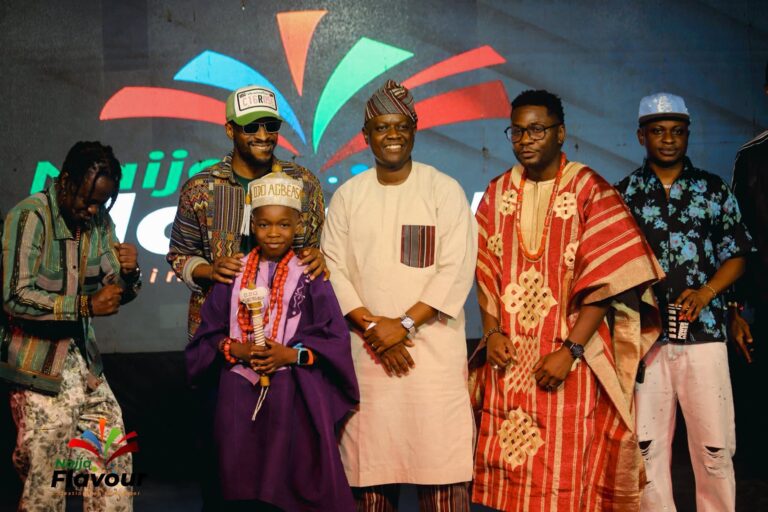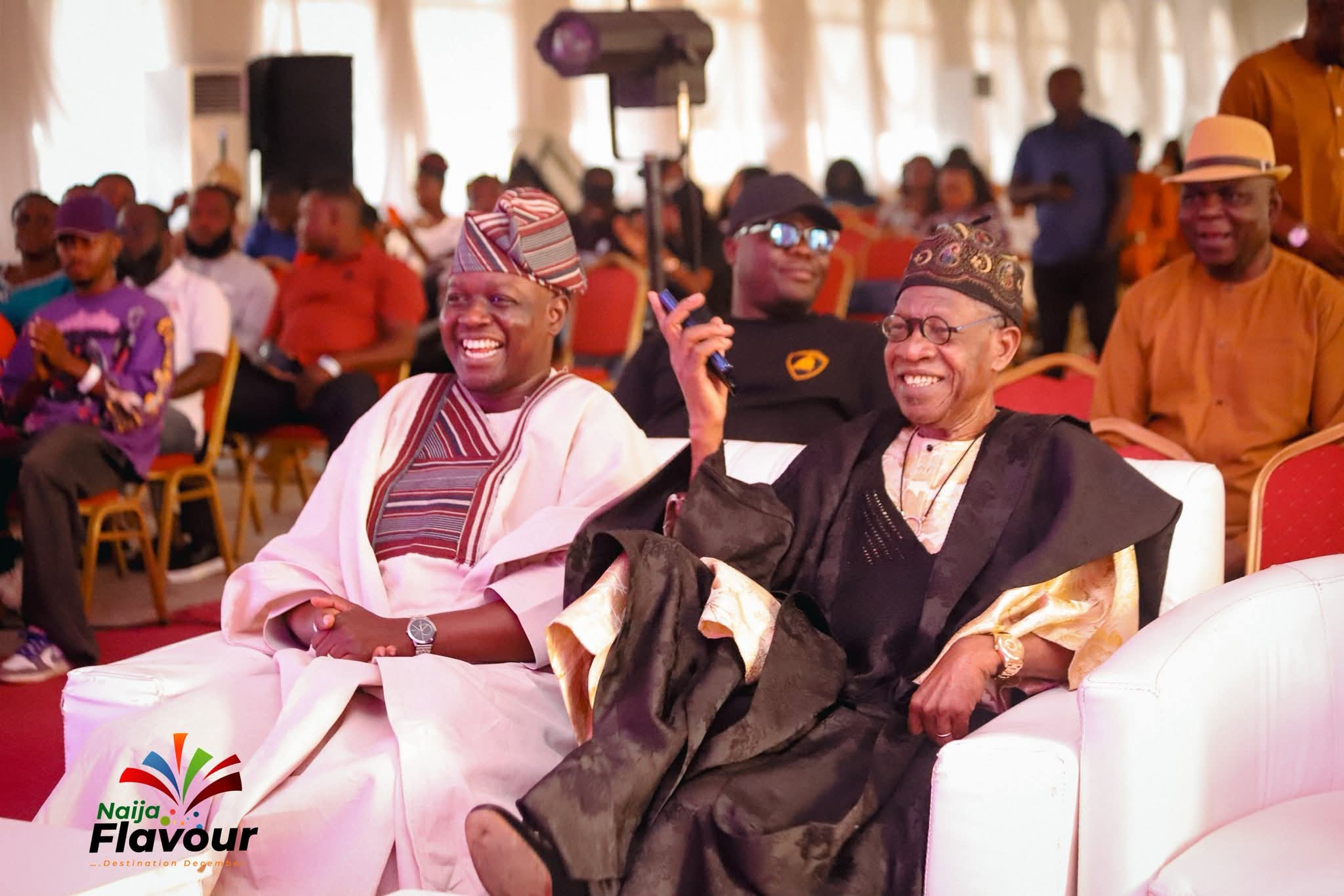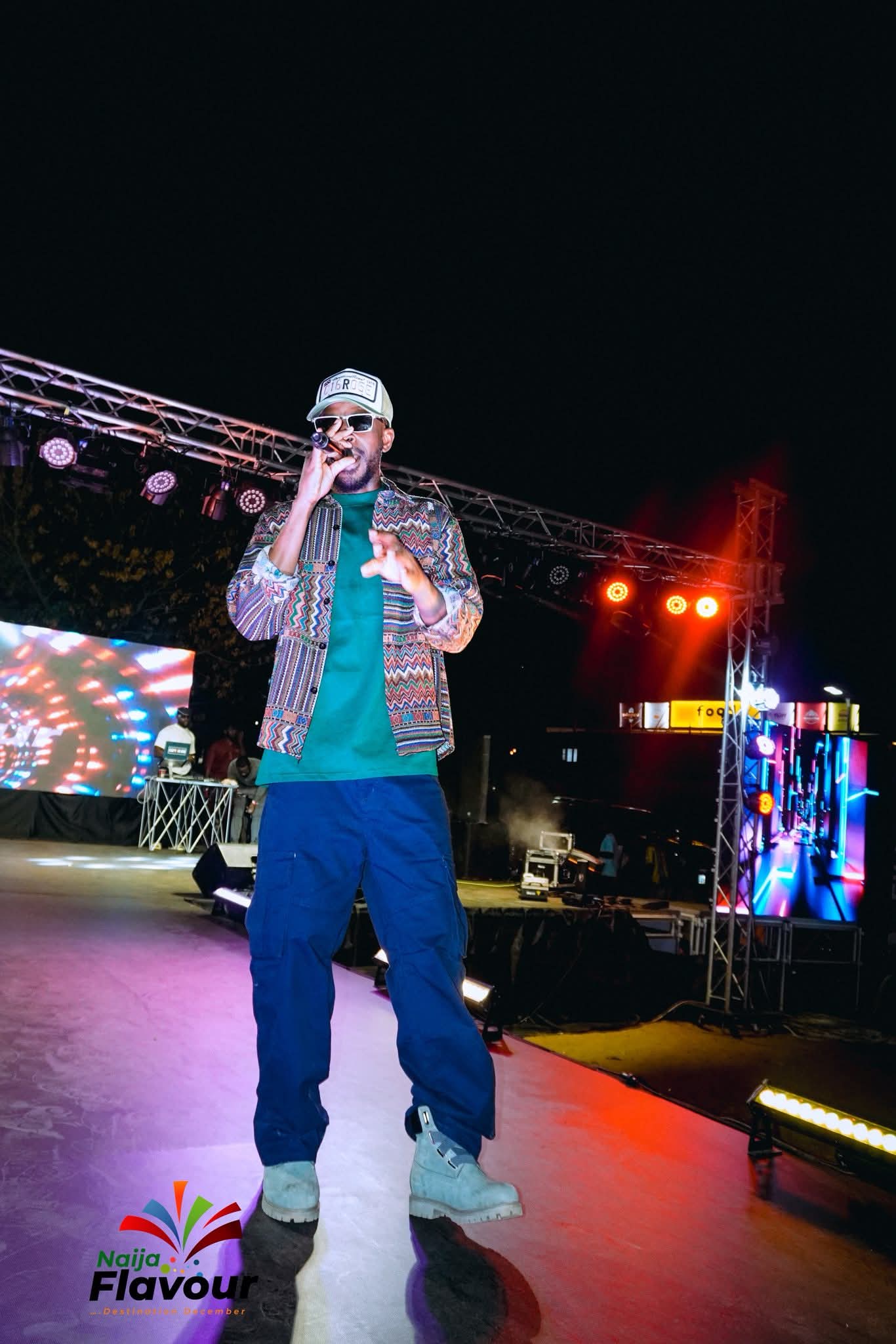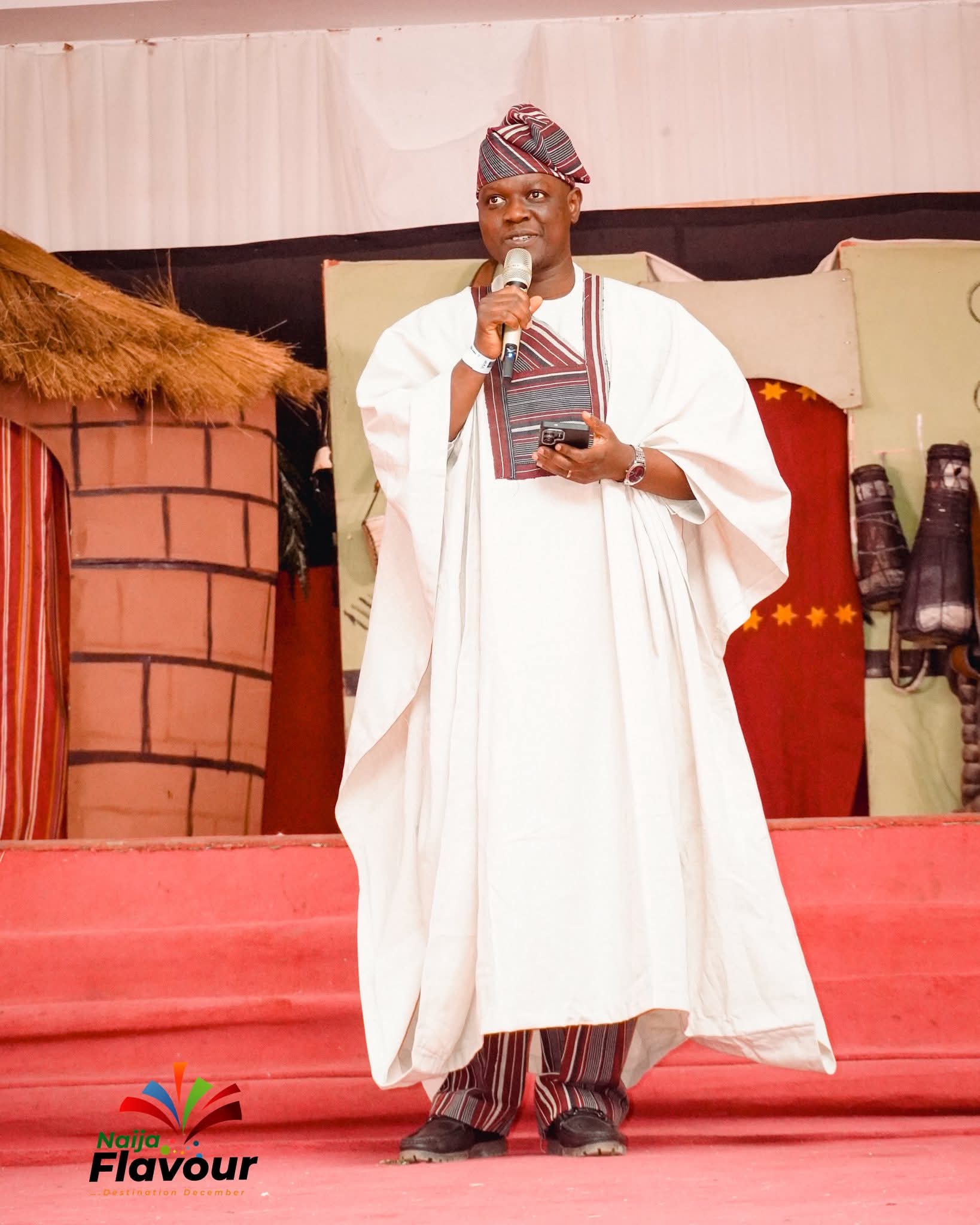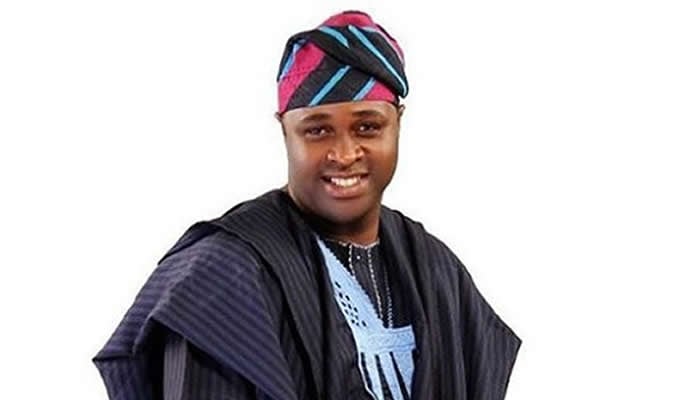


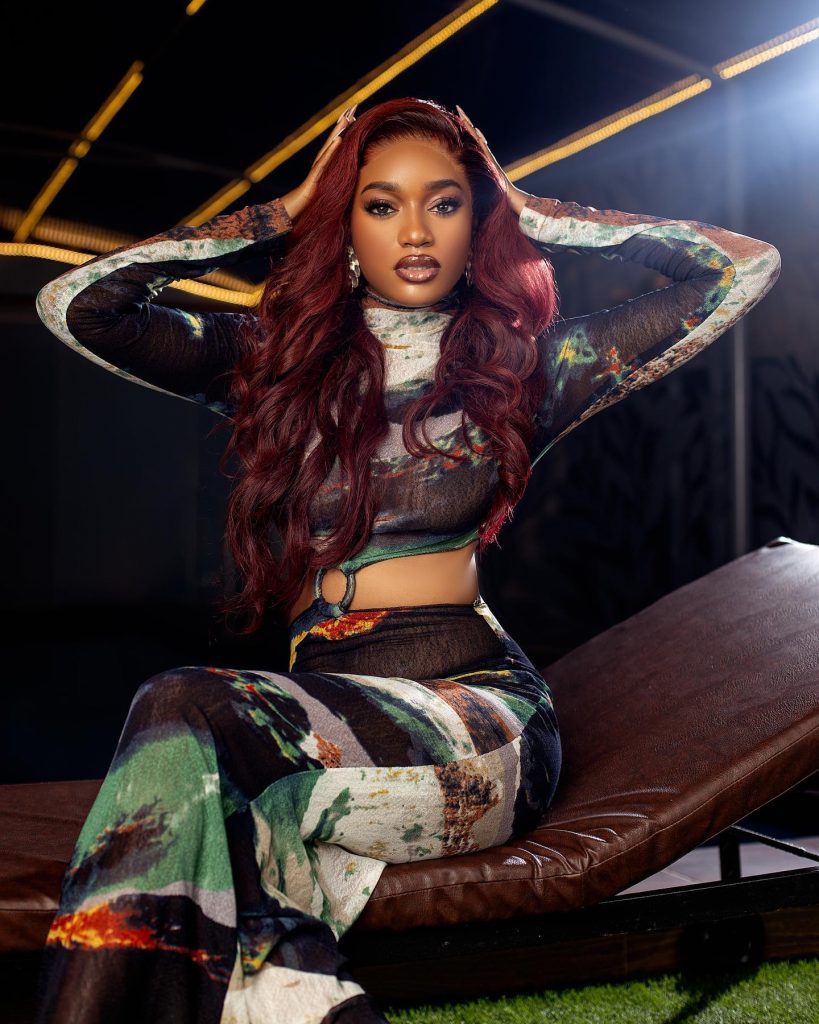
Beauty Queen “Beauty Tukura” indeed looks good in just about anything. But when it comes to posing for a photoshoot, the reality star proves time and again that you can be comfortable, fun, or even tell a beautiful story without uttering words.
Most iPhone users rely on the charging port simply to recharge their device, but it actually offers several lesser-known functions that can make life easier. Here are five surprisingly useful ways to use your iPhone’s charging port beyond its standard purpose.
1. Charge Other Devices: Turn Your iPhone into a Power Bank
Did you know your iPhone can supply power to other devices? With a simple USB-to-USB cable, your phone can charge earbuds, a friend’s iPhone, or even an Android device in a pinch. It’s especially handy in emergencies or when someone’s device is critically low on battery. Your iPhone essentially doubles as a portable power source.
2. Share Your Internet via Cable: Faster, More Stable Connectivity
Wi-Fi networks can be unreliable, dropping signals at inconvenient times. Your iPhone can solve this by acting as a wired hotspot. Connect it to another device using a USB cable, and you can share your mobile data connection directly. This method is faster, more stable, and avoids the random disconnects often experienced with wireless hotspots.
3. Connect External Storage or Accessories
With the right adapter, your iPhone can interface with external storage drives, cameras, and other accessories. This allows you to transfer photos, videos, or files directly without needing to rely on cloud services. It’s perfect for photographers or anyone managing large files on the go.
4. Use as an Audio Input for Instruments or Microphones
The charging port can double as an audio interface. Musicians and podcasters can plug instruments or microphones into their iPhone with compatible adapters, enabling high-quality recording without additional equipment. This opens up a compact, mobile setup for creative projects.
5. Diagnose or Restore Devices via Computer
Your iPhone’s port also serves as a direct link to computers for troubleshooting, software updates, or complete system restores. Using a cable connection ensures stable data transfer, making it the preferred method for critical maintenance tasks.
–
These hidden capabilities demonstrate that your iPhone’s charging port is far more versatile than just powering your device. With the right cables and adapters, it can transform your phone into a power bank, internet hub, media manager, recording studio, or diagnostic tool—all from a single port.
President Donald Trump has unveiled a new immigration pathway that grants wealthy foreign nationals accelerated access to United States residency in return for a one million dollar contribution, creating a system that pairs strict immigration controls with a premium fast-track option for those able to meet the financial threshold.
The announcement was made at a White House roundtable on Wednesday, where Trump introduced the program known as the Trump Gold Card and opened its official website, trumpcard.gov. The portal went live the same afternoon and marks the federal government’s first public release of requirements, processing details, and application timelines.
According to the guidelines published online, applicants must first pay a fifteen thousand dollar processing fee to the Department of Homeland Security and complete a background review before becoming eligible to make the one million dollar contribution. Employers may also sponsor a foreign professional by paying two million dollars under a separate sponsorship route.
The administration states that successful applicants will receive permanent residency through the EB1 or EB2 categories. These visas are usually reserved for people who demonstrate exceptional or extraordinary ability in fields such as science, business, research, or the arts.
The program outlines a short timeline once documentation is submitted. Officials estimate processing will take only a number of weeks, although candidates must still attend an in-person interview and may be required to pay additional fees to the State Department. The website notes that applicants must provide all requested materials on time to avoid delays.
The introduction of the Trump Gold Card places a high-value economic contribution at the center of a new immigration channel and creates a pathway designed to operate alongside the administration’s broader push for restrictive border measures and stricter eligibility criteria across other visa categories.
The Central Bank of Nigeria’s decision to issue eighty-two new Bureau De Change licences has unsettled Abuja’s foreign exchange community, with operators and analysts cautioning that the move could add fresh pressure to a market still recovering from previous regulatory disruptions.
The approvals are part of the bank’s broader reform agenda, aimed at rebuilding the FX market after several years marked by shifting policies, clampdowns on operators, and recurring liquidity shortages. The CBN describes the new licences as a measure to widen participation, improve transparency, and strengthen compliance standards across the retail segment.
Industry reactions have been mixed. While some see the expansion as a long-term step toward a more competitive marketplace, many operators argue that the present conditions are fragile. They warn that increasing the number of licensed BDCs without a corresponding rise in foreign currency supply may intensify scarcity, raise operational costs, and create new distortions in an already strained environment.
Analysts note that the FX retail space has yet to fully stabilise after earlier policy swings, and they stress the need for a phased approach that aligns licensing with liquidity levels, market discipline, and clearer regulatory guidance.
The development places renewed attention on the central bank’s strategy for restoring confidence and achieving a more predictable FX framework in the months ahead.
Chocolate City CEO Abuchi Peter Ugwu has cautioned that Lagos risks slowing the growth of its booming creative economy if it does not address the infrastructure problems affecting concerts, film production, cultural technology, and youth-powered entertainment ventures.
Ugwu delivered the warning in Alausa, Ikeja, during the Economic Roundtable Discussion convened by the Economic Intelligence Department of the Lagos State Ministry of Economic Planning and Budget. The forum gathered policymakers, industry leaders, economists, and cultural stakeholders to assess Lagos’ shifting economic landscape and the structural barriers holding back key sectors.
In his remarks, Ugwu described Nigeria’s creative industry as one of the country’s most energetic economic drivers, sustained by a young population and global interest in Afrobeats, Nollywood, design culture, gaming, and digital media. He noted that Lagos remains the industry’s centre of gravity but faces growing competition from other African cities that are investing in infrastructure, entertainment districts, and production facilities.
Ugwu identified several constraints that must be addressed if Lagos is to retain its leadership position. These include unreliable power supply for productions and live events, inadequate large-capacity venues, limited digital infrastructure for content creators, and the high operational costs that discourage both local and international investors.
He added that the creative sector’s contribution to employment and foreign exchange earnings continues to rise, making it essential for Lagos to adopt long-term policies that encourage production, protect intellectual property, and promote cultural exports.
The roundtable also highlighted broader concerns about urban planning, transportation, environmental management, and the need for public-private partnerships to support the next phase of Lagos’ economic growth.
Ugwu called for coordinated action between government and industry stakeholders, noting that the future of Lagos’ creative economy will depend on whether the state can offer the infrastructure needed to match its cultural ambition.
Each year, Forbes releases its ranking of the World’s 100 Most Powerful Women, highlighting individuals whose influence extends across politics, business, diplomacy, and global culture. The 2025 edition featured five outstanding African women, each representing a distinct sphere of leadership. Their inclusion reflects the continent’s growing visibility in global affairs, corporate innovation, and media influence.
This article offers a detailed profile of the five honourees and also highlights notable African women who, based on their achievements, could be strong contenders for future lists.
Position: President of Namibia Sector: Politics & Governance
Netumbo Nandi-Ndaitwah made history as Namibia’s first female president, a landmark achievement in Southern African politics. Her decades of service as a diplomat and cabinet minister shaped her approach to governance, with clear emphasis on national stability, public sector reform, and sustainable economic growth.
Her global influence is rooted in her role in elevating Namibia’s presence within international institutions. She has been a consistent voice in debates around African trade, climate responsibility, and women’s political participation. Her leadership style blends quiet firmness with strategic diplomacy, contributing to her place on Forbes’ list.
2. Judith Suminwa Tuluka (Democratic Republic of Congo)
Position: Prime Minister of the Democratic Republic of Congo Sector: National Leadership & Reform
Judith Suminwa Tuluka stands as the first woman to serve as Prime Minister in the DRC. Her appointment marked a symbolic shift in the politics of a country long shaped by volatility. Known for her background in development economics, she carries a reform agenda focused on stabilising regions affected by conflict and improving governance structures.
Her rise to global recognition stems from her work with international development agencies and her efforts to create a more transparent public sector. Forbes acknowledges her capacity to navigate one of Africa’s most complex political environments while shaping policy with long-term national implications.
3. Mpumi Madisa (South Africa)
Position: Group CEO, Bidvest Sector: Corporate Leadership
Mpumi Madisa is among the most respected executives in Africa’s corporate landscape. As the head of Bidvest, one of South Africa’s largest conglomerates, she oversees operations spanning services, manufacturing, and logistics. She is part of the new generation of African corporate leaders who combine operational discipline with long-term strategic thinking.
Madisa’s inclusion on the Forbes list reflects her steady influence in steering a multinational group through economic transitions, corporate restructuring, and shifting global markets. Under her leadership, Bidvest has expanded its regional footprint and strengthened its position as a leading African enterprise.
4. Ngozi Okonjo-Iweala (Nigeria)
Position: Director-General, World Trade Organization Sector: Global Economics & Trade
Ngozi Okonjo-Iweala continues to hold one of the most influential positions in global economic governance. As the first African and first woman to lead the World Trade Organization, her role extends far beyond policy management. She has become a central figure in global conversations on trade fairness, development financing, and economic recovery.
Her presence on the list is no surprise. She has championed reforms that benefit developing nations, strengthened supply-chain cooperation, and pushed for more inclusive participation in global trade. Her reputation remains anchored in a career marked by transparency, intellectual depth, and strong negotiation skills.
5. Mo Abudu (Nigeria)
Position: Founder & CEO, EbonyLife Media Sector: Media, Entertainment & Culture
Mo Abudu is one of Africa’s most recognisable media entrepreneurs. Through EbonyLife Studios and EbonyLife Films, she has redefined African storytelling and positioned Nollywood within global entertainment circuits. Her studio’s partnerships with Netflix, Sony, and Westbrook highlight the growing demand for African stories told with quality and ambition.
Forbes recognises her as a cultural force whose work continues to shift perceptions of Africa in global media. By producing content that appeals to international audiences while retaining African identity, Abudu demonstrates how storytelling can influence culture, economics, and representation.
Who Else Could Have Been Included?
The Forbes list is selective, but several African women have demonstrated influence strong enough to merit future recognition.
Amina J. Mohammed (Nigeria)
As Deputy Secretary-General of the United Nations, she is one of the most influential African voices in international diplomacy. Her leadership on sustainable development and global policy coordination places her at a level of global authority matched by very few.
Ellen Johnson Sirleaf (Liberia)
The first elected female head of state in Africa and a Nobel Peace Prize laureate, Sirleaf remains an active figure in African governance and democracy initiatives. Her legacy continues to shape public policy across the continent.
Graça Machel (Mozambique/South Africa)
A long-standing advocate for children’s rights, gender equality, and social justice. Her work spans global foundations, education policy, and humanitarian initiatives, giving her influence that crosses borders.
Kirsty Coventry (Zimbabwe)
Newly elected President of the International Olympic Committee, she is the first African and first woman to lead the organisation. Her role expands Africa’s voice in global sports governance and cultural diplomacy.
The inclusion of these five African women on Forbes’ 2025 list signals a broader shift in how global power is defined. Their influence reflects political breakthroughs, economic leadership, and cultural transformation on a scale that shapes the world far beyond their home countries.
As Africa continues to produce leaders of global stature, future editions of the list are likely to feature even more women from the continent, each contributing to political reform, global development, and cultural impact.
Ibraheem Lateef Adebayo is gaining steady recognition within Nollywood for a style of performance that blends precision, emotional control and an instinctive grasp of character. His recent roles have drawn attention from producers and audiences who see in him the makings of a long-term fixture in the industry.
Adebayo, who hails from Osun State, completed a degree in History Education at Obafemi Awolowo University, graduating with a second-class division. He entered the film industry in 2020 and has since worked across a range of productions that showcase both his versatility and his growing command of screen acting. His credits include work on Dejavu, Wura and Lisabi the Revolt, each contributing to his rising profile.
His reputation for detailed reenactment became more widely acknowledged in 2023 when he received the Best Reenactment Award for his interpretation of the character Eleniyan in Gangs of Lagos. Several Nollywood publications later described him as the “King of Re-enactment,” a label that reflects the precision of his performance style and the effort he brings to each role.
Selected Roles
Boda Lasisi in Dejavu
Cameo appearance in Wura
Lisabi in Lisabi
Mr Bidemi in The Night Before Christmas
Mr Lawal in Behind Closed Doors
Professor Peller in Thick Madness
Beyond his on-screen work, Adebayo has built an audience that has pushed his viewership to more than 300,000 across various platforms. He has been featured in several Nollywood blogs and entertainment magazines, and his public recognition includes an Award of Excellence from the Muslim Society as well as the Best Performing Artiste honour at the Heritage Awards Africa in 2020.
As he continues to take on more challenging material, Adebayo has expressed an ambition to bring his craft to the widest possible audience. His early achievements offer a clear indication of a career that is only beginning to unfold and one that positions him among the notable young actors shaping Nollywood’s next generation.
Nollywood actress, filmmaker, and digital content creator Omoni Oboli has been named YouTube Nigeria’s Content Creator of the Year for 2025, topping the platform’s year-end creators list and cementing her influence in digital storytelling. Her channel, Omoni Oboli TV, has grown to roughly 1.7 million subscribers in just two years, driven by the success of films such as Love in Every Word and A Night in July. Her content generated over 370 million total views, a milestone that underscores her broad appeal and audience engagement.
The 2025 YouTube Nigeria rankings reflect a diverse set of creators who shaped the country’s digital landscape across genres and formats. Alongside Oboli, several other Nigerian creators earned places in the platform’s Top 10 list, illustrating the dynamic growth of online video production and viewership in the country.
Creators Recognized in YouTube Nigeria’s 2025 Top 10
1. Omoni Oboli – Omoni Oboli TV (Content Creator of the Year)
2. Ibrahim Yekini – Itelediconstudio (Second place creator)
These creators represent a broad set of genres including film production, comedy, lifestyle, and scripted content, reflecting the varied interests of Nigerian audiences on YouTube and the expanding reach of Nollywood practitioners on digital platforms.
Context of the Rankings
YouTube’s 2025 year-end review also highlighted musical achievements and platform trends. Gospel singer Gaise Baba topped the platform’s most-watched Nigerian music video chart with No Turning Back II, while secular artists such as Shallipopi, Davido, Olamide, and Asake filled other top music spots.
The creators list demonstrates the strength of Nigerian digital culture in 2025, with established film storytellers and new media innovators sharing recognition from one of the world’s largest video platforms. The rankings coincide with YouTube’s rollout of its new recap features and ongoing efforts to support local content producers through analytics, workshops, and creator tools.
Oboli’s achievement underscores a broader trend of Nollywood talent leveraging online video to reach global audiences and diversify storytelling beyond traditional cinema distribution.
The 2025 edition of the Odunlade Adekola Film Production (OAFP) Awards delivered one of its most memorable ceremonies in Abeokuta, with industry veterans and rising talents receiving top honours for their contributions to film, digital storytelling, and entertainment.
One of the evening’s defining moments came when veteran actress Peju Ogunmola received a standing ovation from the audience. Her recognition served as a tribute to her long-standing influence in Yoruba cinema and her role in shaping generations of performers. The gesture reflected the deep respect she commands within the industry and highlighted her continuing relevance in contemporary productions.
The awards also spotlighted emerging voices in film production. Producer Zainab Bakare secured one of the major awards of the night, a win that underscored her growing presence and creative impact within Nollywood. Her recognition further positions her among the producers whose work is contributing to the evolving texture of Nigerian storytelling.
Digital creator and entertainer Woli Agba added a significant win to his portfolio, taking home the Best Content Creator award. His victory acknowledges his popularity and the consistent reach of his online sketches, which have built a loyal following across Nigeria and beyond. His work continues to bridge traditional performance and modern digital comedy, marking him as one of the most recognisable figures in contemporary content creation.
The 2025 OAFP Awards reaffirmed the platform’s role in celebrating excellence across film, production, and digital entertainment, while offering a stage for both respected veterans and dynamic new talents.
The seizure of 10 Nigerian Air Force personnel by Burkina Faso’s military regime after an emergency landing has ignited anger across diplomatic and aviation circles, with experts condemning the move as vindictive, unprofessional, and a direct breach of globally recognised ICAO safety procedures.
The Nigerian C-130 Hercules aircraft, which made an emergency landing in Bobo-Dioulasso on Monday, had already obtained clearance before entering Burkina Faso’s airspace, contrary to AES claims. Aviation sources confirmed that the crew followed all required procedures after encountering an in-flight technical distress, including declaring an emergency and requesting the nearest available runway.
Under ICAO international law, which supersedes regional disagreements, an aircraft facing distress has the unrestricted right to land anywhere, including in hostile territory or active war zones. Emergency procedures clearly state that: Pilots must transmit “MAYDAY” or “PAN-PAN” depending on the severity, all air traffic units must grant priority, maintain radio silence, and provide safe landing guidance, no country is permitted to deny landing rights to a distressed aircraft, regardless of political tension or military status and any obstruction or punishment of an emergency landing is treated as a serious violation of international aviation law.
Yet, despite these established global norms, Burkina Faso’s junta responded with hostility, detaining impounding the aircraft while issuing inflammatory statements through the Confederation of Sahel States (AES).
Multiple diplomatic sources say Burkina Faso’s behaviour was not about airspace violation, but about frustration and anger over Nigeria’s role in foiling the recent coup attempt in Benin Republic. The junta in Ouagadougou has openly aligned itself with regimes in Niger and Mali and views Nigeria-led ECOWAS as an adversary.
Burkina Faso, Mali and Niger, having withdrawn from ECOWAS to form the AES, have taken increasingly confrontational postures. The failed coup in Benin Republic would have added a fourth member to their alliance. Nigeria, working with Beninese authorities, helped abort the mutiny, an outcome that allegedly angered Ouagadougou. It was believe this political grievance drove their irrational and provocative treatment of the Nigerian Air Force crew.
Ironically, while Burkina Faso claimed “sovereignty violation,” the Nigerian Air Force and the Nigerien Air Force, both on opposing sides of the ECOWAS–AES political divide continue to operate jointly on the border. Niger and Nigeria have been conducting joint operations against ISWAP in part of North East.
This exposes the immaturity and isolationist attitude of Burkina Faso’s junta, which has adopted a policy of hostility even toward partners with whom they still maintain diplomatic ties.
Despite withdrawing from ECOWAS, Burkina Faso continues to operate its embassy in Nigeria. This makes its hostile action even more illogical and diplomatically inappropriate. If they expect safe operations and immunity for their missions on Nigerian soil, they must uphold reciprocal commitments under international law.
Contrary to AES propaganda, the Nigerian aircraft: had prior clearance, followed ICAO emergency protocols, declared distress, and was compelled to land for safety reasons. Aviation experts noted that aircraft transponders may switch off during emergencies, which is normal and never justifies detention of crew members.
If every country were to behave as Burkina Faso did, global aviation would collapse into chaos. Officials warn that: Burkinabè aircraft could one day face emergencies and require landing in Nigerian airspace. If Nigeria were to apply the same hostile logic, lives could be lost unnecessarily. Aviation safety is built on mutual trust, not political revenge.
ABUJA, NIGERIA — Nigeria’s daily average consumption of Premium Motor Spirit (PMS), commonly known as petrol, witnessed a notable decline in November 2025, according to the latest data released by the Nigerian Midstream and Downstream Petroleum Regulatory Authority (NMDPRA).
The latest Fact Sheet from the NMDPRA indicates that the national daily consumption averaged 52.9 million litres per day in November.
Significant Drop from October
This November figure reflects a distinct shift in national fuel demand patterns and marks a decline from the 56.74 million litres per day recorded in the preceding month of October 2025.
The dip in consumption—a difference of nearly 4 million litres per day—could be attributed to several factors, including the continued adjustment of consumer behaviour following the subsidy removal, efficiency gains from public transport operations, or fluctuations in seasonal economic activity.
Increased Supply Contributions
Interestingly, the drop in national demand occurred even as the total volume of fuel supplied during the month showed increased contributions from both local production and imports.
This suggests that the market is experiencing a potential oversupply relative to current demand, a dynamic that could stabilize prices or lead to larger strategic reserves. The NMDPRA data points to improving operational efficiency across the downstream sector, capable of meeting the country’s fuel needs from diverse sources