
Home Blog Page 368

𝗛𝗢𝗪 𝗬𝗢𝗥𝗨𝗕𝗔 𝗣𝗘𝗢𝗣𝗟𝗘 & 𝗜𝗡𝗚𝗘𝗡𝗨𝗜𝗧𝗬 𝗖𝗥𝗘𝗔𝗧𝗘𝗗 𝗡𝗢𝗟𝗟𝗬𝗪𝗢𝗢𝗗.

0

𝗛𝗢𝗪 𝗬𝗢𝗥𝗨𝗕𝗔 𝗣𝗘𝗢𝗣𝗟𝗘 & 𝗜𝗡𝗚𝗘𝗡𝗨𝗜𝗧𝗬 𝗖𝗥𝗘𝗔𝗧𝗘𝗗 𝗡𝗢𝗟𝗟𝗬𝗪𝗢𝗢𝗗.

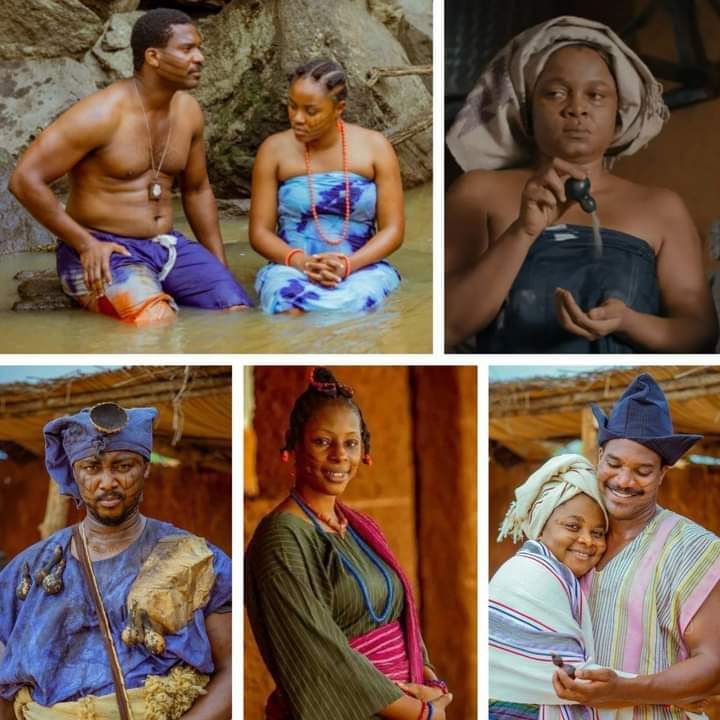
The media is currently abuzz with a statement credited to Aisha Lawal which is that the Yoruba people Created and Pioneered the Nigerian movie industry popularly known as “Nollywood”. Is it true that the Yoruba people created Nollywood? Let’s take a look at what the facts say.


‘Nollywood’ as we know it today, wasn’t always called that. The Nigerian movie scene started with “The Golden age Era” which was the time period between 1950s to late 80s when theatre, stage plays and performance troupes that were mobile dominated the scene. According to the facts, productions from Western Nigeria were the major force propelling the acting industry in this time period. The earliest and most famous Nigerian thespians of then were largely Yoruba people including people like; Moses Olaiya, Jab Adu (Joseph Biodun Babajide), Isola Ogunsola, Ladi Ladebo, Sanya Dosumu and Hubert Ogunde who transitioned into the big screen. It is no mistake that Hubert Ògúndé is regarded as the father of theatre and performace arts in Nigeria.


Latola Films, which started the production of motion pictures since 1962, has often been noted as the earliest Nigerian indigenous film production company in Nigeria. Television broadcasting in Nigeria began in 1959 spear headed by the Western Nigeria Television (WNTV) Ibadan, which made it a point to broadcast the theatre and productions of the early pioneers into the homes of the denizens of Western Nigeria.


Before then a few films such as Kongi’s harvest by Francis Oladele, a film based on a work of the same name by Wole Soyinka was released in 1970s. Ola Balogun’s post-civil War film, Amadi (1975) was one of the first notable Nigerian historical films on celluloid. Balogun subsequently directed Ajani Ogun in 1976, a film which grew to become very popular, and is widely regarded as the first “commercial” Nigerian film, due to its success. This movie had Adeyemi Afolayan, father of current trailblazers Kunle Afolayan (producer of Anikulapo) as its main star.

Other popular films released in this era include: Bull Frog in the Sun (1974), Dinner with the Devil (1975); directed by the duo Sanya Dosunmu and Wole Amele, Ogunde’s Aiye (1979), Jaiyesimi (1980), Cry Freedom (1981). These were all before Achebe’s things fall apart was adapted to television in 1987.


Another very successful television adaptation was the adaptation of D.O. Fagunwa’s 1949’s novel, Igbo Olodumare. The television series of the same title witnessed a tremendous success, especially in South western states, where it was reported that the show constantly left streets deserted during its broadcast on Sunday evenings.


In terms of revenue generation, After several moderately successful films, productions like Papa Ajasco (1984) by Wale Adenuga became one of the first Nigerian mega grossers, reportedly grossing about ₦61,000 (₦88.64 million in 2023) in three days. A year later, Mosebolatan (1985) by Moses Olaiya also grossed ₦107,000 (₦183 million in today’s money) within five days and officially became Nigerias first Blockbuster.


Later on in the late 1980’s the Golden age began to come to an end due to many reasons but most importantly due to the in crease in the onership of private television sets at home.

The industry moved on to the production of home videos, an era which was termed “The video film era”. Again the Yoruba people led and pioneered the industry. Firstly, by 1984, television programming in the western region, which was the major area the cinemas served had improved tremendously and more television stations were established in the region as well, leading to a significant decline in cinema culture and embrace of private television viewing.


Jimi Odumosu’s Evil Encounter, a 1983 horror film released directly on television, was the first production to be a pointer to how lucrative making film directly on video can be. The film was extensively promoted before being aired on the television, and as a result, had streets flooded the following morning with video copies of the recorded broadcast. Since Evil Encounter, it became common in Nigerian cities to see video copies of recorded television programmes traded on the streets. This was the method that was adopted by producers and distributors from Eastern Nigeria who came into the movie scene later on, often with copyright violations and piracy issues but with major success in proliferation of views.


The first film produced directly on video in Nigeria is 1988’s Soso Meji, produced by Ade Ajiboye. Subsequently, Alade Aromire produced Ekun (1989) on video. These are the pioneers and fathers of Nigerian Home Videos or VHS. The era became entrenched in the 90’s with the proliferation of VHS video players in homes. This was the time when movie production from Eastern Nigeria became a major force in Nollywood. Kenneth Nnebue’s Living in Bondage (1992) was released in this era and many of the popular stars of igbo extraction made their names in this period too.


Now, the Nigerian movie industry or ‘Nollywood’ is moving to its newest and most modern phase. An Era that has been termed “New Nollywood”. New Nolywood is characterized by a major shift in the method of film production, from the video format/VCD discs, which came about during the video boom, back to the original cinema method the industry started out with, which constituted the films produced in the Golden Era of Nigerian cinema, and which also dominates in most countries around the globe with an organized movie industries.


This method is once again led by the Yoruba people. This is evident in the fact that the vast majority of the highest earning/grossing Nigerian movies of recent times have been largely dominated by producers of Southwestern origin like; Funke Akindele Niyi Akinmolayan, Kemi Adetiba, Kayode Kasum and others. Such movies as: Battle on Buka street to Omo ghetto, Wedding party, King of thieves, Ijakumo, King of boys Etc.


The second facet of this new era which has come with the proliferation of internet services of good quality is the- On demand streaming services and payTV sector which has seen Yoruba speaking movie productions like Anikulapo and Jagun Jagun reach record heights, becoming some of the most watched Non-English movies in the entire world on these Internet streaming platforms.


So… Yes, Aisha Oladunni Lawal is very much correct when she said Yorubas created Nollywood. And what she said is verifiable by both historical and empirical data. The only issue is some people who do not like hearing the truth and who enjoy obfuscating historical facts. Ire o.

Credit  The Yoruba Nation CH on X.
Osun’s Commissioner Ensures Safety of Palliatives from Looting.

0

The Osun State Government has bolstered security measures surrounding its warehouses to prevent potential looting of the palliatives provided by the Federal Government.

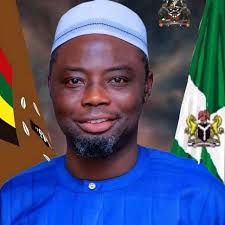
This step aims to alleviate the impact of the fuel subsidy removal. Mr. Kolapo Alimi, the Commissioner for Information and Public Engagement, confirmed these security improvements in an interview with journalists on Monday.

He indicated that updates regarding the received items will be shared, ensuring the public is kept informed about these developments.

Alimi further highlighted the deployment of additional security personnel to safeguard the stored items.

The government has taken proactive measures to discourage any attempts to exploit the situation and pilfer the palliatives intended for the vulnerable segments of society.

Yorùbá Music Artistes Have Always Been Dominating The World – Reno Omokori

0

Throughout every decade of Nigeria’s existence as an independent nation, the music of Yoruba origin has consistently dominated not only our nation but also the world. Various Yoruba artists have emerged as influential figures in different eras, showcasing the rich musical heritage of the Yoruba people.


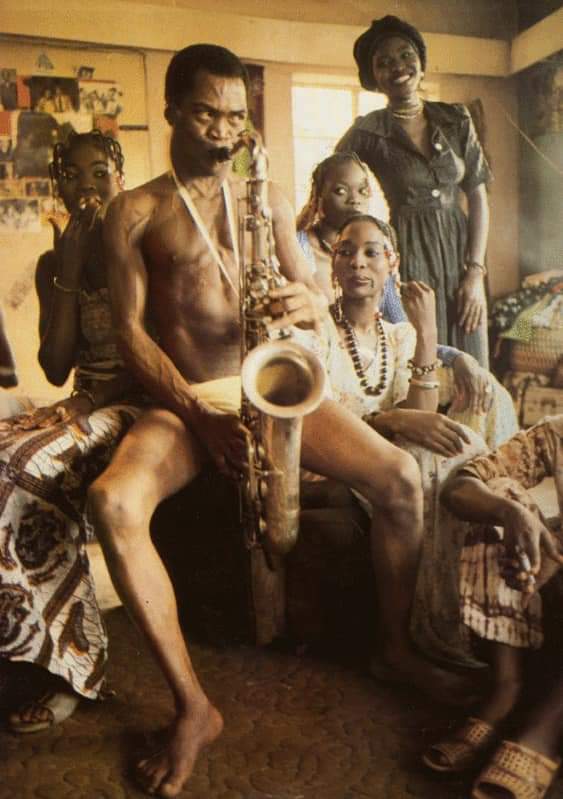
In the 1960s, Bobby Benson took center stage and dominated the music scene. The 70s saw the rise of Abami Fela Kuti, who became an iconic figure with his Afrobeat sound. Moving into the 80s, King Sunny Ade and Chief Commander Ebenezer Obey reigned supreme, captivating audiences with their unique styles. The 90s witnessed the dominance of Sir Shina Peters and King Wasiu Ayinde Marshall.


As we entered the 2000s, Paul Play Dairo shared the spotlight with the non-Yoruba artist Tuface Idibia. In the following decade, D’Banj, known as the Koko Master, shared dominance with non-Yoruba artists such as PSquare. Presently, we have a new wave of Yoruba-influenced artists, including Davido, Wizkid, Burna Boy, and Asake, who are not only dominating the music scene but also selling out prestigious venues like the O2 Arena and Madison Square Garden.


It’s worth noting that Yoruba female artists have also made significant contributions to the industry. Tiwa Savage, Yemi Alade, Asa, Simi, Teni, and Seyi Shay are among the talented women who dominate both locally and internationally with their girl power!


One might wonder how Yoruba artists manage to crossover and gain international recognition, even when they sing wholly or partly in Yoruba. Christy Essien Igbokwe once stated that her breakthrough in the music industry would not have been possible without her anthem “Seun rere,” which was performed entirely in Yoruba.


In the global music scene, no other ethnic group has consistently achieved international breakthroughs while singing in their native tongue like the Yoruba artists have. While other groups may sing in their native languages, they have struggled to crossover internationally.


Caribbean reggae artists predominantly sing in English or patois, African American R&B, Jazz, Soul, and rap artists sing in English, and Black Brazilians crossover with Portuguese. Francophone artists, with the exception of Manu Dibango, have primarily crossed over with French, and South

The Darkness that is The Black Book – RMD

The Darkness that is The Black Book.

Truth be told, even though there tough days during the preparations for the shoot nothing worried me more than how dark the character has to go.


When I say dark I mean it in every literary sense. No smiles. No romance. No sweetness nothing.

As in to conspire with the overall darkness, nature used to align with us.

So we were shooting in Apapa on a Sunday after by the docks and the sun is out in all its glory. No jokes it was probably 36 to 38 degrees at that moment and I was about to step out into it shoot. I did.

Then we cut after the first take and I was sweating buckets and I joked about the sun being capable of driving anyone mad at that intensity. I don’t know what made me ask the make up artist for a mirror to look at my face but what I saw made me scream. My face was so dark I didn’t recognise me. But for the timely explanation of the makeup artist I would have thought something was terribly wrong.

She said it was my body protecting itself by producing more melanin to protect my skin.


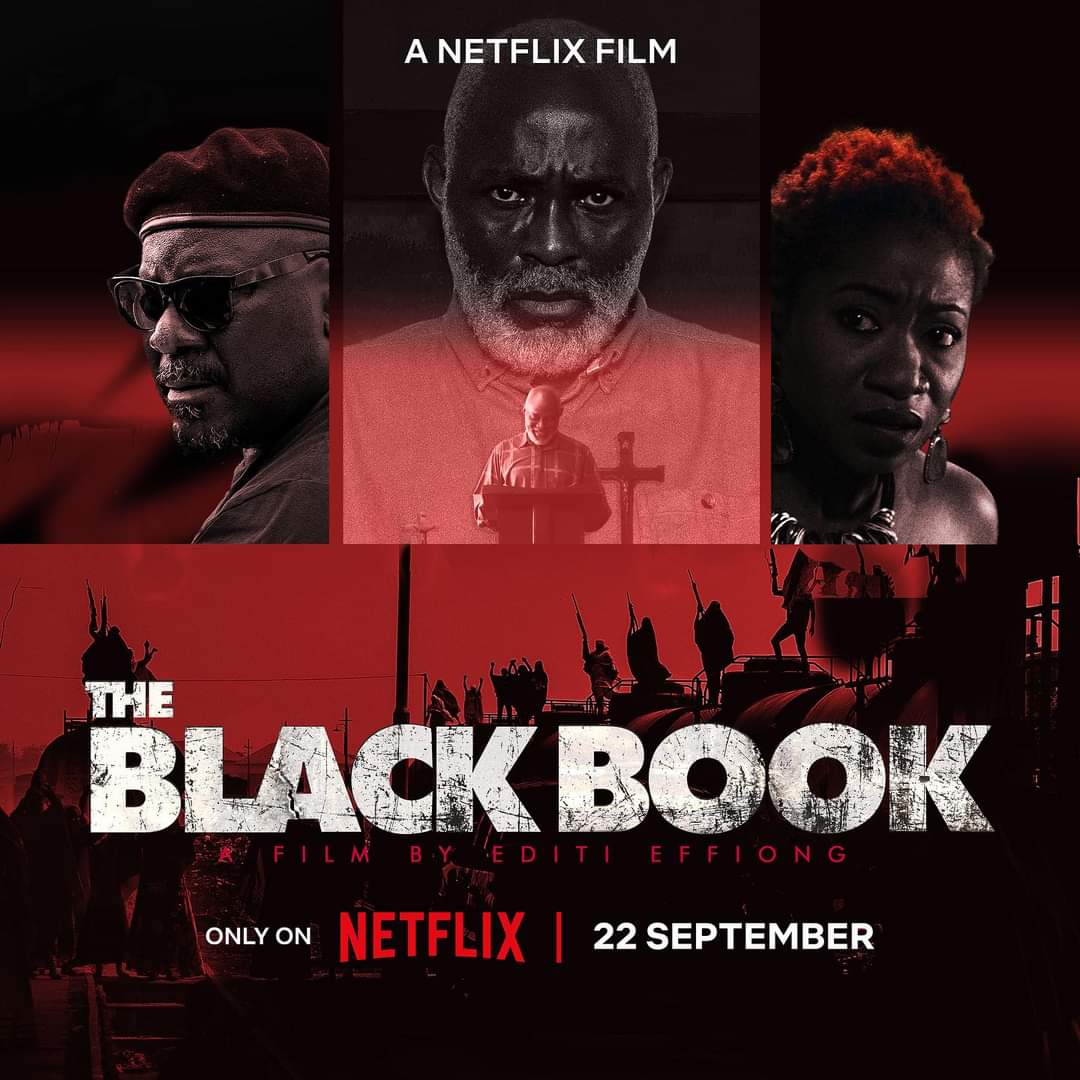
Looking at the pictures now I see the effect it has on my character and I thank God for making nature itself align. No make up nothing. All melanin. Now I know what Melanin popping means.


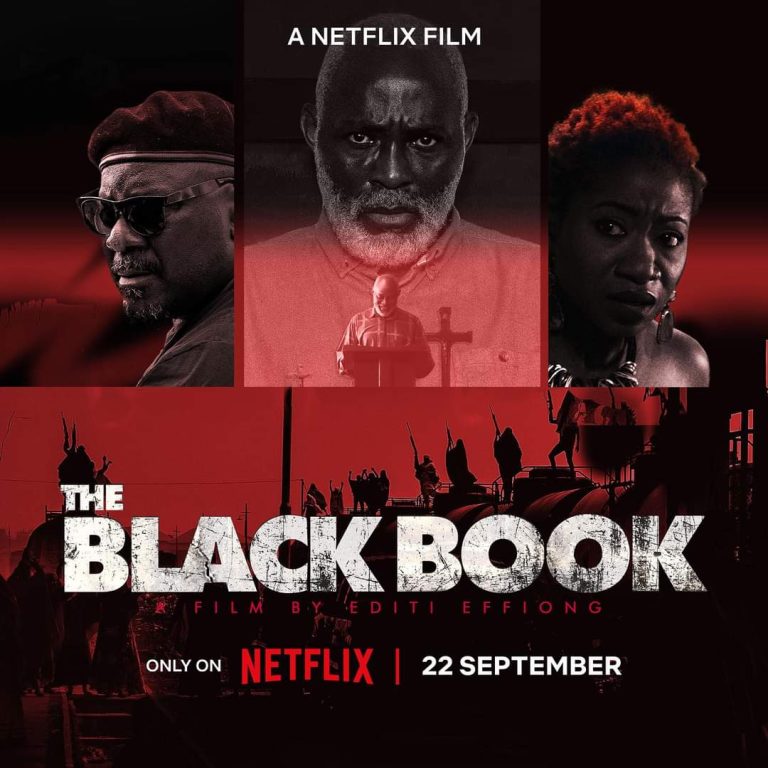
Happy to share the official poster with you. The Black Book is Coming.


RMDtheActor is Coming!


To my director, son, and friend, @editieffiong , you did it. You made the plunge, did the impossible, and fought to make this film everything you had dreamed it would be. The world is about to witness your genius! They think they are ready – they don’t know what is about to hit them.


This is the film! This is my film. This is Nollywood’s Biggest Film yet! Brace yourselves, it’s going to be a wild ride into the depths.


Thanks folks for engaging with the trailer. I’m super gassed up.

Did somebody just ask if I would do this again? Heck yes. Story just dey start.

If I nor give una, how una go collect!


🎬🌟#TheBlackBook #TheBlackBookOnNetflix #TheBlackBookIsComing #September22 #TBB #TheBlackBook #RMDSaysSo

“Starting September 25th, FG will be implementing the introduction of HPV vaccines.”

0

The Federal Government announced its intention to introduce the Human Papillomavirus (HPV) Vaccine on September 25, 2023, aimed at preventing cervical cancer among women and girls.

This decision was revealed during a bi-annual review meeting with religious leaders in Abuja, where the government emphasized the significance of administering the HPV vaccine to girls aged nine to fifteen as a preventive measure against cervical cancer.

Cervical cancer, a condition affecting the cervix’s cells, is closely linked to various strains of HPV, a sexually transmitted infection. It was highlighted that the HPV vaccine has the potential to avert over 90% of HPV-related cancers.

Notably, the World Health Organization identified that in Nigeria, the HPV types 16 and 18 are responsible for nearly half of high-grade cervical pre-cancers.

Tragically, around 14,000 Nigerian women are diagnosed with cervical cancer annually, leading to approximately 7,968 deaths each year.

During the review meeting, the Coordinating Minister of Health and Social Welfare, Dr. Muhammad Pate, represented by Dr.

Emmanuel Odu, the Senior Special Adviser to the Minister, acknowledged the valuable contribution of faith-based communities to healthcare delivery in Nigeria.

He stressed the importance of blending spiritual beliefs with scientific knowledge to effectively tackle health challenges.

Dr. Pate affirmed the government’s commitment, under President Bola Tinubu’s leadership, to enhance healthcare accessibility and affordability for all citizens, seeking the support of religious leaders to foster community trust in health interventions.

Dr. Faisal Shuaib, the Executive Director and CEO of the National Primary Health Care Development Agency, called upon religious leaders to aid in raising awareness about the free HPV vaccination among their congregations.

He urged them to dispel misconceptions, encourage healthier behaviors, and advocate for the HPV vaccine, highlighting its role in preventing cervical cancer.

Sultan Abubakar III, President of the Nigeria Supreme Council for Islamic Affairs, emphasized the need to address food security as a fundamental aspect of public health.

He expressed hope that collective efforts would lead to positive outcomes and urged self-reliance alongside trust in divine intervention.

Archbishop Daniel Okoh, President of the Christian Association of Nigeria, represented by Rev. Joseph, welcomed the attention given to primary healthcare.

He emphasized the pivotal role of religious leaders in influencing their followers’ health decisions, commending the collaboration between religious institutions and the government to improve healthcare access, particularly in rural areas.

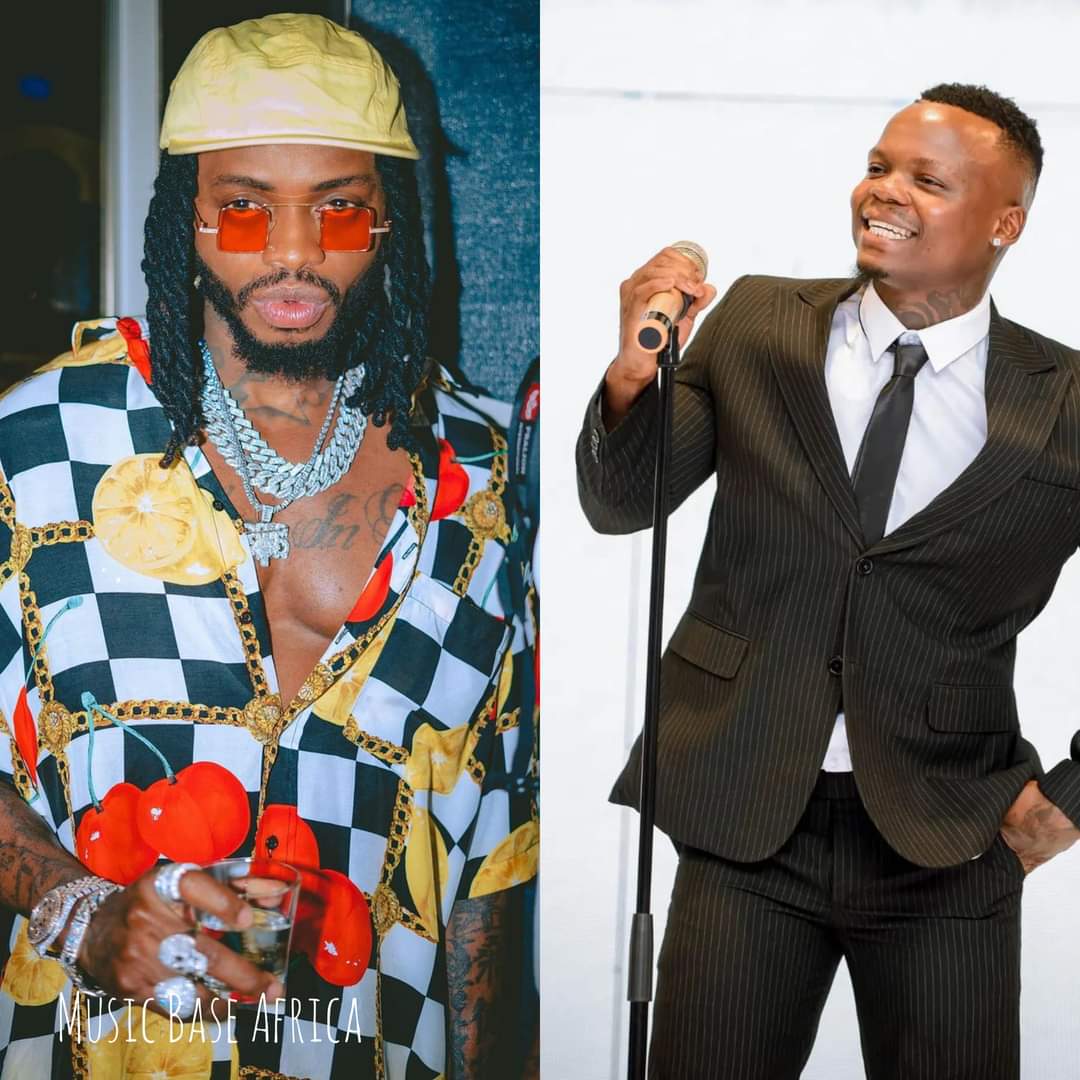
Tanzanian singer Harmonize signed with Diamond Platnumz’s prestigious Wasafi Record Label.

0

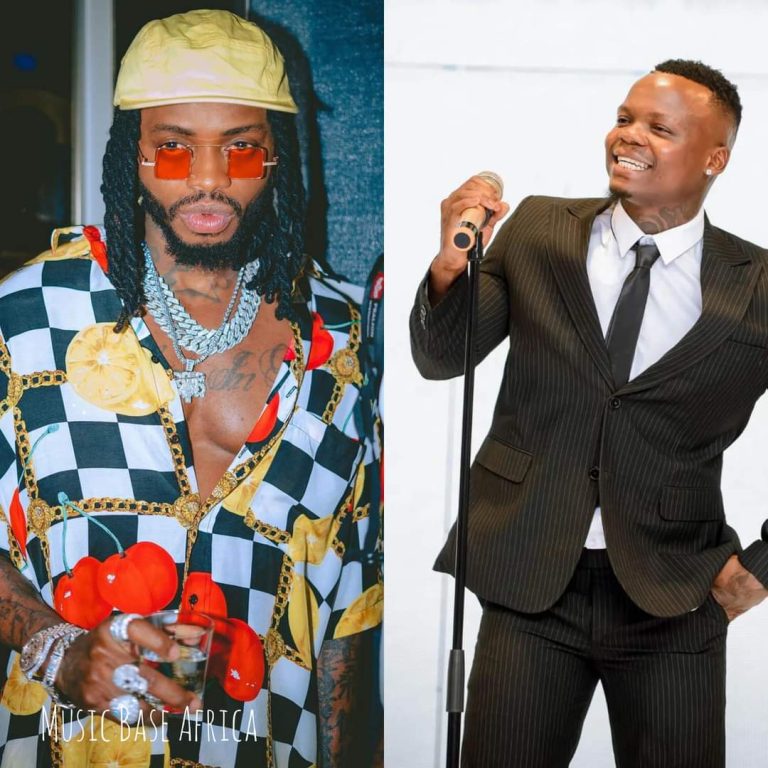
Tanzanian singer Harmonize made a significant move in his career when he signed a 15-year contract with Diamond Platnumz’s prestigious Wasafi Record Label.

However, his unwavering determination to achieve success overshadowed his consideration of the potential consequences associated with this deal. Regrettably, by the year 2020, Harmonize found himself compelled to sell his properties and exhaust his savings in order to terminate the contract, leaving him heartbroken and disheartened.


Nevertheless, it is truly remarkable to witness Harmonize’s remarkable journey, as he now stands among the most affluent artists in East Africa. His perseverance and talent have propelled him to great heights, earning him a well-deserved place among the region’s wealthiest individuals.


Sadly, Harmonize’s story is not an isolated incident. Numerous African artists face similar challenges due to their record deals, which, if revealed in detail, would undoubtedly evoke a sense of sympathy and compassion.


In light of these circumstances, it is crucial to reflect upon the state of African record labels and their impact on artists. What are your thoughts on this matter? The experiences of Harmonize and countless others shed light on the complexities and hardships faced by artists within the African music industry.

“Jagun Jagun, I Love Am Die”: Burna Boy Applauds Femi Adebayo’s New Movie

0

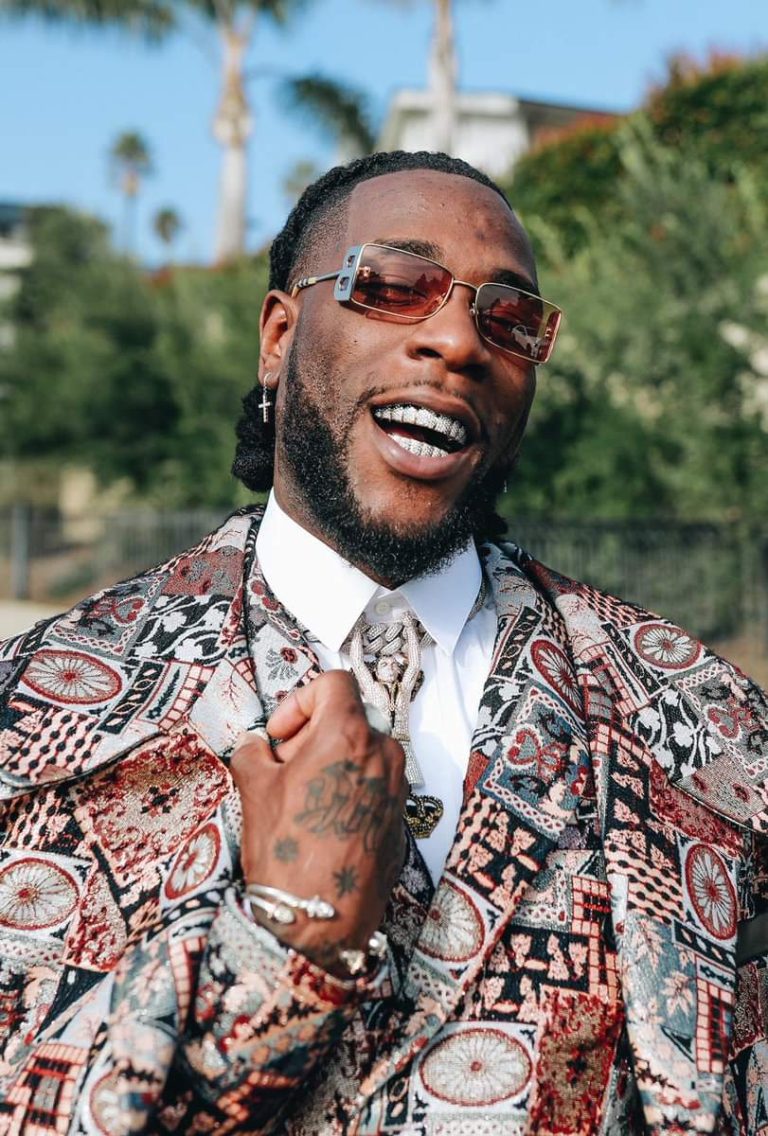
“Jagun Jagun, I Love Am Die”: Burna Boy Applauds Femi Adebayo’s New Movie, as He Connects with Asake.


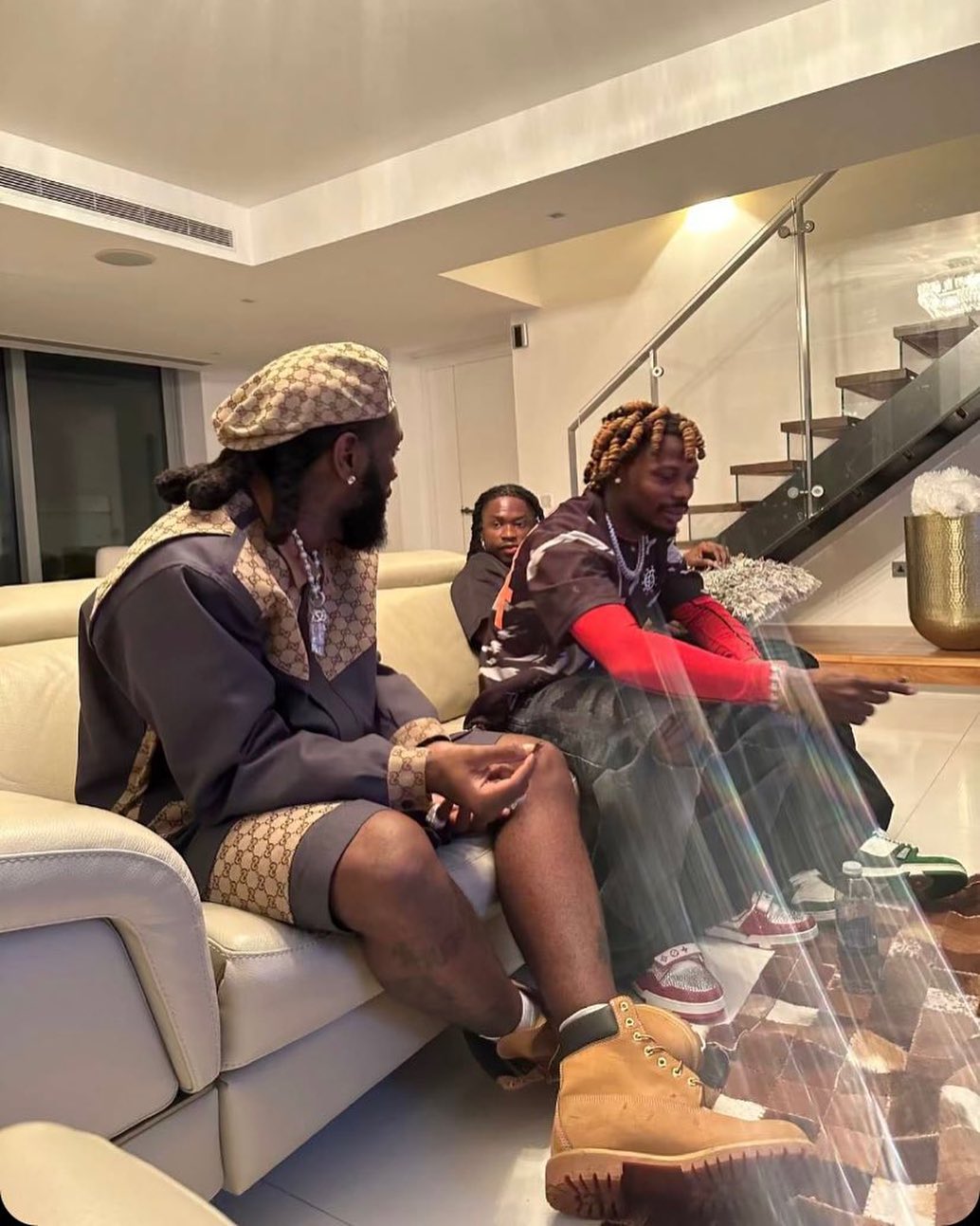
The sensational Afrobeat icon, Burna Boy, has ignited a wave of excitement across the internet with his heartfelt endorsement of Femi Adebayo’s latest blockbuster, Jagun Jagun. In a viral clip, Burna Boy can be seen passionately expressing his admiration for the film, while enjoying a casual outing with his fellow artist, Asake.

During their hangout, one of Burna’s entourage playfully teased him, questioning why he always exudes the spirit of a Jagun Jagun. In response, Burna Boy playfully declared his love for the movie, comparing himself to the legendary character, Ogundiji.


This lively exchange unfolded after Burna Boy and Asake shared an affectionate embrace, solidifying their camaraderie as rising stars in the Afro-fusion genre.


Boldly celebrating the union of two musical powerhouses, Burna Boy’s endorsement of Jagun Jagun has undoubtedly amplified the film’s buzz. With his immense influence and undeniable talent, Burna Boy’s stamp of approval serves as a testament to the movie’s quality and entertainment value.


As the Afrobeat superstar continues to captivate audiences worldwide, his support for Femi Adebayo’s latest cinematic masterpiece further solidifies his position as a tastemaker and trendsetter in the industry.


In a world where the entertainment landscape is constantly evolving, Burna Boy’s bold and unapologetic endorsement of Jagun Jagun showcases his unwavering commitment to championing exceptional artistry. With his infectious energy and magnetic presence, Burna Boy effortlessly captivates both fans and critics alike, leaving an indelible mark on the cultural zeitgeist.


As the anticipation for Jagun Jagun reaches fever pitch, Burna Boy’s endorsement serves as a rallying cry for fans to experience the magic and brilliance of Femi A

Harnessing the Power of Social Media Marketing for Your Business – Part 1

0

Harnessing the Power of Social Media Marketing for Your Business

– By Adesina Kasali

In today’s digital age, social media has become an indispensable tool for businesses to connect with their target audience and promote their products or services. With billions of active users across various platforms, social media marketing offers immense potential for businesses to reach and engage with a wide range of customers.


One of the key advantages of social media marketing is its cost-effectiveness. Compared to traditional advertising methods, advertising on social media platforms is often more affordable, allowing businesses of all sizes to compete on a level playing field. By strategically utilizing social media platforms, businesses can effectively target specific demographics, interests, and locations, maximizing their advertising budget.


Another significant benefit of social media marketing is its ability to build brand awareness and increase visibility. Through consistent and engaging content, businesses can establish a strong online presence, making it easier for potential customers to discover and recognize their brand. By sharing valuable information, promotions, and updates, businesses can foster a loyal following and create a positive brand image.


Social media platforms also offer powerful tools for audience engagement and interaction. Businesses can leverage features such as comments, likes, shares, and direct messaging to foster meaningful connections with their customers. By actively engaging with their audience, businesses can gain valuable insights, address customer concerns, and build trust and credibility.


Moreover, social media marketing allows businesses to track and analyze their performance in real-time. Through various analytics tools provided by social media platforms, businesses can measure the effectiveness of their campaigns, identify trends, and make data-driven decisions to optimize their marketing strategies. This level of transparency and flexibility enables businesses to adapt and refine their approach to achieve better results.


Adesina Kasali

Digital Marketing

2023

Banks and 18 additional entities penalized with a fine of N125 million due to delayed submissions.

A total of eight banks and 18 other publicly listed companies have been penalized with fines amounting to N125 million for their failure to submit their audited financial statements for the year 2022 and quarterly reports for the first half of 2023 as mandated by the Nigerian Exchange.

The financial institutions affected by these sanctions include Unity Bank, FBN Holdings, Access Holdings, Fidelity Bank, Jaiz Bank, Wema Bank, Guaranty Trust Holdings Plc, and Ecobank Transnational Incorporated.

Similarly, notable companies like John Holt, PZ Cussons, Notore Chemical, Glaxo SmithKline Consumer Nigeria, Industrial Medical and Gases Nigeria, and Juli Plc have also faced penalties due to non-compliance.

The Nigerian Exchange’s post-listing rules stipulate that quoted companies are required to submit their audited results within 90 calendar days (three months) after the close of the relevant period. Additionally, interim reports must be submitted within 30 calendar days after the period ends.

According to the most recent X – Compliance Report issued by the regulatory arm of the Nigerian Exchange, FBN Holdings incurred fines for delaying the submission of its 2022 financial results and its Q1 2023 report. The bank paid N6.3 million for the former violation and N3.3 million for the latter.

Unity Bank paid N6.4 million for its delay in submitting the 2022 results and an additional N3.4 million for not filing its Q1 2023 interim reports on time.

Other penalties included fines of N2.7 million, N1.4 million, and N1.9 million for Fidelity Bank, GTCO, and Wema Bank, respectively.

Access Holdings was fined N2 million, while Jaiz Bank, Ecobank, and John Holt were penalized with amounts of N600,000, N3.2 million, and N3.2 million, respectively.

PZ Cussons received a fine of N4.8 million, Notore Chemical paid N500,000, and GSK, which had announced the closure of its Nigerian operations, was also fined N1.3 million for the late filing of its 2022 financial results.

Other companies facing penalties for delayed filing of their 2022 audited accounts include Industrial Medical and Gases Nigeria (N1.2 million), Juli Plc (N120,000), and NPF Microfinance Bank (N1.8 million).

Daar Communications was fined N1.7 million, Champion Breweries and Abbey Mortgage Bank Plc were each penalized N1.6 million and N1.4 million, respectively.

Regency Alliance Insurance and Thomas Wyatt Nigeria also faced fines of N1.4 million and N4.9 million, respectively, for the same violation.

Presco Plc was fined N24.8 million, Ardova paid N18.6 million, and Universal Insurance Plc was penalized with N12.4 million for violating filing regulations.

Conoil faced a penalty of N7.9 million for failing to submit its results within the stipulated period, and Caverton Offshore Support Group paid N5.7 million for the same offense.

Additionally, telecommunications services firm Briclinks Africa Plc was fined N590,000 during this period.

David Adonri, Vice-chairman of Highcap Securities, emphasized the importance of these fines in upholding the integrity of the market.

Many of these penalties are related to corporate disclosures.

The capital market heavily relies on accurate information, and listed companies are obligated to disclose specific details within appropriate timeframes.

In cases where a company anticipates difficulty in meeting these requirements, they can request an extension from the exchange.

Insufficient funds: Banks’ reliance on CBN borrowing reaches a staggering N12 trillion.

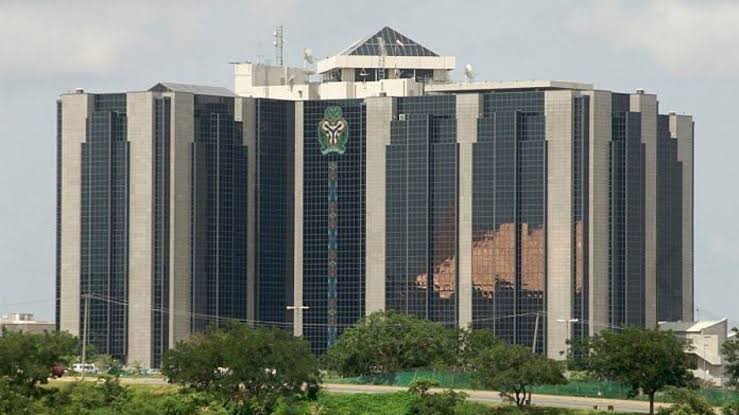
There is evidence that both commercial banks and merchant banks are increasingly relying on the Central Bank of Nigeria for liquidity, with their borrowing from the apex bank intensifying during the last eight months of 2023.

In addition to August 2023 coming to a close this week, a combined total of N12.46tn has been borrowed by commercial banks and merchant banks from the CBN during the first eight months of this year, according to data from the CBN accessed by our correspondent.

Comparatively, during the initial eight months of 2022, these financial institutions borrowed N6.96tn from the central bank, which marks a significant 79 percent increase.

The means through which commercial and merchant banks obtain funds from the apex bank include utilizing the Standing Lending Facility (SLF) window for borrowing and the Standing Deposit Facility (SDF) window for depositing cash.

Insights reveal that banks availed the SLF window extensively during the first eight months of 2023, influenced by the CBN’s tightened monetary policy stance.

The CBN employs the SLF, a short-term lending avenue, to facilitate commercial and merchant banks in securing liquidity for their daily operational needs.

January to June this year, commercial banks and merchant banks borrowed N10.25tn from the CBN via the SLF window, reflecting a YoY surge of 138 percent compared to N4.3tn borrowed during the same period in H1 2022.

The data also indicates that the figure for the first quarter, standing at N4.95tn, exceeded the half-year value of 2022.

A breakdown of the monthly figures shows that in January, commercial banks and merchant banks borrowed N528.16bn from the CBN, with this number dropping to N453.7bn in February 2023.

However, in March, this figure witnessed a substantial 776.22 percent increase to N3.98tn, marking the second-highest value after the N4.47tn recorded in April 2023.

The CBN data further displays borrowings of N590.29bn and N235.06bn for May and June 2023, respectively.

Furthermore, the SLF figures for July and August stood at N908.43bn and N1.3tn, respectively.

Offering commentary on this trend, Dr. Muda Yusuf, a former Director-General of the Lagos Chamber of Commerce and Industry, stated, “This reflects the liquidity pressure some banks are experiencing.

Although this facility is typically short-term, it doesn’t necessarily indicate that the banks are distressed or unstable. Nevertheless, bank recapitalization is long overdue.

The current minimum capital requirement of N25 billion is insufficient, especially when adjusted for inflation.”

Tajudeen Ibrahim, a financial expert at Chapel Hill Denham, commented, “This development suggests that banks are facing liquidity shortages.

Tightening monetary policy has resulted in reduced liquidity. Borrowing from the CBN is a more cost-effective option for banks.

While this situation isn’t positive, it’s important not to over-tighten as it could hinder economic growth.”