Home Blog Page 42

Boeing Partners with Nigeria to Build World-Class Aircraft Maintenance Hub

0

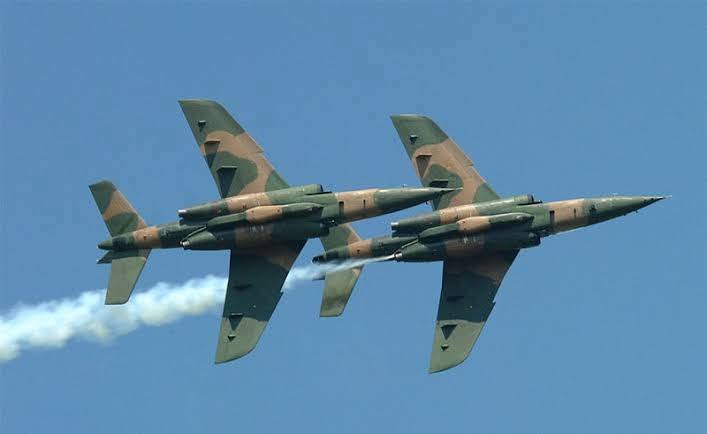
Nigeria’s ambition to become the aviation hub of West and Central Africa has received a massive boost with the announcement of a landmark partnership between the Federal Government, global aircraft manufacturer Boeing, and the UK-based Cranfield University to establish a world-class Maintenance, Repair, and Overhaul (MRO) facility in the country.

The agreement, announced by President Bola Tinubu’s administration, is viewed as a “defining step” for Nigeria’s aviation journey, designed to halt the enormous capital flight currently lost to overseas aircraft servicing.

Halting the $200 Million Annual Capital Flight

The primary economic driver for the project is cost savings. Nigerian airlines are currently compelled to ferry their aircraft abroad for essential maintenance checks (like C-Checks and D-Checks), resulting in huge operational costs and a significant outflow of foreign exchange.

  • Estimated Savings: When fully completed and operational, the Boeing-backed MRO facility is expected to cut the airline industry’s maintenance costs by over $200 million annually.

  • Operational Hubs: The new state-of-the-art MRO facilities are planned for development in two major cities: Lagos and Abuja, with local carriers Aero Contractors and XEJet reportedly leading the transformation efforts.

The establishment of local MROs will drastically improve efficiency and reduce ground time for aircraft, allowing Nigerian carriers to compete more effectively with international airlines.

Strengthening Nigeria’s Technical Capacity

The partnership with Boeing and Cranfield University goes beyond just infrastructure; it is a strategic move to build local capacity and position Nigeria on the global aviation map alongside major airshows in Farnborough, Paris, and Dubai.

  • Job Creation and Training: The facility is expected to create thousands of direct and indirect jobs, while the collaboration with Cranfield University—renowned for its aerospace programs—will ensure the development of a highly skilled local workforce through specialized training and technical support.

  • Regional Hub: The long-term plan is to leverage Nigeria’s strategic position and growing passenger traffic (projected to hit 25.7 million by 2029) to transform the country into the primary aviation maintenance hub for the entire West and Central African sub-regions.

This development aligns with massive infrastructure upgrades currently underway, including a ₦712 billion overhaul of Lagos Murtala Muhammed Airport, all aimed at modernizing Nigeria’s aviation ecosystem and driving its contribution to the national GDP

Ghana Accelerates Nuclear Ambition: Targeting 2027 Start Date for First Power Plant

0

ACCRA, Ghana—Ghana is aggressively moving forward with plans to establish its first nuclear power facility, marking a major strategic decision to diversify its national energy mix and secure long-term power stability. The nation is targeting a construction start date of 2027 for the project, positioning nuclear energy as a key pillar alongside renewables in its future power generation strategy.

The initiative is being spearheaded by the Ministry of Energy and Green Transition, which is currently focused on the critical stage of land acquisition and engaging technical partners globally.

Dual-Site Development Strategy

Ghana’s nuclear ambition is structured around a two-pronged development plan, ensuring that the technology addresses both grid stability and industrial demand:

  • Large-Scale Plant: The government is securing land for a large-scale nuclear power plant, designed to be integrated directly into the national grid. This facility will significantly boost Ghana’s overall energy security and help reduce the country’s heavy reliance on volatile hydropower and natural gas sources.

  • Smaller Industrial Unit: A separate location is being acquired for a smaller nuclear industrial unit. This unit is intended to provide dedicated, stable power supply to large industrial consumers, ensuring consistent energy for major economic activities.

Progress and Global Engagement

Current progress on the project is focused on foundational and preparatory work:

  • Land Acquisition: The Ministry of Energy and Green Transition is actively working on finalizing the acquisition of the two selected sites, a crucial step that precedes regulatory approval for construction.

  • Technical Preparation: Preparatory work and technical training are already underway, emphasizing the country’s commitment to building local capacity for operating and maintaining the complex facilities.

  • Global Partnerships: Ghana is actively engaging with global partners, including leading nuclear energy nations and technology providers, as part of its growing participation in the broader African trend toward nuclear power development.

By targeting a 2027 construction start, Ghana aims to significantly boost its energy generation capacity, enhance its energy security profile, and ensure a more stable power supply necessary for rapid industrialization. This strategy places Ghana at the forefront of African nations adopting nuclear technology to meet rapidly rising energy demands.

Foreign Affairs Ministry Partners NTDA to Showcase Nigeria to the World

ABUJA—The Ministry of Foreign Affairs is moving to leverage its global diplomatic network to boost Nigeria’s tourism sector, following a high-level strategic engagement between the Foreign Affairs Minister and the Nigerian Tourism Development Authority (NTDA).

On Thursday, December 4, 2025, the Honourable Minister of Foreign Affairs, Ambassador Yusuf Maitama Tuggar, hosted the Director General of the NTDA, Dr. Olayiwola Awakan GrPr, and his team for a familiarisation visit centered on strategic collaboration.

Leveraging 109 Missions for Tourism

The core of the discussion focused on how Nigeria can significantly strengthen its tourism visibility across the world by activating the Ministry’s network of 109 foreign missions (embassies and consulates).

Both teams reached an alignment on the urgent need for stronger, clearer storytelling about Nigeria. The collaboration will focus on promoting Nigeria’s diverse array of attractions and heritage sites, including:

  • Iconic natural landscapes like the Yankari Reserve and the Obudu Plateau.

  • Historical sites such as the Great Walls of Kano and the ancient sand dunes of the North.

  • Crucial national narratives, including contemporary stories of innovation and the deeply significant slave-route heritage.

NTDA’s Digital and Diplomatic Strategy

Dr. Awakan outlined the NTDA’s strategic approach for leveraging the Ministry’s global reach. Key initiatives shared by the DG include:

  • New Promotional Videos: Deployment of fresh, high-quality promotional videos showcasing Nigeria’s culture, landscapes, and historical depth across all foreign missions.

  • Mission Reception Points: Developing improved tourism reception and information points within embassies and high commissions to serve as primary outreach centers.

  • Cultural Ambassadors: Initiatives to nurture and utilize Nigerian cultural ambassadors and diaspora figures in host countries to drive engagement.

  • Digital Tools: Expanding the use of digital platforms to showcase Nigeria to a global audience 24/7.

Firmly Back on the Global Stage

Minister Tuggar expressed the Ministry’s full readiness to deepen collaboration, emphasizing the commitment to ensuring Nigeria’s presence at major global tourism platforms, such as the ITB Berlin (Internationale Tourismus-Börse).

The Minister stressed that this unified approach sends a clear message to the world: “Nigeria is firmly back on the global tourism stage.” The collaboration aims to strengthen cultural diplomacy, boost global visibility, and drive essential investment into Nigeria’s rich tourism assets.

AU Hails “Historic” Rwanda-DRC Peace Deal Signed in Washington, Urges Full Implementatio

0

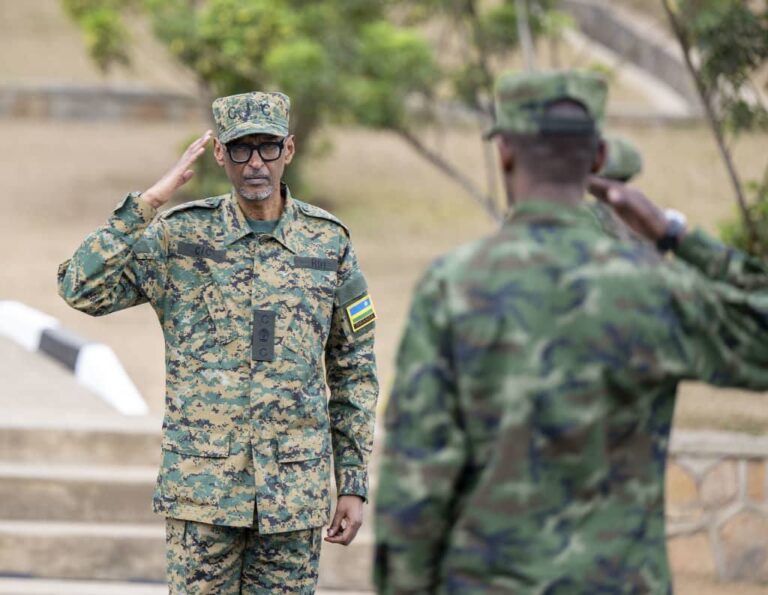
ADDIS ABABA—The Chairperson of the African Union (AU) Commission, Mahmoud Ali Youssouf, has warmly welcomed the “historic peace agreement” signed by Rwandan President Paul Kagame and Democratic Republic of Congo (DRC) President Félix Tshisekedi in Washington, D.C.

Youssouf described the pact as a “major step toward lasting peace and stability” in the turbulent Great Lakes region, a vital area of focus for the AU.

Praise for Regional and International Support

The AU Commission Chair specifically praised the roles played by both international and African stakeholders in facilitating the crucial breakthrough:

  • International Facilitators: He acknowledged the pivotal support provided by the United States and the State of Qatar, which hosted crucial preliminary negotiations.

  • African Leadership: Youssouf singled out the commitment of African leaders, including President Faure Gnassingbé of Togo and President João Lourenço of Angola, whose sustained mediation efforts were critical to bridging the deep-seated tensions between the two nations.

The agreement aims to normalize diplomatic relations, demobilize and repatriate armed groups operating across the shared border, and foster economic cooperation—key steps required to end decades of conflict fueled by proxy wars and control over mineral wealth.

AU’s Commitment to Implementation

While celebrating the signing, Youssouf emphasized that the true success of the agreement rests on its full and unconditional implementation by both Kigali and Kinshasa.

He affirmed the African Union’s readiness to dedicate resources and diplomatic support to the subsequent phases of the process, including:

  • Reconciliation: Fostering community-level reconciliation efforts in affected border regions.

  • Regional Cooperation: Supporting joint economic and security projects to build mutual trust.

  • Sustainable Peace: Monitoring adherence to the security clauses, particularly those concerning armed groups.

The AU’s statement sets a tone of cautious optimism, recognizing the monumental challenge of translating a diplomatic agreement into tangible peace and stability on the ground in the eastern DRC.

Nigeria’s Production Forecast to Rise to 1.73 Million B/D in 2026

0

LAGOS—Nigeria’s crucial oil sector is poised for a modest recovery in 2026, with total liquid hydrocarbons production expected to record an uptick, according to a forecast by BMI, a Fitch Solutions company.

The projection signals that infrastructure improvements and incremental output from existing fields are beginning to stabilize the sector, moving production levels back toward Nigeria’s full capacity.

Exceeding OPEC Quota

BMI forecasts that Nigeria’s total liquid hydrocarbons production will average 1.73 million barrels per day (b/d) next year. This figure represents a 1.9% rise from the estimated 1.70 million b/d recorded in 2025.

Crucially, this projected 2026 average significantly surpasses the country’s official OPEC production quota of 1.50 million b/d. This difference is largely due to the fact that the BMI forecast includes condensate—a light crude not covered by OPEC quotas—whereas the OPEC quota applies only to crude oil.

Drivers of the Expected Uptick

The forecasted increase is attributed to two primary factors:

  1. Infrastructure Improvements: Sustained efforts by the Nigerian government and national oil companies to enhance security in the Niger Delta and repair key crude oil pipelines are expected to minimize production disruptions, which have been a major drag on output in recent years.

  2. Incremental Field Output: Existing fields are anticipated to contribute slightly more output as marginal field developments come online and routine maintenance is completed, providing a small but consistent boost to the national total.

The increase to 1.73 million b/d will be critical for Nigeria’s foreign exchange earnings and budget financing, though the country will continue to balance its national production imperatives against its commitment to OPEC’s stability goals.

LEGAL LOGJAM: Senior Lawyers’ Turf War Halts Nestoil/Neconde Multibillion-Naira Debt Appeal

0

LAGOS—Proceedings at the Court of Appeal in Lagos were brought to an abrupt and dramatic halt on Thursday after a fierce and heated dispute erupted among senior lawyers over who holds the authority to represent Nestoil Limited and its affiliate, Neconde Energy Limited, in a multibillion-naira debt recovery case.

The internal legal clash forced the three-member appellate court panel to immediately adjourn the matter until January, prioritizing the resolution of the representation dispute before proceeding with the substantive appeal.

The Conflict: Two Teams Claiming Rightful Counsel

The confusion began during Thursday’s hearing when counsel were directed to announce their appearances. Two distinct legal teams rose to claim representation for the respondents, Nestoil and Neconde, who are facing a debt recovery suit from FBNQuest Merchant Bank Limited and First Trustees Limited over an alleged debt exceeding $1 billion and ₦430 billion.

  • The Original Team: Chief Wole Olanipekun, SAN, who has represented Neconde, and Dr. Muiz Banire, SAN, who represented Nestoil at the Federal High Court, announced their continued appearance for the firms.

  • The Receiver’s Team: Separately, Ayoola Ajayi, SAN, and Ayo Olorunfemi, SAN, announced their appearance for Nestoil and Neconde, respectively. This team was reportedly appointed by the receiver/manager, Abubakar Sulu-Gambari, SAN, who was put in charge of the companies’ assets by court order.

Chief Olanipekun, SAN, expressed profound shock, telling the court: “I am embarrassed. In my 49 years of practice, I have never had a dispute over representation with any lawyer in court.” He accused the appellants of creating the conflict by serving processes on the receiver’s counsel rather than the counsel of record.

Conversely, Ayoola Ajayi, SAN, insisted that he was properly appointed by the court-sanctioned receiver and urged the court to first resolve the counsel dispute, citing its precedence over all other applications, including jurisdiction.

Court Adjourns to January to Resolve Tussle

Presiding Justice Yargata Nimpar ultimately ruled that the matter of legal representation must be resolved before the court could proceed with the substantive appeal, stating that there was an “obvious conflict”.

The panel subsequently adjourned the case to January 15, 2026, directing all contending lawyers to file affidavits and written addresses to legally justify their right to appear for the two companies.

Background: The Receivership Context

The appeal itself was filed by FBNQuest Merchant Bank and First Trustees to challenge a ruling by the Federal High Court, which had vacated an earlier Mareva injunction freezing Nestoil and Neconde’s assets.

Prior to the adjournment, the Court of Appeal had already granted a restorative injunction, which effectively reversed the lower court’s decision and ordered that Nestoil and Neconde remain under the control of the receiver/manager pending the full hearing of the appeal. The current legal tussle means that despite the change in lawyers, the companies will remain under receivership until the appellate court determines the valid counsel and hears the substantive matter next year.

LEGAL DRAMA: Onyechi Ikpeazu SAN Speaks on Kanu’s Terrorism Conviction and Defense Team Exit

0

The legal landscape surrounding the trial of the detained leader of the proscribed Indigenous People of Biafra (IPOB), Nnamdi Kanu, remains volatile, following his recent conviction on terrorism charges and the dramatic withdrawal of his defense counsel. Senior Advocate of Nigeria (SAN), Dr. Onyechi Ikpeazu, a member of Kanu’s legal team, has weighed in on the contentious developments, providing context to the ongoing legal saga.

SANs Withdrawal from the Case

Reports confirm that all Senior Advocates of Nigeria on the defense team, including former Attorney-General of the Federation, Kanu Agabi, SAN, and the defense lead at one point, Dr. Onyechi Ikpeazu, SAN, have withdrawn their representation in the terrorism trial before the Federal High Court in Abuja.

The withdrawal came as Kanu returned to the Federal High Court to open his defense in the suit instituted by the Federal Government.

  • Kanu’s Decision: Nnamdi Kanu confirmed the development in court, stating that he had decided to personally take back the case from his legal team and represent himself for the time being.

  • Court Proceedings: When the presiding judge, Justice James Omotosho, offered to assign a new lawyer, Kanu declined the offer, though he noted that his decision to represent himself might change later.

  • Opening Argument: Defending himself orally, Kanu’s initial argument focused on the contention that the court lacks the jurisdiction to try him.

Weighing In on Terrorism Conviction

While the specific details of Onyechi Ikpeazu SAN’s comment on the recent terrorism conviction (where Kanu was sentenced to life imprisonment on several counts) are yet to be fully disclosed by the media, his continued presence in the legal narrative is significant.

Dr. Ikpeazu, SAN, was noted as the leader of the defense team during various stages of the trial, including challenging evidence presented by the prosecution.

  • Evidence Admitted: During trial proceedings, the defense team, under Dr. Ikpeazu’s leadership, had objected to the admission of several pieces of evidence, including a video recording allegedly showing Kanu inspecting a smuggled radio transmitter, which the court ultimately admitted.

  • Conviction Basis: The prosecution presented substantial evidence, including Kanu’s written statement to the DSS and multiple broadcast recordings, which the court admitted as proof that Kanu incited violence, murder of security personnel, and arson against government property, all forming the basis of the terrorism charges.

The legal battle is expected to continue at the appellate level, challenging the recent conviction and the grounds upon which the Federal Government re-instituted the trial, following the Supreme Court’s decision to overturn the Court of Appeal’s earlier dismissal of the terrorism charges.

Abdul Samad Rabiu’s Bombardier Deal Reflects African Billionaires’ Growing Footprint in Luxury Aviation

0

Dubai, UAE — December 2025 Nigerian billionaire Abdul Samad Rabiu’s latest acquisition of Bombardier’s Global 8000 business jet is more than just a personal milestone — it’s emblematic of a wider trend among Africa’s wealthiest entrepreneurs who are increasingly investing in luxury aviation as part of their global business strategies.

Rabiu’s Aviation Ambitions

Rabiu, founder and chairman of BUA Group, has steadily expanded his private fleet over the past decade. His decision to add Bombardier’s flagship Global 8000 — capable of flying nearly 8,000 nautical miles nonstop — underscores both his appetite for cutting-edge technology and his need for seamless connectivity between Africa, Europe, the Middle East, and North America.

For Rabiu, aviation is not merely about prestige. It is a tool for efficiency, enabling him to oversee BUA Group’s sprawling operations in cement, sugar, and infrastructure while maintaining a global presence in boardrooms and investment circles.

A Continental Trend

Rabiu’s move mirrors a broader pattern among African billionaires who are increasingly visible in the luxury aviation market:

  • Aliko Dangote has long relied on private jets to manage his pan-African business empire.
  • Patrice Motsepe of South Africa has invested in aviation assets to complement his mining and sports ventures.
  • Strive Masiyiwa of Zimbabwe, known for his telecom empire, has also been linked to high-end aviation acquisitions.

These investments reflect both the growing wealth of Africa’s business elite and their need to operate seamlessly across continents.

Beyond Luxury: Infrastructure and Influence

While the acquisitions highlight luxury, they also signal something deeper: African billionaires are positioning themselves as global players. Private aviation allows them to bypass infrastructural bottlenecks in Africa’s transport systems, ensuring reliability and speed in business dealings.

Moreover, deals with manufacturers like Bombardier and Gulfstream strengthen ties between African capital and Western industries, reinforcing Africa’s role in global commerce.

Symbol of Confidence

Rabiu’s Global 8000 purchase is also symbolic. It demonstrates confidence in Africa’s economic trajectory and the ability of its business leaders to compete on a global scale. As African billionaires continue to invest in both luxury and infrastructure, they are reshaping perceptions of the continent’s economic power.

US Reviews Ties with Tanzania Amid Human Rights Concerns

0

Washington, D.C. — December 2025 The United States has launched a comprehensive review of its bilateral relationship with Tanzania, raising alarm over the East African nation’s human rights record and its treatment of political opposition. The move comes in the wake of violent unrest surrounding Tanzania’s October 29 elections, which have drawn international criticism.

Concerns Over Human Rights and Security

According to the U.S. State Department, the review was prompted by reports of excessive force by Tanzanian security agencies against protesters, including incidents of killings and arbitrary detentions. Washington expressed particular concern over restrictions on religious freedom, curbs on free speech, and policies that have created obstacles for American investment in the country.

Officials warned that the government’s actions have not only undermined democratic processes but also put U.S. citizens, tourists, and business interests at risk.

Criticism of Hassan’s Government

President Samia Suluhu Hassan’s administration has faced mounting criticism for its handling of the elections and the subsequent crackdown on opposition figures and demonstrators. Analysts say the government’s response has deepened fears about Tanzania’s political trajectory and its reliability as a partner in regional stability.

Diplomatic Implications

The U.S. review marks a significant diplomatic step, signaling that future cooperation will depend on Tanzania’s willingness to address concerns over governance and human rights. While Washington has historically maintained strong ties with Tanzania, the current reassessment underscores growing unease about the country’s direction.

Observers note that the outcome of the review could reshape Tanzania’s international standing, with potential consequences for aid, investment, and security collaboration.

Kagame and Tshisekedi Sign Peace Accord in Washington, Presided Over by Trump

0

Washington, D.C. — December 2025 Rwandan President Paul Kagame and Democratic Republic of the Congo (DRC) President Felix Tshisekedi have signed a landmark peace accord aimed at stabilizing relations between their two nations and fostering security across the Great Lakes region. The ceremony, held at the U.S. Institute of Peace, was presided over by U.S. President Donald Trump and attended by several African leaders.

A Historic Agreement

The accord, hailed as “historic” by regional observers, seeks to end years of tension and cross-border conflict between Rwanda and the DRC. Both leaders emphasized their commitment to dialogue, cooperation, and regional integration as pathways to lasting peace.

International and Regional Support

The signing was witnessed by Angolan President João Lourenço, Kenyan President William Ruto, and other dignitaries, who praised the agreement as a turning point for the wider Great Lakes region. Their presence underscored the importance of collective African leadership in resolving long-standing disputes.

Significance for the Great Lakes Region

Analysts note that the accord could have far-reaching implications for regional stability, economic development, and humanitarian relief. The Great Lakes region has long been plagued by armed groups, resource-driven conflicts, and displacement crises. A formal commitment by Rwanda and the DRC to peace is seen as a critical step toward reducing insecurity and fostering cooperatio