

Home Blog Page 47

BDC Operators Face Survival Crisis Amid Dollar Shortage and Regulatory Strain

0

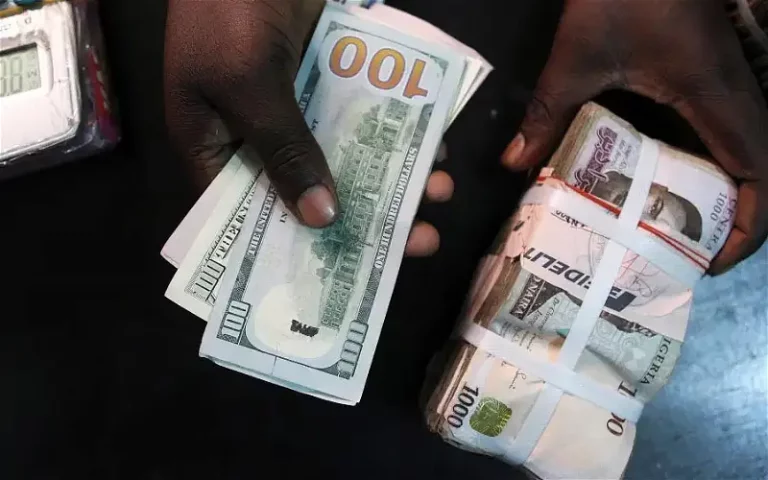
Bureau De Change (BDC) operators across Nigeria are warning of an imminent industry collapse as prolonged foreign exchange shortages and regulatory pressures continue to cripple their operations.

The licensed currency traders say that many of their members are now struggling to stay in business, citing the suspension of dollar allocations by the Central Bank of Nigeria (CBN) as the primary cause of the sector’s worsening crisis. Without regular access to foreign exchange from the official market, operators report being unable to sustain their businesses or meet essential financial obligations.

According to multiple sources within the Association of Bureau De Change Operators of Nigeria (ABCON), income levels have dropped drastically since the CBN halted dollar sales to BDCs, leaving them to source foreign currency through alternative — often more expensive — channels.

“Most operators are barely surviving,” one BDC owner in Lagos said. “The cost of maintaining an office, paying staff, renewing licenses, and meeting regulatory compliance has become unbearable without official forex allocation.”

The crisis has also been exacerbated by ongoing uncertainty in the retail sub-sector of the foreign exchange market, where many BDCs are still struggling to meet new recapitalization requirements and complete license renewals demanded by the apex bank.

Impact of CBN’s FX Unification Policy

The current strain traces back to June 2023, when the CBN announced the unification of all segments of Nigeria’s foreign exchange market, effectively merging multiple FX windows into a single platform. The move, aimed at improving market transparency and liquidity, resulted in the withdrawal of direct forex sales to Bureau De Change operators.

While the reform was applauded by international investors and financial institutions for simplifying Nigeria’s forex structure, it also had unintended consequences for small and medium-scale currency traders who had previously relied on CBN dollar sales to meet retail market demand.

Since the policy shift, the naira has faced continuous volatility, and many BDCs which historically served as a bridge between official and retail forex users have been largely sidelined.

Calls for Inclusion and Market Stability

BDC operators have repeatedly appealed to the CBN for increased participation in the official FX ecosystem, arguing that their inclusion could help enhance liquidity, curb black-market speculation, and ensure broader access to forex for legitimate end-users.

They maintain that with improved oversight and collaboration, the BDC sub-sector can complement the apex bank’s policy goals rather than undermine them.

“The exclusion of licensed BDCs has created a vacuum in the retail forex market,” another operator noted. “If properly regulated and integrated, we can help stabilize rates and improve confidence in the system.”

Mounting Financial Pressure

The financial implications of the ongoing restrictions are severe. Operators say declining income has made it increasingly difficult to pay staff salaries, office rent, regulatory fees, and compliance costs. Industry insiders warn that if the situation persists, hundreds of small-scale operators could shut down permanently, leading to job losses and further contraction in Nigeria’s informal financial sector.

As the Central Bank continues to pursue its broader monetary reforms, stakeholders are urging the government and financial regulators to re-engage with BDC operators to find a sustainable framework that balances market stability, transparency, and business survival.

For now, however, many in the BDC community say they are on the brink of closure caught between regulatory change and economic uncertainty in Nigeria’s turbulent forex landscape.

Nigeria’s Debt Profile Declines by $19 Billion Under Tinubu Administration — NOA

0

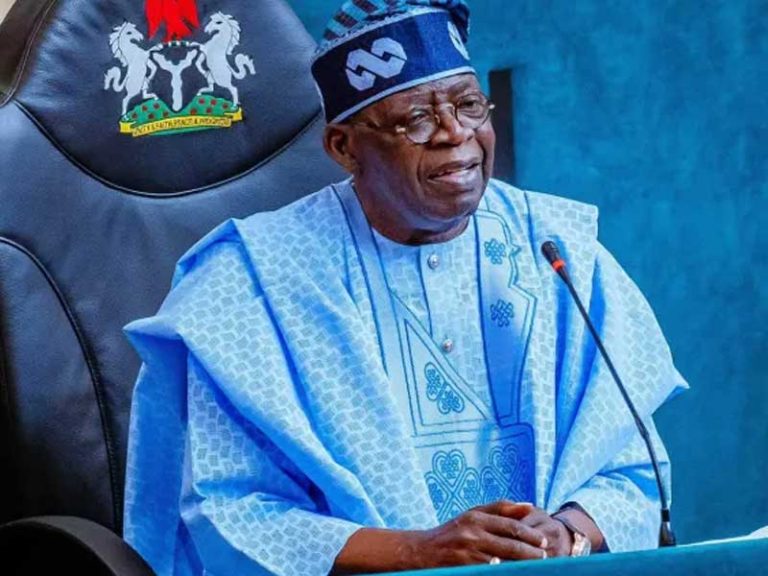
The National Orientation Agency (NOA) has announced that Nigeria’s total public debt has significantly declined under the administration of President Bola Ahmed Tinubu, citing verified data from both local and international financial institutions.

According to a statement released by the agency, Nigeria’s total public debt stock fell from $113.42 billion in June 2023 to $94.22 billion by December 2024 — representing a reduction of over $19 billion within an 18-month period.

The NOA described the development as a clear indication of improved fiscal discipline, enhanced revenue generation, and better debt management practices implemented by the current administration.

“Verified data from credible sources, including Nigeria’s Debt Management Office (DMO) and multilateral financial institutions, confirm that the country’s debt profile has been on a downward trajectory since mid-2023,” the agency stated. “This progress reflects ongoing reforms aimed at stabilizing the economy, reducing dependency on borrowing, and improving revenue performance through domestic production and export growth.”

The agency further emphasized that President Tinubu’s fiscal reforms — including the removal of fuel subsidies, efforts to unify exchange rates, and renewed focus on non-oil revenue streams — have collectively contributed to debt sustainability and improved macroeconomic indicators.

While acknowledging that Nigeria still faces challenges in foreign exchange management and inflation control, the NOA noted that the decline in public debt demonstrates “a strong foundation for long-term financial stability and investor confidence.”

Economic analysts have also observed that recent fiscal measures, including the introduction of targeted tax reforms, increased oil production output, and better debt repayment scheduling, have positively impacted the nation’s balance sheet.

The agency reaffirmed the Federal Government’s commitment to maintaining transparency in debt reporting and ensuring that future borrowings are tied to productive sectors capable of generating sustainable economic returns.

Nigeria’s Emergency Medical Service Records 304% Surge in Patient Transport — NEMSAS Expands to 30 States

0

The National Emergency Medical Services and Ambulance System (NEMSAS) has announced a dramatic increase in the number of emergency patients transported across Nigeria, rising from fewer than 3,000 to over 11,000 cases in the third quarter of 2025 a 304% increase in emergency response activity.

The milestone was disclosed by Dr. Emuren Doubra, the National Programme Manager of NEMSAS, in an interview with the News Agency of Nigeria (NAN) on Sunday in Abuja.

According to Doubra, the surge reflects faster response times, improved coordination, and stronger collaboration among healthcare providers nationwide. He attributed the success to the system’s expansion and better integration of emergency medical services across both urban and rural areas.

“The National Emergency Medical Services and Ambulance System has expanded operations to 30 States of the Federation, allowing residents in those states to access free emergency medical care by dialling 112,” Doubra stated.

He explained that under the Basic Health Care Provision Fund (BHCPF), the federal government fully covers the first 48 hours of emergency treatment for all patients transported by NEMSAS ambulances.

Nationwide Coverage and Expanded Access

NEMSAS now operates in 30 out of Nigeria’s 36 states, with Rapid Emergency Service Management and Triage Units active in 166 of 172 local government areas. However, Dr. Doubra noted that insecurity in some northern communities continues to limit operations in a few regions.

The service has also deepened its partnership with major health institutions. Currently, 26 Federal Tertiary Health Facilities are part of the NEMSAS network, providing specialised referral pathways, skilled medical teams, and essential emergency equipment to manage severe and time-critical cases.

“The scale-up represents a twenty-five per cent increase in onboarded states within a quarter,” he added, “and a three hundred and four per cent rise in emergency medical beneficiaries served overall.”

Improving Nigeria’s Emergency Health Landscape

The NEMSAS initiative, launched to strengthen Nigeria’s pre-hospital emergency care system, aims to make emergency medical response accessible, coordinated, and free at the point of care. Through a unified 112 toll-free line, Nigerians can request ambulances and medical assistance in real time — a step towards reducing preventable deaths caused by road traffic accidents, maternal emergencies, and sudden illnesses.

Health experts have praised the progress, noting that the NEMSAS model demonstrates how integrated funding, digital coordination, and public-private partnerships can transform emergency healthcare delivery in resource-constrained environments.

As NEMSAS continues its nationwide rollout, stakeholders say the goal is to achieve full coverage in all 36 states and the FCT by 2026, ensuring that no Nigerian is denied life-saving care due to distance, cost, or delay.

“Our mission is simple to make emergency medical services accessible, reliable, and timely for every Nigerian, regardless of location or income level,” Dr. Doubra affirmed.


Asian Stocks Rally as US-China Trade Talks Yield Breakthrough Agreement

0

Asian stock markets surged on Monday, buoyed by optimism following a major breakthrough in US-China trade negotiations. Both nations reportedly reached a preliminary consensus on key issues including tariffs, export controls, and fentanyl cooperation, easing global investor concerns over renewed trade tensions.

The announcement sparked strong gains across regional markets, with major indices in Tokyo, Hong Kong, Seoul, and Shanghai all closing higher. Analysts said the progress marks one of the most constructive moments in US-China relations since the trade war that began in 2018.

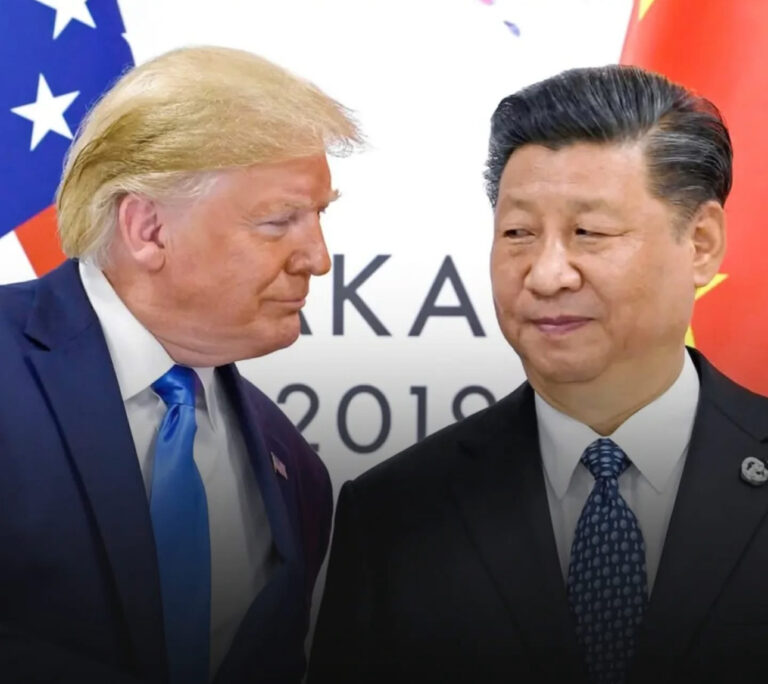
According to diplomatic sources, the new understanding could pave the way for a potential deal between US President Donald Trump and Chinese President Xi Jinping during the upcoming APEC summit in South Korea.

Market Reactions and Economic Outlook

In early trading, Japan’s Nikkei 225 rose over 2.3%, while Hong Kong’s Hang Seng Index gained 1.8%, and South Korea’s Kospi climbed nearly 2%. The Shanghai Composite Index advanced 1.5%, supported by renewed investor confidence and expectations of increased trade stability between the world’s two largest economies.

Market analysts noted that the easing of tariff pressures could boost manufacturing output, strengthen regional exports, and stabilize currency markets that have been volatile in recent months.

“Investors are cheering the progress because it reduces one of the biggest risks hanging over global trade and supply chains,” said Kenji Watanabe, Chief Economist at Tokyo Global Insights. “If the APEC meeting produces a formal framework, we could see further rallies across Asian equities and commodities.”

Key Points of the Agreement

While details remain limited, negotiators reportedly agreed on:

  • Gradual rollback of select tariffs imposed since 2018.
  • Improved export licensing frameworks for semiconductors and advanced technologies.
  • Joint enforcement on fentanyl control, a key US demand linked to the opioid crisis.

Both sides have committed to continuing talks to finalize the agreement before the Asia-Pacific Economic Cooperation (APEC) summit, where the leaders are expected to hold a bilateral meeting.

Global Implications

Economists say the breakthrough could have wide-ranging effects on global trade flows, supply chain logistics, and investor sentiment particularly in sectors like technology, automotive, and manufacturing.

“The easing of US-China tensions has always been a critical factor for Asia’s economic recovery,” said Liu Mei, a senior market strategist in Hong Kong. “This momentum could support a stronger fourth-quarter performance across regional economies.”

The progress also underscores the renewed diplomatic engagement between Washington and Beijing, signaling a possible shift away from the protectionist rhetoric that defined much of the past decade.

As markets await further details, investors are optimistic that the new accord could mark a turning point in global trade relations and lay the groundwork for sustained economic stability across Asia.


Nigeria’s Exit from FATF Grey List Boosts Investor Confidence and Forex Stability — Experts

0

Nigeria’s removal from the Financial Action Task Force (FATF) grey list has been hailed by financial experts and Bureau De Change (BDC) operators as a major milestone toward restoring investor confidence, stabilizing the foreign exchange market, and strengthening the naira.

The FATF grey list, maintained by the global anti-money laundering watchdog, identifies countries with strategic deficiencies in combating money laundering, terrorist financing, and proliferation financing. Nigeria’s recent exit marks a significant turnaround in its compliance standing and international financial credibility.

Renewed Confidence and Market Relief

Speaking with Nairametrics in Abuja, several analysts said Nigeria’s delisting would help attract foreign direct investment (FDI), enhance liquidity in the forex market, and improve cross-border banking relationships that had been strained during the period of enhanced monitoring.

“This development signals to the global community that Nigeria is strengthening its financial integrity,” said Dr. Muktar Gidado, a financial economist based in Abuja. “It removes a layer of caution that had discouraged international investors and correspondent banks from engaging fully with Nigerian institutions.”

BDC operators echoed similar sentiments, describing the move as a “confidence booster” for the forex market. They noted that improved access to international banking networks would facilitate faster fund transfers, increase dollar inflows, and reduce parallel market pressure on the naira.

“Our operations have suffered due to restricted dollar inflows and heightened scrutiny from international partners,” said Aminu Gwadabe, President of the Association of Bureau De Change Operators of Nigeria (ABCON). “Now that Nigeria is off the grey list, we expect smoother global transactions and improved liquidity in the retail forex segment.”

Impact on the Foreign Exchange Market

Experts predict that Nigeria’s improved global compliance status will ease foreign exchange shortages, encourage foreign portfolio inflows, and promote more transparent capital movements.

They added that global financial institutions that had previously adopted risk-averse positions toward Nigerian transactions may now reopen dormant correspondent relationships, thereby reducing transaction delays and facilitating trade financing for businesses.

“Exiting the FATF grey list will also support the Central Bank of Nigeria’s ongoing monetary reforms,” noted Lola Akintunde, a financial analyst. “It creates a more enabling environment for currency stability, especially as the country continues efforts to unify exchange rates and improve fiscal management.”

A Win for Financial Reforms and Global Trust

Nigeria’s exit from the grey list follows a series of regulatory and institutional reforms led by the Nigerian Financial Intelligence Unit (NFIU), the Central Bank of Nigeria (CBN), and the Economic and Financial Crimes Commission (EFCC). These efforts focused on enhancing transaction monitoring, strengthening reporting standards, and aligning with international anti-money laundering (AML) and counter-terrorist financing (CFT) frameworks.

Financial experts described the move as validation of Nigeria’s commitment to transparency and compliance, which could also influence credit ratings and lower the cost of international borrowing in the medium term.

The Road Ahead

While the achievement has been widely applauded, experts warn that maintaining the country’s clean status will require sustained vigilance, continuous regulatory oversight, and consistent enforcement of AML and CFT measures across all financial sectors.

“The challenge now is to maintain momentum,” Dr. Gidado said. “Nigeria must continue to demonstrate strong compliance culture so that this success translates into tangible economic gains — stable currency, higher investor inflows, and stronger institutions.”

With the FATF delisting restoring Nigeria’s international reputation, stakeholders are optimistic that the development marks a turning point in the nation’s economic recovery journey, offering renewed hope for the forex market, investors, and the broader financial system.


FIRS Collects ₦47.39 Trillion in Two Years, Exceeds Target by 15% Amid Strong Non-Oil Growth

0

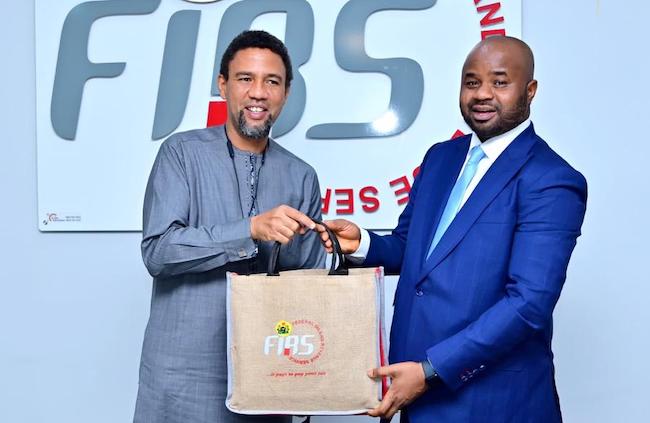
The Federal Inland Revenue Service (FIRS) has announced that it collected a total of ₦47.39 trillion in tax revenue between October 2023 and September 2025, surpassing its projected target for the period by 15%.

The agency described the performance as a testament to the success of Nigeria’s ongoing fiscal reforms, which emphasize digital innovation, expanded compliance, and reduced dependence on oil revenues.

Non-Oil Revenue Dominates Collections

According to the FIRS report, non-oil revenue contributed approximately 76% of the total tax receipts, marking another significant step in Nigeria’s efforts to diversify its revenue base away from crude oil.

Key contributors to the robust performance included:

  • Company Income Tax (CIT) — driven by improved corporate compliance and better reporting systems.
  • Value Added Tax (VAT) — buoyed by digital collection reforms and widened registration among SMEs.
  • Stamp Duties and Capital Gains Tax — supported by technology-enabled tracking and enforcement mechanisms.

The FIRS noted that enhanced collaboration with state tax authorities and the deployment of integrated e-filing and payment systems played a critical role in boosting efficiency and transparency.

Digital Reforms Drive Efficiency

The Service attributed its improved performance to a series of policy and operational reforms, including the expansion of the national tax database, automation of audit processes, and the introduction of AI-powered compliance tools to detect and curb tax evasion.

“This performance underscores the effectiveness of our reform agenda and the commitment of Nigerian taxpayers to national development,” an FIRS spokesperson said. “Through digital transformation, we have not only expanded the tax net but also simplified payment processes for individuals and businesses.”

The use of digital platforms for VAT remittance and real-time reporting has enabled the Service to track revenue more accurately and close leakages that previously hindered performance.

Strengthening Fiscal Resilience

Economic analysts say the achievement highlights Nigeria’s progress in strengthening its fiscal resilience, particularly amid global oil price fluctuations. By relying more on non-oil income, the government is better positioned to stabilize public finances, fund infrastructure projects, and support social investments.

“FIRS’s strong revenue collection is an indicator of Nigeria’s growing fiscal maturity,” said Dr. Ifeoma Nnaji, a public finance analyst. “This level of performance shows that digitalization and policy reforms are beginning to yield tangible results.”

Outlook and Future Goals

Looking ahead, the FIRS has reaffirmed its commitment to surpassing future revenue targets through continued digital innovation, improved taxpayer education, and stronger inter-agency collaboration. The agency also pledged to maintain transparency and accountability in tax administration to further build public trust.

As Nigeria continues to expand its non-oil revenue capacity, experts believe sustained reforms in tax compliance culture, data analytics, and economic diversification will remain key to achieving long-term fiscal stability and national growth.

Nigeria’s Crypto Transactions Top $50 Billion as SEC Raises Alarm Over Low Capital Market Participation

0

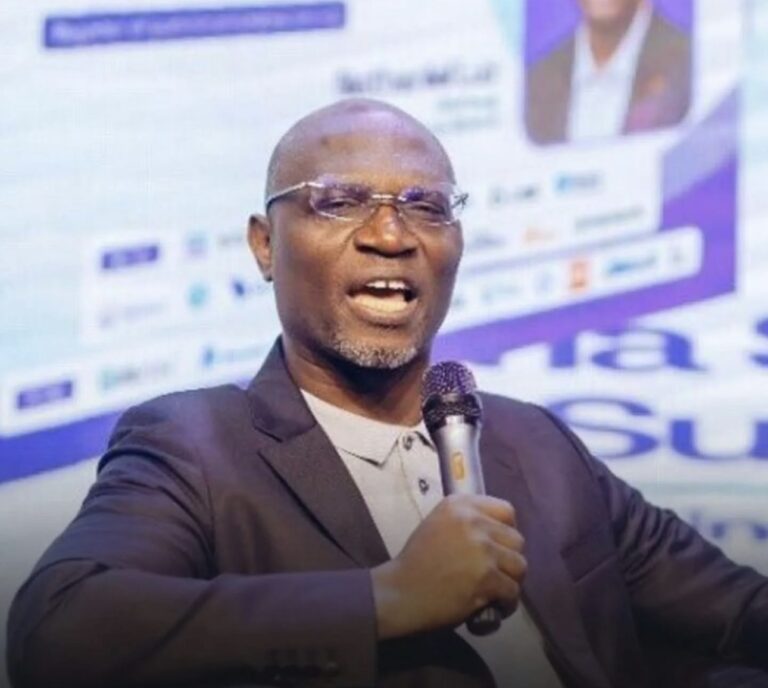
Nigeria recorded cryptocurrency transactions valued at more than $50 billion between July 2023 and June 2024, according to the Director-General of the Securities and Exchange Commission (SEC), Dr. Emomotimi Agama.

At an exchange rate of ₦1,500 to the dollar, the figure translates to roughly ₦75 trillion nearly two-thirds of the total capitalization of the Nigerian equities market, which stood at ₦98.8 trillion as of Friday, October 24.

Agama disclosed the data while speaking at the annual conference of the Chartered Institute of Stockbrokers, describing the massive crypto volume as both a sign of financial sophistication and a symptom of deep structural gaps in Nigeria’s investment ecosystem.

Crypto Popularity vs. Capital Market Apathy

The SEC chief noted that the growing enthusiasm for digital assets highlights an evolving risk appetite among Nigerians especially the youth yet exposes the failure of the traditional capital market to capture this demographic.

“The volume of digital asset transactions underscores both the financial ingenuity and the appetite for risk among Nigerians,” Agama said. “However, this same energy is largely absent from the formal investment market.”

Despite the vibrant crypto engagement, fewer than 4% of Nigeria’s adult population actively invests in the capital market. By contrast, over 60 million Nigerians participate daily in gambling and betting activities, collectively wagering an estimated $5.5 million per day, according to Agama.

He described this as a paradox that reveals a mismatch between Nigerians’ willingness to take risks and their confidence in regulated investment platforms.

“An appetite for risk clearly exists,” he added, “but not the trust or access to channel that energy into productive investment.”

A Warning for the Financial Ecosystem

Agama warned that the dominance of speculative trading and gambling over structured investment activities represents a critical drag on capital formation and sustainable economic growth. He stressed that the capital market’s limited reach — with fewer than three million registered investors nationwide remains a major obstacle to mobilizing long-term domestic capital.

He emphasized that rebuilding trust, strengthening investor education, and leveraging digital platforms are essential to draw younger Nigerians away from speculative markets and into productive financial participation.

Policy Implications and Market Reform

The SEC chief reaffirmed the Commission’s commitment to developing a robust regulatory framework for digital assets, one that encourages innovation while safeguarding investors and maintaining market integrity.

Industry experts say the figures underscore the urgent need for Nigeria’s financial regulators to modernize capital market instruments, enhance transparency, and embrace technology-driven investment models that resonate with digital-native investors.

“The crypto boom has revealed what’s possible when people have access, autonomy, and low barriers to entry,” said Tunde Ojo, a financial analyst. “For the traditional market to compete, it must become more inclusive, faster, and more transparent.”

A Call to Rebuild Confidence

Agama concluded by urging policymakers, brokers, and institutional investors to rethink their approach to market development, warning that the continued dominance of speculative behavior over structured investment reflects a deeper erosion of confidence in Nigeria’s financial system.

The SEC, he added, will continue to engage stakeholders to ensure that Nigeria’s capital market evolves alongside global trends, integrating new technologies while retaining investor protection as its cornerstone.

Dangote Refinery Set to Become World’s Largest as Capacity Expansion Targets 1.4 Million Barrels Per Day

0

Lagos, Nigeria — The Dangote Refinery has unveiled an ambitious plan to expand its production capacity from 650,000 barrels per day (bpd) to 1.4 million bpd, a move that will make it the largest single-train refinery in the world, overtaking India’s Jamnagar Refinery.

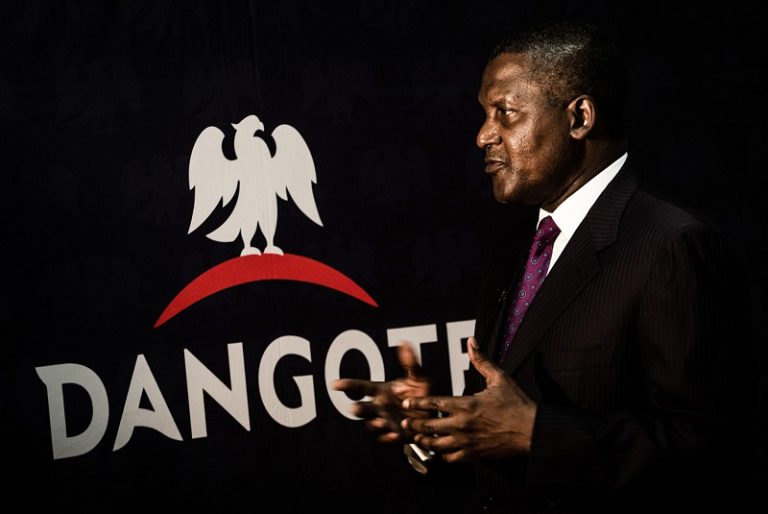
The announcement was made by Aliko Dangote, President and Chief Executive of the Dangote Group, during a press conference in Lagos on Sunday. Dangote said the expansion underscores his group’s confidence in Nigeria’s economy, Africa’s industrial potential, and the continent’s ability to drive its own energy independence.

“We are more than doubling the barrels… to 1.4 million from 650,000,” Dangote stated. “This will make it the largest refinery in the world, surpassing India’s Jamnagar Refinery.”

He added that the expansion reflects a bold commitment to the future of Africa’s energy landscape, positioning Nigeria as a global hub for refined petroleum products, petrochemicals, and export-driven industrialization.

“This expansion is about confidence in Nigeria, in Africa, and in our capacity to shape our own energy future,” Dangote said.

A Strategic Leap for Africa’s Energy Independence

The expansion will significantly boost Nigeria’s domestic refining capacity, reducing the country’s dependency on imported petroleum products and improving energy security. The Dangote Refinery, located in the Lekki Free Trade Zone, is already the largest in Africa and one of the most advanced globally in design and configuration.

Upon completion, the upgraded facility will process multiple crude grades and produce a wide range of refined products, including petrol, diesel, aviation fuel, and polypropylene, catering not only to Nigeria but to regional and international markets.

Industry analysts note that the project will transform Nigeria from a net importer to a net exporter of refined petroleum products, while creating thousands of direct and indirect jobs across the energy and logistics sectors.

Economic Confidence and Industrial Vision

The expansion aligns with the Federal Government’s goal of achieving self-sufficiency in refined petroleum production and boosting non-oil exports. Dangote emphasized that beyond energy production, the refinery’s growth will stimulate local industries, enhance technology transfer, and foster human capital development.

Economic observers say the move signals a strong vote of confidence in Nigeria’s economic reforms, particularly in fiscal and trade policy, and demonstrates the potential of private sector-led infrastructure development to drive continental growth.

Global Impact and Future Outlook

Once operational at full capacity, the 1.4 million bpd refinery will not only meet West Africa’s fuel demand but also contribute to global supply stability amid shifting energy dynamics. The expansion will place Nigeria at the forefront of global refining capacity and solidify its role in the evolving energy transition landscape.

“We’re not just building capacity,” Dangote remarked. “We’re building confidence — in Nigeria’s capability, in Africa’s potential, and in the idea that our continent can lead in global industry.”

With construction already underway, the expanded Dangote Refinery is expected to come on stream within the next three years, marking a new chapter in Africa’s industrial and economic transformation.


BREAKING: Cameroon’s Paul Biya, 92, Re-Elected for Eighth Term with 53.66% of Votes

0

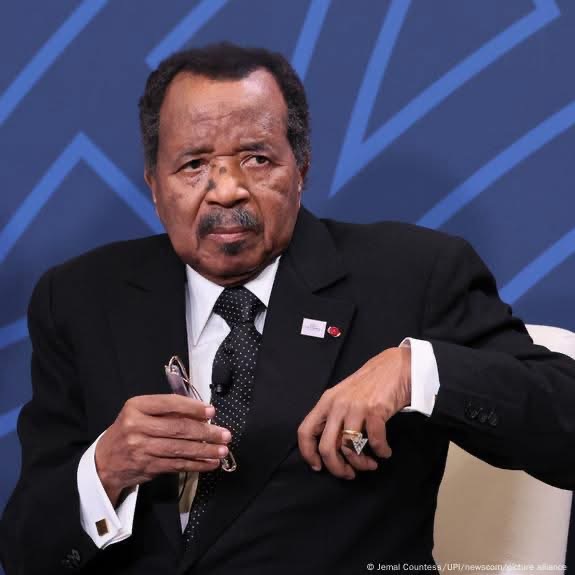
Cameroon’s Constitutional Council has officially declared President Paul Biya, aged 92, the winner of the 2025 presidential election, securing an eighth consecutive term in office with 53.66% of the vote.

The announcement, made late Monday in Yaoundé, extends Biya’s more than four decades of rule, solidifying his status as the world’s oldest and one of the longest-serving heads of state.

His main challenger, Issa Tchiroma, who had earlier claimed victory based on partial results, garnered 35.2%, according to the final figures released by the Constitutional Council.

A Contested Election Amid Calls for Change

The election, held amid growing economic hardship and political tension, saw increased calls for leadership transition in the Central African nation. Opposition groups had accused the ruling Cameroon People’s Democratic Movement (CPDM) of electoral manipulation and suppression, allegations the government has strongly denied.

Despite these tensions, the Council affirmed that the vote was “largely credible and reflective of the popular will.”

Biya’s Enduring Grip on Power

Biya first assumed office in 1982 following the resignation of Cameroon’s founding president, Ahmadou Ahidjo. Over the past 43 years, he has maintained a firm hold on the country’s political system, surviving multiple opposition challenges, separatist conflicts in the Anglophone regions, and growing public discontent.

His re-election underscores both his continued control over Cameroon’s political establishment and the fragmentation of opposition forces, which have struggled to unite behind a single platform capable of mounting a serious electoral challenge.

Regional and International Reaction

The result has sparked mixed reactions across Africa and the international community. Some African leaders have congratulated Biya for his “historic continuity,” while human rights advocates and Western observers have called for greater transparency, constitutional reforms, and a credible roadmap for political transition.

What Lies Ahead

As Biya begins another seven-year term, analysts say Cameroon faces mounting challenges, including youth unemployment, rising cost of living, and the ongoing separatist insurgency in the country’s English-speaking regions.

While supporters describe Biya as a symbol of stability, critics argue that his prolonged stay in power has stifled political renewal and weakened democratic institutions.

With this victory, Paul Biya cements his place in history — not only as the world’s oldest serving president, but also as a leader whose political longevity continues to shape the narrative of power and endurance in post-colonial Africa.

OUMOU SANGARÉ — The Malian Songbird Taking TikTok by Storm and Bridging Africa’s Sound with Global Hip-Hop

0


RANKS AFRICA SPOTLIGHT

OUMOU SANGARÉ — The Malian Songbird Taking TikTok by Storm and Bridging Africa’s Sound with Global Hip-Hop

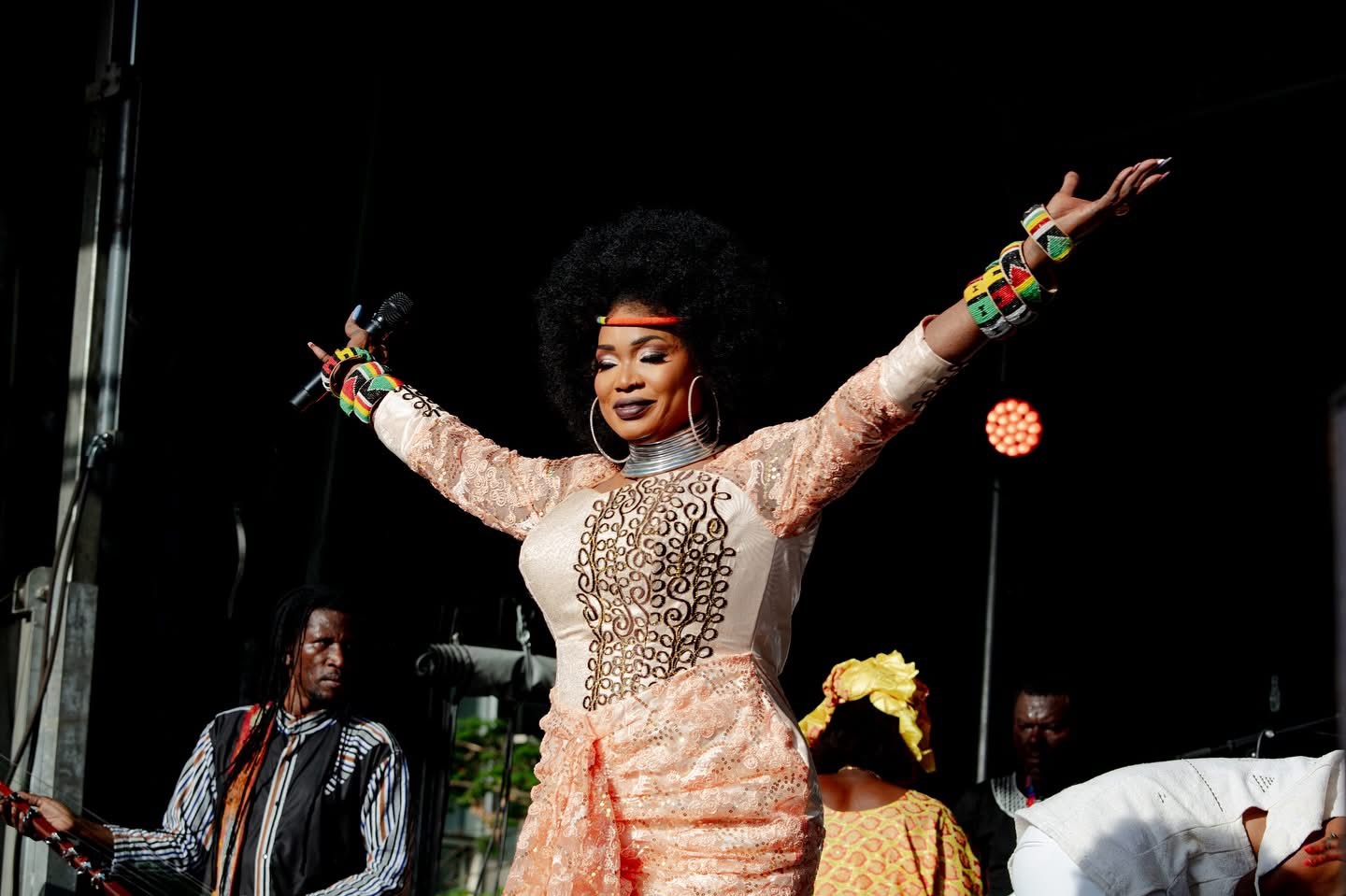
In a digital era where a few seconds of sound can reignite decades of legacy, Malian music legend Oumou Sangaré is enjoying a remarkable new wave of fame. Her timeless vocals—steeped in the spirit of Wassoulou tradition—have found new life on TikTok, where one of her 1990s classics has become the unexpected soundtrack for a generation rediscovering African roots through viral creativity.

The queen of Malian soul, once celebrated for her bold anthems on womanhood and social justice, is now trending among Gen Z creators who may not even speak her language but are deeply moved by her sound. Her rise from the heart of Bamako to the heights of global virality underscores one truth: true artistry knows no expiration date.

From Wassoulou to the World

Born in Bamako, Mali, in 1968, Oumou Sangaré grew up surrounded by music and storytelling. Her sound, drawn from the Wassoulou region of southern Mali, is rich with call-and-response rhythms, the resonant tones of the ngoni (a West African stringed instrument), and lyrical storytelling rooted in cultural wisdom.

When she released her groundbreaking debut album, Moussoulou (meaning “Women”), in 1989, Sangaré didn’t just make music—she made history. The record sold more than 200,000 copies in Mali alone and positioned her as one of the continent’s most compelling voices for female empowerment. Through songs that speak boldly against forced marriage, gender inequality, and societal norms, she became not just an artist but a movement.

Her message, wrapped in haunting melodies and warm percussion, earned her the nickname “The Songbird of Wassoulou.” Yet her reach was never meant to stay local. Over three decades, Sangaré has performed on the world’s biggest stages, from London’s Royal Albert Hall to New York’s Apollo Theater, all while staying fiercely loyal to her cultural roots.

A TikTok Resurgence: When Tradition Meets Trend

Fast forward to 2025—Oumou Sangaré’s 1996 classic “Kun Fe Ko” (translated as “The Unthinkable”) suddenly finds itself at the heart of a TikTok storm.

Thousands of users, from Lagos to Los Angeles, have been using the song’s hypnotic vocals for dance challenges, storytelling skits, and mood montages. The result? A decades-old track is charting once again on streaming platforms, introducing Sangaré’s voice to millions of young listeners who may never have heard of Wassoulou music before.

Entertainment outlets across Africa and beyond have covered the phenomenon. In Nigeria, celebrities and influencers joined the trend, giving the song fresh cultural currency. What started as a nostalgic rediscovery has evolved into a global celebration of heritage, with African sounds commanding space on social platforms once dominated by Western pop.

For Oumou Sangaré, the viral moment feels less like a comeback and more like a continuation of her legacy. Her sound, timeless yet adaptable, reflects Africa’s ability to evolve while preserving authenticity.

The Hip-Hop Connection: Collaborating Across Generations

Long before TikTok introduced her to a new audience, Sangaré had already made her mark on the global stage. Her distinct vocals and songwriting have been sampled, remixed, and reimagined by major artists around the world—most notably in Beyoncé’s “Mood 4 Eva”, a star-studded collaboration featuring Jay-Z and Childish Gambino.
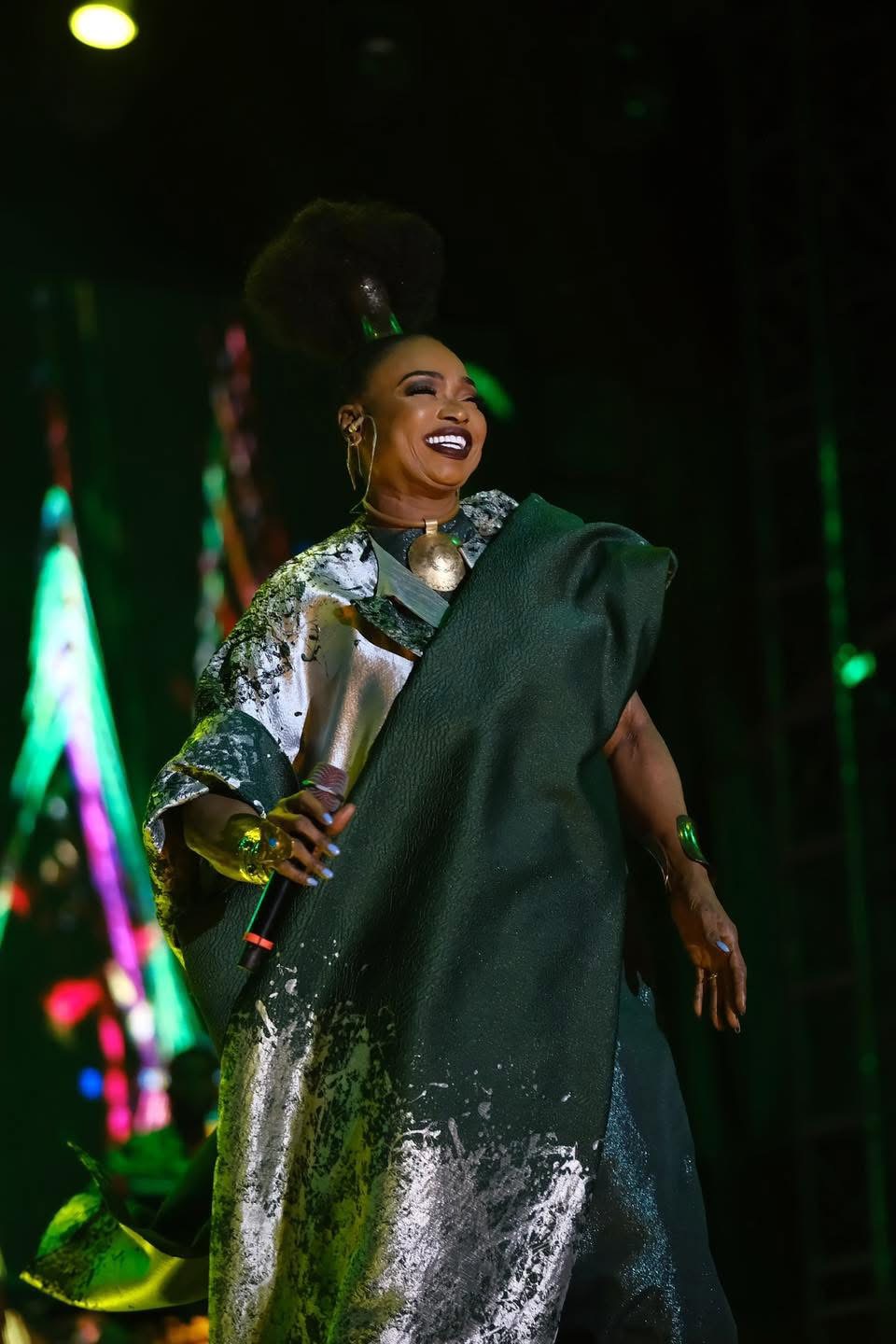
In that record, Sangaré’s song “Diaraby Nene” is subtly woven into the production, and she is officially credited as both performer and composer. The fusion exemplifies how African sounds have become integral to modern hip-hop and R&B’s evolving texture.

Through this single collaboration, Sangaré’s voice echoed through millions of playlists, proving that Africa’s classic rhythms can stand shoulder-to-shoulder with contemporary pop icons.

Beyond Beyoncé, her work has attracted the attention of electronic and urban music producers such as Sampha, St Germain, and Krizbeatz, who have remixed her tracks for global audiences. These reimaginings—blending Afro-soul, electronic, and hip-hop influences—highlight how versatile her art remains even three decades into her career.

Bridging Generations, Empowering Women

While her TikTok virality and Western collaborations tell part of the story, Sangaré’s true influence lies in her enduring message. From her earliest songs to her recent projects (Mogoya, Timbuktu), she has remained a vocal advocate for African women’s freedom, dignity, and creativity.

Her lyrics—often sung in Bambara—tackle universal themes: love, respect, social justice, and female resilience. This sincerity resonates even when language barriers exist. It’s what makes a 30-year-old song like Kun Fe Ko feel timeless on a platform built for trends that often last just days.

For many young African creators, Sangaré represents what’s possible when tradition, pride, and purpose meet global exposure. She is a reminder that Africa’s stories, when told authentically, can transcend geography, language, and generations.

Legacy in Motion

Today, as algorithms introduce her voice to millions of new listeners, Oumou Sangaré stands as a living link between heritage and innovation. She is not just an artist riding a viral wave; she is a pioneer whose art predicted this global fusion long before “Afrobeats to the world” became a movement.

From Bamako’s dusty stages to world tours, from gramophone records to TikTok loops, Oumou Sangaré’s journey embodies Africa’s new cultural era—one where tradition doesn’t fade; it evolves, resonates, and inspires anew.

Her voice, at once ancient and futuristic, continues to echo across borders—reminding the world that Africa’s sound is not just trending. It’s timeless.

Quick Facts — Oumou Sangaré

  • Birthplace: Bamako, Mali
  • Genre: Wassoulou / Afro-soul
  • Breakthrough Album: Moussoulou (1989)
  • Major Global Credits: “Mood 4 Eva” – Beyoncé, Jay-Z & Childish Gambino
  • Recent Viral Hit: Kun Fe Ko (1996) — trending on TikTok in 2025
  • Awards: UNESCO Goodwill Ambassador, Songlines Music Award, Grammy Award Winner
  • Legacy Quote: “I sing for freedom—for the freedom of women, for the soul of Africa.”

Written by Adesina Kasali (Medullar Concept)