


Home Blog Page 55

Zambia President Hichilema Warns Against Disorder, Calls for Unity and Development

0

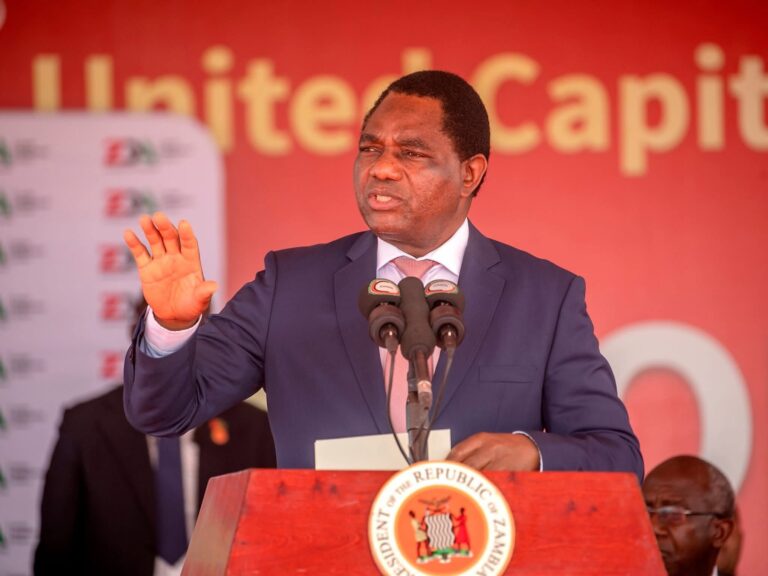
President Hakainde Hichilema has urged Zambians calling for regime change to pursue progress through productive work rather than confrontation. Speaking during a national address, he cautioned that attempts to stir conflict over minor issues only invite instability at a time when the country needs focus and discipline.

The President noted the extent of personal hostility directed at him and expressed concern that such sentiments had taken root in public discourse. He stressed that disagreements should not escalate into destruction of property or loss of life, and questioned why some protests continue to turn violent. He warned that those who choose street clashes risk meeting stronger resistance.

Responding to familiar political accusations, President Hichilema dismissed claims that he had “sold Zambia,” describing them as unfounded and part of a recurring pattern of misinformation. He also criticised the rising negativity in religious spaces, saying the church should not be used as a platform for hostility.

In a lighter remark, he referred to himself as “shushu number one,” a phrase he used to describe himself as the leading observer of national affairs.

The President outlined a series of development initiatives, including the installation of solar power plants in every constituency. He said the country was making progress in resolving electricity shortages and pointed to the reopening of long-dormant mines, such as the 47-year-old Kalengwa mine. He highlighted new export activity, including a rail consignment of mealie-meal to the Democratic Republic of Congo, as evidence of advancing economic recovery.

He reminded citizens that his administration introduced free education even before securing debt restructuring, and noted that Zambia has reduced government expenditure by foregoing trips to the United Nations General Assembly. He encouraged the public to adopt a responsible approach to savings and to avoid cultivating hatred.

Addressing supporters of the ruling UPND, President Hichilema urged restraint and recalled that he previously discouraged retaliation after the political clashes of August 2021. He repeated his call for non-violence, saying he did not want to preside over any loss of life.

He closed his address with an appeal for unity, stating that the government is working to create opportunity across the country and to build a more stable and prosperous Zambia.
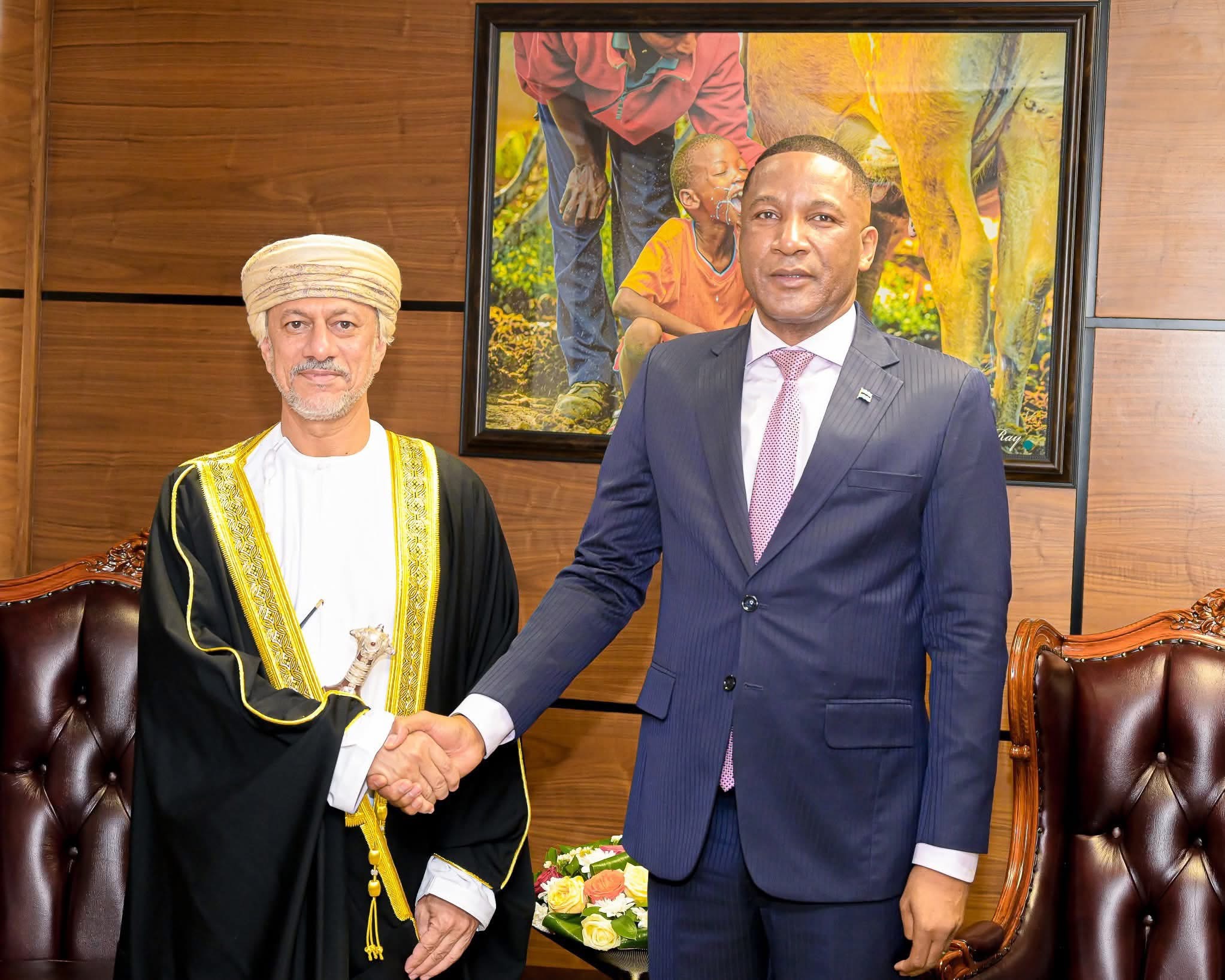
Botswana Secures Key Energy and Minerals Deals with Oman After High-Level Visit

0

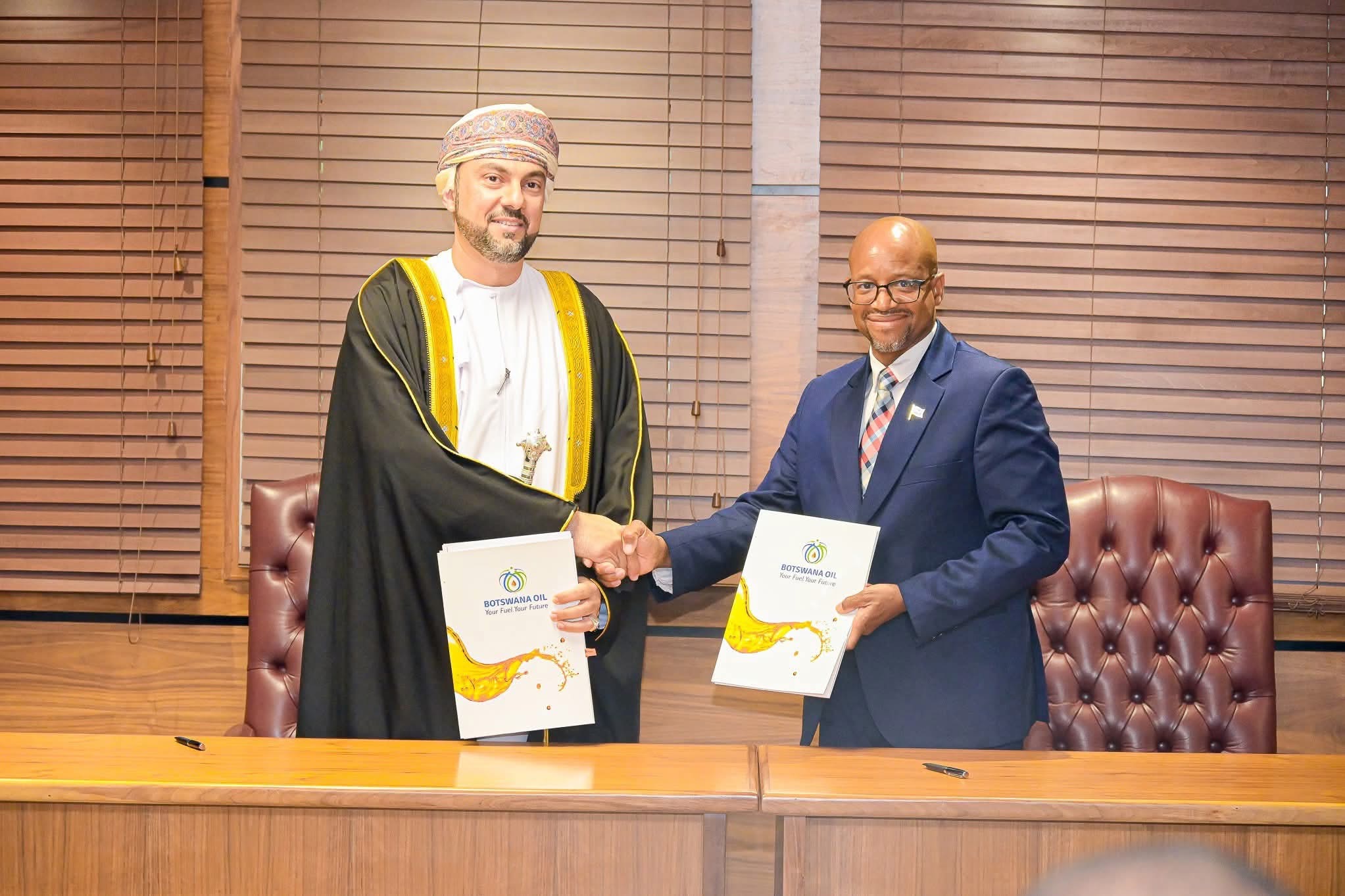
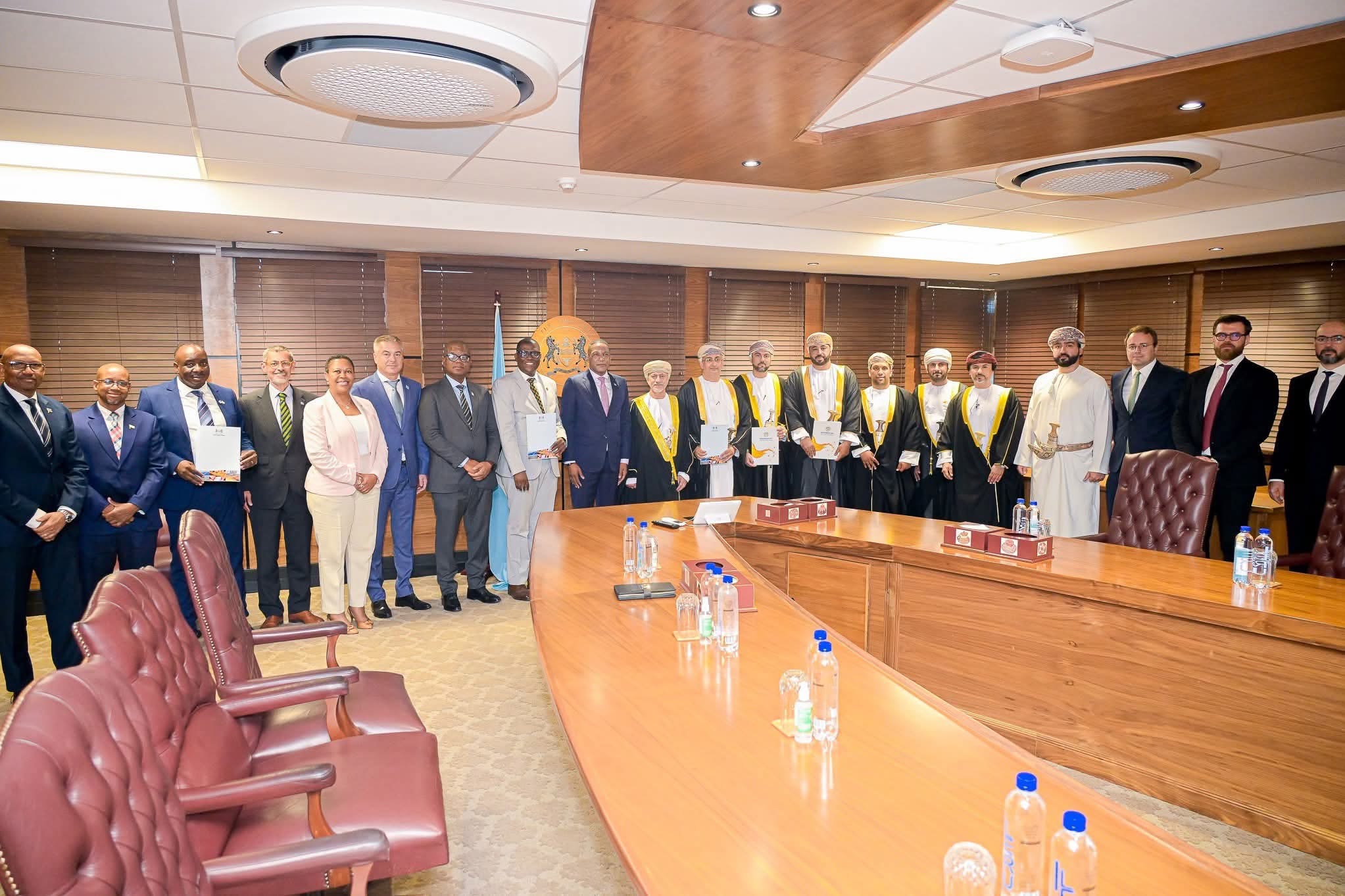
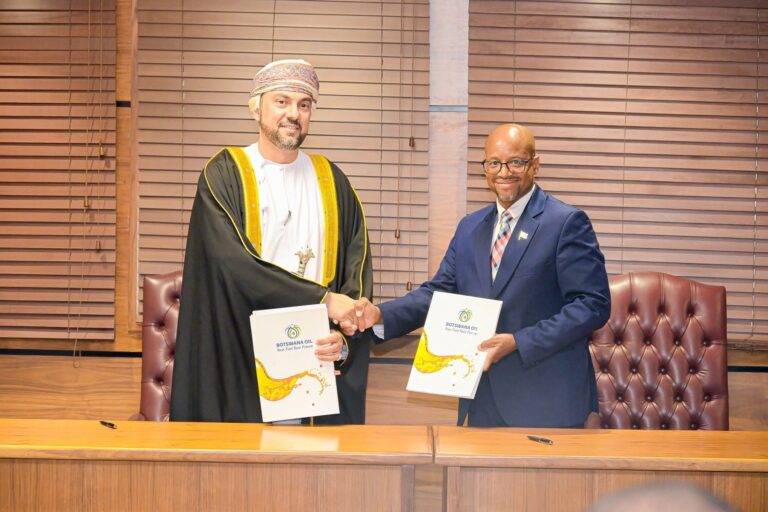
Botswana has entered a new phase of cooperation with the Sultanate of Oman following a strategic visit by senior government officials aimed at strengthening the country’s energy and minerals sectors. According to the delegation, the mission was designed to secure concrete partnerships rather than serve as a ceremonial engagement.

During the visit, officials held detailed discussions with the Oman Investment Authority and its Chief Executive Officer, Abdulsalam Al Murshidi. The talks resulted in a series of Memoranda of Agreement now being signed between Botswana’s Ministry of Minerals and Energy and several leading Omani companies.

The agreements cover a group of priority projects central to Botswana’s long-term development. They include plans for 500 megawatts of solar photovoltaic capacity to support the country’s clean-energy goals, the establishment of petroleum bulk coastal storage at Walvis Bay, and measures to secure a dependable supply of petroleum products for both domestic needs and regional trade. They also provide for the construction of the Tshele Hills inland storage facility and new cooperation in minerals exploration and development.

Officials described the agreements as the foundation of large-scale infrastructure and industrial projects intended to strengthen energy security and expand Botswana’s economic base. They said the initiatives reflect a commitment to building a more resilient and self-sufficient nation by converting diplomatic engagements into measurable progress.

The visit signals an effort to position Botswana as a more active player in regional energy networks while advancing its own mineral and industrial ambitions.

South African Army Showcases Brigade Power at Exercise VUKUHLOME IV Stable Parade

0

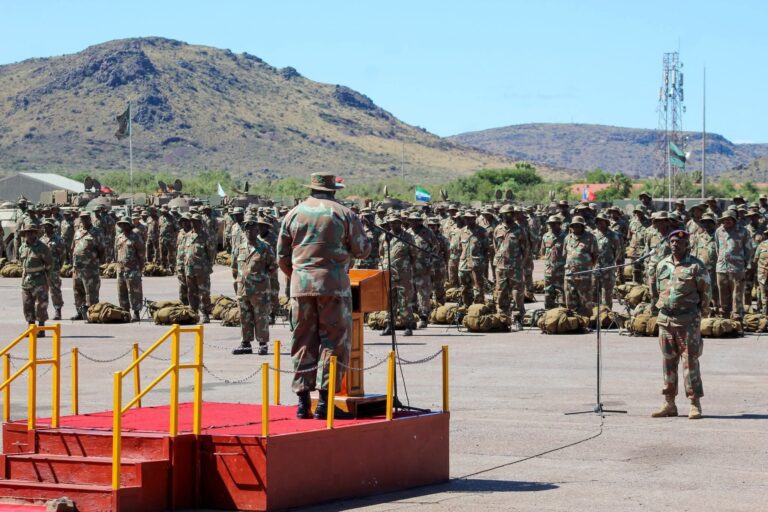
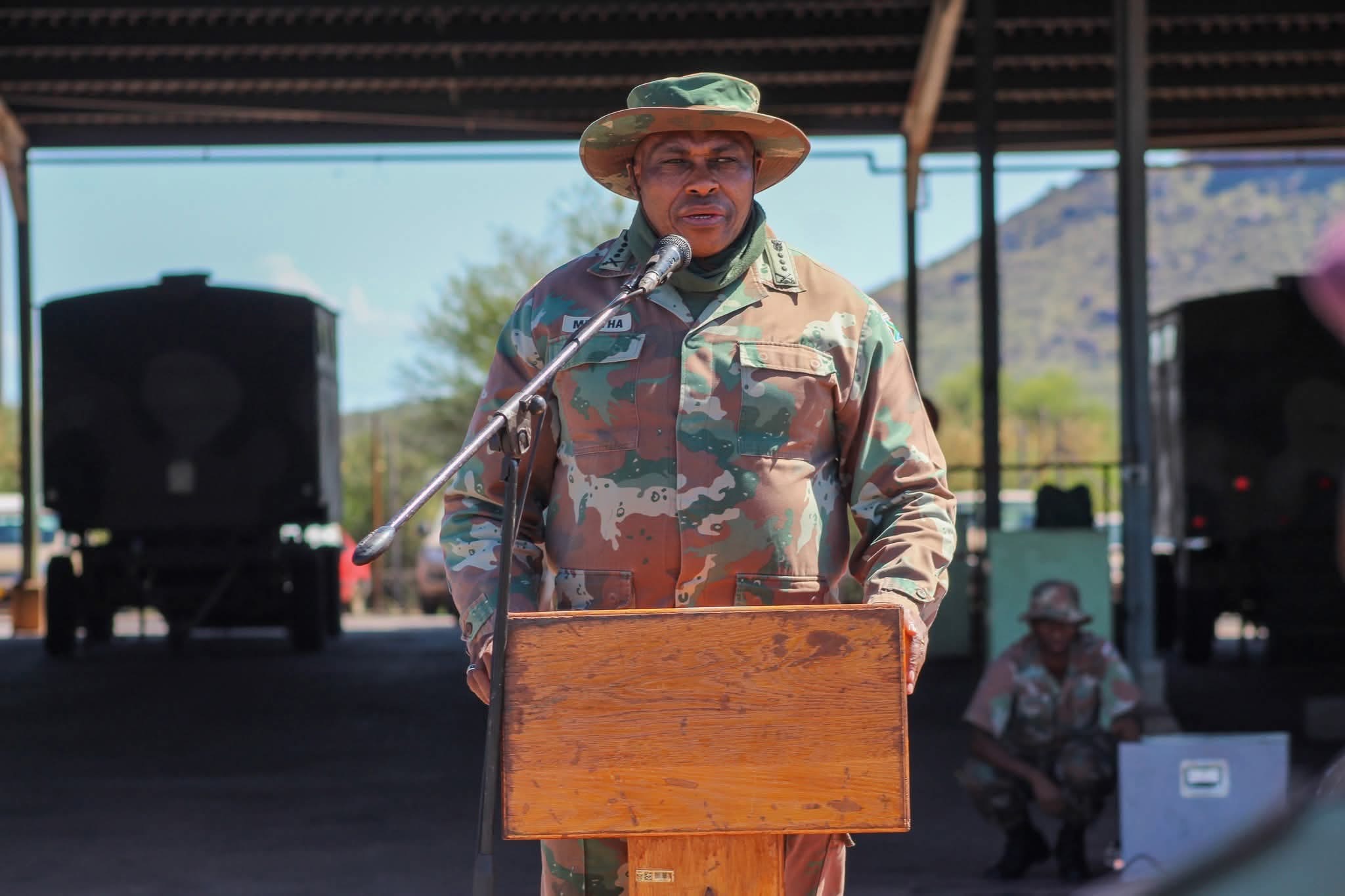
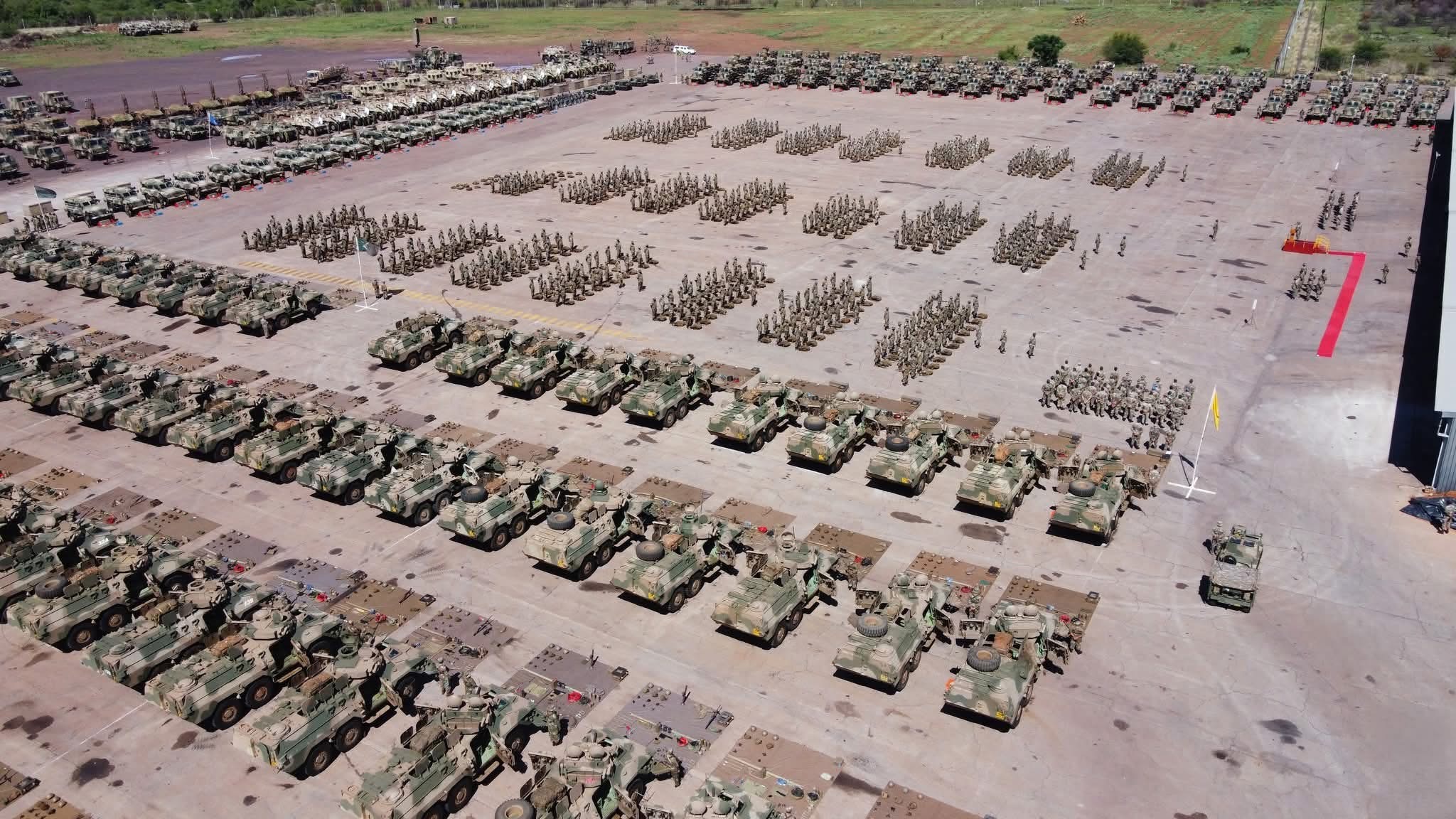
The South African Army Combat Training Centre at Lohatlha hosted a full brigade Stable Parade on Monday, 24 November 2025, offering a detailed view of the force’s operational readiness as Exercise VUKUHLOME IV continued.

The parade brought together a wide range of combat elements, demonstrating the scale and coordination expected of a brigade-level formation. Armour, mechanised infantry, and supporting units moved in structured formations, underscoring the Army’s emphasis on combined arms cooperation.

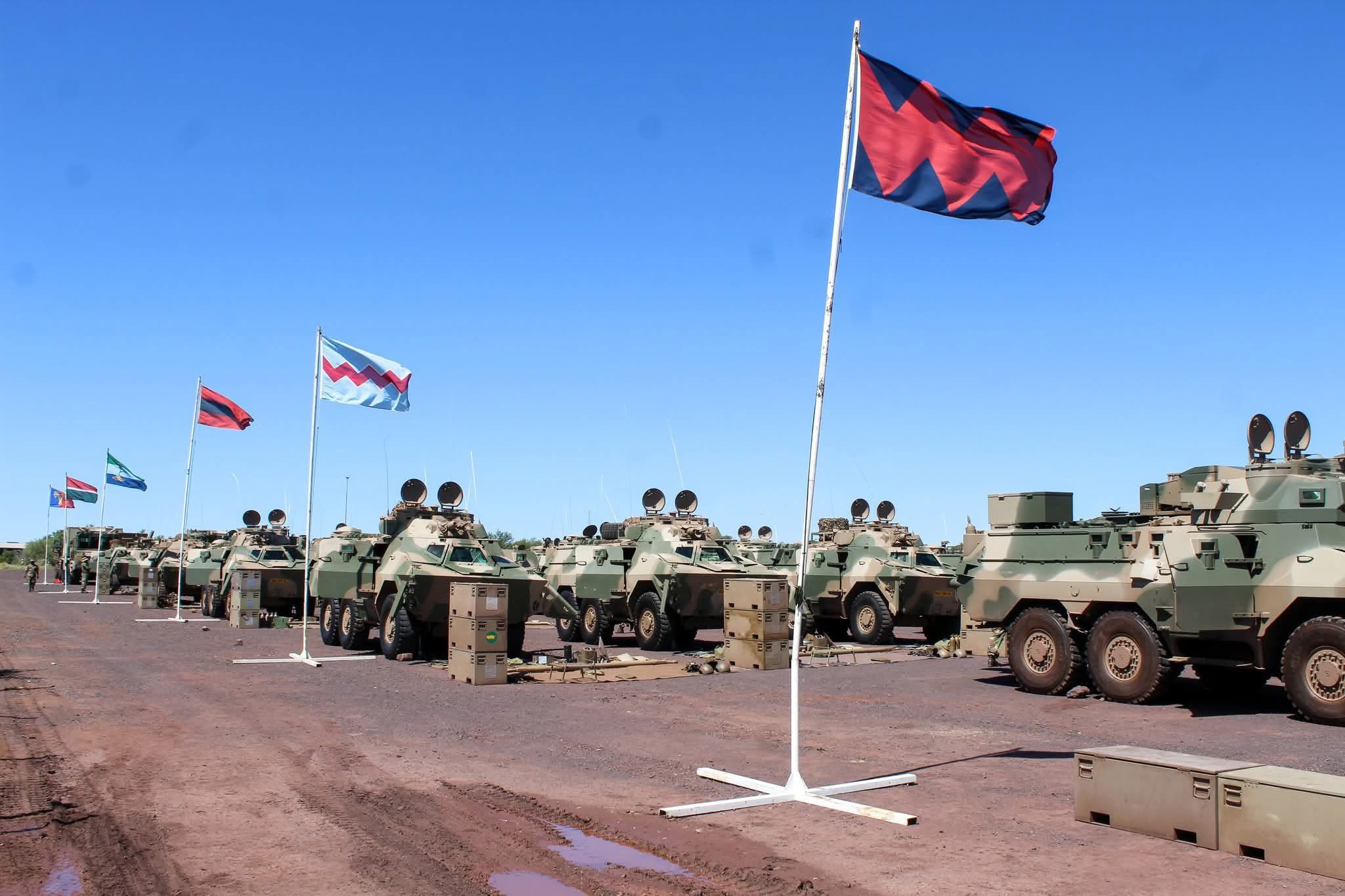
Artillery units played a central role in the display. Air defence artillery systems, positioned with radar arrays activated and aligned, emphasised the brigade’s capacity to counter threats from both the air and the ground. Their presentation highlighted the integration of surveillance, tracking, and rapid-response firepower within the broader formation. The layout of each system was arranged with precision, offering observers a clear representation of South Africa’s layered defence capabilities.

The event formed part of the scheduled activities for Exercise VUKUHLOME IV, which continues to serve as a major training platform for both regular and reserve forces. According to Captain J.J.P. de Vries of the Directorate South African Army Reserve, the parade illustrated the brigade’s readiness and the professionalism of its personnel.

Photographic documentation was provided by Captain De Vries and Bombardier R.A. Taje of the South African Army Artillery Formation Headquarters, capturing the extent of the equipment on display and the coordination behind the event.

The Stable Parade signalled the brigade’s preparedness for the next phase of the exercise, reinforcing the Army’s commitment to maintaining strong, well-trained, and well-equipped land forces.

Israel Conducts Large-Scale Military Drill in Northern Region Following Targeted Strike on Hezbollah Commander

0

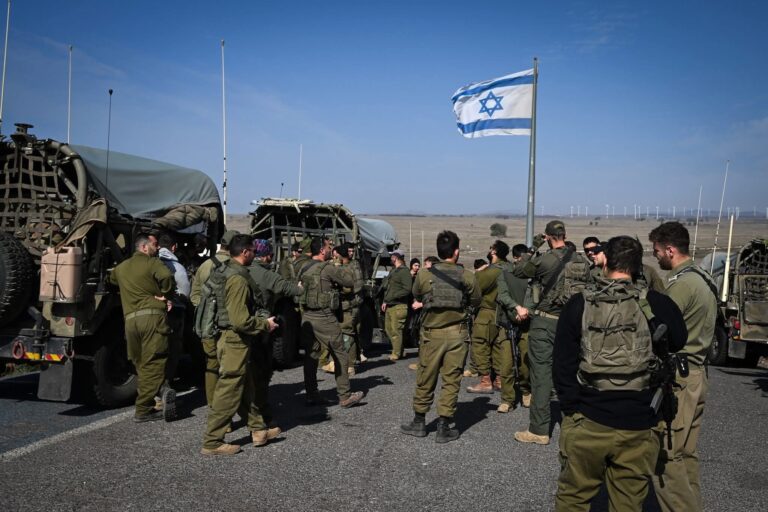
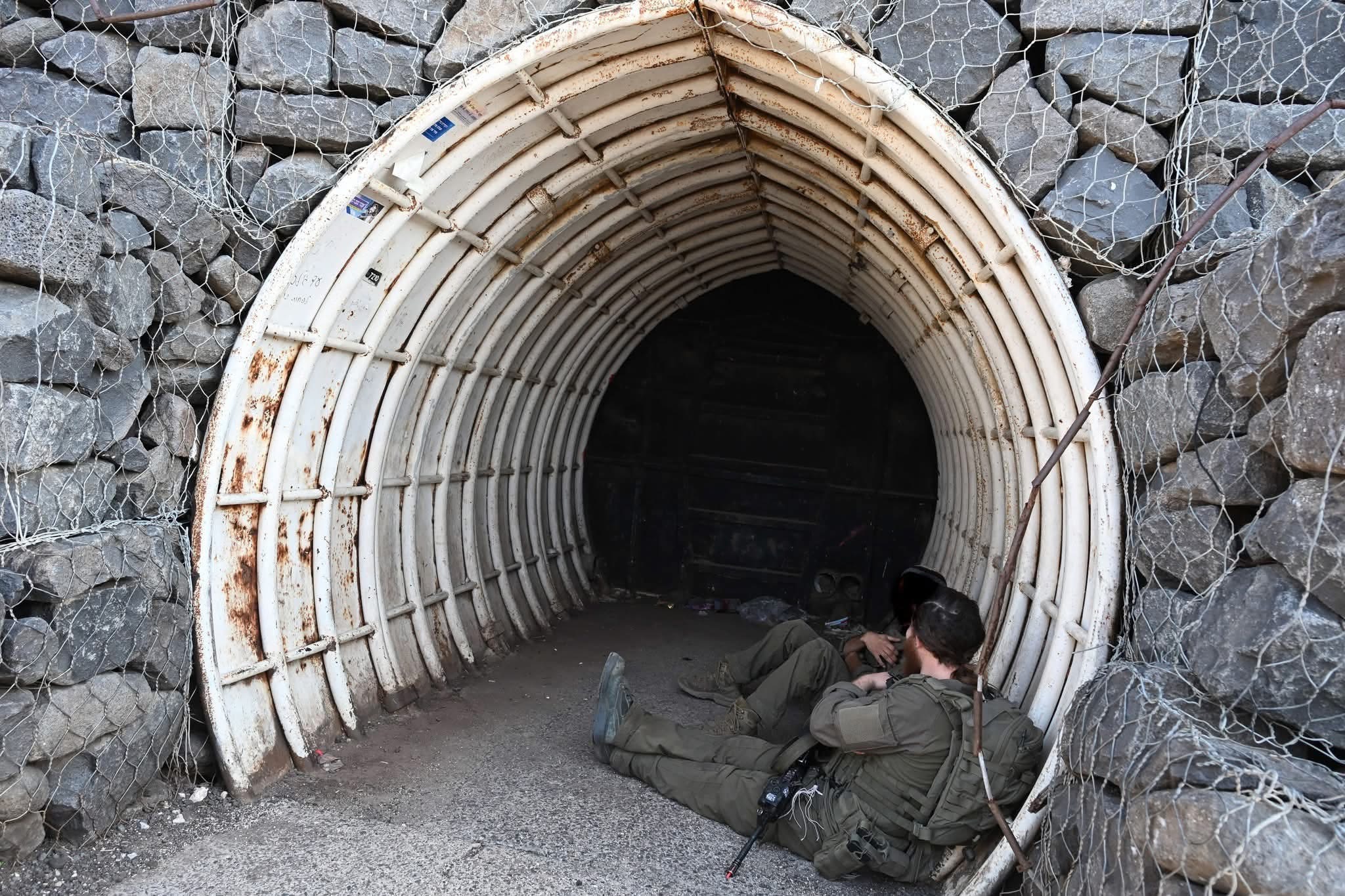
Israel has launched a major military exercise in its northern territories in what officials described as a surprise readiness test, following the recent targeted elimination of a senior Hezbollah commander in Beirut. The drill, carried out on [exact date if available], is intended to assess the preparedness of Israel’s forces in responding rapidly to potential threats along its northern border.

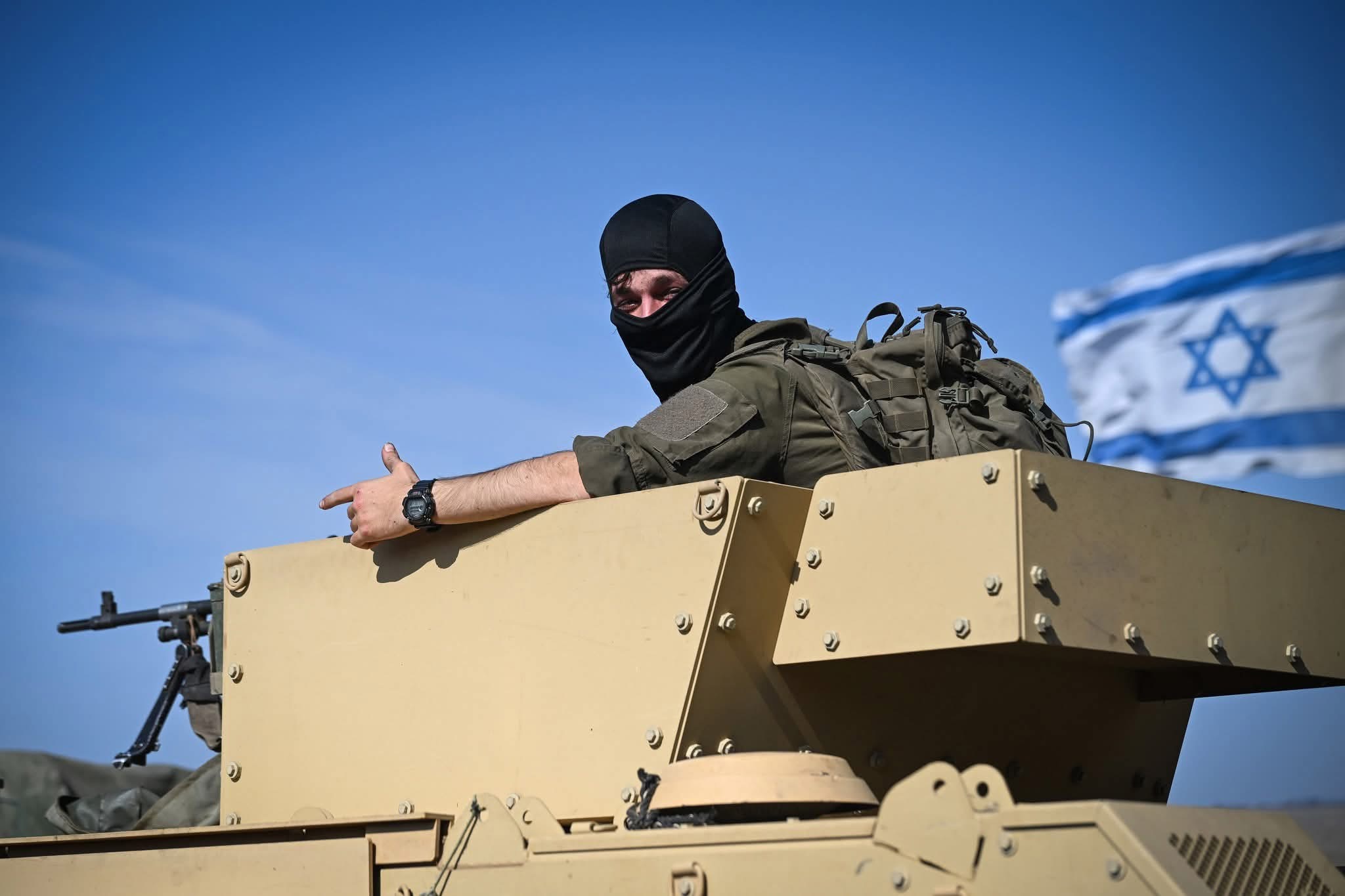
The exercise reportedly involves multiple branches of the Israel Defense Forces (IDF), including infantry, armored units, and air support, simulating coordinated responses to various attack scenarios. Observers note that such drills typically serve both operational and strategic messaging purposes, signaling Israel’s capability and resolve in the region.

The operation comes shortly after Israel conducted a targeted strike in Beirut, killing a high-ranking Hezbollah operative. While Israeli authorities have not disclosed the identity of the individual, the strike has heightened tensions along the northern border and drawn attention from regional observers.

Military analysts suggest that the drill serves as both a precautionary measure and a demonstration of deterrence, ensuring that the IDF maintains rapid-response readiness in the face of potential escalations.

Photographs from the exercise, captured by Michael Giladi/Flash90, depict armored units and troops in coordinated maneuvers across training zones in northern Israel.

The development follows ongoing concerns over security dynamics in Lebanon and northern Israel, as regional actors closely monitor Israel’s military posture in the wake of targeted operations.

Reported via Hananya Naftali.

Mali Secures Settlement with Barrick Gold, Resolving Loulo-Gounkoto Mine Dispute

0

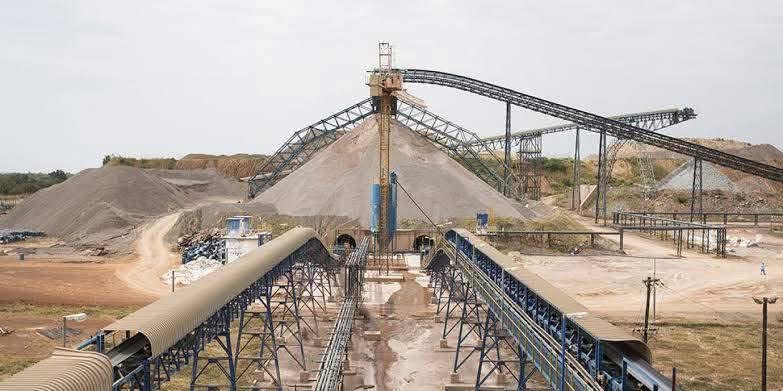
BAMAKO, Mali – The Government of the Republic of Mali has reached a landmark agreement with Canadian mining giant Barrick Gold, bringing an end to a prolonged dispute over the operation of the Loulo-Gounkoto gold mine.

On Monday, 24 November 2025, officials from Mali’s Ministry of Economy and Finance, together with representatives from the Ministry of Mines, received a high-level delegation from Barrick Gold at the Finance Hotel in Bamako. The delegation was led by company administrator Mamadou Samake.

The settlement marks a significant step in stabilizing one of Mali’s key gold-producing assets, ensuring continued operations and protecting the economic interests of the country. Details of the agreement were not fully disclosed, but sources indicate that it addresses operational, financial, and regulatory matters, paving the way for long-term collaboration between the Malian government and Barrick Gold.

The Loulo-Gounkoto complex, a major contributor to Mali’s gold output, has faced operational uncertainties in recent months, affecting both production forecasts and investor confidence. The resolution of this dispute is expected to reassure stakeholders and strengthen Mali’s position in the global mining sector.

📷 Ministry of Mines

Insecurity: Ogun to Document Foreign Workers, Monitor Scavengers

0

….70 foreigners from Niger, Chad, Sudan arrested-Abiodun

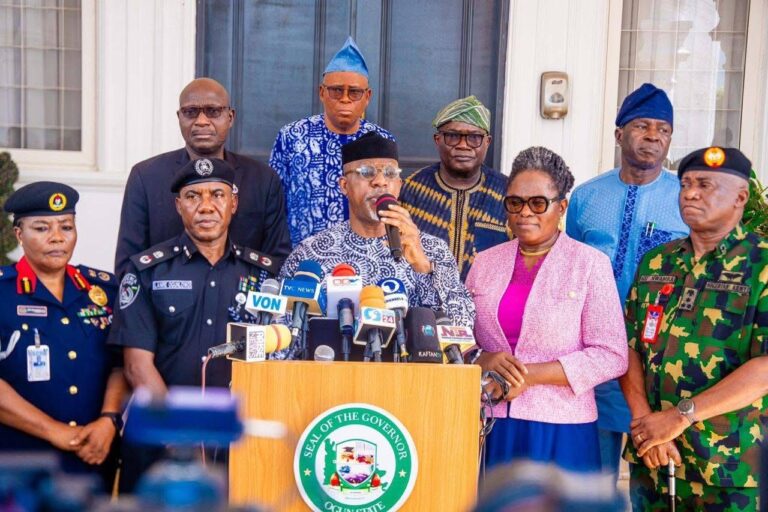
Ogun State Governor, Prince Dapo Abiodun on Monday disclosed that a robust security arrangement would be put in place to secure the state in view of the recent spark in the spate of banditry, terrorism an nd other heinous crimes in parts of the country.

As such, the governor noted that the state government will begin the documentation of all undocumented foreign nationals working with multinational companies operating in the state.

He also said new non-indigenes entering the state for the first time would undergo proper screening by their community leaders to ensure they are not used to orchestrate violence, stressing that government must know their purpose and means of livelihood.

Addressing journalists at Iperu after a security meeting, Governor Abiodun said the measures form part of proactive steps to safeguard lives and property across the state.

He revealed that about 70 foreigners, mostly from Niger Republic, Sudan and Chad, had been arrested in recent days after failing to provide clear explanations for their presence in the State.

“The law enforcement agencies have arrested, within the last three to four days, about 70 persons from Chad and Sudan who cannot even speak English and cannot explain what they are doing here.
We are going to process these individuals with the Nigeria Immigration Service.
We will also be calling on our non-indigene communities to be more vigilant so that we know who is here and why they are here,” he said.

The governor also expressed concern over the activities of scavengers, noting that they now pose a greater security threat than before.

“We discussed the issue of scavengers who have become more of a threat. Law enforcement agencies will pay particular attention to them. We will engage them to ensure they are not being used to perpetrate crimes in the state,” he added.

Governor Abiodun said the meeting was convened in response to the country’s current security climate, noting that as Nigeria’s industrial capital, Ogun receives more than five million daily commuters, making it crucial for government to heighten vigilance.

He directed the police to immediately move into areas such as “Zanga” in Ijebu-Ode and similar enclaves across the state and clear them out, warning that properties used by criminals would henceforth be seized by the government.

Speaking on the recent incident at Ajebo in Obafemi-Owode Local Government Area, the governor noted that security officers had visited the settlement to verify that its occupants pose no threat. He also assured that the state’s forest reserves would be thoroughly secured to prevent criminals from using them as hideouts.

He further disclosed that the meeting deliberated extensively on the activities of scrap dealers and scavengers who may now be aiding criminal networks, adding that they would be properly engaged and monitored.

On illegal mining, Governor Abiodun noted that government is aware that some miners operate as miscreants, and is working with security agencies to flush out criminals from mining sites and forest reserves.

The governor appealed to residents to actively support community policing efforts by providing credible information to security agencies.

“Security is not the responsibility of security agents alone. We must work with them. We must report anything suspicious so law enforcement can respond promptly. We must be observant and be our brother’s keeper,” he said.

Governor Abiodun assured that his administration would continue to provide the necessary logistics to security agencies and cautioned Obas and Baales against allocating government land to strangers, warning that any traditional ruler found culpable would be held accountable for undermining the state’s interest.

He commended security agencies for their cooperation and synergy, which he said has contributed significantly to the peace Ogun State currently enjoys.

The governor lauded President Bola Ahmed Tinubu for stabilizing the economy and commended him and security agencies for the prompt rescuing of kidnapped victims in Niger and Kwara states.

Inside the Crisis: Evidence of Internal Sabotage in Nigeria’s Security Architecture

0

Nigeria is confronting one of the most complex security challenges in its recent history. While the country continues to battle terrorism, banditry, and coordinated criminal networks, emerging patterns now suggest that the persistence of these threats may not be explained by external actors alone. Increasingly, attention is turning inward.

Over the past several months, a series of violent attacks has raised concerns among intelligence analysts, security scholars, and independent observers. These incidents appear too strategic, too precise, and too well-timed to be dismissed as random acts. The sequence of events following provocative foreign commentary, including an unusual threat of invasion attributed to former U.S. President Donald Trump, further intensified public debate about whether internal collusion may be aiding the country’s enemies.

While government officials have not publicly confirmed sabotage, several indicators point toward coordinated breaches within the nation’s security systems.

Patterns Suggesting Internal Compromise

A review of recent incidents reveals multiple red flags:

1. Precision targeting of soft locations

Recent attacks have demonstrated detailed knowledge of troop patterns and local security arrangements. Specialists note that such information is rarely available to external groups without assistance from within.

2. Unexplained lapses at checkpoints

In several cases, critical security posts were reported to have been understaffed or inactive at the exact time attackers struck. Security experts stress that the timing of these gaps suggests intent rather than error.

3. Spikes in violence following international provocations

Nigeria has witnessed abrupt increases in terrorist activity soon after contentious foreign statements. Analysts argue that criminals do not suddenly gain operational strength because of overseas rhetoric. Rather, these spikes imply local actors creating opportunities.

4. Coordination of simultaneous assaults

Some attacks have involved near-synchronous strikes across distant locations—an operation requiring reliable logistics, real-time updates, and familiarity with national response patterns.

5. Public voices echoing extremist narratives

A handful of political and social figures have amplified claims made by violent groups, sometimes before official confirmation. Counter-terrorism researchers note that such messaging can have the unintended effect of legitimising extremist propaganda.

Together, these factors have reinforced suspicions that the country’s security vulnerabilities may be shaped not only by external threats but also by insiders who enable or facilitate them.

A Broader National Concern

Nigeria’s fight against terrorism has long been challenged by issues of inadequate equipment, overstretched personnel, and the complex terrain of the conflict itself. However, internal collaboration represents a far more serious threat. When individuals entrusted with sensitive information or strategic authority choose to compromise operations, the consequences are far-reaching.

Security analysts warn that if insider sabotage is left unaddressed, it can undermine the morale of frontline troops, weaken public confidence, and allow extremist groups to adapt faster than state institutions.

Government Response and Public Expectations

Federal authorities have signaled an intent to tighten internal oversight, strengthen intelligence vetting, and investigate patterns of compromise within the security sector. The Armed Forces have also reiterated their commitment to safeguarding the country, despite the pressures created by internal and external challenges.

Public pressure continues to grow for transparent investigations, stronger accountability systems, and reforms to reduce opportunities for sabotage. Counter-terrorism experts argue that addressing insider threats is as important as confronting armed groups themselves.

The Road Ahead

Nigeria’s security challenges are layered and evolving. While external influences play a role, evidence increasingly suggests that internal betrayal may be amplifying the crisis. For a nation seeking stability, economic growth, and social cohesion, understanding and confronting these breaches is critical.

If ongoing investigations succeed in exposing compromised networks, Nigeria may reach a turning point in its decades-long battle against terrorism. The question now is whether the state can identify and neutralise the internal elements aiding these violent groups before more lives are lost.

UK, Canada and Australia Launch Joint Campaign Against Rising Visa Scams in Nigeria

0

Abuja – Three major destination countries for Nigerian travellers have begun a coordinated campaign to curb the growing wave of visa fraud targeting applicants. The United Kingdom, Canada and Australia have introduced a joint public-awareness effort tagged #FightingVisaFraud, aimed at exposing criminal schemes that promise false immigration opportunities.

The campaign highlights a surge in fraudulent practices, including fake job offers, supposed “guaranteed” visas and paid fast-track services that are not recognised by any official immigration authority. According to the participating countries, these schemes frequently result in visa refusals, significant financial losses and long-term travel restrictions. In some instances, victims are pushed into exploitative conditions tied to human trafficking.

Messages shared through the campaign will appear across the social media platforms of the three governments, offering practical guidance, credible information sources and clear warnings to potential applicants.

In a statement released in Abuja, the British High Commission warned that any individual found to be involved in visa fraud, either by submitting false documents or engaging unlicensed agents, risks a travel ban of up to ten years. The High Commission stressed that genuine applications must be supported only by authentic documents and verified information.

Authorities are urging Nigerians to rely solely on official government websites and channels for visa requirements and application guidelines. For the United Kingdom, applicants are directed to the gov.uk portal, while Canada.ca remains the recognised source for Canadian immigration services. Individuals who suspect fraudulent UK visa activity have been encouraged to file reports with Action Fraud, the United Kingdom’s national fraud-reporting centre.

The campaign underscores a shared commitment by the three nations to protect prospective travellers, ensure the integrity of their immigration systems and reduce the exploitation of unsuspecting applicants by organised criminal groups.

Nigeria Edges Closer to Clean Mobility as President Tinubu Set to Unveil First Electric Tricycles

0

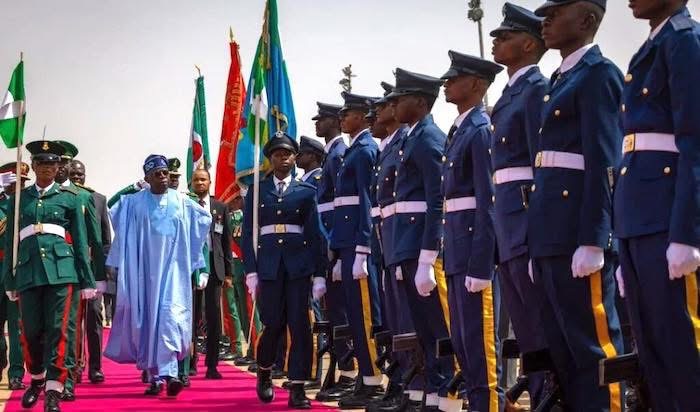
Abuja, Nigeria – Nigeria is taking a significant stride toward sustainable transport solutions as President Bola Ahmed Tinubu prepares to unveil the nation’s first electric tricycles at Eagle Square, Abuja. The landmark event signals a major push toward reducing carbon emissions and modernizing urban mobility across the country.

The introduction of electric tricycles, commonly referred to as “e-tricycles,” is expected to transform public transportation, particularly in densely populated cities where traditional fuel-powered tricycles have long dominated. These vehicles offer a cleaner, quieter, and more cost-efficient alternative to conventional engines, aligning with Nigeria’s broader environmental and energy diversification goals.

Officials from the Federal Ministry of Transportation and private sector partners behind the initiative have emphasized that the move is not only environmentally conscious but also economically strategic. By adopting locally-assembled and imported electric tricycles, the government aims to stimulate job creation, attract investment in green technologies, and reduce the country’s dependence on fossil fuels.

Speaking ahead of the launch, sources close to the presidency confirmed that the e-tricycles will initially be rolled out in Abuja, with plans to expand to other major cities such as Lagos, Kano, and Port Harcourt. The government is also reportedly working on complementary policies, including incentives for operators and plans to establish charging infrastructure across urban centers.

Analysts describe the move as a milestone in Nigeria’s journey toward sustainable urban transport, noting that the adoption of electric vehicles could help address the twin challenges of air pollution and high fuel costs that have burdened commuters for years.

The unveiling at Eagle Square is expected to attract dignitaries, industry stakeholders, and media, highlighting Nigeria’s commitment to embracing innovation while promoting environmental responsibility.

As President Tinubu prepares to drive the first official e-tricycle, the event is set to mark the beginning of a new chapter in the nation’s mobility landscape, one that blends technology, sustainability, and economic opportunity.


House of Representatives Provides ₦20 Million Support to Family of Slain Vice Principal in Bandit Attack

0

Abuja, Nigeria – In a gesture of condolence and solidarity, the House of Representatives has donated ₦20 million to the family of Hassan Makuku, the Vice Principal of Government Girls Secondary School, Maga, who was tragically killed during a bandit attack last week. The attack also resulted in the abduction of more than two dozen students, sending shockwaves through the community.

During a brief ceremony at the National Assembly, lawmakers expressed deep sorrow over the incident, describing Makuku as a dedicated educator whose commitment to students and the school’s welfare left a lasting impact. Members of the House emphasized that the contribution aims not only to support the family financially but also to honor Makuku’s service to education.

The donation forms part of broader legislative efforts to address the rising insecurity in parts of the country, particularly attacks on schools and educators. Lawmakers reiterated their call for stronger measures to protect students and staff, and to bring perpetrators of such attacks to justice.

The family of the late Vice Principal received the donation with gratitude, noting that while no amount can replace the loss of their loved one, the gesture provides much-needed support during a time of grief.

This contribution highlights the Nigerian legislature’s recognition of the importance of educators and the urgent need to address security challenges affecting schools nationwide.

📷 House of Representatives Media Unit