


Home Blog Page 59

Saudi Arabia’s Midad Energy Signs $5.4 Billion Oil and Gas Development Deal with Algeria’s Sonatrach

0

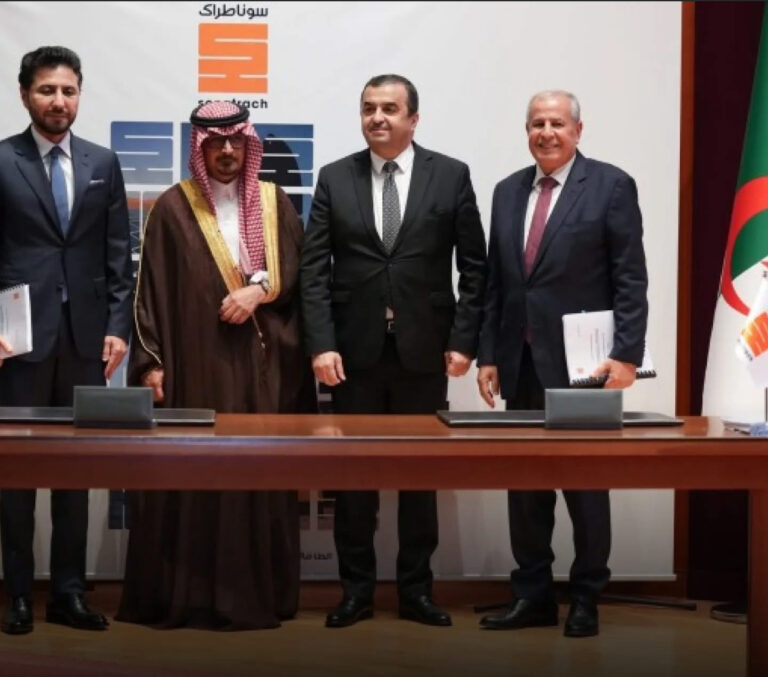
Saudi Arabia’s Midad Energy has signed a landmark $5.4 billion production-sharing agreement with Algeria’s state-owned oil company, Sonatrach, to explore and develop hydrocarbon resources in the Illizi Basin, a resource-rich region near Algeria’s southeastern border with Libya.

The long-term agreement, which spans 30 years, marks one of the largest foreign investments in Algeria’s energy sector in recent years. It underscores the North African nation’s ongoing efforts to attract international partners and modernise its oil and gas industry amid rising competition from other energy producers across Africa and the Middle East.

According to details released by Sonatrach, the deal includes a $288 million investment during the initial seven-year exploration phase. This phase will involve advanced geological surveys, seismic data acquisition, and exploratory drilling to assess the full potential of the Illizi Basin, which is known for its substantial oil and natural gas reserves.

Once commercial viability is confirmed, subsequent phases will focus on the development of production infrastructure, including pipelines, processing facilities, and export terminals designed to support both domestic supply and international exports.

Officials said the partnership aligns with Algeria’s national energy strategy to increase hydrocarbon output, diversify investment sources, and upgrade operational technologies across the sector. It also complements Midad Energy’s growing international portfolio, reflecting Saudi Arabia’s broader goal of expanding its global energy footprint beyond the Gulf region.

Industry analysts have described the deal as a strategic win for both countries. For Algeria, it reinforces the government’s bid to sustain production levels amid aging oil fields, while for Midad Energy, it represents a key opportunity to deepen its presence in North Africa’s upstream market.

Sonatrach’s Chief Executive Officer, Rachid Hachichi, said the agreement demonstrates Algeria’s commitment to fostering long-term partnerships with credible international firms and ensuring energy security through responsible resource development.

The project is expected to generate thousands of local jobs and contribute significantly to Algeria’s foreign exchange earnings once production begins.
ICPC Recovers ₦446 Billion, Secures ₦142 Billion Under Forfeiture in One Month — NOA Report

0

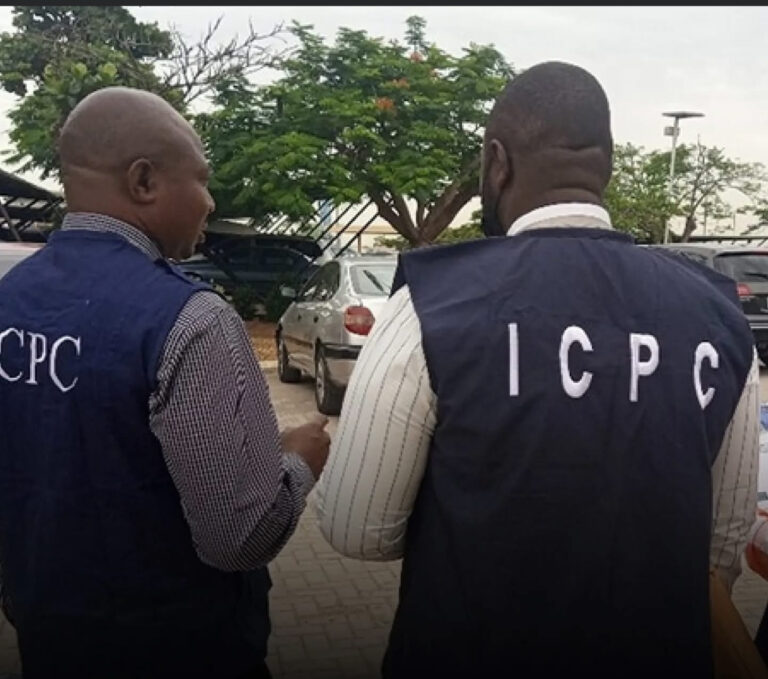
The Independent Corrupt Practices and Other Related Offences Commission (ICPC) has recovered more than ₦446 billion and placed an additional ₦142 billion under interim forfeiture within the space of one month, according to a performance report released by the National Orientation Agency (NOA).

The report, which highlights recent achievements of key federal agencies in promoting accountability, noted that the anti-graft commission’s financial recoveries reflect intensified enforcement and asset tracing efforts across multiple sectors of government.

In addition to the financial recoveries, the ICPC secured three convictions during the same period, reinforcing its mandate to combat corruption and misuse of public funds through prosecution and judicial cooperation.

The Commission also conducted 77 sensitisation and public enlightenment workshops, reaching over 41,000 individuals across the country. These programmes, according to the report, were designed to strengthen ethical standards in the public service and educate citizens on the dangers of corruption.

Furthermore, the ICPC inaugurated eight new Anti-Corruption and Transparency Units (ACTUs) within Ministries, Departments, and Agencies (MDAs), a move aimed at institutionalising preventive mechanisms against corruption and promoting internal compliance with transparency standards.

The National Orientation Agency commended the ICPC for its proactive approach to curbing corruption through both enforcement and preventive education, noting that such measures were essential to restoring public confidence in government institutions.

Analysts have described the commission’s performance as a significant step toward strengthening Nigeria’s anti-corruption framework, though they also stressed the need for consistent follow-up actions, transparent prosecution of major cases, and improved inter-agency coordination to sustain progress.

The ICPC has reiterated its commitment to deepening reforms, expanding public awareness, and ensuring that recovered assets are fully accounted for and channelled toward national development priorities.

President Tinubu Mourns Former Foreign Affairs Minister and UN Envoy, Ambassador Joy Ogwu

0

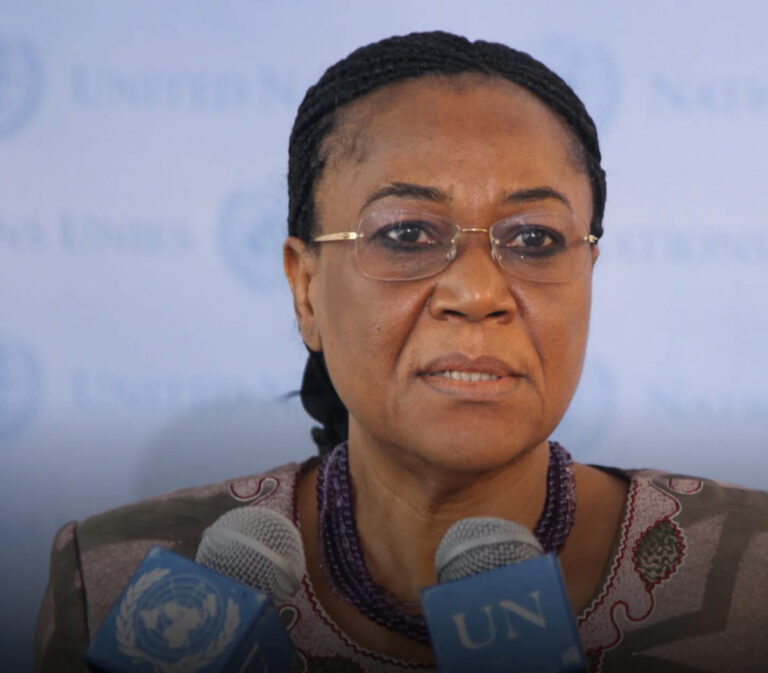
President Bola Ahmed Tinubu has expressed deep sorrow over the death of former Minister of Foreign Affairs and Nigeria’s Permanent Representative to the United Nations, Ambassador Joy Uche Angela Ogwu, who passed away at the age of 79.

Ambassador Ogwu, an accomplished diplomat, academic, and public servant, served as Nigeria’s Permanent Representative to the United Nations between 2008 and 2017, during which she twice presided over the UN Security Council. She had earlier made history as one of Nigeria’s most respected female foreign ministers and served as Director-General of the Nigerian Institute of International Affairs (NIIA), where she contributed to shaping Nigeria’s foreign policy discourse.

In a statement issued by the Presidency, President Tinubu described Ambassador Ogwu as a trailblazer who elevated Nigeria’s international standing through her intellect, diplomacy, and leadership. He praised her lifelong dedication to promoting global peace, multilateral cooperation, and the empowerment of women in leadership and diplomacy.

“Ambassador Joy Ogwu was an extraordinary Nigerian who projected the nation’s voice with distinction and contributed immensely to global peace and security,” the President said. “Her work at the United Nations and her tenure as Foreign Affairs Minister reflected her deep commitment to Nigeria’s development and to international harmony.”

President Tinubu extended his heartfelt condolences to the Ogwu family, the diplomatic community, and the staff of the Nigerian Institute of International Affairs. He also paid tribute to her enduring legacy as a scholar and advocate for women’s participation in governance and international relations.

Ambassador Ogwu’s passing marks the end of a remarkable career that spanned diplomacy, academia, and public service, leaving behind a record of excellence and integrity that continues to inspire generations of Nigerian diplomats and policymakers.

Gold Prices Hit All-Time High of $4,179 Amid Trade Tensions and Rate-Cut Expectations

0

Global gold prices surged to a historic record of $4,179.48 per ounce on Tuesday, extending an extraordinary rally that has seen the precious metal gain nearly 60 percent since the beginning of 2025. The surge reflects growing investor demand for safe-haven assets amid renewed trade frictions between the United States and China, as well as mounting expectations of further interest rate cuts by the U.S. Federal Reserve.

The rally marks gold’s strongest performance in over a decade, underscoring its appeal as a hedge against economic uncertainty and currency volatility. Investors have increasingly turned to bullion as global financial markets face pressures from slowing growth, geopolitical instability, and fiscal imbalances in major economies.

Analysts say a combination of macroeconomic factors—particularly persistent inflation fears, rising public debt, and weakening confidence in fiat currencies—has strengthened gold’s position as a store of value.

“Gold has entered a new phase of institutional and sovereign demand,” said analysts at Bank of America, which recently raised its 2026 price forecast to $5,000 per ounce, one of the most optimistic among major financial institutions. “Fiscal deficits, elevated debt levels, and central bank diversification away from the dollar continue to drive the structural shift supporting higher prices.”

The U.S. Federal Reserve’s anticipated rate cuts are also fueling the rally. Lower interest rates tend to weaken the dollar and reduce the opportunity cost of holding non-yielding assets like gold, making the metal more attractive to investors.

Meanwhile, escalating tensions between Washington and Beijing—centered on trade restrictions and technology policy—have added to market volatility, prompting fund managers and central banks alike to increase their gold holdings.

Market watchers say that unless global financial conditions stabilize, gold could remain on an upward trajectory through the end of the year. With investors increasingly seeking stability in hard assets, the metal’s record-breaking run may signal a broader shift in global capital flows toward long-term wealth preservation strategies.

Oil-Rich States Dominate FAAC Allocations as Nigeria’s 36 States Share ₦4.43 Trillion in Seven Months

0

Nigeria’s 36 states collectively received ₦4.43 trillion from the Federation Account Allocation Committee (FAAC) between January and July 2025, according to data released by the National Bureau of Statistics (NBS) and FAAC reports. The disbursements reflect ongoing fiscal transfers from federally collected revenues, including oil proceeds, value-added tax (VAT), and statutory allocations.

Analysis of the figures shows that oil-producing states accounted for about 35 percent of the total funds shared, underscoring their continued advantage from derivation revenue and statutory allocations tied to crude oil production.

Delta State emerged as the highest recipient within the seven-month period, receiving a total of ₦361.23 billion, followed by Rivers State with ₦301.18 billion, Lagos State with ₦279.03 billion, Akwa Ibom with ₦278.11 billion, and Bayelsa with ₦274.81 billion. Collectively, these five states alone accounted for nearly 35 percent of the total FAAC disbursement to all states within the period under review.

At the lower end of the distribution were Ekiti State, which received ₦70.83 billion, and Ogun State, with ₦67.20 billion, reflecting lower fiscal allocations due to limited oil production and smaller revenue derivation bases.

Economic analysts note that the widening gap between high-revenue and low-revenue states highlights Nigeria’s continued dependence on oil income and the structural imbalance in its revenue-sharing formula. States with little or no natural resource endowment remain heavily reliant on monthly FAAC allocations to fund recurrent expenditure and capital projects.

The report comes amid renewed calls for fiscal federalism and revenue diversification, as several state governments struggle to meet salary obligations and execute infrastructure programs. Experts have urged subnational governments to strengthen internal revenue generation, reduce waste, and invest in productive sectors to lessen dependence on federal allocations.

The FAAC allocations are distributed monthly among the federal, state, and local governments, with derivation, VAT, and statutory revenue forming the major components. Despite oil price fluctuations and production challenges, oil-producing states continue to benefit significantly from the 13 percent derivation principle, which allocates a portion of oil revenue directly to producing regions.

Cameroon Opposition Candidate Declares Victory Ahead of Official Presidential Election Results

0

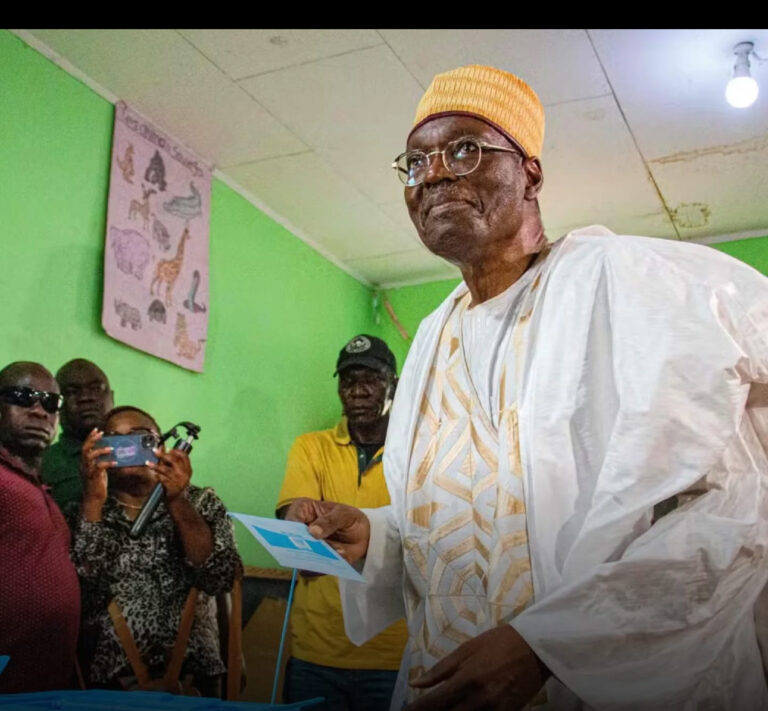
Cameroon’s opposition candidate, Issa Tchiroma Bakary, has declared victory in the country’s presidential election held on Sunday, setting the stage for potential political tension as the nation awaits official results expected in two weeks.

In a statement posted on his official Facebook page on Monday, Tchiroma claimed a decisive win at the polls, calling on the government and electoral authorities to respect what he described as the “will of the people.”

“Our victory is clear. It must be respected,” he wrote. “I urge the government to accept the truth of the ballot box and allow democracy to prevail.”

The declaration comes amid mounting anticipation following what observers described as a highly competitive and peaceful election, with record voter turnout in several regions. However, the government has maintained that only the Constitutional Council—the country’s top election adjudicator—has the legal authority to announce official results.

Government spokespersons reiterated this position on state media, warning political actors and parties against premature victory claims that could incite unrest or undermine the integrity of the electoral process.

“The government urges all candidates to exercise restraint and await the official declaration of results by the Constitutional Council,” a statement from the Ministry of Communication said.

Election observers from the African Union (AU) and the Economic Community of Central African States (ECCAS) have so far praised the conduct of the vote, while noting minor logistical challenges in some polling areas.

Tchiroma’s early declaration has divided public opinion, with supporters celebrating across parts of the northern regions and the capital, Yaoundé, while ruling party loyalists dismissed the claim as premature and politically motivated.

The Constitutional Council is expected to begin reviewing results submitted from across Cameroon’s ten regions this week. Official tallies are anticipated within fourteen days, after which the Council will certify the outcome and declare the next president.

Political analysts say the period leading up to the official announcement will be critical, urging both the ruling party and opposition to avoid inflammatory rhetoric and respect the legal process governing the country’s electoral framework.

Cosmas Maduka’s Wake-Up Call to a Misguided Generation

0

Cosmas Maduka, the founder of the Coscharis Group and one of Nigeria’s most respected entrepreneurs, is estimated to be worth around $500 million. Yet his recent remarks on the growing “money na water” culture among young Nigerians have sparked online criticism and debate. Many of his detractors, particularly on social media, dismissed his views, telling him to “go and make money first” before commenting on the flamboyant lifestyles of their so-called Instagram billionaires.

Maduka’s warning, however, touches a deeper nerve about the moral and intellectual direction of contemporary society. He lamented that Nigeria has “succeeded in electing the worst of us into public offices and empowering the worse of us through social media.” The result, he argued, is a generation increasingly obsessed with appearance over substance, where discussions have declined to arguments over “whose fake iPhone is cheaper.”

Supporters of the social media elite often defend their extravagance by claiming it is part of their show business strategy—an image needed to attract brand deals or attention. Maduka’s concern, however, lies not in their self-promotion, but in the false sense of wealth and ease that such displays promote. Many of these influencers, he noted, are not nearly as liquid as they claim to be, while countless impressionable young people absorb these illusions and chase lifestyles far beyond their means.

The emptiness of this culture is visible in everyday interactions. The author recounts one such personal experience: after months without contact, he reached out to an acquaintance whose social media stories showed him at exclusive events, always dressed well and appearing to thrive. When asked about his business, the man admitted he was barely surviving and even requested a £500 gift. When the author declined, explaining that he could not afford such a gesture, the man insulted him as “stingy.” Ironically, it was the man’s younger sister—humble and focused on learning digital skills—who eventually received a laptop gift to help her build a real future.

This small story reflects a much larger problem. Nigeria remains a society where millions of young people are either unemployed or self-employed with barely ₦5 million or less in working capital. Yet rather than channel energy into productivity and innovation, many have embraced a shallow culture of pretense, driven by social media illusions of wealth.

If anything should “flow like water,” Maduka insists, it is not money—but opportunities, jobs, and accountability from top to bottom. Until that happens, the country will remain trapped in the paradox of a poor nation obsessed with the appearance of riches.

Ekiti State Disburses ₦2 Billion Gratuity to 800 Retirees, Reaffirms Commitment to Pensioners’ Welfare

0

The Ekiti State Government has released ₦2 billion for the payment of gratuities to 800 retirees, marking another milestone in its ongoing commitment to improving the welfare of pensioners in the state.

Governor Biodun Oyebanji, represented by the Deputy Governor, Chief (Mrs.) Monisade Afuye, made the official presentation during a ceremony held in Ado-Ekiti, where beneficiaries drawn from various ministries, departments, and agencies received their entitlements.

Speaking at the event, Afuye said the disbursement was part of the administration’s deliberate policy to honor those who had served the state diligently, emphasizing that the Oyebanji-led government remains committed to clearing outstanding gratuities and ensuring timely pension payments.

“Governor Oyebanji’s administration places high priority on the welfare of our senior citizens. Today’s disbursement is not a one-off gesture but a reflection of our commitment to fairness, transparency, and compassion,” the Deputy Governor said.

According to data released by the Ekiti State Pension Commission (EKS-PENCOM), the government has disbursed ₦14.6 billion in gratuities and ₦25 billion in pension payments over the last three years, underscoring consistent investment in retirees’ welfare despite fiscal constraints.

The state government also confirmed that all retirees from 2013 to 2016 have now been fully paid, a development widely commended by pension unions. To sustain the progress, the administration has earmarked a monthly allocation of ₦100 million dedicated to continuous gratuity settlements for retirees awaiting payment.

Commissioner for Finance, Akin Oyebode, who was also present at the ceremony, reaffirmed that the government’s financial management strategy prioritizes both developmental projects and social responsibility to retired workers who “laid the foundation for the state’s growth.”

“We have created a structure that ensures pension and gratuity payments are consistent, predictable, and protected from political interference,” Oyebode said.

Representatives of pensioners’ associations, led by Elder Samuel Aina, lauded the government for its transparency and responsiveness, describing the initiative as “a renewed hope for senior citizens” who had waited years for their benefits.

Analysts note that Ekiti State’s sustained payment record sets it apart as one of the few Nigerian states actively reducing pension and gratuity arrears amid nationwide fiscal challenges.

Governor Oyebanji’s administration, since assuming office, has prioritized workers’ welfare, infrastructure renewal, and inclusive economic development, earning praise from labor unions and civil society groups.

With the latest ₦2 billion disbursement, the Ekiti State Government reiterates its promise that no retiree will be left behind, as part of its broader vision for equitable governance and social justice.

Nigeria Joins Commonwealth Drive to Unlock $2 Trillion Trade Agenda

0

Nigeria has joined other Commonwealth nations in advancing a new $2 trillion trade initiative designed to deepen economic integration, strengthen resilience, and foster sustainable development across member countries.

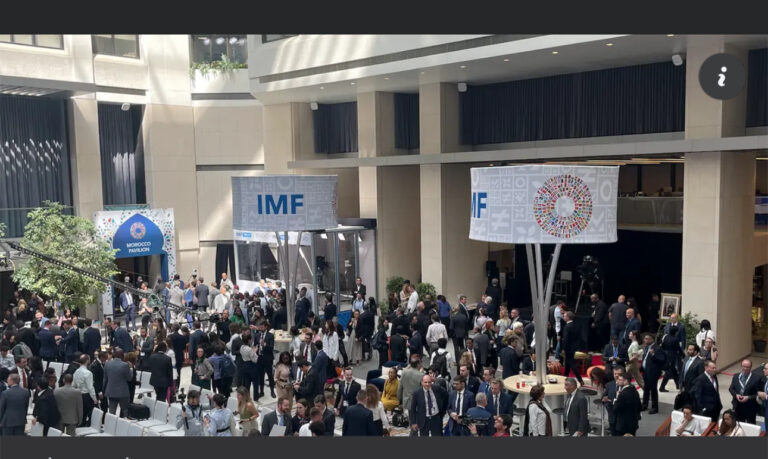
The development was announced in a statement signed by Mohammed Manga, FCAI, Director of Information and Public Relations at the Federal Ministry of Finance, on Monday. The statement followed Nigeria’s participation at a high-level meeting of Commonwealth Finance Ministers, held on the sidelines of the World Bank and International Monetary Fund (IMF) Annual Meetings in Washington D.C.

The meeting brought together finance ministers and economic policymakers from Commonwealth member states to discuss strategies for leveraging the bloc’s unique economic ties and institutional frameworks to enhance trade, investment, and innovation.

According to data from the Commonwealth Secretariat, intra-Commonwealth trade is approximately 21% cheaper than trade with non-member nations. This cost advantage stems from shared legal systems, common language, and similar institutional frameworks that help to lower transaction and regulatory costs across member economies.

The Secretariat further projected that trade among Commonwealth nations could expand to $2 trillion by 2030, if member states make targeted investments in connectivity, digital infrastructure, trade facilitation, and innovation ecosystems.

Representing Nigeria, the Minister of State for Finance, Dr. Doris Uzoka-Anite, reaffirmed the country’s commitment to supporting the Commonwealth’s development goals, particularly in areas aligned with Nigeria’s national priorities of economic diversification, digital transformation, and inclusive growth.

“Nigeria remains fully committed to the Commonwealth’s shared vision of prosperity through trade and cooperation,” Uzoka-Anite stated. “We are focused on building a more resilient and inclusive economy that creates opportunities for our youth, supports industrialization, and accelerates progress toward poverty reduction.”

She also underscored the need for increased development financing, particularly for emerging economies within the Commonwealth, to enable them to harness the benefits of trade expansion and economic integration.

Manga, in the ministry’s statement, reiterated that the Commonwealth platform offers a strategic opportunity for Nigeria and other member nations to strengthen partnerships, share expertise, and scale up sustainable investments across critical sectors.

“With collective action and determination, the Commonwealth nations are set to achieve a brighter economic future—driving growth, prosperity, and improved livelihoods for millions across the Commonwealth of Nations,” he noted.

Analysts say the renewed push toward intra-Commonwealth trade could position Nigeria as a key player in Africa’s trade diversification efforts, particularly as the country continues to implement the African Continental Free Trade Area (AfCFTA) and other multilateral trade frameworks.

The Commonwealth, made up of 56 member countries, represents about one-third of the world’s population and 15% of global trade, offering vast potential for economic collaboration and investment-led growth among developing and advanced economies alike.

IMF Warns Nigeria, Emerging Economies Against Rising Illicit Financial Flows

0

The International Monetary Fund (IMF) has issued a stern warning to Nigeria and other emerging economies to step up efforts in curbing illicit financial flows (IFFs), stressing that unchecked movement of dirty money poses serious threats to financial stability, governance, and international credibility.

IMF Managing Director Kristalina Georgieva delivered the caution during a Civil Society Town Hall meeting held on the sidelines of the IMF–World Bank Annual Meetings in Washington, D.C., on Monday.

Georgieva emphasized that illicit financial flows — often linked to corruption, tax evasion, terrorism financing, and money laundering — drain critical resources from developing nations, exacerbate inequality, and undermine confidence in public institutions.

“Illicit financial flows weaken economies, corrode trust in governance, and divert resources away from essential priorities such as health, education, and infrastructure,” Georgieva said. “Countries must strengthen anti–money-laundering systems and enhance transparency to protect financial stability and attract sustainable investment.”

She noted that emerging markets like Nigeria, which are battling high debt levels and weak institutional frameworks, face heightened risks from cross-border financial crimes if regulatory systems are not reinforced.

The IMF chief highlighted that building robust governance structures, enforcing transparency in fiscal management, and improving coordination between financial intelligence units and global partners are crucial to tackling the challenge.

According to IMF data, developing nations lose an estimated $200 billion to $600 billion annually through illicit outflows, undermining their capacity to meet development targets and service public debt.

Georgieva also called for stronger international collaboration, urging developed economies and global financial institutions to assist emerging markets with capacity building, digital monitoring systems, and technical expertise to trace and recover stolen assets.

“Addressing illicit flows is not just a national priority — it’s a shared global responsibility,” she added. “Transparency and accountability are the foundations of economic resilience.”

Analysts say the IMF’s warning is particularly significant for Nigeria, which continues to grapple with issues of capital flight, weak anti-corruption enforcement, and opaque financial reporting systems. The country has in recent years faced scrutiny over money-laundering concerns within its political and banking sectors.

The IMF reiterated its commitment to working with member nations to strengthen governance reforms, support anti-corruption measures, and enhance institutional accountability — key pillars for restoring investor confidence and driving inclusive growth across emerging economies.