Home Blog Page 63

Ranks Africa Finalizes the Acquisition of Africa Energy Sector Platform, Rebrands as AFRENSE

0

Ranks Africa has officially finalised the acquisition of the Africa Energy Sector (AES) platform, marking a major strategic expansion into the continent’s fast-growing energy and innovation ecosystem. Following the acquisition, the platform has been rebranded as AFRENSE, a modern, startup-friendly hub built to redefine how Africa’s energy sector connects, collaborates, and grows.

AFRENSE — derived from Africa Energy Sector — introduces a refreshed identity and an expanded mandate that aligns with Ranks Africa’s broader mission of building powerful platforms across key industries. The new brand captures a bold vision: to serve as the central digital gateway for Africa’s energy future.

AFRENSE Now Operates Through Three Core Pillars

1. AFRENSE Media

A dedicated digital media powerhouse delivering breaking news, industry intelligence, founder spotlights, energy innovations, clean-tech updates, and in-depth analysis across the entire African energy landscape.

2. AFRENSE Connect Hub (formerly directories)

A fully modernised sector-wide connection engine linking:

  • Founders
  • Investors
  • Talent & Skilled Professionals
  • Innovators & Startups
  • Energy Companies & Service Providers

This upgraded hub functions as Africa’s largest sector-focused marketplace for collaboration, opportunities, and partnerships.

3. AFRENSE Opportunities & Events

A pipeline of initiatives designed to build community, talent, and innovation across the industry:

  • ES Founders Series – spotlighting visionary leaders shaping Africa’s energy future.
  • ES Tours – curated ecosystem visits showcasing projects, facilities, and breakthroughs.
  • ES Job Fair – connecting employers, job seekers, and emerging talent across energy careers.
  • Additional programs including investment meetups, innovation challenges, and talent pitch sessions.

A Platform Built for the Future of Africa’s Energy Economy

With this acquisition, Ranks Africa is positioning AFRENSE as the continent’s most comprehensive energy-sector platform—where media, opportunities, technology, and community come together to power industry-wide growth.

AFRENSE will continue rolling out new features, tools, and sector-building initiatives in the coming months as part of its mission to accelerate Africa’s transition, elevate indigenous energy leadership, and foster global collaboration.

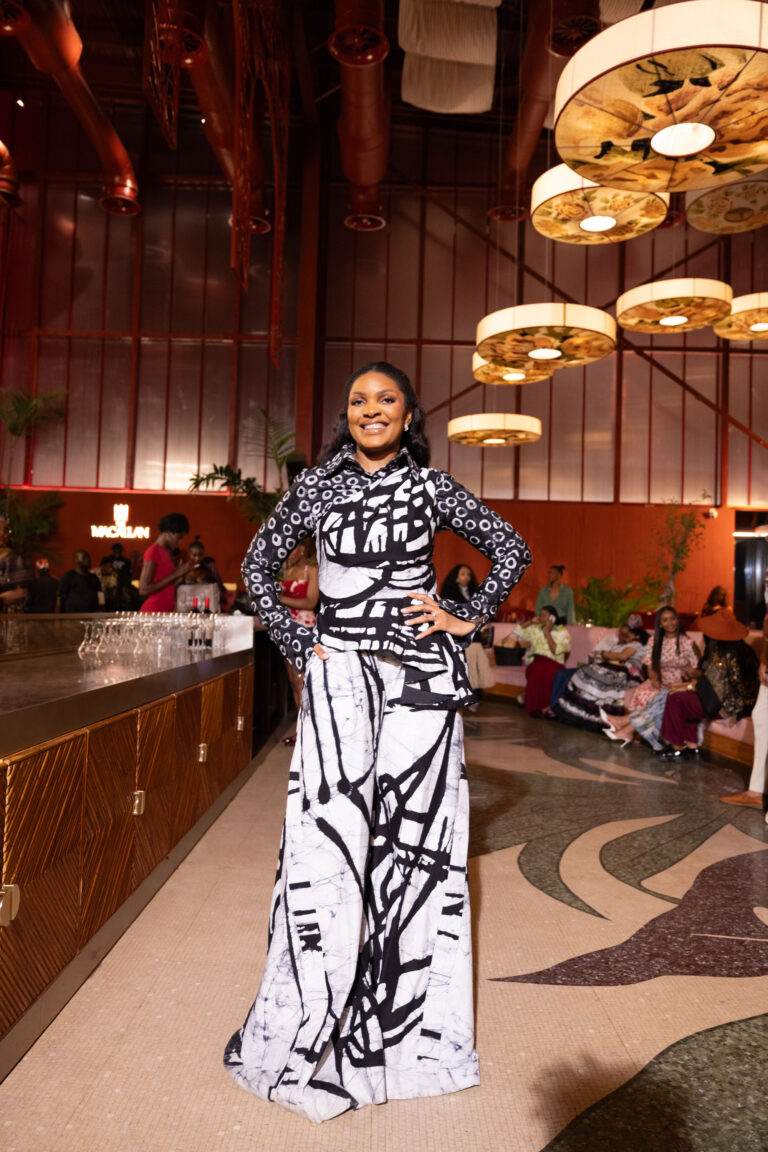
Meet Ifeyinwa Azubike — The Visionary Behind The Ladymaker

0

In this edition of the Ranks Africa Spotlight Series, we spotlight a woman whose work embodies depth, discipline, and unmatched creative excellence. Ifeyinwa Ojukwu Azubike, founder of The Ladymaker, represents the kind of brilliance that defines legacy. She does not just lead a fashion brand; she leads a movement that continues to shape culture and elevate African craftsmanship on the global stage.
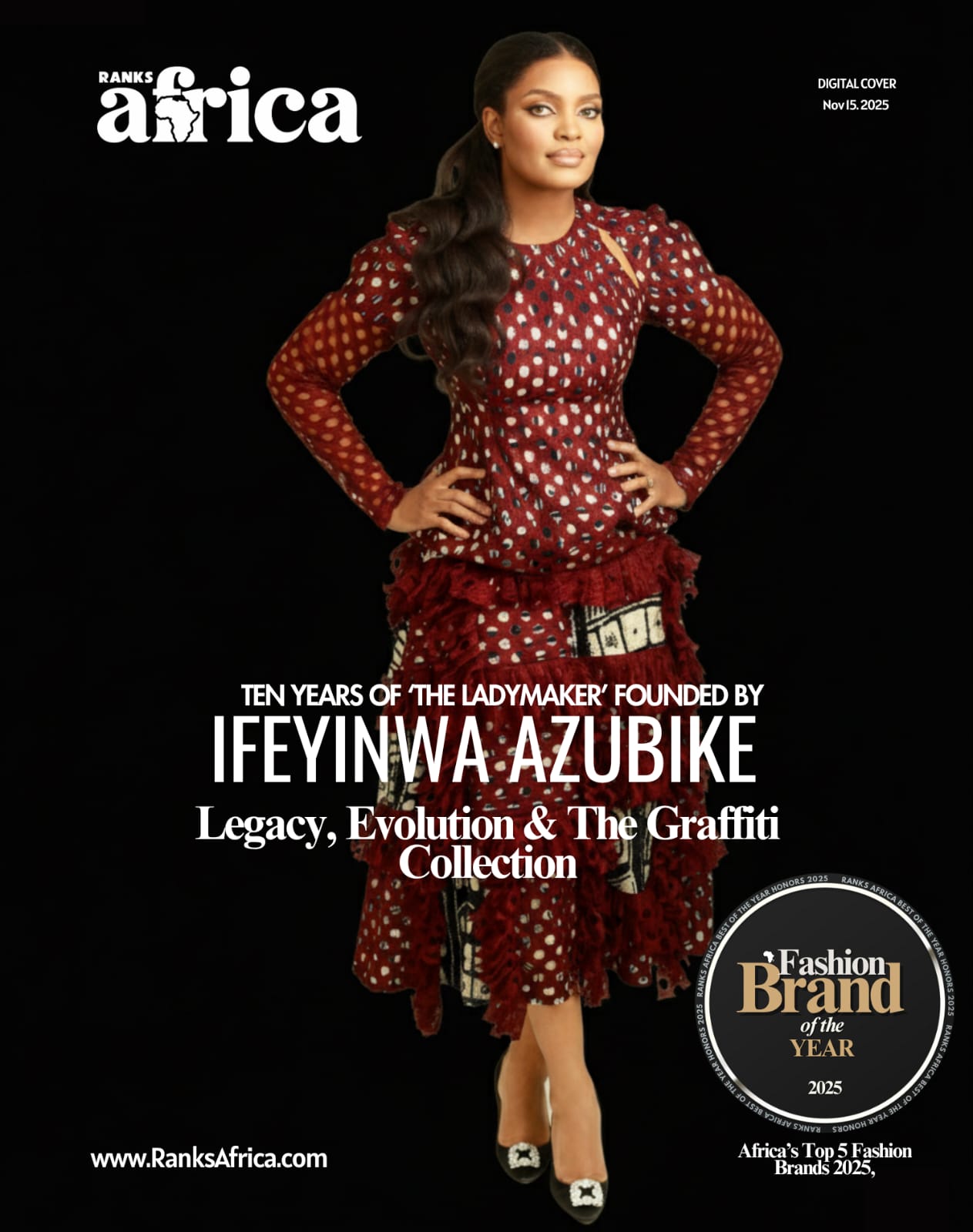
To encounter Ifeyinwa’s work is to understand intentionality at its highest expression. When you see her, you instinctively rise to give her the kudos she deserves. She is far beyond the label of a top female designer. She is one of Africa’s most important fashion brand founders in 2025, a visionary who has built one of the continent’s top fashion brands through purpose, refinement, and an unwavering commitment to storytelling.

This spotlight accompanies our exclusive Ranks Africa interview, where she opens up about the last ten years of The Ladymaker. She shares insights on legacy, evolution, identity, craftsmanship, challenges, sustainability, and the philosophy that has shaped the brand’s enduring presence.
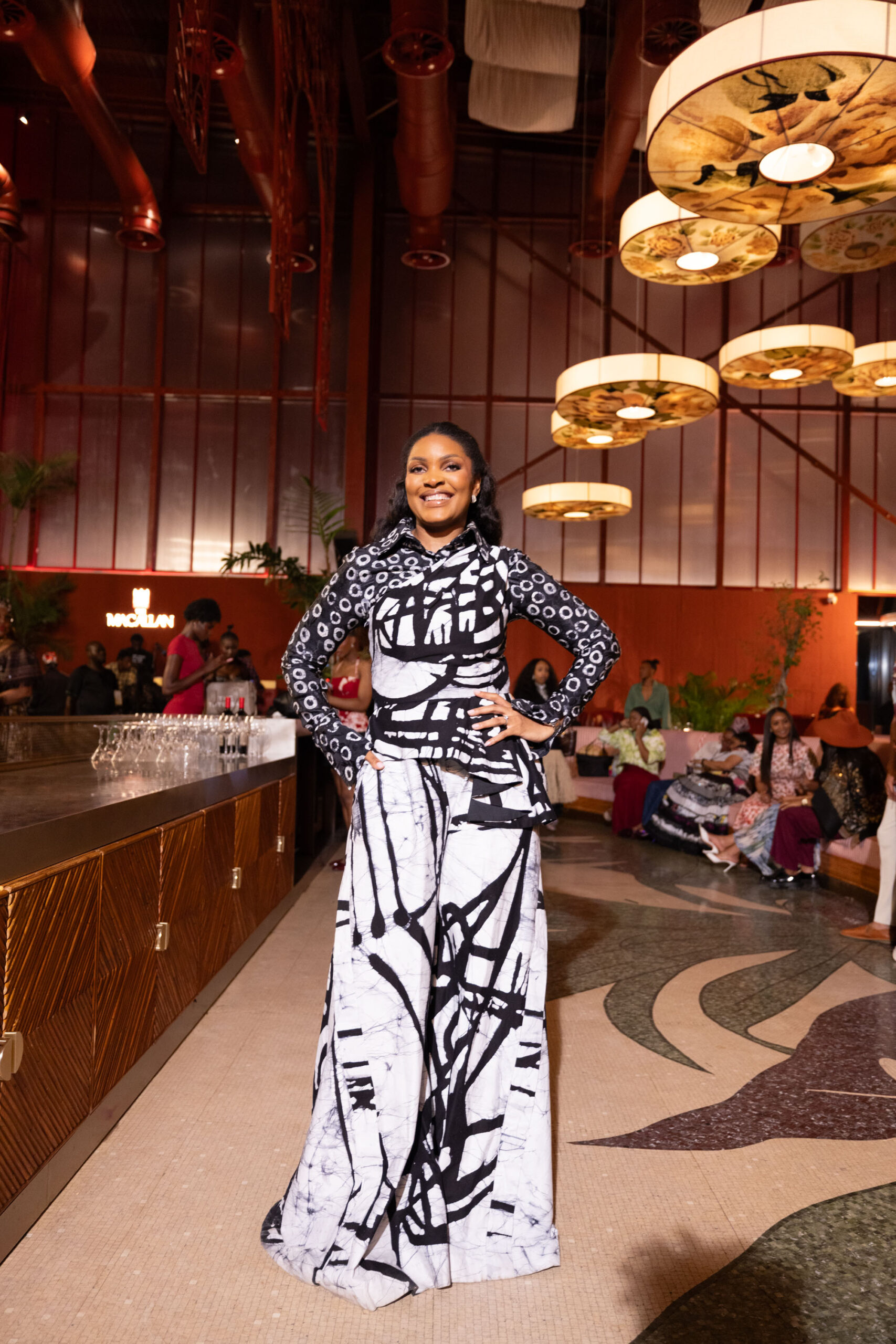
Ten Years of The Ladymaker: Legacy, Evolution and The Graffiti Collection

Ten years of The Ladymaker is a defining milestone. Reflecting on the journey, Ifeyinwa describes it as a decade of gratitude, persistence, and growth. What began as an idea has matured into a world of design, culture, and craftsmanship expressed through an unmistakable African lens.

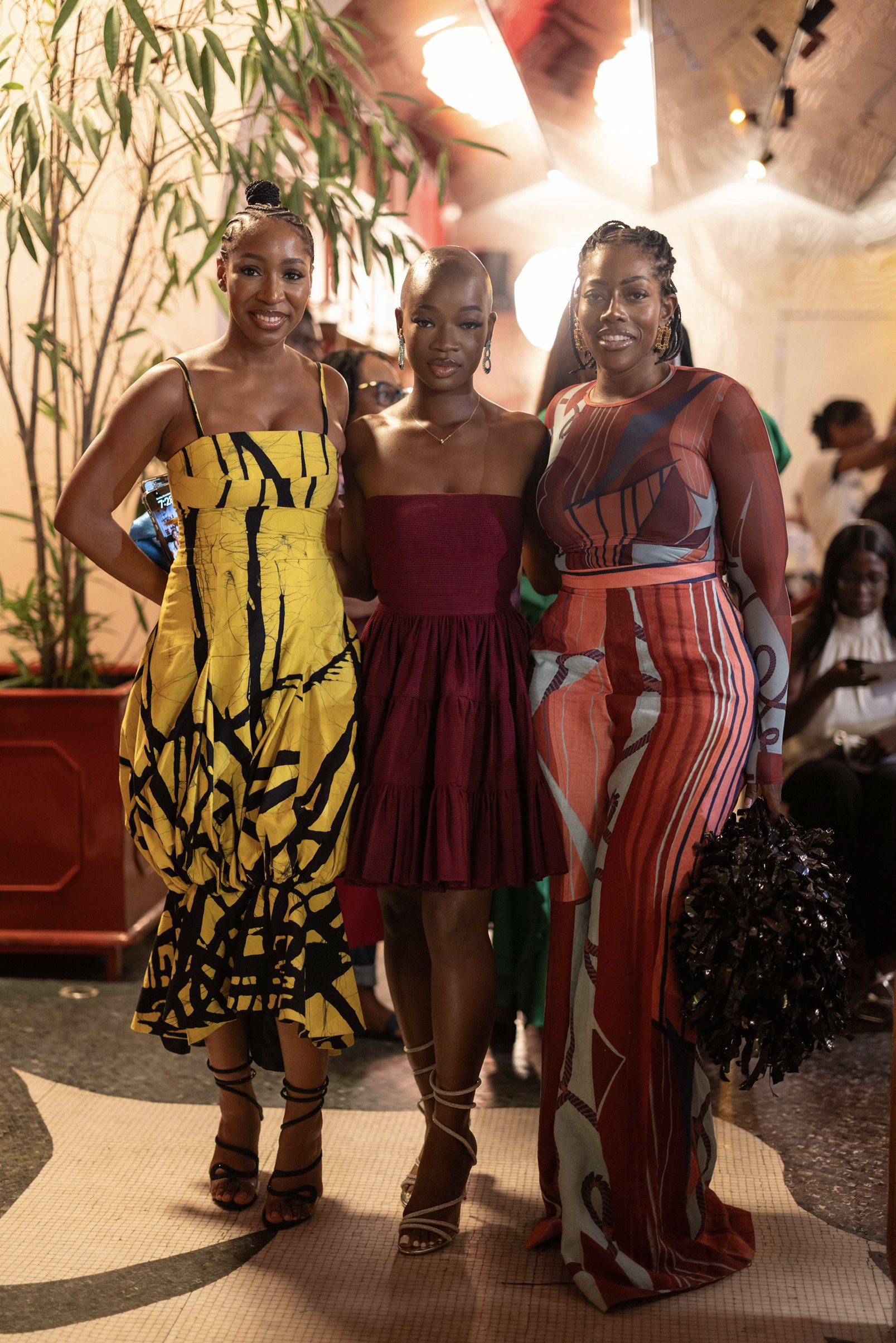
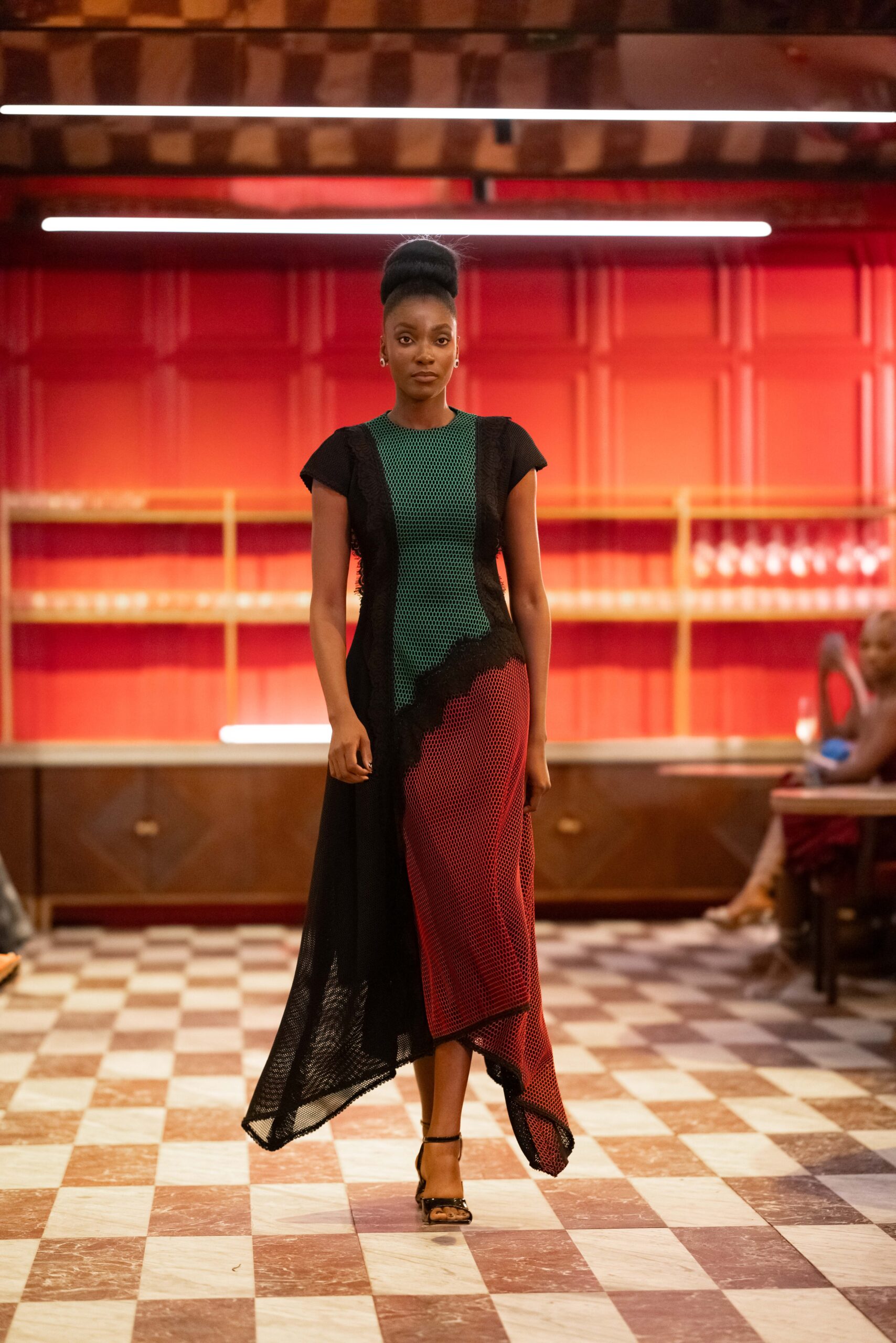
The Ladymaker has evolved into a brand that stands at the intersection of heritage and modernity. It celebrates elegance, intellect, intention, and identity. From Ceramica to Indigo to Cosmicology, each collection has sharpened the brand’s voice, but Graffiti marks a bold new chapter. Inspired by expression and cultural liberation, the collection reimagines what a Lady wears, introducing a confident, colorful visual language while preserving its signature elegance.

Her reflections on creativity, community, cultural responsibility, and business expansion reveal a leader who is building with both heart and structure. She speaks openly about the realities of building in Africa, the resilience required, the discipline behind sustainability, and the long term vision guiding The Ladymaker’s next decade.
Why This Spotlight Matters

Because The Ladymaker is not just designing garments; she is shaping narratives, preserving culture, and building legacy.
Because Ifeyinwa is not just a creative force; she stands among the most influential fashion brand founders in Africa today.
Because ten years of consistency, storytelling, mastery, and impact deserve the highest recognition.

This feature marks her as a standout in our 2025 fashion excellence recognitions, a testament to her influence and the brand’s unwavering refinement.

Read the exclusive interview conducted by our team to experience her journey, her vision, and her evolution in her own words.

Ten years of The Ladymaker is a remarkable milestone. Looking back, what emotions come to the surface when you reflect on the journey so far?

Mostly gratitude. Ten years ago, The Ladymaker was just an idea, and looking back now, I see a decade of persistence, growth, and meaning. We’ve weathered many seasons – creative, economic, and personal—and yet the brand continues to evolve with purpose. That continuity is what I’m most grateful for.

When you founded The Ladymaker, what was the original vision and how has that vision evolved over the past decade?

The vision was simple at the onset: to create clothing that captured the elegance of womanhood while celebrating African heritage. Over time, that vision has matured into something more layered—a full world that blends design, culture, and craftsmanship. In the early years, it was about proving that an African brand could be refined and distinctive. Now, it’s about building systems, deepening our craftsmanship, and shaping a global conversation about beauty through an African lens.

THE JOURNEY & BRAND IDENTITY

The Ladymaker has come to represent cultural elegance, craftsmanship, and intentional storytelling. How would you personally describe the brand’s identity today?

Today, The Ladymaker stands as a bridge between heritage and modernity—a brand rooted in African culture but expressed in a timeless, universal language. It’s about grace, intellect, and artistry. Each piece is designed to make women feel powerful yet feminine, distinct yet connected to something bigger than fashion. There is a very strong sense of individuality and identity.

What were the defining moments that shaped the brand’s growth both creatively and operationally?

Creatively, each collection marked a turning point. Ceramica sharpened our design voice; Indigo deepened our connection to craft; Cosmicology opened a world of texture and dimension. But Graffiti has truly redefined us—it marked our transition into a bolder, more confident era.

Operationally, the defining moments have been around structure. Building a strong team, systemizing production, and learning to balance artistry with business discipline—all of these shaped the brand into a sustainable entity beyond a creative project.

Across ten years, what would you say has been your greatest lesson in building a sustainable fashion brand in Africa?

That creativity alone isn’t enough. Sustainability in Africa requires resilience, systems, and an unrelenting sense of purpose. You need structure as much as a creative soul. We’ve learned to think long-term and to build internal capability and prioritise commercial feasibility as much as craftsmanship.

THE NEW GRAFFITI COLLECTION

The new Graffiti Collection stands out boldly from your previous work. What inspired this shift in visual language and aesthetic direction?

Graffiti was born out of a desire to break form – to express a new interpretation of ‘what a Lady wears’. I wanted to explore a more colorful vocabulary that still carried our signature elegance. The collection represents a woman stepping fully into her own space and embracing her individuality.

Graffiti is historically associated with rebellion, expression, and cultural commentary. What narrative or message is The Ladymaker conveying through this collection?

Our understanding of Graffiti speaks of liberation, artistry and evolution. Through bold prints and fluid forms, it celebrates the modern African woman, who is rooted, expressive, and endlessly multifaceted. The message is simple: elegance and the unexpected can coexist beautifully.

Could you walk us through the creative and technical process behind developing these pieces—from concept to fabric to final silhouette?

We started with research—images of walls, urban textures, and expressive brushwork that reminded us of Lagos itself: vibrant, layered, imperfectly beautiful. We collaborated with textile artists to reinterpret these impressions into print. The silhouettes were designed to flow, allowing color to move freely on the female form. The technical process was intense—developing prints digitally, refining proportions, and ensuring each piece still embodied our craftsmanship. Looking back, it was one of the most challenging but creatively rewarding collections we have created.

CREATIVITY, CULTURE & CONTEMPORARY AFRICAN DESIGN

How do you balance honoring African cultural heritage while also pushing the boundaries of modern design?

For me, heritage is a foundation that I approach with curiosity rather than nostalgia. The aim is to reinterpret from a personal worldview, and this view constantly evolves.

In what ways has the Nigerian (or broader African) fashion ecosystem influenced the evolution of your work?

It’s been both inspiration and motivation. African fashion has so much energy—it’s constantly reinventing itself despite challenges. That environment forces you to be resourceful, adaptable, and intentional. The ecosystem’s vibrancy pushes us all to define what “African luxury” truly means on our own terms.

THE 10-YEAR ANNIVERSARY EXPERIENCE

The anniversary event was both celebratory and reflective. What experience were you hoping to leave with your guests and community?

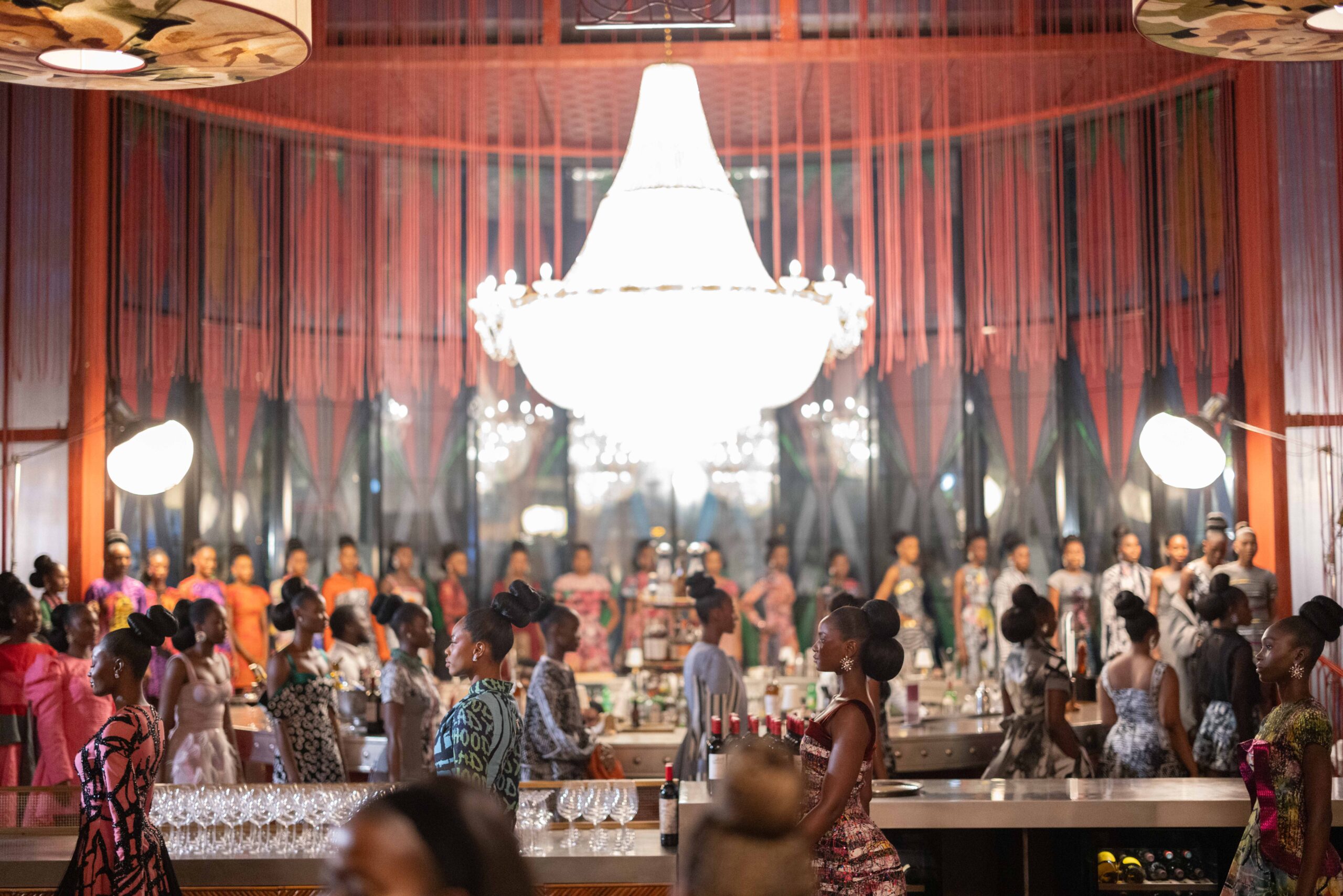
I wanted it to feel like both a celebration as well as a chance to pause and acknowledge the journey. Beyond the fashion show, it was about gratitude: to our clients, artisans, and supporters who have sustained the brand for a decade. I hoped guests left with a renewed sense of what The Ladymaker stands for—purpose, beauty, and persistence.

What moments from the anniversary celebrations felt most meaningful to you personally?

The finale. Standing backstage and watching the models walk, I felt an overwhelming mix of calm and pride. Beyond the Graffiti collection, it was about the ten years that brought us there. Seeing our longstanding clients, friends of the house, the team and my family celebrate that moment made it unforgettable.

The reunion of past clients, patrons, and collaborators created a sense of community. How has community shaped The Ladymaker’s journey?

Community is our foundation. Many of our clients have grown with us—through different life stages and seasons. That enduring relationship is what gives The Ladymaker its reason for being. After all, what is The Ladymaker without ‘The Lady’?

The fashion industry has transformed significantly in the last decade. Which challenges tested your resilience the most, and how did you overcome them?

Building within Africa brings unique challenges such as, limited infrastructure, supply chain constraints, lack of skilled personnel and macro economic shifts. We have learned to innovate within these limitations and focus on continuing to provide great value, which will always be relevant to the woman who needs it.

Sustainability and ethical production are gaining attention. How is The Ladymaker navigating this conversation in practice?

For us, sustainability starts with intentionality, which is why we prefer the classic of=ver the trendy, and prefer to create fewer, better things. We also repurpose existing fabrics and work closely with local artisans, ensuring fair and continuous employment. Sustainability for us is cultural and human as well as an environmental commitment.

Beyond creative evolution, what does business expansion look like for The Ladymaker in the next phase?

We’re focused on refining our internal systems and expanding regionally, and exploring global partnership opportunities. The next phase is about scalability—maintaining artistry while achieving commercial strength. We’re building toward a structure that allows The Ladymaker to thrive independently, sustainably, and globally.

Are there upcoming collaborations, retail expansions, or creative projects we should anticipate?

We’re exploring new partnerships across fashion, art, and cultural spaces. We’re also preparing for a new collection that continues our exploration of beauty through storytelling. There’s much to look forward to, but in our usual way—quietly, thoughtfully, and with intention.

Looking ahead to the next ten years, what legacy are you intentionally building?

I want The Ladymaker to stand as proof that African brands can build enduring legacies—rooted in heritage but expressed with global relevance. My hope is that when people look back, they see a world that celebrated African beauty in its most refined and resonant form.

If you could speak to the version of yourself who founded The Ladymaker 10 years ago, what would you say?

I’d tell her to trust start quickly and refine as she goes along, and explore all her ambitions and dreams as robustly as she can, because 10 years goes by much faster than one would think.

And finally, what message would you like to leave with the women and communities who have grown with the brand?

Thank you for believing, for wearing our story, and for walking this journey with us. The Ladymaker has always been about women. My hope is that the brand continues to remind us of the strength of individuality, ladyhood and following the road less travelled.




Federal Workers Demand Immediate Payment of Three-Month Wage Award Arrears

0

Federal civil servants have called on the Nigerian government to promptly settle the three months of outstanding arrears from the N35,000 wage award approved last year to help workers cope with rising living costs.

In interviews with the News Agency of Nigeria (NAN) in Abuja on Sunday, the workers voiced growing frustration over what they described as an unexplained and increasingly troubling delay in the payment of the outstanding allowances. Many said the delay has deepened financial strain at a time when inflation continues to eat into salaries and household expenses remain elevated.

Several employees told NAN that the government’s slow response appears to be part of a broader pattern in which worker welfare issues receive little attention until public pressure mounts.

One civil servant described the situation as “disheartening,” noting that many colleagues had been relying on the wage award to offset mounting transport, food, and utility costs. Another worker said the delayed payments had left households struggling to meet basic obligations, despite repeated assurances from authorities.

Labour unions have repeatedly urged the government to honour all outstanding commitments related to the wage award, warning that prolonged delays risk further eroding morale within the public workforce.

The N35,000 wage award was introduced as a temporary palliative to ease economic pressure on federal employees following policy reforms that triggered higher living costs. Workers say the government must now prioritize clearing the arrears to restore confidence and provide much-needed relief amid persistent inflationary challenges.

Federal High Court Announces 2025 Christmas Vacation, Releases Roster of Vacation Judges

0

The Federal High Court has announced its 2025 Christmas vacation schedule and published the roster of judges who will preside over matters during the holiday period. According to the court, the vacation will commence on December 19, 2025, with full sittings expected to resume across all judicial divisions on January 7, 2026.

The details were contained in a statement issued on Monday by the court’s Director of Information, Dr. Catherine Christopher, titled “Notice of 2025 Christmas Vacation and Roster for Vacation Judges.” Christopher noted that the schedule followed a circular approved and signed by the Chief Judge of the Federal High Court, Justice John Tsoho.

“The Federal High Court hereby issues notice of its 2025 Christmas Vacation as well as the approved Roster of Vacation Judges,” the statement read. “The court will commence its Christmas Vacation for the year 2025 on Dec. 19. This vacation schedule is issued pursuant to Order 46, Rule 4(c) of the Federal High Court (Civil Procedure) Rules, 2019 (as amended). Court sittings shall resume in all Judicial Divisions on Jan. 7, 2026.”

Christopher added that during the vacation period, the court’s core divisions Abuja, Lagos, and Port Harcourt will remain open and available to the public for urgent matters requiring judicial attention.

The roster of vacation judges is expected to guide legal practitioners and litigants seeking emergency hearings, especially in cases involving enforcement of fundamental rights, electoral matters, and time-sensitive applications.

Nigeria to Get 500 New CNG Refuelling Stations as MDGIF, Chinese Firm Seal Infrastructure Deal

0

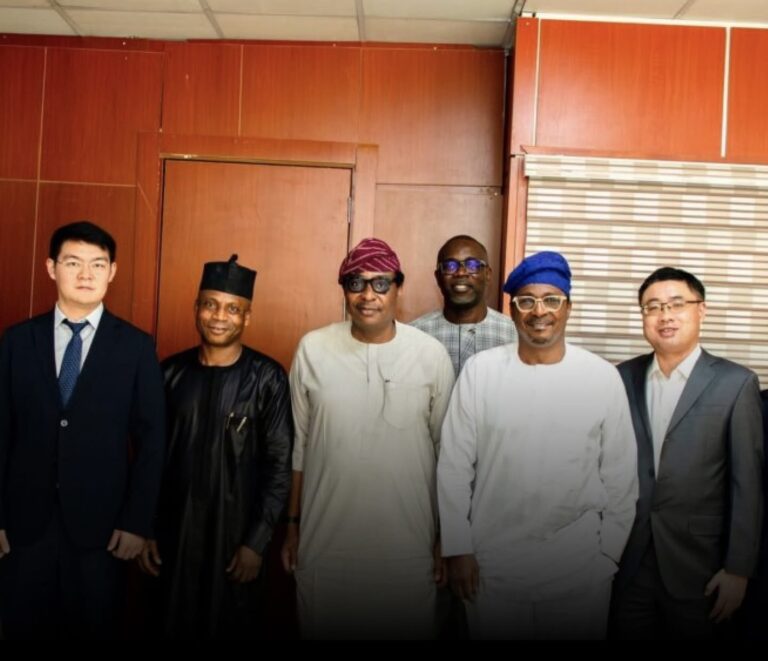
The Midstream and Downstream Gas Infrastructure Fund (MDGIF) has concluded high-level talks with Chinese manufacturing giant Endurance Group to deliver 500 Compressed Natural Gas (CNG) refuelling stations across Nigeria over the next three years one of the country’s most ambitious clean-fuel infrastructure projects to date.

Speaking with journalists after the meeting in Abuja, MDGIF Executive Director, Mr. Oluwole Adama, said the discussions centered on creating a government-backed Special Purpose Vehicle (SPV) designed to fast-track the nationwide rollout of CNG facilities and strengthen the backbone of Nigeria’s gas mobility sector.

“The collaboration underscores the parties’ commitment to accelerating Nigeria’s transition to cleaner fuels by addressing infrastructure gaps across the country’s CNG value chain,” Adama said.

He disclosed that the newly formed entity, Compressed Natural Gas Auto Mobility Infrastructure Company (CAM InfraCo), will serve as the primary implementation platform for the project.

“Under this agreement, we will set up the Compressed Natural Gas Auto Mobility Infrastructure Company (CAM InfraCo), which will be used to deploy 500 integrated CNG refuelling stations, develop LCNG gas supply infrastructure, and provide CNG and LNG transportation trucks with truck-mounted cascades, forming a virtual pipeline across all states nationwide,” he explained.

The initiative is expected to significantly boost Nigeria’s clean energy transition efforts, lower transportation costs, and support the Federal Government’s push to diversify energy sources amid global shifts toward low-carbon mobility solutions.

Industry stakeholders say the deployment of 500 stations could be a game-changer for the adoption of CNG-powered vehicles, providing the scale and accessibility required to reduce reliance on petrol and diesel nationwide.

Austria to Introduce New “Frontier Worker Permit” for Cross-Border Employees in December 2025

0

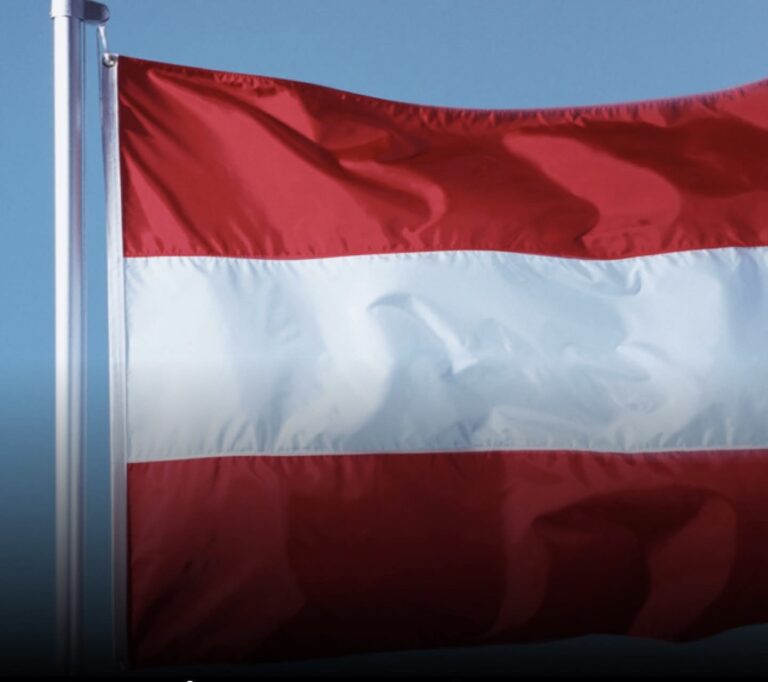
Austria is set to introduce a new work authorization category aimed at cross-border commuters, as part of efforts to address labour shortages and create a more structured framework for foreign workers who live outside the country but travel in regularly for employment.

Beginning December 1, 2025, the government will launch the “Frontier Worker Permit,” a document designed specifically for individuals who reside in neighbouring countries—such as Germany, Italy, Switzerland, and the Czech Republic—but work in Austria on a daily or weekly basis.

The initiative, announced by Austrian labour authorities, seeks to streamline the legal status of so-called frontier or cross-border workers who maintain their primary residence abroad while holding jobs within Austria’s borders.

According to officials, the permit will offer a clear, formal pathway for this category of employees, many of whom are currently operating under fragmented or varying administrative arrangements depending on their employer and region.

The model is straightforward: frontier workers will continue living in their home country, commute across the border for work, and return after completing their shifts—without taking up long-term residence in Austria.

Government representatives say the scheme is intended to balance Austria’s growing labour needs with responsible migration management, ensuring that essential sectors in border regions can access qualified staff while maintaining regulatory oversight.

The new permit is expected to benefit industries such as healthcare, hospitality, manufacturing, and logistics, which rely heavily on cross-border labour and have reported persistent staffing shortages in recent years.

Nigeria Suspends 15% Petrol and Diesel Import Duty Amid Stakeholder Pushback

0

The Federal Government has suspended the controversial 15% import duty on petrol and diesel, a move that has drawn widespread praise from independent oil marketers, who had previously protested against the policy.

The marketers argued that imposing the duty would amount to indirect regulation in a supposedly deregulated environment. They highlighted the role of imported petroleum products in preventing monopolies, fostering competition, and supplementing domestic refinery outputs, which remain insufficient to meet national demand.

President Bola Ahmed Tinubu had approved the duty in October 2025 following a request from the Federal Inland Revenue Service (FIRS). The policy, applied to the cost, insurance, and freight (CIF) value of imported petrol and diesel, was intended to make imported fuel less competitive, encourage local refining, boost domestic capacity, and moderate pump prices.

However, the policy faced strong opposition from Nigerians and oil marketers, who warned that its implementation could push fuel prices above N1,000 per litre. Some analysts also criticized the suspension, arguing that it represents a long-term misalignment with Nigeria’s energy security and industrial objectives, as imported fuel remains cheaper than locally refined products.

Despite this, the suspension has been welcomed by many as a sign that public opinion is being considered in national energy policy, reflecting ongoing debates about balancing local refining development with immediate consumer needs.


Play To Win 2025 Crowns Esoterica As Live Auditions Winner, Marking A New Era For Africa’s Music Business

0

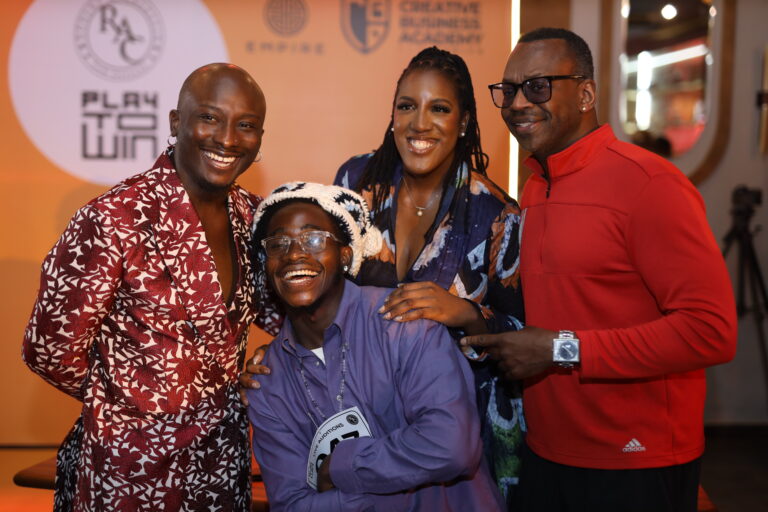
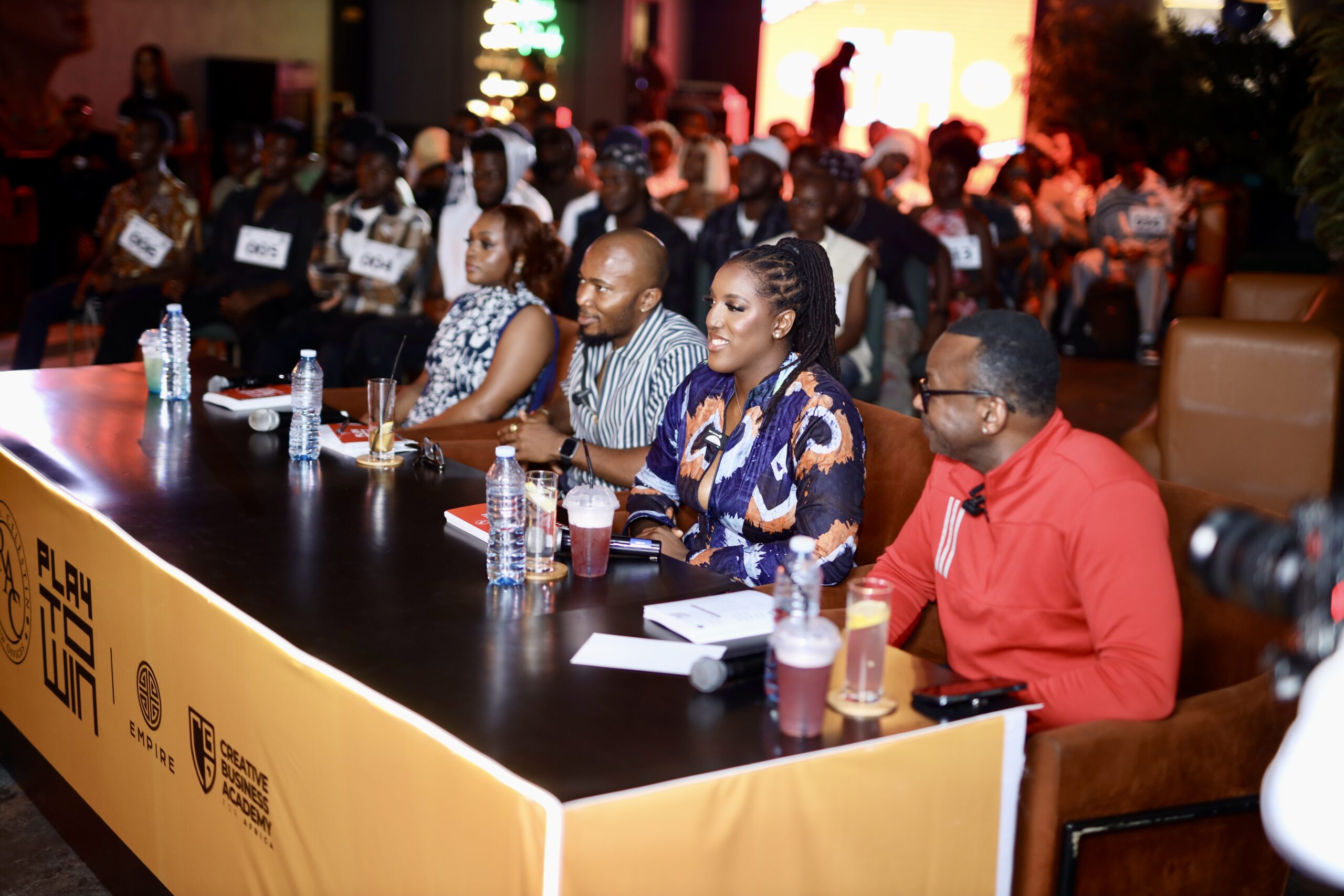
Play to Win, one of West Africa’s most influential and fast-growing music business summits, returned to Lagos for its second edition with a powerful message: Africa’s creative future will be built on structure, knowledge and global access.

Presented by The Law Offices of Robert A. Celestin in partnership with Empire Africa, the 2025 edition expanded its scale, visibility and impact anchored by a historic 12-hour global livestream, industry-led masterclasses, strategic networking engagements and a spotlight on rising African talent.

And at the center of this year’s story is Esoterica, the emerging artist who was unveiled as the winner of the highly anticipated Play to Win 2025 Live Auditions.

ESOTERICA RISES: A STAR EMERGES FROM LAGOS

Esoterica

After a rigorous audition process featuring dozens of Lagos-based performers, Esoterica was officially announced as the 2025 Live Auditions Winner. She stepped forward to receive a symbolic ₦3,000,000 cheque, presented on stage amid cheers, camera flashes and a global online audience.

Her prize package includes:

₦3 million cash award

A full professional studio equipment bundle

Automatic admission into the Creative Business Academy (CBA) Africa Programme

Her victory captivated both the live audience and thousands of online viewers, marking her as one of the new voices to watch in Africa’s evolving music landscape.

Second and third-place winners also received scholarships into the CBA Programme via the Play to Win Beneficiary Fund, further extending the summit’s commitment to talent development.

A THREE-DAY SUMMIT REDEFINING AFRICAN MUSIC BUSINESS

Hosted from November 14–16, 2025, Play to Win offered a structured and immersive program designed to empower emerging creatives and equip industry professionals with world-class knowledge.

DAY ONE: THE 12-HOUR GLOBAL LIVESTREAM

The summit made history with a record-breaking 12-hour broadcast, the longest continuous music business livestream ever produced from Africa.

Viewers across the continent, Europe, the Middle East and the U.S. tuned in to watch auditions, interviews, executive commentary and live judging expanding Lagos’ influence as a global creative hub.

DAY TWO: INDUSTRY WELCOME RECEPTION

The exclusive mixer brought together:

• Label executives

• Entertainment lawyers

• Producers and songwriters

• Media professionals

• Cultural influencers

The evening created new alliances and strengthened industry networks essential for Africa’s next decade of creative growth.

DAY THREE: PANELS, MASTERCLASSES & THE CULTURAL AFTER-PARTY

Day Three delivered deep, actionable knowledge through a series of high-level sessions featuring influential voices shaping Africa’s music ecosystem.

HIGHLIGHT PANELS & STRATEGIC INSIGHTS

1. How A&R, Management, Marketing and Distribution Power the Modern Artist

Featuring senior executives from Empire Africa, the panel explored how artists break globally through coordinated creative direction, digital strategy, and brand positioning.

2. The Four Essential Contracts Every Modern Artist Must Understand

Led by award-winning entertainment lawyers Robert A. Celestin and Camille N. Anidi, this legal masterclass broke down:

• Artist Management Agreements

• Recording Contracts

• Publishing Deals

• Producer Agreements

The session armed attendees with the legal clarity needed to navigate today’s complex music landscape.

3. Sound, Stage & Strategy: Inside the DJ and Producer Economy

Featuring Dutty Yosa (Rema’s official tour DJ), Dope Caesar, and Ronny Jatagani (Founder, Element House), this conversation opened the curtain on performance economics, touring, and digital-era branding.

The summit concluded with an official Lagos-style after-party featuring leading DJs celebrating the city’s rhythmic heartbeat and cultural influence.

PLAY TO WIN: BRIDGING AFRICA TO THE WORLD

Speaking on the significance of this year’s edition, project lead Camille N. Anidi emphasized the mission:

“Our goal is to equip artists and executives across Africa with the knowledge, legal understanding and global perspective they need to truly compete. Play to Win is a bridge between creativity and structure, between Lagos and the world.”

Founder Robert A. Celestin, an award-winning U.S. entertainment lawyer whose firm has represented global stars including Pop Smoke and XXXTentacion, delivered expert insights on artist development, management, and intellectual property protection.

Their leadership combined with Empire Africa’s support continues to position Play to Win as one of the continent’s most credible platforms for music business education.

ABOUT PLAY TO WIN

Play to Win was founded to close the gap between creative talent and business literacy across Africa’s rapidly expanding entertainment economy.

The inaugural edition in 2024 attracted over 250 participants.

The 2025 edition scaled significantly, adding:

• Global livestreaming

• Expanded partnerships

• Increased talent support

• New training and mentorship opportunities

The summit remains dedicated to empowering emerging African creatives with the access and expertise needed to compete on a global stage.

Kizz Daniel Reinvents Himself as “Uncle K” with the Release of Uncle K: Lemon Chase

0

After nearly a decade of dominance in Afrobeats, Kizz Daniel steps into a new artistic era, rebranding himself as Uncle K a name that reflects both maturity and industry mileage. This persona takes center stage in his May release, Uncle K: Lemon Chase, an EP that extends his tradition of pairing unconventional titles with content that only loosely connects to them. It’s classic Kizz Daniel: unpredictable, mischievous, and unmistakably himself.

The EP features an ensemble of collaborators including Zlatan, Odumodublvck, Bella Shmurda, Fola, Runtown, Angelique Kidjo, and Johnny Drille. While seven tracks make up the project, only two are solo efforts; the rest rely on Kizz Daniel’s knack for pairing his smooth delivery with strong supporting voices from across the Afrobeats spectrum.

The project opens with a playful celebration of African beauty. Kizz Daniel leans into swagger and romantic storytelling, singing, “I tell my padi make he come see my babe, he say Orobo lo gbe.” What follows is a mix of affirmations and heartfelt pleas for more time to hustle and make ends meet. However, the track suffers from uneven mixing a distraction that takes away from its emotional charm.

Fola, currently enjoying his moment in the spotlight, shines on “Titi.” Much like the opener, the track revolves around love, reassurance, and vulnerability. Both artists tap into shared emotional territory, delivering a warm, melodic performance. On “Secure,” Kizz Daniel shifts to a more cautionary tone, urging listeners to maintain financial stability. Zlatan’s presence injects Yoruba humour and streetwise charm, turning a serious topic into a light-hearted, memorable track.

The mood darkens thoughtfully on “Al-Jannah,” a heartfelt tribute to the departed. Odumodublvck and Bella Shmurda channel their personal losses, offering a raw, universal message that resonates with anyone who has mourned loved ones.

Runtown delivers an unexpected, refreshing appearance on “Peace I Chose,” a mid-tempo track centered on loyalty and devotion. His signature calm elegance gives him the upper hand on the record, blending seamlessly with Kizz Daniel’s tone.

The tempo spikes with “Eyo,” a lively club-ready jam built for nightlife energy  loud, punchy, and designed to move bodies.

The project closes on a high note with “Police,” featuring Grammy-winner Angelique Kidjo and Johnny Drille. The trio glide over a smooth, understated production, exchanging melodies and harmonies with satisfying chemistry.

Across Uncle K: Lemon Chase, Kizz Daniel reinforces what fans already know: he deeply understands legacy and longevity. Even with its flaws  particularly in mixing and mastering the EP reflects his commitment to evolution while maintaining the sound that made him one of Afrobeats’ enduring forces. Nearly ten years in, the Ogun State-born star still delivers work that resonates, reminding listeners why he remains central to the genre’s story.

M

UNCTAD Warns High Clean-Tech Tariffs Could Stall Africa’s Renewable Energy Transition Despite Falling Global Prices

0

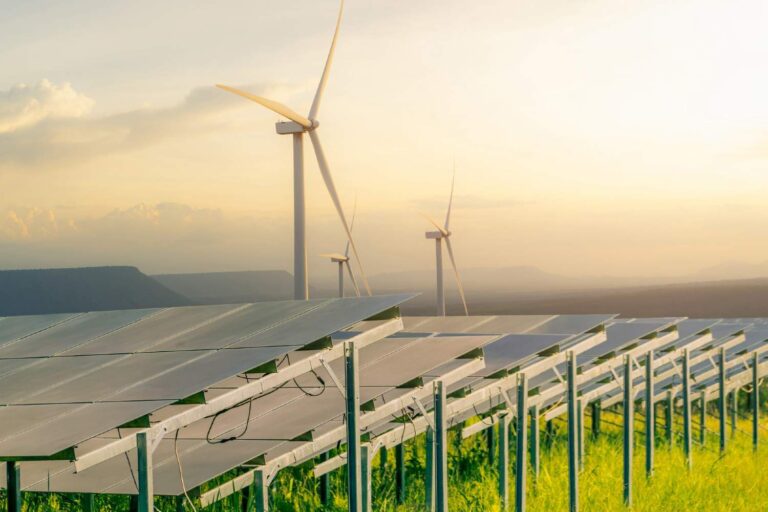
Africa’s push toward renewable energy faces a growing threat from high clean-technology tariffs and ongoing trade barriers, according to a new global trade and climate briefing released by the United Nations Conference on Trade and Development (UNCTAD).

The report warns that despite a dramatic global decline in the cost of renewable technologies—particularly solar and wind—African countries remain unable to fully capitalize on these gains due to restrictive trade policies that inflate prices and slow adoption.

UNCTAD highlights that worldwide, the energy landscape has shifted rapidly over the last decade. The average global cost of electricity generated from new solar installations has dropped by 41% since 2010, while the cost of onshore wind power has fallen even further, becoming 53% cheaper than fossil-fuel generation. These reductions, the agency notes, should ideally make clean energy more accessible than ever.

However, Africa’s ability to benefit from this progress remains constrained. Many African countries continue to face high import tariffs, complex customs procedures, and other non-tariff barriers that drive up the cost of renewable energy components such as solar panels, inverters, turbines, and battery systems.

As a result, clean-energy technologies that have become affordable globally remain prohibitively expensive in several African markets, slowing the continent’s transition away from fossil fuels.

UNCTAD emphasizes that global trade is a powerful but underused tool for climate action, arguing that lower trade barriers could accelerate renewable energy deployment, reduce emissions, and help developing countries transition more equitably.

The agency urges governments, multilateral institutions, and private-sector partners to reform trade policies, strengthen regional value chains, and invest in infrastructure that supports the large-scale adoption of clean energy across the continent.